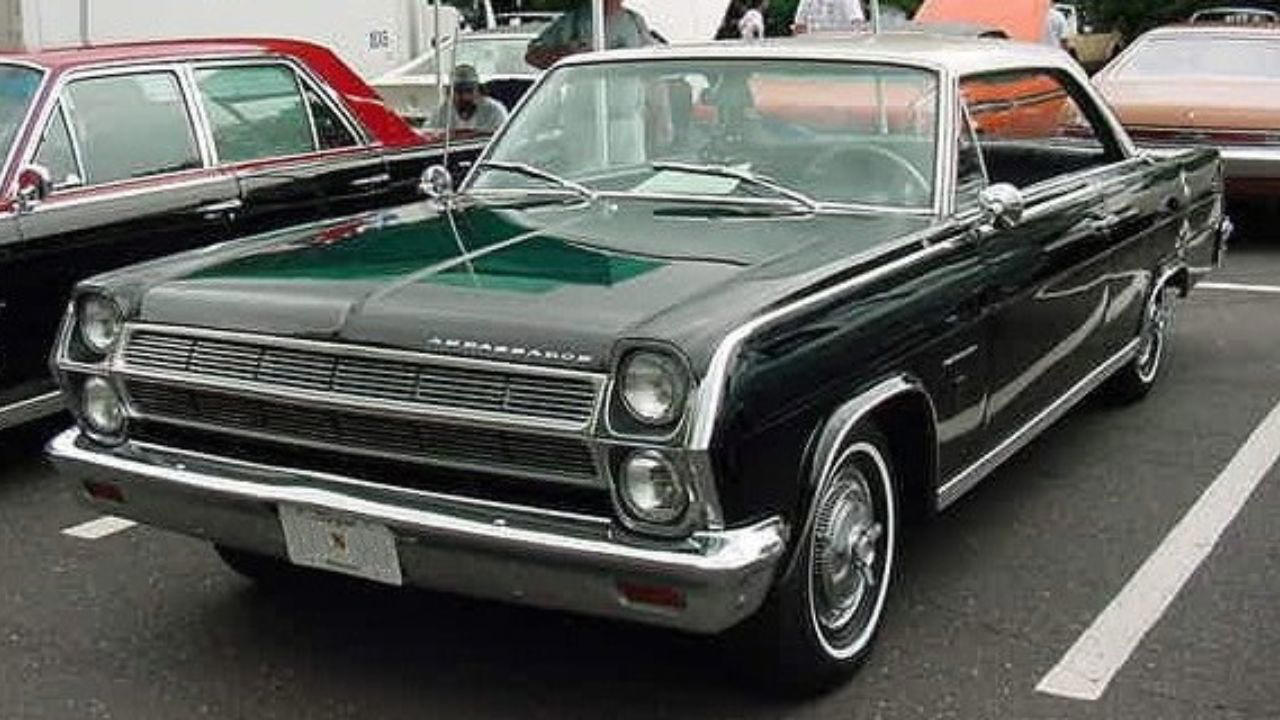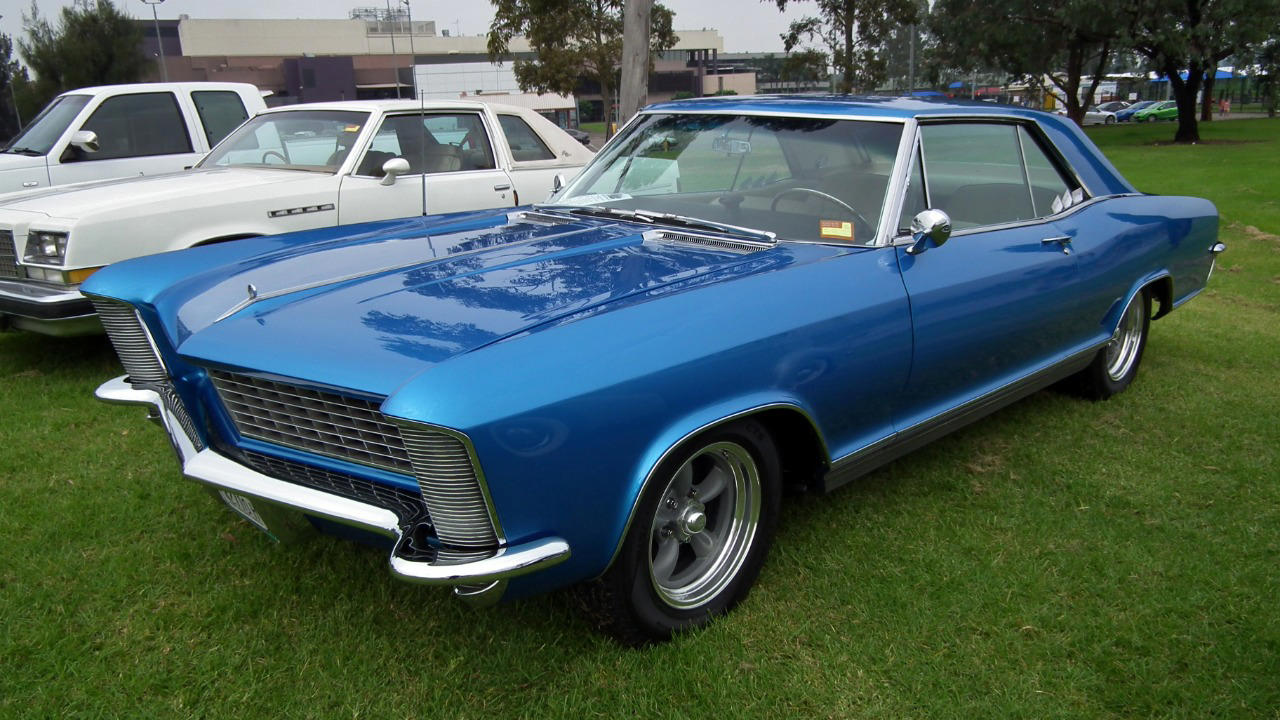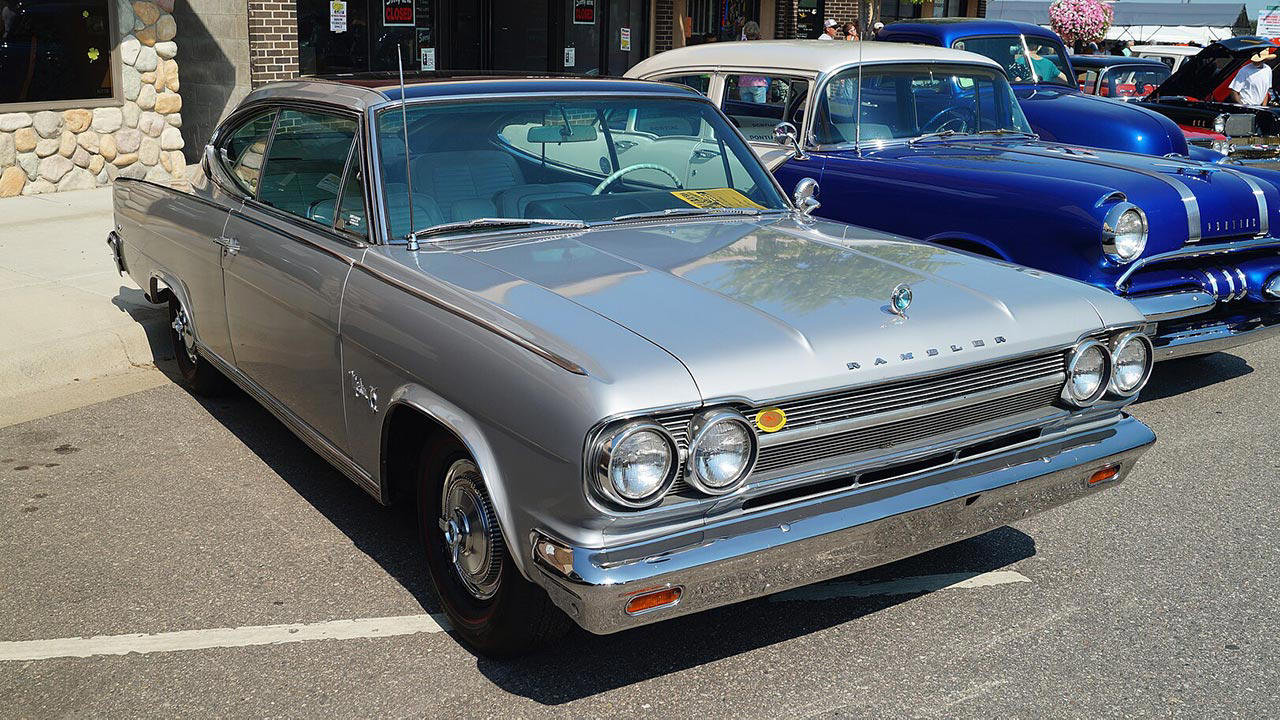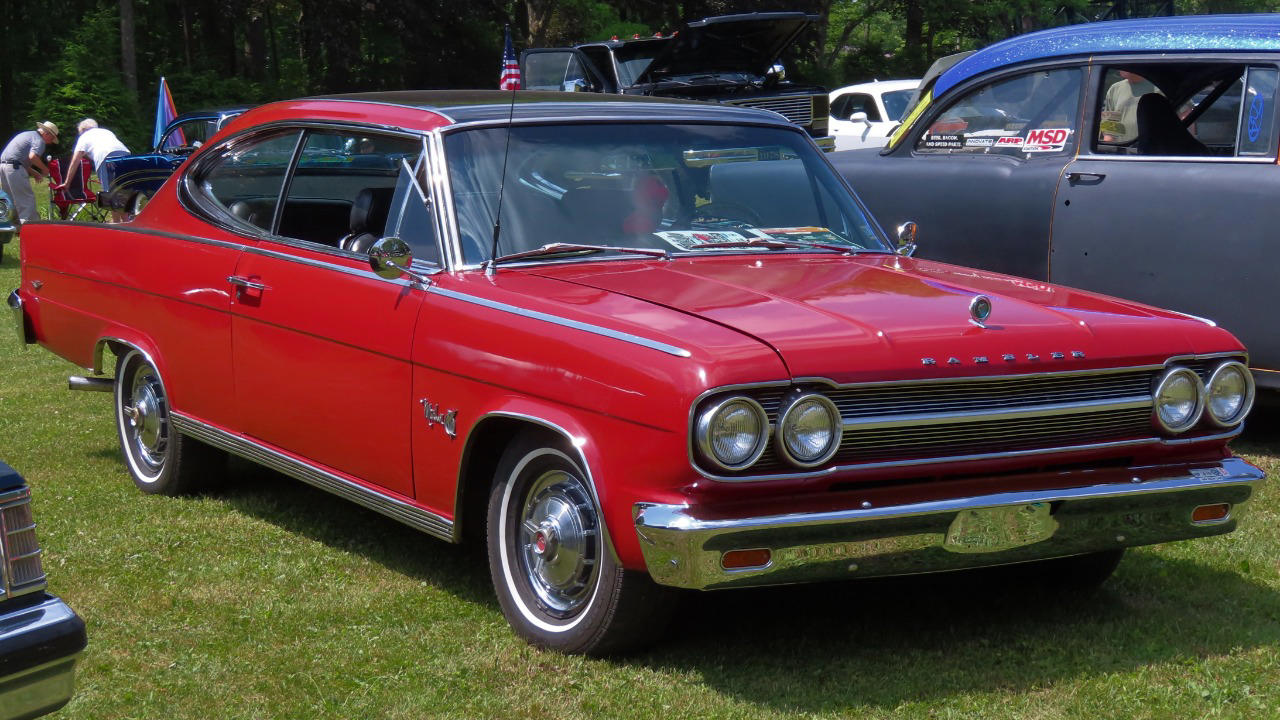



















The 1965 Rambler Marlin showed American styling was changingBy the mid-1960s, the American automobile industry was entering a period of transformation. For years, Detroit’s styling trends had been defined by chrome, tailfins, and increasingly elaborate ornamentation. The dramatic excesses of the late 1950s had gradually given way to cleaner designs, but most manufacturers still relied on familiar formulas when creating family cars and luxury vehicles. At the same time, buyer preferences were beginning to shift. Younger consumers wanted vehicles that looked sporty and modern. European influences were becoming more noticeable. Fastback rooflines, personal luxury coupes, and sporty grand touring cars were attracting increasing attention. Automakers were searching for ways to combine practicality with style. Into this changing landscape stepped one of the most unusual American cars of the decade. The 1965 Rambler Marlin didn’t become a major sales success. It never achieved the fame of the Mustang, GTO, or Charger. Yet its significance extends beyond sales figures. The Marlin demonstrated that American styling was moving in a new direction. Its sweeping fastback roofline, personal-car focus, and emphasis on design over traditional family-car practicality reflected trends that would soon influence manufacturers throughout Detroit. In many ways, the Marlin arrived before the market fully understood where automotive styling was headed. American Motors Needed a Halo Car During the 1960s, American Motors Corporation occupied a challenging position. The company lacked the enormous resources available to General Motors, Ford, and Chrysler. Competing directly against Detroit’s giants often proved difficult, particularly when it came to advertising budgets and production volume. As a result, AMC frequently pursued unconventional strategies. The company sought vehicles that could generate attention and improve public perception, even if they weren’t expected to become high-volume sellers. Executives understood the value of a halo car—a model designed to attract interest and showcase innovation. The Marlin emerged from that philosophy. It wasn’t intended to be another ordinary Rambler. It was intended to change how people viewed the brand. The Fastback Idea Was Gaining Momentum One of the most important styling trends of the mid-1960s involved the fastback roofline. Designers increasingly viewed fastbacks as modern, sporty, and sophisticated. European grand touring cars often utilized flowing rooflines that extended smoothly toward the rear of the vehicle. American manufacturers began experimenting with similar concepts, hoping to capture some of that excitement. The Marlin embraced the trend completely. Its roofline swept dramatically from the windshield to the rear deck, creating a silhouette unlike most contemporary American automobiles. The design immediately attracted attention. Whether buyers loved it or hated it, they noticed it. That alone represented a victory for AMC. The Car Was Based on the Ambassador Rather than developing an entirely new platform, AMC based the Marlin on its full-size Rambler Ambassador architecture. This decision helped control costs while providing a spacious foundation for the new model. The downside was size. Compared to some sporty competitors, the Marlin remained relatively large. Yet AMC attempted to use that size as an advantage. The company envisioned the car as a personal luxury coupe rather than a traditional sports car. Comfort and style would matter as much as performance. The fastback roofline helped reinforce that image. The goal wasn’t necessarily to build the fastest car on the road. The goal was to build one of the most distinctive. Styling Took Priority The Marlin represented a notable departure from AMC’s traditional priorities. Historically, the company had built much of its reputation around practicality, value, and efficiency. The Marlin focused heavily on appearance. Its design emphasized visual impact rather than maximum utility. The long roofline, unique rear glass arrangement, and dramatic proportions created a vehicle that looked more emotional than rational. That shift reflected broader changes occurring throughout the industry. Manufacturers increasingly recognized that buyers wanted cars that made them feel something. Transportation alone wasn’t enough. Style had become a major selling point. The Marlin embodied that reality. It Helped Define the Personal Car Movement The Marlin arrived during the early stages of what would become the personal luxury coupe boom. Vehicles such as the Ford Thunderbird had already demonstrated that buyers appreciated stylish coupes designed primarily for individuals rather than families. The Marlin pursued a similar idea. Although it offered a rear seat, the car emphasized the experience of the driver and front passenger. Its marketing focused on individuality, style, and personal expression. This approach would become increasingly common throughout the late 1960s and 1970s. Cars were no longer marketed solely as transportation for households. Many were marketed as extensions of personal identity. The Marlin helped illustrate that shift. The Rear Window Became a Signature Feature One of the car’s most distinctive design elements was its expansive rear glass. The large rear window enhanced visibility while also contributing to the fastback profile. From certain angles, the glass appeared almost panoramic. The feature gave the Marlin a futuristic appearance compared to many contemporary vehicles. It also demonstrated how designers were experimenting with new shapes and proportions. Automotive styling was becoming more adventurous. The Marlin served as a rolling example of that evolution. Its designers clearly wanted people to view the car as modern. The rear window played an important role in achieving that goal. Performance Wasn’t the Main Story Unlike many memorable cars of the 1960s, the Marlin wasn’t defined primarily by performance. AMC offered V8 engines capable of providing respectable acceleration, but outright speed wasn’t the vehicle’s central mission. This distinction separated the Marlin from the emerging muscle car movement. The company believed buyers might be interested in style and exclusivity even without extreme horsepower. In hindsight, that approach was somewhat ahead of its time. The personal luxury segment would eventually become one of the industry’s most important categories. The Marlin hinted at that future before many competitors fully embraced it. Buyers Weren’t Quite Sure What It Was One challenge facing the Marlin involved positioning. The car didn’t fit neatly into existing categories. It wasn’t a sports car. It wasn’t a traditional luxury coupe. It wasn’t a family sedan. As a result, some buyers struggled to understand its purpose. The unusual styling generated curiosity, but curiosity doesn’t always translate into sales. Many consumers admired the design without ultimately purchasing the car. The Marlin’s uniqueness became both a strength and a weakness. It attracted attention but sometimes confused potential customers. The Industry Moved Toward Similar Ideas Although the Marlin itself never became a major commercial success, many of the ideas it represented spread throughout the industry. Fastback rooflines became increasingly popular. Personal luxury coupes grew into a dominant market segment. Manufacturers devoted greater attention to emotional styling and individuality. Cars such as the Dodge Charger and later personal luxury models embraced concepts that echoed some of the Marlin’s themes. AMC had recognized an important trend. The company simply reached the destination before many competitors. Collectors Appreciate Its Originality Today, the Marlin enjoys a level of appreciation that far exceeds its original sales success. Collectors value the car precisely because it is different. Its styling remains distinctive, and its place in automotive history has become easier to understand with the benefit of hindsight. The Marlin represents a moment when American manufacturers were experimenting with new ideas and searching for new directions. Its bold design choices make it a fascinating artifact of that era. Enthusiasts increasingly recognize that the car deserves credit for its willingness to challenge convention. A Glimpse of the Future Looking back, the 1965 Rambler Marlin feels less like a product of the early 1960s and more like a preview of what would follow. The emphasis on personal style, dramatic rooflines, and emotional appeal anticipated trends that would shape automotive design for years. AMC may not have executed every aspect perfectly. Sales may not have met expectations. But the company correctly identified where styling was heading. That insight gives the Marlin lasting significance. The Car That Saw Change Coming The 1965 Rambler Marlin showed American styling was changing because it embraced ideas that were only beginning to emerge throughout the industry. Its fastback silhouette, personal luxury focus, and dramatic appearance reflected a shift away from purely practical automobiles toward vehicles designed to create emotional connections with buyers. The car wasn’t a blockbuster success. It didn’t dominate headlines or sales charts. Yet its influence can be seen in many of the vehicles that followed. The Marlin demonstrated that American buyers were becoming interested in style, individuality, and personal expression. Detroit would spend much of the next decade pursuing exactly those ideas. In that sense, the Marlin wasn’t behind its time. More from Fast Lane Only Unboxing the WWII Jeep in a Crate 15 rare Chevys collectors are quietly buying 10 underrated V8s still worth hunting down Police notice this before you even roll window down