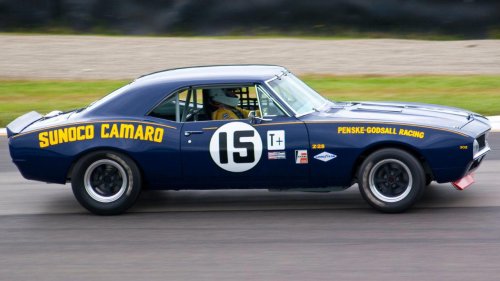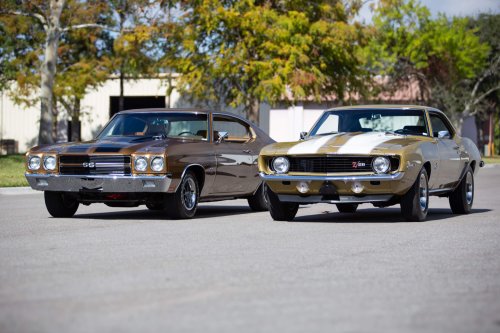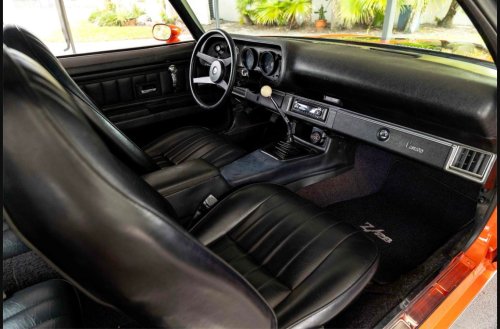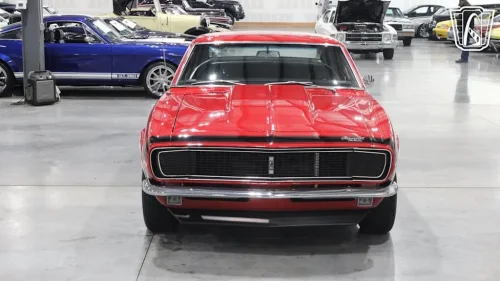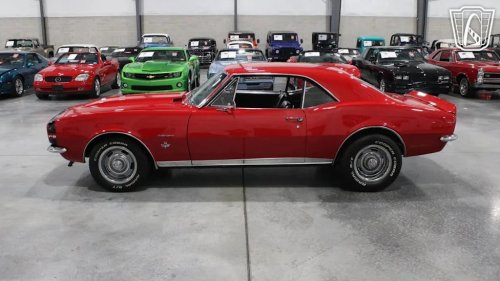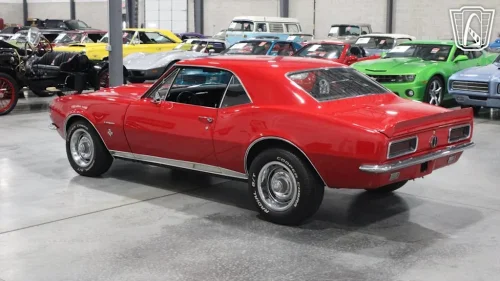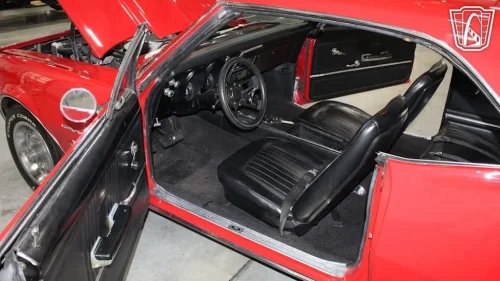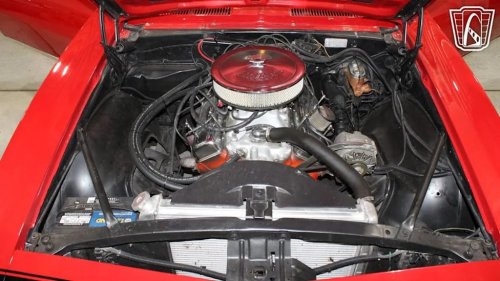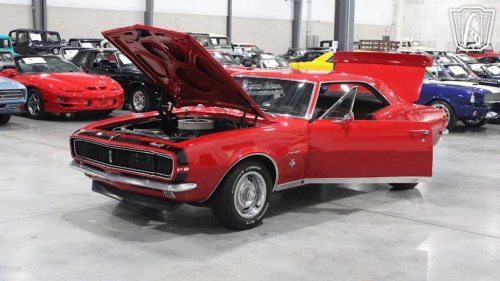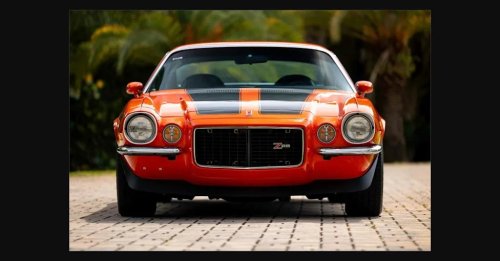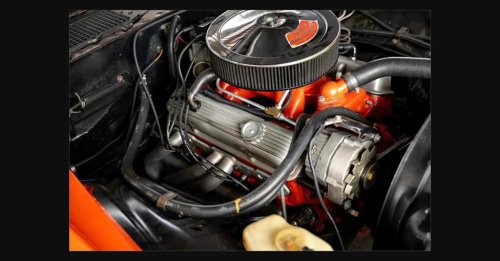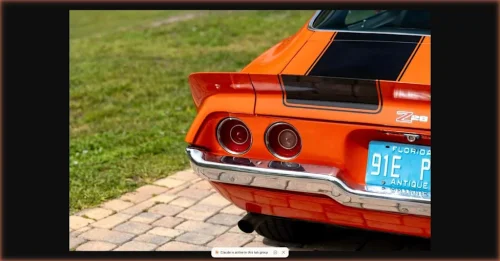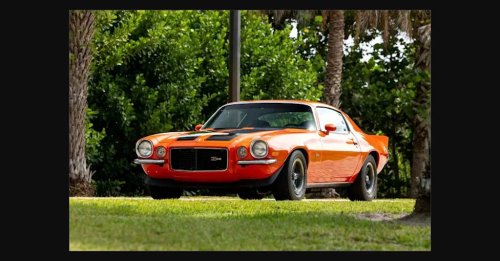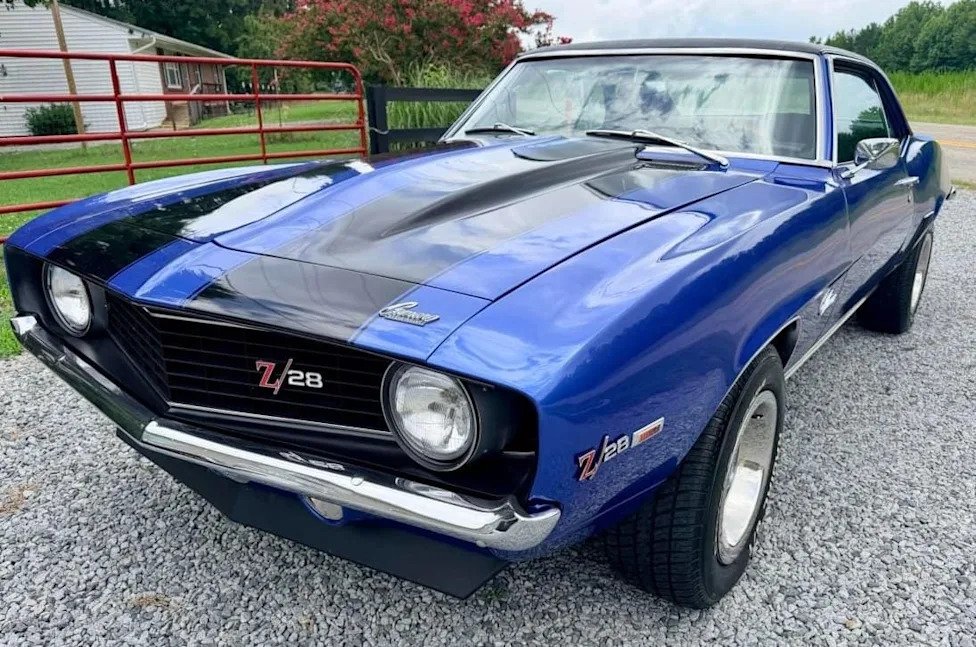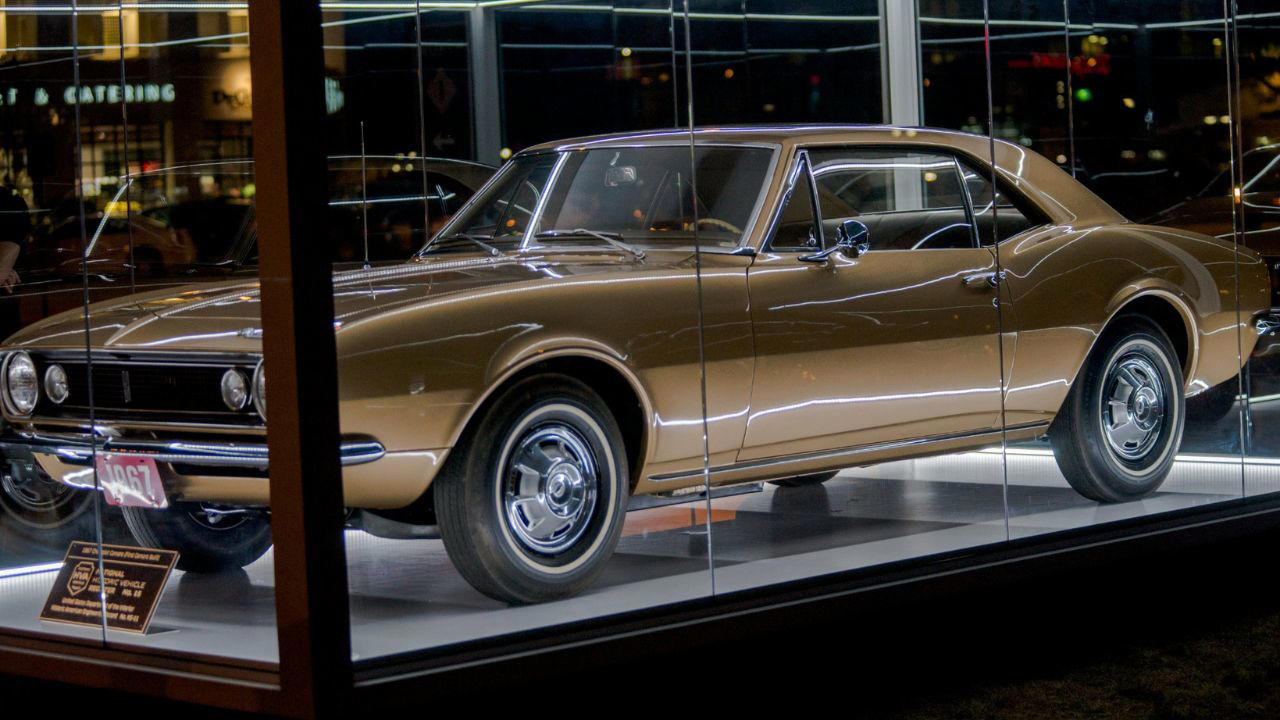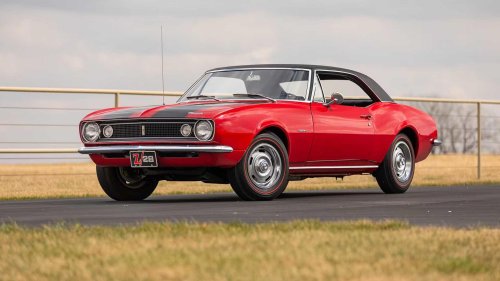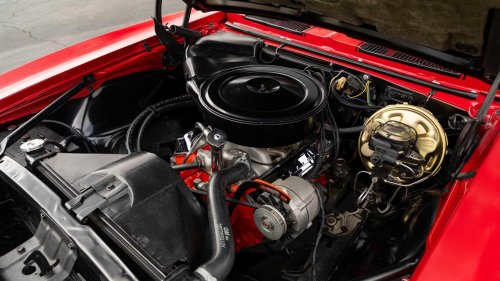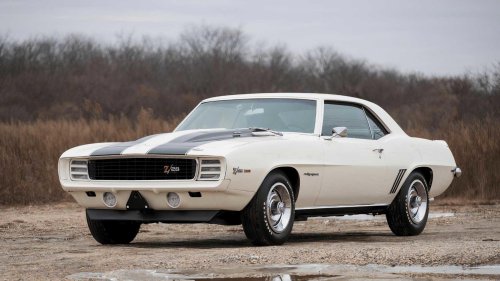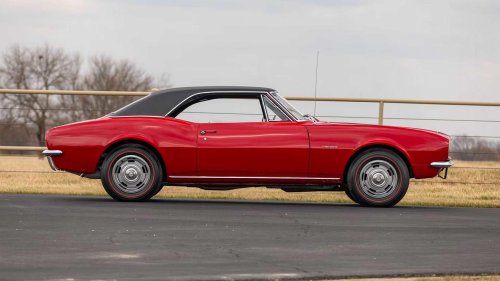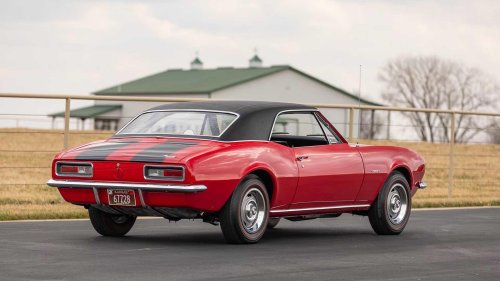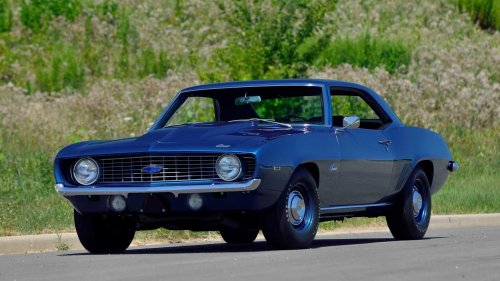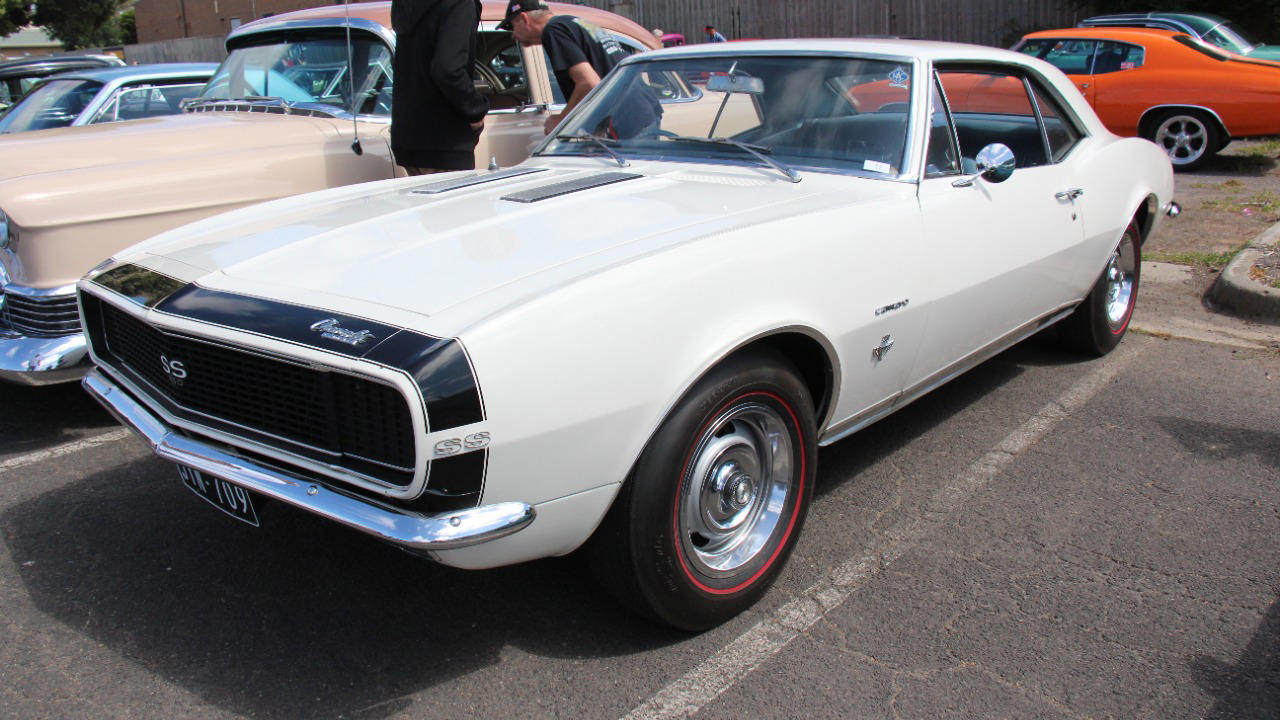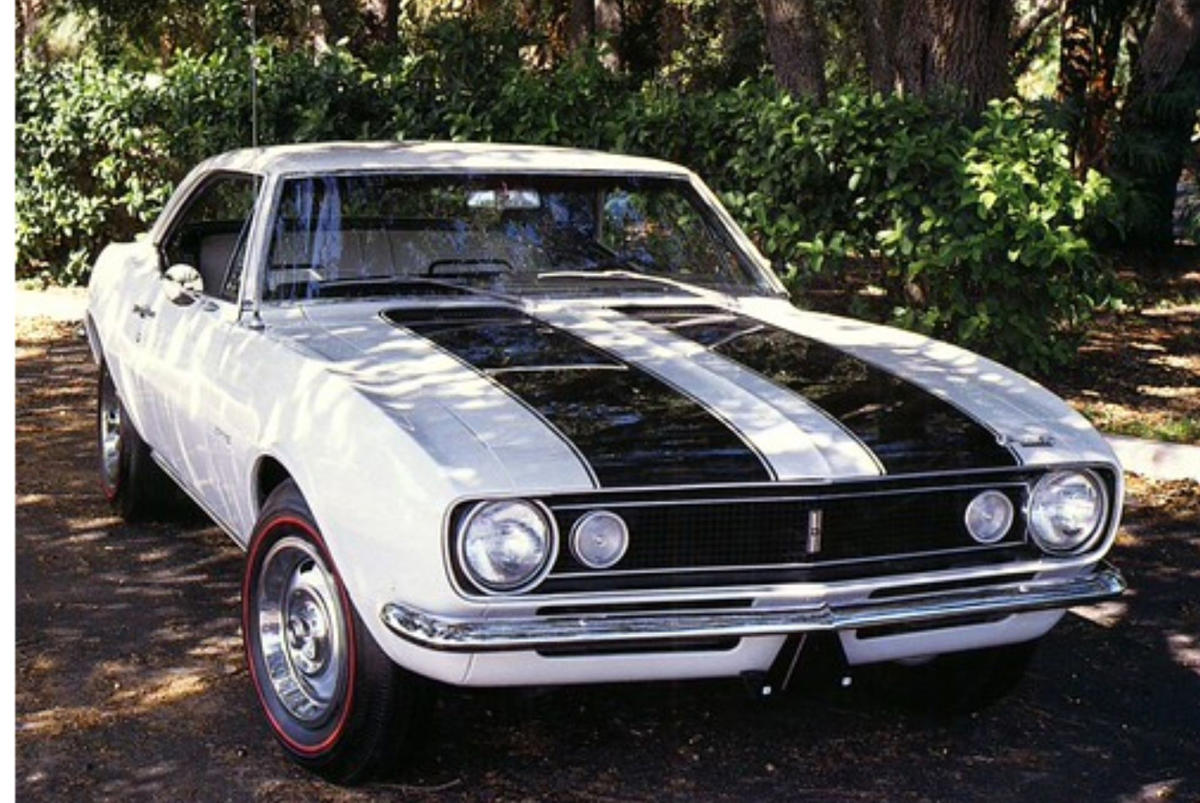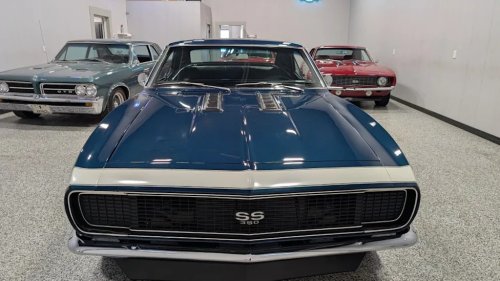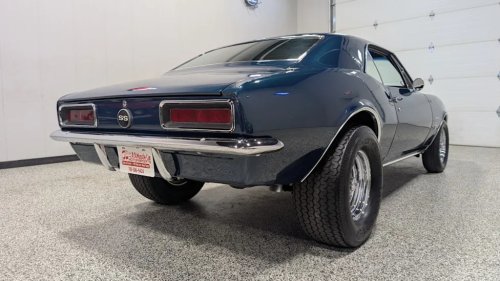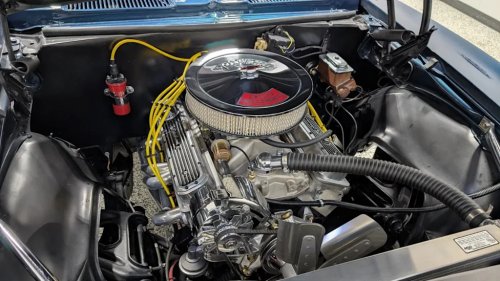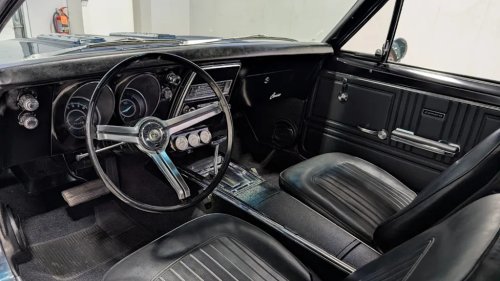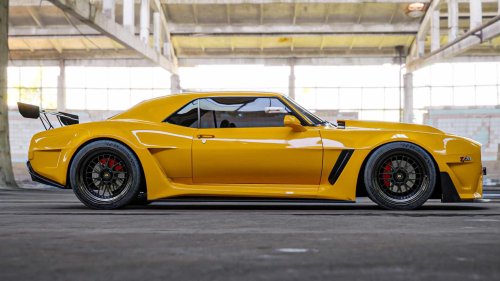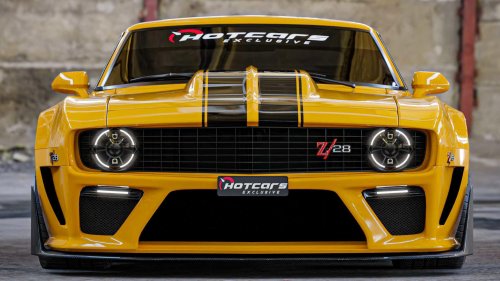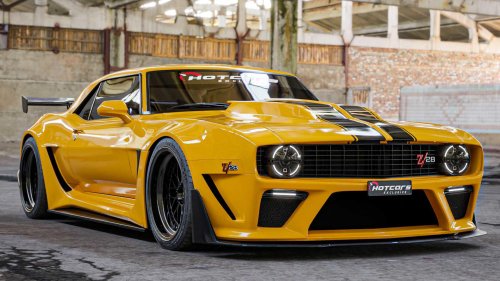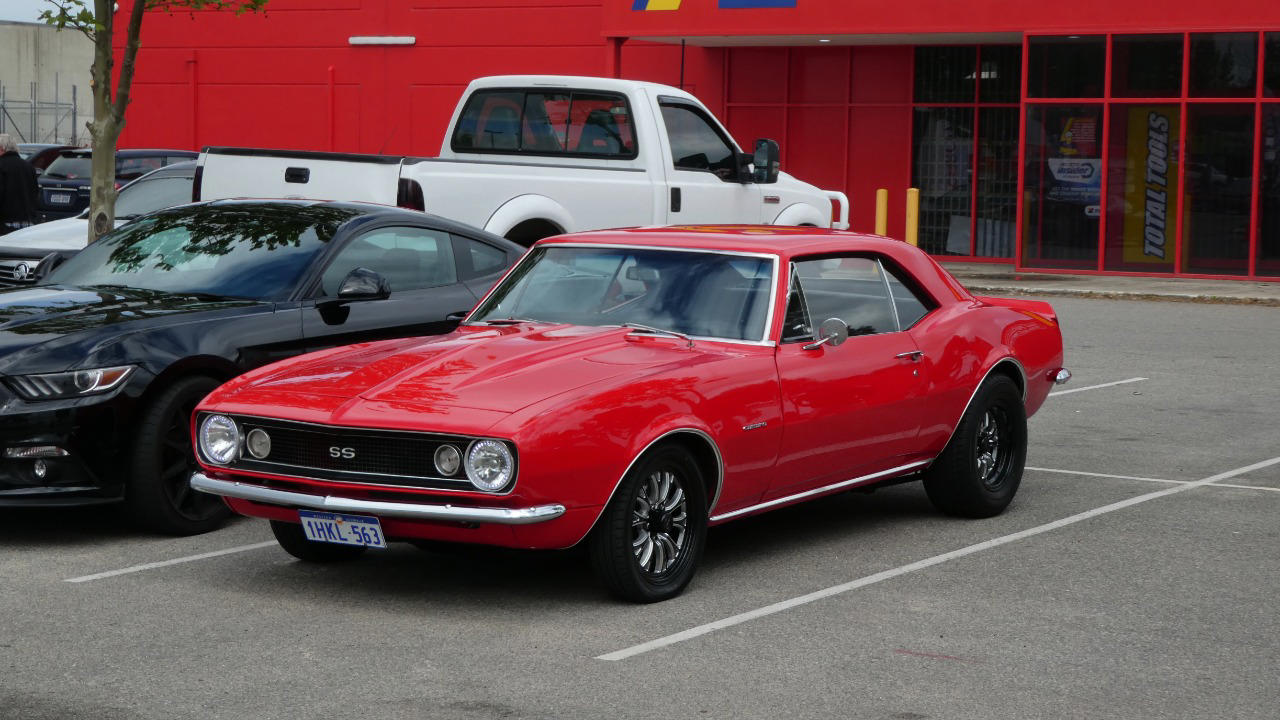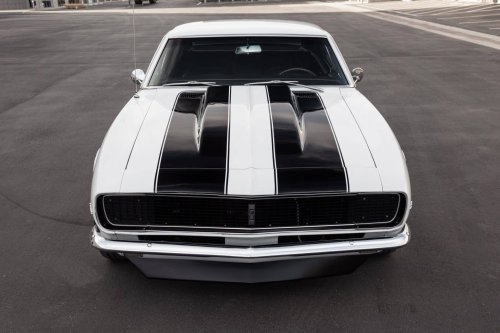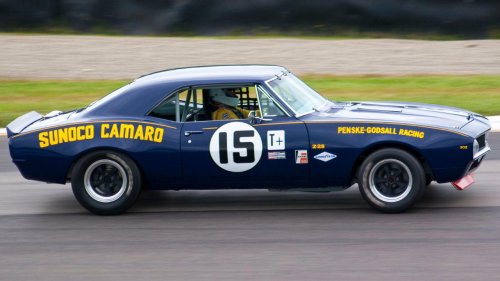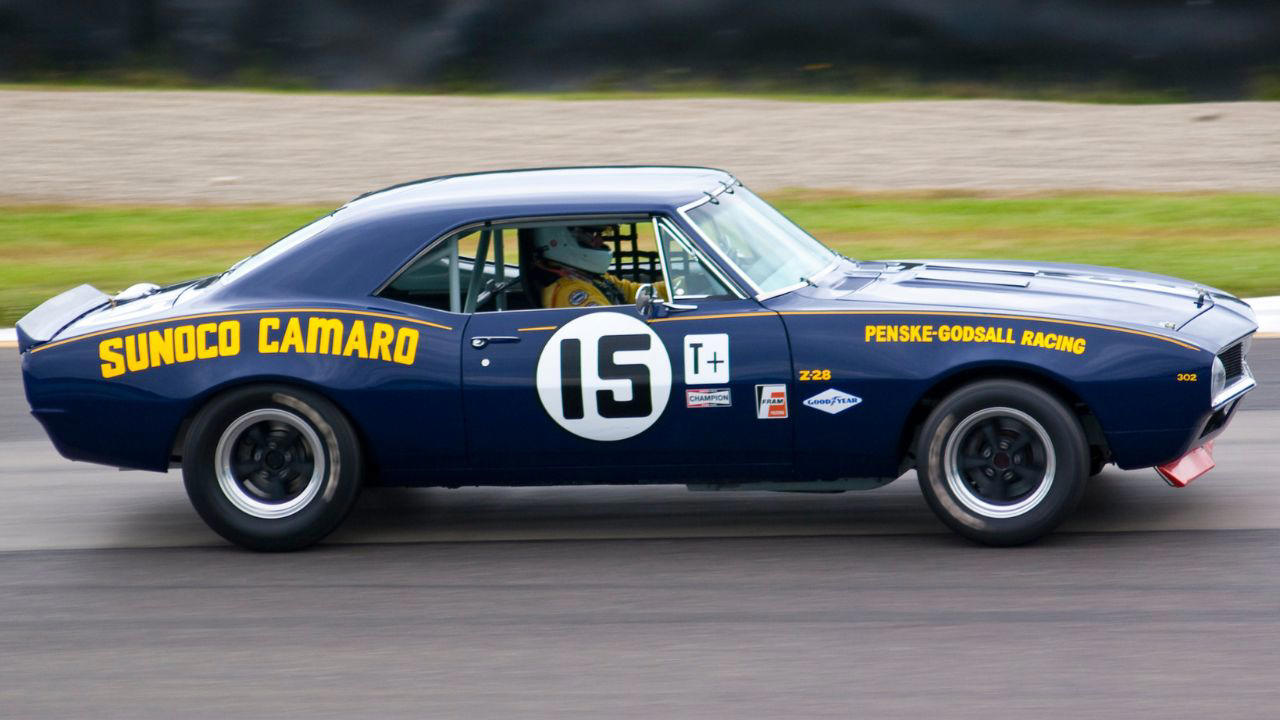


















The 1967 Camaro Z/28 was quietly changing the gameThe original 1967 Camaro Z/28 arrived quietly, built in tiny numbers and never pushed in big advertising campaigns, yet it reshaped how American manufacturers thought about racing specials. While the spotlight stayed on mass‑market pony cars, this low‑profile package turned the new Chevrolet Camaro into a weapon for serious competition and planted the idea that a street car could be engineered from the start for road racing. From its hidden development to its high‑revving small‑block and Trans‑Am focus, the 1967 Z/28 did not just answer Ford’s Mustang on the track. It changed the rules of engagement, proving that less comfort and more purpose could create a different kind of performance icon. The Mustang problem that forced Chevrolet’s hand By the time the Camaro arrived for the 1967 model year, the Ford Mustang had already defined the pony car segment and was dominating sales and racing across America. Contemporary accounts of the period describe how Ford Mustang success on road courses left General Motors searching for a credible answer. The Chevrolet Camaro entered that fight as a direct rival, introduced specifically as a competitor to the top‑selling Ford Mustang. The basic Camaro range covered the usual bases: six‑cylinder commuters, small‑block V8s, and the big‑block SS for straight‑line speed. None of that solved Chevrolet’s problem in organized road racing, where the Mustang was already embedded with teams and fans. Inside General Motors, there was also a policy tension. Corporate rules limited direct racing involvement, which meant Chevrolet had to support racers without a flashy factory program. That environment helped shape a subtler approach. Rather than a headline‑grabbing halo car, engineers created a package that met the rulebook first and marketing needs much later. A Special Performance Package hiding in plain sight The result was coded Z/28, a label that looked like an internal option number more than a performance badge. Officially, it was a Special Performance Package created specifically to make the Camaro competitive in SCCA Trans‑Am racing. The name never appeared on the outside of the early cars, which carried only small 302 fender emblems and subtle stripes. Regulations in SCCA Trans‑Am limited engine displacement to 5.0 liters, which pushed Chevrolet engineers toward a 302 cubic inch V8. They achieved this by combining the stroke of a 283 with the bore of a 327, a configuration that favored high revs and durability over brute displacement. The goal was a car that could survive an entire road race at full song, not just a quarter‑mile blast. Because the Z/28 was aimed squarely at competition, Chevrolet did little to tell the general public it even existed. Period order guides listed the option, but there was no glossy campaign to explain why someone might want a stiff‑riding, high‑revving Camaro with minimal comfort equipment. That silence is a big part of why the car was quietly changing the game rather than loudly chasing showroom glory. The 302 that rewrote small‑block expectations The heart of the Z/28 story is its engine. Contemporary technical write‑ups describe how the 302 used a solid‑lifter camshaft, high‑flow cylinder heads and a high compression ratio to create a small‑block that thrived near redline. In factory trim it was conservatively rated, but race preparation unlocked the real potential that SCCA teams needed. A later technical analysis of the Z28 V8 notes that the package included handling and appearance upgrades, yet the focus remained the engine, which was designed to spin hard and make power through revs rather than displacement. That same review points out that Chevrol used the Z28 designation multiple times between 1967 and 2014, which shows how enduring that original engine concept became. The exhaust layout was equally purposeful. Many cars used a single cross‑flow muffler that tucked ahead of the rear axle, a setup that reduced weight and improved ground clearance while giving the Z/28 a distinctive rasp. The combination of high‑revving V8, close‑ratio manual gearbox and firm suspension made the car feel more like a homologation special than a typical Detroit cruiser. Built for SCCA, tuned for corners Beyond the powertrain, the Z/28 package turned the Camaro into a machine that wanted corners as much as straight lines. Stiffer springs, upgraded shocks and heavy‑duty brakes supported the road‑race mission. Period race commentary often highlighted how these cars could change direction quickly and stay composed during long stints on technical circuits. Later coverage of historic events notes that Z 28s were known to be road race cars designed to go around corners and that they were engineered specifically for SCCA competition. That focus separated the Z/28 from many muscle contemporaries that remained primarily drag‑strip specials. Modern descriptions of one preserved Trans‑Am example describe the Chevrolet Camaro Z28 as one of the most iconic American muscle cars, born for the track and bred for the street. Those accounts emphasize how the car blended steel, sound and speed in a way that felt more European in character, yet unmistakably domestic in execution. Too fast and too focused for a big ad campaign Chevrolet’s own marketers seemed unsure what to do with this new kind of pony car. One retrospective on the first‑year model points out that only 602 Z/28s were built in 1967 and that the car was considered too fast, too loud and too cool to advertise. Instead of glossy magazine spreads, information about the package spread mostly through dealers who had racing customers and through word of mouth among enthusiasts. Another period‑inspired account of a survivor car repeats that Chevrolet made about 602 examples. That figure has become part of the car’s legend, a reminder that the first Z/28 was never meant to be a volume seller. It existed to get Camaro into the right class on the grid and to satisfy Motorsport enthusiasts who wanted a variant purpose‑built to do battle on the track. That scarcity, combined with the car’s focused mission, has had long‑term effects on value. Current market analysis suggests that You will Pay Approximately $84,000 For An Average 67 Z/28 Camaro, and top examples can reach far higher. For many owners, that means the first‑year Z/28 is now worth more than a typical house, especially outside the highest priced real‑estate markets. The first Z/28 and the birth of a racing legend The origin story of the very first Z/28 ties directly into Chevrolet’s late entry into the pony car war. With the Chevrolet Camaro about to be introduced for the 1967 model year, and with no factory‑sponsored racing programs at GM, a small group of engineers and dealers pushed to create a car that could run at the front in Trans‑Am. Their work produced the first prototype Z‑28, which would go on to compete and later be painstakingly restored to track condition. Historical features on that car describe how it returned to the circuit after years of research and meticulous restoration, giving modern fans a chance to see how raw the original package really was. Stripped of luxury trim and tuned for endurance, it embodied the idea that performance could come from precision and balance as much as from cubic inches. That first Z‑28 also set the pattern for how Chevrolet handled future homologation efforts. Rather than building a completely separate model, the company created a deeply engineered option package that transformed an existing platform. The approach would influence later performance programs across Detroit. From obscure option to collector obsession For all its impact on racing, the 1967 Z/28 remained a footnote for decades outside dedicated circles. That has changed as collectors and historians have revisited the car’s story. One modern feature on Kevin DeWitte’s 1967 Z28 Camaro notes that More than 55 years after the first Z28 Camaro was quietly introduced to the public in limited supply to qualify for the Trans series, it is now celebrated as a landmark. The same coverage highlights how enthusiasts like Kevin treat the car as both artifact and driving machine, preserving details such as the single cross‑flow muffler while still exercising the car as intended. Social channels connected to that feature, including pages that reference Discovered posts from Kevin and Camaro content at Fuel Curve, show how much appetite there is for deep dives into individual chassis histories. Broader muscle car events have also elevated the Z/28. At gatherings such as the Muscle Car and Corvette Nationals, displays of early Z 28s sit alongside big‑block drag legends and rare Hemi convertibles, yet they attract a different kind of attention. Fans crowd around engine bays, studying the small‑block’s casting numbers and the unique hardware that separates a genuine Z/28 from a clone. The most original survivors and what they reveal Survivor cars provide a window into how radical the Z/28 looked in 1967. A widely shared video of what is described as The Most Original 1967 Z/28 Camaro shows a car that still wears its period interior and mechanical components. The presenter reminds viewers that they only made about 602 of these cars, and that the cabin feels a little bit different compared with more plush contemporaries. Details such as minimal sound deadening, a simple dash layout and functional gauges underline how far Chevrolet was willing to go in the direction of purpose. Where many muscle cars of the era layered on chrome and comfort, the Z/28 prioritized what drivers needed at speed. That philosophy aligns more closely with European touring cars of the period than with typical domestic offerings. These highly original examples also act as reference points for restorers. Because the first‑year Z/28 was built in such small numbers, documentation of correct finishes, fasteners and line‑specific quirks is limited. Owners and historians rely on survivor cars, period photography and archival build sheets to confirm how the cars actually left the factory. How the Z/28 reshaped the Camaro nameplate The influence of the 1967 Z/28 extends far beyond its production run. Later generations of Camaro carried the Z28 name as a performance flagship, and even when the exact formula changed, the core idea of a sharper, track‑leaning variant remained. A modern overview of the trim line notes that for its initial run, just 602 examples of the Z28 were built for 1967, making these early versions among the most sought after Chevrolet Camaro models ever made. Later first‑generation cars, particularly the 1968 and 1969 versions, have been described as among the most underrated Camaro trims when they remain Original, Not Over Restored. That perspective reflects how the market has started to value authenticity and period correctness as much as high‑gloss restorations. The Z/28 concept also influenced how other manufacturers approached homologation. Ford’s own race‑focused Mustangs, along with later efforts from Chrysler and American Motors, increasingly mirrored the formula of limited‑run, rules‑driven packages that were legal for the street but born for the track. In that sense, the quiet 1967 option helped normalize an entire category of factory specials. Why the 1967 Z/28 still matters More than half a century after its debut, the first‑year Z/28 still feels modern in its priorities. It is relatively light, with a small‑displacement engine that rewards revs and a chassis tuned for agility. Those traits align closely with current performance thinking, where lap times and driver engagement matter more than raw horsepower bragging rights. More from Fast Lane Only Unboxing the WWII Jeep in a Crate 15 rare Chevys collectors are quietly buying 10 underrated V8s still worth hunting down Police notice this before you even roll window down