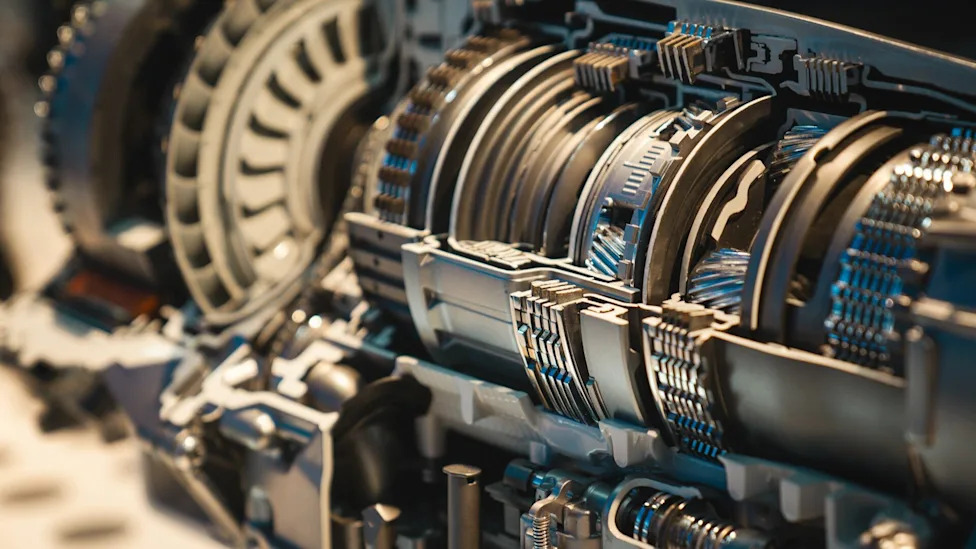
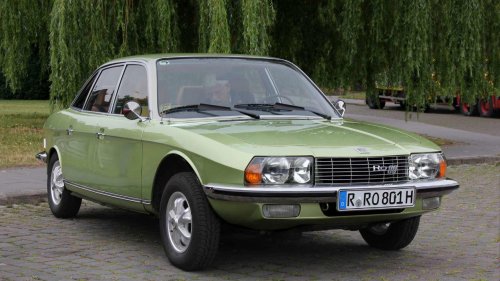
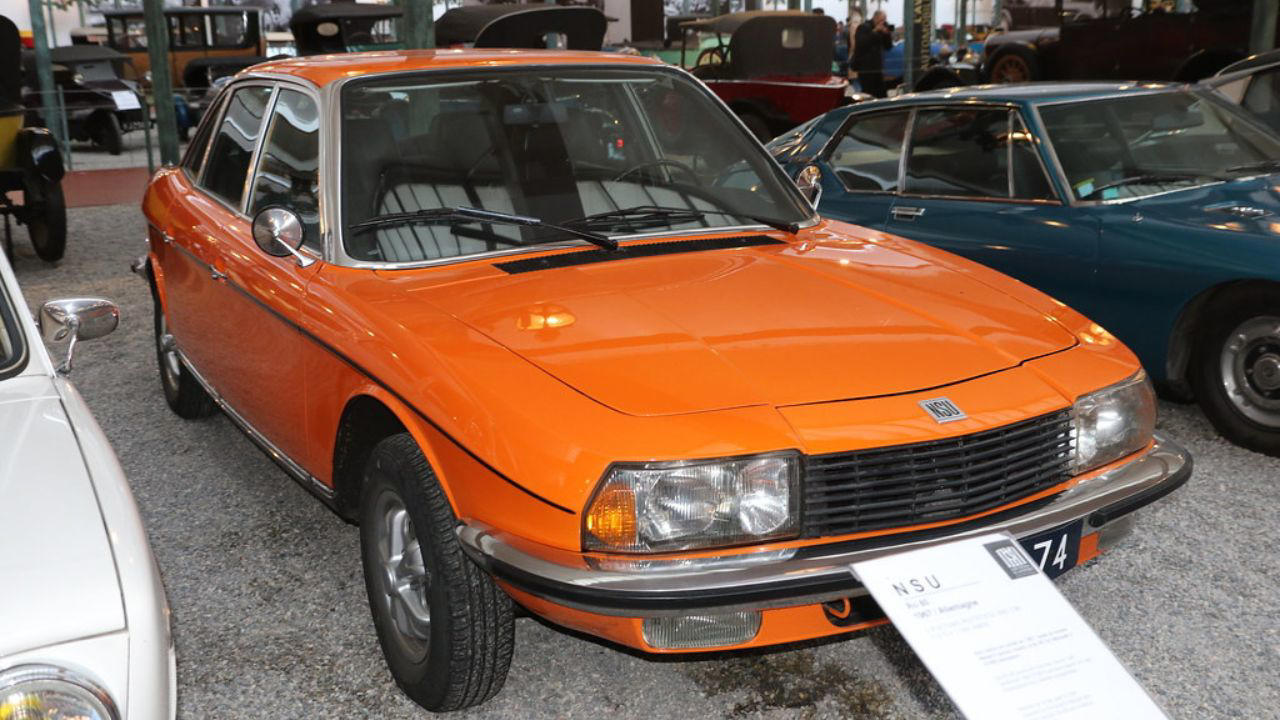
Innovation came early with the 1967 NSU Ro 80 and its rotary engineIn the late 1960s, when most sedans still looked and drove like rolling conservatism, NSU put a radical four-door on the road with a smooth rotary heart and a shape that seemed to have rolled in from the future. The NSU Ro 80 did not just adopt a new engine; it wrapped an entire executive car concept around aerodynamic science and advanced engineering. That ambition made it both a landmark in automotive innovation and a cautionary tale about what happens when technology outruns reliability. A radical sedan from a small West German builder The story begins with NSU, a relatively small West German manufacturer that chose to leap ahead of larger rivals rather than follow them. The company created NSU Ro 80 as a front-engine, four-door executive sedan aimed at customers who might otherwise have looked to established luxury brands. From the outset, it was intended as a showcase for advanced ideas, not a modest incremental update. Rotary is what the “Ro” in Ro 80 stands for, and NSU used that badge to signal that the car’s core technology was different. As one detailed history notes, the model was Launched in 1967 with a rotary powerplant, front-wheel drive and a body that looked nothing like the upright sedans of the time. The decision to combine an all-new engine type with a clean-sheet chassis and styling would define both its brilliance and its problems. Wind tunnel styling and a futuristic profile NSU did not treat the Ro 80’s shape as an afterthought. The company developed the car in a wind tunnel, and NSU developed the with a wedge-shaped body line, a flat front end and a low, slightly rising beltline. Its large glass area and smooth surfaces gave the sedan a low drag figure that would influence later European designs. To contemporaries, the result looked genuinely futuristic. The sloping nose, integrated grille and headlamps, and almost flush glass stood in contrast to the chrome-laden three-box cars parked in the same showrooms. The design did more than look modern; it helped stability and fuel consumption at speed, long before aerodynamics became a mainstream marketing term. Even details such as the relatively short overhangs and carefully profiled rear end pointed forward to the visual language that later defined Audi and other German marques. Period commentary on Futuristic styling often singled out the Ro 80 as a template for the modern European sedan. The Wankel rotary: smooth power with a hidden cost At the center of the Ro 80’s technical package sat the Wankel rotary engine. According to one detailed technical overview, the NSU Wankel powerplant made the sedan one of the most technologically advanced production cars in the world. The rotary’s compact size and lack of reciprocating pistons allowed for a smooth, high-revving character that traditional engines struggled to match at the time. The rotary also fit well with NSU’s packaging goals. Its small footprint helped accommodate front-wheel drive without the long bonnet associated with large inline engines. That layout freed up cabin space and contributed to the car’s distinctive proportions, with the short, sloping nose and roomy interior that owners praised. Yet the same engine that gave the Ro 80 its identity also planted the seeds of its downfall. The design relied on delicate rotor tip seals to maintain compression. As one buying guide notes, Worn rotor tips led to low compression, poor starting and heavy oil consumption. In practice, many early owners saw their engines fail far earlier than expected, a problem that would haunt the car’s reputation. Transmission and chassis: innovation beyond the engine The drivetrain did not stop at the rotary. NSU paired the engine with a semi-automatic transmission that used a conventional gearset but dispensed with a clutch pedal. Period road tests described how drivers could change ratios simply by moving the lever, with the system operating the clutch automatically. A detailed retrospective on When the NSU was released explains that this solution aimed to combine the ease of an automatic with the efficiency of a manual at a time when full automatics were still relatively rare in Europe. Underneath, the Ro 80 featured independent suspension and disc brakes on all four wheels. That combination, together with the front-wheel-drive layout, gave the car secure handling and strong stopping power. Contemporary reviewers often remarked that the chassis felt entirely modern, with a ride and composure that rivalled more expensive executive models. The result was a sedan that, in engineering terms, had very little in common with NSU’s earlier small cars. It was a clean break, and that break was recognized quickly. The Ro 80 became European Car of the Year in its debut period, a fact echoed in club discussions that recall how The Ro 80 was immediately hailed as “Car of the Year” and ahead of its time in every regard. Debut fanfare and early acclaim The public first saw the Ro 80 on a major stage. Video coverage of the model’s launch highlights how The NSU Ro 80 was the star of the 1967 International Motor Show, where its smooth body and unusual engine drew crowds. For a company of NSU’s size, stealing attention from established names at a major international event was a remarkable achievement. Period footage and later retrospectives describe visitors peering into the engine bay to see the compact rotary and marvelling at the clean dashboard and large glass area. The car’s combination of futuristic styling and advanced drivetrain technology made it stand out in a hall full of more conservative sedans and coupes. Enthusiast histories often repeat the same core impression: the Ro 80 felt like a glimpse of what executive cars might look and drive like in the 1980s rather than the 1960s. One long-form reflection on The Ro 80 describes it as a bold statement in automotive engineering, with features such as flush glazing, low drag and semi-automatic transmission that later became associated with Audi. Reliability troubles and the “pains of innovation” The glow of early praise did not last. Shortly after being European Car of the Year in its debut period, problems began to surface as owners approached their first high mileages. A detailed account of Pains of Innovation explains how premature rotor seal wear led to repeated engine failures, often requiring complete replacement rather than simple repair. These issues were not minor inconveniences. Many owners saw engines fail at mileages that would have been unacceptable even for a budget car, let alone an expensive executive sedan. Warranty replacements became common, placing a heavy financial burden on NSU. The same source notes that the company effectively used customers as long-term testers for the rotary, with iterative updates trying to address weaknesses while cars were already in service. Enthusiast buying guides and club discussions echo the same theme. The Ro 80 was expensive to build and thirsty on fuel, and its epic unreliability undermined confidence. Once word spread that Sadly many engines failed early, resale values collapsed and the car’s image shifted from futuristic to fragile. How the rotary dream strained NSU The mechanical troubles had consequences that went far beyond individual owners. NSU had bet heavily on the rotary engine as a way to differentiate itself from larger German manufacturers. That bet required significant investment in tooling, development and warranty support. As one detailed retrospective of the Pains of Innovation story points out, the high production costs and repeated engine replacements eroded the company’s finances at a critical time. In the broader economic context, the early 1970s brought new pressure. The OPEC oil crisis pushed fuel prices up and made efficiency a priority for buyers. A rotary-powered sedan that was already known for being thirsty suddenly looked even less attractive. The same Facebook reflection that describes NSU Ro 80 as a bold statement also links its demise to high production costs and the changing fuel environment. By the mid 1970s, NSU’s independence was effectively over. While the provided sources focus more on the car than on corporate transactions, they make clear that the combination of warranty liabilities, expensive engineering and a shrinking market for thirsty sedans left little room for the company to recover its investment in the Ro 80 project. Owners, endurance runs and the Sahara story Despite the reputation for fragility, the Ro 80 also generated stories of surprising durability when properly maintained and updated. An account of a long-distance test recounts how seven Ro 80s tackled a punishing endurance drive across desert terrain. The report describes how Seven Ro 80s survived the Sahara, a feat that challenged the perception that every rotary-powered NSU was a ticking time bomb. These endurance stories highlight two realities. First, later engines and carefully prepared cars could handle serious punishment, especially once NSU and independent specialists had refined seal materials and cooling. Second, the car’s chassis, brakes and aerodynamics were fundamentally sound, allowing it to cope with high speeds and rough conditions when the powertrain held together. Enthusiast communities still celebrate the model as a revolutionary car design. One club page describes how the Nsu ro 80 was very advanced for its time and a true engineering marvel, even if it was flawed. That duality, admiration mixed with frustration, runs through most owner recollections. How historians and enthusiasts judge it now Modern retrospectives tend to frame the Ro 80 as flawed but visionary. A detailed modern review describes it as a Flawed and Revolutionary executive sedan that was not just another car with a rotary engine, but a cohesive advanced package. The same piece emphasizes how the design and engineering influenced later models long after production ended. Video essays revisit the idea that the NSU Ro 80 represented a rotary dream that ultimately consumed its maker. Another long-form video analysis describes how the NSU Row 80 produced from 1967 to 1977 was one of the most innovative sedans of the twentieth century, manufactured by the German company that was willing to take risks its rivals avoided. Club posts and enthusiast essays often argue that if NSU had introduced the car with a more conservative engine, or if the rotary had been given more development time before mass production, the story might have been very different. Yet they also concede that without the rotary, the Ro 80 would not have had the same identity or impact. Legacy in design and technology Even though NSU itself did not survive as an independent player, the Ro 80’s influence can be traced through later German cars. The clean, aerodynamic body, the emphasis on high-speed stability and the integration of advanced drivetrain technology became hallmarks of the brands that inherited NSU’s engineering DNA. The car’s flush glazing, low drag and semi-automatic transmission, described in the Discovered NSU Wikipedia entries and enthusiast histories, foreshadowed the direction of executive sedans in the 1980s and 1990s. More from Fast Lane Only Unboxing the WWII Jeep in a Crate 15 rare Chevys collectors are quietly buying 10 underrated V8s still worth hunting down Police notice this before you even roll window down



















 +45 others