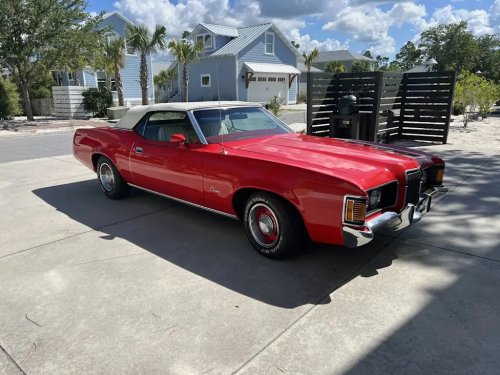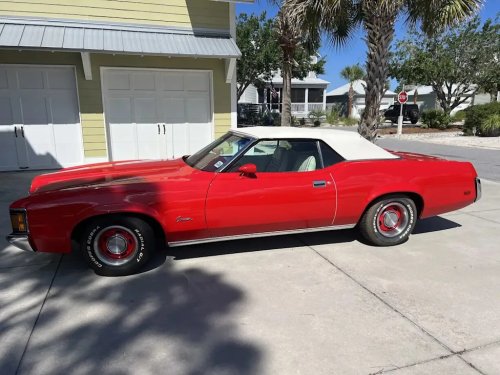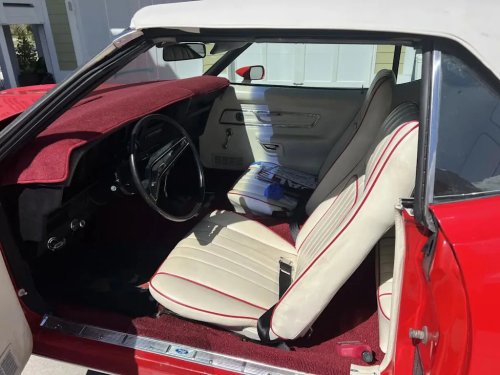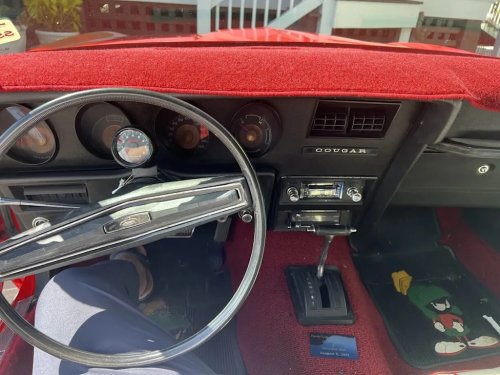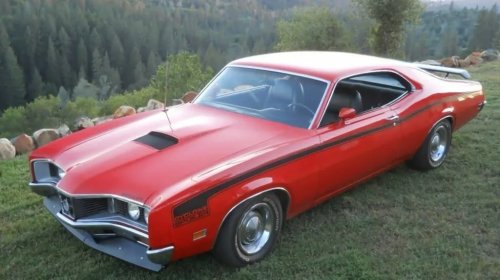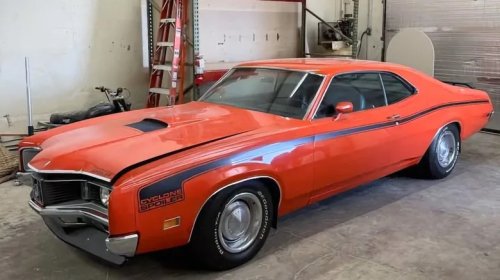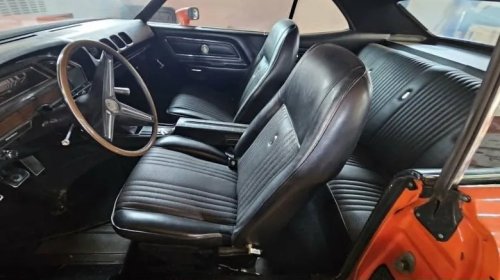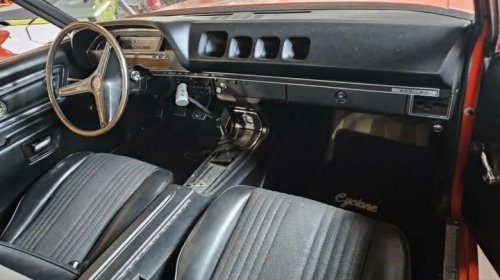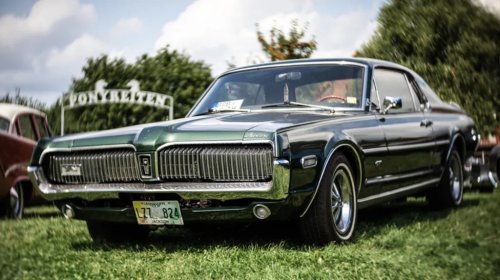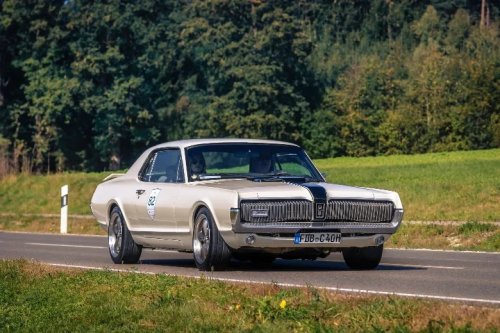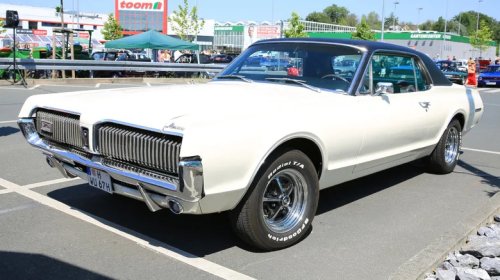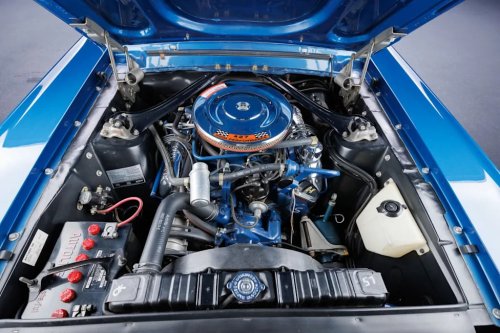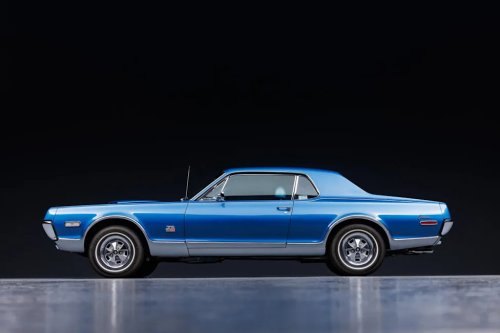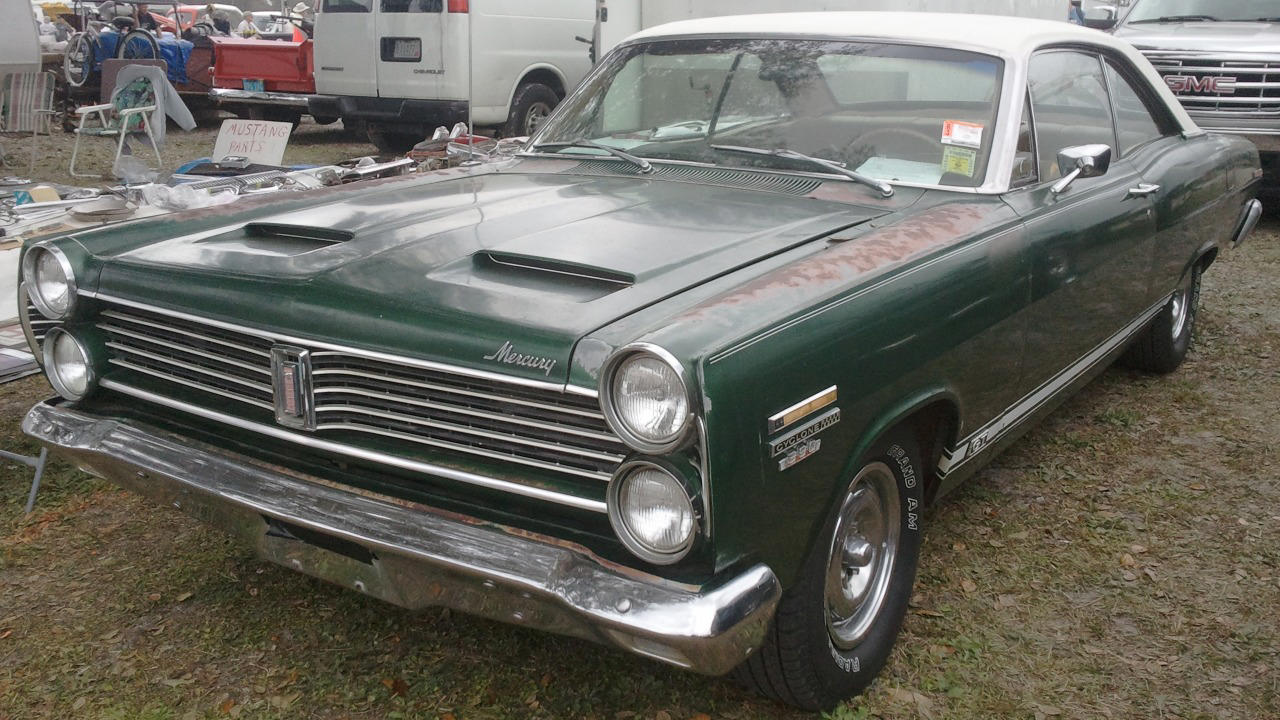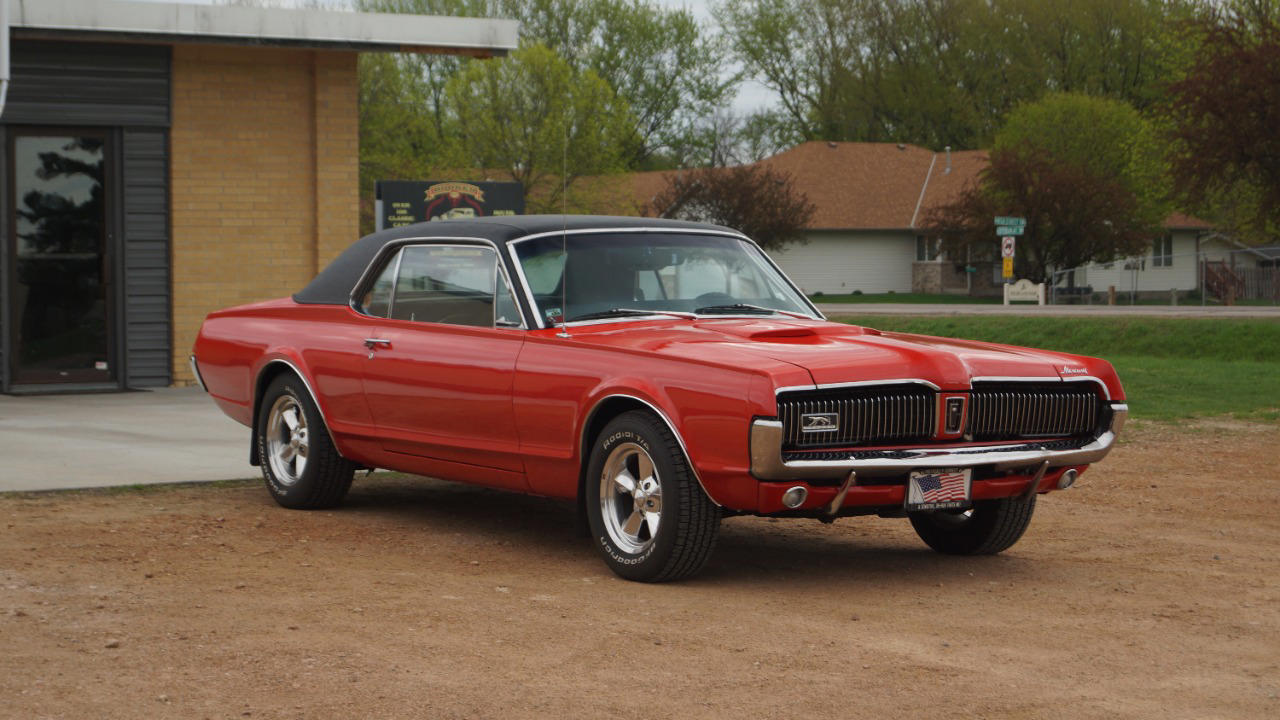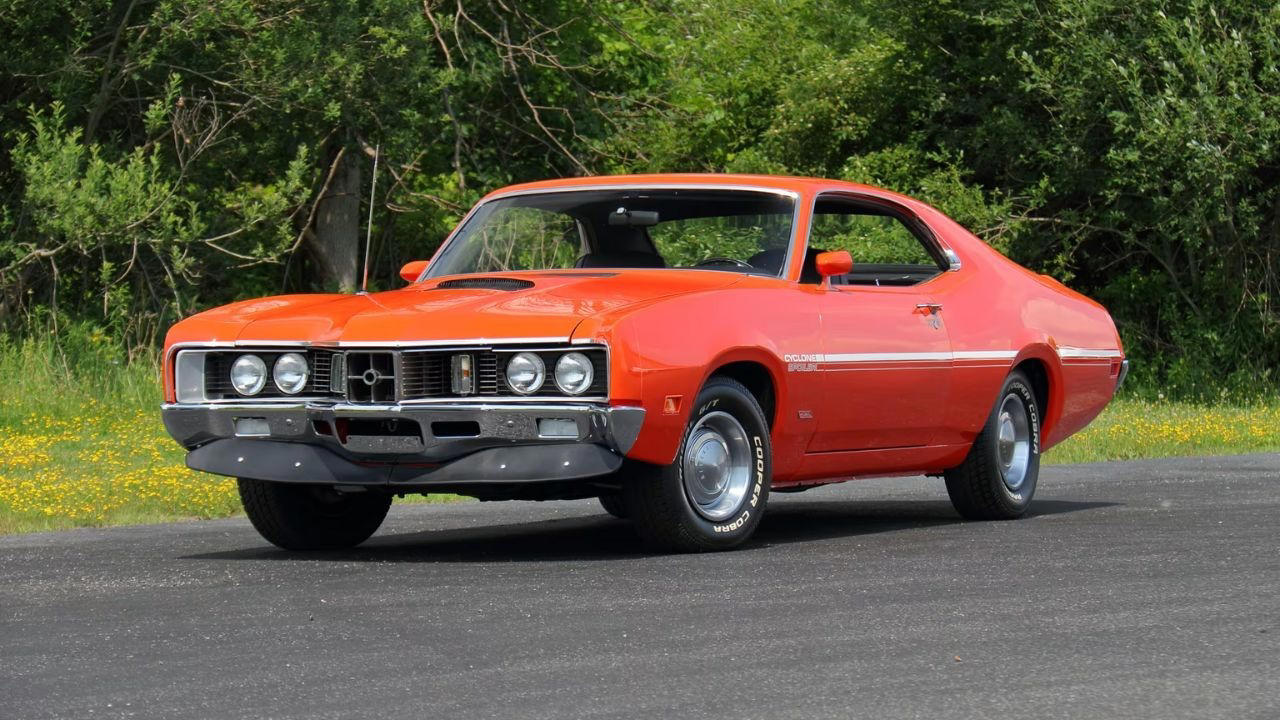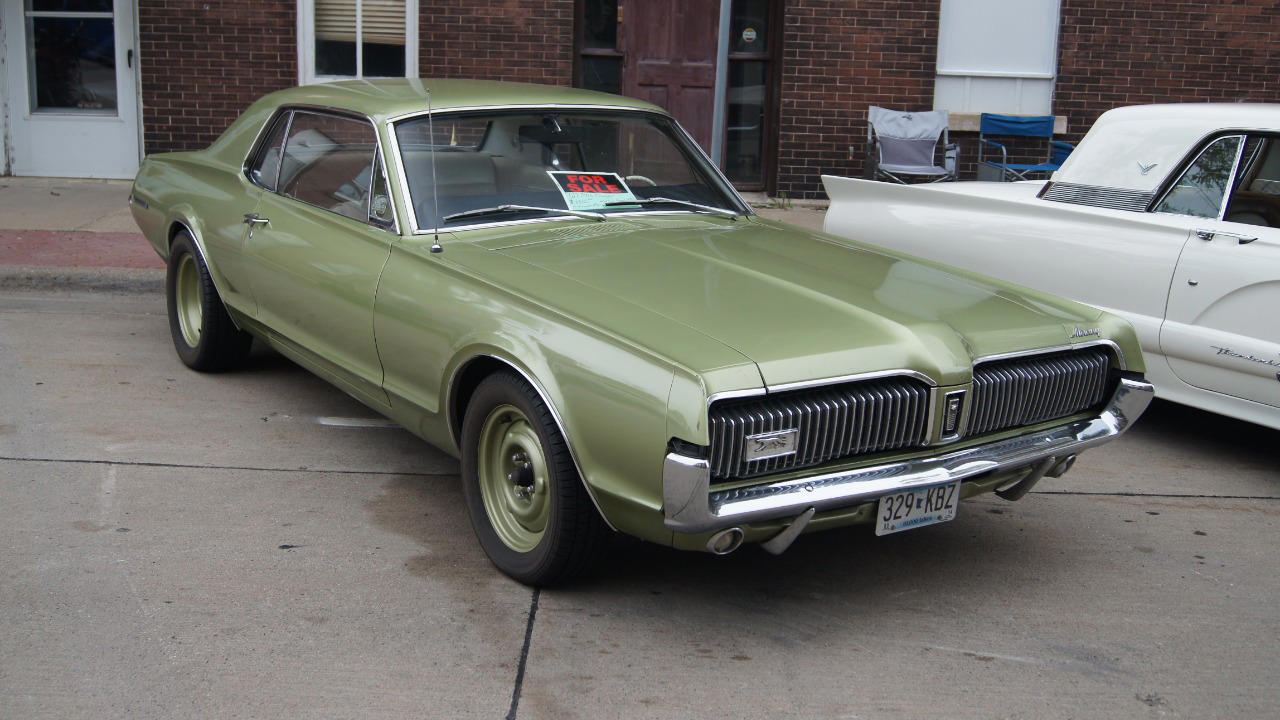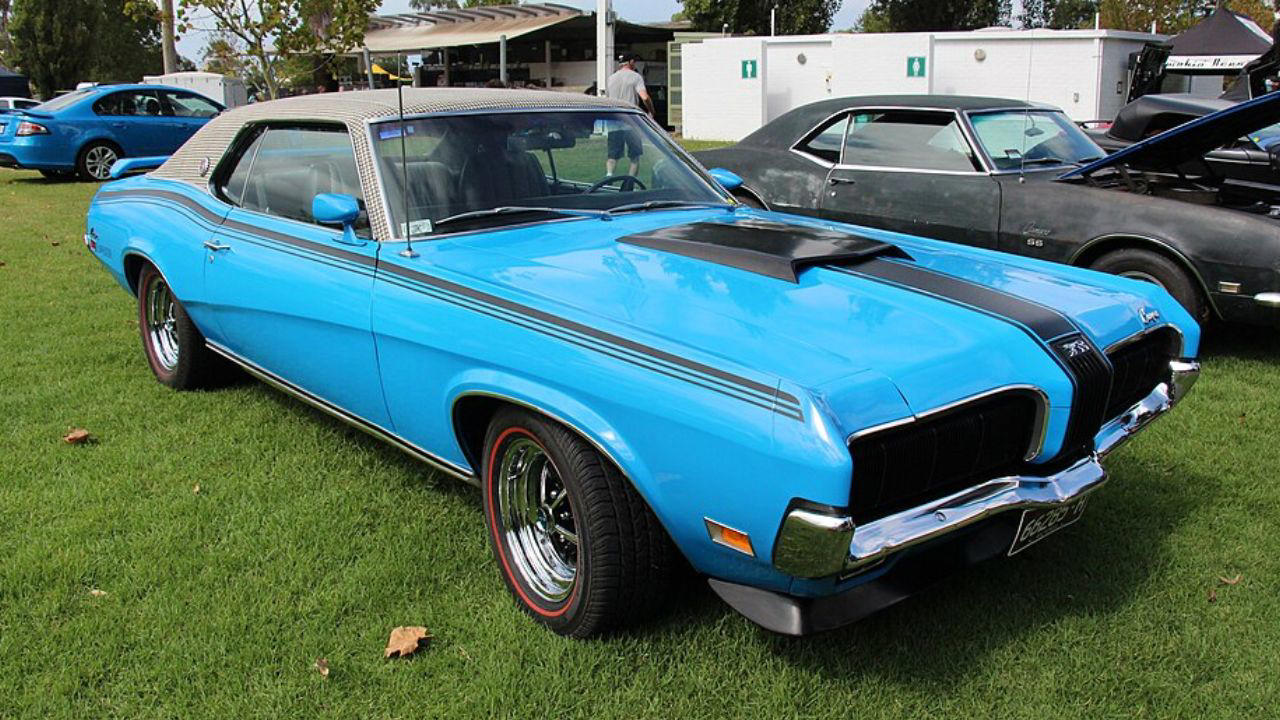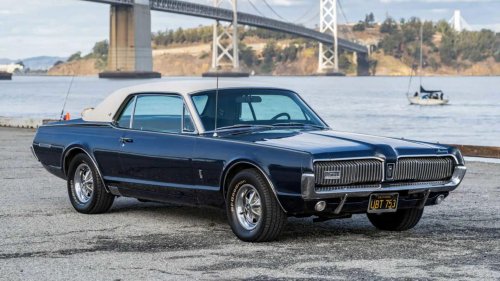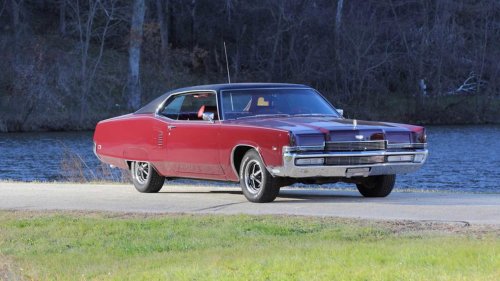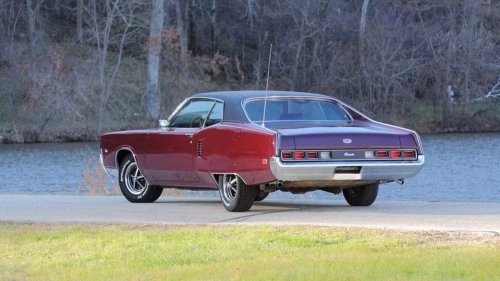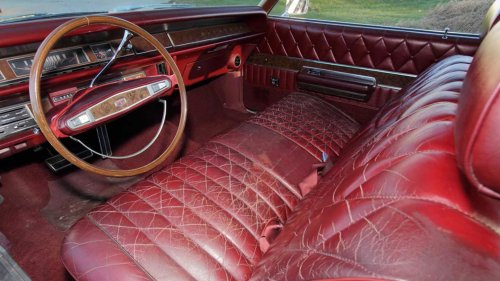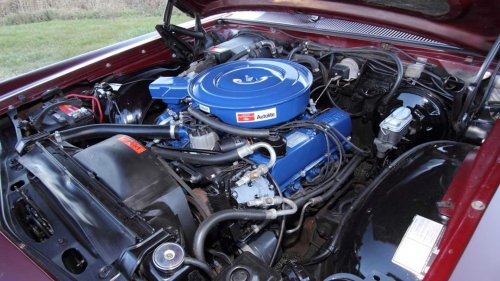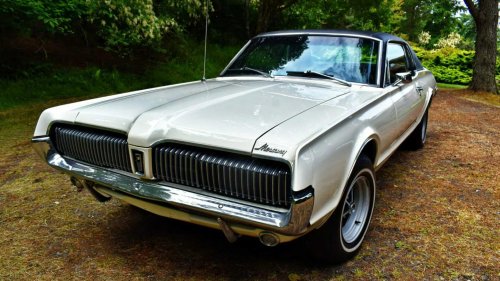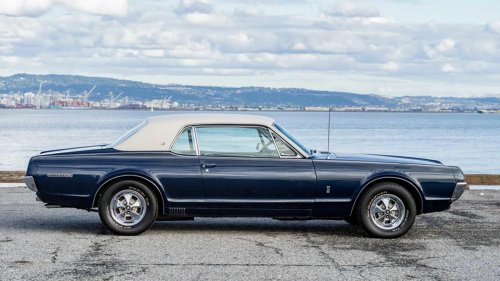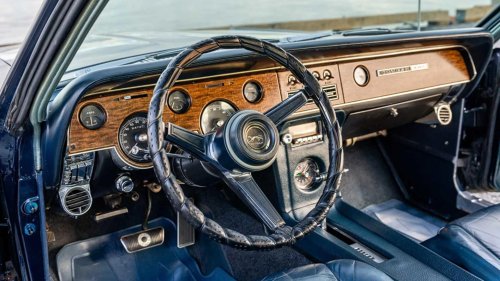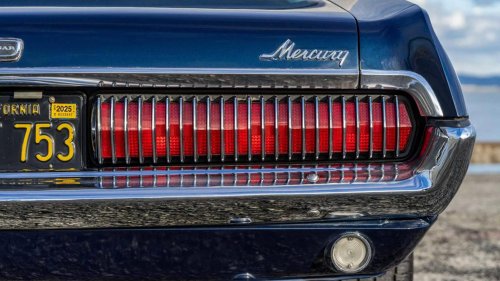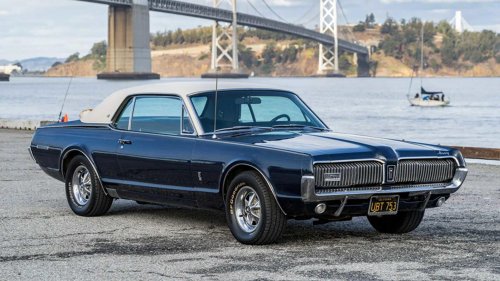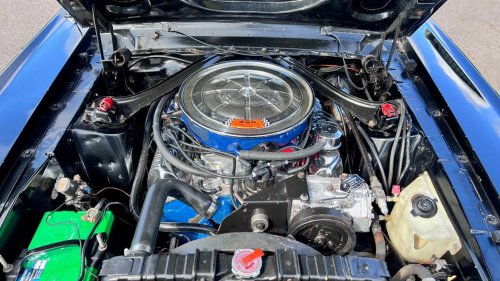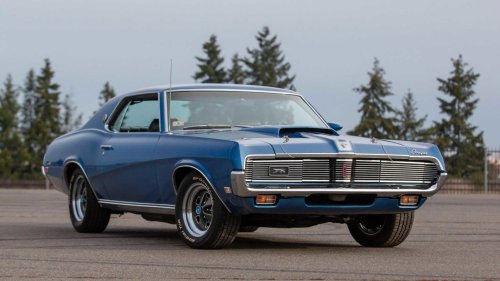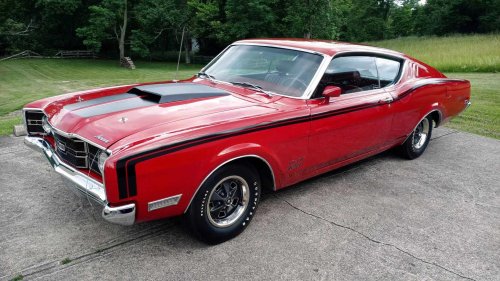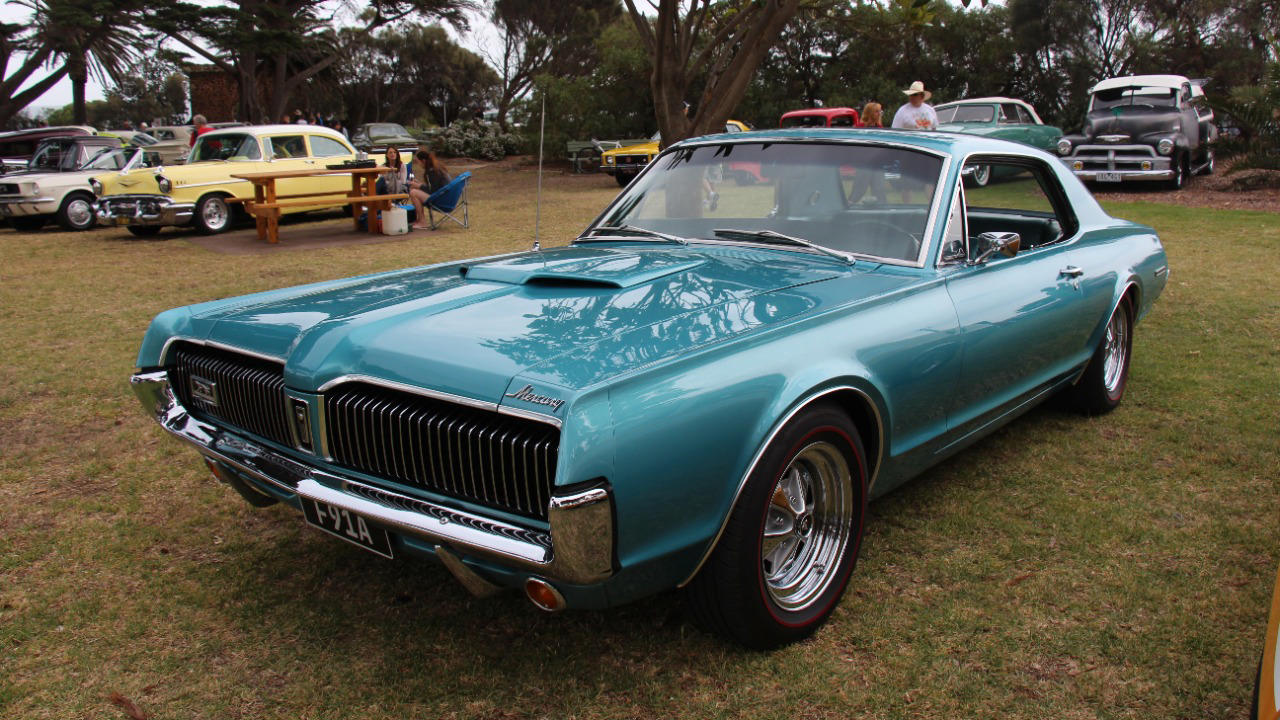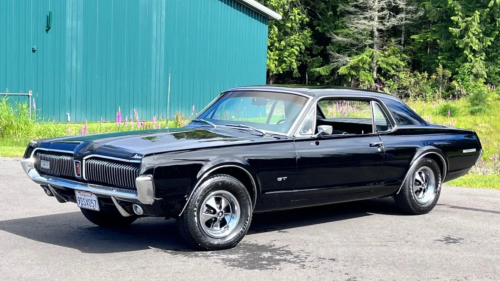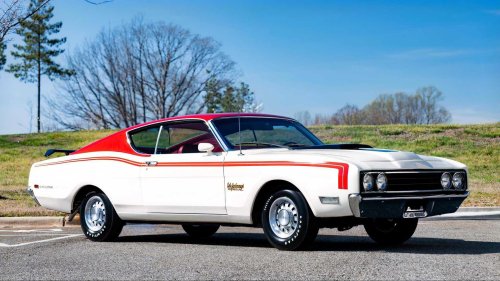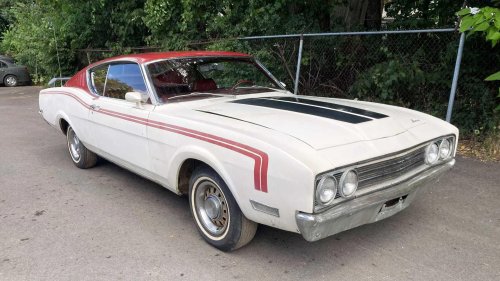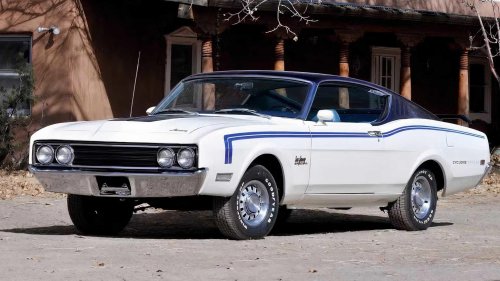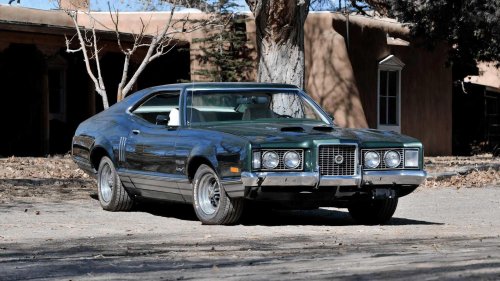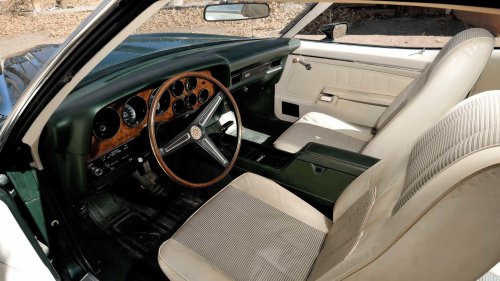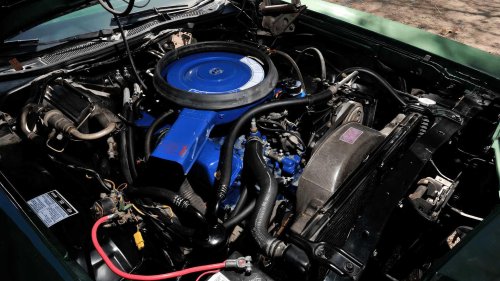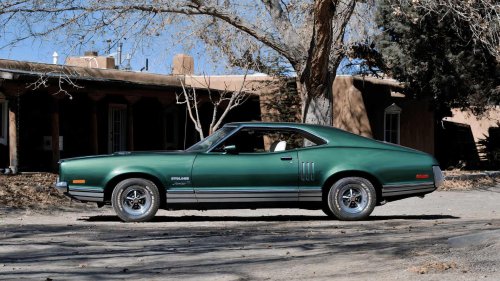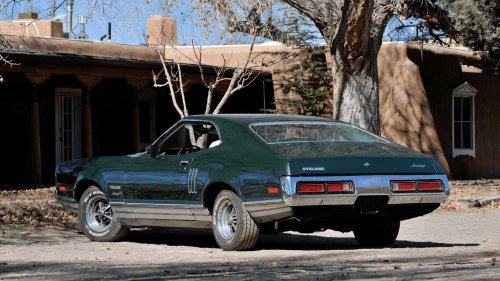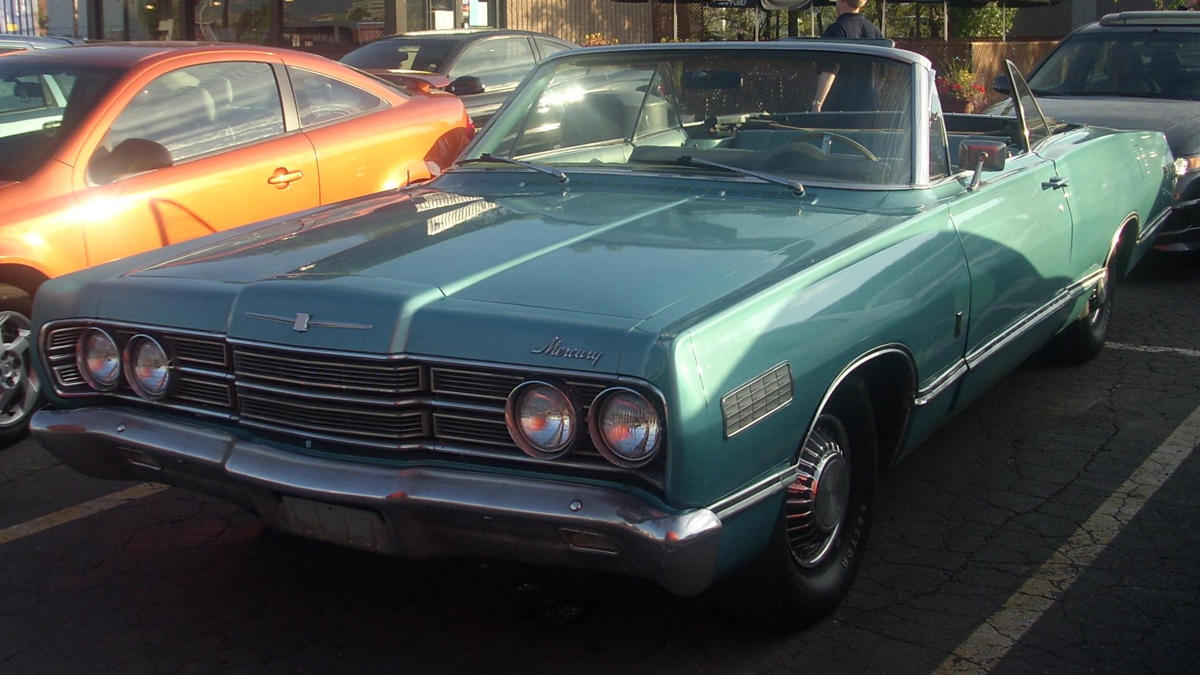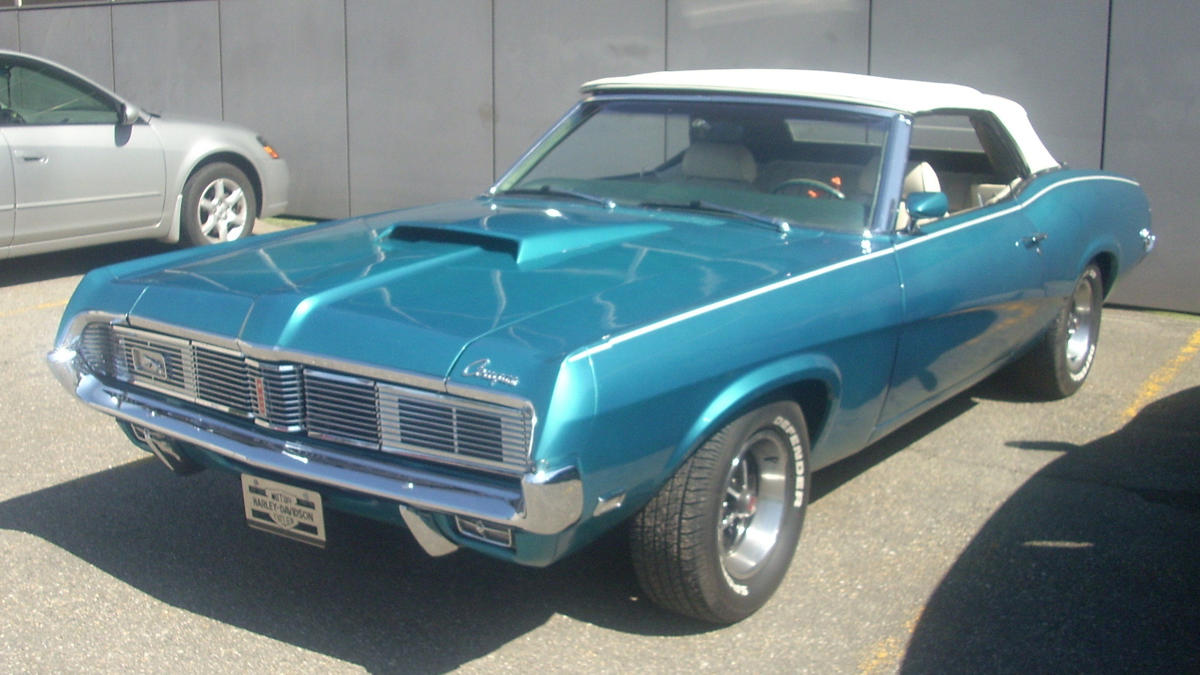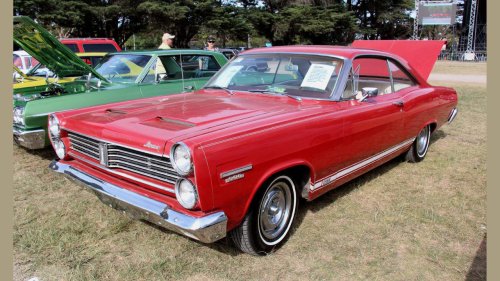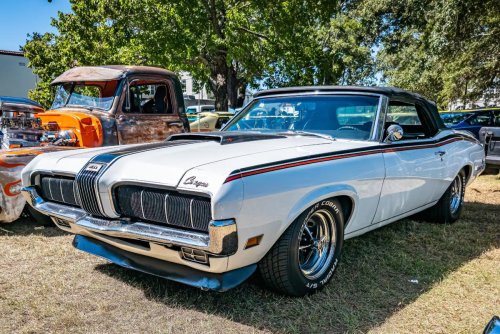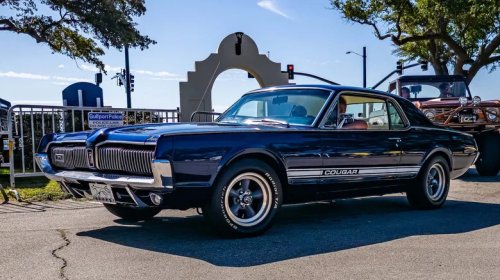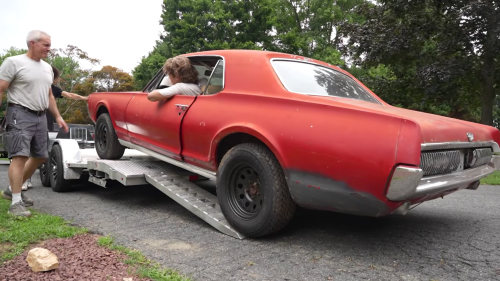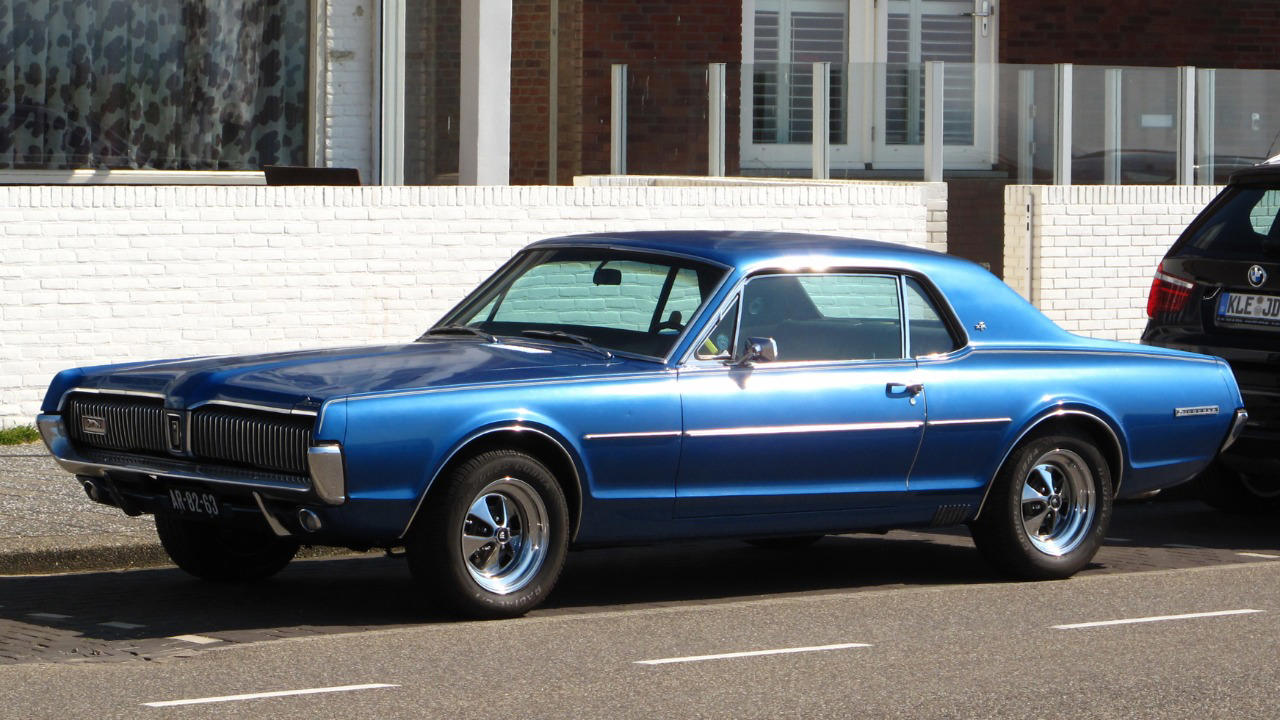



















The 1967 Mercury Cougar XR-7 added features but couldn’t fully separate itselfThe 1967 Mercury Cougar XR-7 arrived promising a more sophisticated spin on the pony car idea, with extra leather, wood trim, and gadgets meant to distance it from the workhorse Ford Mustang. It largely delivered on that promise in feel and finish, yet never quite escaped the long shadow of its cheaper and more famous sibling. The result was a car that added real substance, but whose identity still rested on how different it could be from the Mustang it quietly depended on. The upscale pony that started as a rejection The story of the first Mercury Cougar begins several years before anyone saw hidden headlights or sequential taillamps. According to Tony from the series Fords and Mustangs, Ford had already rejected building a similar car in 1962, long before the Cougar finally reached showrooms as a 1967 model. In that retelling, the idea of a slightly longer, more refined pony car sat on the shelf until the success of the Mustang proved that the market was real and Mercury needed its own entry. By the time the Mercury Cougar finally arrived, it was explicitly framed as Mercury’s answer to the growing pony car segment. The division wanted something that felt more mature than a Mustang without turning into a full-size luxury coupe, a mission that shaped everything from its proportions to its marketing. The wheelbase stretched beyond the Mustang’s, the sheetmetal wore more formal lines, and the cabin leaned into upscale cues that would have looked out of place in a basic Ford. Even so, the corporate reality never disappeared. Under the longer hood and distinctive styling, the Cougar shared its basic platform and much of its mechanical hardware with the Mustang. The car that Ford had once refused to build became a carefully tuned variation on a proven formula, not a clean-sheet rival. How different is different enough? Since the Cougar was a fair bit more expensive than the Mustang, it was obliged to justify its higher price, which it mostly did in the details. Contemporary analysis of the 1967 Mercury Cougar XR-7 notes that Mercury leaned hard into visual and tactile separation from the Ford, especially in the cabin and exterior trim. The longer body, the unique roofline, and the hidden headlamps gave the car a feline stance that no Mustang shared. Photographic archives of cars like a Lime Frost Metallic example, linked through the Curbside Classic community and the Discovered Mercury Cougar XR images, show how the designers used subtle creases and a more formal greenhouse to move the car away from pure youth-market flash. Even the grille, as seen in another Discovered Mercury Cougar XR close-up, traded the Mustang’s open face for vertical bars and a centered cat emblem that pointed directly at the car’s name. From the side, period Ford Motor Company publicity shots, preserved in a Discovered Mercury Cougar XR factory image, underline how much the Cougar depended on proportion to signal its difference. The hood appears longer, the rear quarters more substantial, and the overall effect more European in flavor, a point that enthusiasts still highlight when comparing it with the Mustang. XR-7: the refined predator The XR-7 package took that separation further. A period description on a dedicated Mercury Cougar group calls the 1967 Mercury Cougar XR7 the refined predator of the muscle car jungle and describes it as Mercury’s upscale interpretation of performance. The XR-7 badge did not change the basic silhouette, but it transformed the way the car felt from the driver’s seat. Owners and historians agree that the XR-7 interior is where the upgrade really comes alive. In a discussion about model differences, Paul Garvin explains that the XR7 had different wood grain on the dash and console, leather insert seats, and nicer gauges, details that moved the car decisively upmarket. Another contributor, Brian W. Mitche, reinforces that distinction, pointing out that these touches separated the XR-7 from the base Cougar in daily use as much as in brochure photos. Enthusiast coverage of a specific 1967 Mercury Cougar XR7 example on video, including a feature titled 1967 Cougar XR7, shows how those features age. The leather inserts, toggle switches, and full instrumentation still read as premium, even compared with later muscle cars that chased raw horsepower rather than ambiance. For drivers who wanted a pony car without the sense of driving the same car as every neighbor, the XR-7 cabin delivered a convincing pitch. A logo elegant enough to anger Jaguar The Cougar’s attempt to stand apart did not stop at sheetmetal and upholstery. One of the most colorful episodes in its history involves Jaguar. A detailed video essay on the model describes the 1967 Mercury Cougar as a car so elegant it made Jaguar furious, a pony car bold enough to stand alone and controversial enough to get sued over its logo. The complaint centered on the leaping cat imagery that Mercury used for the Cougar badge, which Jaguar argued was too close to its own icon. That dispute, recounted again in another version of The Shocking Truth About the 1967 Mercury Cougar that highlights Jaguar by name, captures how Mercury wanted the car to be perceived. The company did not aim for a brute-force muscle image. Instead, it reached for a European-style sense of grace and speed, even if that meant brushing up against a British luxury brand’s identity in court. The very fact that Jaguar took notice suggests that Mercury’s designers hit close to their intended mark. Marketing the Cougar as a sophisticated Mustang alternative Mercury’s own positioning of the car made the relationship with Ford explicit. A fan summary of the 1967 Mercury Cougar XR on a dedicated community page describes the car as Mercury’s sophisticated answer to Ford’s Mustang, and credits it with transforming the pony car formula with more upscale character. The phrasing acknowledges both dependence and ambition: the Cougar existed because of the Mustang, yet tried to change the conversation around what a pony car could be. Another enthusiast group focused on design echoes that idea. In a post about design concept similarities, the Mercury Cougar is described as Mercury’s entry into the growing pony car market, designed to compete with the Ford-derived field. The emphasis falls on how the Cougar used shared underpinnings while dressing them in a more mature suit, rather than pretending to be an entirely separate species. That strategy extended into period advertising, which often framed the Cougar as the choice for buyers who had outgrown a basic Mustang but were not ready to jump into a full luxury coupe. The longer wheelbase, quieter ride, and richer interior textures all served that narrative. At the same time, the car’s performance credentials, especially in XR-7 trim, remained close enough to the Mustang to reassure enthusiasts that they were not sacrificing speed for comfort. Performance parity without a clean break Modern comparisons still stress how little the Cougar gave up in performance terms. A feature arguing why some buyers would choose a Mercury Cougar over a Ford Mustang points out that the 1967 Mercury Cougar Engine And Performance Equals That Of The Must, a blunt way of saying that under the skin, the two cars shared most of their mechanical strengths. V8 options, suspension layouts, and braking hardware paralleled each other closely. That parity cut both ways. On one hand, it meant the Cougar could credibly claim to be a serious pony car rather than a soft, appearance-only variant. On the other hand, it made it harder for Mercury to justify the higher price on performance grounds alone. Buyers who cared primarily about acceleration or quarter-mile times could see that a Mustang delivered almost the same numbers for less money. Enthusiast videos such as If This Car Could Talk, which features a 1967 Cougar in detail, often highlight this duality. The cars sound and accelerate like proper muscle machines, yet the camera lingers on stitched upholstery, padded dash tops, and restrained exterior trim. The XR-7 in particular walks a fine line between sporty and genteel, which delighted some buyers and left others wondering why they should not simply buy the cheaper Ford. A car that won awards but not the spotlight Contemporary recognition suggested that Mercury had succeeded in building something special. One video on the model reminds viewers that this is Moto Trend Magazine’s car of the year award, and that the winner was selected by experts to receive the Oscar of the car business. The comparison to the Oscar of the film world underlines how seriously the industry took the Cougar’s arrival. Yet even that accolade did not fully shift public attention away from the Mustang. A market analysis of the 1967 to 1970 Mercury Cougar line, framed under the theme Overshadowed by the Mustang, notes that interest in these cars is on the rise after years in the background. The piece, written by Brandan Gillogly, points out that after the initial surprise success of the Mustang, the Cougar struggled to claim a distinct place in buyers’ minds despite its strengths. That overshadowing had long-term consequences. While the Mustang became a cultural icon with production numbers that climbed into the millions, the Cougar remained a niche choice. The analysis highlights that, even as values climb today, the car still trades at a discount compared with equivalent Mustangs, a gap that reflects historical perception more than any real deficiency in the product. Garage queen to rising collectible The way enthusiasts talk about the car today shows how its reputation has evolved. A post about a preserved 1967 Mercury Cougar XR7 describes the car as a sleek black beauty and a classic American muscle car that has captured the hearts of enthusiasts for decades. The writer emphasizes that the car sat in a garage, its sharp lines intact, waiting for renewed appreciation. That renewed appreciation appears in online communities and auction listings. Discovered Mercury Cougar XR examples on Bring a Trailer, linked through the How Different Is Different image trail, often attract bidding wars that would have surprised period buyers who saw the car as a slightly pricier Mustang alternative. The same Discovered Mercury Cougar XR images that once served as simple documentation now double as aspirational reference points for restorers. Market observers see a pattern. The analysis of the 1967 to 1970 Cougars notes that interest is heating up, with some models finally closing the gap with comparable Mustangs. While the article also references a broader collector car market valued at figures such as 70 M, the key takeaway for Cougar fans is that the car’s mix of style and relative rarity is finally being priced in. Why the XR-7 could not fully escape the Mustang For all its distinctiveness, the 1967 Mercury Cougar XR-7 never fully separated itself from the car that made it possible. Structurally, it remained tied to the Mustang platform. Mechanically, it shared engines, suspensions, and much of its performance character. Even its marketing leaned on comparisons with Ford’s pony car, presenting the Cougar as a more sophisticated evolution rather than a clean break. More from Fast Lane Only Unboxing the WWII Jeep in a Crate 15 rare Chevys collectors are quietly buying 10 underrated V8s still worth hunting down Police notice this before you even roll window down