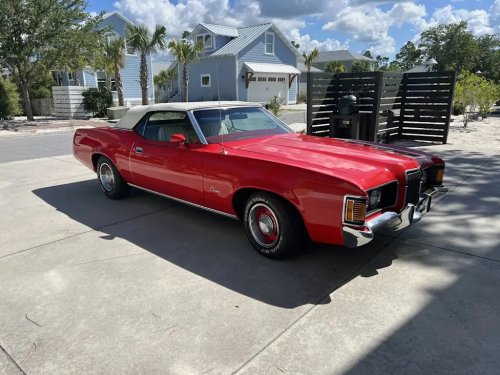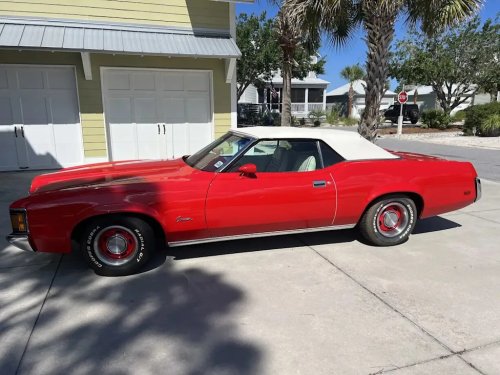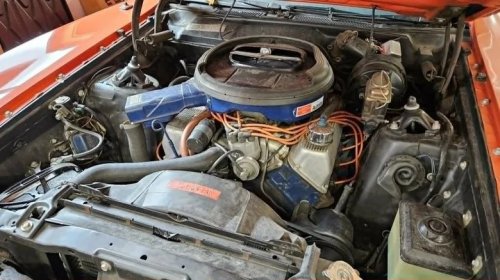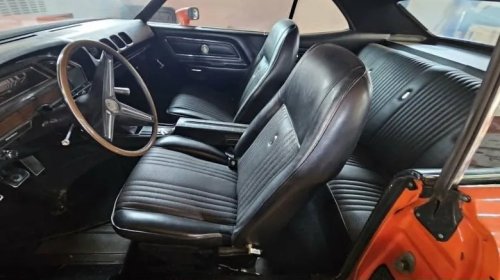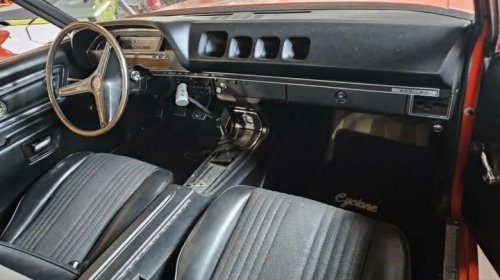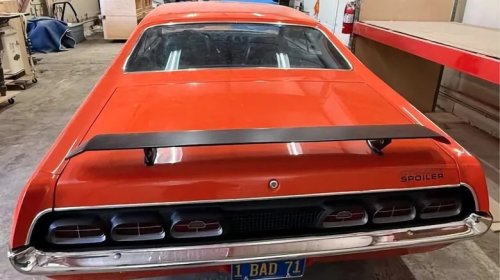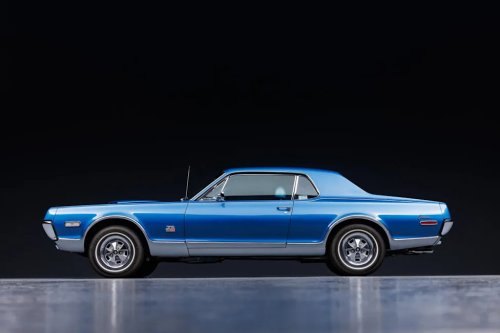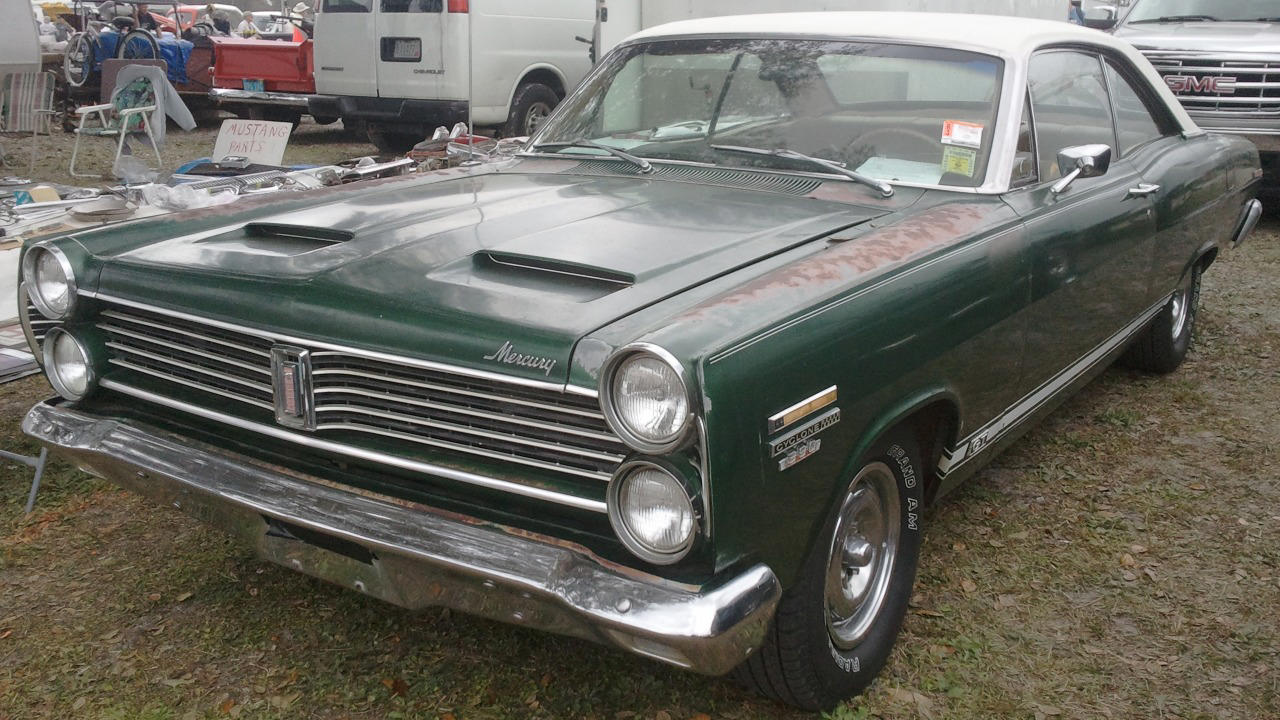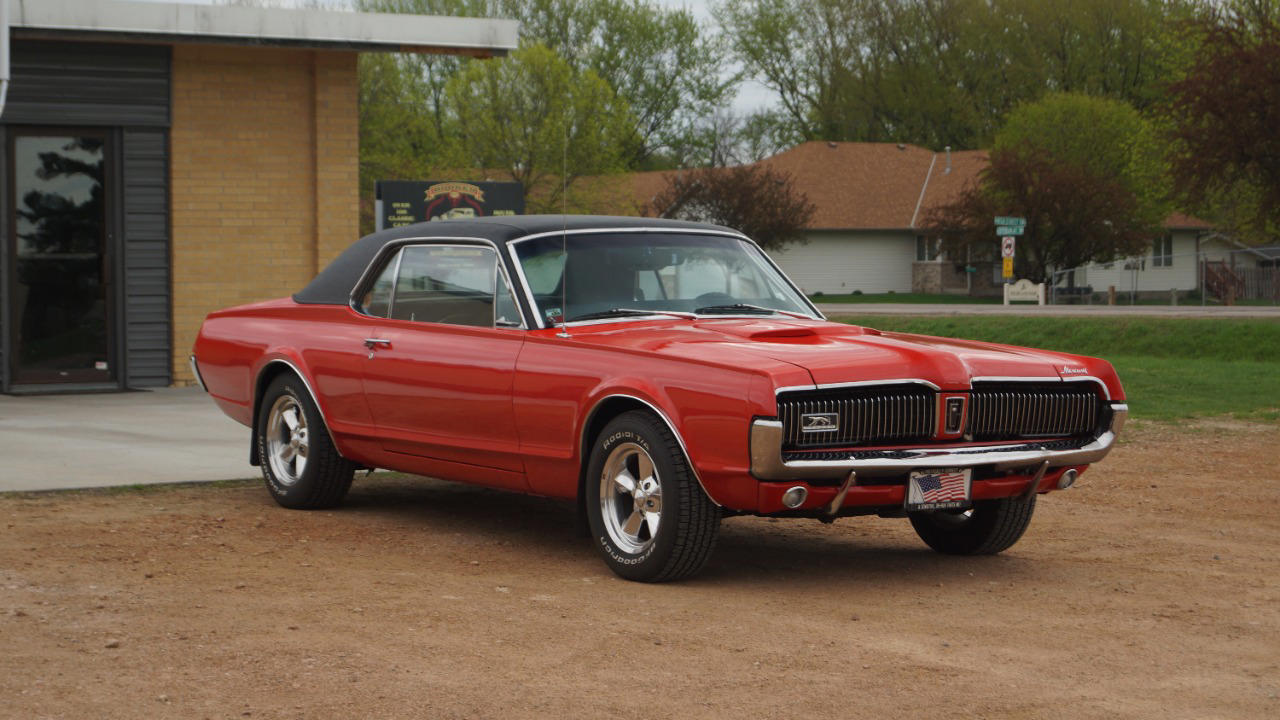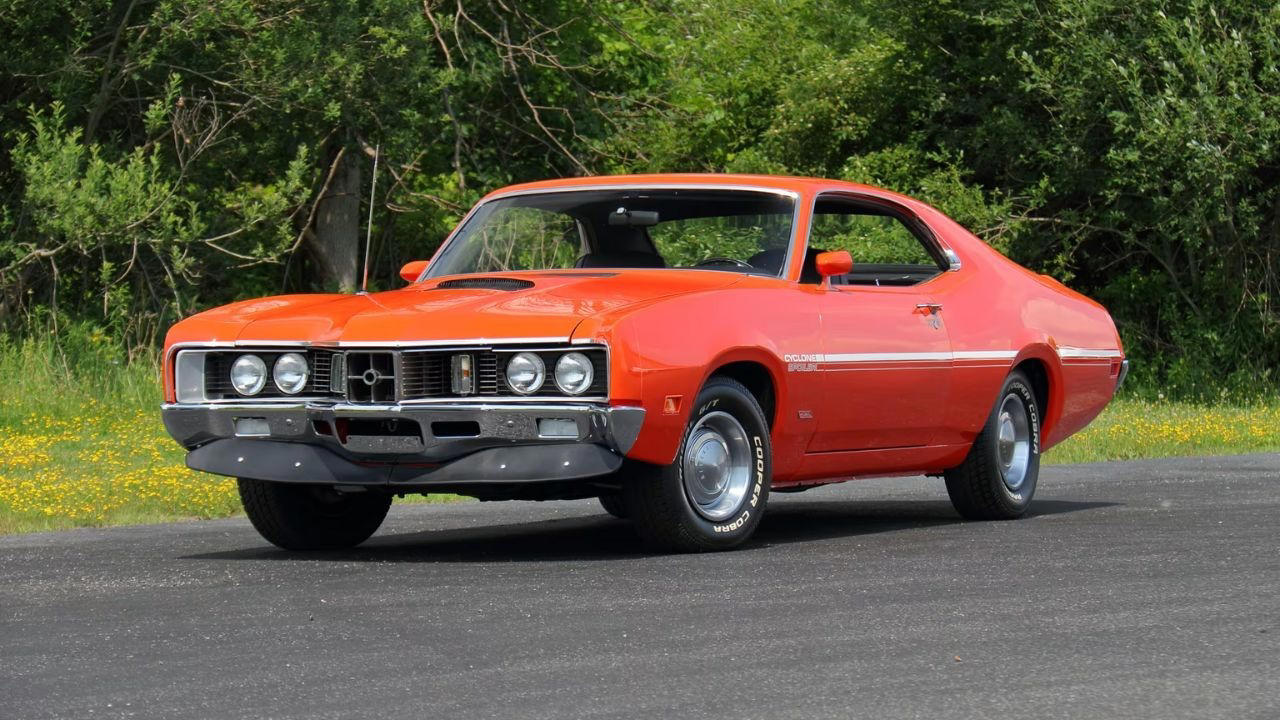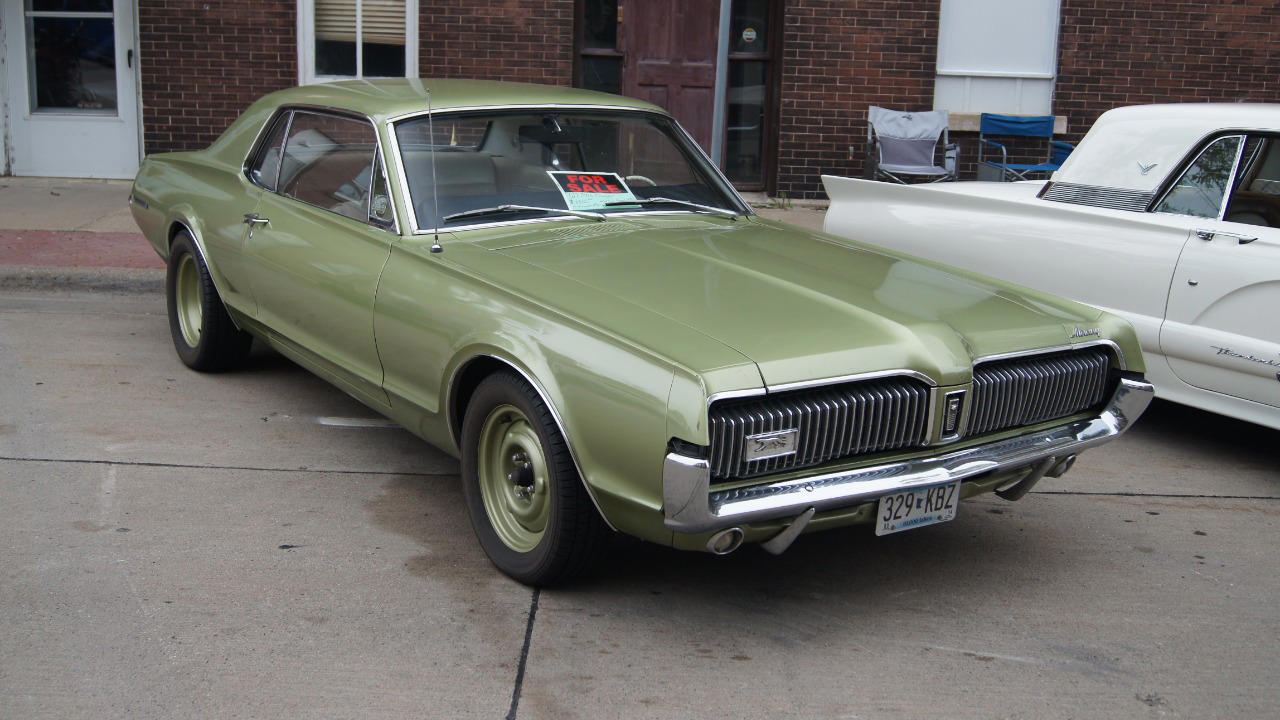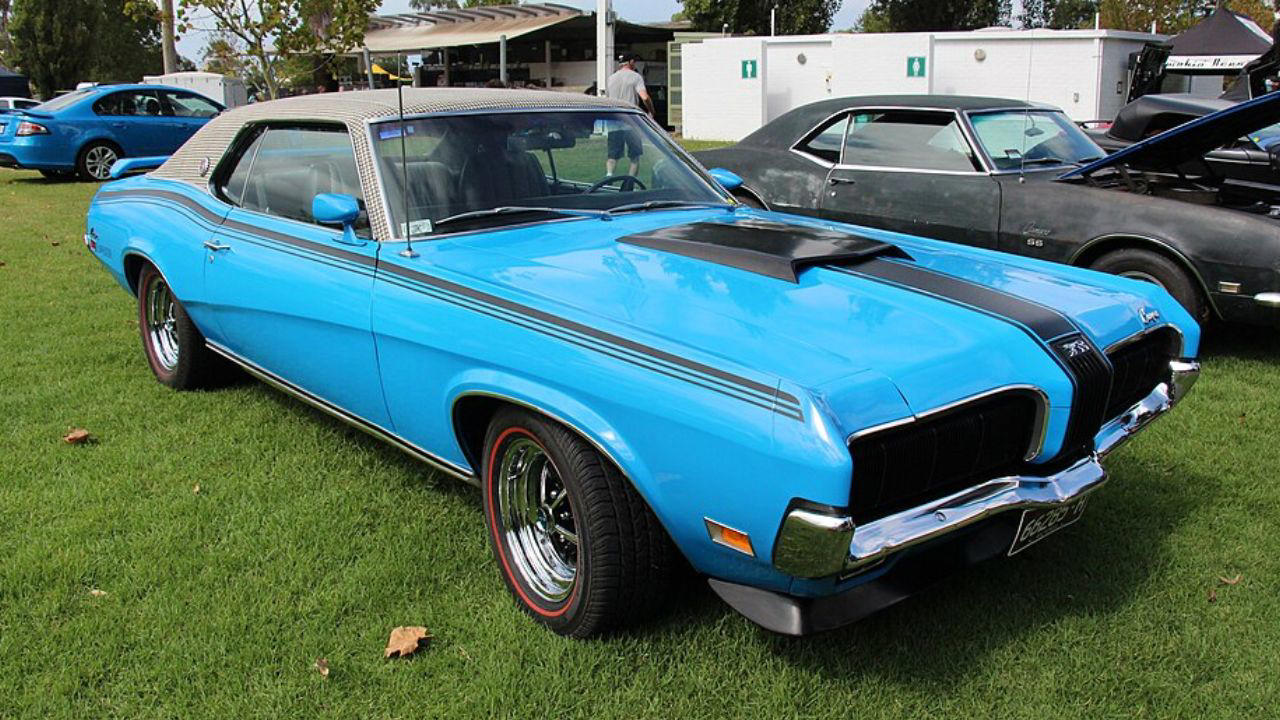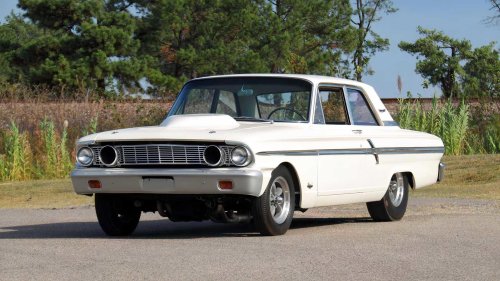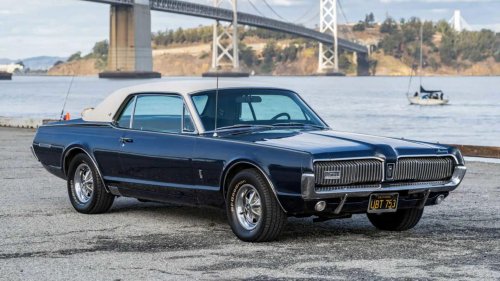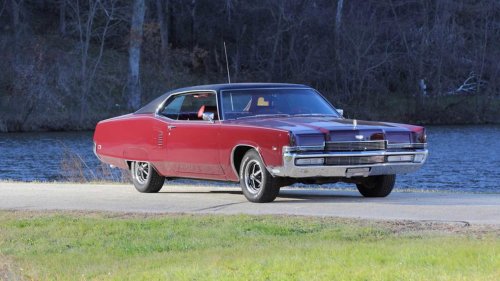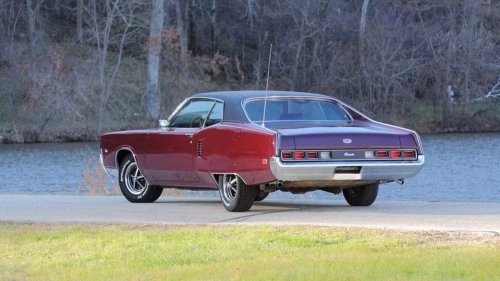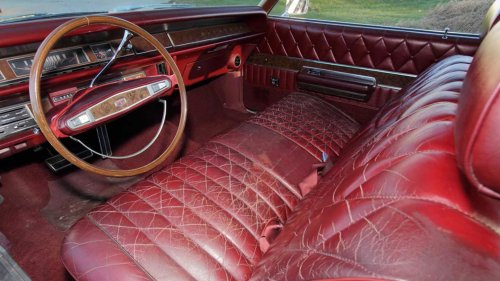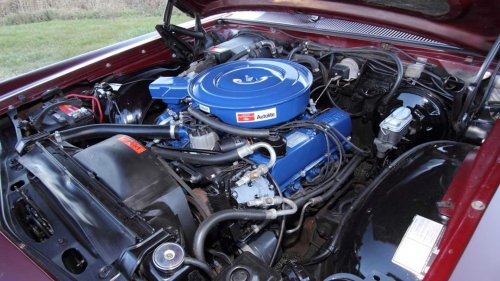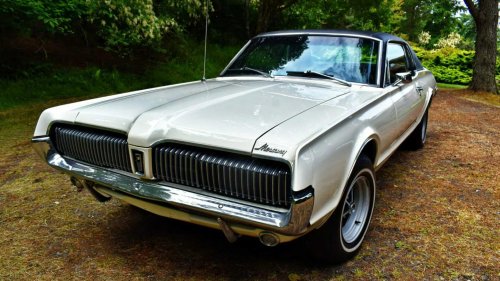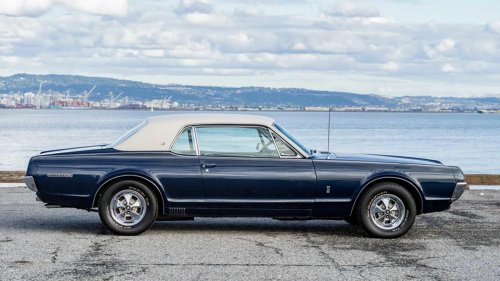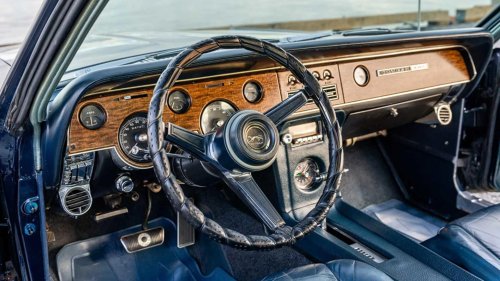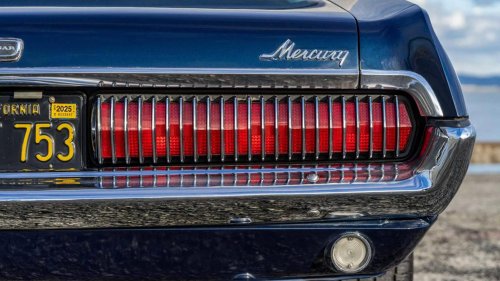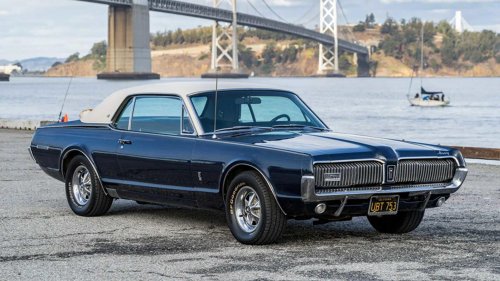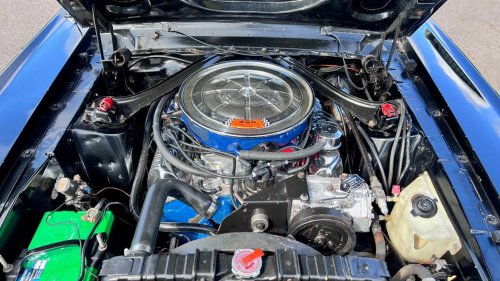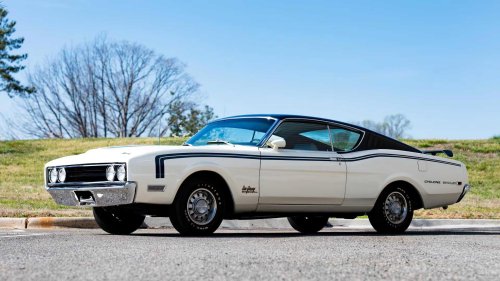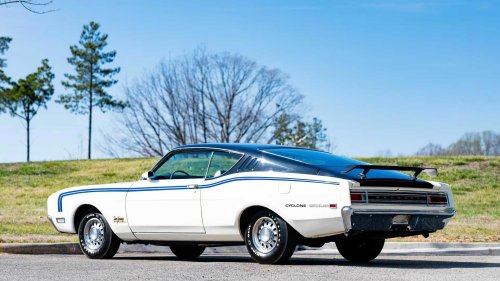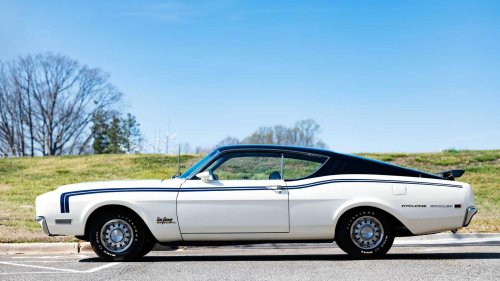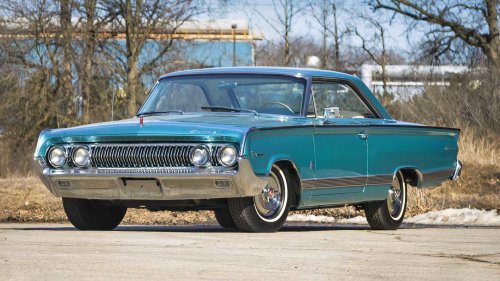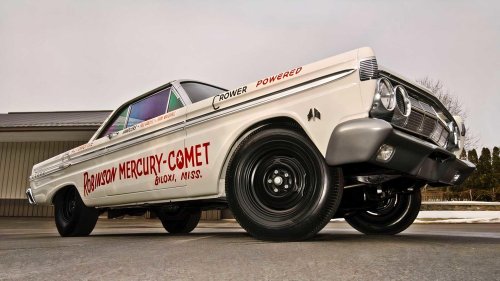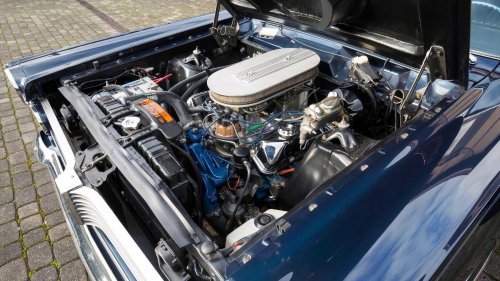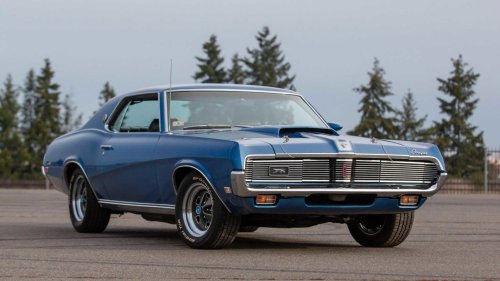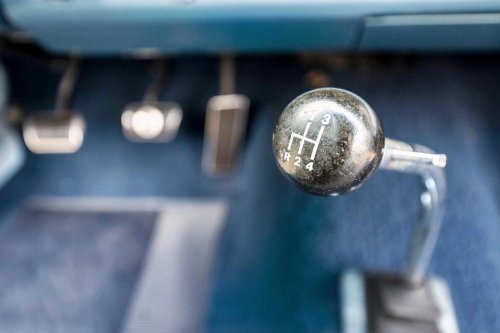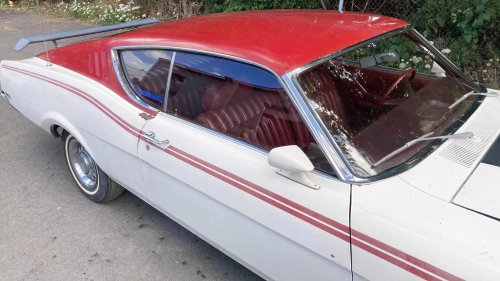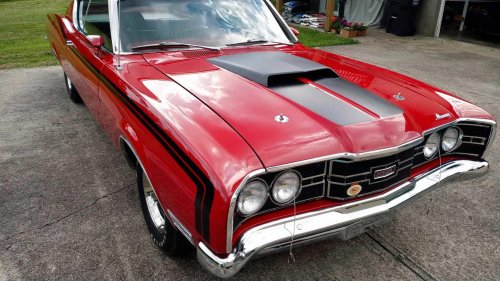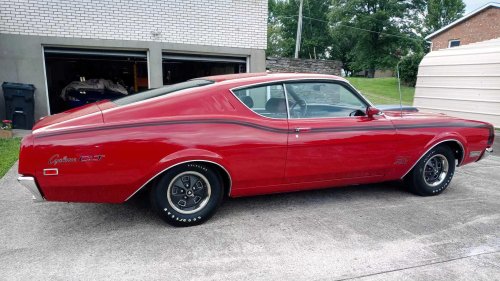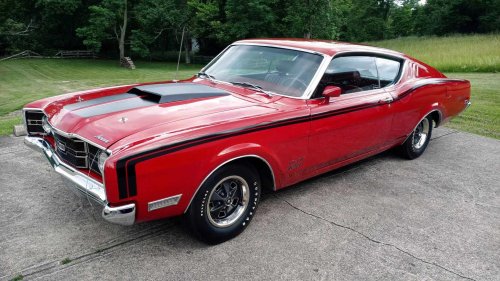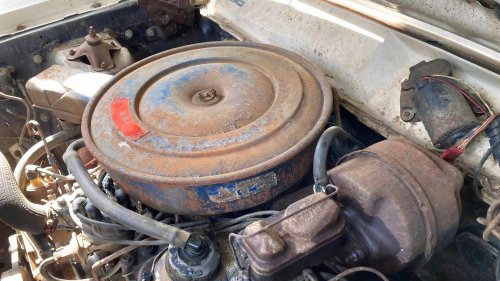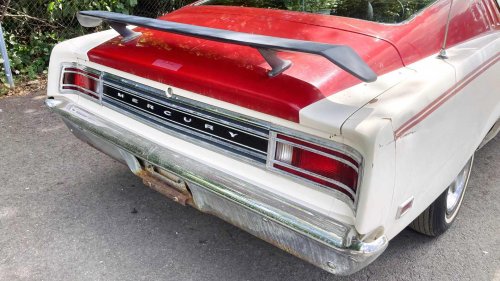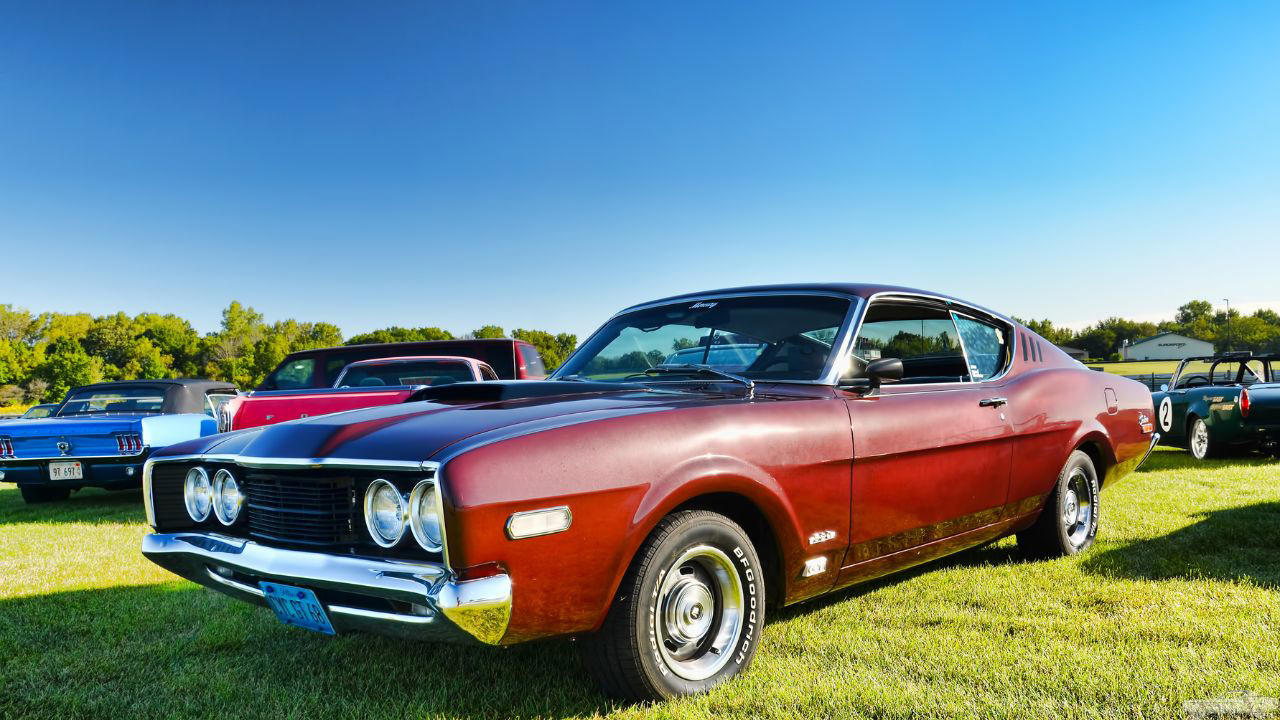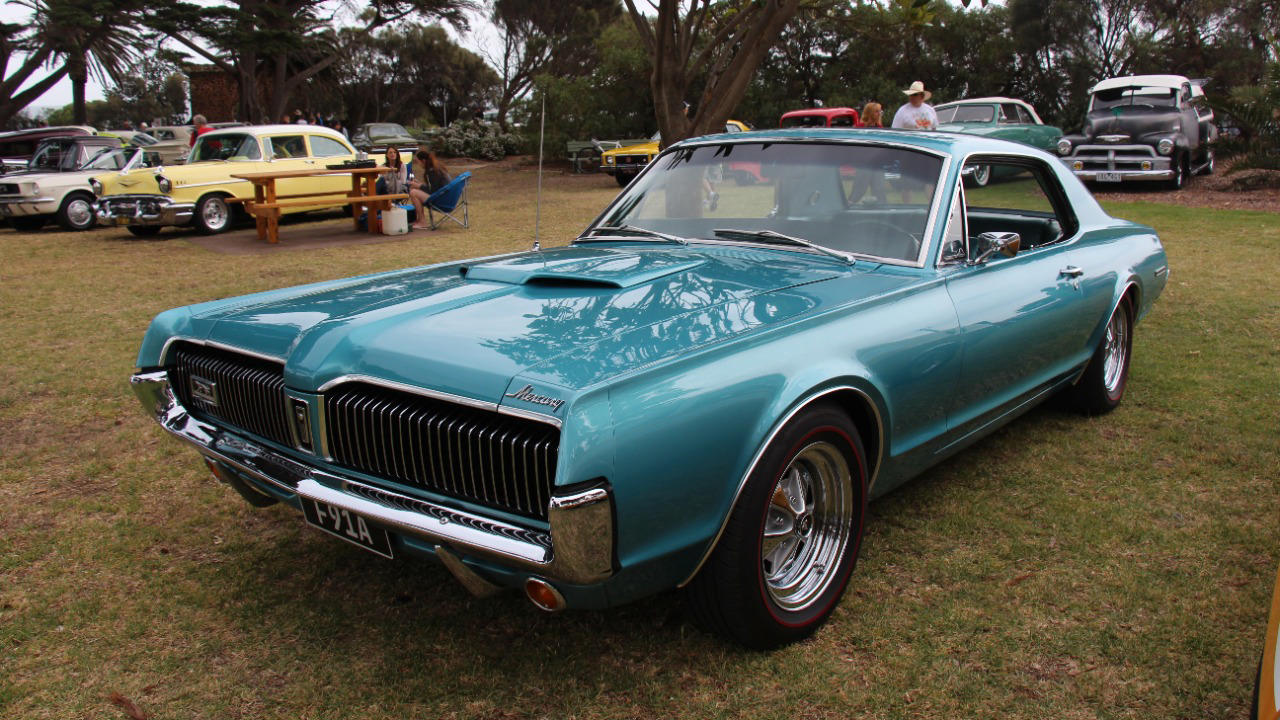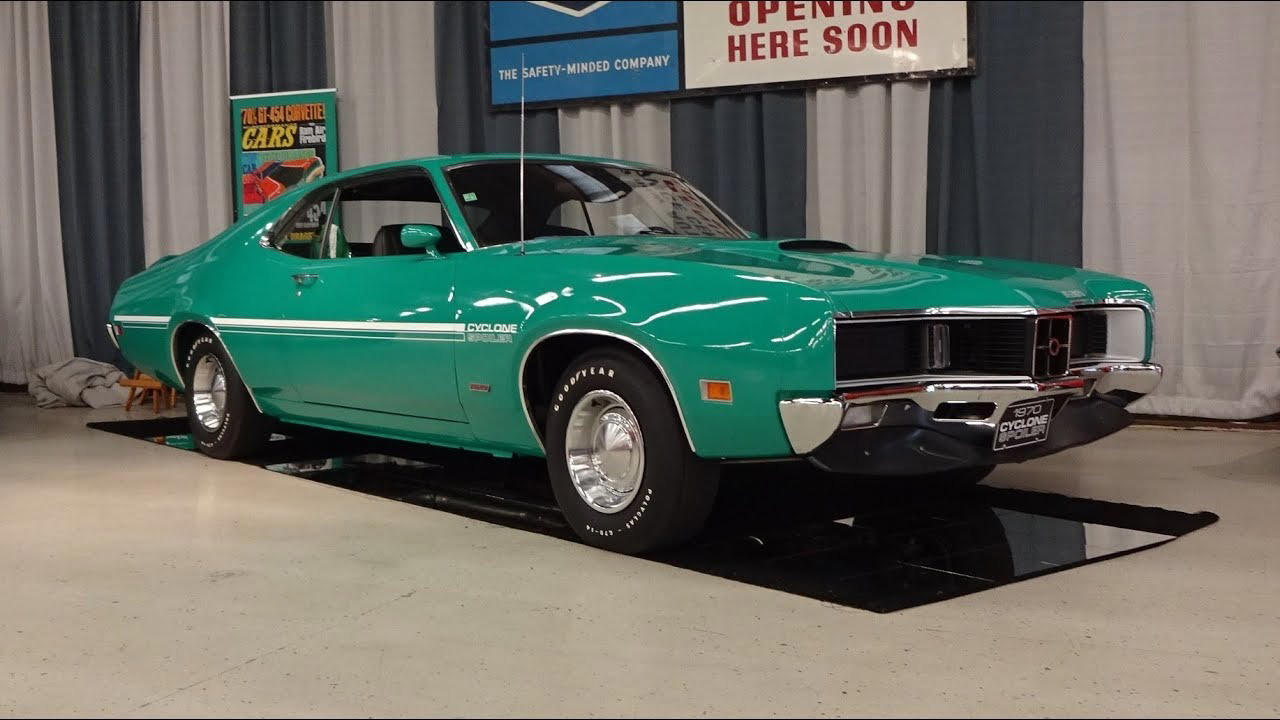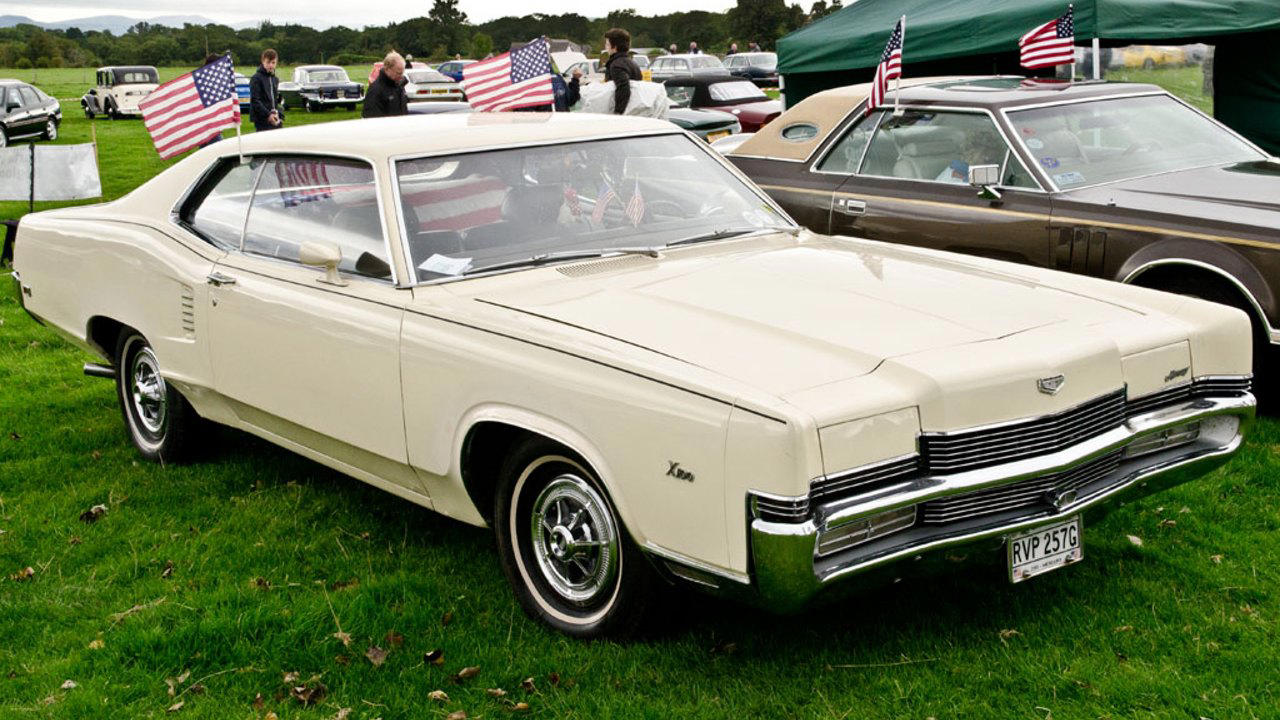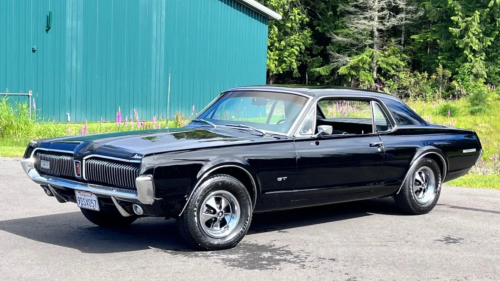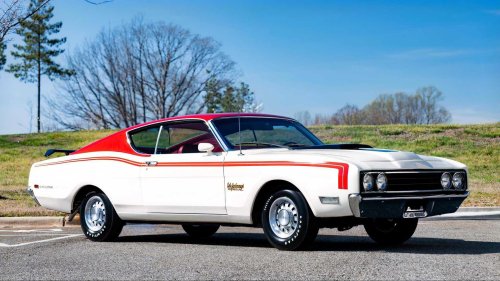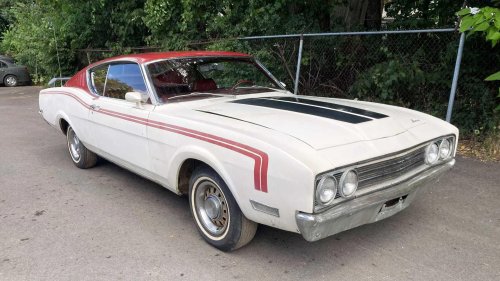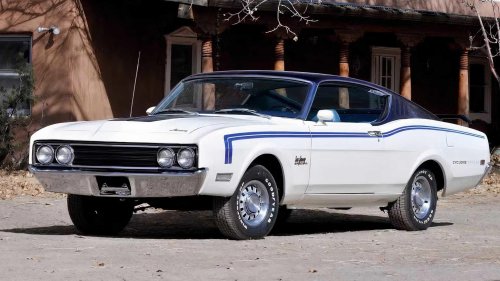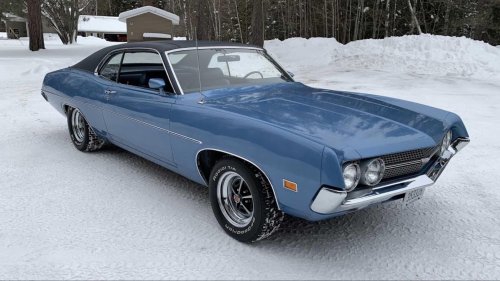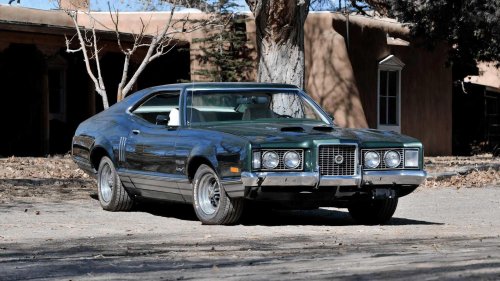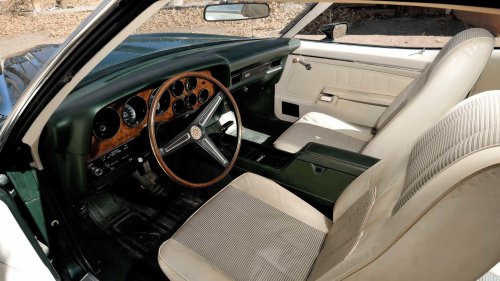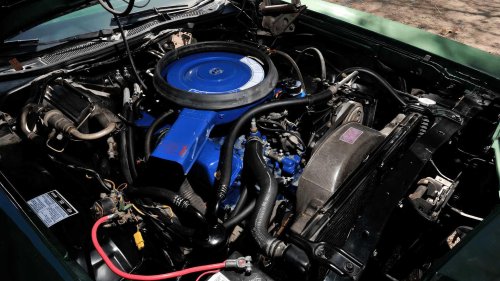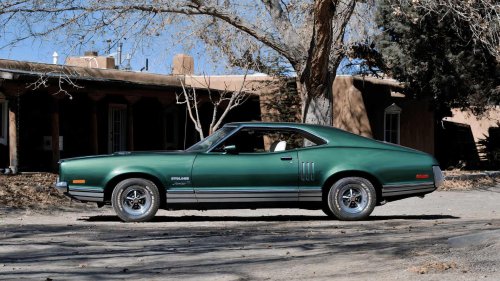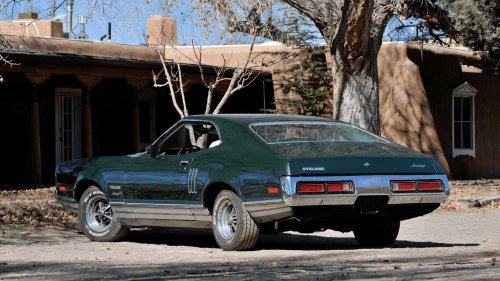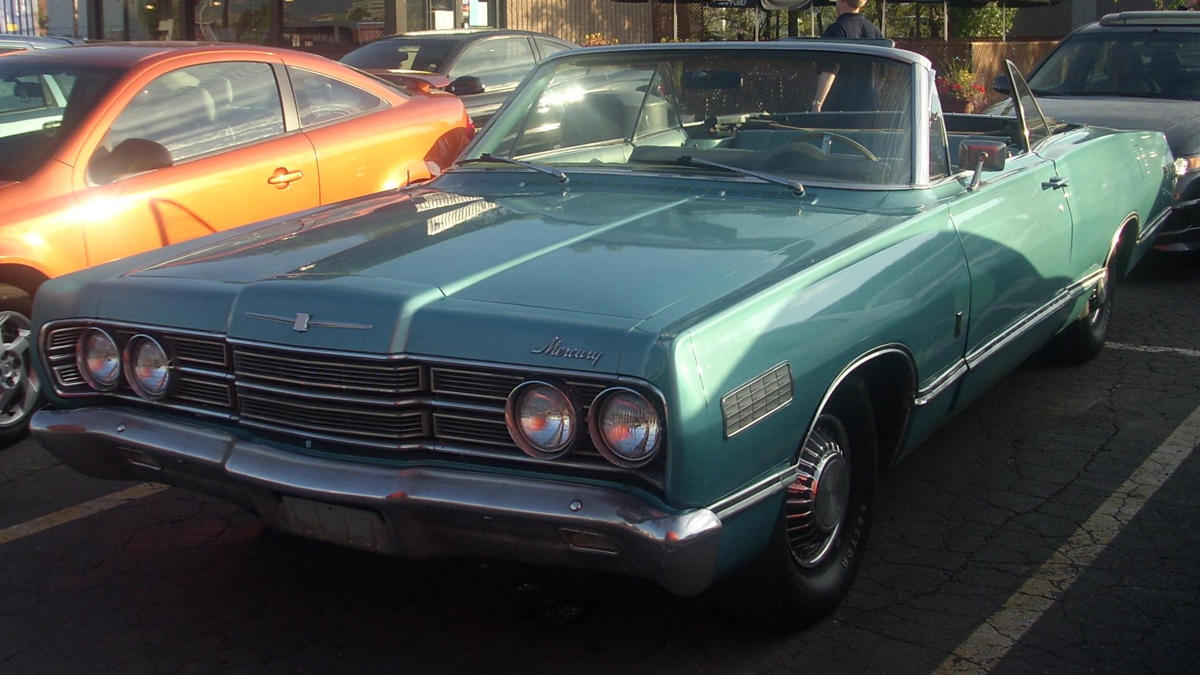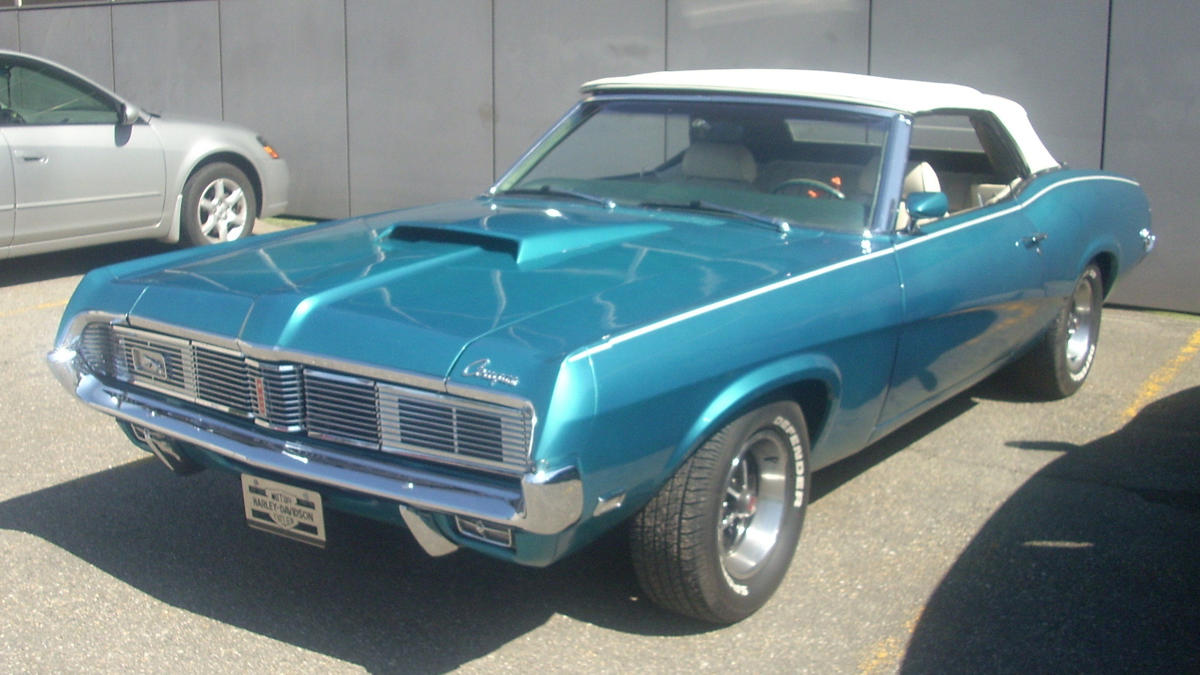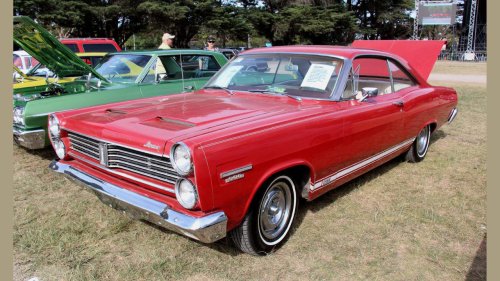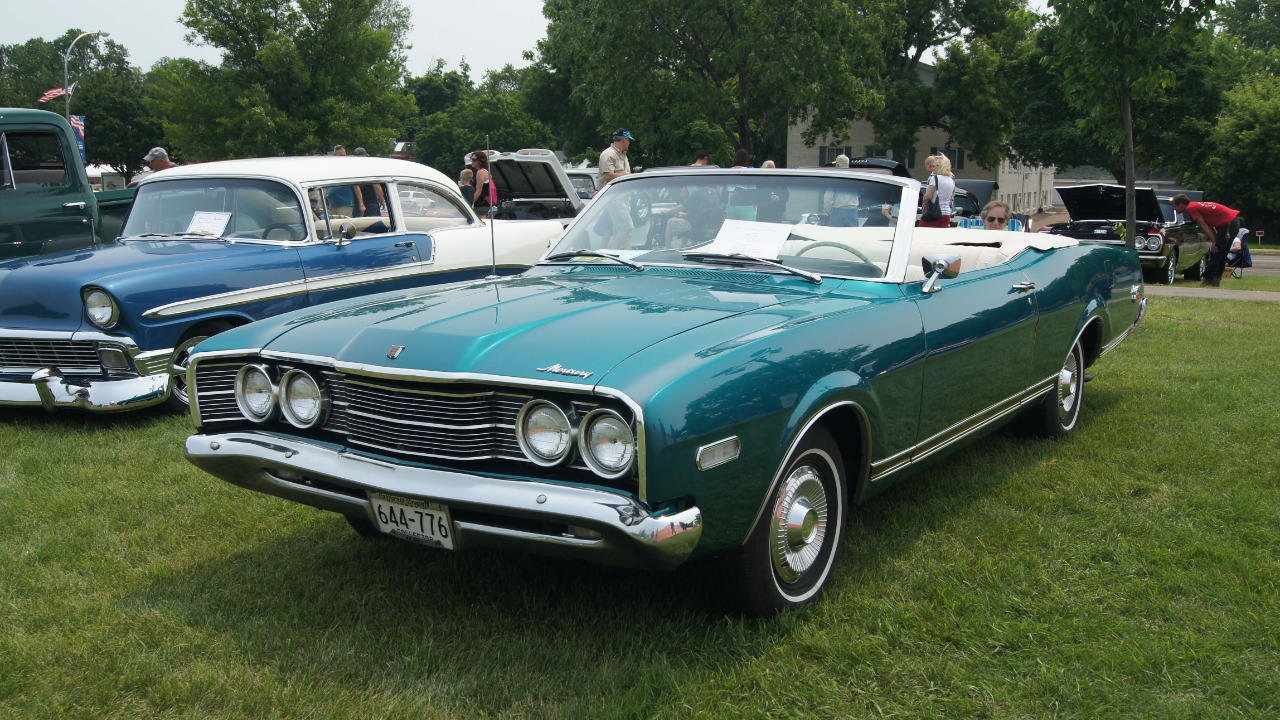



















Thinking about a 1968 Mercury Montego here’s why it’s not as common as it seemsThe 1968 Mercury Montego looks, on paper, like the kind of car that should be everywhere at cruise nights and online auctions. It launched as Mercury’s new midsize line, shared hardware with the Ford Fairlane and Torino, and carried the clean, Coke-bottle styling that defined late‑sixties Detroit. Yet in most parking lots and at car shows, the Montego is the outlier, not the rule. That disconnect between the Montego’s apparent promise and its real‑world scarcity comes down to timing, positioning, and how collectors assign nostalgia. The car arrived in a crowded field, was overshadowed inside its own brand, and never quite became the hero of any one scene, which helps explain why it is far less common than casual memory might suggest. The new midsize that arrived late to the party Mercury had been edging into the sporty personal‑car space with the Cougar and dressing up full‑size sedans, but the company did not have a dedicated midsize nameplate until the Montego appeared for 1968. Period product listings show the Montego joining a broad Mercury lineup that already included compact, intermediate and full‑size offerings, along with wagons and specialty models, in the 1968 Mercury models catalog. Positioned as a more upscale cousin to the Ford Fairlane and Torino, the Montego shared the basic intermediate platform and much of the engineering, but wore a unique grille, trim and interior details intended to justify a higher price. Contemporary guides to the Mercury Models, Prices describe a wide spread of body styles and price points, which meant the Montego had to carve out identity in a lineup that already felt crowded. Meanwhile, the broader intermediate market was exploding. General Motors rolled out fresh sheetmetal for its midsize cars, and those designs quickly captured attention. One analysis of the 1968 Ford Fairlane GT describes how GM arrived at the intermediate “dance” with aggressively styled bodies and notes that the Ford intermediates were left looking like “unexpected wallflowers” in comparison, a judgment that extended to related Fairlanes and Torinos. The Montego, which traced the same basic shape, had to fight that perception from day one. Overshadowed inside its own showroom The Montego did not just face tough rivals from Chevrolet, Pontiac and Oldsmobile. It also had to share showroom space with Mercury’s own stars. The Cougar had exploded in popularity as the division’s sporty, youth‑oriented coupe. One review of Mercury’s 1968 performance notes that even though Cougar output fell by 25 percent that year, it still reached almost 114,000 units, which amounted to nearly a third of Mercury’s total volume. Those numbers mattered because dealer attention and advertising budgets tend to follow sales. The Cougar, with its performance image and strong demand, absorbed a disproportionate share of Mercury’s marketing energy. Full‑size models were also being pushed upmarket as early pioneers of the brougham trend, as illustrated by period images of Mercury Park Lane hardtops and luxury‑focused campaigns. In that environment, the Montego occupied an awkward middle ground: more expensive than a Ford intermediate, less glamorous than a Cougar, and less plush than the top full‑size sedans. Internal competition diluted the Montego’s presence in the market. Shoppers who wanted sporty could step up to a Cougar. Buyers chasing luxury could be steered into a Park Lane or Marquis. Budget‑minded families could stick with a Ford Fairlane or Torino. The Montego had to appeal to a relatively narrow slice of buyers who wanted Mercury cachet in an intermediate package, and that niche was never very large. Production reality versus enthusiast memory Part of the perception that a 1968 Mercury Montego should be common comes from its close relationship to Ford’s intermediates. The Fairlane and Torino sold in much higher volumes, and they share enough sheetmetal and mechanical parts that it is easy to mentally lump them together. One look at period sales discussions of Fairlanes and Torinos shows totals that reach into the hundreds of thousands, which can skew impressions of how many Montegos were actually built. By contrast, Mercury as a brand operated at a smaller scale. The same production tables that list the Montego among the 1968 Mercury Models, Prices and Production Numbers make clear that individual Mercury lines rarely approached the kind of volume Ford or Chevrolet enjoyed. The Montego was a new nameplate in a division that already had several established lines, so it never had a clear path to mass production. Enthusiasts sometimes also conflate Montegos from different years. The name continued into the early seventies, and those later cars are more visible in some regions. When people say they see Montegos “all the time,” they may be thinking of a broader range of model years, not the 1968 debut cars specifically. Once the focus narrows to that first year, the pool of surviving examples shrinks quickly. Design that blended in instead of standing out Viewed from a modern angle, the 1968 Montego has a clean, handsome profile. It wears the same long‑hood, short‑deck proportions that defined American intermediates of the era, with restrained brightwork and a tidy roofline on two‑door hardtops. A closer look at the Ford Heritage Vault materials shows how much of the visual drama was concentrated in the grille and taillight treatments, not in radical body sculpting. That restraint may have hurt the car in period. Competitors leaned into more aggressive cues, from sculpted fenders to deeply recessed grilles. Contemporary commentary on the Fairlane GT describes it as a “wallflower” at a dance crowded with more flamboyant GM intermediates, and the Montego inherited that same understated presence. Buyers shopping for something that looked exciting in the driveway might have been drawn to a Chevelle SS or GTO instead. Within Mercury’s own lineup, the Montego also had to live in the shadow of more distinctive designs. Ads and brochures for full‑size models like the Park Lane emphasized sweeping body sides and elaborate trim, while the Cougar carried a hidden‑headlamp front end and pronounced character lines. Against that backdrop, the Montego’s neat but conservative styling did little to burn itself into collective memory, which affects how often people notice and remember surviving cars today. Interesting hardware, limited halo Under the skin, the Montego shared the Fairlane and Torino mechanical menu, from modest six‑cylinder engines to V‑8s that could deliver real performance. Enthusiast coverage of a four‑speed Montego MX highlights combinations such as a 302 V‑8 paired with a manual gearbox and bucket seats, illustrating how the right options could turn the car into an engaging driver’s machine. A feature on a 1968 Montego MX points out the appeal of a six‑cylinder with a stick and a factory sunroof, an unusual mix that shows Mercury was willing to experiment. Those configurations, however, were the exception rather than the rule. The bulk of Montegos left the factory as family transportation, with automatic transmissions, bench seats and modest engines. That reality limited the car’s performance reputation. Unlike the GTO or Road Runner, the Montego never became synonymous with drag strips or street racing, even though it could be ordered with similar hardware. Because the Montego did not anchor a high‑profile racing program or headline magazine road tests, it lacked the halo effect that helps keep certain models in the spotlight decades later. Collectors gravitated toward the better‑known muscle variants and left many Montegos to age quietly in driveways and used‑car lots, which in turn reduced the number that enthusiasts chose to preserve. Collector interest that arrived late For years, the Montego sat on the fringe of the collector market. Price guides and parts catalogs treated it as a footnote to the more popular Ford intermediates. That is changing slowly as enthusiasts look for alternatives to the best‑known muscle cars and as people who grew up with Mercurys seek out the cars they remember. Recent buyer guides focused on the 1968 Mercury Montego note that a well‑preserved example can command a wide range of prices depending on condition, originality and historical significance. That spread reflects a market where top cars are finally attracting attention, while driver‑quality examples remain relatively affordable compared with more famous muscle nameplates. Video retrospectives on the first‑generation Mercury Montego walk through the trim levels, features and options and highlight how the car bridged Mercury’s earlier midsize efforts and later personal‑luxury directions. That kind of content helps build awareness among younger enthusiasts, but it also underscores how long the Montego spent in the background before gaining any kind of spotlight. Why survivors are thinner on the ground Even if production had been robust, several factors conspired to thin the herd of surviving 1968 Montegos. Many were simply used up. As intermediate sedans and coupes, they served as daily transportation for families, commuters and small businesses. They racked up miles in all weather, and when rust or mechanical wear caught up, owners often saw little reason to invest in major repairs on a mid‑priced Mercury. The lack of a strong performance or luxury identity also meant fewer people saw early Montegos as worth saving when they reached the end of their first life. Columns responding to owners like Ray Owens of Ohio, who asked whether a 1968 Mercury was worth restoring, often stressed that sentimental value and personal attachment had to carry more weight than pure market math. In one such exchange, a writer addressed Ray Owens directly and framed the decision as a balance between costs and the owner’s connection to the car. Finally, parts support for Mercury‑specific trim has always lagged behind that for Ford equivalents. While mechanical components interchange readily with Fairlanes and Torinos, items like Montego‑only grilles, taillights and interior pieces can be harder to source. That reality discouraged some would‑be restorers and led others to part out rough cars rather than bring them back, further reducing the number of complete survivors. The Montego’s place in Mercury history Seen in context, the 1968 Montego represents a transitional moment for Mercury. It marked the division’s attempt to create a cohesive midsize identity, slotting between the compact and full‑size ranges while borrowing engineering from Ford and styling cues from across the showroom. Archival material from auto history collections shows how Mercury experimented with different mixes of sport and luxury across its lines, and the Montego was part of that broader strategy. Yet the car also illustrates the limits of badge engineering and incremental differentiation. Without a clear, singular message, the Montego struggled to stand out. The Cougar delivered an immediate hook as a sporty, upscale pony car. The full‑size Park Lane and Marquis made their case as early brougham pioneers. The Montego, by comparison, was a capable and attractive intermediate that did many things well but did not dominate any one category. That ambiguity made it easier for the Montego to fade from popular memory once it left showrooms. When people think of Mercury’s late‑sixties heyday, they tend to picture Cougars with hidden headlights or full‑size sedans gliding through glossy print ads, not the intermediate parked quietly at the curb. More from Fast Lane Only Unboxing the WWII Jeep in a Crate 15 rare Chevys collectors are quietly buying 10 underrated V8s still worth hunting down Police notice this before you even roll window down The post Thinking about a 1968 Mercury Montego here’s why it’s not as common as it seems appeared first on FAST LANE ONLY.