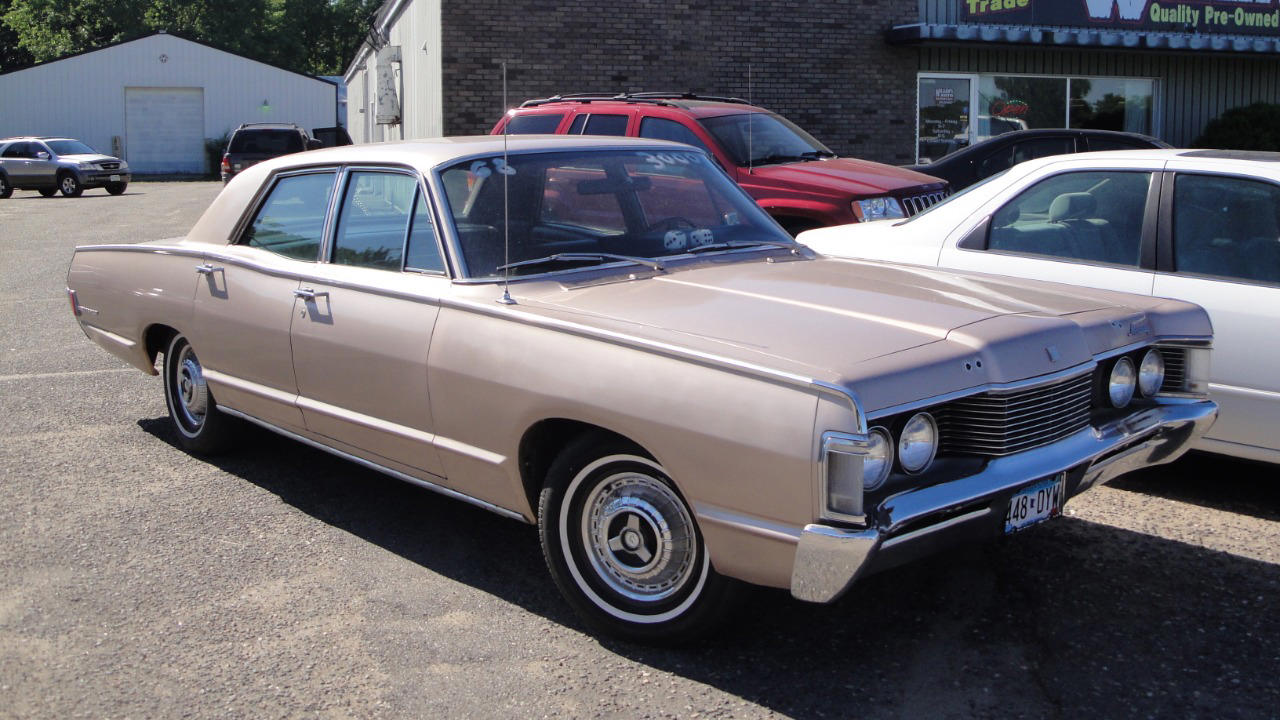
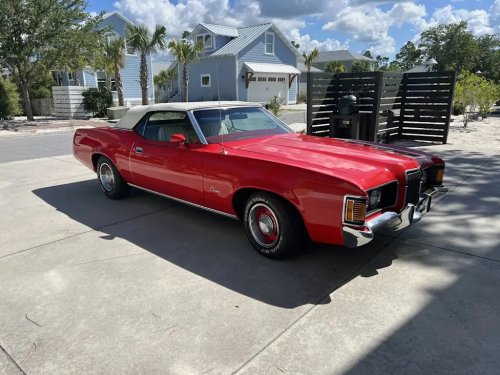
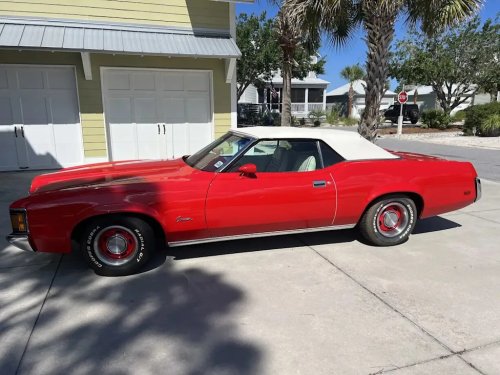
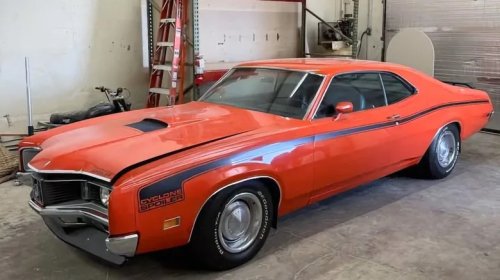
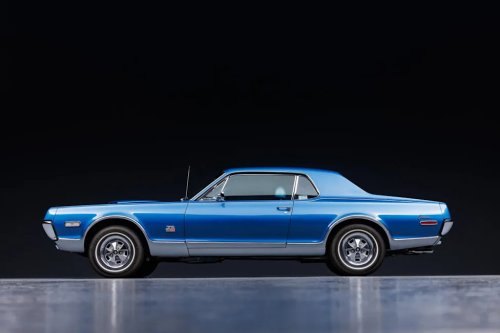
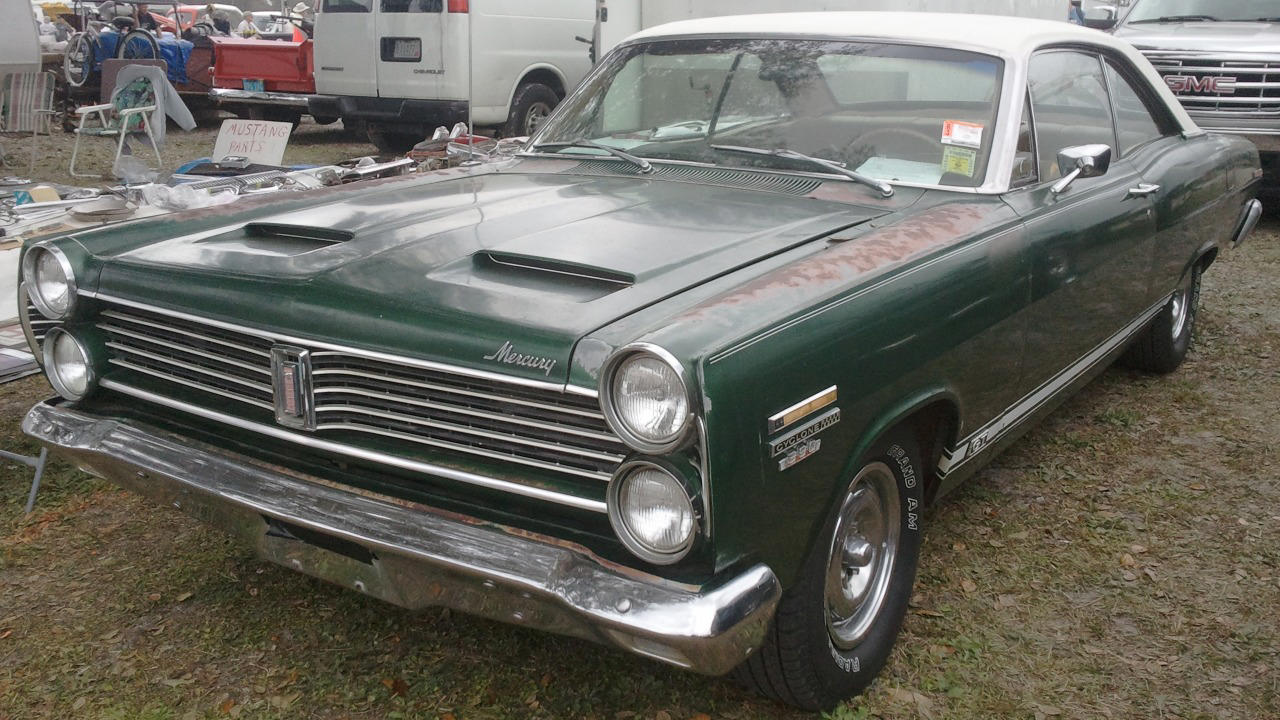
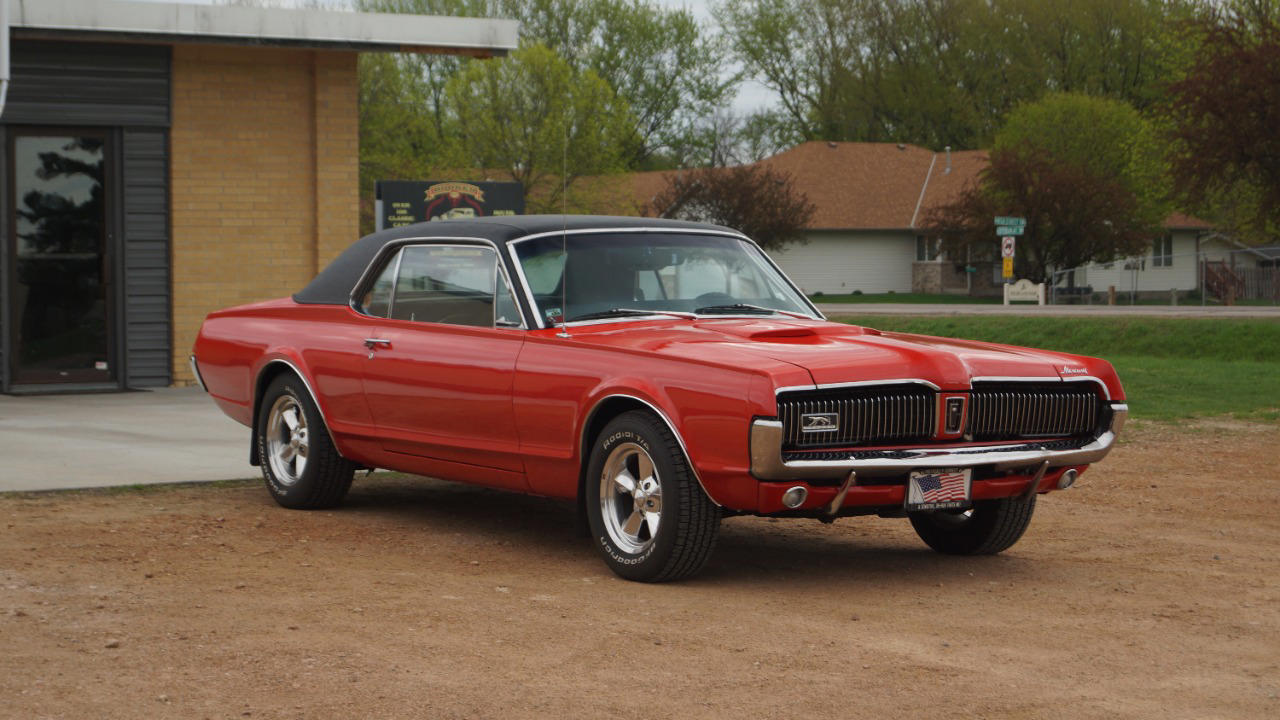
1968 Ford LTD vs 1968 Mercury Monterey one still holds attention todayIn the late 1960s, Ford Motor Company built two full-size siblings that aimed at the same American driveway from very different angles. The 1968 Ford LTD chased quiet luxury and subtle prestige, while the 1968 Mercury Monterey experimented with a more extroverted, muscle-tinged personality. Decades later, one of these cars still commands more attention among collectors and casual fans, even though the other arguably took bigger risks. Viewed side by side, the LTD and Monterey tell a story about how Ford tried to climb upmarket, how Mercury tried to stand apart, and why understated design sometimes ages better than bolder moves. The contrast helps explain why a well-kept LTD can stop a crowd at a local show, while a Monterey still needs an introduction. Shared bones, different ambitions Both the 1968 Ford LTD and 1968 Mercury Monterey grew from the same corporate strategy. Ford wanted to move its big cars closer to premium territory, so it developed what one period observer described as basically a Galaxy. By 68 the LTD had become the flagship expression of that idea, taking the familiar Ford full-size platform and wrapping it in quieter styling and richer trim. The Mercury side of the showroom used the same basic architecture but tried to add distance from the Ford nameplate. A detailed look at the 1968 full-sized Mercury line notes that Mercury leaned hard into brougham themes, with more elaborate ornamentation and plush interiors that mirrored what Ford was already doing on the LTD. That overlap made it harder for buyers to see why they should pay extra for a Mercury when the corporate parent offered a similar experience. Within that broader Mercury lineup, the Monterey sat as the entry full-size model. It shared the basic body shell with the more ornate Park Lane and Marquis, but with simpler trim and a more value-oriented mission. The LTD, by contrast, was positioned as the top of the Ford-branded range, above the plain Galaxie and Custom, which gave it a clearer identity as the aspirational choice for loyal Ford buyers. Design: quiet confidence versus brougham drama Styling plays a major role in why one of these cars still turns more heads. The 1968 Ford LTD was drawn with restraint. Straight body sides, a formal roofline and a clean grille made it look like a smaller, more approachable luxury car rather than a flashy cruiser. Later commentary on the 1968 Ford range highlights how the LTD Brougham four-door hardtop embodied that approach, with a tidy profile and tasteful brightwork that looked expensive without shouting. Enthusiasts in one video walkaround describe the 1968 LTD as part of Ford’s best full-size year, pointing out the LTD Broome four-door hardtop as a benchmark for how well the company balanced size and elegance. In the same breath they mention the Mercury Parklane Broome four-door hardtop, calling it part of a “broom invasion,” which hints at how closely the two brands were aligned in look and feel. On the Mercury side, the full-size cars pushed further into brougham territory. Analysis of the 1968 big Mercury line points out that the brand adopted heavier ornamentation and more formal styling cues, yet sales remained mediocre. The Monterey inherited some of those cues, such as more prominent side moldings and a more sculpted grille, but without the fully loaded trim of the Park Lane or Marquis. The result was a car that looked slightly fussier than the LTD without offering a clearly higher-status image. Today that difference matters. The LTD’s minimalism reads as timeless, especially in lighter colors that emphasize its straight lines. The Monterey’s extra trim and busier surfaces place it more firmly in the late-1960s fashion cycle, which can feel dated to modern eyes. When parked together, the Ford often looks like the more expensive car, despite Mercury’s original upmarket mission. Engines and the Monterey’s hidden muscle side Under the hood, both the LTD and Monterey could be ordered with serious V8 power, but the Mercury sedan has a surprising performance twist that still surprises modern readers. A detailed breakdown of the Monterey’s options explains that the car could be ordered as a genuine muscle sedan, with a big-block 428 V8 that transformed the otherwise conservative full-size into an unassuming street threat. The same overview notes that, Luckily, because Mercurys outside the Cougar are not typically associated with muscle car prowess, the Monterey does not fetch the same prices as more famous performance models. Another section of that same analysis sets the Monterey against its 1968 rivals and points out that the models it competed with, such as the Oldsmobile 88 and the Buick LeSabre, were more commonly associated with comfort than outright speed. The Monterey could be specified with a big-block engine and either a two-barrel or a four-barrel carburetor, which gave it a performance edge that its styling never advertised. Ford did not leave the LTD out of the power conversation. Enthusiast coverage of a specific 1968 Ford LTD highlights an ultra rare configuration that paired a 428 4V engine with a 4-speed Manual transmission, described as a True Sleeper. That combination turned the LTD into a car that could quietly embarrass dedicated muscle machines while still wearing a full set of chrome and a vinyl roof. Yet the way each brand framed these options was different. Mercury’s marketing leaned more on the idea of a sporty, youthful full-size, especially when tied to the performance 428. Ford presented the LTD’s power as an extension of effortless luxury, something that made highway passing easier rather than a reason to street race. That framing still shapes how collectors talk about these cars today. The Monterey’s performance variants are cult favorites among muscle car fans, while the LTD earns praise for its smooth, almost European sense of power. Inside the cabin: brougham comfort and hidden innovation Step inside either car and the family resemblance is obvious. Both offered broad bench seats, thick carpeting and a dashboard packed with chrome accents. However, Ford gave the LTD a few touches that now stand out in hindsight. A detailed feature on the model notes that the Pick of the 1968 Ford LTD was the first of the line to feature retractable headlamp doors, a feature more commonly associated with high-end luxury or sports cars of the era. Those hidden headlights gave the LTD a cleaner face and a sense of technical sophistication. When the lights were off, the grille appeared as one continuous piece, which reinforced the car’s quiet, upscale image. The Monterey did not receive the same feature, and its exposed lamps made the front end look more conventional. In a segment where image mattered, that single detail helped the LTD feel like the more advanced choice. Mercury’s interior strategy leaned on the brougham trend. Analysis of the 1968 big Mercury line describes how the brand adopted more ornate door panels, thicker seat padding and extra trim to signal luxury. The Monterey, as the entry full-size, did not get all of the Park Lane or Marquis upgrades, yet it still carried more visual fuss than the LTD. That left it in an awkward middle ground: more elaborate than the Ford, but not dramatically more comfortable. Over time, the LTD’s simpler cabin has aged better. Clean instrument panels and straightforward controls appeal to modern drivers who appreciate analog clarity. The Monterey’s heavier use of patterns and brightwork can feel more dated, especially when compared with the restrained elegance of its corporate cousin. Market values and collector attention Current pricing tells a clear story about how each car is perceived. Data from one valuation guide shows that a 1968 Mercury Monterey Base has recorded auction results of $15,000 and $20,528, with sales noted through Mecum Auctions in Jan and other venues in North America through Oct, including listings on platforms such as Bring a Trailer. Another pricing snapshot for a specific 1968 Mercury Monterey shows that There are 30 comps indicating a price range from $12,472 to $22,986. A separate market listing for an Original and Highly Original 79k mi Manual LHD example in Lakeland, FL, USA shows an asking price of $38,500, which repeats the premium that rare, well-preserved cars can command. Retail classifieds echo that spread. One listing from a Private Seller offers a 1968 Mercury Monterey with 79,416 m for $38,500 or $564 per month, while a 1962 Monterey appears as a Call for Price listing alongside a 1953 Mercury Montere entry. On the Ford side, a 1968 Ford LTD Brougham categorized as Original and Highly Original, with 84k mi TMU, an Automatic transmission and LHD, recorded a high bid of $8,600 and did not sell. That figure suggests that, in more ordinary trims, the LTD can be less expensive to acquire than a comparable Monterey, especially one with rare options or exceptional originality. Those numbers hint at a paradox. The Monterey, particularly in performance or low-mileage form, can command strong asking prices, yet it remains less recognized in mainstream car culture. The LTD, by contrast, often sells for modest sums in standard configurations, but it attracts outsized attention at shows and in online discussions. The car’s reputation as a symbol of Ford’s late-1960s peak gives it a cultural profile that outstrips its typical auction results. Enthusiast culture and nostalgia Beyond prices, the way enthusiasts talk about these cars reveals where passion concentrates. A popular video retrospective on the 1968 Ford lineup opens with the host greeting viewers and explaining that it is not every day that one gets to admire what he calls Ford’s best for 1968, and he makes a point of saying that he does not mean the Mustang or the Torino. Instead, he singles out the full-size models, especially the LTD, as the high point of the brand’s design and engineering that year. In another segment, the same presenter returns to the theme, remarking that he means the LTD Broome four-door hardtop and the Mercury Parklane Broome four-door hardtop, joking that it is a broom invasion. The choice to highlight the LTD first, and to pair it with the higher-spec Park Lane rather than the Monterey, reflects how enthusiasts naturally rank these cars in their minds. On social media, Mercury loyalists still champion the brand’s big cars. In one enthusiast group, a discussion about which full-size Mercury is preferred includes a comment from Dennis Bowers, who calls one example “Very pretty” and adds that he Still likes the 1971 Mercury Marquis Brougham best, closing with “Just my opinion tho.” That kind of exchange shows how Mercury fans often gravitate toward the more ornate early-1970s models rather than the cleaner 1968 Monterey. The Monterey’s muscle sedan variant has developed a small but vocal following, helped in part by coverage from outlets that track underappreciated performance cars. The same analysis that describes the 428-powered Monterey as a hidden gem has its own social presence, with pages such as Carbuzzcom on Facebook and feeds aggregated through platforms like news.google.com, feedly and flipboard, along with discovery via google search. Those channels help spread awareness of the Monterey’s capabilities, but they still reach a narrower audience than the broad nostalgia that surrounds the LTD. Ford’s historical footprint also plays a role. Archival resources such as fordheritagevault preserve brochures and technical documents that keep the LTD in the public eye, while enthusiasts and historians explore Mercury’s story through sites such as collectibleautomobile, autohistorypreservationsociety and independent commentary linked from Indie Auto, which also shares period ads like the 1967 Mercury promotional images. Those materials keep the Park Lane and Marquis in focus, which can overshadow the Monterey within its own brand story. Why the LTD still holds more attention All of these threads point to a simple conclusion. When enthusiasts and casual observers talk about late-1960s full-size American cars, the 1968 Ford LTD tends to dominate the conversation, while the 1968 Mercury Monterey remains a connoisseur’s choice. Several factors explain that split. First, the LTD benefits from a clearer identity. It was the top Ford-branded full-size, marketed as the step up from the everyday Galaxie. The Monterey, by contrast, was the entry Mercury full-size, and it had to share showroom space with the more glamorous Park Lane and Marquis. That hierarchy made the LTD feel special to Ford buyers, while the Monterey could be overshadowed even within its own brand. Second, the LTD’s styling and features have aged more gracefully. Retractable headlamp doors, clean body lines and a restrained interior give it a timeless look that appeals to modern tastes. The Monterey’s brougham-influenced details, though historically interesting, tie it more tightly to a specific moment in design. Collectors who want a classic that still looks contemporary often gravitate toward the LTD. Third, nostalgia amplifies the Ford name. For many families, a big Ford was the default choice in the driveway, and the LTD became a symbol of middle-class success. That emotional connection translates into attention at shows and online, even when the cars themselves sell for modest sums. The Monterey did not build the same cultural footprint, and Mercury’s eventual disappearance from the market has made its story more fragmented. Finally, the Monterey’s strengths are more specialized. Its 428-powered muscle sedan configuration is a fascinating piece of performance history, and pricing data shows that rare, well-preserved examples can command strong money. Yet that appeal sits within a niche of enthusiasts who seek out sleepers and underappreciated models. The LTD, by contrast, offers a broader mix of comfort, style and subtle performance that resonates with a wider audience. Both cars deserve attention. The 1968 Mercury Monterey rewards those who look past the obvious choices, especially in high-spec or performance trims. The 1968 Ford LTD, however, continues to draw the eye of passersby and collectors alike, not because it shouts the loudest, but because its quiet confidence still feels right on the road and on the show field. More from Fast Lane Only Unboxing the WWII Jeep in a Crate 15 rare Chevys collectors are quietly buying 10 underrated V8s still worth hunting down Police notice this before you even roll window down