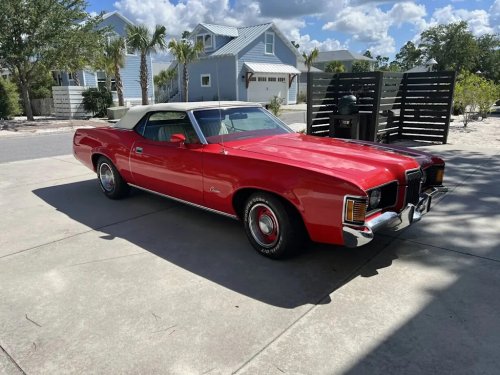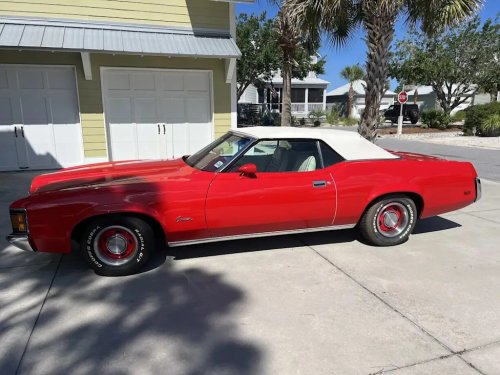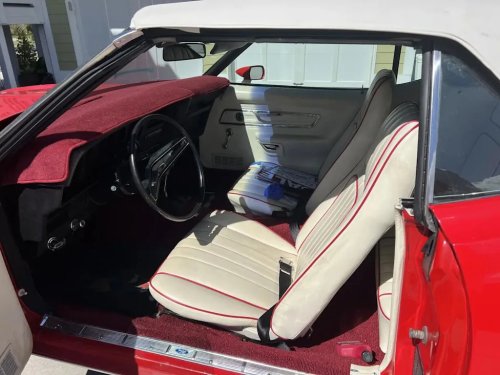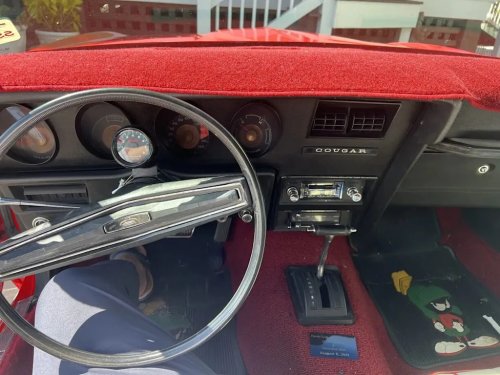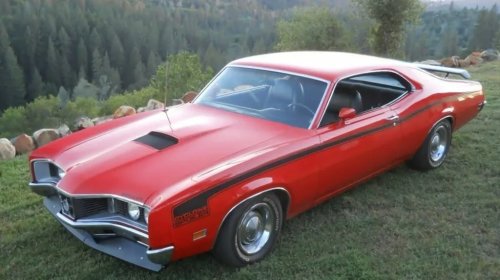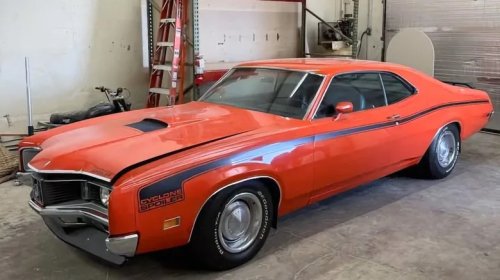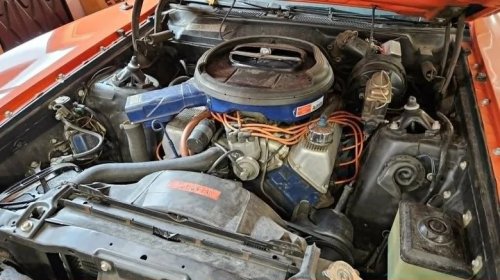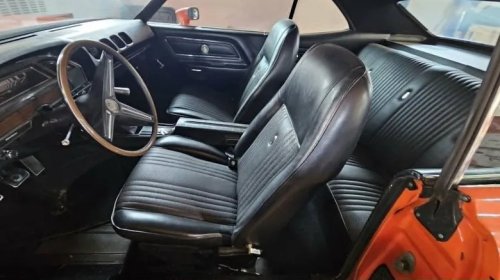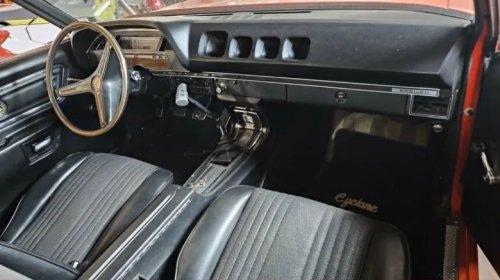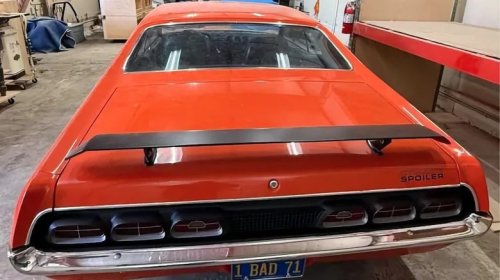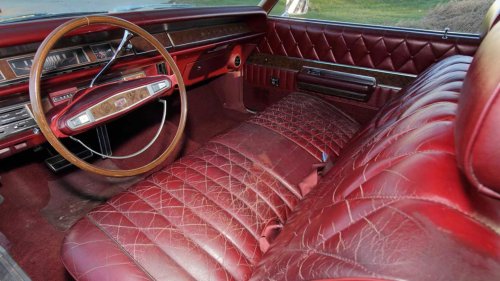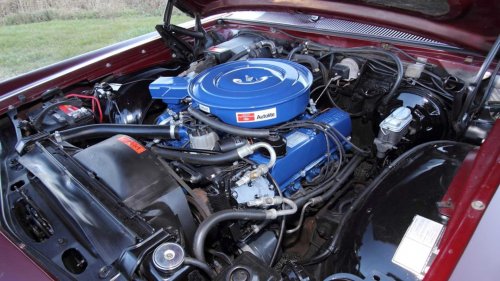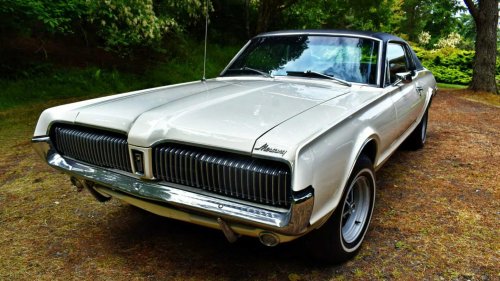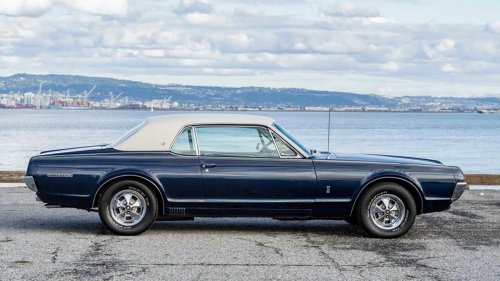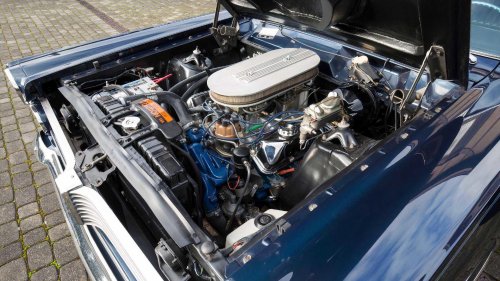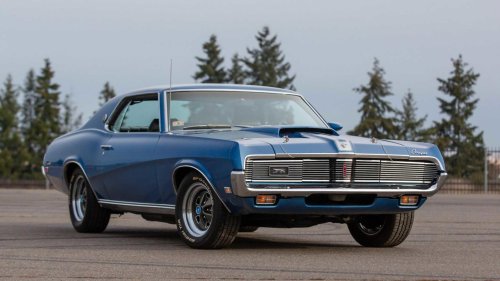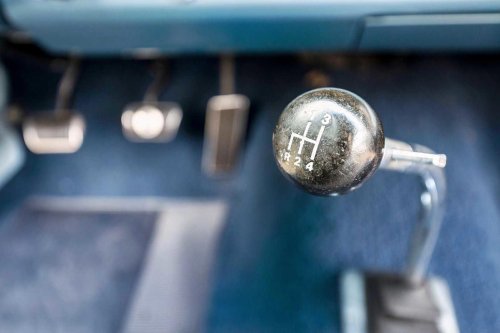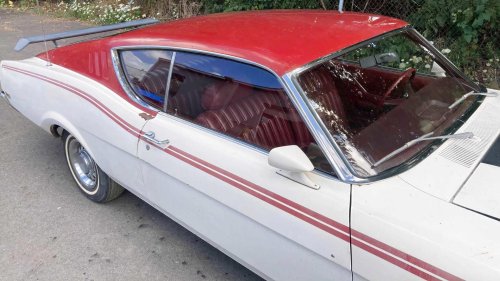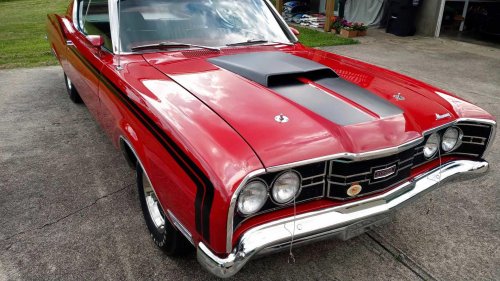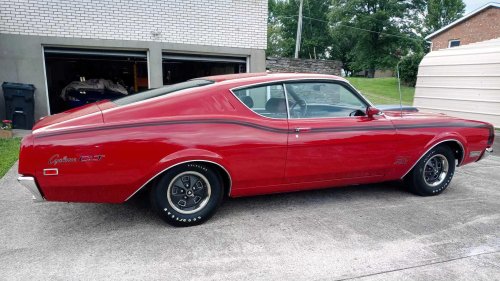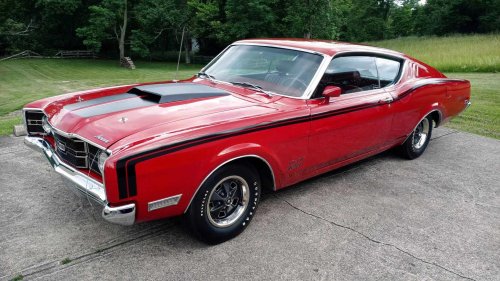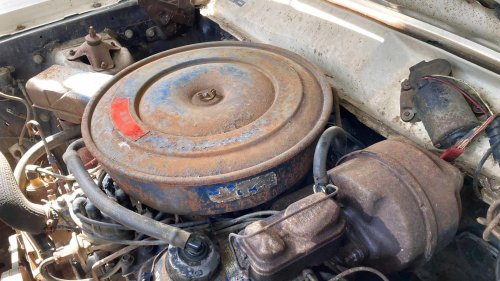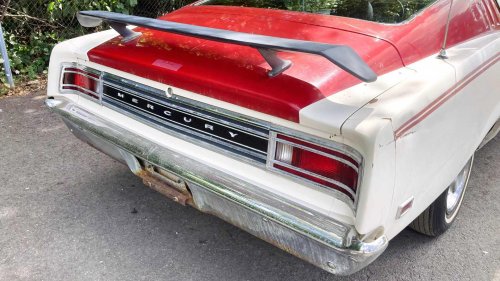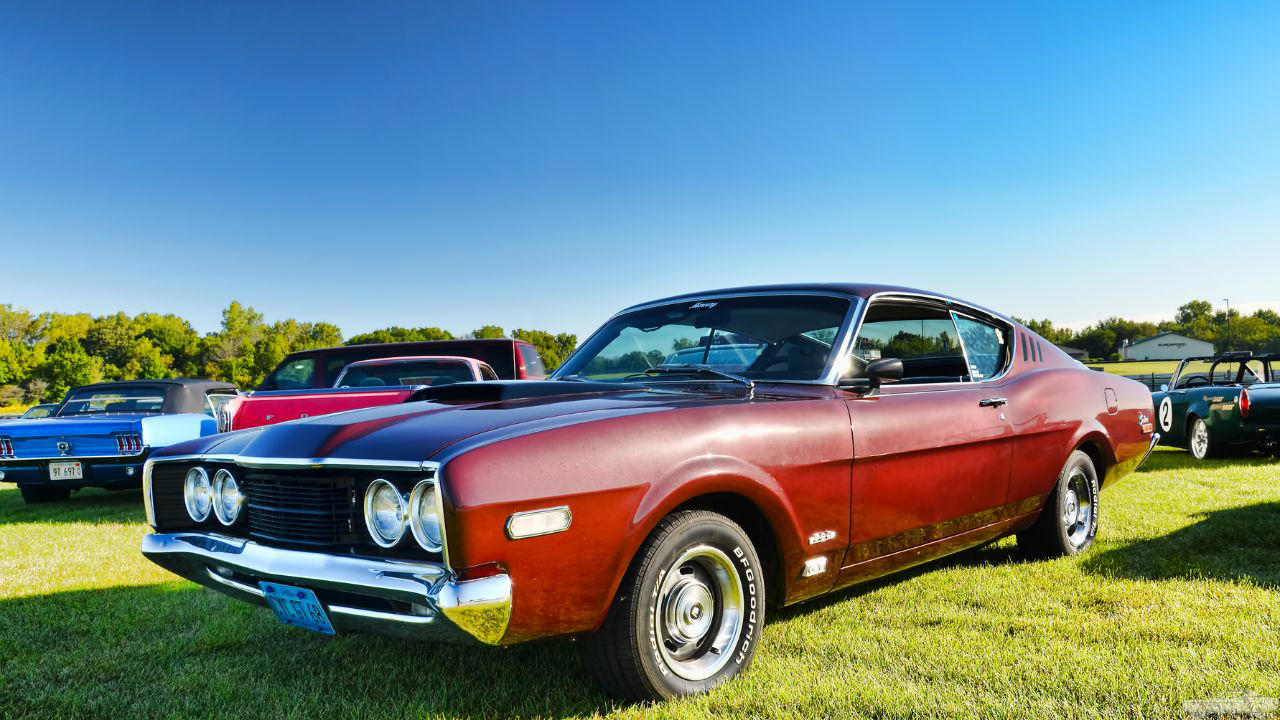
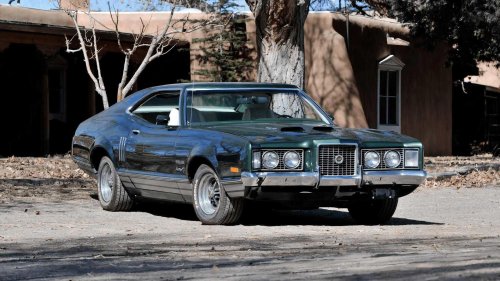
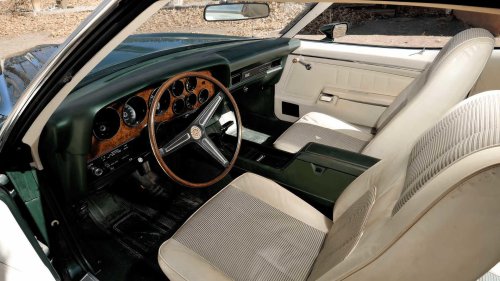
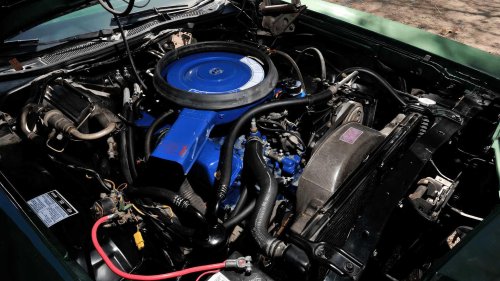
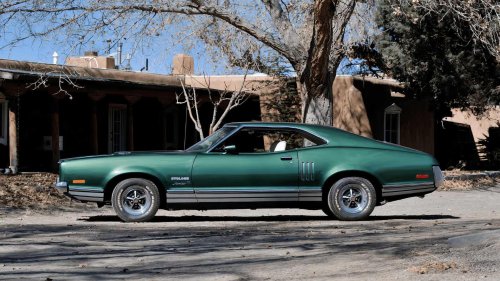
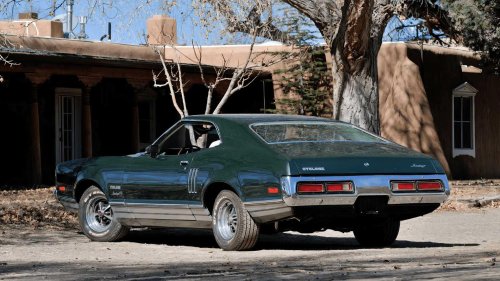


















People think they have it all figured out as far as vintage muscle cars from Mercury are concerned. You have your Mustang-based Cougars, brutish Cyclones, and the utterly massive, fire-breathing Marquis. On the whole, that covers most of it. But it falls short of telling the story of Mercury’s muscle cars entirely. Most history books won’t account for this big American slab of iron. Then again, there were hardly enough of them made to make an impact. This is the story of Mercury's most obscure muscle car—one you really ought to know about. The End of the Muscle Car Era Bring a Trailer 1972 was a tricky year in the first great muscle car renaissance. Still one year away from a global fuel crisis that genuinely killed muscle cars for decades, the American auto industry was slow to respond to changing trends. This was of particular consequence to muscle cars of all stripes, machines that relied on stunning good looks, cubic displacement, and not much else to move metal at dealerships.As far as Mercury was concerned, this put Ford’s second-tier brand in something of a difficult spot. On the one hand, Mercury’s past muscle car exploits of the ‘60s and early ‘70s set an expectation for the brand to be sporty as well as comfortable. But meanwhile, Ford’s top brass had other ideas. Ones that would see the Mercury brand inch closer to Lincoln in feel, not the other way around. Nowhere was that more obvious than with one particular model, a car that looked altogether different in 1972 than years prior.Its first generation of 1968 through ‘71 was a mid-size unibody platform based on the same chassis as the popular Fairlane and Torino. It competed with rivals from other American brands like the Buick Skylark, AMC Rebel, Dodge Coronet, and even the Chevy Malibu. These years represented the undisputed zenith of the muscle car era, a time when you could order a mid-size family hauler with a 7.0-liter V8 and never once have your motives questioned. 1972 Mercury Montego GT 429: A Luxury Car With a Twist Mecum With the impending fuel crisis and government-mandated emissions restrictions, the writing was on the wall for the muscle car era by 1972. The second-generation Mercury Montego reflected this, ditching its unibody underpinnings for a body-on-frame foundation befitting of a ‘70s luxury car. Now sporting prominent coke-bottle styling cues and a fastback roof, the new Montego was larger than before in every respect. Correspondingly, the wheelbase was longer, 114 inches for two-door examples and 118 inches with four. With dimensions of 223.1 inches long in coupe form and roughly 76 inches wide, the heaviest Montegos in the cushy MX Brougham trim tipped the scales at 4,200 lbs.Mecum This heft came in the form of creature comforts like thick, plush carpets, increased sound deadening between the cabin and the engine bay, as well as “comfort knit” vinyl bucket seats built to carry an early ‘70s corporate middle manager around. Leather wasn’t an option, as it would’ve made the Montego too close to a Lincoln in feel. But with a base price of just over $3,000, you did get a ton for the money. Overall, the new Montego represented Mercury’s gradual withdrawal from the sporty muscle car scene. Well, at least most of them were. But a handful refused to let go just yet. Back in early 1972, if you were in the right place at the right time and knew the right Mercury sales rep, you could order a Montego GT trim with what was known as the Performance Option Package.According to Marti Auto Works, owners of Ford/Mercury’s production database for its legacy products, at least 30 Montegos left the factory with this options package. Among them, only 20 came equipped with a 429-cubic-inch (7-L) 385-series V8, while the rest came with smaller 351 Cleveland V8s. It’s the same basic block you’d find under the hood of a Mustang Boss 429 as well as high-trimmed Cougars, alongside other vehicles like the Ford Thunderbird and numerous commercial trucks. The Last Great Mercury Muscle Car Mecum The bare blocks may have been the same, but the Montego lacked the Mustang 429’s “Semi-Hemi” cylinder heads and other pieces of race hardware. It’s the key distinction between the civilianized N-Code 429 V8 in this Montego and the Z-Code screamer of legend. Still, that didn’t stop N-Code Montegos from being markedly more potent than examples with engines like 302s and 460s. Even with the transition from gross horsepower, measured on a dyno stand, to net horsepower measured wired up in the car working against it, these machines still put a healthy 322 lb-ft of torque to the tires. Available with a four-on-the-floor standard gearbox or a three-speed auto, it’s fair to say the stick shift is the more desirable option to modern audiences.Better still, that power was way down low in the rev range, as little as 2,600 RPM. The N-Code Montego’s clever Autolite 4300 four-barrel carburetor had smaller airflow passages than similar setups. While that might sound like a restricting quality, it actually allowed air to enter the combustion chamber at a much quicker rate at low RPMs. Even if 205 net horsepower was a laughable figure, the extra torque was enough to help these Mercs feel peppy when they otherwise wouldn’t have. With functional ram air scoops exclusive to the Performance Option Package, these N-Code Montego GTs are instantly recognizable with just a cursory glance at the front clip. Along the flanks, a prominent "Cyclone" badge marked one of the last times it'd show its face on a muscle car.Mecum Rather than just two gaping nostrils on the hood, a prominent dip in the bodywork right in front of the air scoop openings collected as much turbulent air as possible, directing it into the engine bay. Such an aggressive ram-air scoop was an almost comical contrast against the brutish, mid-tier luxury car styling attached to the new body style. It was a sign of the times—a signifier that the conditions needed for muscle cars to flourish were rapidly eroding away. In truth, it’s fair to say Ford Motor Company never wanted these N-Code Montegos with special performance packages to exist.The only reason their construction was possible came down to delays in changes to options brochures in the pre-internet era. It’s also why you had to know a guy who knew a guy to even attempt buying one. Those lucky enough to try were rewarded with a beast of an engine, plus a Traction-Lok differential and heavy-duty suspension for better handling traits. An American Gem That Never Got A Chance Mecum No sooner was the delay in options catalog rollouts accounted for did the second-generation Montego’s muscle car honeymoon come to an end. From then on, the Montego was a cushy gentleman's runabout with comfy seats and a decent ride for a car that wasn't a Lincoln—but was little more besides that. Of the 20 performance-bred ‘72 Montego 429 GTs built, less than five are known to survive today. All are three-speed automatics, and none are currently for sale. That makes estimating its value a real challenge, but rest assured, a long-forgotten secret muscle car you could only buy for a couple weeks in 1972 has value on its story alone. Certainly, it never got its fair shake, and that alone makes for a compelling biography.Sources: Old Cars Weekly