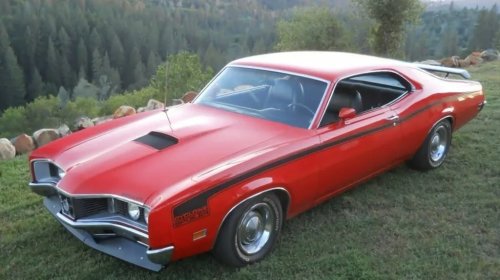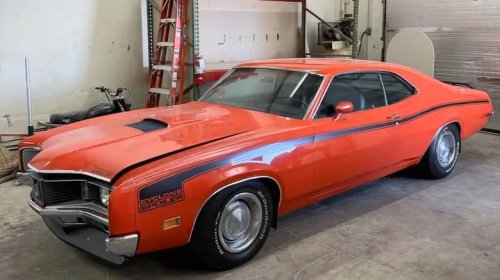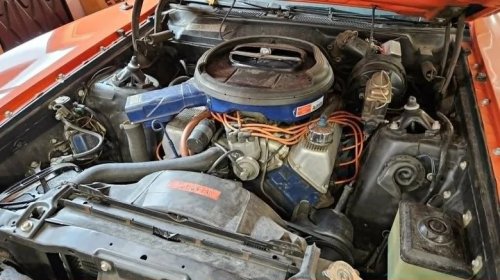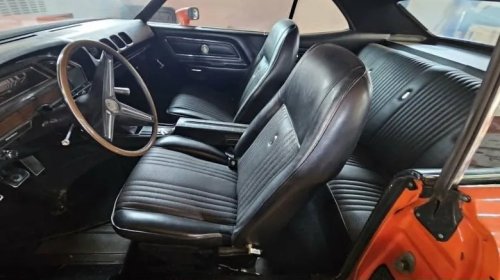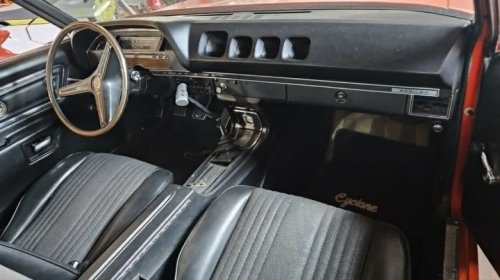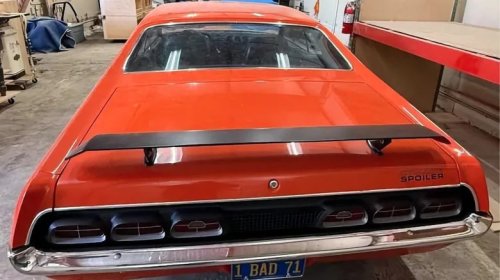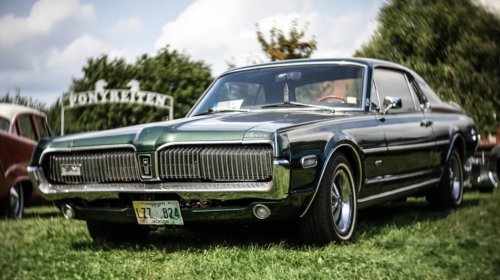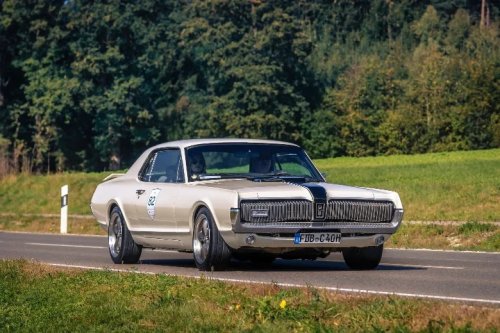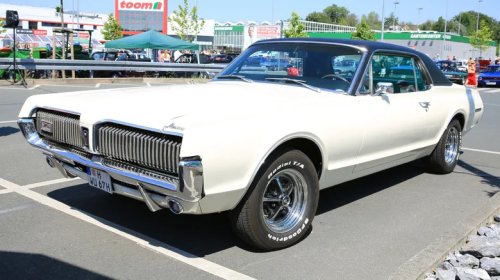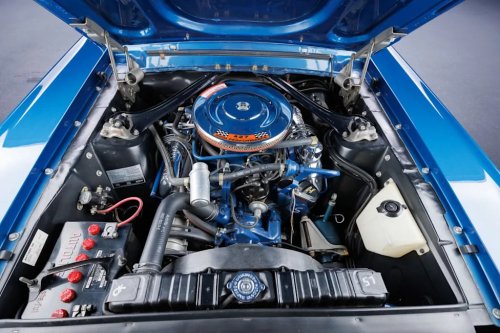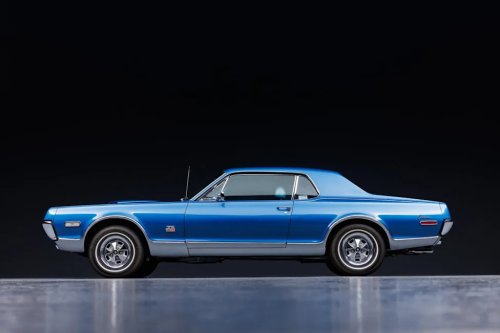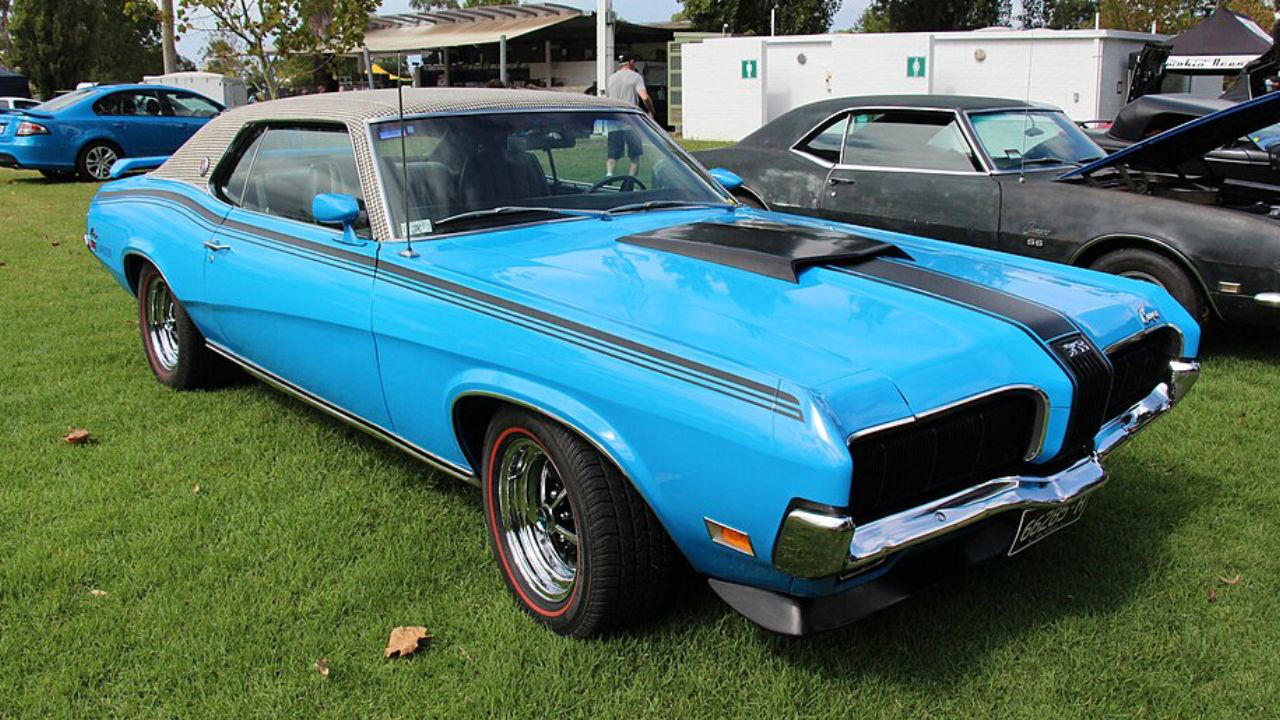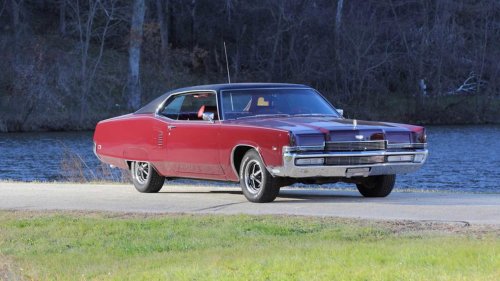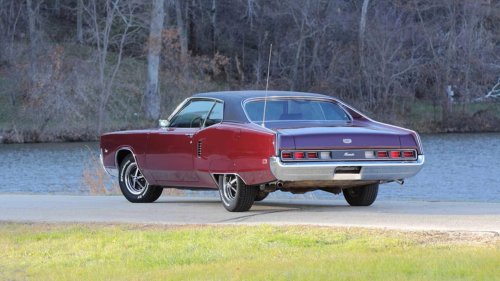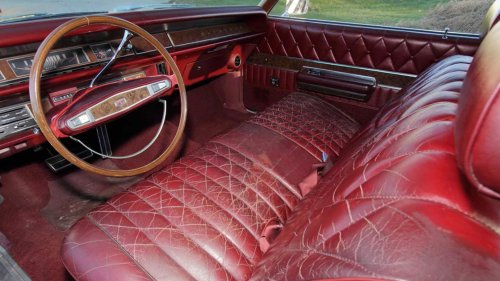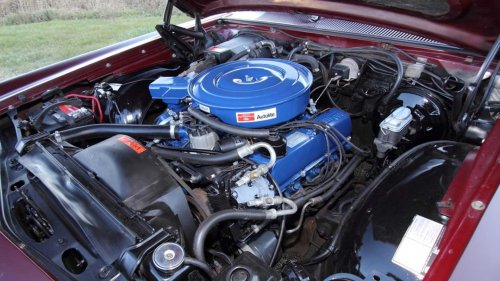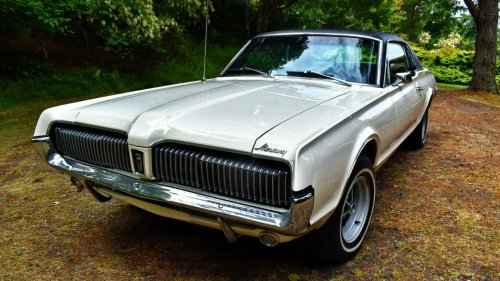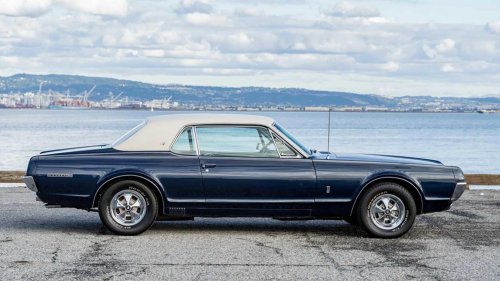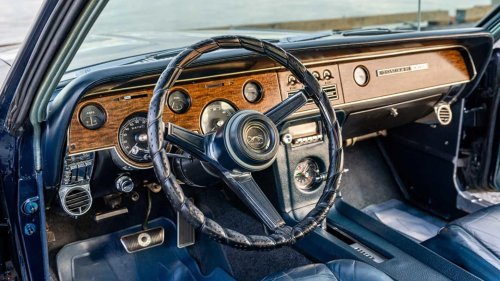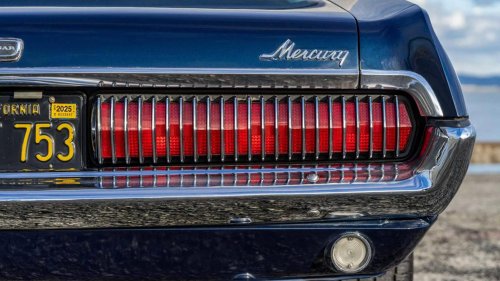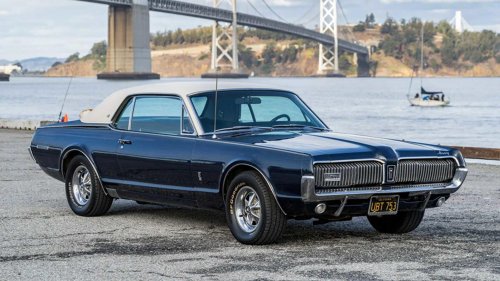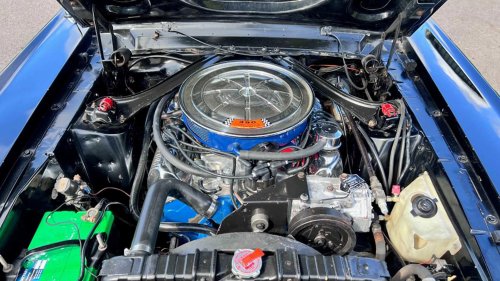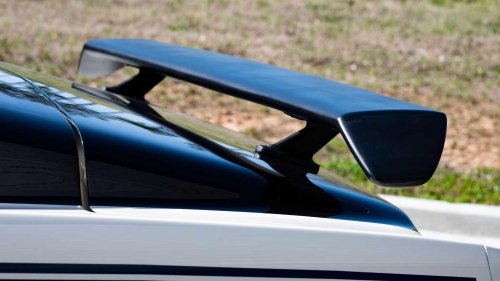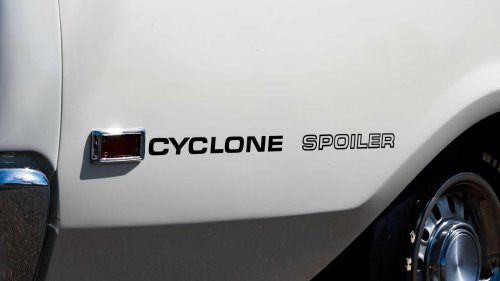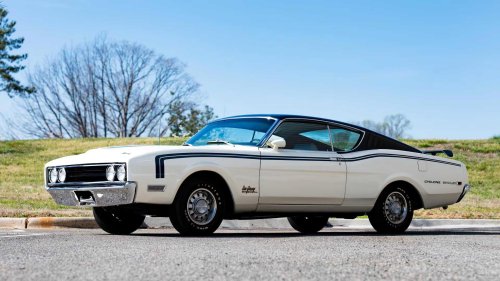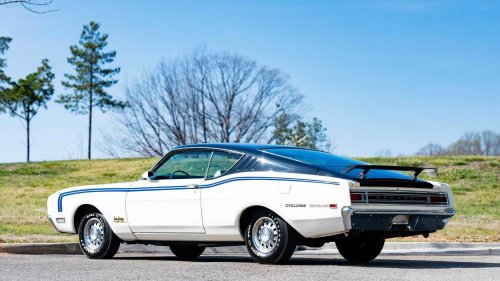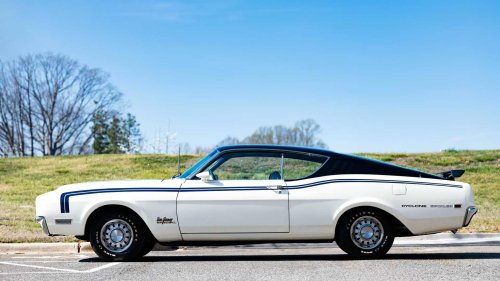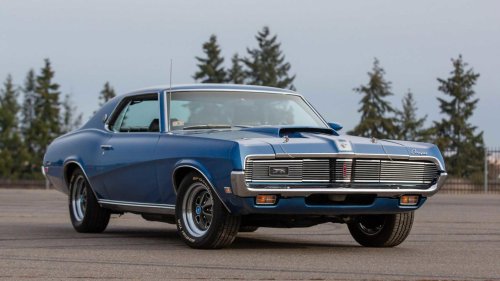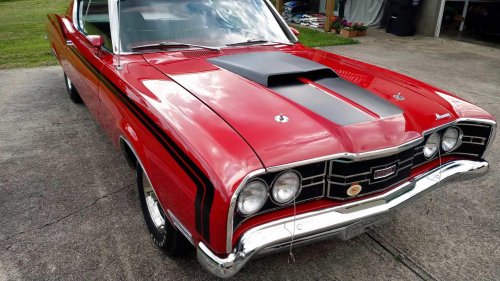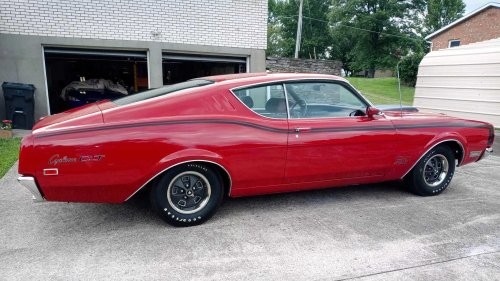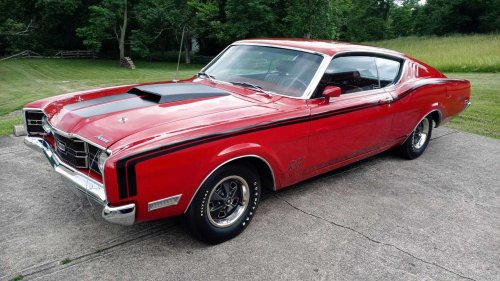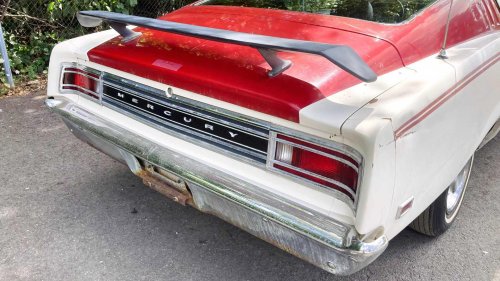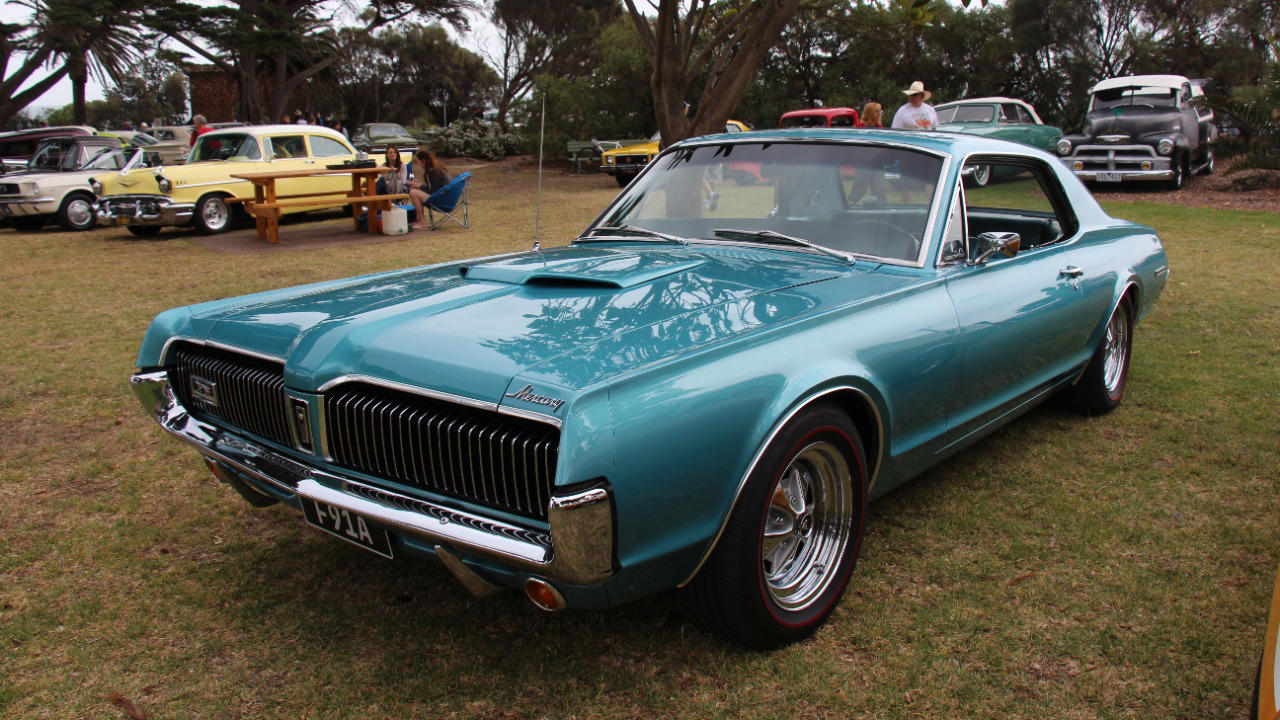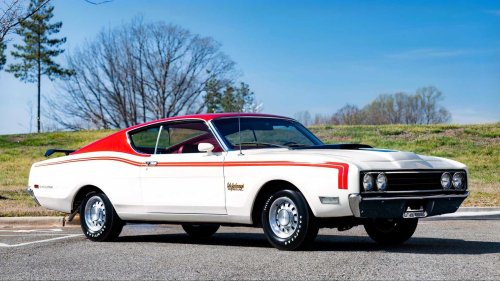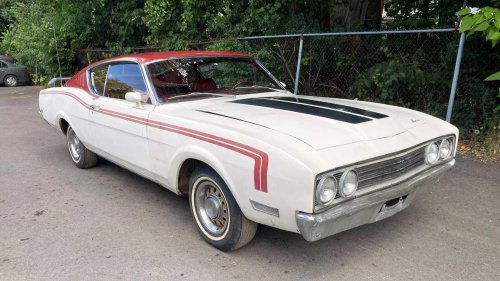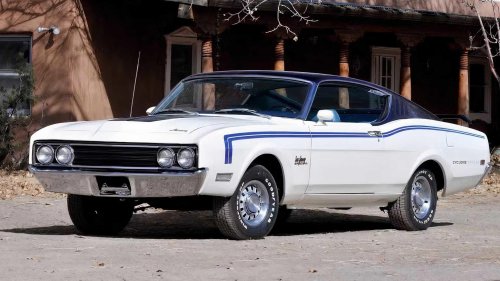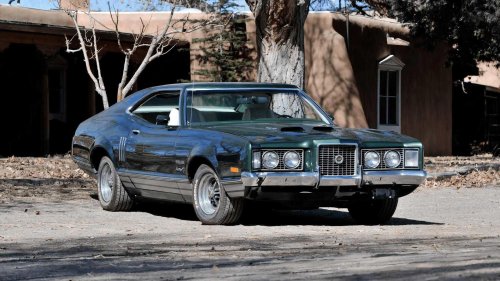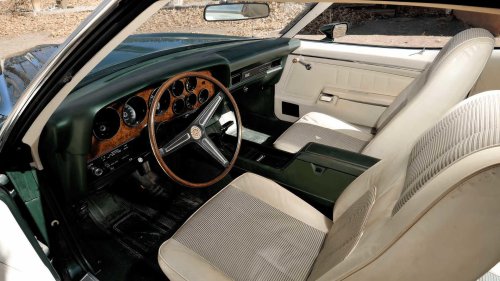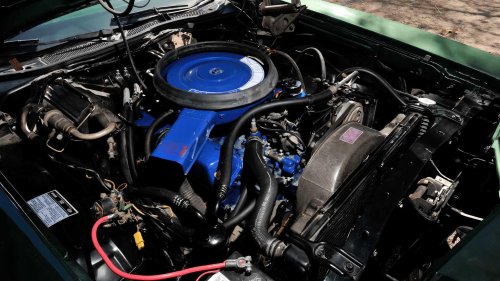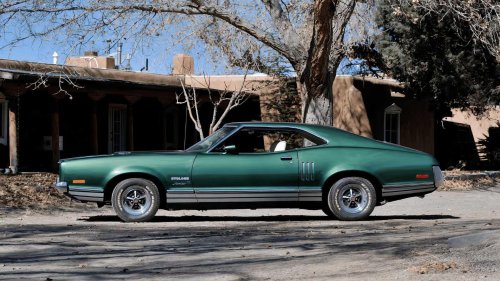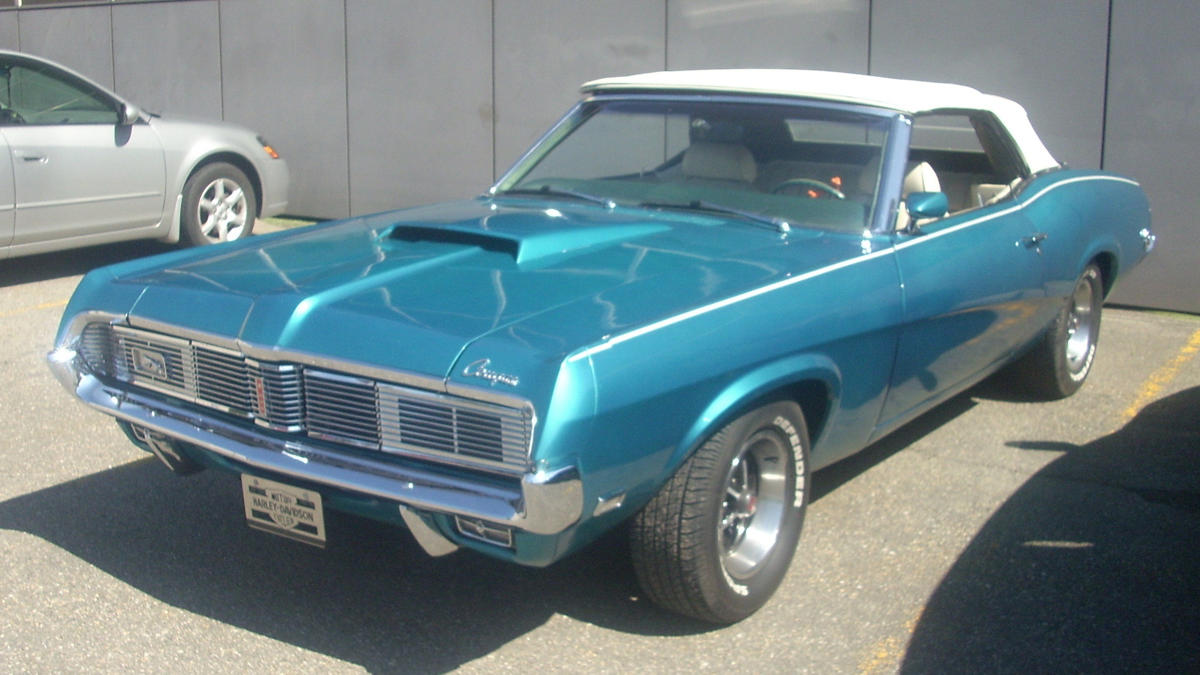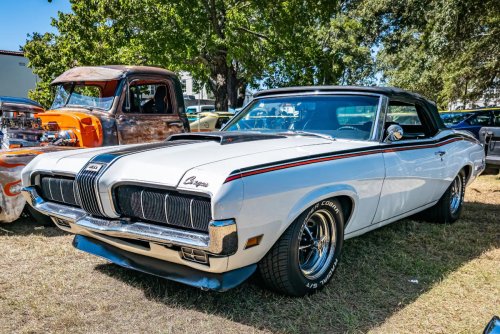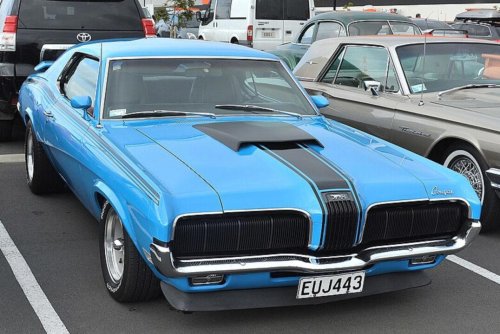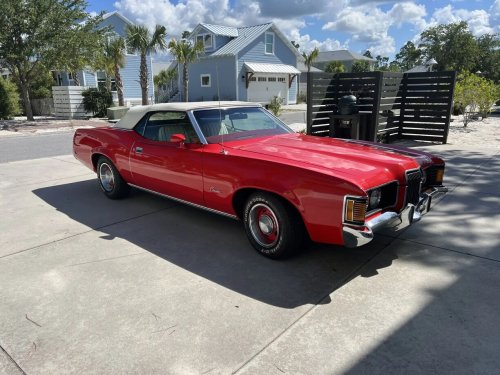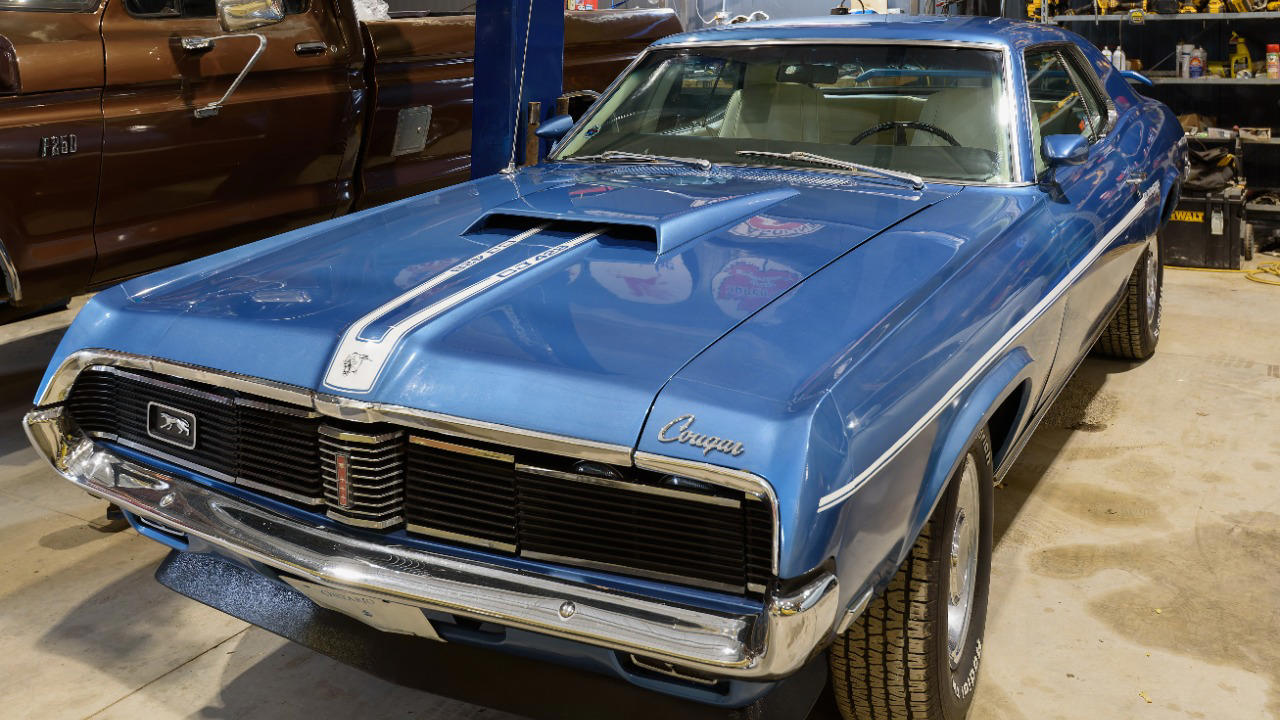



















Standing apart the 1969 Mercury Cougar Eliminator added style to muscleThe 1969 Mercury Cougar Eliminator arrived late in the model year, yet it managed to stand apart in a crowded muscle field by wrapping serious hardware in an unusually polished, almost European sense of style. Where rivals leaned on raw aggression, Mercury’s package car paired spoilers and stripes with a more refined body and interior, turning a mid-size coupe into something that looked as composed as it was quick. That balance of flair and restraint is why the Eliminator still feels distinctive decades after its brief original run. The Cougar steps into the muscle fight By 1969, the muscle car wars were in full swing and Mercury needed an answer that could stand beside the Mustang and Camaro without simply copying them. Its solution was the Mercury Cougar Eliminator, a factory package that took the existing Cougar and gave it the attitude and performance needed to run with Detroit’s quickest street machines. One analysis of 10 Reasons Why package worked describes the 1969 Mercury Cougar Eliminator as Mercury’s answer to the most aggressive offerings of the era, and that framing captures its mission accurately. Mercury pitched the Eliminator as the top rung in its performance ladder, not a stripped-out drag special. The car shared basic underpinnings with the Mustang but stretched them into a slightly larger, more upscale body that had already been positioned as a “gentleman’s” pony car. The Eliminator treatment took that base and sharpened it, creating a car that could be parked at a country club or staged at a local strip without looking out of place in either setting. From late addition to instant standout The 1969 Mercury Cougar Eliminator was a late-year addition to the Cougar line, a fact that might have consigned it to footnote status if the package had been less distinctive. Instead, the timing gave Mercury a chance to respond directly to what the Mustang and Camaro were doing that year. Contemporary coverage notes that the Mercury Cougar Eliminator brought performance flair to Mercury’s lineup and competed directly with Mustang and Camaro, underlining that this was not simply a trim exercise. Production was limited, with only a few thousand built, and that scarcity helped the Eliminator feel special even when new. The cars arrived with a clear visual identity, a focused engine lineup, and a set of chassis upgrades that differentiated them from the rest of the Cougar range. For buyers who wanted something less common than the typical pony car but still wanted to run in the same circles, the timing and positioning of the Eliminator were ideal. Replacing the GT-E and topping the lineup Within Mercury’s catalog, the Cougar Eliminator effectively replaced the earlier GT-E model as the halo performance offering. A detailed 1969 Mercury Cougar confirms that the “Cougar Eliminator” replaced the GT-E model and describes how the new package reshaped the car’s appearance and equipment. Rocker panel strips, wheel well opening moldings, and two parallel full-length upper-body stripes were among the visual cues that marked the Eliminator as the hottest version in the showroom. Mercury’s 1969 performance lineup was structured so that the Eliminator sat at the top as the most focused muscle variant. Period materials summarized this hierarchy with marketing that described the Eliminator as the “hottest of the hot” in the division’s muscle car range. An enthusiast history of Eliminator History notes that the lineup for 1969 was topped off by the new Cougar Eliminator and Mercury’s broader push into the performance segment, with the package positioned as the ultimate expression of that strategy. Styling that sharpened an already sleek body The base Cougar had already undergone a styling revision for 1969 that moved it toward the popular “Coke-bottle” shape but retained the hidden headlamps and upscale proportions that defined earlier cars. A detailed description of the Cougar that year highlights thoroughly revised styling that still kept the car’s signature character intact. That gave the Eliminator a strong foundation: a long hood, short deck, and smooth flanks that looked more mature than many rivals. Designers used that canvas to create a more aggressive but still cohesive look. Instead of the vertical plated grille details used on the 67 and 68 cars, a period walkaround of the 1969 Mercury notes that designers switched to a grille with horizontal slats that visually widened the front of the car. The Eliminator package blacked out this grille and paired it with a front spoiler, rear deck spoiler, and those full-length stripes, so the car looked lower and more purposeful without losing its clean lines. Color choices were another key part of the visual identity. The Eliminator package restricted buyers to a tight palette that included Competition Orange, Bright Blue Metallic, White, and Bright Yellow. A feature on one survivor notes that, along with these limited colors, the Eliminator package added aggressive visual and performance enhancements that made each car instantly recognizable. The emphasis on Competition Orange, Bright Blue Metallic, White, and Bright Yellow gave the cars a race-inspired look that still reads as bold today. Engines that matched the attitude Under the hood, the 1969 Mercury Cougar Eliminator offered a range of V-8 engines that backed up its appearance. While the exact mix of engines varied, the package centered on high-performance small-block and big-block options that could carry the Cougar’s extra weight without dulling its responses. Later materials that discuss the 1970 Mercury Cougar Boss 302 Eliminator help illustrate the performance envelope, describing how Ford Motor Company marketed certain high-performance variants under Drag Pack and Super Drag Pack designations, which included specialized equipment such as an engine oil cooler and steeper rear axle ratios. Those same materials describe how the Eliminator package could be paired with engines like the 351 cubic inch V-8 and the 428 Cobra Jet with Ram Air, with the Boss 302 singled out as a particularly desirable option. A social media feature on the Eliminator notes that a bigger, more powerful V-8 made the Eliminator a serious contender on the street and highlights the Cobra Jet variants as high-performance standouts. For 1969, the essence was similar. Buyers could choose engines that ranged from strong street performers to full drag-strip contenders, and the Eliminator branding told other drivers that the Cougar they were lining up against was not a base model. That mix of power and image helped the car earn respect among enthusiasts who might otherwise have dismissed Mercury as a more conservative brand. Chassis tuning and competition hardware Performance was not just about engines. The Eliminator package also upgraded the Cougar’s suspension and braking to handle higher speeds and more aggressive driving. Period descriptions of the competition suspension that became standard on these cars detail heavy-duty shocks and springs along with a rear stabilizer bar, a setup that gave the Cougar flatter cornering and better control over rough pavement. Later discussions of the Boss 302 Eliminator explain that when properly equipped, the 1970 version could qualify for Drag Pack and Super Drag Pack packages that added an engine oil cooler and steeper rear axle ratios aimed at competition use. That same feature points out that the interior supported the performance theme with bucket seats, an 8,000 rpm tachometer with integrated E.T. indicator, an oil pressure gauge, and a rally clock with sweep second. While those details are specific to the 1970 model year, they show how Mercury treated the Eliminator as a complete performance machine rather than a simple stripe and decal package. Surviving 1969 examples often carry similar equipment. One restored Cougar Eliminator Boss 302 is noted as having power front disc brakes, a remote driver mirror, and a comprehensive mechanical restoration that brought its chassis back to as-new condition. A feature on The Cougar describes how these cars combined serious stopping power with everyday usability, reinforcing the idea that Mercury wanted the Eliminator to be fast and livable. Interior: muscle with manners Inside, the 1969 Mercury Cougar Eliminator continued the brand’s emphasis on a slightly more upscale experience than the typical pony car. The basic Cougar cabin already featured well-shaped bucket seats, a full-length console on many cars, and more detailed trim than a comparable Mustang. The Eliminator package layered on performance touches such as high-visibility gauges and, in some cases, a tachometer that encouraged drivers to use the upper reaches of the rev range. Descriptions of the later Boss 302 Eliminator interior, with its 8,000 rpm tachometer and rally clock, show how Mercury leaned into a motorsport theme while keeping the materials and layout familiar to buyers who expected comfort. That mix of sport and civility is part of what made the Eliminator feel different from stripped-out competitors that sacrificed refinement in the name of speed. Rare combinations and collector appeal The limited production and focused specification of the 1969 Eliminator have made surviving cars highly desirable. One documented example is a rare 1969 Mercury Cougar Eliminator that is 1-of-3 with a Super Cobra Jet 428 engine and specific options. Coverage of this car explains how The Eliminator package, introduced in 1969, added aggressive visual and performance enhancements and featured striking color options that made special combinations particularly collectible. The story of this 1-of-3 car, highlighted in a feature on The Eliminator, underlines just how rare some of these configurations are. Another account of a 1969 Cougar Eliminator Boss 302 notes that only 2,250 Cougar Eliminator models were built, and that this particular car received a comprehensive mechanical restoration in 2014. The same feature points out that the car retains factory-style equipment such as power front disc brakes and a remote driver mirror, details that help authenticate it for serious collectors. These stories show how the Eliminator’s mix of low production, bold colors, and high-spec drivetrains has translated into strong interest in the collector market. Even more mainstream examples, such as a Competition Orange car with a 351 V-8, are sought after when they retain original stripes, spoilers, and interiors. Auction listings and private sales frequently highlight the presence of factory documentation, correct paint codes, and original driveline components, because the Eliminator’s identity is closely tied to its specific visual and mechanical package. How the Eliminator reshaped the Cougar’s image Before the Eliminator, the Cougar line had a reputation as a slightly more refined alternative to the Mustang, targeted at buyers who wanted style and comfort along with performance. The Eliminator did not discard that image, but it did push the car closer to the center of the muscle car conversation. Marketing phrases such as “spoilers hold it down…nothing holds it back” captured the new attitude, while the underlying Cougar platform kept the ride and cabin more polished than many rivals. Enthusiast histories of the Eliminator emphasize that the package transformed the Cougar into a focused performance machine with front and rear spoilers, racing-style mirrors, a blacked-out grille with hidden headlights, a hood scoop, and full-length side stripes. The combination of these elements with engines such as the Cobra Jet and Boss 302 gave Mercury a car that could legitimately compete with the best of Detroit while still carrying the brand’s own design language. More from Fast Lane Only Unboxing the WWII Jeep in a Crate 15 rare Chevys collectors are quietly buying 10 underrated V8s still worth hunting down Police notice this before you even roll window down