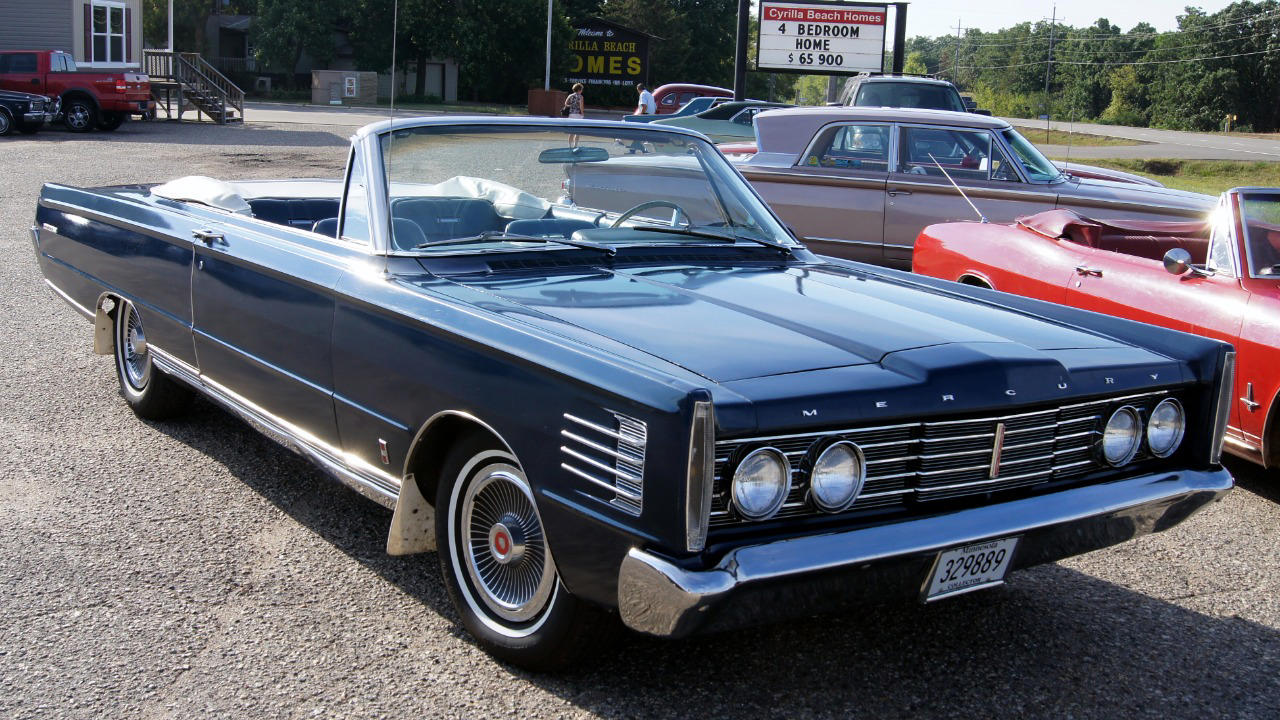
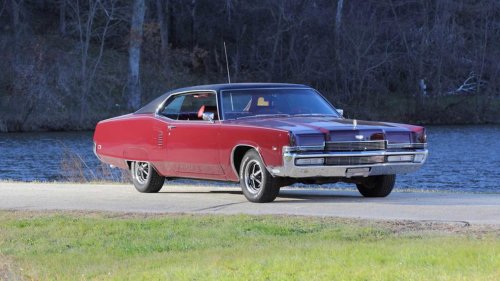
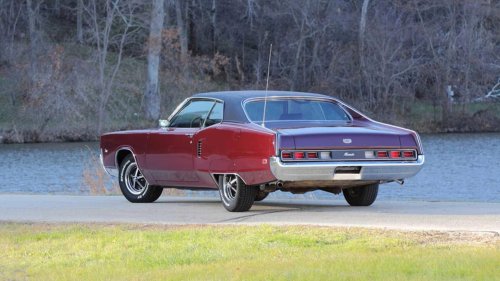
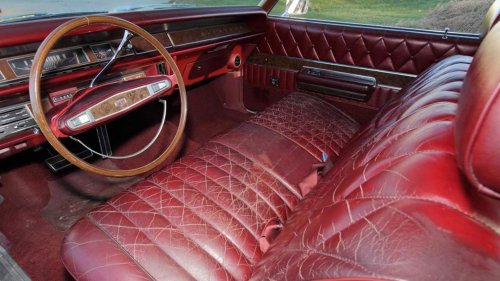
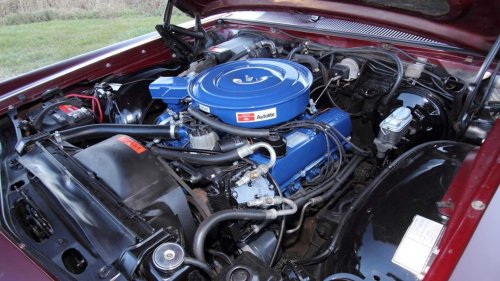
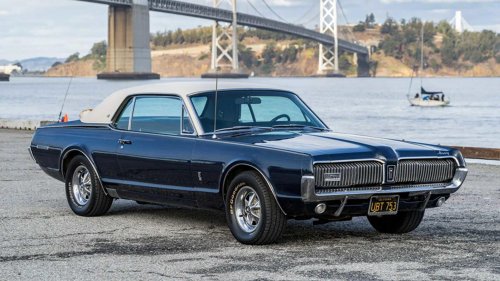
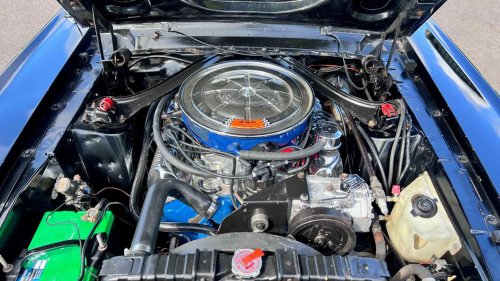
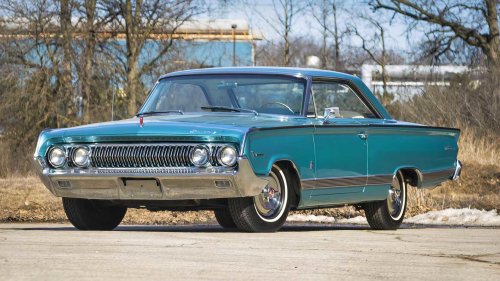
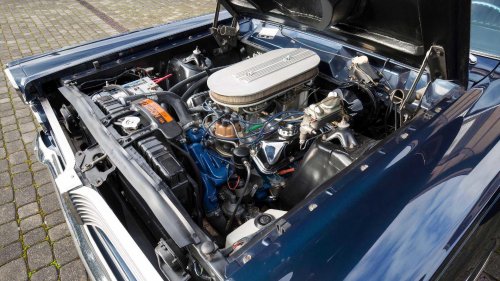
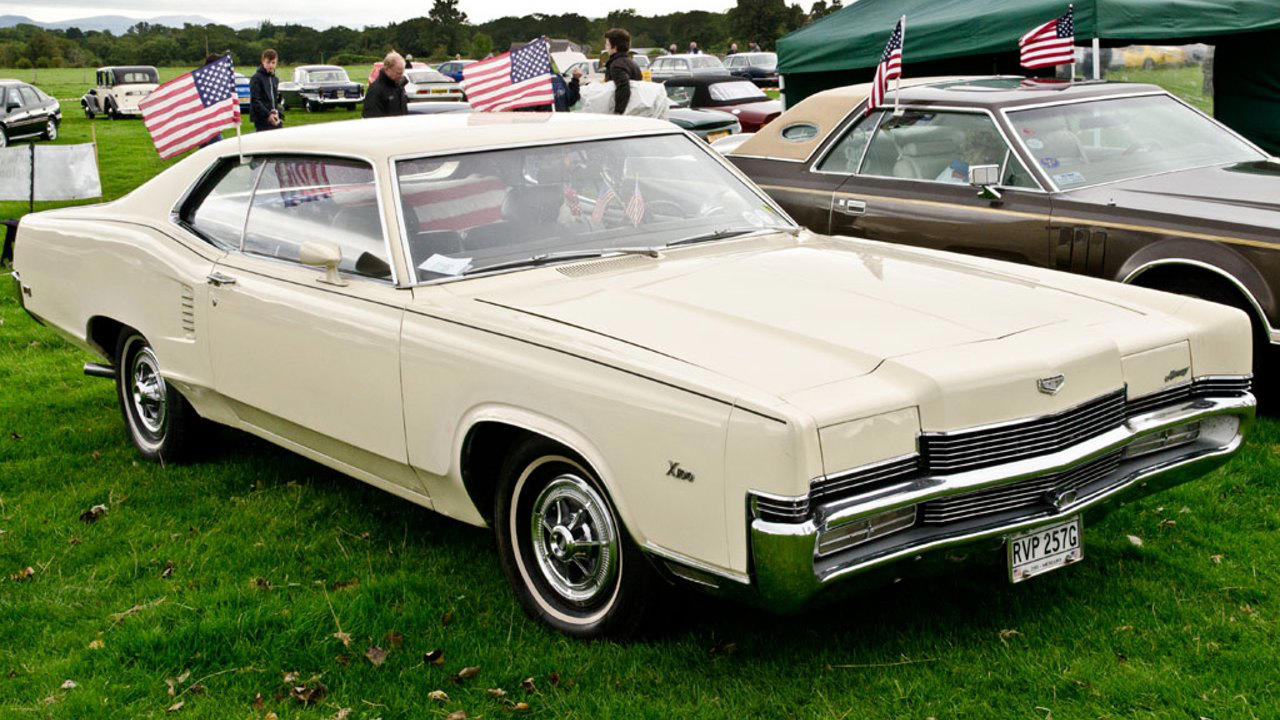
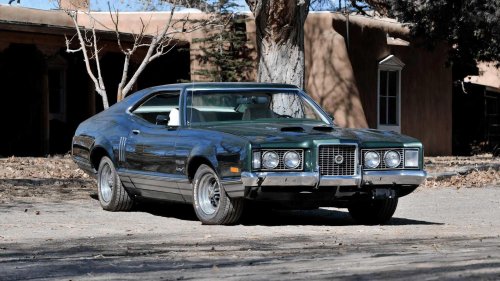
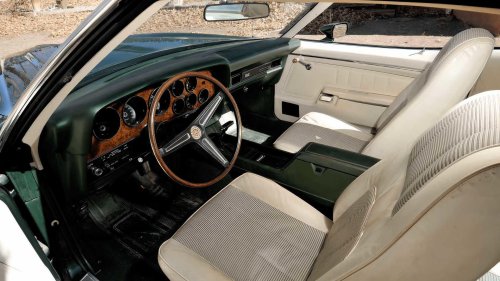
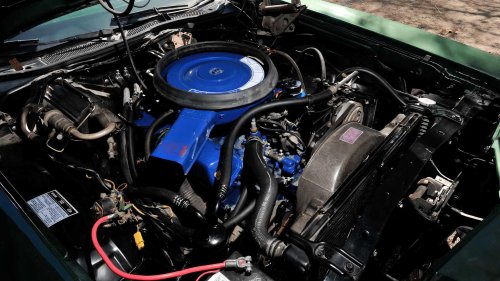
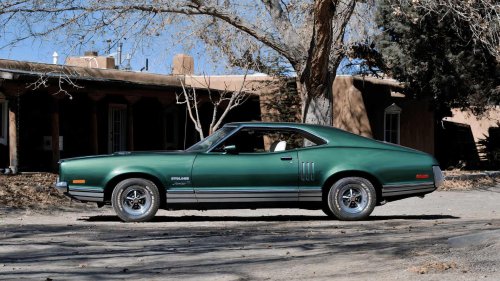
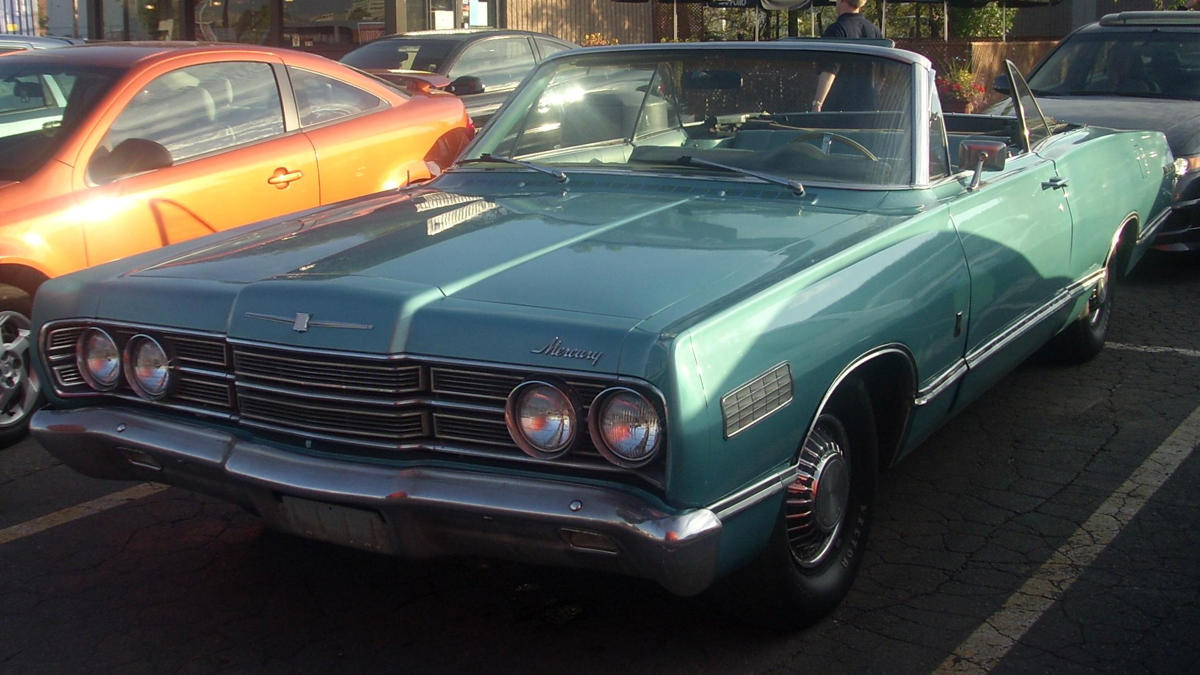
When the 1965 Mercury Park Lane went upscaleThe 1965 Mercury Park Lane marked the moment Mercury stopped merely shadowing Ford and began courting Lincoln buyers with confidence. Longer, lower and more lavishly trimmed than its predecessors, it repositioned the division’s top model as an attainable luxury car that still carried a hint of performance bravado. Over the course of a single model year, Mercury transformed the Park Lane from a well-equipped full-size into a statement about status, comfort and power, aimed at drivers who admired Lincolns but were not yet ready for a chauffeur. The Lincoln influence, made explicit By 1965 Mercury no longer hid its ambition to move upmarket. Contemporary advertising framed the Park Lane in the Lincoln Continental tradition, reinforced by a period film pairing the car with cultural icons such as Ali, Sunny Lon, the Phantom Punch, and racing hero Jim Clark, creating a glamorous mid‑1960s image. This connection to Lincoln was not just marketing language. The Park Lane shared visual themes with its corporate cousin, including a wide, formal grille and slab-sided bodywork that read more executive than family sedan. /When Mercury introduced its Park Lane lineup for 1965, the division made clear that this was the flagship, positioned above Monterey and Montclair and aimed at buyers who might otherwise have walked into a Lincoln showroom, a point underscored in a find of the profile that explicitly calls the car a Mercury Park Lane for Those Who Love Lincolns. The Park Lane’s grille design, with horizontal bars that echoed contemporary Lincoln styling, and its crisp fender lines signaled that Mercury was no longer content to be seen as a dressed-up Ford. Powertrains that backed up the image Luxury in 1965 still began with the engine bay, and the Park Lane’s specifications were chosen to impress. As Mercury’s flagship, the car offered a 300-hp V-8 Engine that gave its substantial body credible acceleration, a figure highlighted in coverage that describes how Mercury emphasized the Park Lane’s 123-inch wheelbase and 300-hp V8 when positioning the car as inspired by Lincoln. Buyers seeking extra performance could choose the Park Lane Marauder, pairing a 430/310-hp V8 with the full-size chassis, which offered top passenger-car engine output and smooth cruising power. Transmission choices also signaled that Mercury wanted to straddle luxury and enthusiast expectations. Buyers could select a 3-speed or 4-speed manual, or opt for the 3-speed Multi-Drive Merc-O-Matic automatic, a unit singled out in technical coverage for its smooth operation and its role in aligning the Park Lane more closely to the bigger Lincolns, as detailed in a July drivetrain review. Within the broader full-size Mercury range, Premium Park Lanes received 300hp/390-cu.in. V-8s along with upgraded instrumentation and trim, a specification that set them apart from Monterey and Montclair siblings and justified their higher price, as outlined in a Premium Park Lanes comparison. At the enthusiast fringe, the Park Lane Marauder would later attract attention from presenters such as Duquette and Eric, who discuss a 1965 example in a Twin Cam episode that references a 265 figure in their on-camera exchange, a reminder that even Mercury’s luxury flagships could carry a performance subtext, as seen in an August broadcast. Cabin comfort and the new idea of attainable luxury Inside, the Park Lane made its most persuasive argument for moving upscale. The model boasted Mercury’s plushest interiors, with cut-pile nylon carpeting and a choice of brocaded fabrics or expanded vinyl, a specification that a detailed feature summarizes under the telling subhead Bucket Seats Optional, describing how The Park Lane could be ordered with individual front seats, a full-length console, power windows and air conditioning in a Feb interior report. Another description of a 1965 convertible highlights an Interior section labeled Luxurious and spacious, featuring plush seating, ample legroom and high-quality materials, paired with an Exterior described as Distinctive stylin, a pairing that captures how Mercury pitched the car as both comfortable and visually assertive in a Nov enthusiast post. Even the door panels drew attention. One detailed walkaround notes that the panels, finished in well padded black vinyl, housed chrome window cranks, separate cranks for the wing windows and bright trim that framed the armrests, evidence that Mercury invested in touch points that drivers and passengers would notice every day, as described in a Classic Auto Mall listing. Period catalog material, later compiled in a guide titled Mercury Park Lane Specifications and presented within a Mercury Park Lane Navigation that includes an Article, Image gallery, Valuation and Specifications, frames the car’s cabin as an expression of Design and Innovation, with copy that calls the Park Lane The Epitome of mid‑60s Style and emphasizes how its interior combined sportiness with elegance, as preserved in a Mercury Park Lane catalog. The Park Lane was Mercury’s highest-priced trim, with many models offering a breezeway retractable rear window, highlighting its distinction as the division’s styling leader. Styling, stature and the full-size Mercury context The exterior design completed the upscale repositioning. A period-focused guide labels the Park Lane’s appearance under the heading Design and Innovation and calls it The Epitome of 60s Style, praising the long, straight body sides, formal rooflines and restrained use of chrome that gave the car a mature presence compared with more flamboyant rivals, as detailed in the same Style overview. A contemporary video tour of the 1965 Mercury full-size lineup shows Monterey, Montclair, and Park Lane, highlighting how the flagship’s length, trim, and brightwork signaled luxury and success. Later commentary on the 1966 Park Lane notes that the car had been completely restyled for 1965, with the following year bringing only tweaks to fenders, grille and hood, which suggests that Mercury viewed the 1965 design as a strong foundation that already delivered the upscale look it wanted, as summarized in a The Park Lane retrospective. Within the broader Ford family, another analysis of the 1966 Mercury Parklane observes that While the Mercury Marauder occupied the performance end of the Mercury showroom, the Park Lane was the luxury version, with the same basic hardware but tuned and trimmed for comfort, a distinction that helps explain why Mercury invested so heavily in the Park Lane’s upscale persona, as described in a Mercury Marauder overview. When compared with period cars like the 1965 Impala, enthusiasts note that the Park Lane’s more formal, less sporty design projected similar confidence while emphasizing comfort and timeless American style. Decades later, the 1965 Mercury Park Lane still stands as the moment Mercury fully embraced an upscale identity. With 300-hp V8 power, a 123-inch wheelbase, breezeway window, and luxurious interiors, the Park Lane proved that a midline brand could produce a car appealing to buyers who admired Lincolns but sought a more personal vehicle. More from Fast Lane Only Unboxing the WWII Jeep in a Crate 15 rare Chevys collectors are quietly buying 10 underrated V8s still worth hunting down Police notice this before you even roll window down