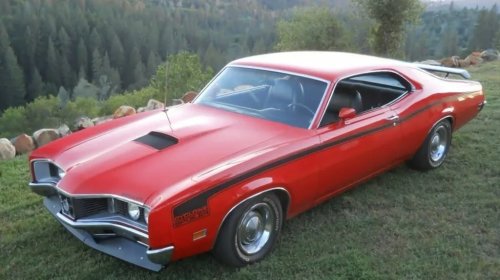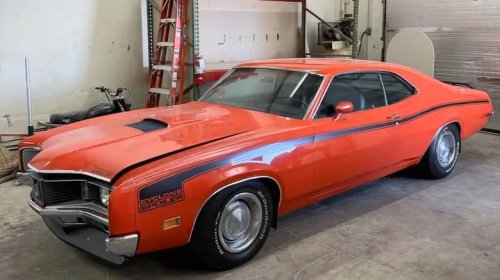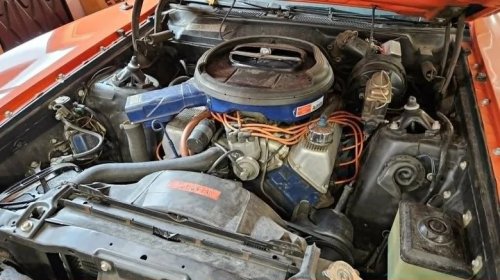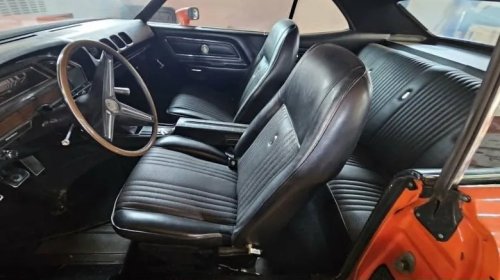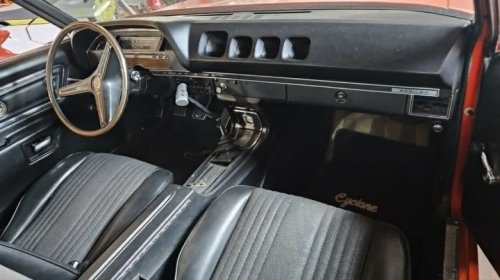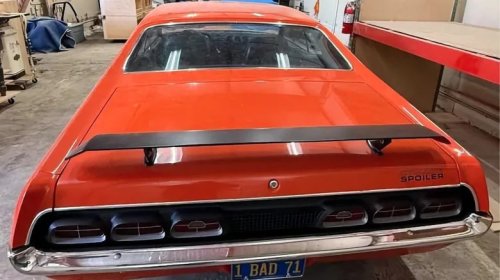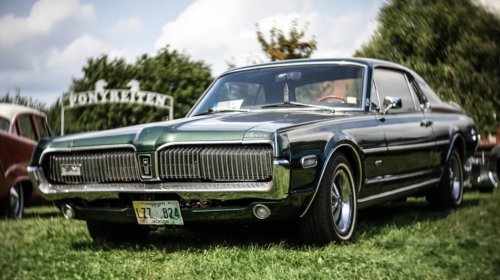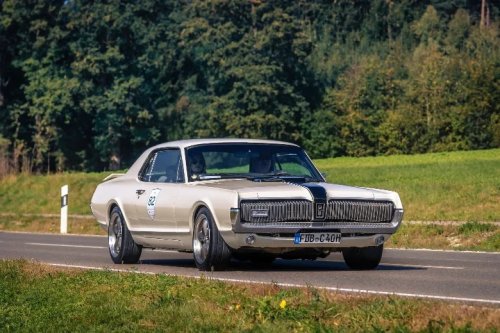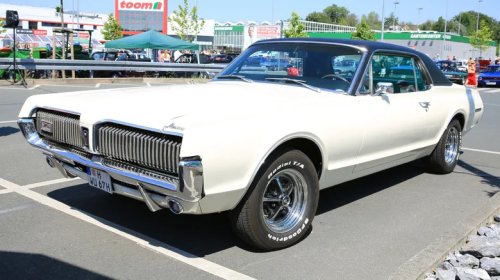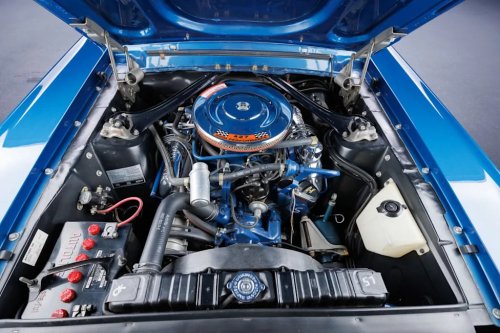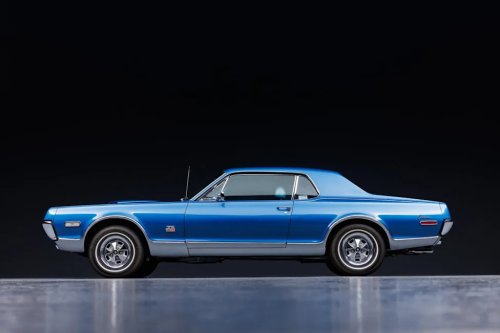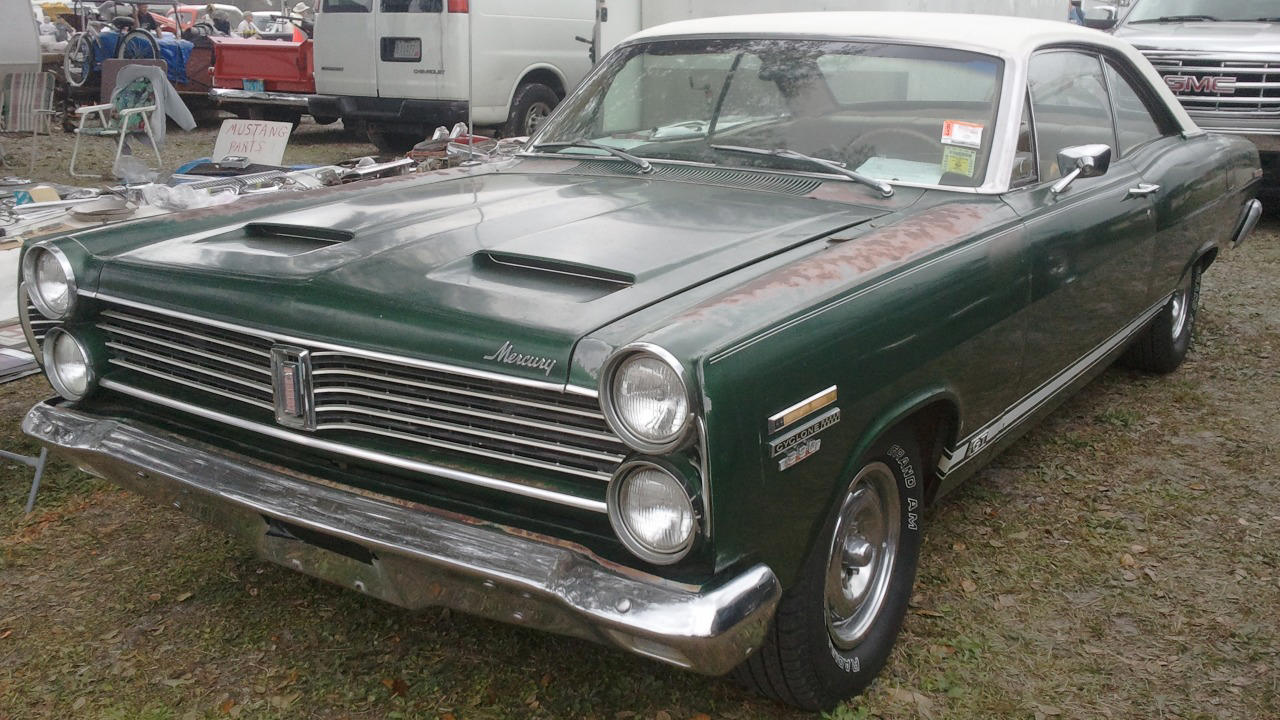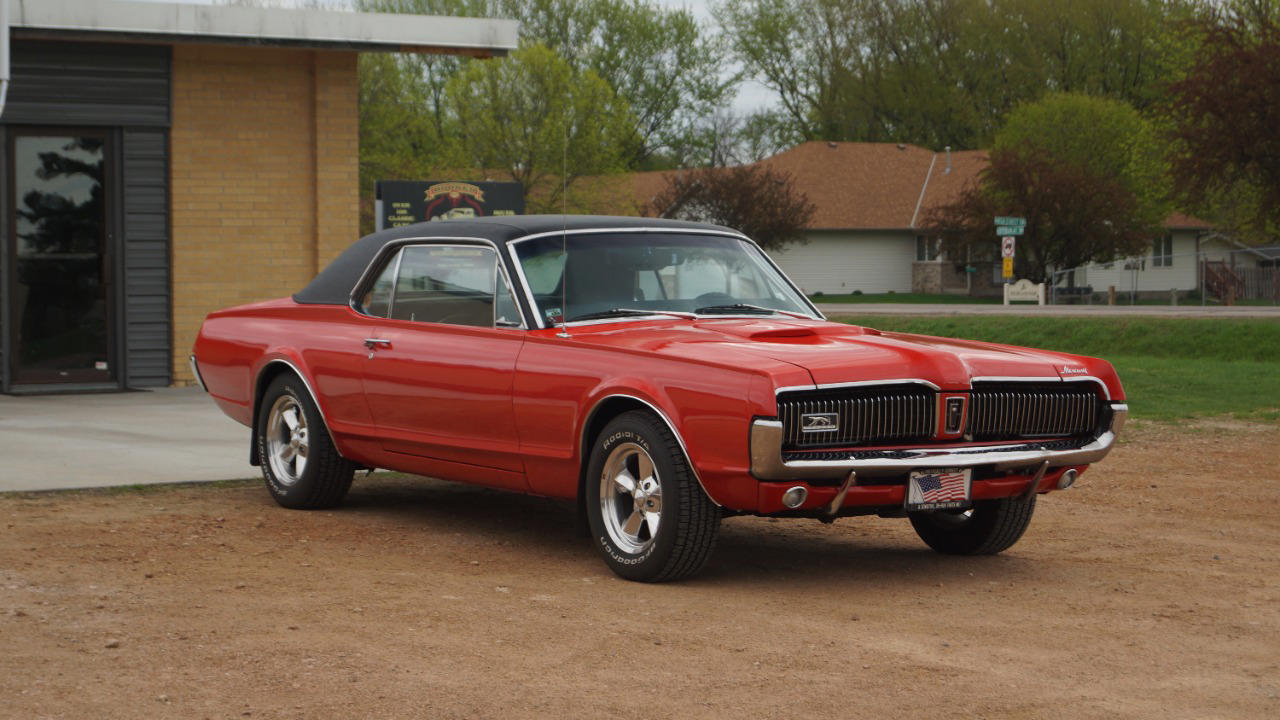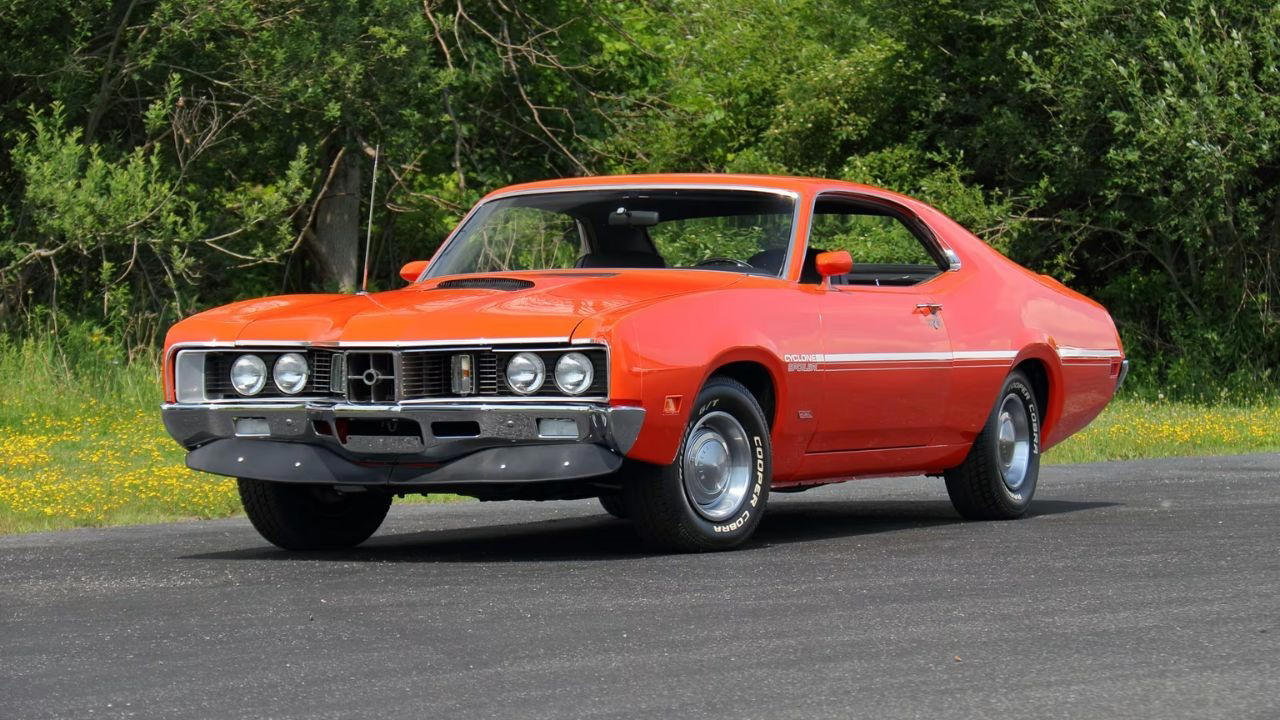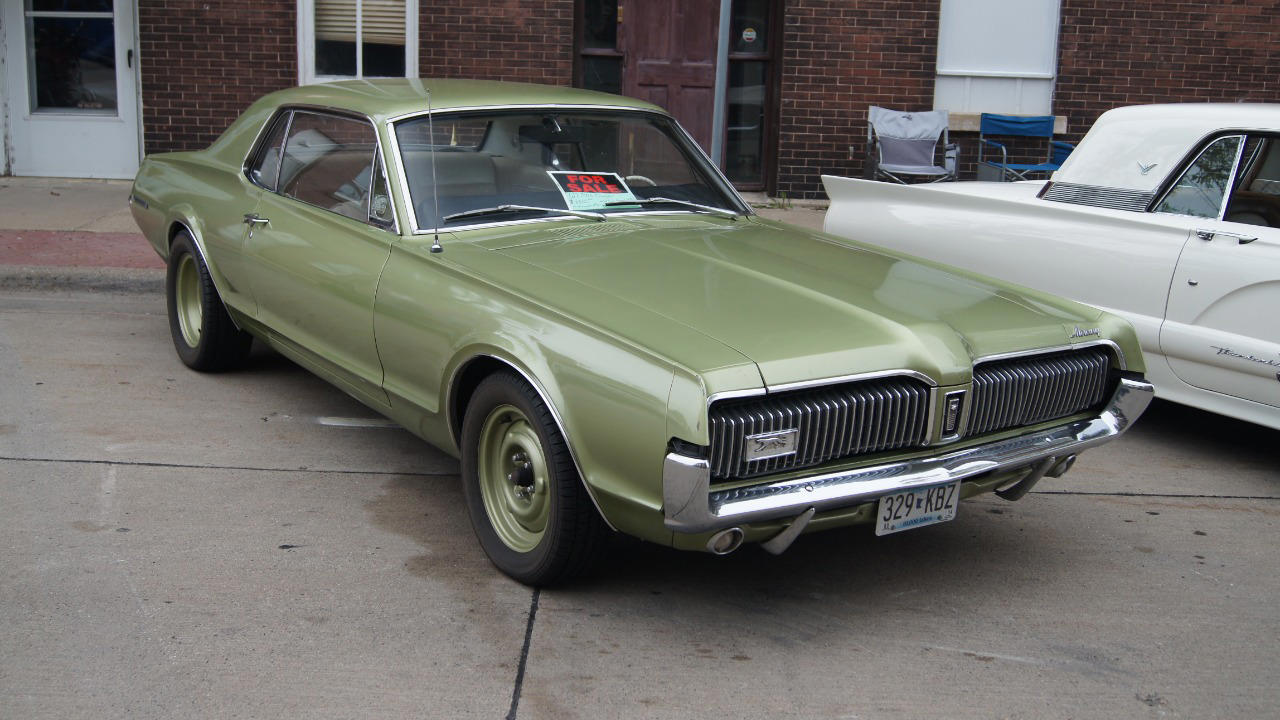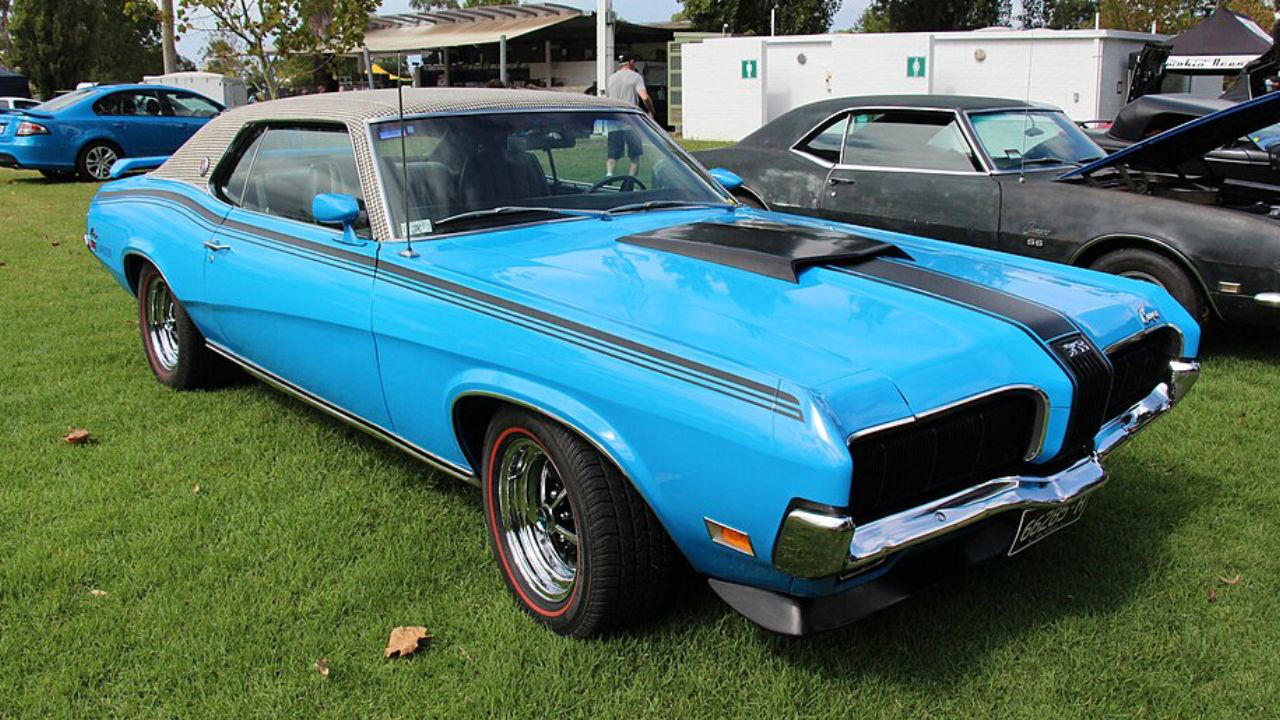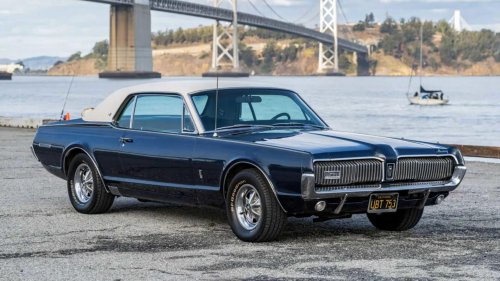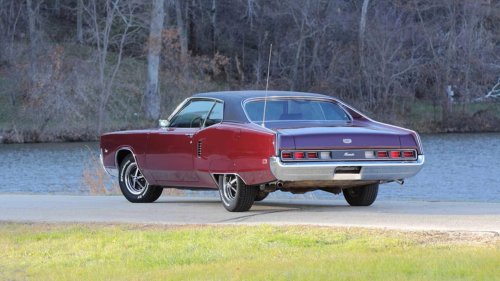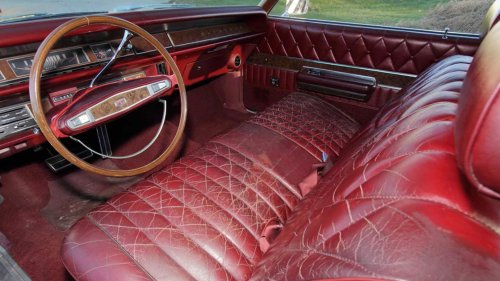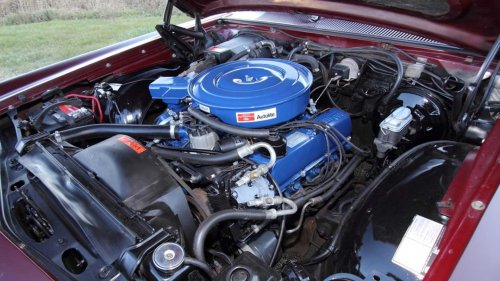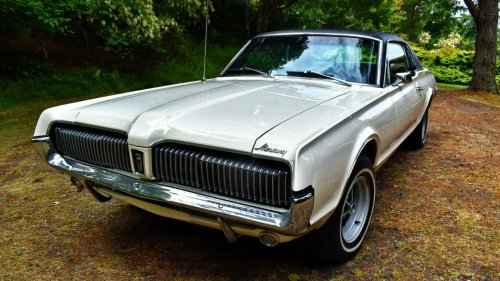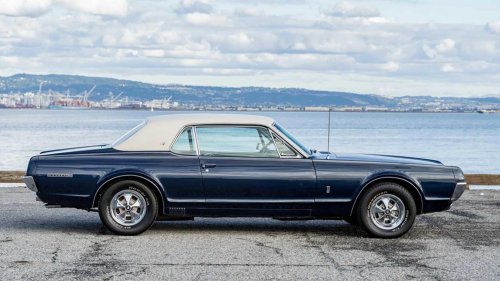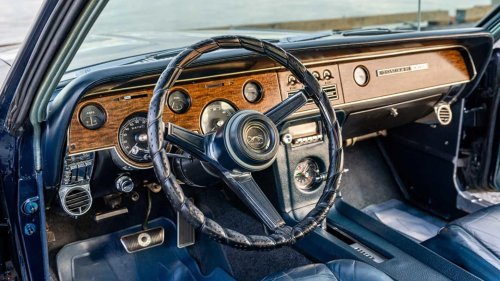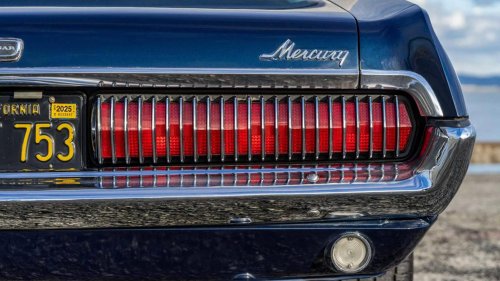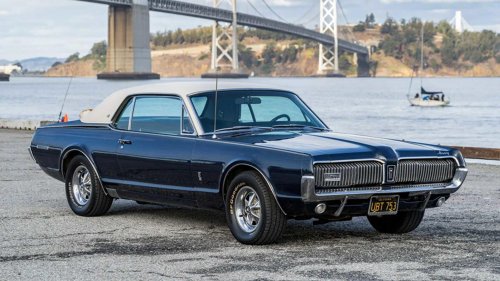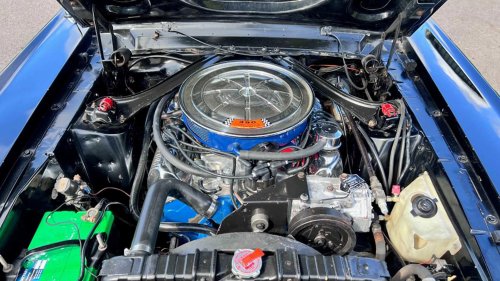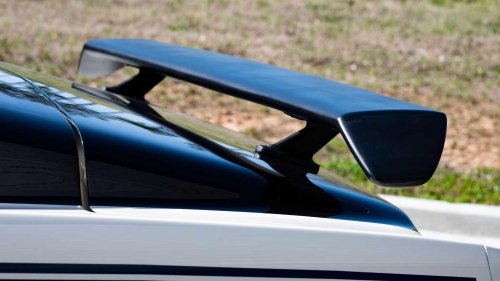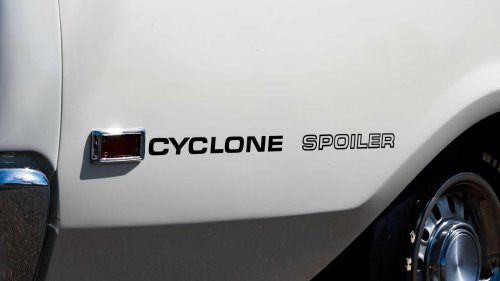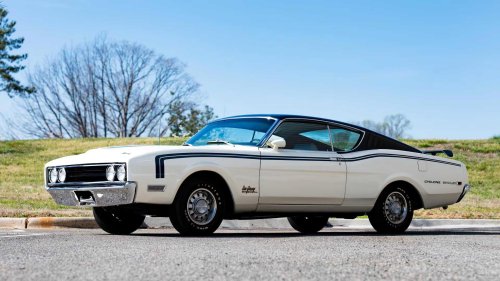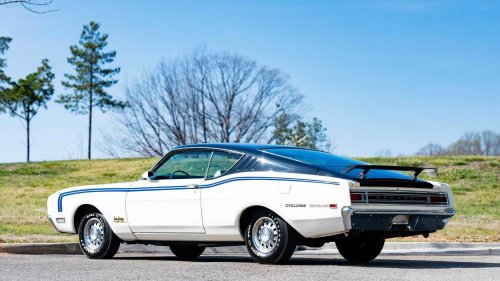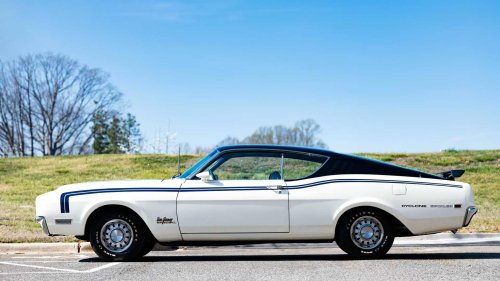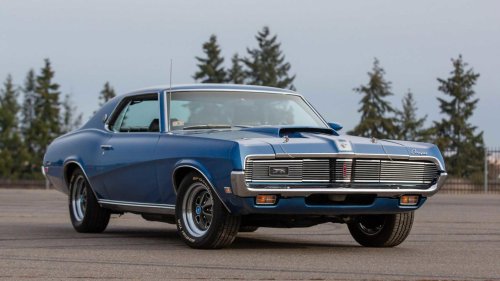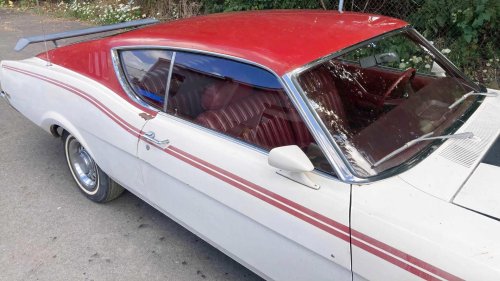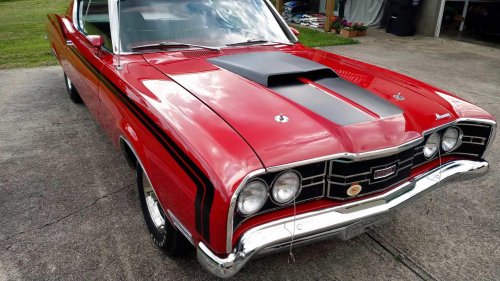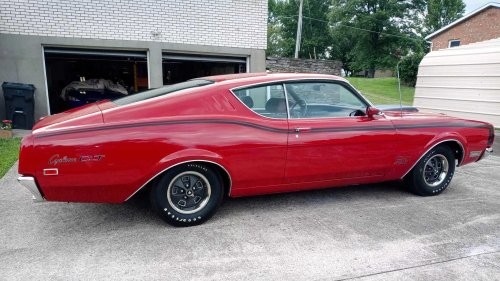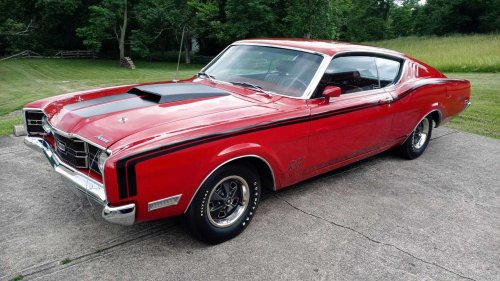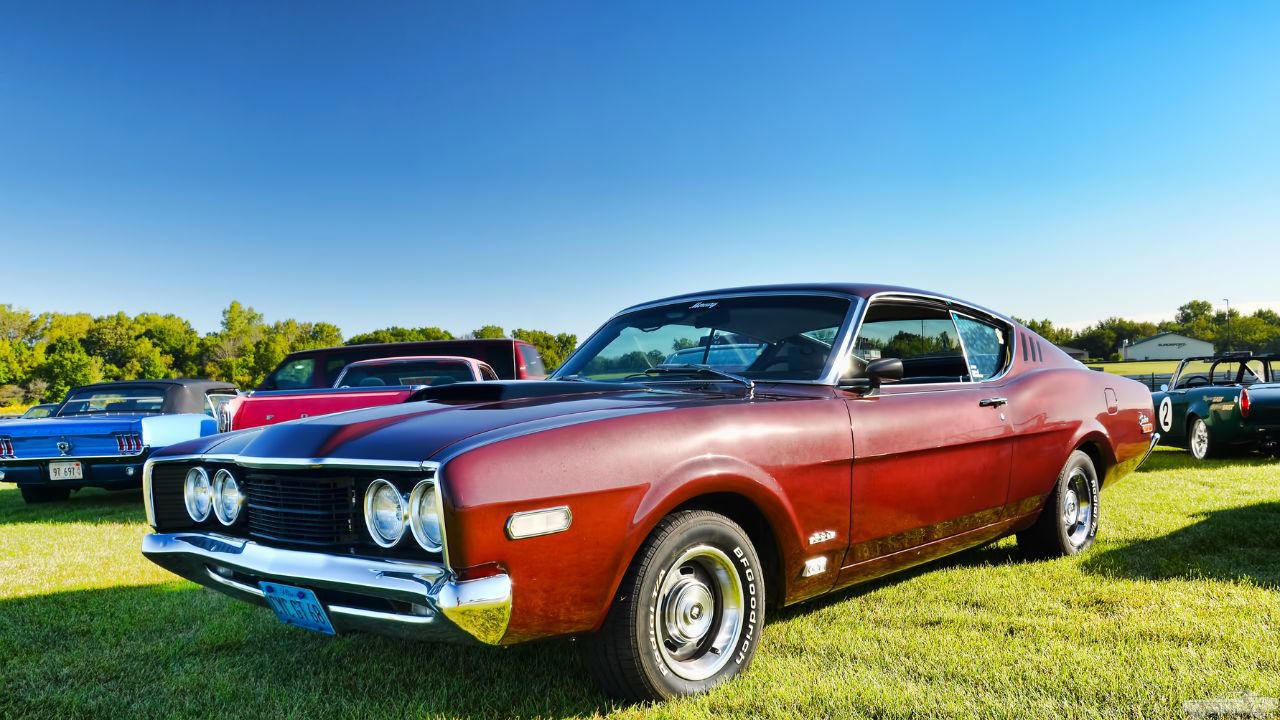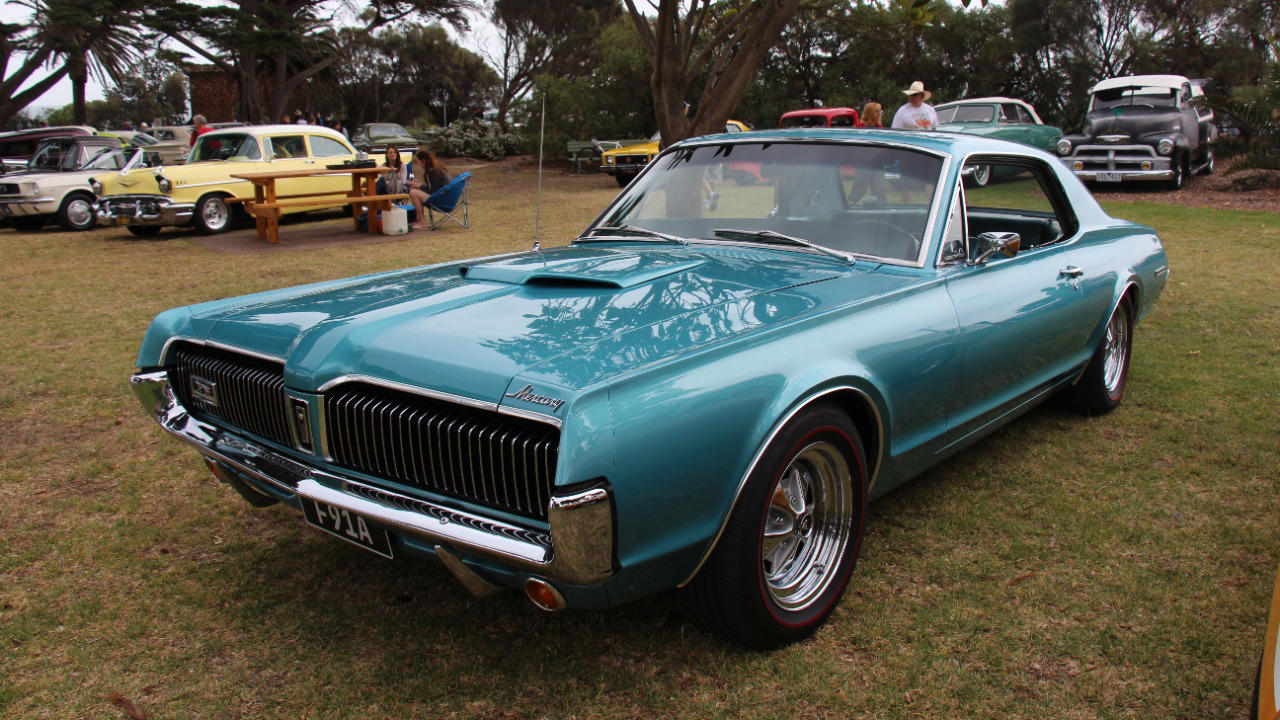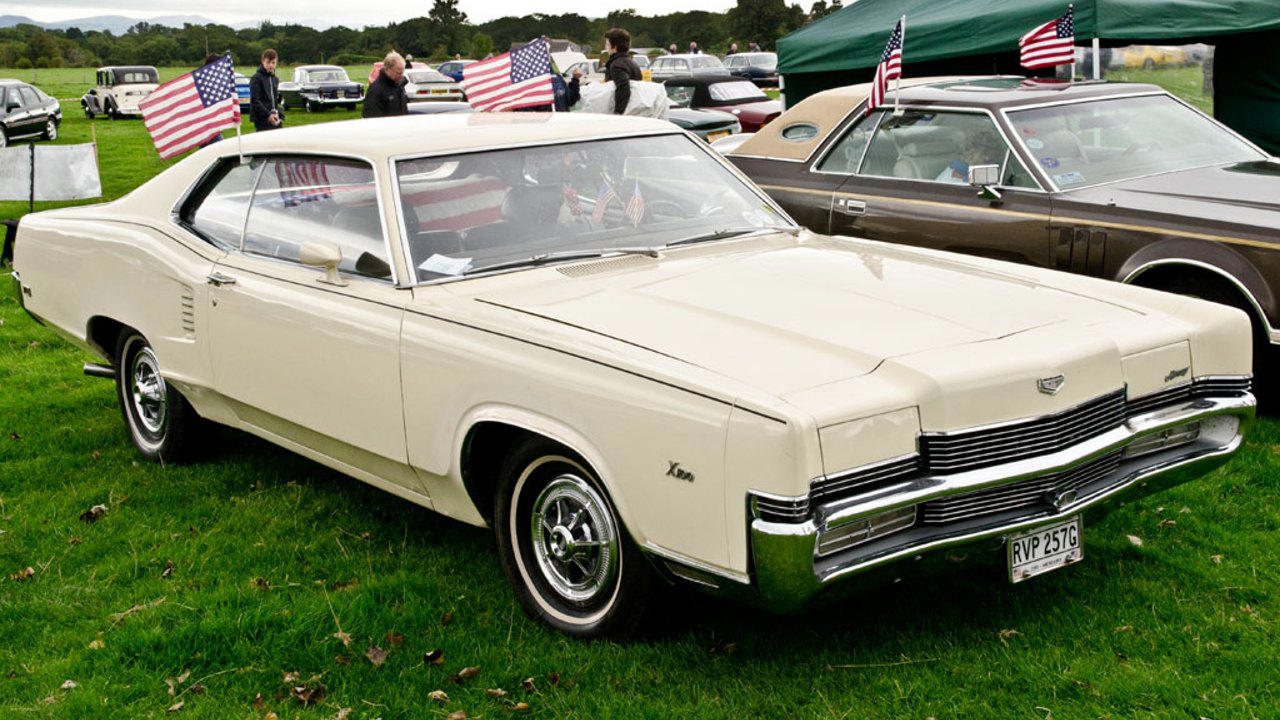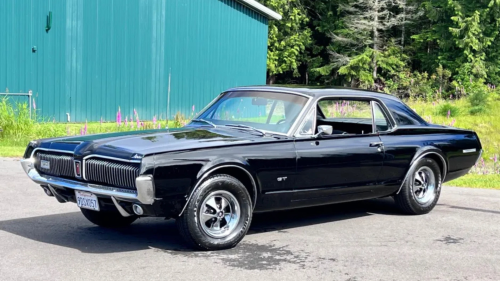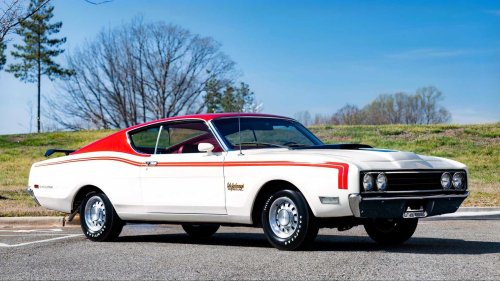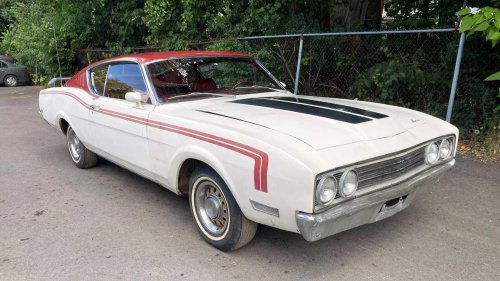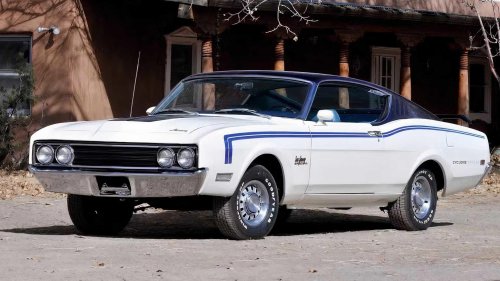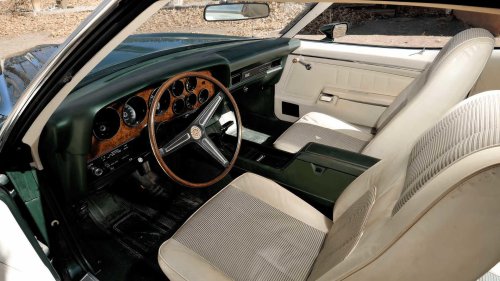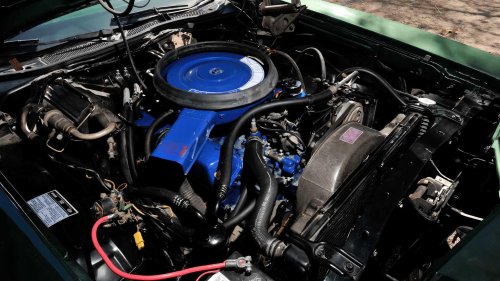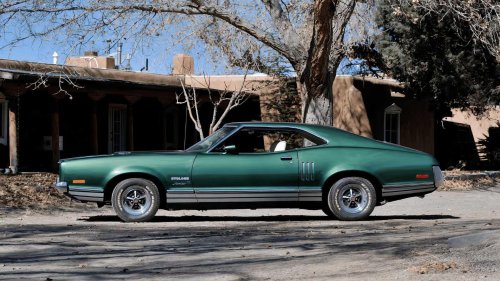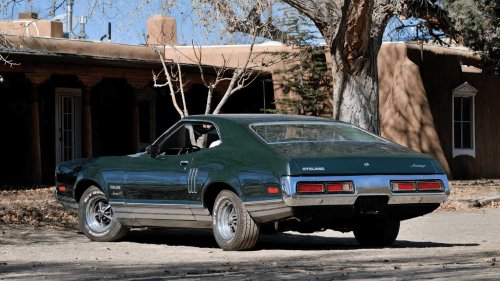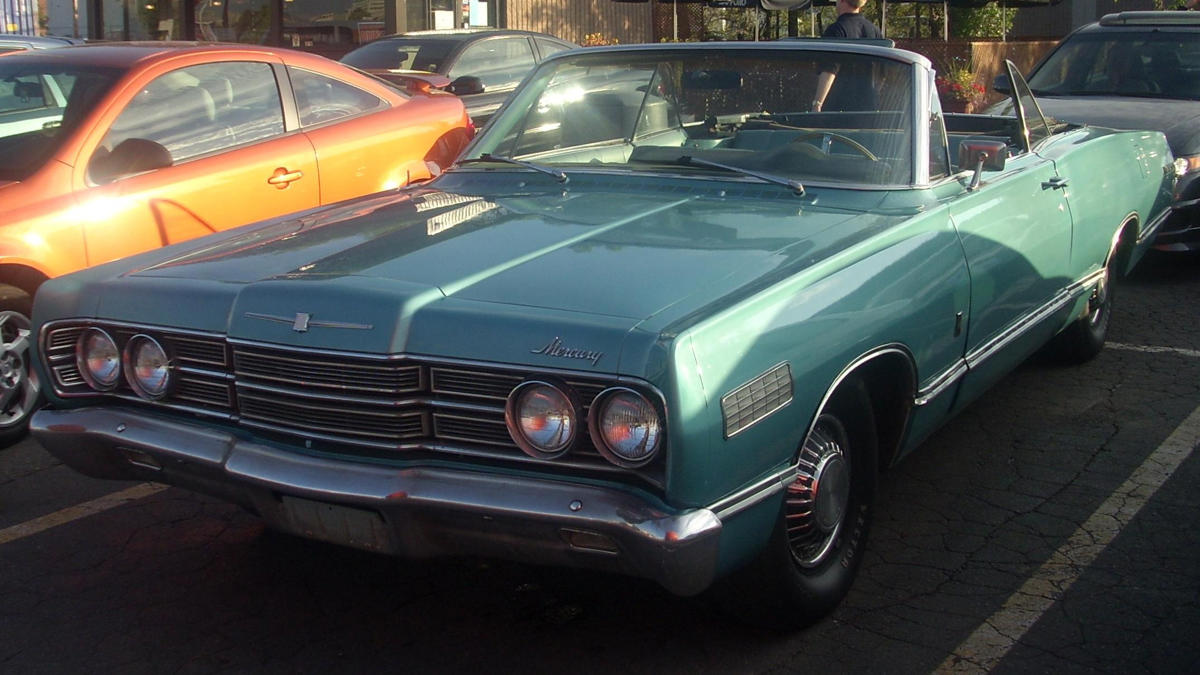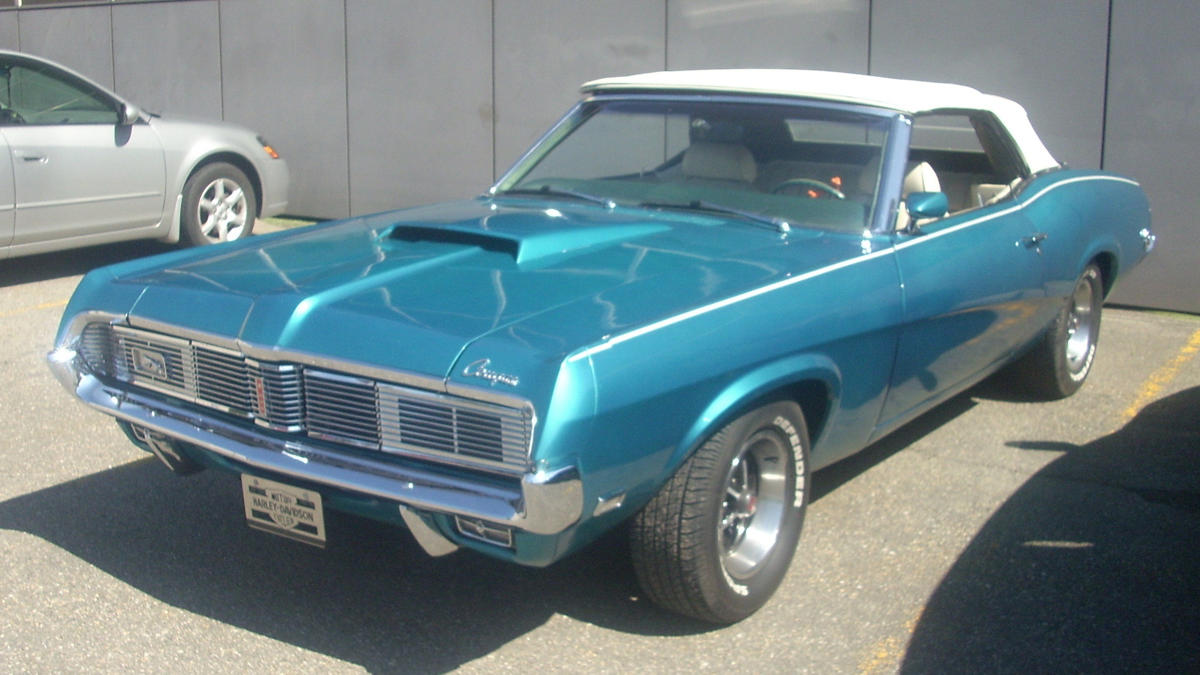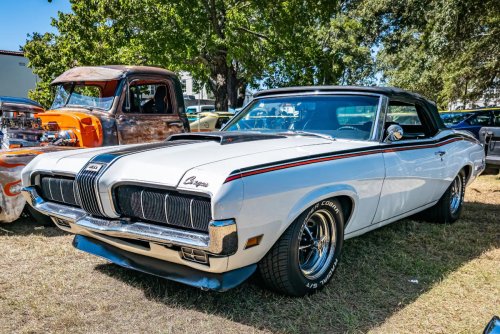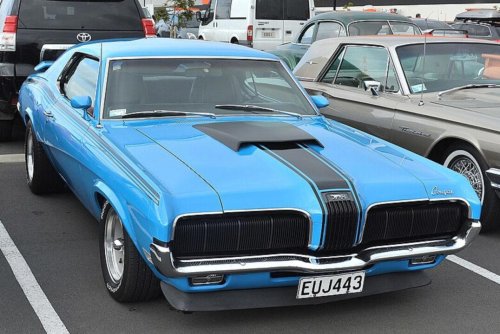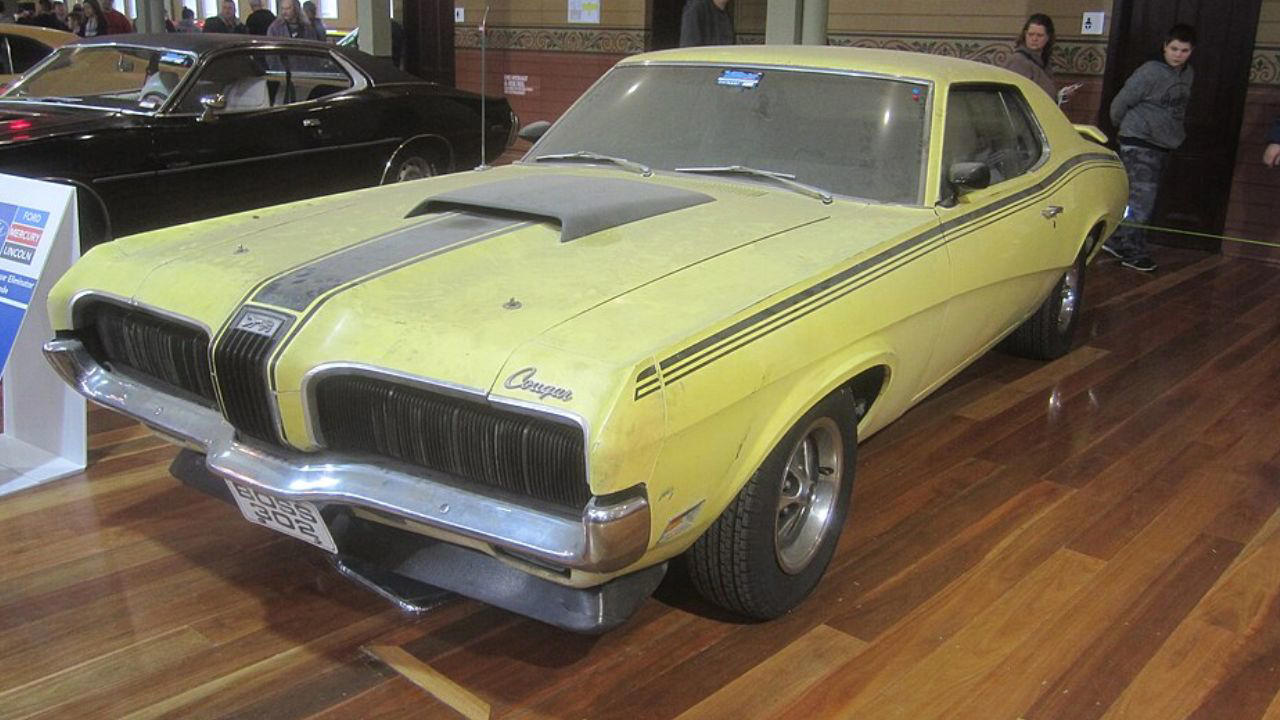



















The 1969 Mercury Cougar Eliminator arrived with the hardware and attitude to run with Detroit’s fiercest muscle cars, yet it never quite shook the perception that it was simply a fancier Mustang. Built on the same bones as Ford’s pony car but wrapped in luxury cues and bold graphics, it tried to court both performance fans and upscale buyers at once. That split personality helped create a cult classic, but it also kept the Eliminator from becoming the household name its engineering deserved. The upscale sibling that wanted in on the street fight Mercury was created as a separate division to sit above Ford, aimed at customers who wanted more polish than a basic family sedan or entry pony car. By the late sixties, that strategy produced the Mercury Cougar, a slightly larger, more refined alternative to the Mustang with hidden headlights, a longer wheelbase, and a quieter, better-trimmed cabin. Enthusiasts later described the car as “Mustang power in a tuxedo,” a phrase that fits the way the Cougar combined shared drivetrains with a more formal body and interior. From the start, the Cougar shared plenty of structure and mechanical parts with the Mustang, which kept development costs manageable. A detailed comparison of what the Cougar explains that the engines were mostly taken from the Mustang, with both small-block and big-block V-8s on the menu. That common hardware meant Mercury could plug into Ford’s performance parts bin, including the high-winding Boss 302 V-8 that appeared halfway through the 1969 model year. Under the skin, the Eliminator was not a copy, but it was clearly family. Eliminator: Mercury’s Mach 1 moment By 1969, the muscle car wars were in full swing and Mercury wanted a more aggressive image. The answer was the Cougar Eliminator, a factory package that turned the division’s luxury coupe into a street and strip contender. Contemporary observers have called the Eliminator “Mercury’s Mach I,” a nod to the way it mirrored Ford’s own performance-fastback formula with its own twist. A detailed retrospective on the Eliminator notes that buyers could choose from a startling array of engines that would make a modern showroom look tame. As that analysis points out, today’s new-car buyer “would likely faint” at the Eliminator’s engine list. The model could be ordered with a small-block V-8, the high-compression Boss 302, or serious big-block power. The Boss 302 option in particular gave the Cougar a direct link to Ford’s Trans Am racing program and allowed the car to share bragging rights with the Mustang Boss variants. Yet Mercury wrapped this performance in a more upscale shell, which created both its charm and its marketing problem. Powertrains that matched the Mustang punch for punch On paper, the Eliminator did not give up much to its more famous sibling. Several sources point out that the car could be equipped with the same high-revving Boss 302 engine found in Ford’s pony car lineup. One detailed feature on Mercury Cougar Eliminator highlights how performance lived up to the looks, especially in 302-equipped cars. Those Boss 302-equipped Eliminators were known for their willingness to spin to high rpm, a hallmark of that solid-lifter small-block. Big-block fans were not ignored. A comparison of the key differences between the 1969 Cougar Eliminator and Mustang Mach 1 notes that both cars were powered by the same potent 428 Cobra Jet V8 engine, capable of producing serious street and strip performance. That discussion, which centers on the 428 configuration, underscores that the Eliminator could be ordered with the same 428 hardware as the Mustang Mach cars. Another enthusiast video that pits a 1969 Mercury Cougar against a 1969 Ford Mustang Mach 428 describes them as having the same power but different personalities, a neat summary of the way these siblings diverged in feel rather than raw output. The overlap extended beyond those headline engines. Analysis of The Cougar Eliminator and its options emphasizes that the car could be equipped with the visceral Boss 302 engine, but that it was larger and heavier than the Mustang BO counterpart. That extra mass slightly blunted acceleration and sharpened the perception that the Cougar was more of a grand touring machine than a pure pony car. From a hardware standpoint, however, the Eliminator had all the right pieces. Styling: luxury lines with race track graphics Where the Eliminator truly stepped away from the Mustang template was in its mix of luxury and aggression. The base Cougar already carried a more formal roofline and a wider, more substantial stance. The Eliminator package added front and rear spoilers, a bold side stripe, and blackout trim that shouted performance. A social media feature on the 1969 Mercury Cougar describes it as a High Performance Luxury Coupe, the kind of language Mercury used at the time to promise both comfort and speed. Other enthusiasts have argued that the Mercury Cougar’s exterior is the aspect that makes it stand out from the Ford Mustang the most. A detailed comparison of why some buyers would choose a Mercury Cougar instead of a Ford Mustang notes that the Mercury Cougar design delivered a more mature, European flavor, especially in XR-7 and Eliminator trim. Hidden headlights, a more upscale grille, and richer paint choices helped the car look like something beyond a basic muscle coupe. That dual identity is also captured in a short video that calls the Cougar the car that wore the same 428 Cobra Jet heart wrapped in luxury skin. The clip about Mach 1 and hardware stresses that they will tell you the Mach 1 was Ford’s baddest pony car, but then points to the Cougar with the same 428 Cobra Jet engine as the stealthier choice. The Eliminator turned that stealth into a more obvious statement, yet the underlying idea remained: this was a performance car that still wanted to look like a gentleman’s coupe. Inside the cockpit: comfort where the Mustang stayed basic Open the door of a 1969 Cougar Eliminator and the difference from a comparable Mustang becomes even clearer. While the Mustang offered performance-focused interiors with optional high-back buckets and basic woodgrain trim, Mercury leaned into its premium brief. Period-correct walkarounds of the 1969 Mercury Cougar point out features such as power steering, optional power front disc brakes, and upscale upholstery that would not look out of place in a near-luxury sedan of the era. Other video features, including a segment where Jay Leno finally drives a 428 Cobra Jet Cougar, emphasize that Mercury was a whole separate division for people who, perhaps a bit younger than current enthusiasts, do not remember. In that Jay segment, the host highlights how the car feels more refined than a comparable Mustang, even though the drivetrain is just as rowdy when the throttle is opened. The Eliminator added sport seats and bright color options, but it did not abandon the quieter, more isolated ride that defined the Cougar line. Shared bones, different mission Structurally, the Eliminator and Mustang were close relatives, which created both opportunity and confusion. The analysis of Cougar and Mustang engineering explains that the engines were mostly taken from the Mustang, and that both small-block and big-block V-8s were available in each. It also notes that the Boss 302 V-8 appeared halfway through the model year, reinforcing how closely Mercury followed Ford’s performance roadmap. At the same time, Mercury stretched the wheelbase and tuned the suspension for a slightly softer, more controlled ride. A feature on the 1967 Mercury Cougar helps illustrate the division’s broader approach, describing the early Cougar as a more mature interpretation of the pony car template. By 1969, the Eliminator tried to graft a competition suspension and bold graphics onto that formula, a move that some buyers found appealing but others found confusing. Mercury insiders and historians have since admitted that the car sometimes felt caught between roles. The Eliminator was Mercury’s aggressive attempt to out-muscle the Mustang using bold graphics and a competition suspension. Yet the division still had to protect its image as an upscale brand, which limited how raw and stripped the car could become. Why buyers still choose the Mustang Given the shared engines and similar performance, the question becomes why the Eliminator did not match the Mustang’s sales success. Part of the answer lies in price and positioning. Mercury products typically carried a higher sticker than comparable Fords, which meant the Eliminator often cost more than a similarly equipped Mustang Mach 1 or Boss model. For younger buyers who prioritized straight-line speed over comfort, that premium was hard to justify. Another factor was brand recognition. The Mustang had already become a cultural icon by the late sixties, helped by racing success, media coverage, and appearances in film. The Cougar, by contrast, was marketed as a more sophisticated choice. A social media discussion of the 1969 Mercury Cougar argues that it was not just another Mustang clone, but a car that blended performance with elegance and stood out in a crowded market. That positioning appealed to a specific slice of buyers but did not generate the same mass-market enthusiasm. Enthusiasts comparing the 1969 Cougar Eliminator and Mustang Mach 1 have also pointed out that, while both could share the 428 Cobra Jet engine, the Mustang’s lighter weight and racier image gave it an edge at the drag strip. A detailed breakdown of the key differences between the two cars emphasizes that both cars were powered by the same potent 428 Cobra Jet V8 engine, but that the Cougar’s extra size and luxury content made it feel more like a grand touring coupe than a pure muscle machine. Production reality: scarcity then, rarity now Sales figures underline how the Eliminator struggled to break out. A feature on Mercury’s Rarest Muscle groups, the Eliminator, under the heading Rare And Forgotten, notes that production numbers tell part of the story. Only a few thousand Eliminators were built in 1969, and even fewer in 1970. That limited run reflected the car’s niche appeal at the time, but it has turned surviving examples into prized collectibles. Some configurations are exceptionally scarce. A feature on a rare 1969 Mercury highlights a car that is 1-of-3 with a Super Cobra Jet 428 engine. The write-up describes the 1969 Mercury Cougar Eliminator with the 428 Cobra Jet engine as a Ford-powered rocket in luxury skin, and notes that the Eliminator package wrapped that drivetrain in distinctive striping and spoilers. Examples like this show how far Mercury was willing to go to match or exceed Ford’s performance offerings, even if few buyers checked those boxes. More from Fast Lane Only Unboxing the WWII Jeep in a Crate 15 rare Chevys collectors are quietly buying 10 underrated V8s still worth hunting down Police notice this before you even roll window down