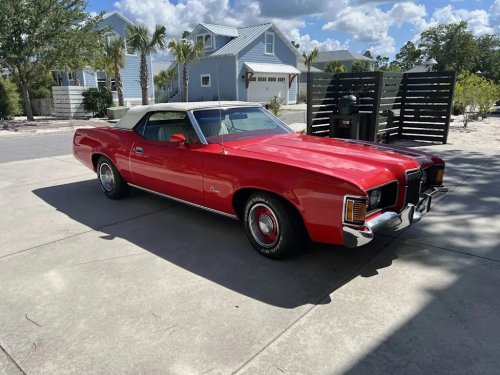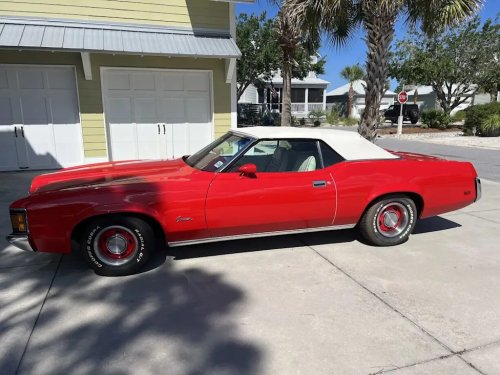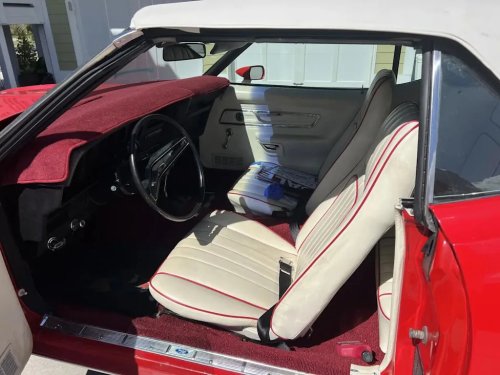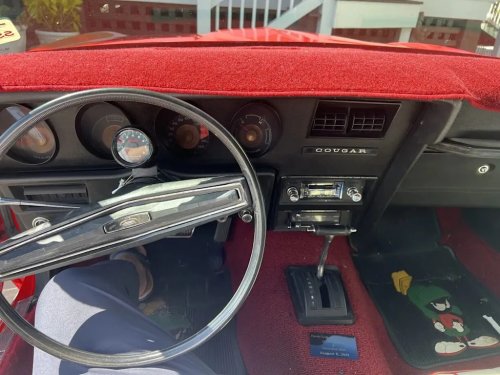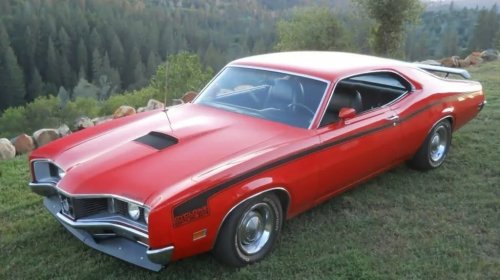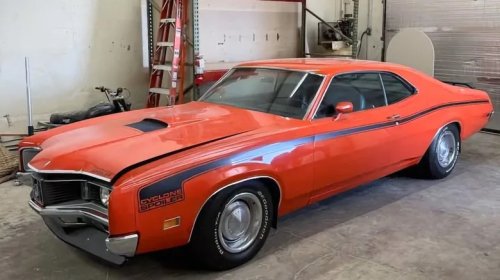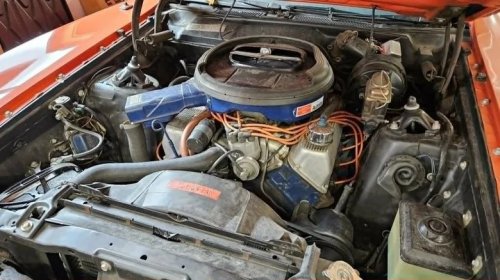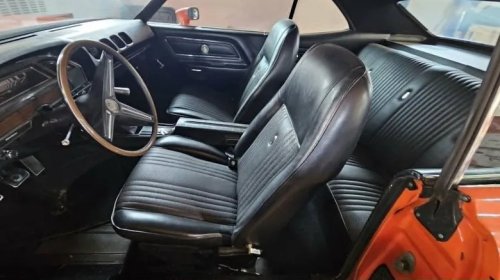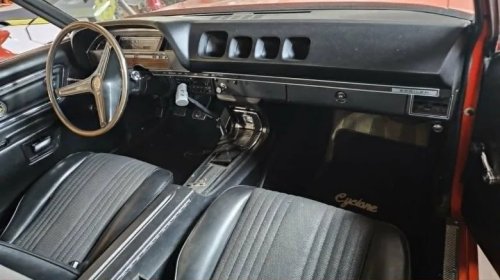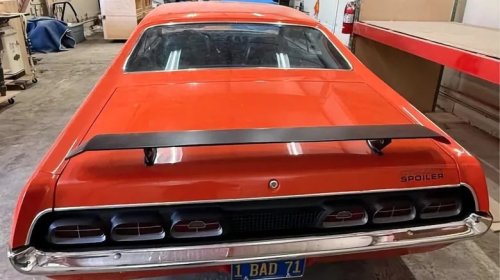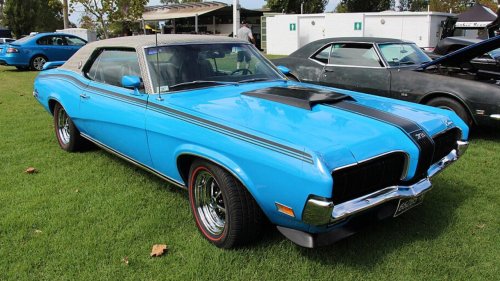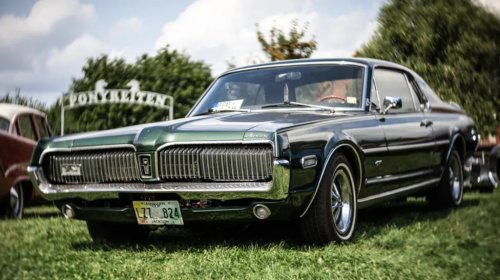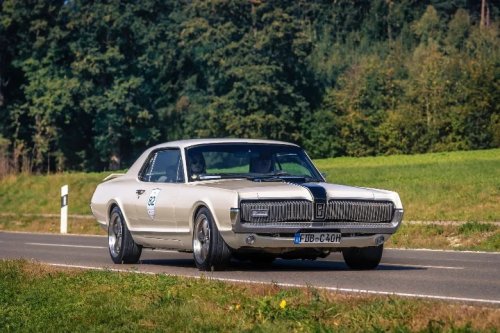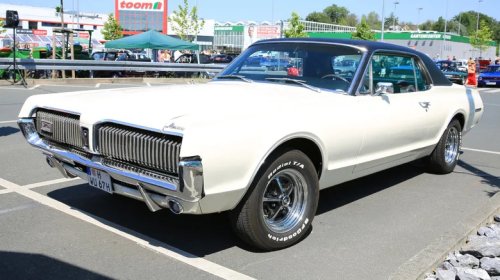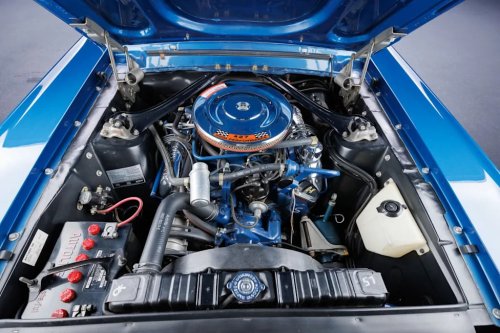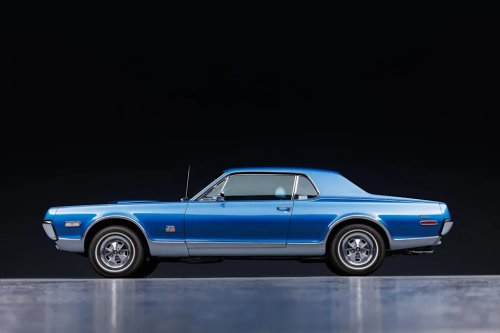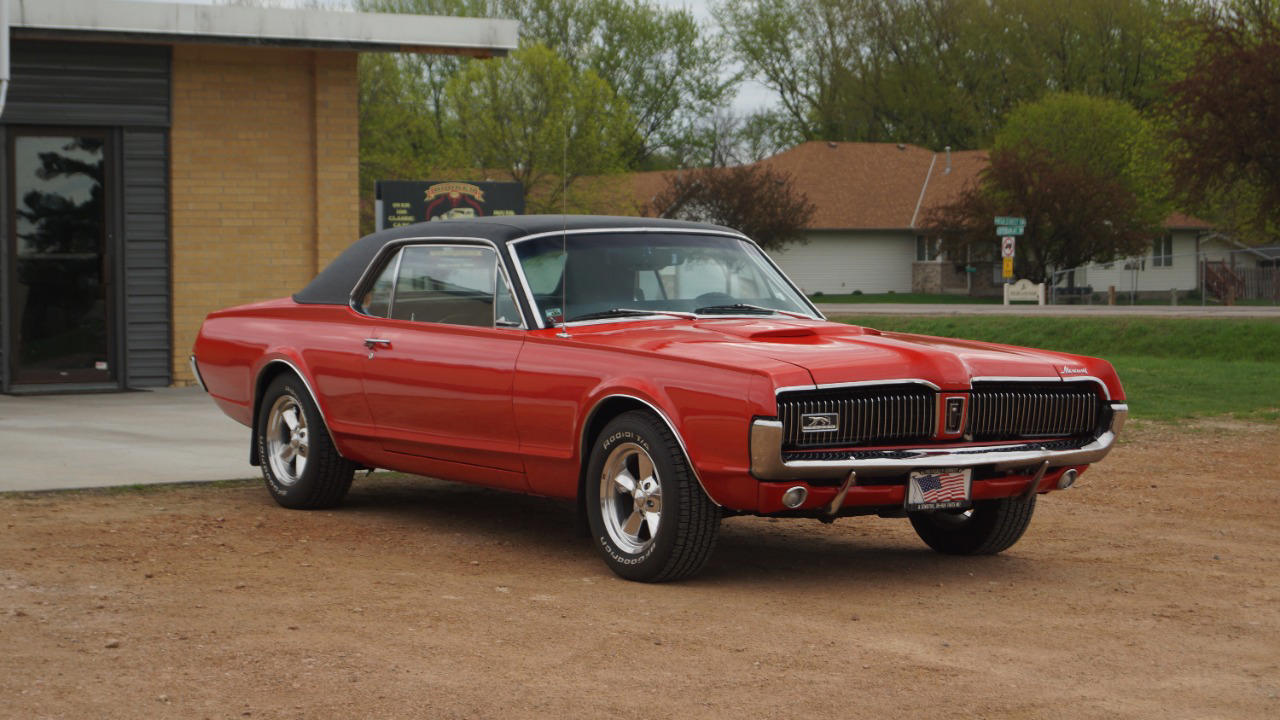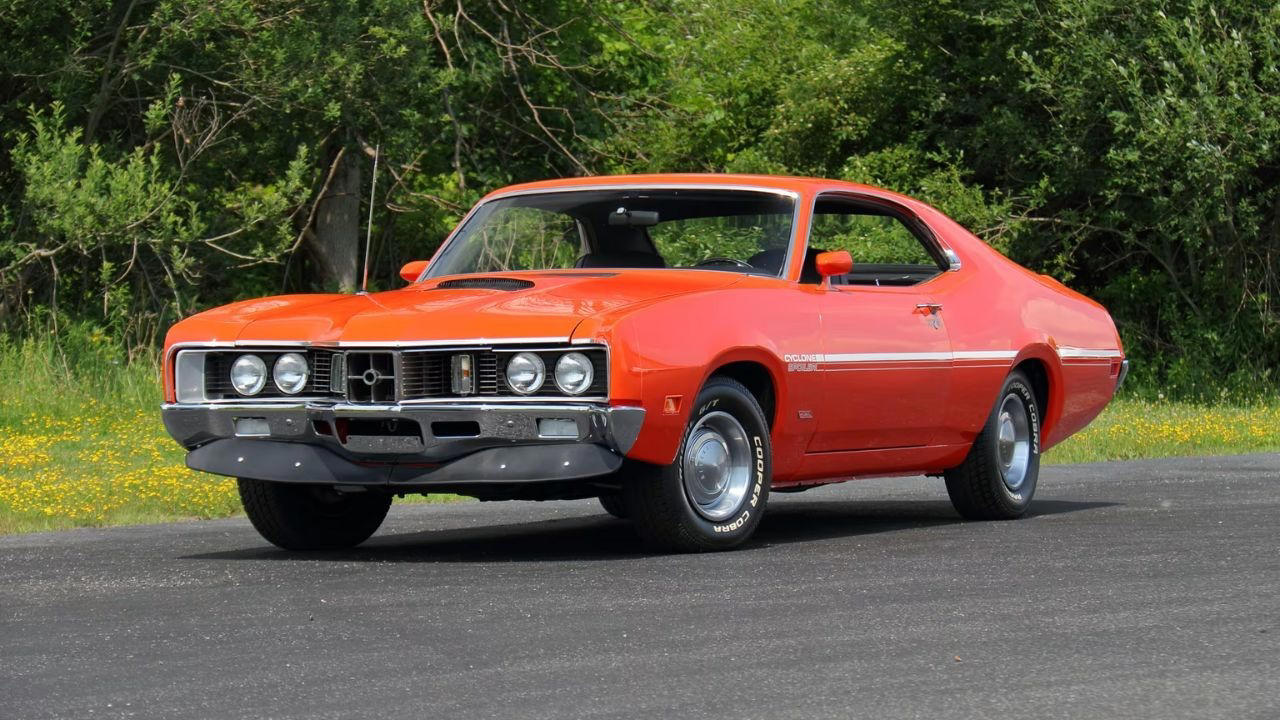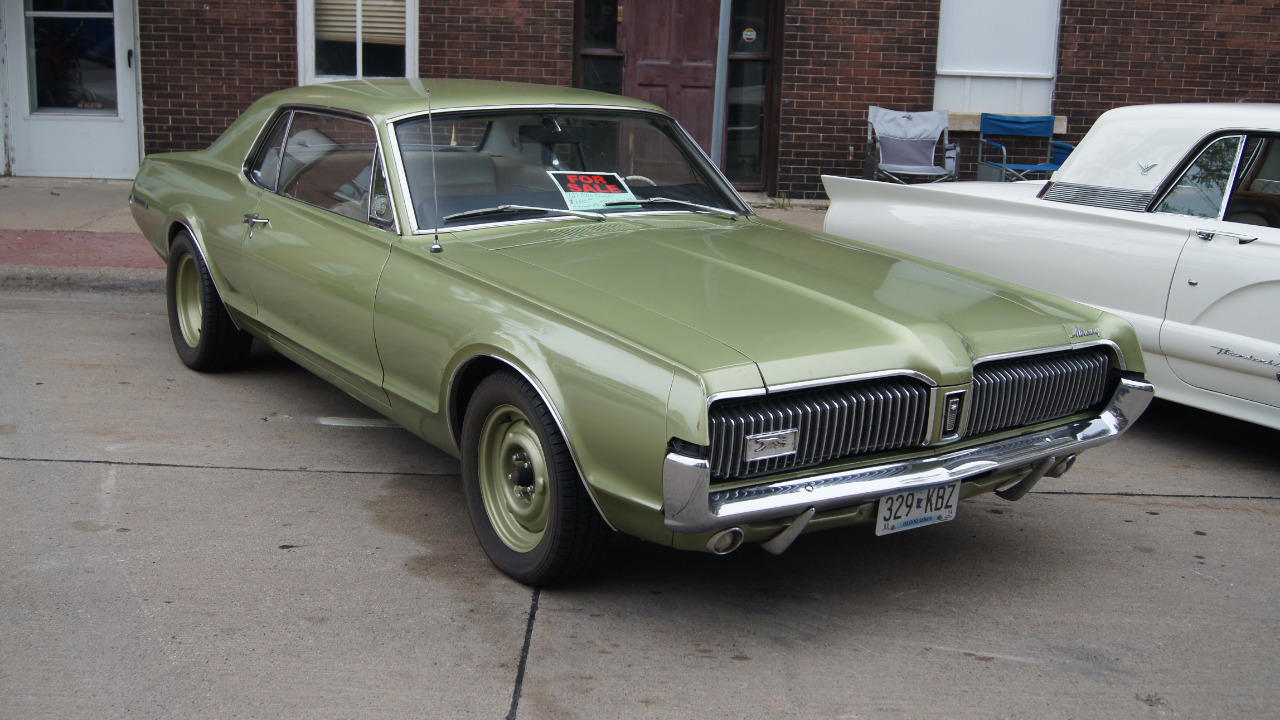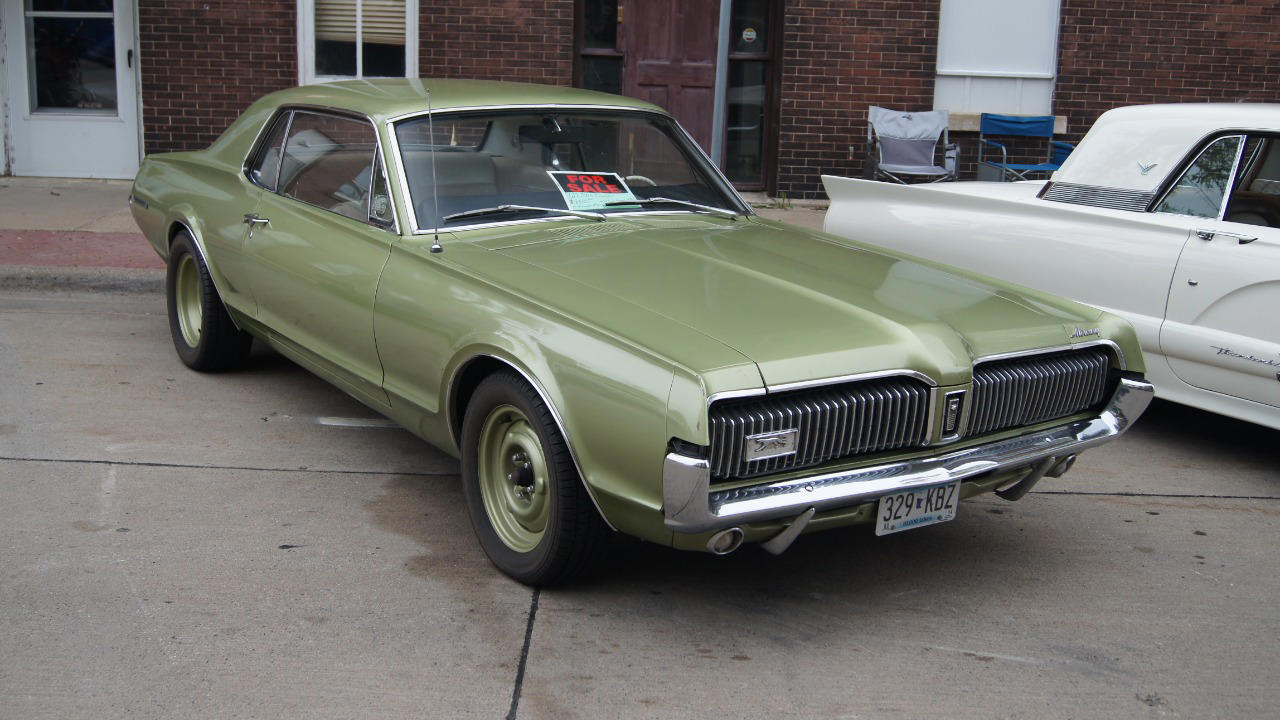



















Mercury added features to the Cougar that muscle cars rarely hadMercury did something audacious when it created the Cougar. Instead of cloning the Ford Mustang, it wrapped pony car performance in features usually reserved for European grand tourers and full-size luxury sedans. The result was a muscle car with concealed headlights, plush cabins, and intricate trim, a combination that made rivals look bare-bones and helped the Cougar win Motor Trend Car of the Year. That mix of power and polish is why the Cougar still feels different from other classic American muscle. From its long-hood, short-deck proportions to XR-7 interiors that chased Jaguar rather than Chevrolet, Mercury added comforts, gadgets, and design flourishes that muscle cars rarely had, then sold them to buyers who wanted speed without giving up refinement. The luxury pony car that refused to be a Mustang clone The starting point for understanding the Cougar’s unusual feature set is its mission. The 1967 Mercury Cougar was Mercury’s first-generation luxury pony car, created as Mercury’s entry into the pony car market and designed to compete directly with the Ford Mustang but with a more upscale character. Period descriptions of the Mercury Cougar emphasize that it aimed at drivers who liked Mustang performance but wanted more comfort, quieter manners, and a richer look. That positioning shaped everything from the sheet metal to the suspension tuning. Underneath, early Cougars shared the Mustang platform, yet they rode on a slightly longer wheelbase and received a smoother, more compliant setup. Contemporary analysis of the 1967 to 1970 cars notes that inside, the Cougar rode smoother than its Ford cousin and that Mercury developed the car as a more refined alternative, a point reinforced in coverage of the Mercury Cougar Is Based Muscle Car Everyone Forgot About. By 1968, that formula had matured. The 1968 Mercury Cougar is described as a stylish, more refined sibling to the Ford Mustang that blended muscle car performance with upscale touches and carved out a distinct place in the muscle car world. Summaries of the period stress that the Mercury Cougar was not just a rebadged Mustang; it was marketed as a more mature choice. That strategy paid off. The Cougar received the 1967 Motor Trend Car of the Year award, becoming the only Mercury vehicle to earn that title, a distinction that the Motor Trend Car citation still highlights. At a time when muscle cars chased quarter-mile times with little concern for civility, Mercury was rewarded for building something more sophisticated. Styling drama: hidden lights, European cues, and a furious Jaguar From the first model year, the Cougar announced its difference before the engine even fired. The front end carried a full-width grille with vertical bars and concealed headlights that opened like eyelids, a theatrical touch that few muscle cars attempted. At the rear, sequential turn signals and a matching full-width taillight panel added drama, giving the car a sense of occasion every time the driver used the stalk. Commentary on the 1967 Mercury Cougar often points out that the car was so elegant it made Jaguar furious, with a pony car bold enough to stand alone and controversial enough to get sued over its logo. Video analysis of the first-year car describes how the stylized cat emblem on the grille and steering wheel drew the attention of Jaguar, which saw the leaping feline as uncomfortably close to its own branding. That European tension was no accident. The 1967 Mercury Cougar XR7 is frequently described as the refined predator of the muscle car jungle, and enthusiasts in dedicated groups recall how Mercury pitched it as an elegant alternative to rougher American muscle. One enthusiast writeup of the Mercury Cougar XR7 notes that the blend of long-hood proportions, hidden lamps, and clean body sides gave it a European grand touring feel. Few domestic muscle cars of the late 1960s chased that aesthetic. While competitors like the Chevrolet Camaro and Plymouth Road Runner leaned into stripes and scoops, the Cougar looked almost restrained. Even the high performance variants, such as the GT-E and later Eliminator, layered their stripes and badging onto a shape that started from luxury rather than aggression. Inside the Cougar: where muscle met woodgrain and toggle switches The cabin is where Mercury’s divergence from typical muscle hardware becomes most obvious. While base models were already better trimmed than many rivals, the XR-7 package transformed the interior into something closer to a small luxury coupe. Descriptions of the 1967 Mercury Cougar XR7 highlight full instrumentation, bucket seats, and extensive woodgrain. Owners and historians point out that Mercury positioned the XR-7 as an upscale specification, with unique upholstery, additional gauges, and a more formal dashboard that evoked European cars rather than Detroit sedans. Community discussions of the 1967 Mercury Cougar often emphasize how unusual that level of trim looked in a pony car. The 1968 Mercury Cougar XR-7 GT-E took that approach even further. Production numbers show that just 357 GT-E models left Mercury’s factory in 1968, with 256 carrying XR-7 trim, and those XR-7 cars came with wood-grain dashboards, overhead consoles, additional instrumentation, and center-mounted toggle switches as standard equipment. Period descriptions of the GTE also mention a low gloss grille, special wheel covers, and trim that made the car look more like a traditional American muscle car filtered through a luxury lens. Later, the second generation 1971 Mercury Cougar XR7 kept pushing comfort. A detailed look at that model notes that the XR-7 trim often included chrome accents and woodgrain interior details, and that the car was longer and more luxurious than the original 1967 version. Reports from the American Muscle Car Museum explain that the 1971 XR-7 trim added features like a rarely optioned factory sunroof, further proof that Mercury saw the Cougar as more than a straight-line bruiser. In the context of the late 1960s muscle car market, these interiors were unusual. Many competitors offered basic vinyl seats and simple gauge clusters, with luxury limited to big full-size models. Mercury instead made rich trim, overhead consoles, and detailed dashboards central to the Cougar’s identity. Comfort and ride quality that broke muscle car stereotypes Beyond appearance, the Cougar’s chassis tuning and feature content leaned heavily toward comfort. Period road tests and later retrospectives agree that the car rode more smoothly than the Mustang on which it was based. Enthusiast analysis of the 1967 to 1970 cars notes that inside, the Cougar rode smoother and quieter than its Ford stablemate, a point repeated in coverage of the Discovered Mercury Cougar Is The Mustang Based story and supporting material. Community writeups of the 1968 Mercury Cougar describe it as a refined, performance oriented alternative to the Ford Mustang, targeting drivers who wanted muscle car power without the harsh ride and sparse cabins that characterized many rivals. One enthusiast summary of the 1968 Mercury Cougar features and history notes that the car fit neatly into the broader muscle trend of the late 1960s while still standing apart as a more comfortable choice. Sound insulation, softer suspension tuning, and the availability of automatic transmissions on performance models all contributed to that character. A cousin of the special edition Cougar Eliminator, a numbers matching 1969 Mercury Cougar XR-7, is described as typically equipped with a 4 speed manual transmission, though an automatic option was available, and the XR7 trim added leather seats, a distinctive dashboard, and premium materials. Enthusiast coverage of that Transmission and design combination underscores how the Cougar blended performance hardware with comfort oriented choices. That focus on ride and refinement made the Cougar a natural fit for buyers who wanted to commute during the week and enjoy back-road drives on weekends. It also foreshadowed the later shift toward personal luxury coupes in the 1970s, where style and comfort took precedence over raw speed. Powertrains: serious muscle wrapped in civility None of this is to suggest that the Cougar lacked muscle credentials. Under the hood, Mercury offered serious V-8 power, often shared with Ford’s most respected performance engines, then wrapped that output in a more polished package. The 1968 Mercury Cougar XR-7 GT-E is the clearest example. Production data shows that 357 GT-E models were built, with 256 carrying XR-7 trim. Under their power-dome hoods, W-code 427 cubic inch side-oiler V-8 engines produced 390 horsepower through a Holley four-barrel carburetor mounted on an aluminum intake manifold, and power transferred through Mercury’s Merc-O-Matic three-speed automatic transmission, their version of Ford’s C6. Enthusiast coverage of the Mercury Cougar GT notes that these cars were sporty but comfortable, and that the GT-E package bought buyers a rare mix of big block power and upscale trim. Across the first generation, the Cougar offered a range of engines, from small block V-8s to high torque big blocks. Retrospective analysis of the 1967 to 1970 cars points out that the top engines delivered up to 406 lb ft of torque, and that the platform could be ordered with serious performance hardware while still maintaining the smoother ride and richer interior that defined the model. The same enthusiast sources that discuss the Discovered Mercury Cougar Is The Mustang Based story highlight how that combination made the car something of a sleeper among muscle machines. What set the Cougar apart was not the availability of big engines, which many competitors also offered, but the insistence that those engines be paired with features like automatic transmissions, power accessories, and sound deadening that made high horsepower feel less punishing in daily use. Options and gadgets that felt out of place in a muscle car Mercury also loaded the Cougar with options and small features that were rare in the muscle segment. Some of these were shared with other Ford products, but their presence in a relatively compact performance coupe changed the way the car felt. Luxury oriented options included tilt away steering columns, AM/FM radios, and tinted glass, all of which were popular on XR-7 models even if they were not standard on every car. Descriptions of the 1968 XR-7 GT-E package emphasize that amenities like these were widely chosen by buyers who were already paying a $1,311 premium for the GT-E option on top of a base Cougar price that sat just under $3,000. Later, second-generation cars added even more unusual features. The 1971 Mercury Cougar XR7, for example, could be ordered with a factory sunroof, a rarity among muscle-influenced coupes of the time. Even small touches such as low-gloss grilles, special wheel covers, and blacked out taillight blades on performance variants like the GT-E show how Mercury treated the Cougar as a canvas for visual experimentation. These elements gave the car a distinctive presence that went beyond simple stripes or hood scoops. More from Fast Lane Only Unboxing the WWII Jeep in a Crate 15 rare Chevys collectors are quietly buying 10 underrated V8s still worth hunting down Police notice this before you even roll window down