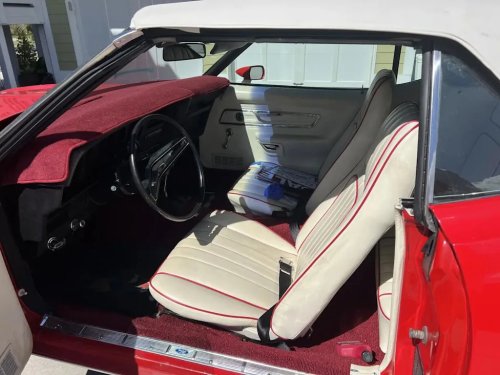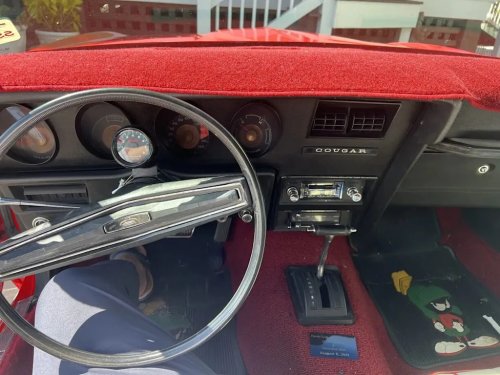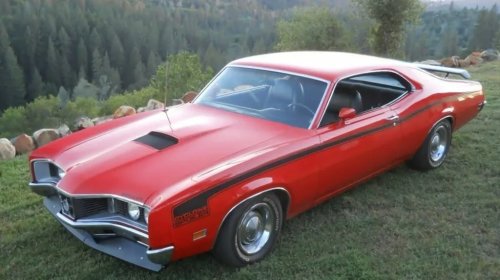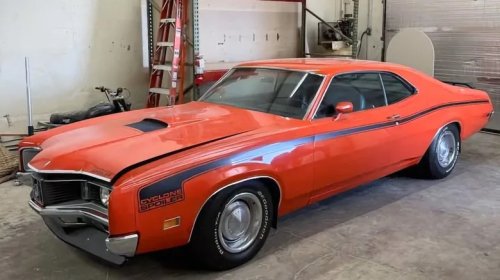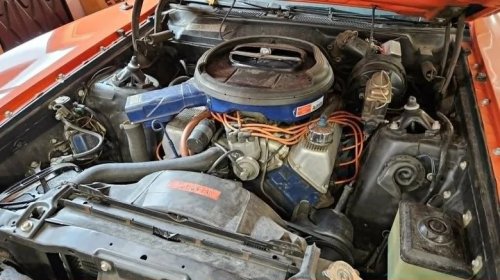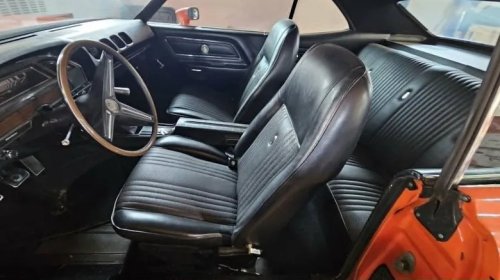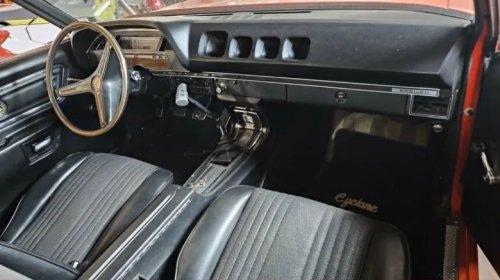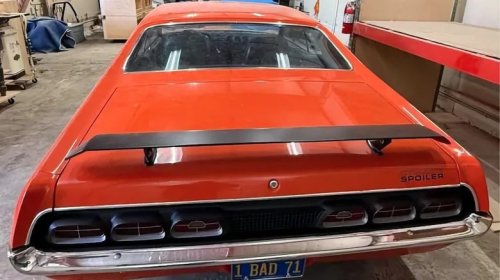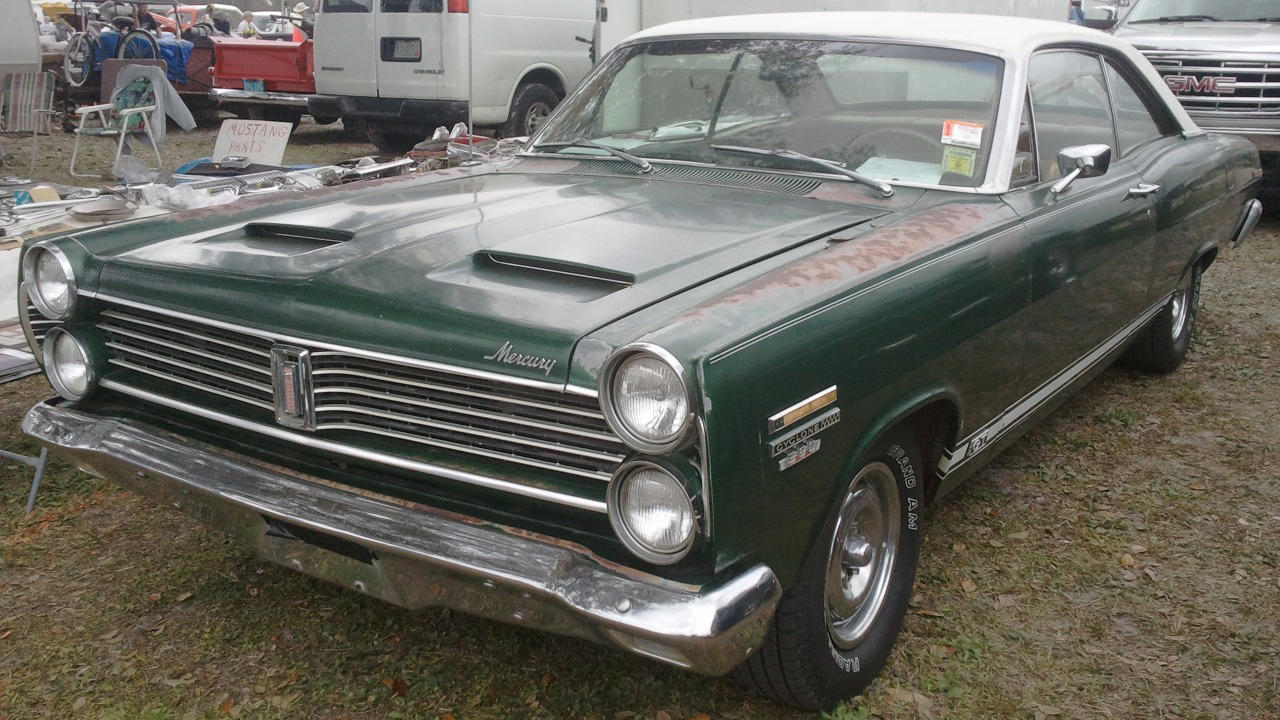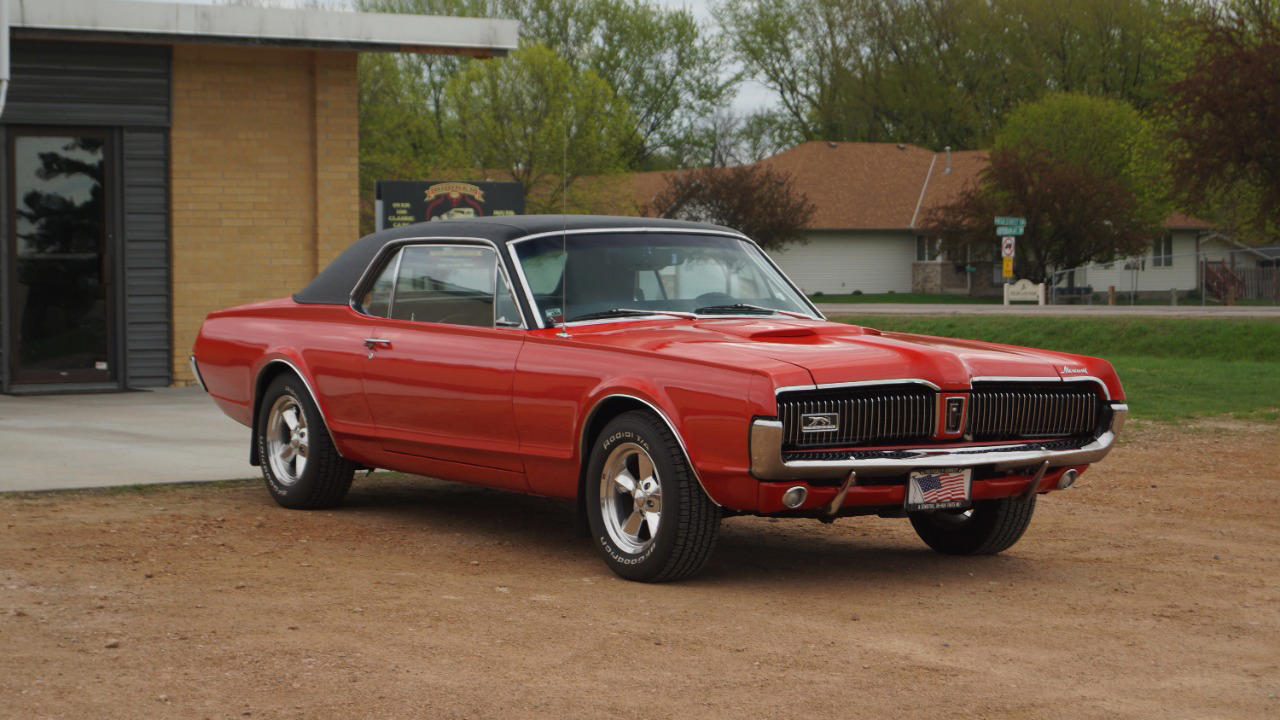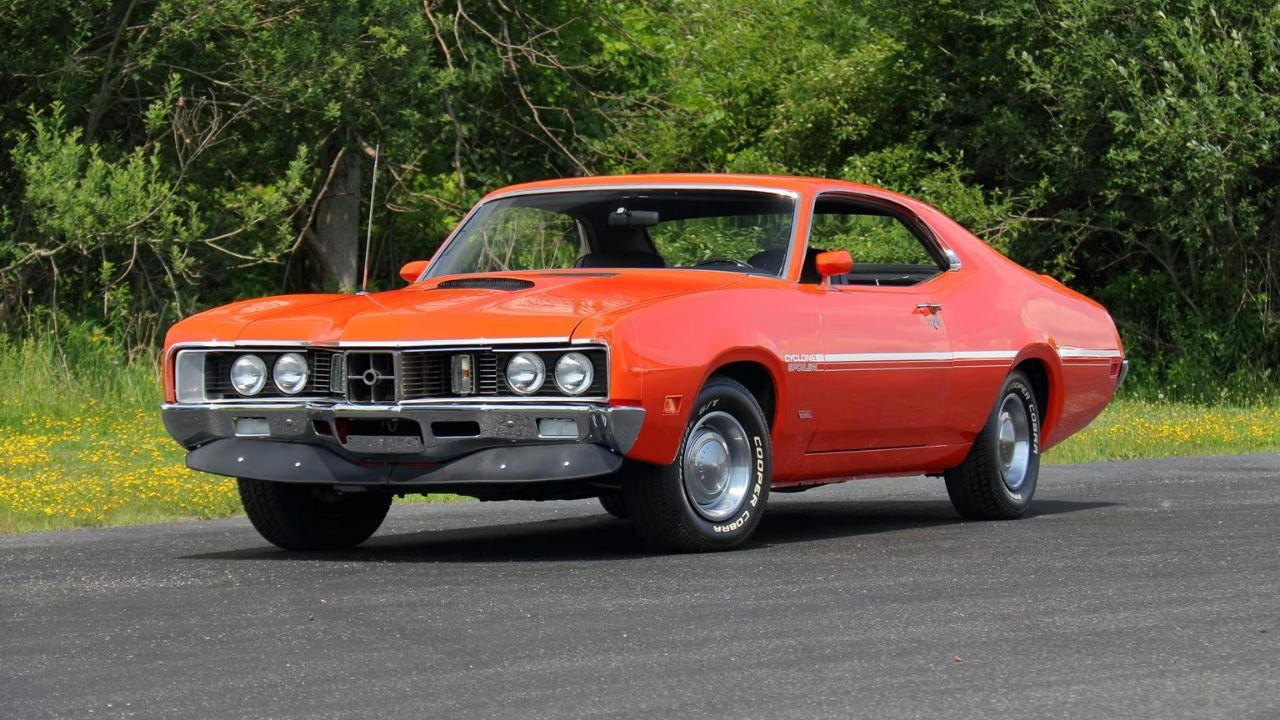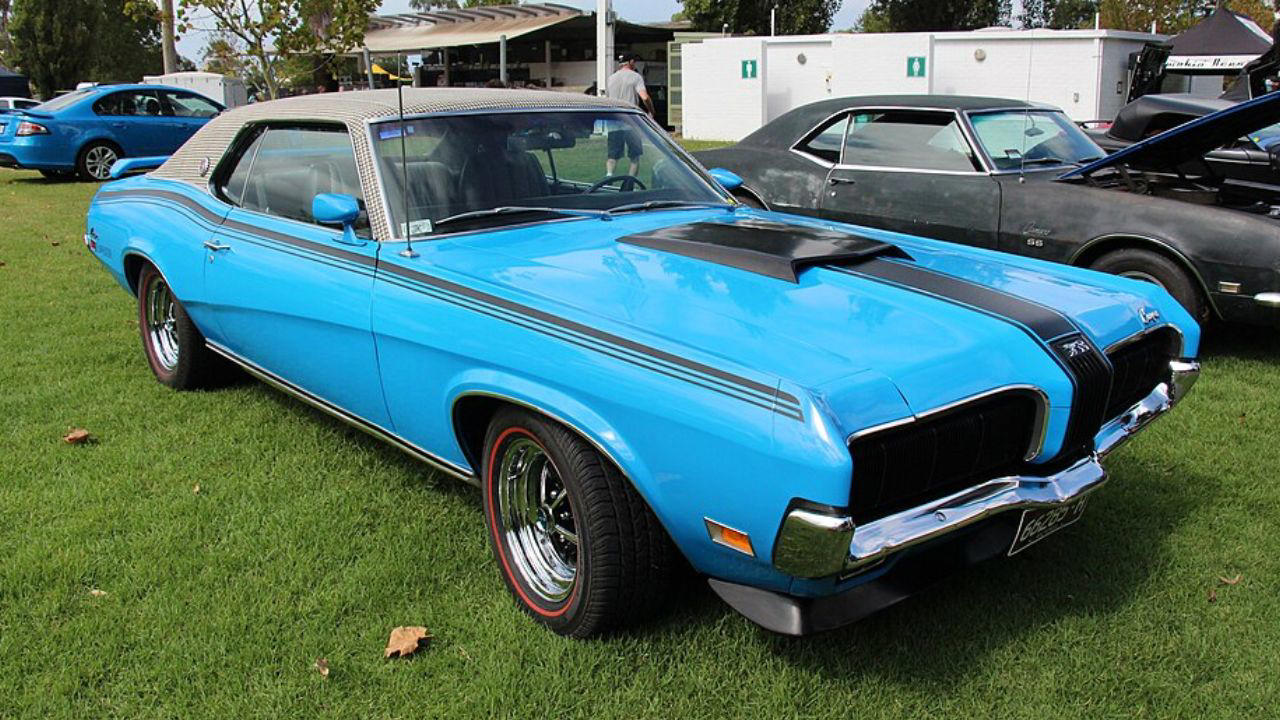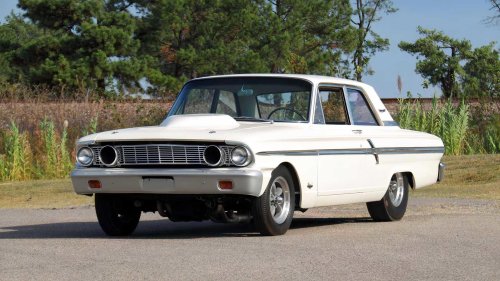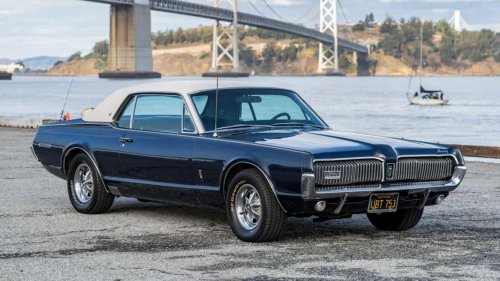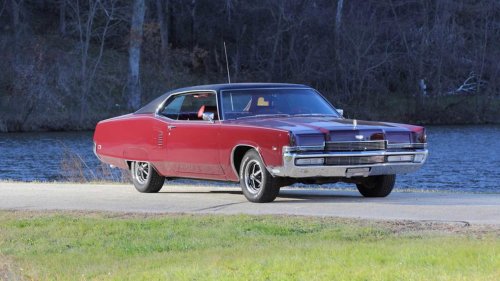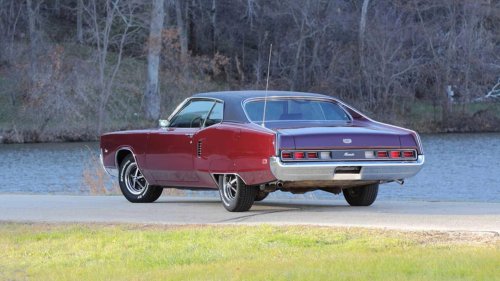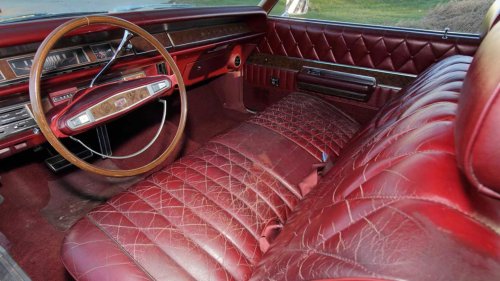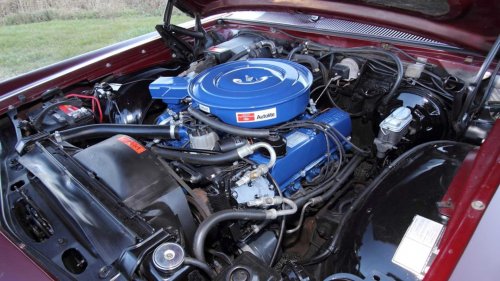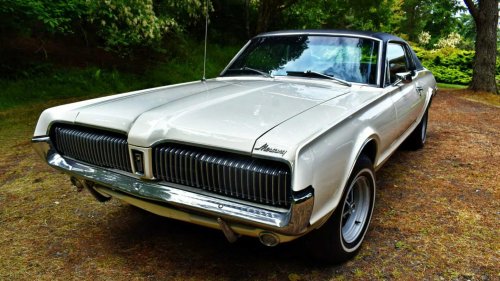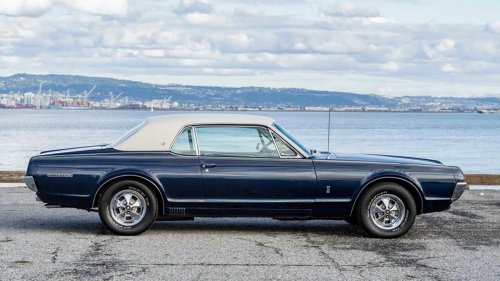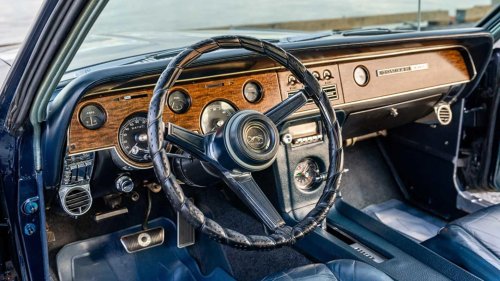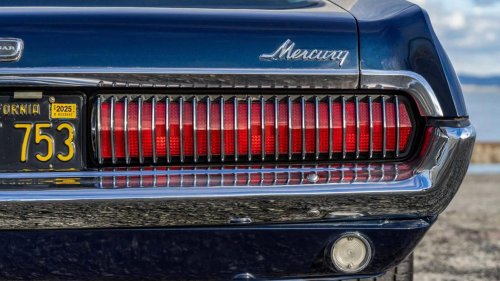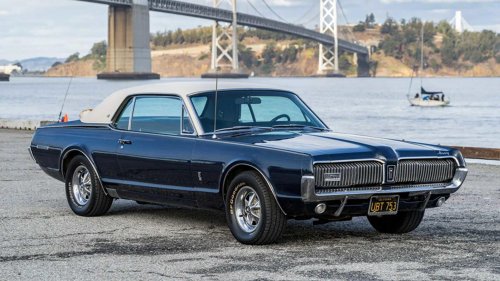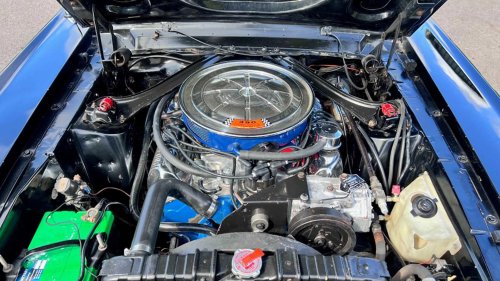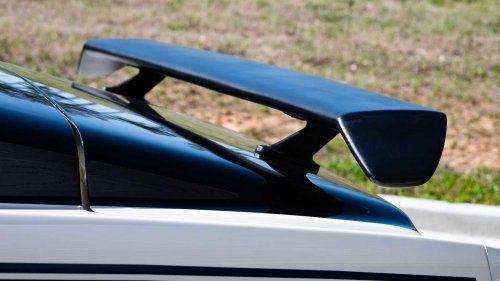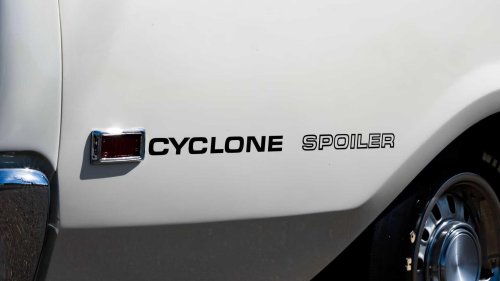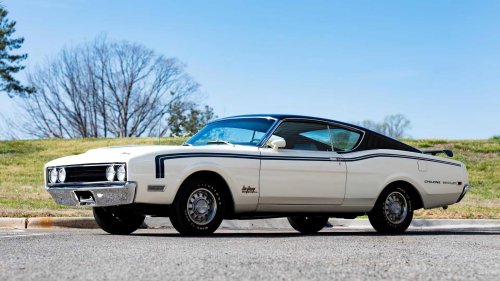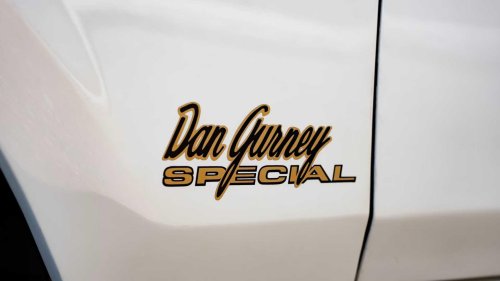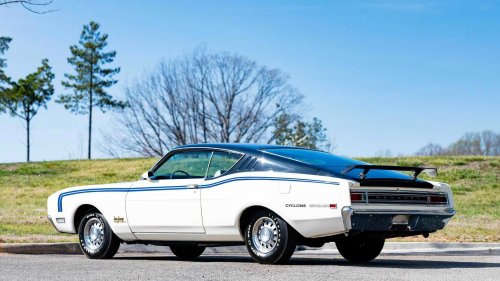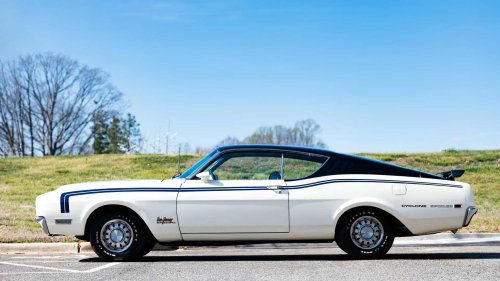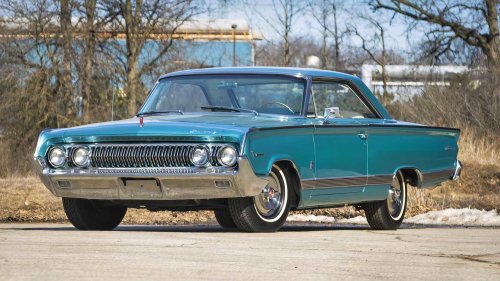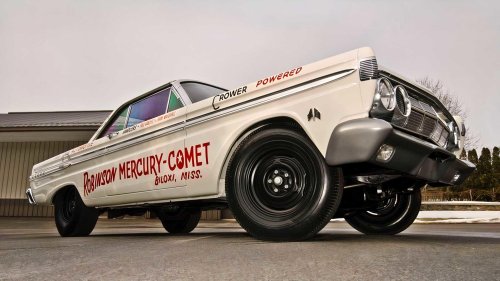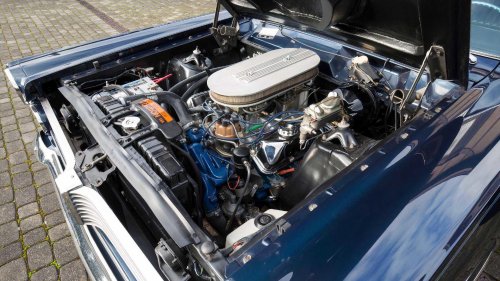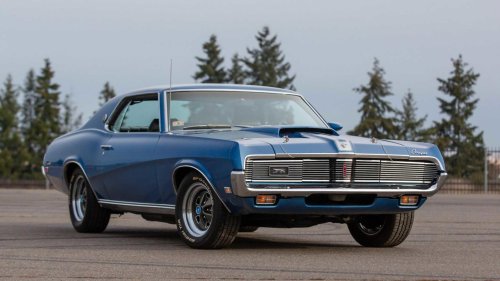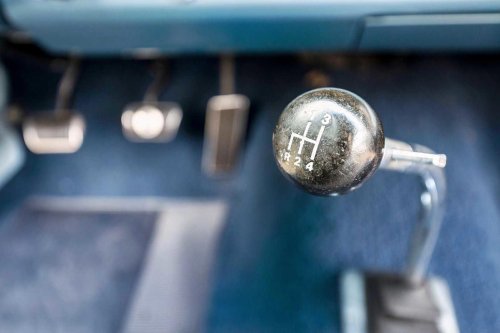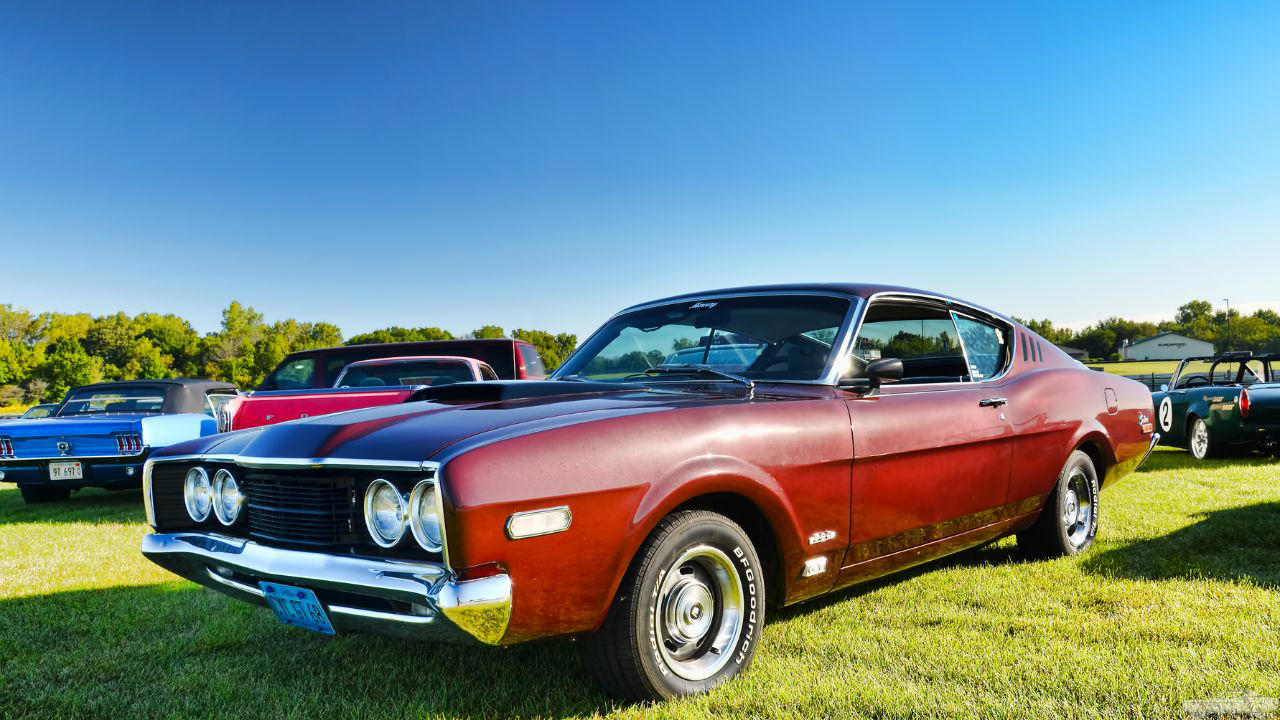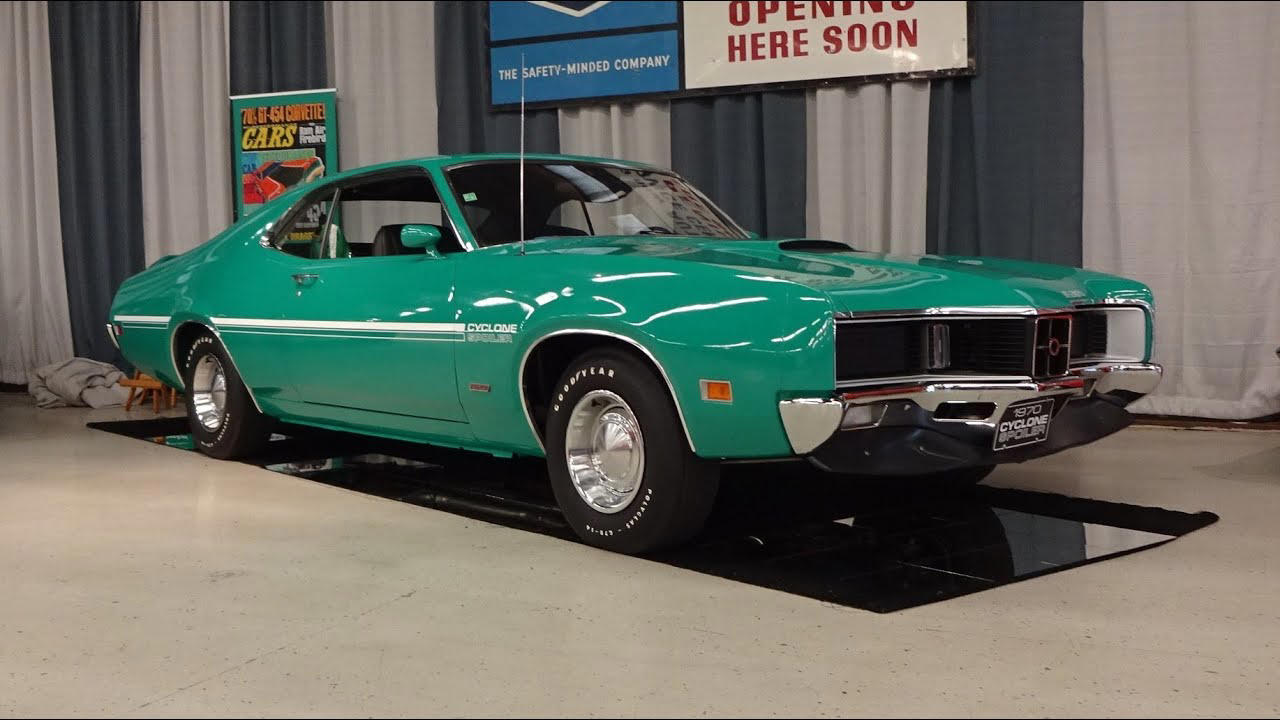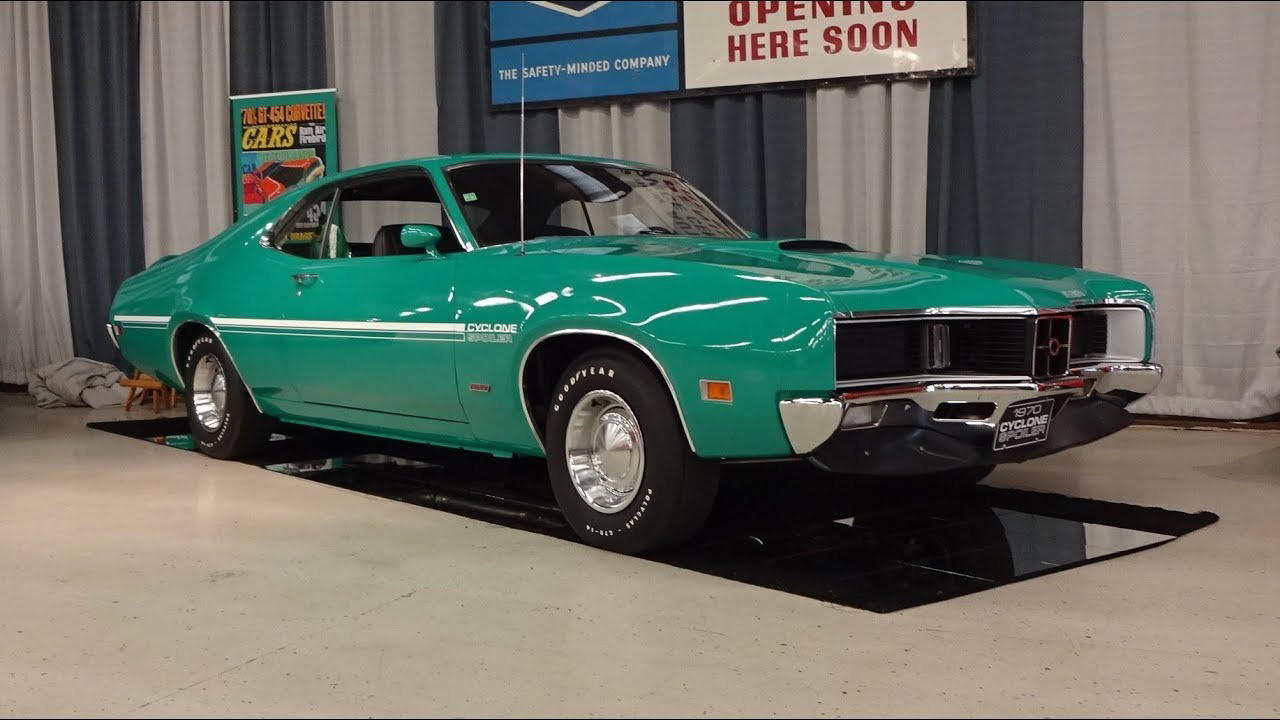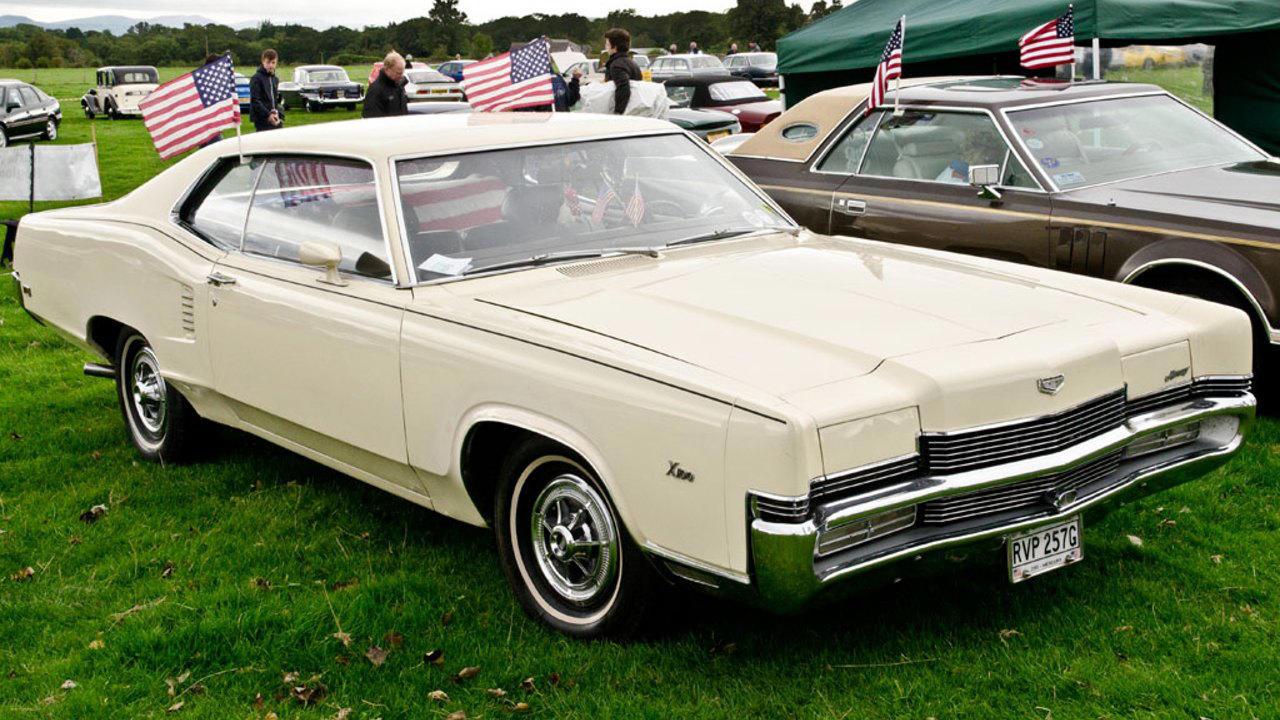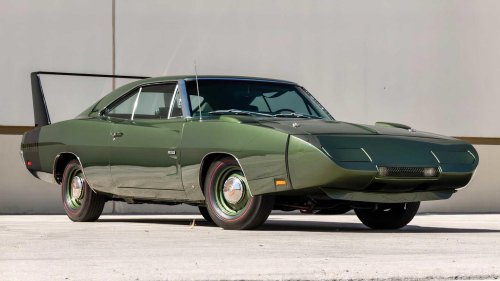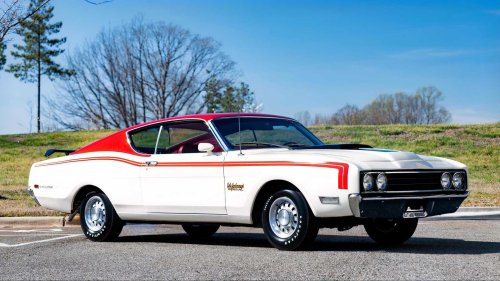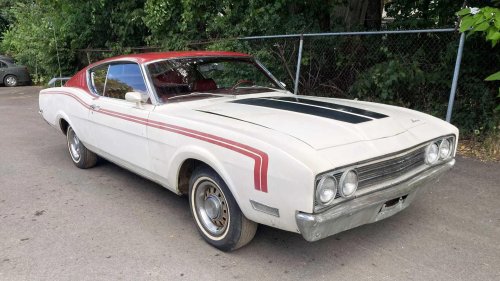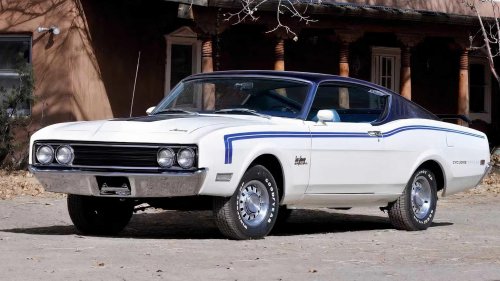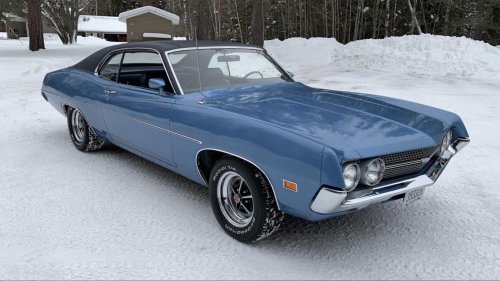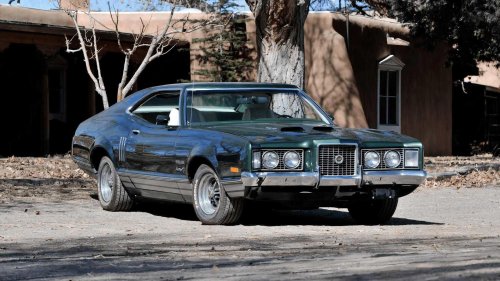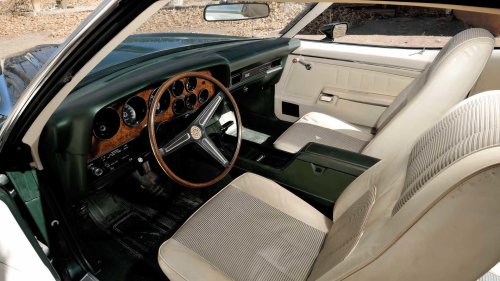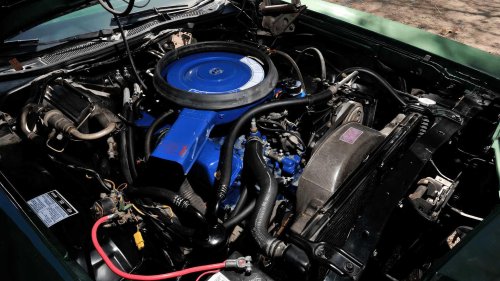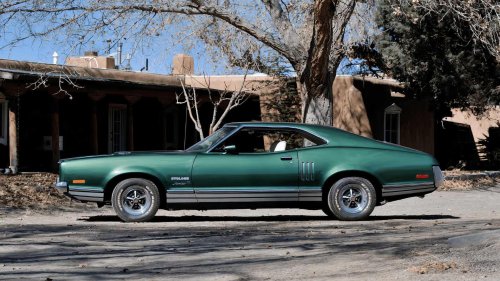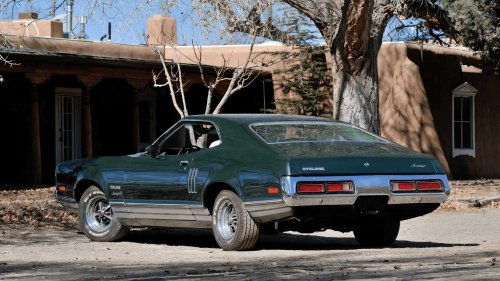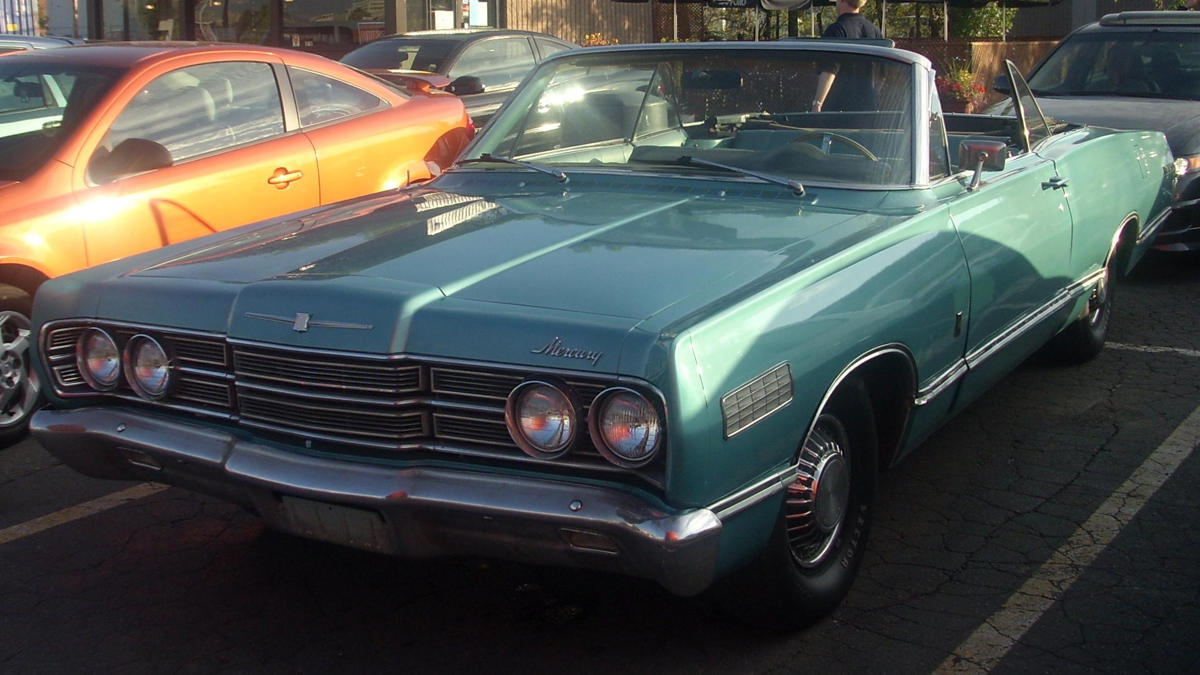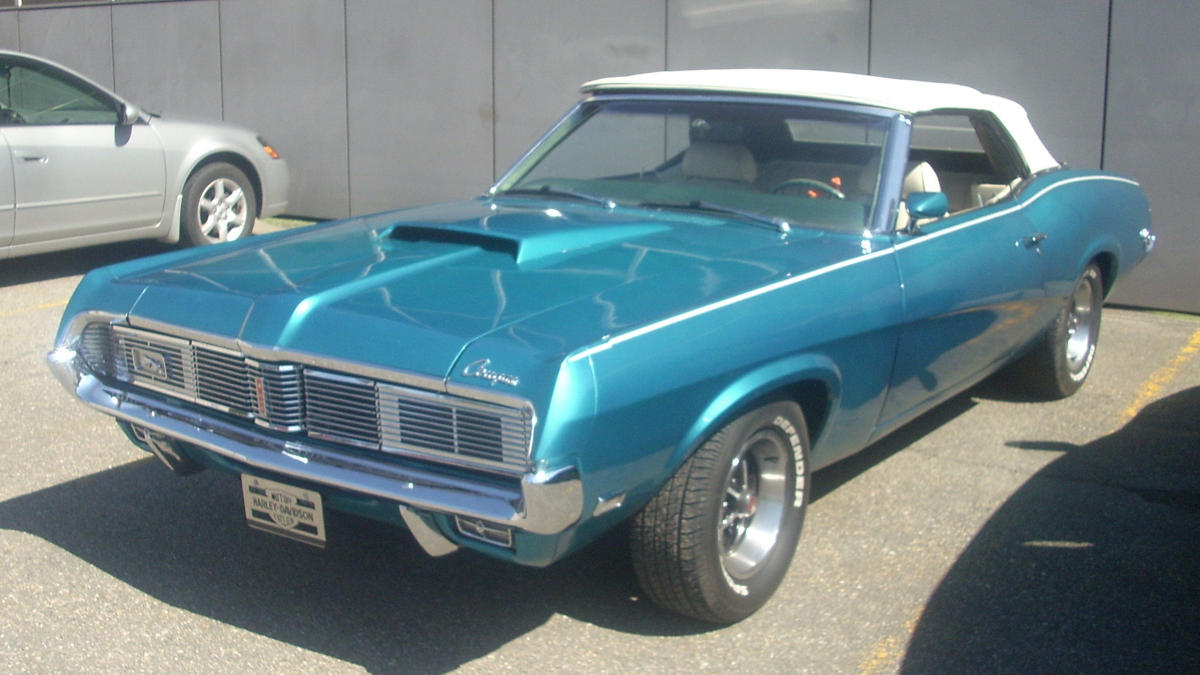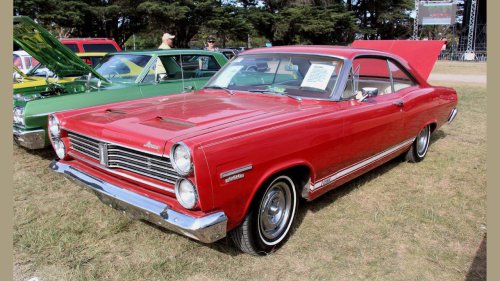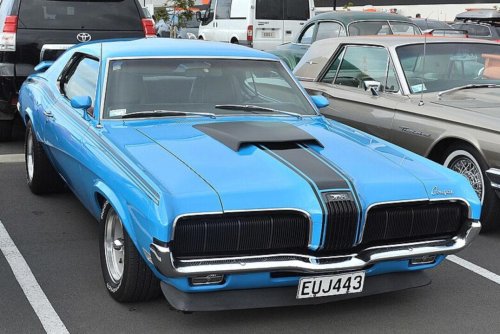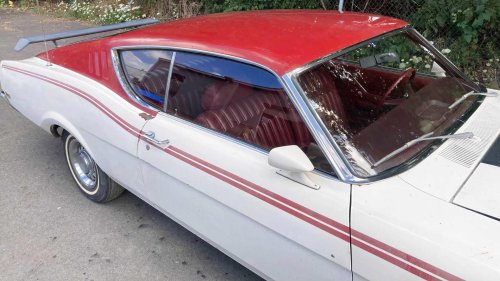
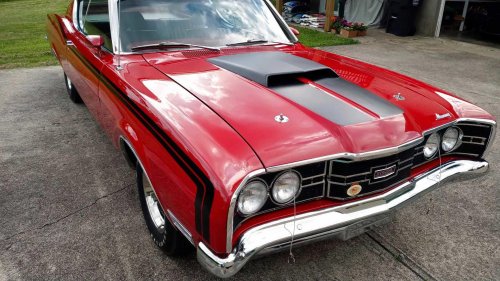
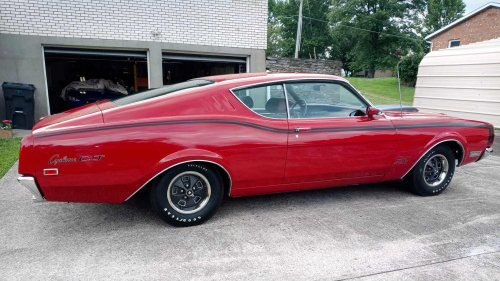
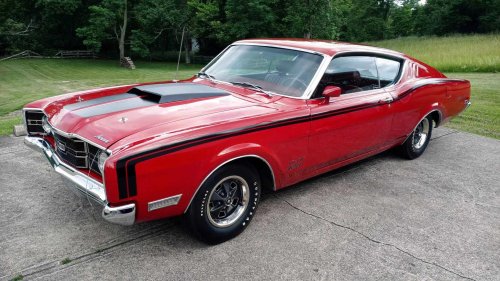
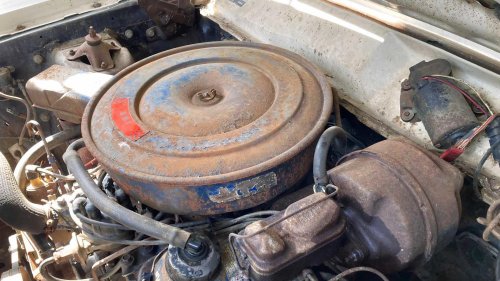
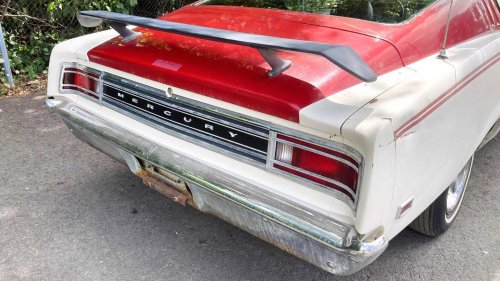
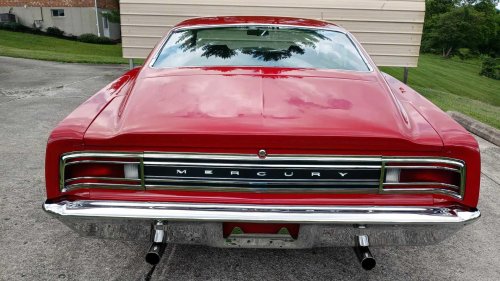
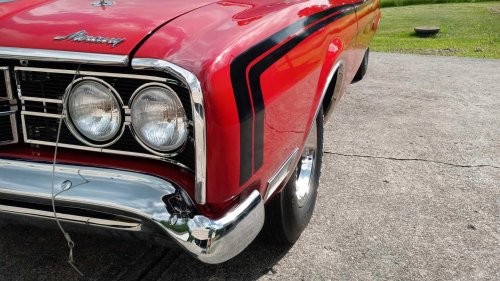



















Think about it: there’s honestly no shortage of Muscle Cars that became posters, auction darlings, and shorthand for an entire era. Say the right name at a cruise night and half the parking lot suddenly turns into amateur market analysts. Hemi ’Cuda, Boss 429, LS6 Chevelle, Torino Talladega. The big stuff got famous, then expensive, then slightly unbearable to talk about unless you enjoy hearing the words 'numbers-matching' 37 times before lunch.Others did the hard work in the background, carried real racing blood, and somehow slipped into the collector world’s blind spot. Now that’s where things get really interesting. Sometimes, the best collector cars are the ones hiding one row over, wearing a less obvious badge, packing the same heat, and making the owner look like they read the whole book while everyone else just watched the movie. Why The Obvious Muscle Cars Got Expensive First Bring A TrailerFord’s late-’60s fastbacks had everything going for them once the collector market grew up: the badge recognition, NASCAR connection, drag-strip rep, and a family tree that casual buyers could understand without opening a browser. The Torino and Fairlane lines became easy reference points for anyone who wanted blue-oval muscle from the era.This is key because familiar names create confidence, and confidence brings money. When buyers see a Torino with a big engine or a Talladega with its extended nose, the mental math feels simple. Ford built it, NASCAR shaped it, collectors already respect it, and parts support doesn’t feel like a treasure hunt conducted by candlelight.However, Mercury lived in a stranger lane. It shared enough Ford DNA to feel legitimate, but it never had the same mainstream pull. For casual buyers, that made it a little harder to place. What was it? Luxury? Muscle? Was it Ford with better clothes and a quieter salesman? The answer, annoying as it may be, is yes to all of that. The Orphan Brand With A Factory Racing Secret Bring A TrailerThe division behind this car rarely gets top billing, even though it stood right in the middle of Ford’s NASCAR aero war. In 1969, NASCAR still cared deeply about the 'stock' part of stock-car racing, at least enough that manufacturers had to build and sell versions of what they wanted to race. That rule gave the world some wonderfully strange machines. It also forced Detroit to turn wind-tunnel thinking into showroom metal.The fastback body already gave this midsize muscle car a useful starting point. It had the roofline, the stance, and the long-deck proportions that looked right for the era. But the factory racing program pushed things much further. Blurred Lines Bring A TrailerOne version was created to satisfy NASCAR’s aerodynamic demands. Another delivered the big-engine street-car punch buyers expected from the Cobra Jet era. These two cars often get blurred together by people trying to compress an already nerdy subject into a bar-stool sentence.The aero car was about cheating the air at superspeedway speeds while staying inside the rulebook. On the other hand, the big-block car was about putting serious FE-family muscle under a standard-nose fastback and letting the right foot write the memo. They're not the sme thing, but they're both collectible and seriously cool. The 1969 Mercury Cyclone Is A Big Hit With Collectors Bring A TrailerThe car is the 1969 Mercury Cyclone, and the two collector-grade pressure points are the Cyclone Spoiler II and the Cyclone CJ-428. One's the long-nose NASCAR homologation special, while the other's the big-block street bruiser. Together, they explain why this overlooked Mercury has become the kind of machine that knowledgeable collectors keep close and casual buyers often notice too late.To dig in a bit, the Cyclone Spoiler II was the aero piece. Mercury built it around the NASCAR requirement that at least 500 cars had to exist for the design to qualify for competition. The widely-cited production figure is 503 units, though older accounts sometimes vary. Bak to the main point, though: the bodywork. The Spoiler II used an extended “D” nose with added sheet metal ahead of the hood, a flush-looking grille area, and a lower, sharper front profile than the standard Cyclone. Mercury added 19.5 inches of new sheet metal to the front of the car, compared with 15.5 inches on the Ford Talladega. That’s a serious factory surgery, not a quick nose job from a back-alley fiberglass guy named Earl. Topsy Turvy, But Cool Bring A TrailerUnder the hood, though, the Spoiler II wasn't the 428 version. Street versions came with a 351ci V8, listed at 290 hp, paired with an FMX three-speed automatic. That makes it cool in a slightly upside-down way. The version with the NASCAR credibility wasn’t the version with the biggest street engine. Muscle-car collectors love horsepower, but homologation cars play a different game. They’re bought for the reason they exist. These Mercurys Are More Than Ford Parts In A Different Suit Bring A TrailerThe Spoiler II’s bodywork is where the car earns its place in the serious conversation. The factory cut the front fenders and grafted on new aero metal, moved the side marker light forward, and created a profile meant to help race cars carry speed on superspeedways. The grille and bumper treatment was also important, because sealing and smoothing the nose reduced the drag that made older stockers feel like they were punching a barn door through humid air.Then there were the rocker panels, which sound boring until you realize NASCAR measured ride height from them. Mercury re-rolled the rockers so the race cars could sit lower while still passing inspection. The visual drama came from the Dan Gurney Special and Cale Yarborough Special versions. The Gurney cars wore blue-and-white paint, while the Yarborough cars wore red-and-white. Both connected the showroom car directly to Mercury’s NASCAR drivers, which gave buyers a slice of factory racing identity without needing a pit pass or a terrifying mustache.The Cyclone CJ-428, meanwhile, played the street-performance role. It kept the standard-nose Cyclone shape but paired it with the 428 Cobra Jet, the top FE-family street weapon of the time after the 427 left the regular production picture. The blacked-out Cyclone grille gave it the right menace, and Ram Air cars added hood pins into the mix. If the Spoiler II was the wind-cheater, the CJ-428 was the one you wanted idling next to you at a light with bad intentions and a perfectly legal grin. This Mercury Still Feels Like The Smart Collector Play Bring A TrailerThis is where the Mercury starts to feel like a collector-market loophole. Search enough and there are quite a few options visible, but as an example, a '69 Cyclone Spoiler II has been listed at $89,995, which somewhat sets the tone for what you can expect to pay for one in very good nick. Cyclone 428 CJs are somewhat tougher to find, but when you do, they'll usually average the same, with one particular example in very good condition selling for about $46,000. Attention Hogs Bring A TrailerThe average price is a touch under $47,000, which gives you a good sense of how these two have aged over the years (gracefully, if it wasn't plain to see). Needless to say, it's all subject to the condition they're in, but the fact of the matter is that these two bag a fair amount of attention. And it's not hard to see why.A Spoiler II brings NASCAR homologation history, real aero changes, and a roughly 500-unit production story. A CJ-428 brings big-block FE performance and the kind of standard-nose sleeper attitude that makes people ask the good questions. The Ford cousins may still carry broader name recognition, but the Mercury gives you the pleasure of owning the weirder, rarer branch of the same family tree.Sources: AutoBarn Classic Cars, Talladega Spoiler Registry, USA Car World.