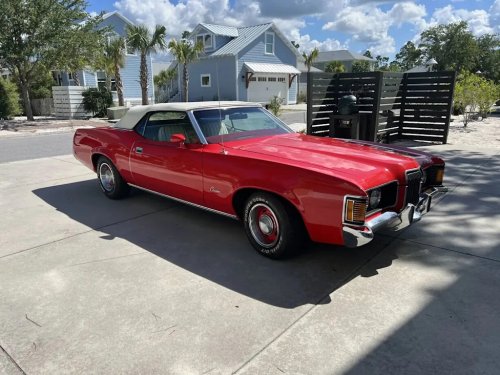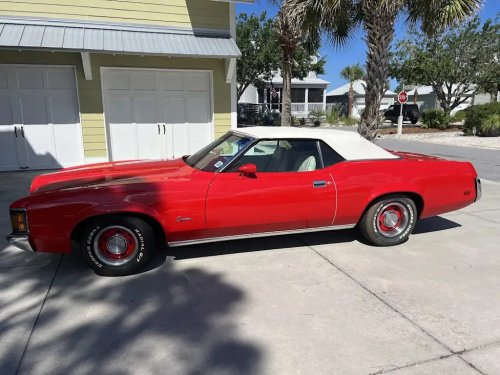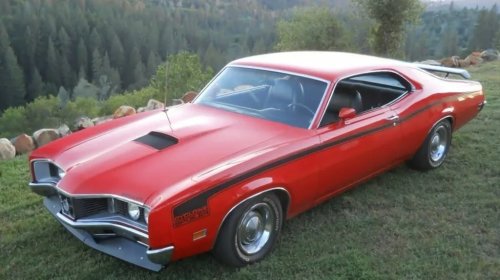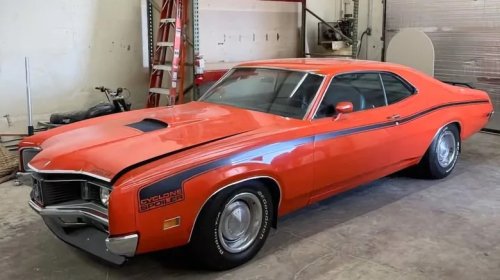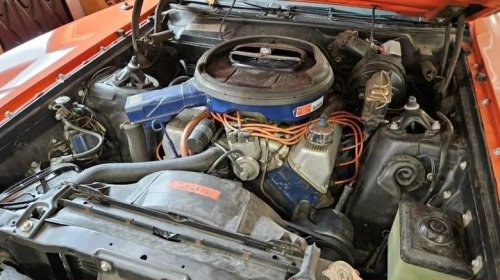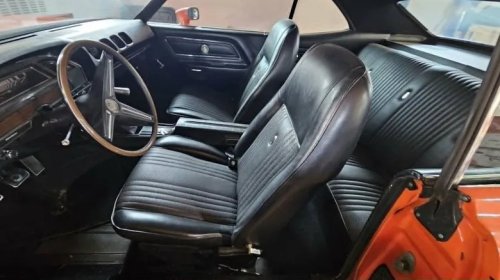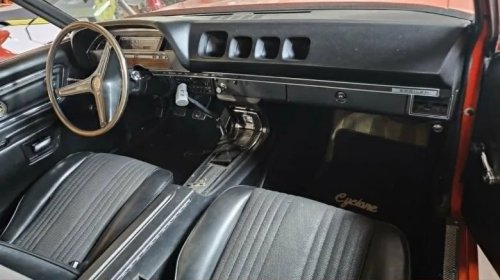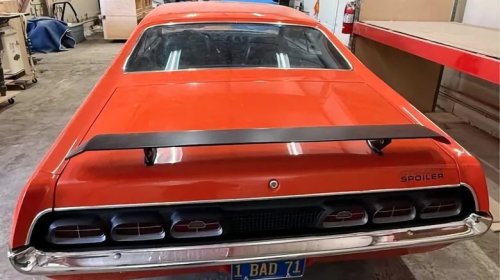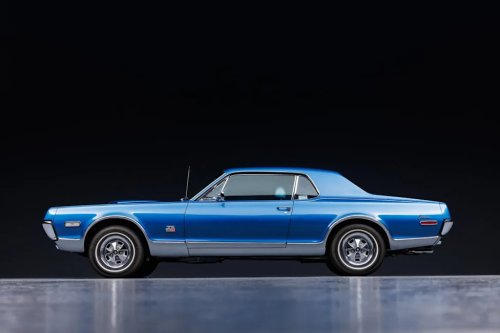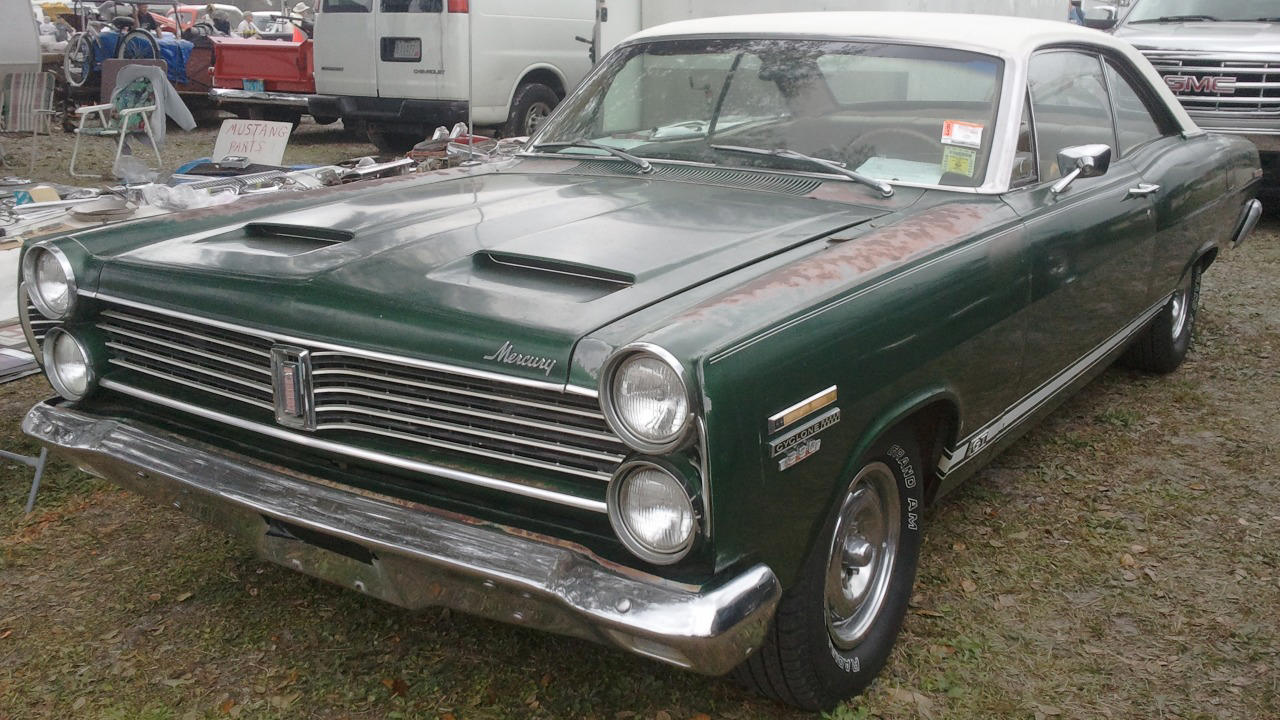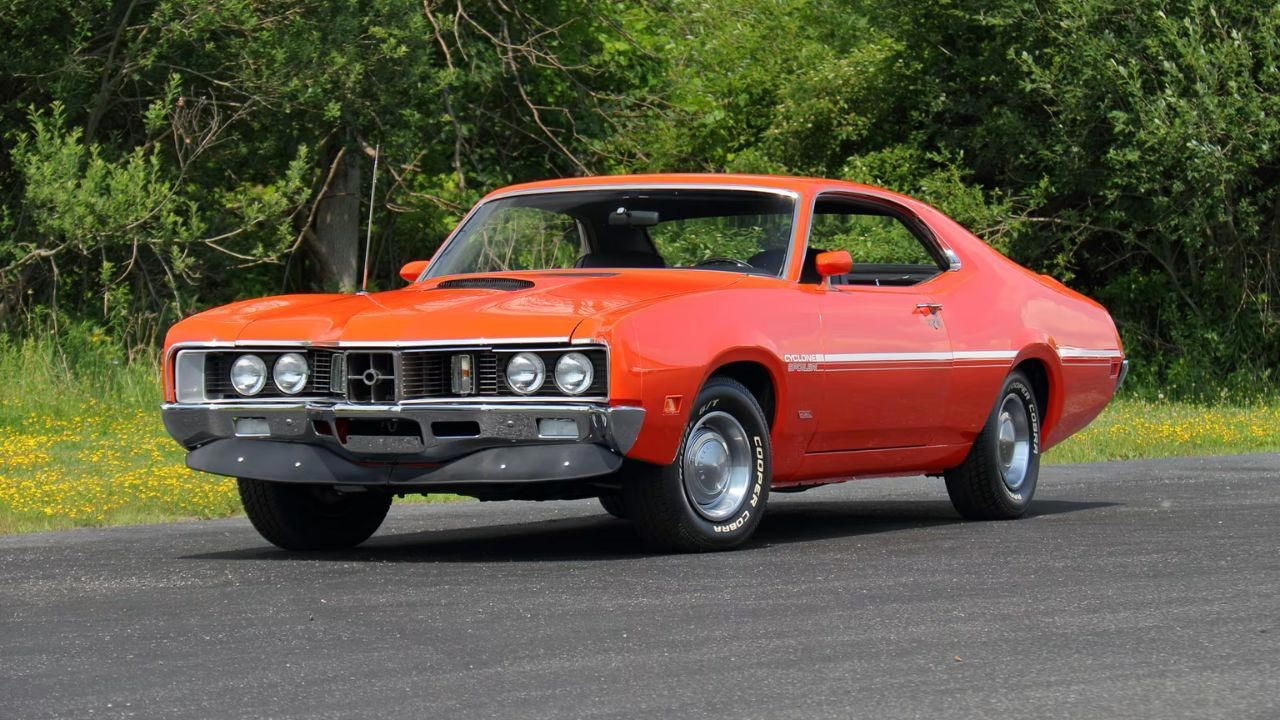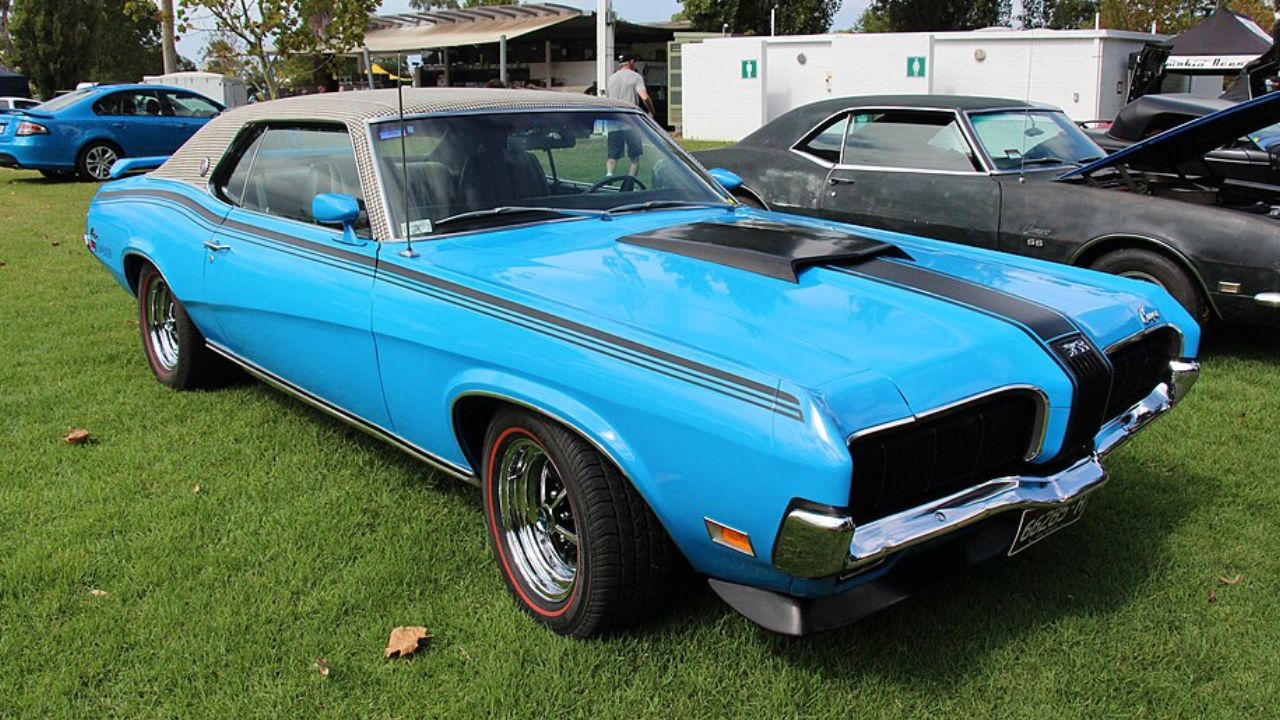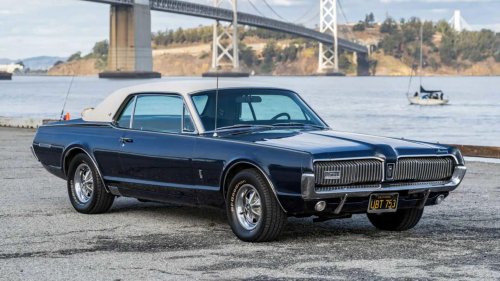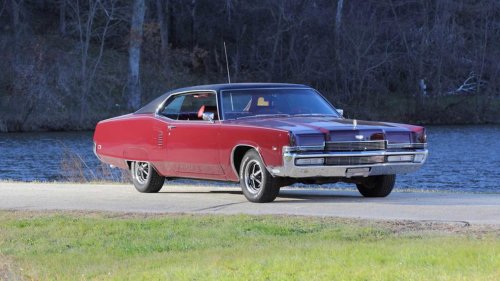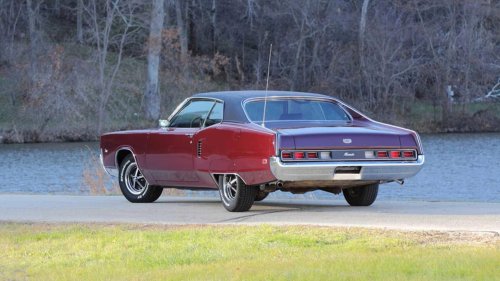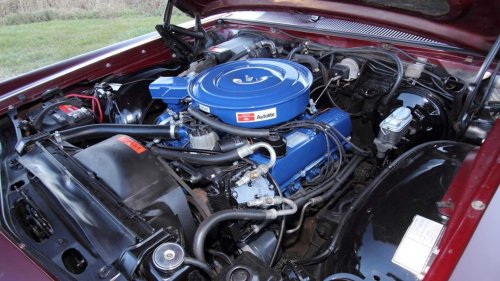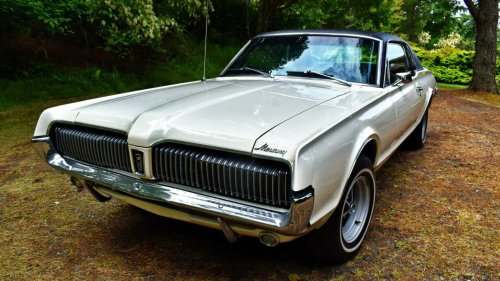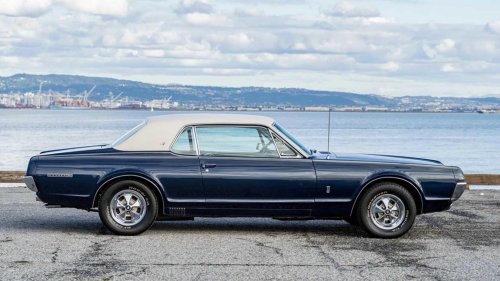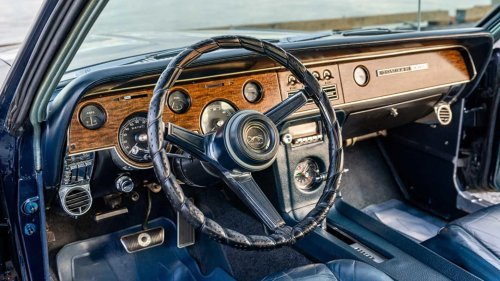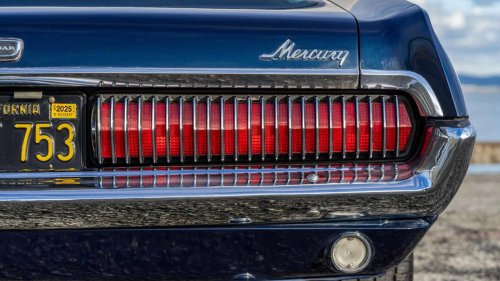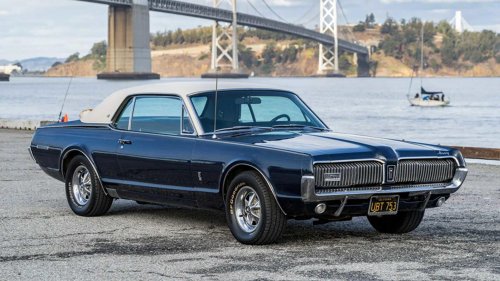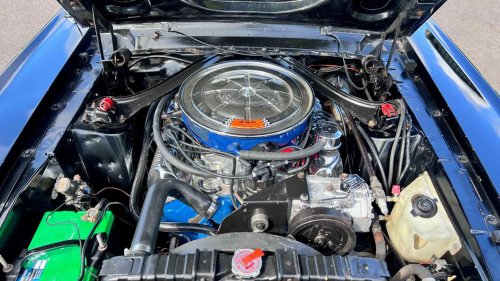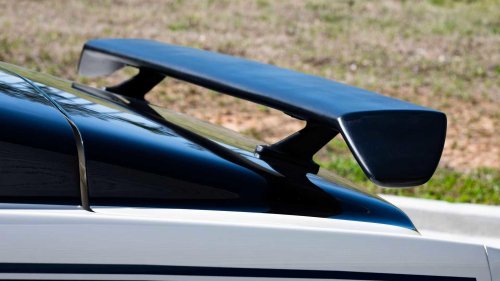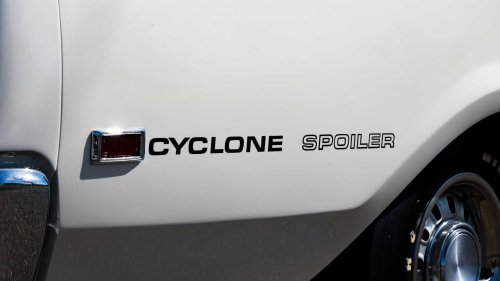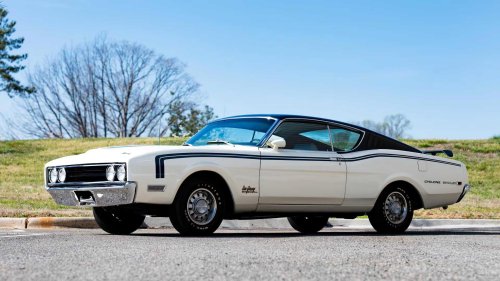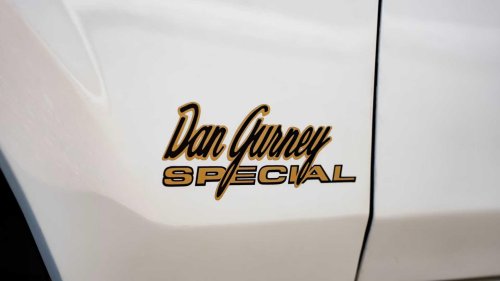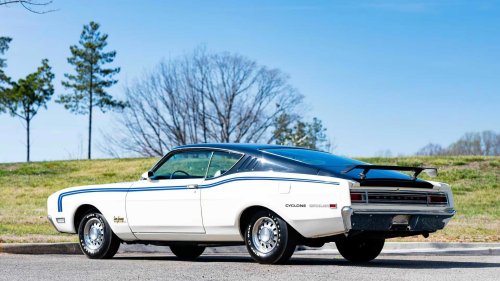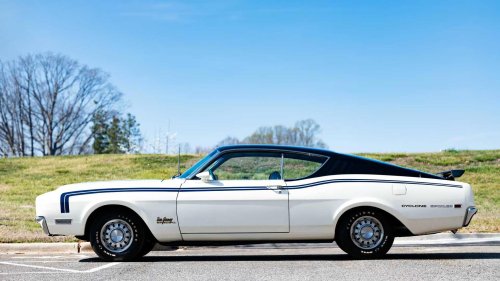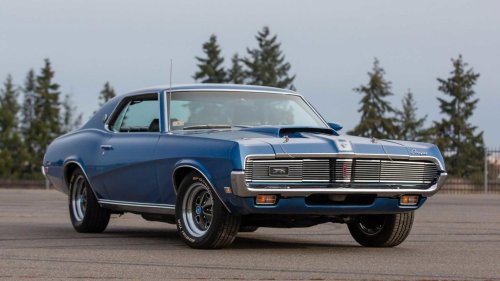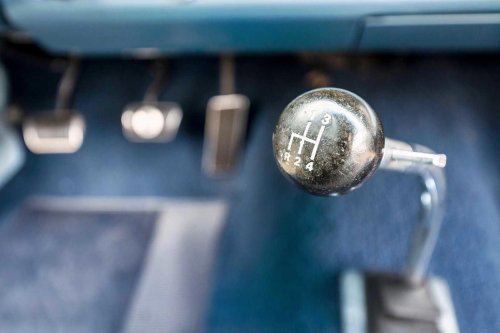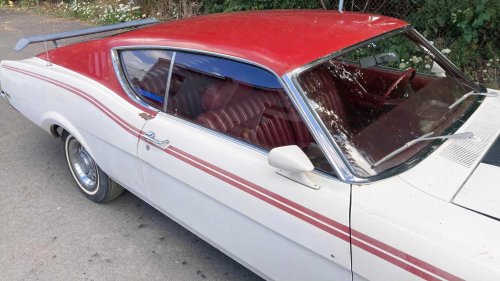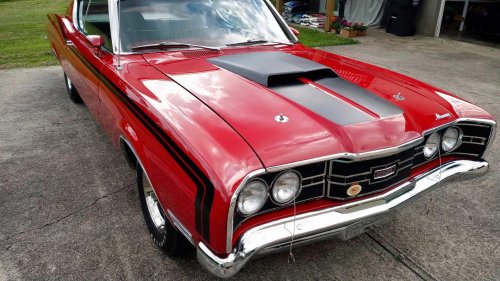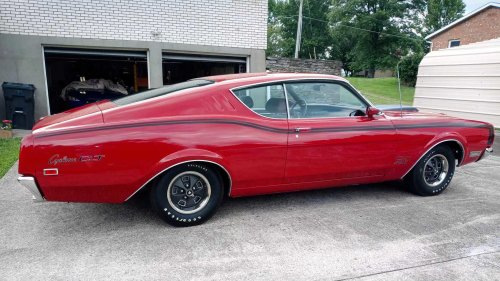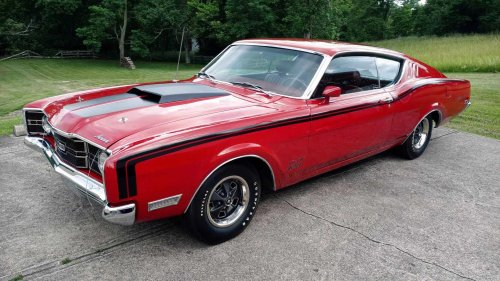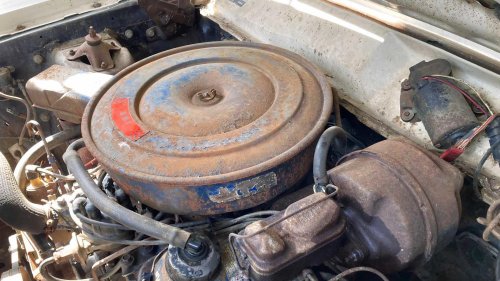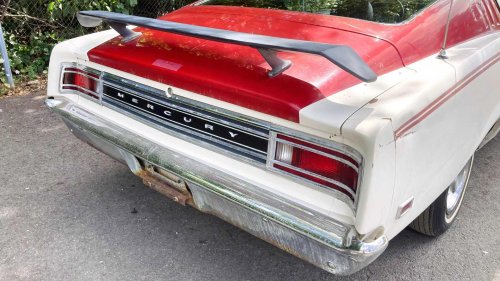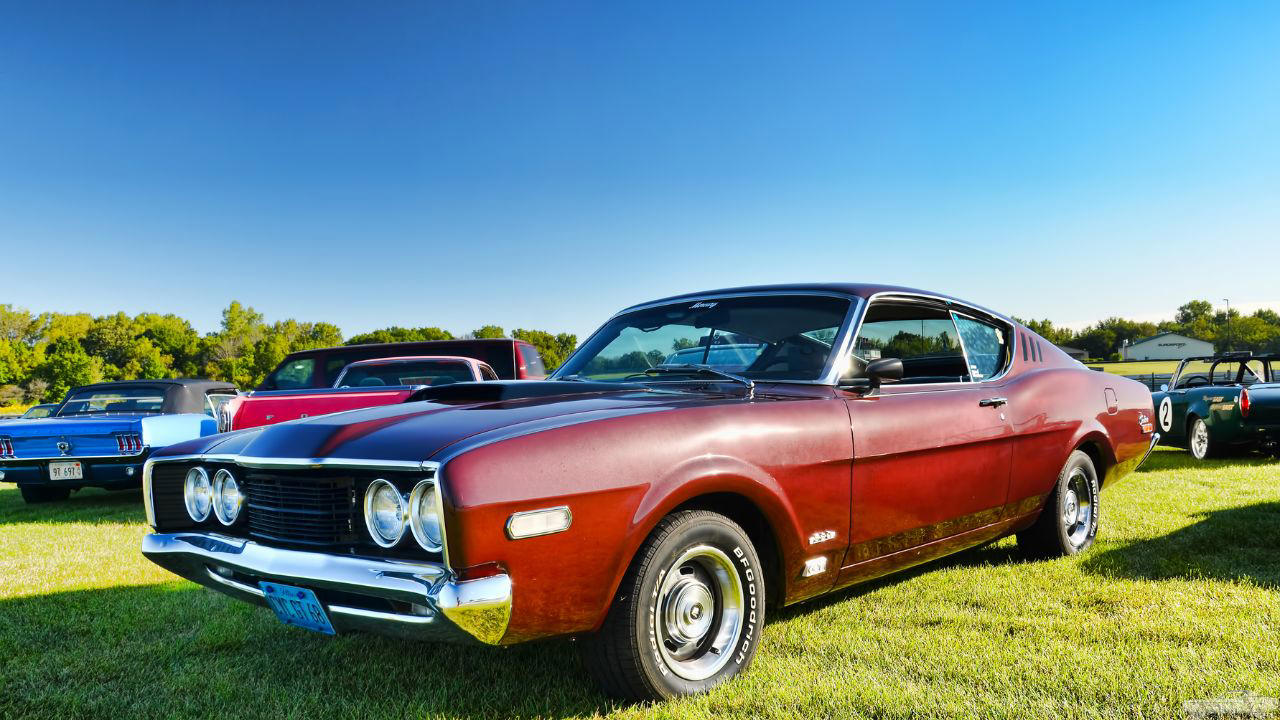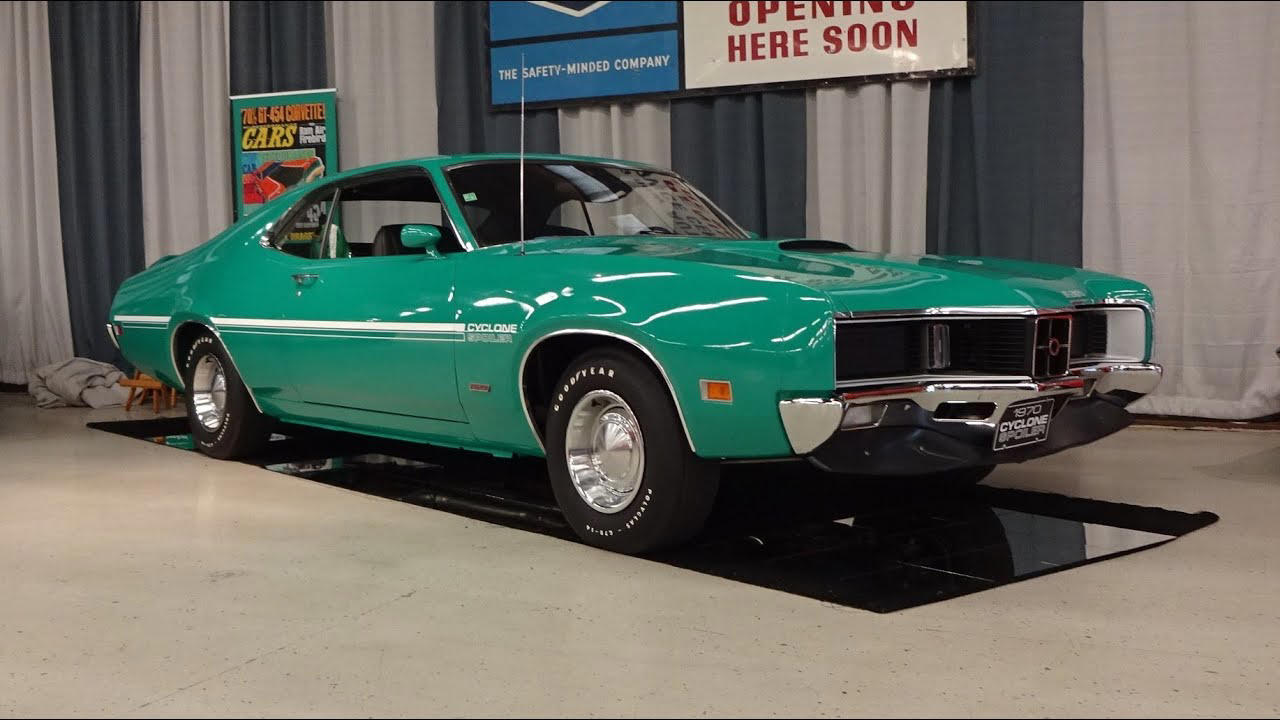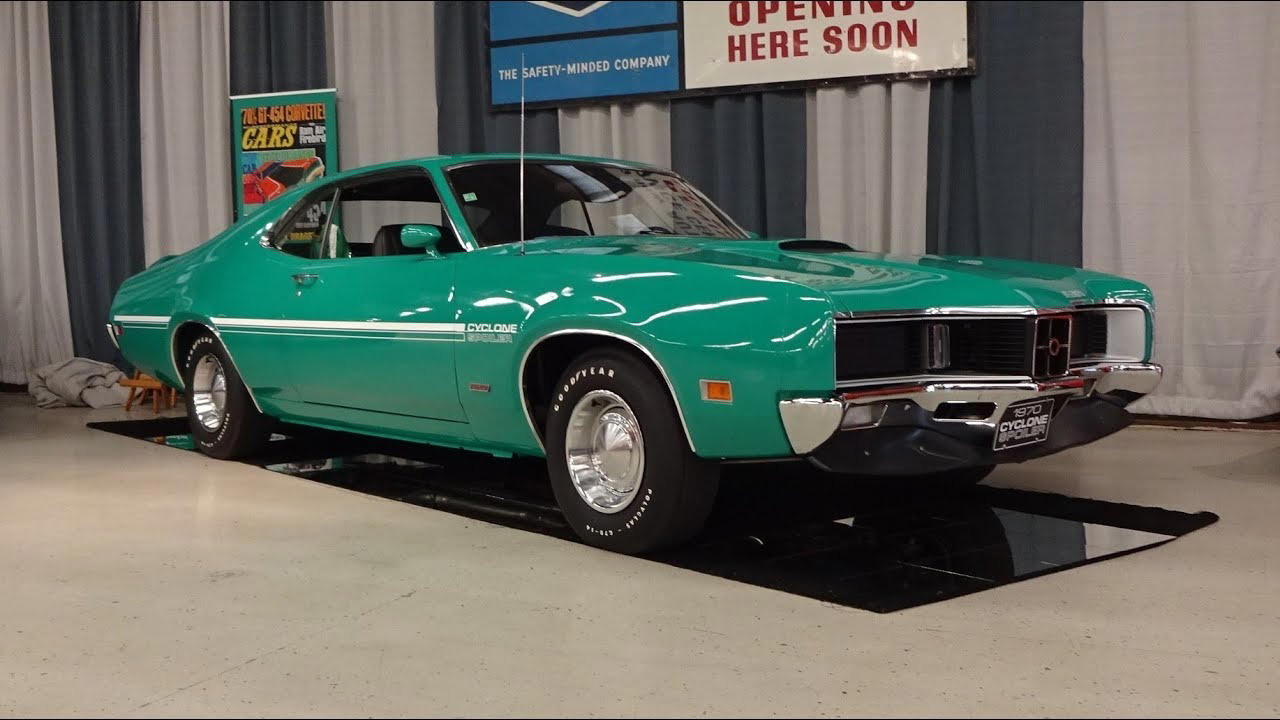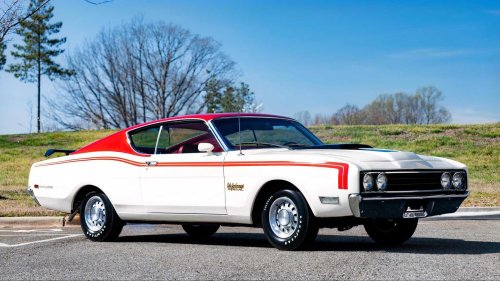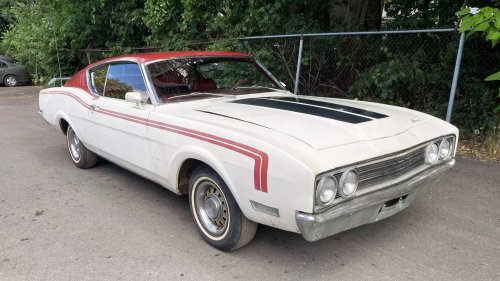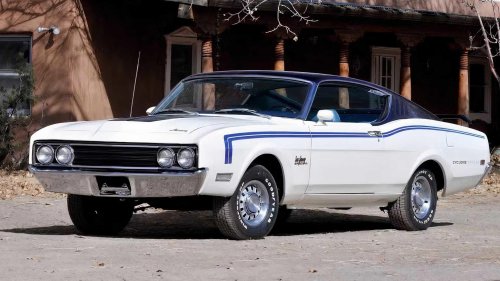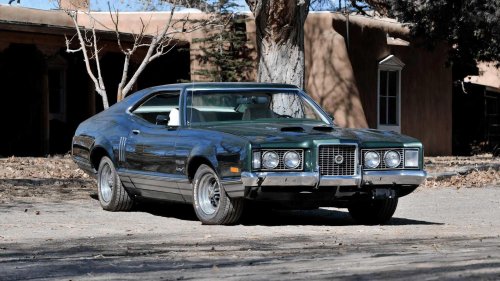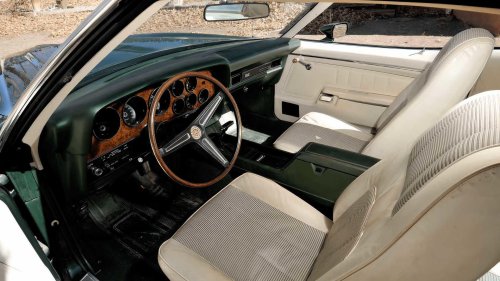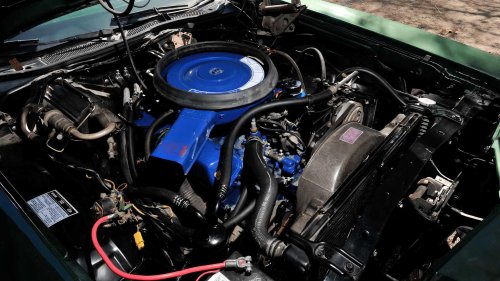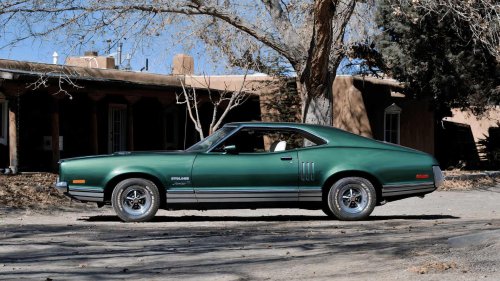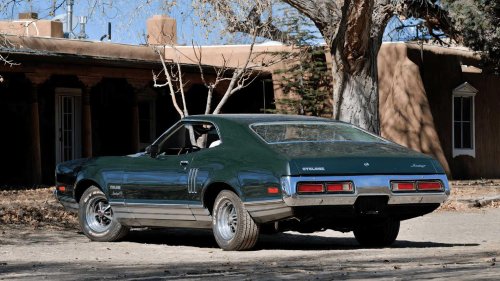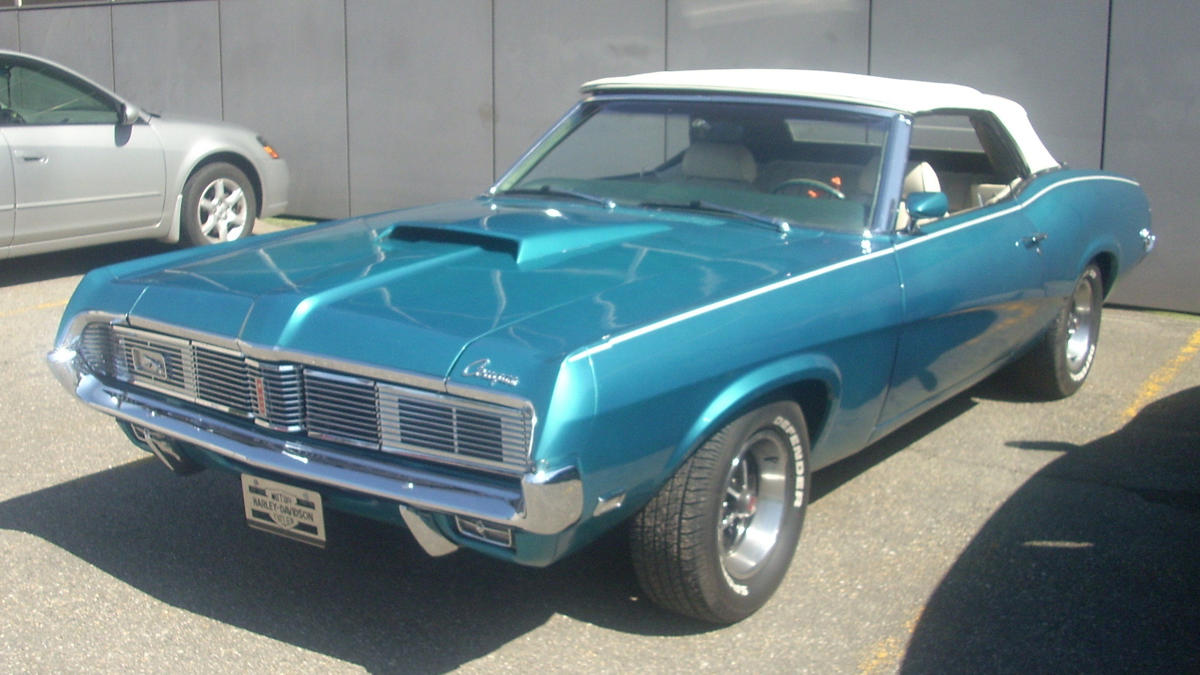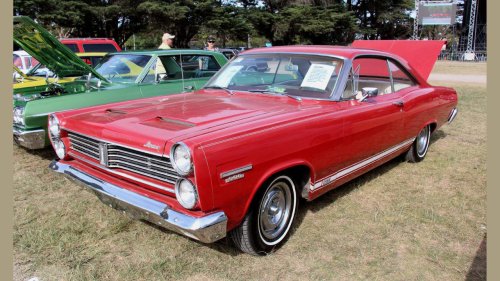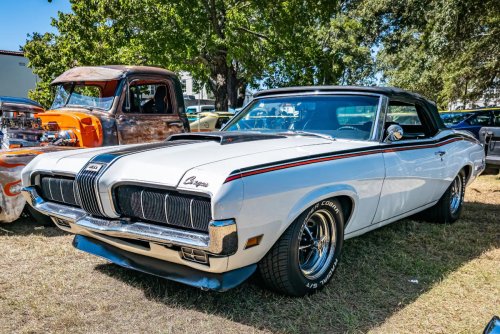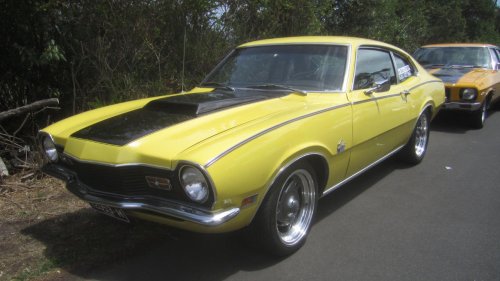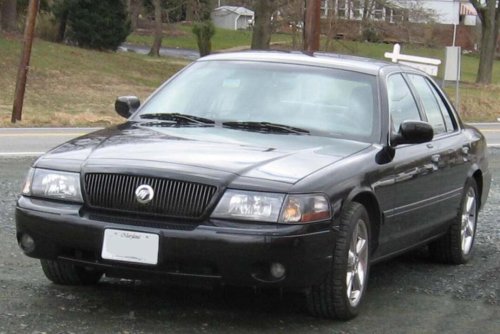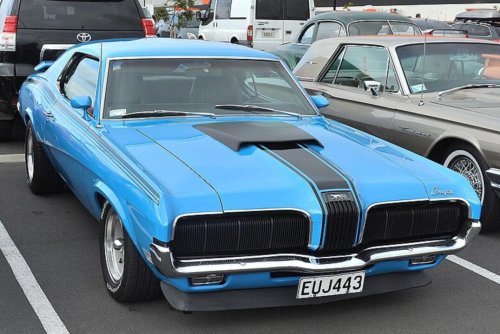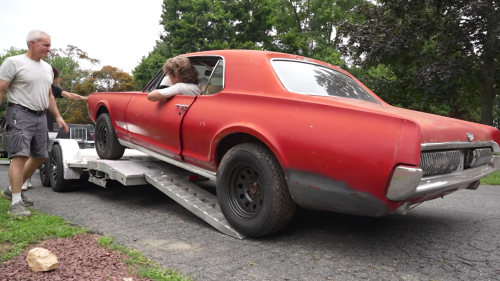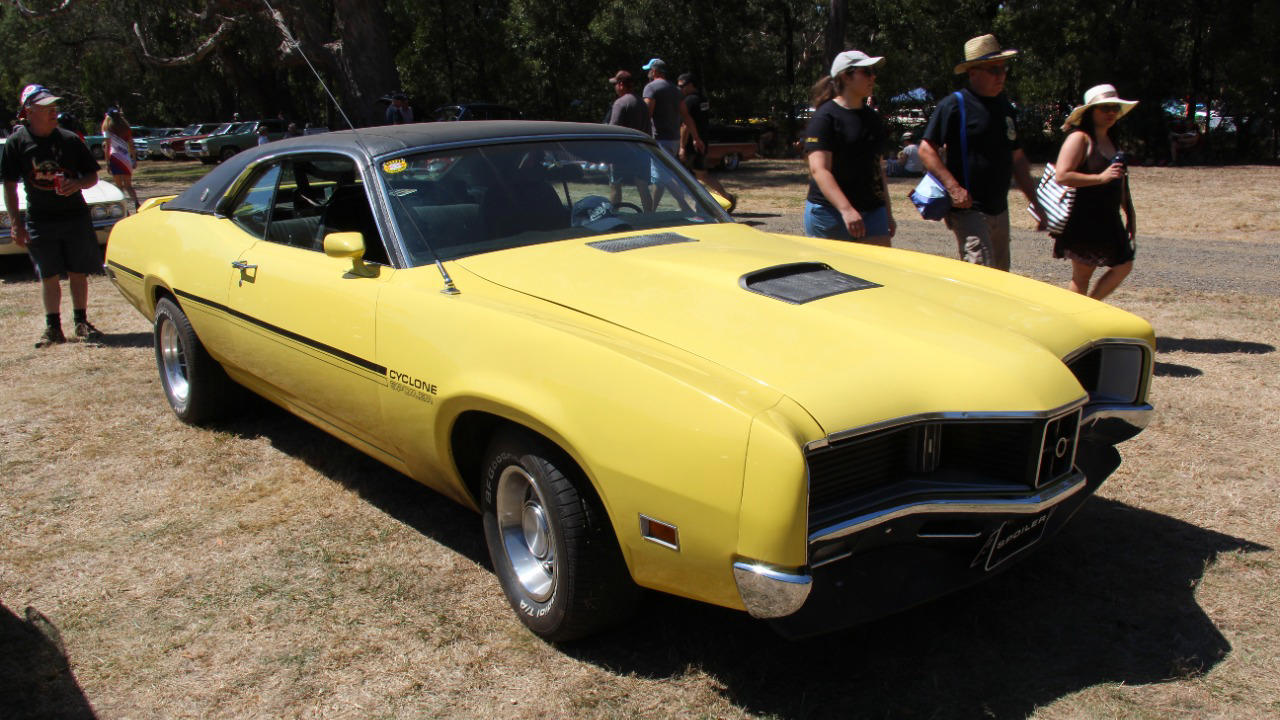



















Mercury built the Cyclone Spoiler with racing in mindMercury did not stumble into the Cyclone Spoiler nameplate by accident. The car existed because the brand wanted trophies on Sunday and showroom traffic on Monday, and it was willing to reshape sheetmetal and option sheets around the demands of stock car racing to get there. The result was a short run of aggressively focused machines that looked like muscle cars but were engineered first as tools for speedway domination. The stock car arms race that created the Spoiler By the late 1960s, high speed ovals had turned from spectacle into laboratory. Manufacturers were chasing small aerodynamic gains that could mean several miles per hour at the end of Daytona’s backstretch. Ford and Mercury were deep in that fight in NASCAR, looking for ways to beat the rising MOPAR aero specials. Unlike later eras, stock car rules still insisted that race machines remain recognizably tied to showroom models, which meant every trick that appeared on track had to be backed up by a limited run of street legal counterparts. Within that context, Mercury took its intermediate performance line and sharpened it. The Cyclone had already evolved into a serious muscle car, and the performance oriented Cyclone Spoiler package was aimed squarely at buyers who cared about quarter mile times and big block torque. From there, the company went further, creating the Mercury Cyclone Spoiler II as a special purpose version of the Mercury Cyclone, built not as a styling exercise but as a homologation tool for NASCAR competition. Mercury Cyclone Spoiler II, shaped for NASCAR The Mercury Cyclone Spoiler was engineered around air and rules. Its bodywork stretched into an extended nose that reduced drag at the front of the car, and the sides were cleaned up with flush surfaces to keep turbulent air from slowing it down on the straights. The goal was simple: deliver a version of the Cyclone that could slice through the air more efficiently than its rivals while still satisfying NASCAR’s requirement that the race car be a production based Stock Car. That focus is explicit in period descriptions that frame the 1970 Mercury Cyclone Spoiler II as a car designed with NASCAR in mind. One enthusiast summary notes that it was Built for homologation and highlights the extended nose and flush bodywork as key features of its aerodynamic design. The street buyer got a dramatic looking fastback with a long front clip, but the real customer was the race team that needed a more slippery profile at Talladega and Daytona. Color and identity were also tied to the track. Contemporary accounts describe how Cyclone Spoilers were offered in two paint schemes that carried the names of Mercury’s best NASCAR drivers. The street car thus served as a rolling tribute to the drivers who would race its shape on Sundays, a direct link between showroom and speedway that few modern performance models attempt with such literal branding. Production of the Mercury Cyclone Spoiler II was limited, in part because it existed to satisfy a rulebook rather than to fill a mass market niche. That scarcity feeds into its status today as a collectible car. The model is frequently described as a special purpose built vehicle, and collectors treat the Cyclone Spoiler II as a distinct chapter in the broader story of late 1960s aero warriors. From oval to street, the muscle car personality While the Mercury Cyclone Spoiler II carried the most overt aerodynamic surgery, the broader Cyclone Spoiler family translated that racing intent into muscle car terms. Standard equipment and options were chosen with performance minded drivers in mind. The Cyclone Spoiler was marketed as a package for those who wanted more aggression than a typical intermediate coupe, with uprated engines and visual cues that signaled its track influenced character. Later interpretations of the theme leaned even harder into brute power. A widely shared description of the 1970 Mercury Cyclone Spoiler invites enthusiasts to Imagine a car built for NASCAR, then adds the twist of being able to drive it on public roads. That same account highlights how its 429 Super Cobra Jet engine delivered a beastly level of performance and left an indelible mark on automotive history. The reference to NASCAR in that description is not casual marketing language; it reflects the heritage of the Cyclone Spoiler as a car conceived with racing in mind. Enthusiast coverage of the 1970 model year also notes that Standard in the Spoiler for 70 was the 429 Cobra Jet. Above the 360 horsepower ThunderJet 429s available in lesser Cyclones, this specification underlined that the Spoiler sat at the top of Mercury’s performance hierarchy. The brand was not content to let the aerodynamic bodywork carry the story; it backed up the racetrack silhouette with engines and driveline components that could handle serious speed. That focus on big block power continued into the early 1970s. A later Mercury Cyclone Spoiler 429-CJ is described as a true muscle car, featuring the iconic 429-CJ engine. That version is portrayed as rare and highly sought after, with its combination of power and distinctive styling turning it into a prize among collectors and enthusiasts. The throughline remains constant: a car born from racing rules that matured into one of the more serious muscle offerings of its era. Aero tricks and forgotten glory Contemporary retrospectives often describe Mercury’s aero cars as forgotten compared with the better known competitors from other brands. One analysis of NASCAR inspired aerodynamics points out that back in the late 1960s, stock car racing had captured the public imagination, but that some of the most radical homologation cars faded from mainstream awareness once rule changes and new models arrived. The Mercury Cyclone Spoiler II sits squarely in that category, a machine that was cutting edge for a brief window and then largely overshadowed in popular memory. On track, the goal was to keep up with or outrun rivals like the Ford Torino Talladega and the aero specials from Dod branded competitors. Video features that revisit the period describe how the Mercury Cyclone Spoiler represented a bold response to performance heavyweights like Ford’s own Torino Tallaladega and Dod entries. The Cyclone Spoiler II shared that mission but approached it with Mercury specific styling cues and a distinct identity, reinforcing the idea that the brand wanted its own hero car rather than a simple clone of Ford’s efforts. Fans of the period also emphasize the raw speed that these cars could generate when used as intended. In a feature centered on Michael Callahan’s 1969 Mercury, the host promises a story about a guy in a car going really really really fast, setting the stage for a discussion of how a well prepared Cyclone can still deliver serious pace decades after its debut. That narrative, captured in a Mar episode, reinforces the idea that these machines were not just styling exercises but genuinely rapid when tuned and driven with intent. Homologation, identity and collectibility Homologation specials occupy a unique place in automotive culture. They are built in small numbers because the rulebook demands it, then they often disappear from mainstream sales brochures once the racing advantage fades. The Mercury Cyclone Spoiler II fits that pattern exactly. It was a special purpose built vehicle, created as a version of the Mercury Cyclone that would satisfy NASCAR requirements while giving Mercury teams a more competitive shape on high speed ovals. Today, that origin story feeds directly into its value among enthusiasts. The Cyclone Spoiler II is widely regarded as a collectible car, with interest driven by its rarity, its direct link to a specific era of NASCAR, and the visual drama of its extended nose and flush bodywork. Collectors who focus on aero warriors see it as a necessary counterpart to more famous models from rival brands, and its connection to Mercury’s own racing program gives it an identity separate from Ford badged machinery. Broader Cyclone Spoiler variants share some of that appeal. The 1970 Mercury Cyclone Spoiler is often discussed as a car that was available in only a limited palette of colors, with enthusiasts pointing out that the 429 Super Cobra Jet version was particularly exclusive. One account notes that the 429 Super Cobra Jet configuration was often ordered by buyers who knew exactly what they wanted, namely a car that captured the spirit of speed and power. That combination of purposeful specification and low production makes surviving examples especially desirable. Even the way these cars are remembered online reflects their specialist status. Discussions around the Mercury Cyclone Spoiler II often link back to Wikipedia entries and enthusiast fact sheets, indicating that much of the detailed knowledge is preserved in community driven archives rather than in mainstream promotional material. Additional references in other languages, such as a Hebrew entry and a Japanese reference to related aero models, show that interest in these cars crosses borders even if production was limited to North America. Digital afterlife and enthusiast culture Modern enthusiasm for the Cyclone Spoiler family plays out across social platforms and video channels. Clips that invite viewers to Imagine a car built for NASCAR, then show a Mercury Cyclone Spoiler pulling away with a Super Cobra Jet soundtrack, circulate on Instagram and other Meta owned services. Those posts sit within a broader ecosystem of content supported by tools described on Instagram docs and company information on Meta, which help creators share detailed looks at rare muscle cars with global audiences. Discussion groups on Facebook bring together owners and model builders who trade photographs and specifications of the Mercury Cyclone Spoiler II, while short videos on newer platforms like Threads and longer features on YouTube keep the story of these cars in circulation for younger fans. The fact that a single enthusiast group can summarize the 1970 Mercury Cyclone Spoiler II as designed with NASCAR in mind and Built for homologation, then have that description shared widely, shows how digital communities have taken over the role of preserving and explaining niche performance history. Official and semi official data repositories also contribute to that afterlife. Entries on Wikidata tie together references to the Mercury Cyclone Spoiler II across multiple language editions of Wikipedia, while a Russian language page on the same model provides another layer of documentation. These cross linked resources help ensure that the details of production, specification and racing context remain accessible even as the cars themselves become rarer and more valuable. Viewed from the present, the Mercury Cyclone Spoiler story is less about nostalgia and more about intent. Every major variant, from the aero focused Spoiler II to the 429-CJ equipped street bruisers, exists because Mercury wanted to win in NASCAR and saw racing as a path to performance credibility. The brand reshaped its Cyclone line around that goal, and the surviving cars now serve as tangible evidence of a moment when stock car rules shaped what appeared in showrooms. For collectors and fans, that direct connection between race and road is what makes the Cyclone Spoiler worth seeking out and preserving. More from Fast Lane Only Unboxing the WWII Jeep in a Crate 15 rare Chevys collectors are quietly buying 10 underrated V8s still worth hunting down Police notice this before you even roll window down