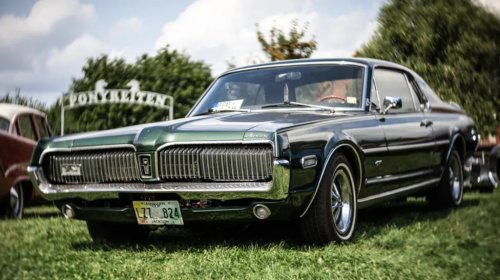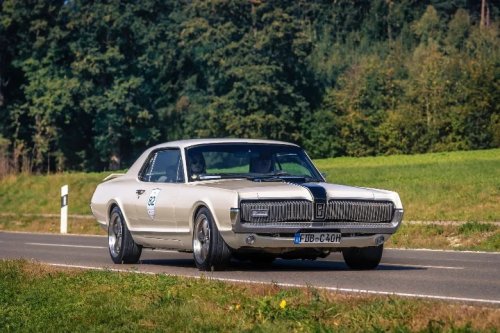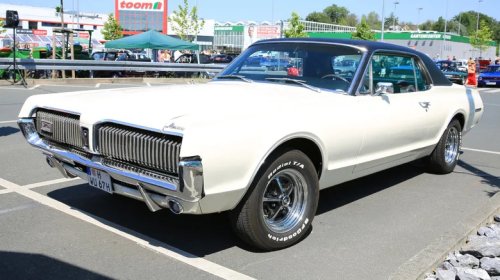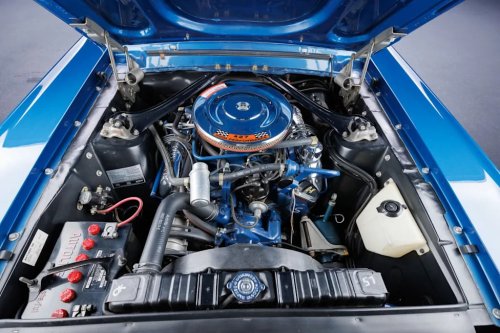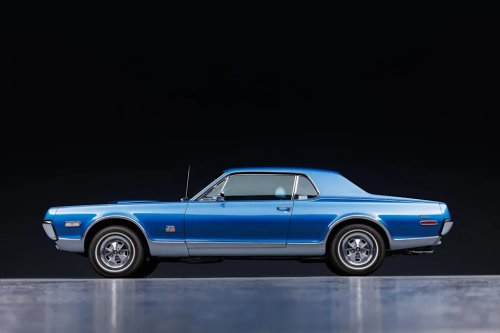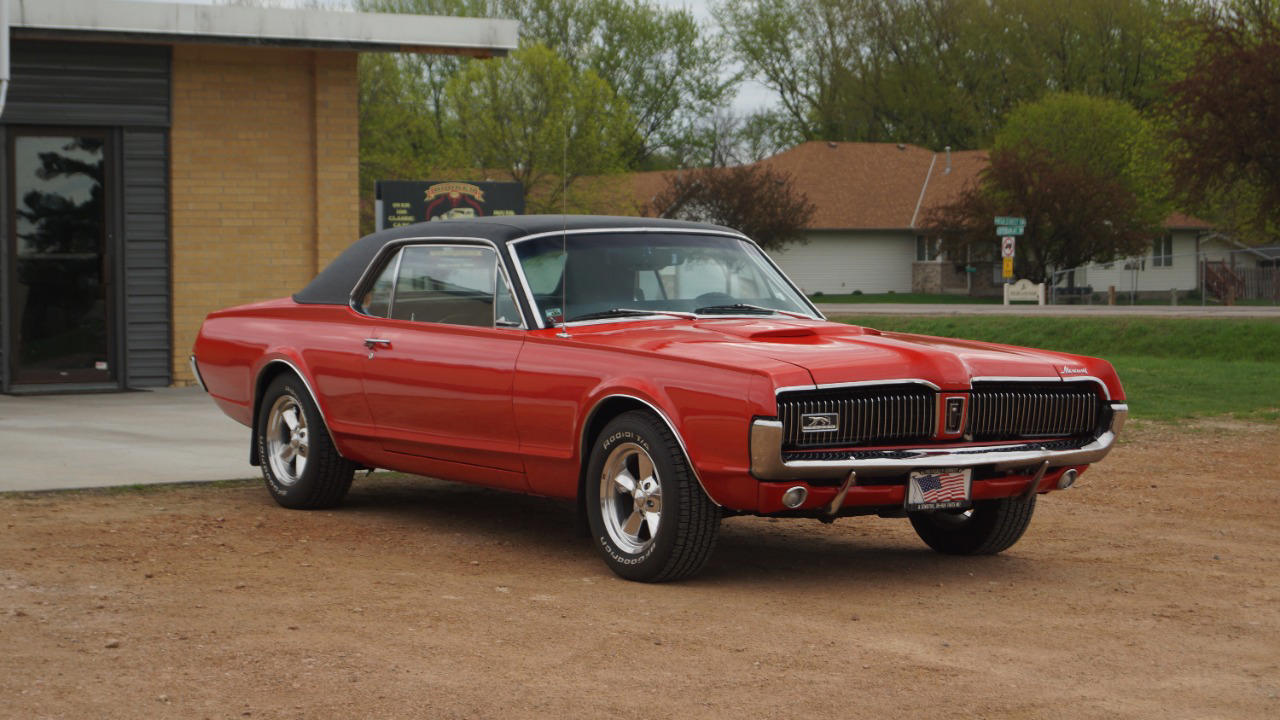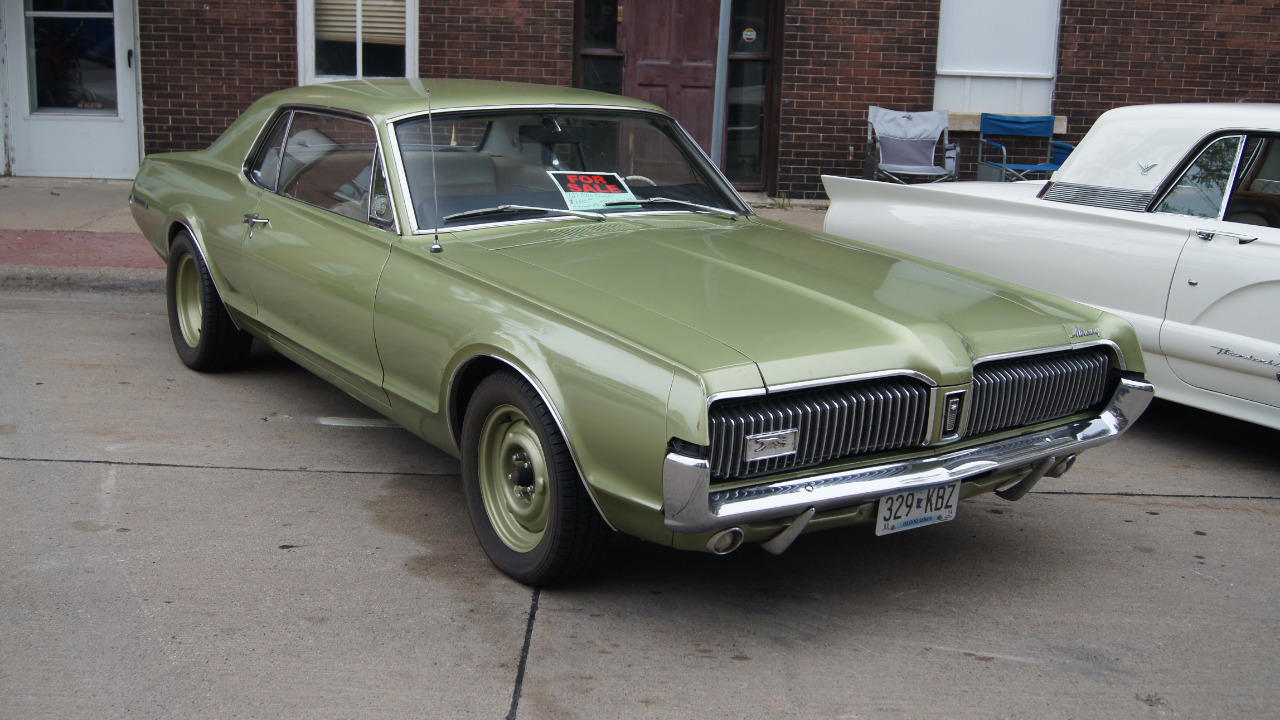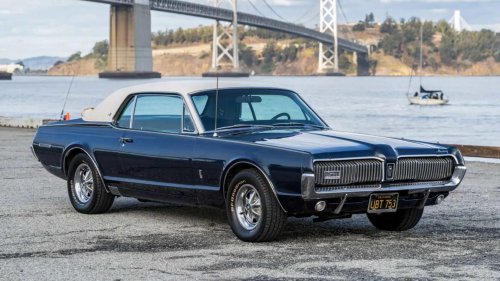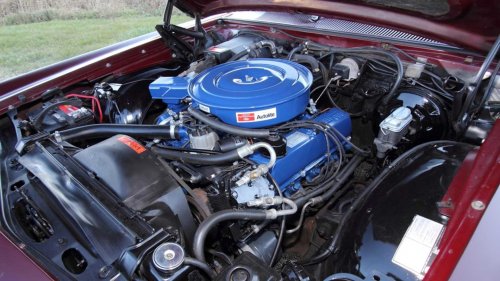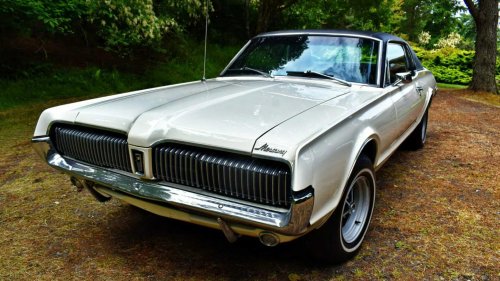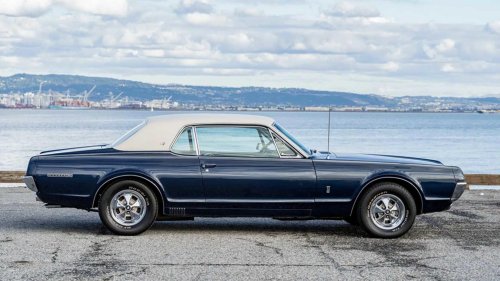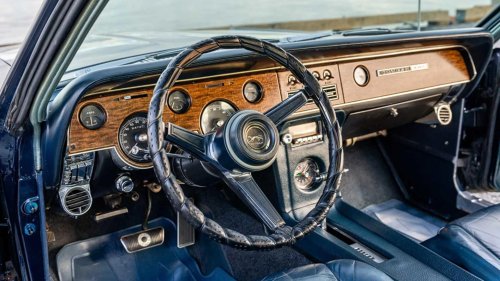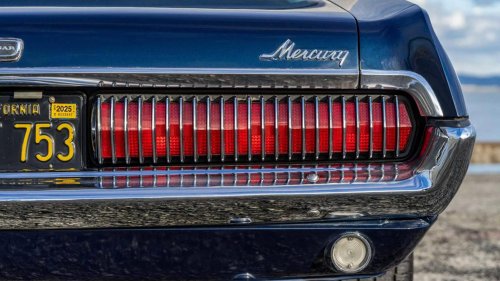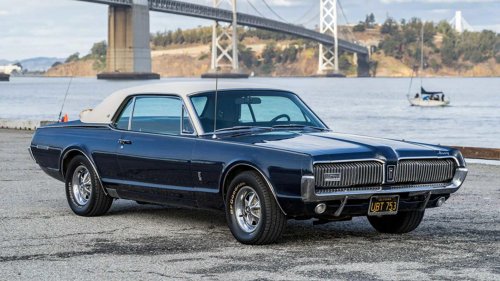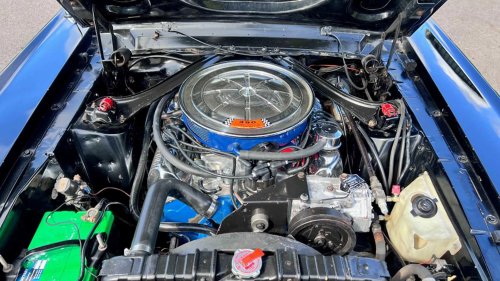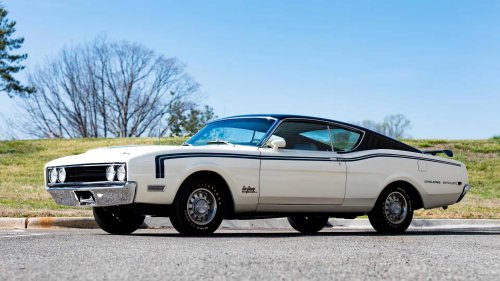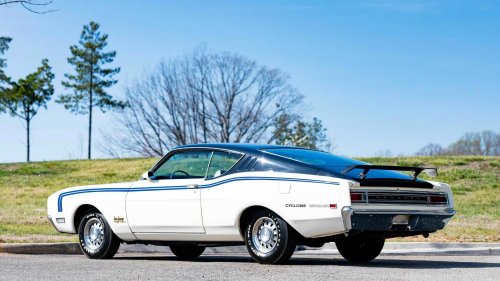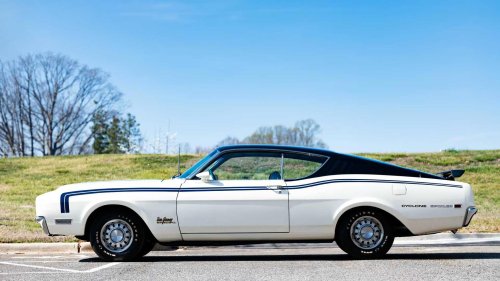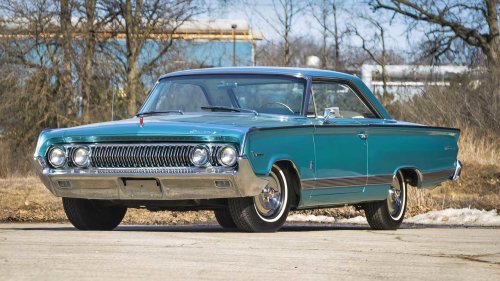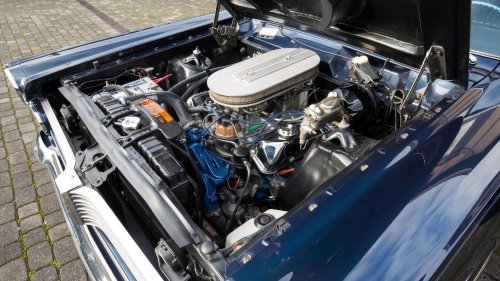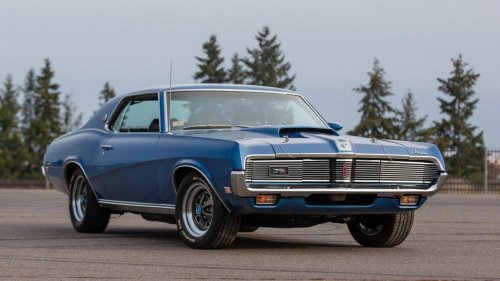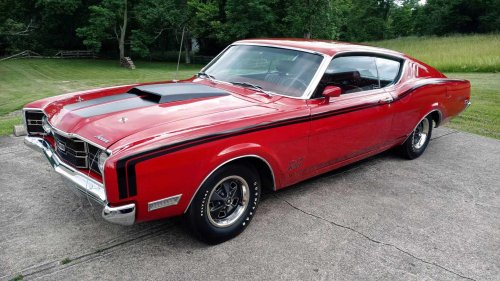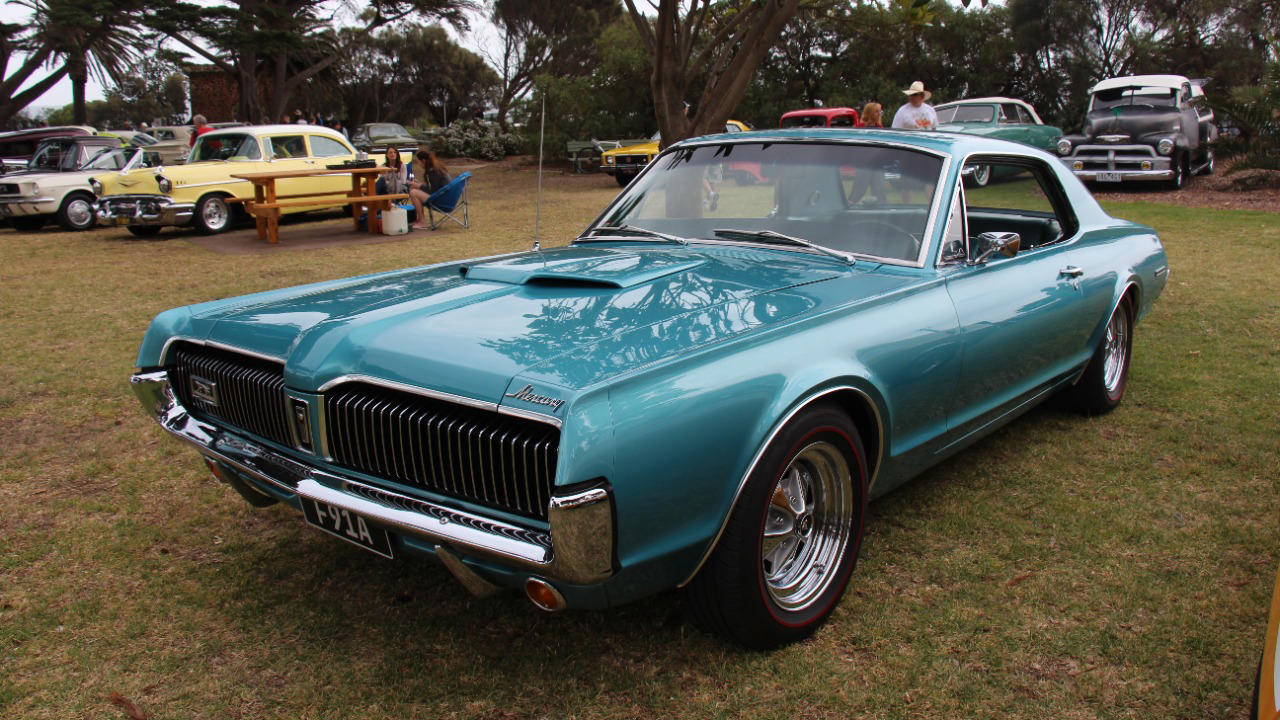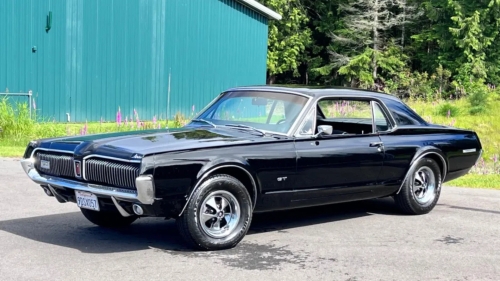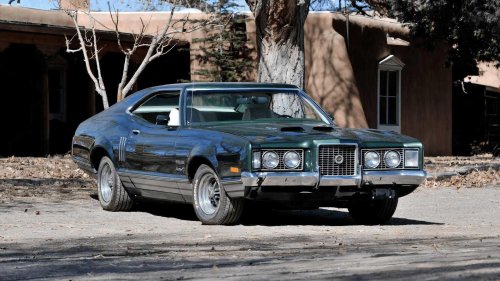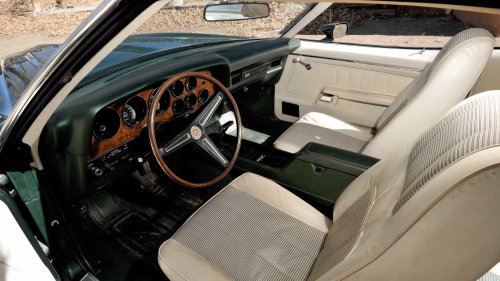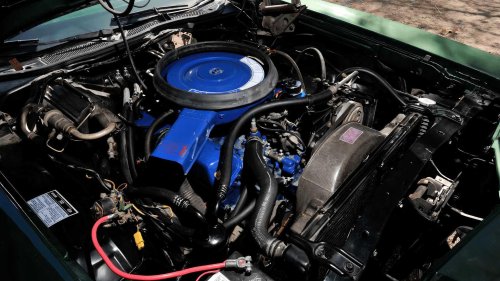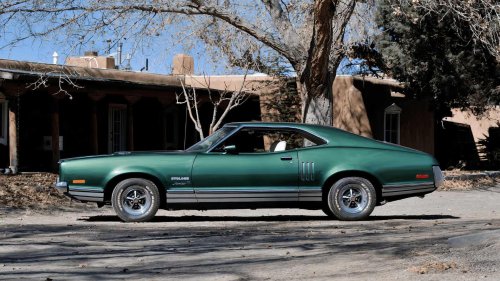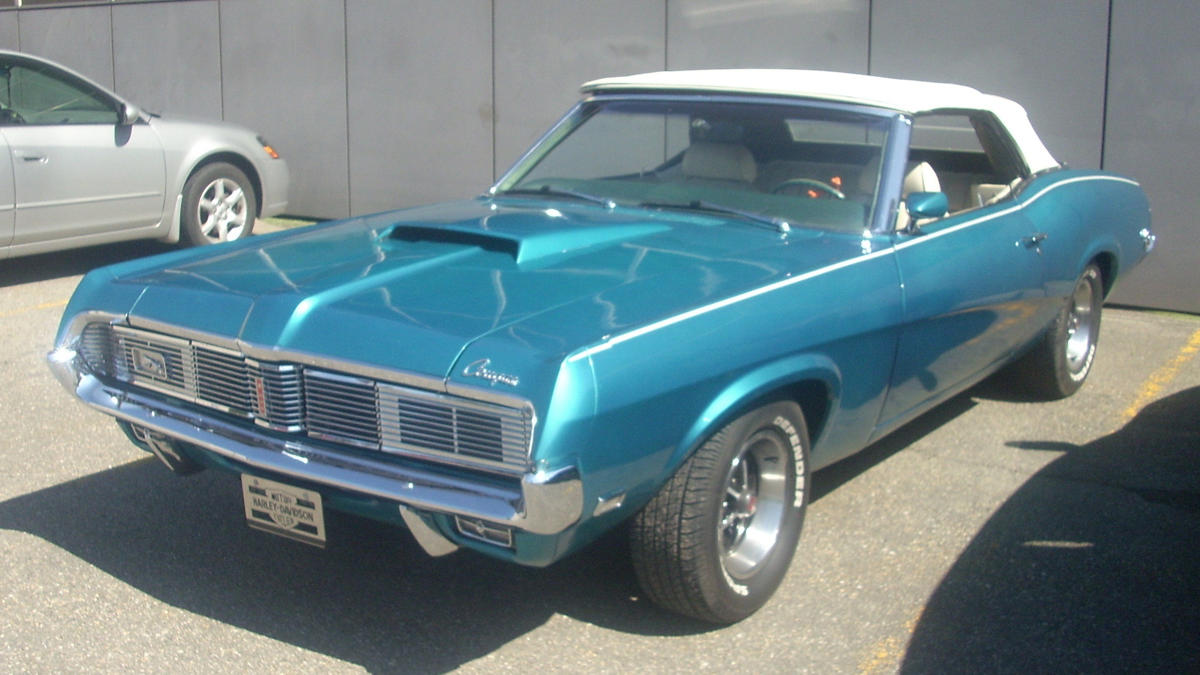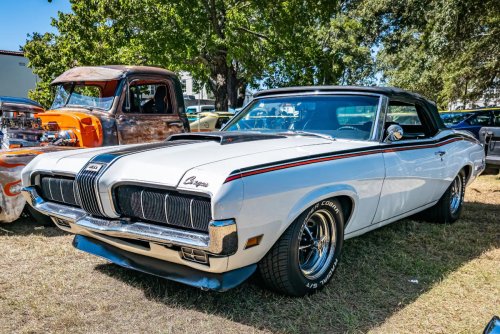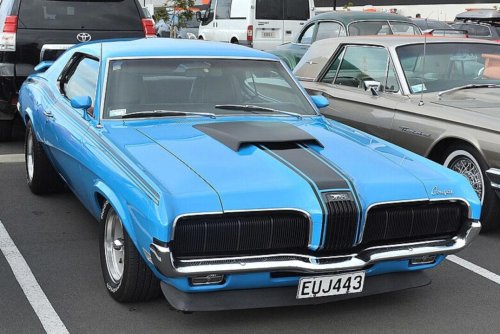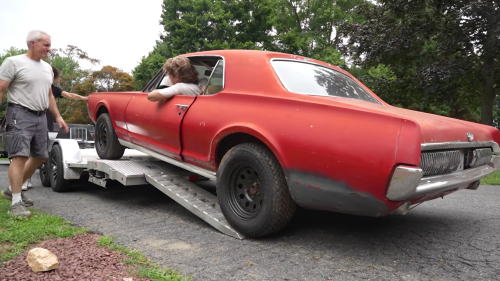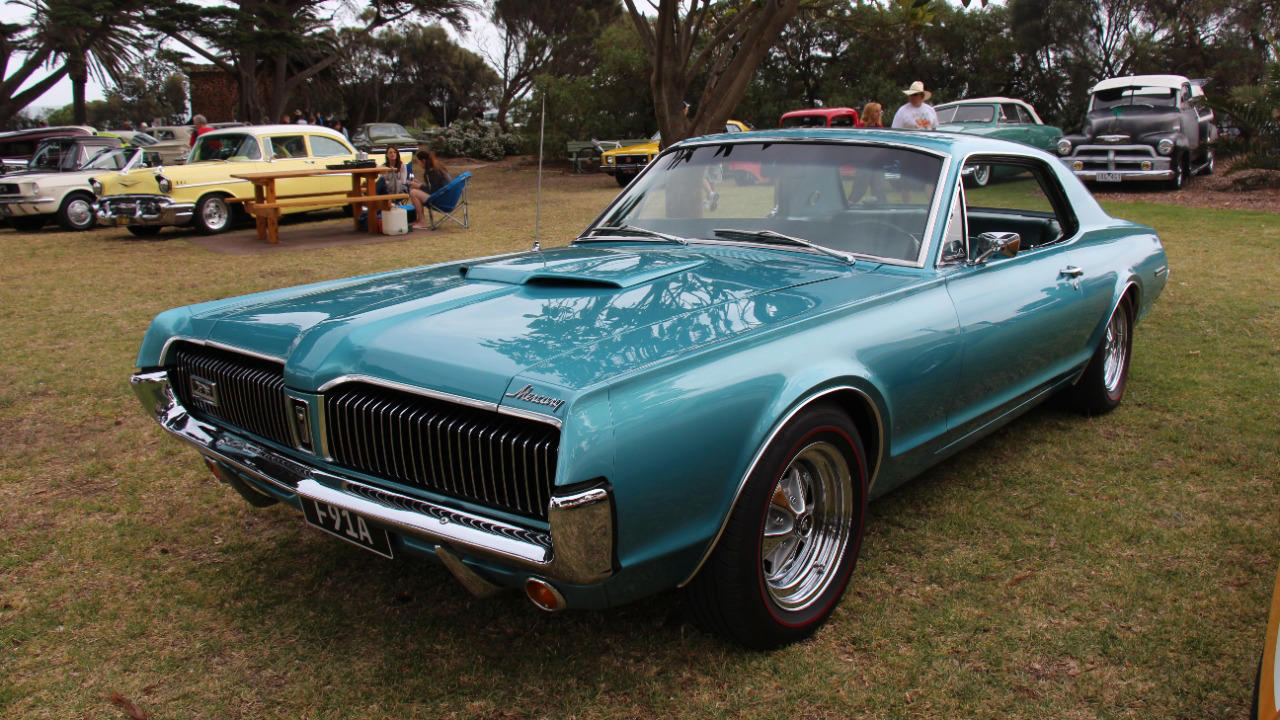



















Refinement met V8 muscle in the 1967 Mercury Cougar GT and it workedThe 1967 Mercury Cougar GT arrived at a moment when Detroit was obsessed with quarter-mile times, yet it dared to mix muscle with manners. With big-block V8 power wrapped in a longer, sleeker body and trimmed in luxury details, it proved that refinement and raw performance did not have to be opposites. The result was a car that carved out its own identity in the pony-car segment and still feels distinctive decades later. The “luxury sports car” idea When the Cougar appeared, Mercury and Ford were looking for a way to stretch the success of the Ford Mustang without simply cloning it. The new model was Designed to compete, but it was positioned as something more upscale, described as America’s first luxury sports car. That meant a longer wheelbase, a more formal roofline and a cabin that leaned into comfort and style rather than bare-bones sportiness. Period marketing slotted the Cougar between the Ford Mustang and the Ford Thunderbird, giving Mercury a personal coupe that felt more grown-up than the Mustang but less grand than the Thunderbird. A later retrospective on the model’s history notes that the Cougar was Slotted, which captured that middle ground perfectly. Buyers were offered the image of a “gentleman’s” performance car, with enough power to play yet enough polish to wear a suit. Not just a rebadged Mustang Under the skin, the Cougar shared basic architecture with the Mustang, but Mercury worked hard to make sure it did not look or feel like a simple badge job. A long hood, short deck and muscular fenders gave it classic pony-car proportions, while the front fascia was completely different, with hidden headlamps behind a full-width grille and a more vertical, almost European stance. A later overview of the model’s evolution stressed that the Cougar allowed Mercury, and that separation started with the very first model year. Inside, the car pushed further into luxury territory. One contemporary description of the 1967 Mercury Cougar notes that inside it offered simulated woodgrain, full instruments and comfortable bucket seats, turning the cockpit into something closer to a small Thunderbird than a stripped pony car. The same account highlights that the Inside Mercury Cougar treatment was central to its appeal, since buyers got real comfort along with performance options including a 390 V8 for added punch. How the GT package changed the equation The GT badge turned that refined coupe into something much more serious. The 1967 MERCURY COUGAR GT package was built around a Ford 390 cubic inch big-block V8, along with upgrades to the chassis and appearance. A detailed breakdown of the package explains that GT-spec Mercury Cougar 390ci engine and added performance hardware that moved the car firmly into muscle-car territory. Engine choices were already generous on the standard Cougar, but the GT’s 390 cubic-inch V8 with 335 horsepower sat at the top of the early range. One period-focused summary notes that 390 cubic-inch V8 horsepower was available in the GT package for drivers who wanted more power. That figure put the Cougar GT in direct conversation with contemporary big-block Mustangs and other midsize muscle machines, yet the Mercury wrapped that output in quieter styling and a more subdued cabin. Suspension and handling: more than straight-line speed The GT name did not only refer to engine size. Mercury also offered a performance handling package that sharpened the Cougar’s responses. Documentation of the 1967 and 1968 options lists stiffer front and rear springs, heavy-duty shock absorbers and a larger front anti-roll bar with a 0.84 inch diameter as part of the upgrade. The Performance handling package essentially transformed the car from a soft cruiser into something that could be driven hard on twisty roads without losing composure. That balance of ride and control mattered for the car’s image. Contemporary enthusiasts often describe the 1967 Mercury Cougar as a car built for cruising long distances in style without breaking a sweat, and a later video analysis refers to the Mercury Coug as a machine with smooth lines and quiet confidence. The GT suspension package let Mercury keep that relaxed character on the highway while tightening body control enough to satisfy drivers who actually used the 390’s torque. Luxury touches that set it apart Beyond the mechanicals, the first Cougar leaned heavily into comfort and design. A detailed interior-focused feature catalogs upscale touches such as deeply padded seats, additional sound insulation and a dashboard that looked more like a European grand tourer than a budget American coupe. Another retrospective on The Mercury Cougar notes that the model occupies a unique space in American Automotive History as a Legendary Muscle Car that did not sacrifice civility, and that Mercury Cougar Legendary positioning came directly from those early choices. The XR-7 version sharpened that focus even further. One enthusiast look back describes the 1967 Mercury Cougar XR-7 as a refined muscle car that blended performance and luxury, with a sleek, elongated body and additional interior appointments. The same account of the Mercury Cougar XR highlights how features such as unique upholstery and extra gauges reinforced the impression that this was a cut above the average pony car, especially when combined with GT mechanicals. How Mercury got here The Cougar was not an accident. Video histories of the first generation trace the idea back to early internal proposals. In one episode of a series on classic Fords, the host explains that Tony from Fords and Mustangs describes a car that Ford rejected building as early as 1962, only to revive the concept later when the Mustang’s success made a companion model attractive. That account of Tony Fords and shows that Mercury’s coupe was always intended to offer something the Mustang did not. Another long-form video history follows the model from its debut and notes that the Mercury Cougar won Motor Trend Car of the Year and competed in Trans Am racing in its early years. The same analysis of the Mercury Cougar Motor period emphasizes how strong the first impression was, both on the street and on track, and how the GT variants played into that image. Why gearheads still care about the 1967 GT Modern enthusiasts tend to see the 1967 Mercury Cougar as a sweet spot between classic style and useable performance. A feature aimed at performance fans calls it essentially a Luxury Mustang, arguing that the car delivers Mustang-grade thrills with more comfort and presence. That piece on Here Why Gearheads points to the availability of the 390 V8, the longer wheelbase and the more upscale interior as reasons it remains attractive. Collectors who focus on late sixties Fords often echo that view. In a garage tour that compares 1967 and 68 Cougars, the host notes that the best 68 examples for collectors share the same fundamental formula: muscular styling, big engines and a level of trim that feels more special than a mainstream Mustang. That video on the best 68 cars reinforces the idea that the first-generation Cougar, and especially the GT, still resonates because it feels like a more mature take on the pony-car idea. The GT in the broader Cougar story Over time, the Cougar name moved across several segments, from personal luxury coupe to compact hatchback. A later video review of a 1990s model points out that the car was Initially based on the Ford Mustang and that the Cougar evolved into a more understated, Euro-inspired personal luxury car, while the Mustang stayed a brash pony car. That analysis of the Initially Ford Mustang arc shows how flexible the badge became, but it also underlines how clear the original 1967 mission was. A separate long-view history of the model’s 35-year run argues that the Cougar’s overall styling allowed Mercury to establish its own niche and that the car was clearly not a Mustang. That perspective on the Jan Cougar Mercury relationship is especially relevant to the GT, which used shared hardware but projected a different personality. Where the Mustang leaned into youth and aggression, the Cougar GT aimed at buyers who wanted to arrive quickly without shouting about it. Details that enthusiasts obsess over For fans, part of the appeal lies in the specifics. A detailed specification sheet for the 1967 Mercury Cougar lists paint codes and interior combinations that help restorers return cars to original condition. That guide to Jul Mercury Cougar shows how many factory choices were available, from subtle Sheffie shades to brighter hues that matched the car’s performance image. Inside, an interior-focused restoration guide highlights how the dashboard layout, door panels and seat patterns contributed to the Cougar’s upscale feel. The same blog on Above This and uses auction photography to show how a well-preserved GT or XR-7 can still look surprisingly modern, with clear gauges and a cohesive design that avoids the clutter of some contemporaries. How the GT stacks up against other muscle options To understand the GT’s place in the late sixties performance hierarchy, it helps to look at what else was available. A summary of Mustang GT options from the same era notes that the standard GT package came with a 289 cubic inch V8, while optional upgrades included a 390 cubic inch engine that delivered impressive horsepower and torque. That comparison of the 289 390 choices shows that Mercury was working with the same basic powerplants, yet the Cougar GT wrapped them in a more restrained package. Later Cougars would also offer serious power, including engines as large as 351 cubic inches and the 428 Cobra Jet in 1969. A feature on a highly modified 1969 convertible notes that Power options included a range of engines from a base 351 to a 428 Cobra Jet, along with a performance package that added upgraded suspension and tires. That description of Power Cobra Jet shows that the GT concept continued to evolve, but the 1967 car set the tone. Why the first-year GT still feels special Enthusiast channels that focus on the Cougar’s full history often return to the first generation as the purest expression of the idea. One long video that traces the model from its debut describes how the early cars combined Trans Am racing credibility with Motor Trend awards and real showroom appeal. The same production on Mercury Cougar story points out that the later shift toward softer personal luxury and then compact hatchbacks made the original formula look even sharper in hindsight. Another deep dive into the 1967 model year characterizes the car as a cruiser for long distances, with smooth lines and a quiet demeanor that hid serious performance potential. That piece on the Mercury Coug emphasizes that the GT package did not undermine the car’s refinement. Instead, it amplified the sense that this was a machine for drivers who wanted to cover ground quickly, comfortably and with a bit of understatement. More from Fast Lane Only Unboxing the WWII Jeep in a Crate 15 rare Chevys collectors are quietly buying 10 underrated V8s still worth hunting down Police notice this before you even roll window down