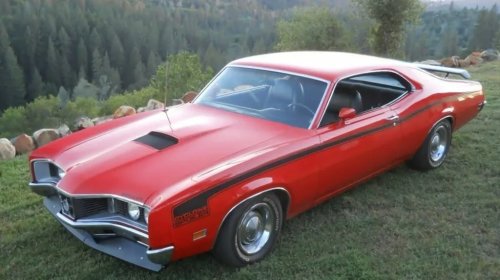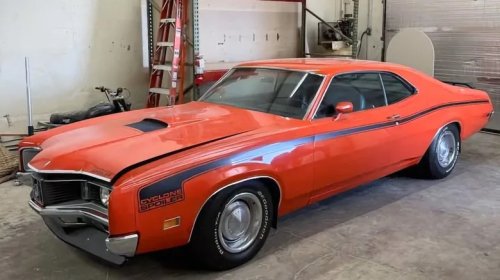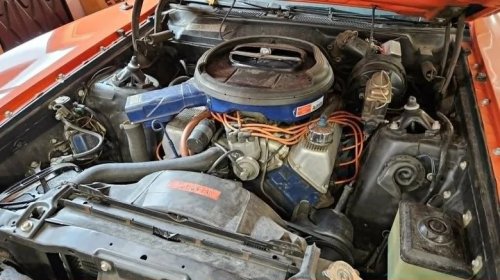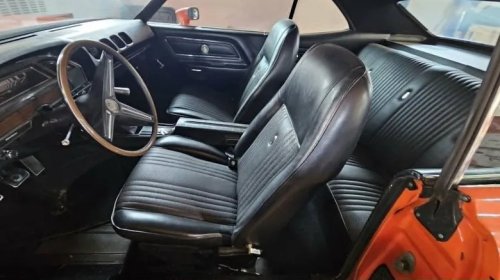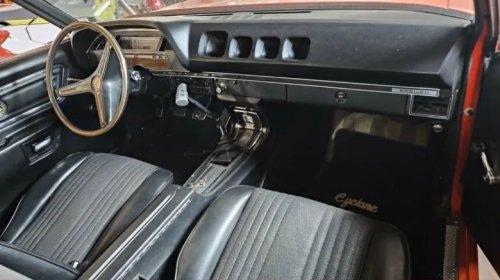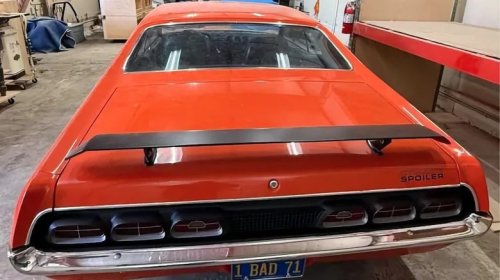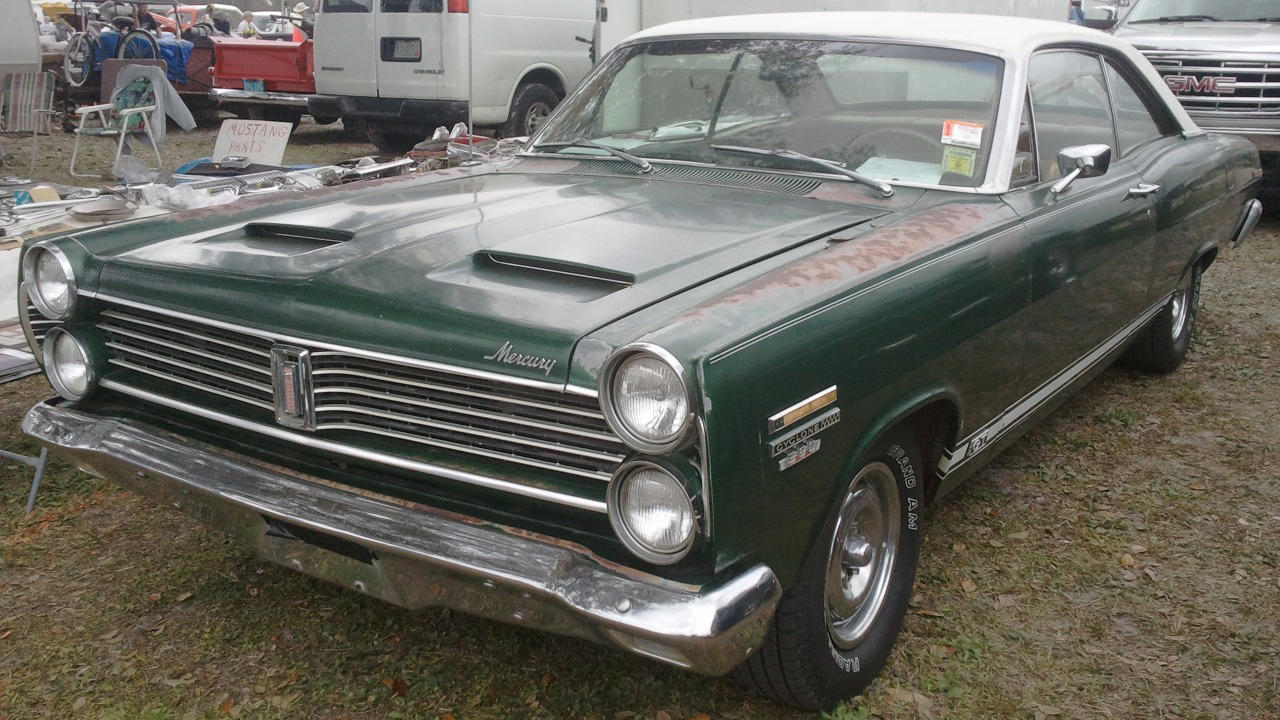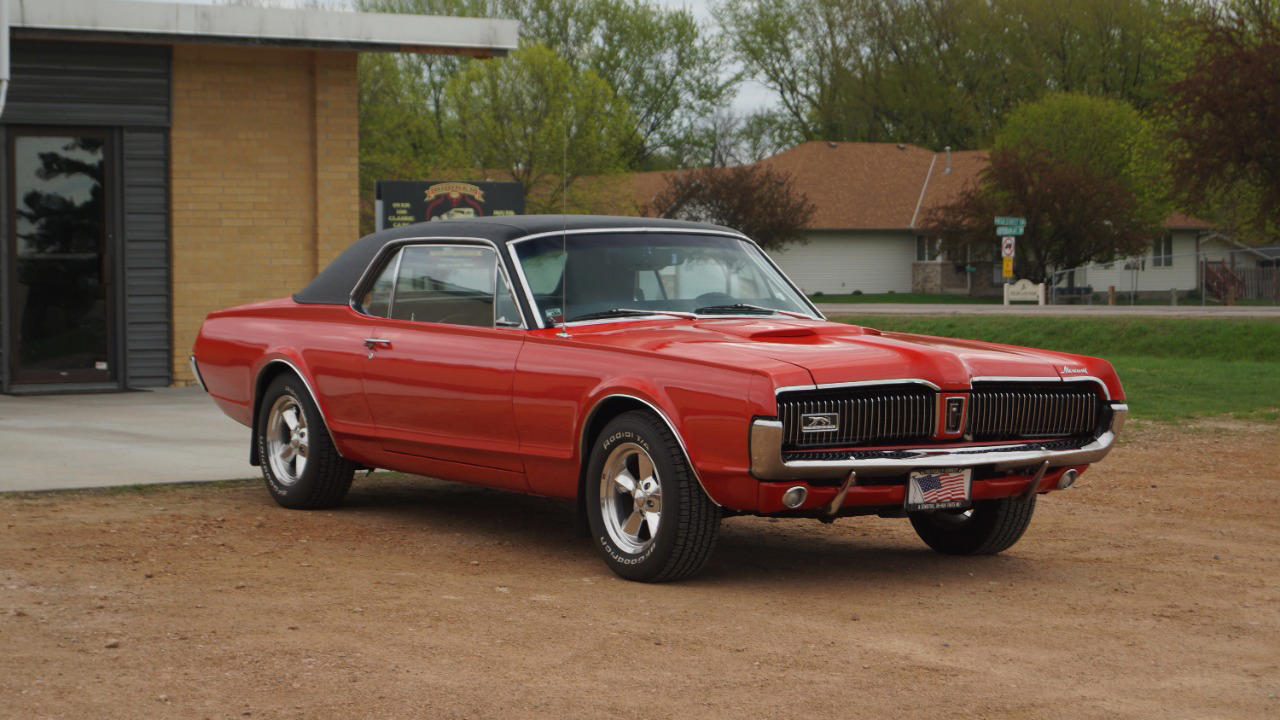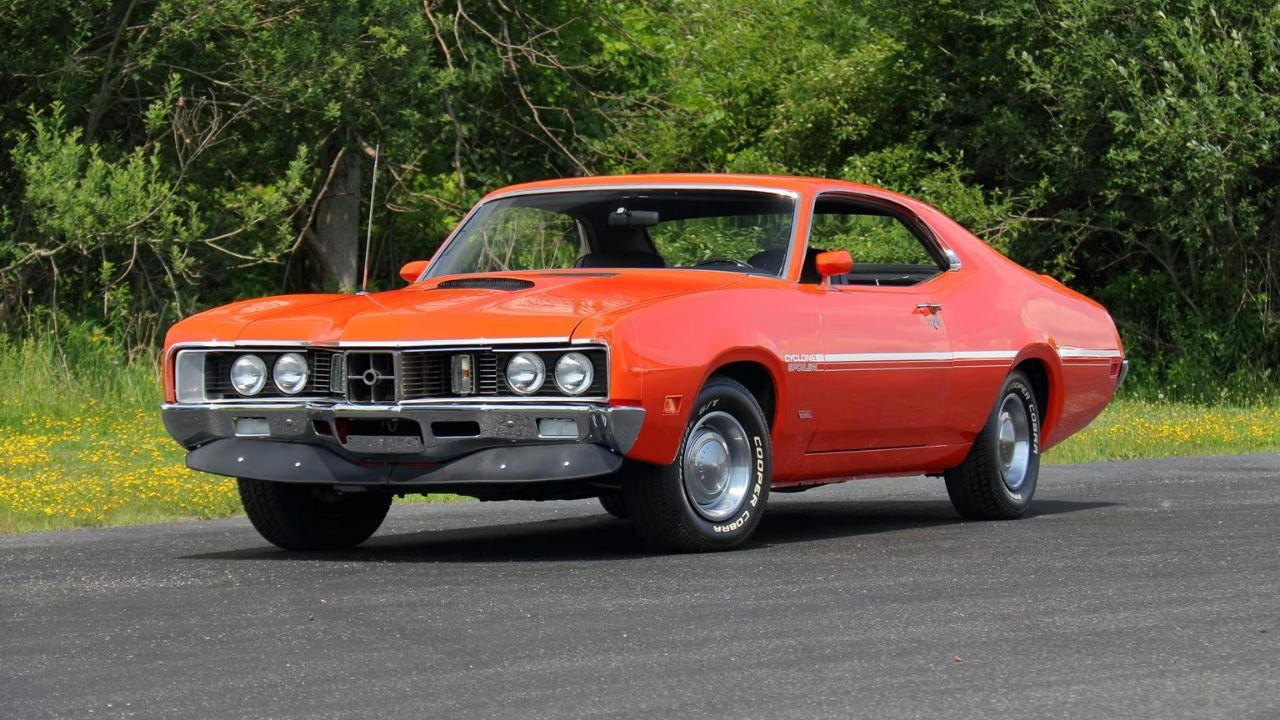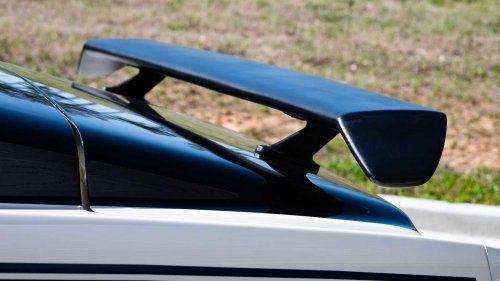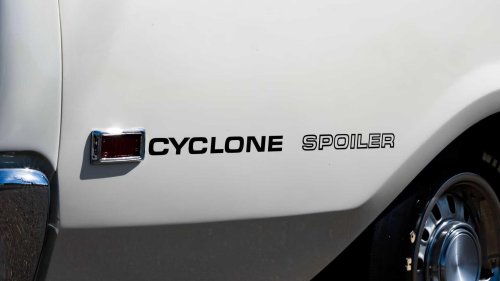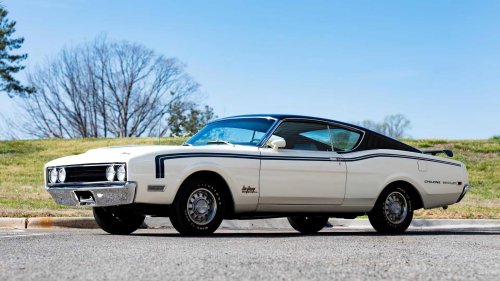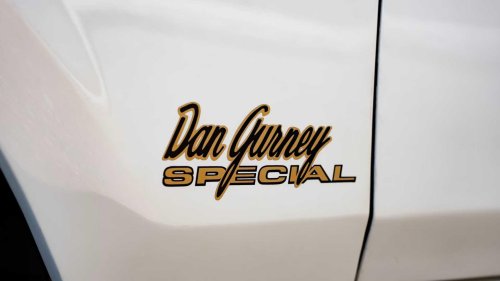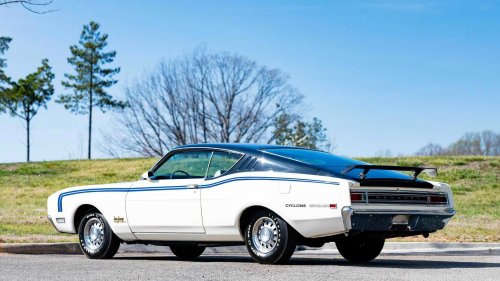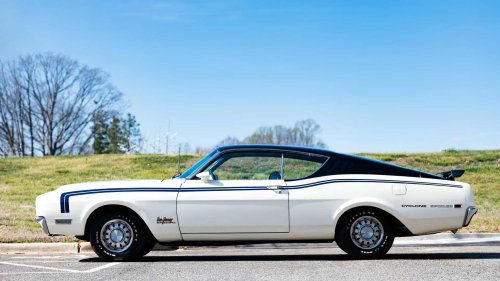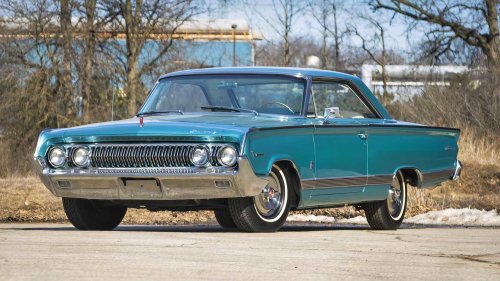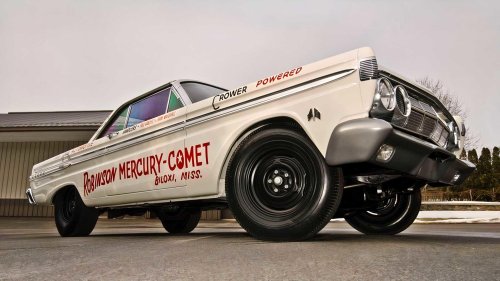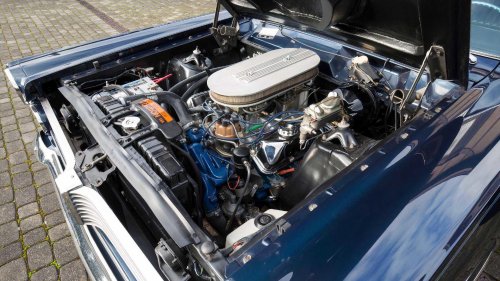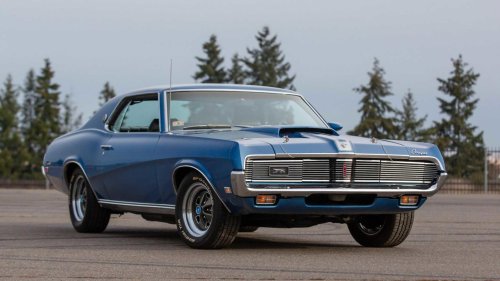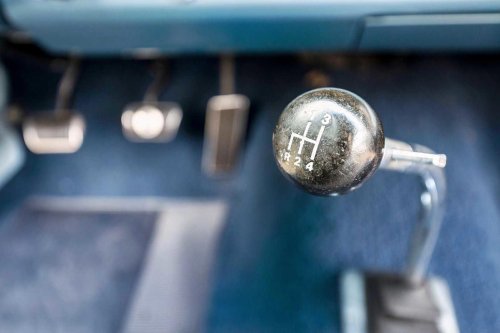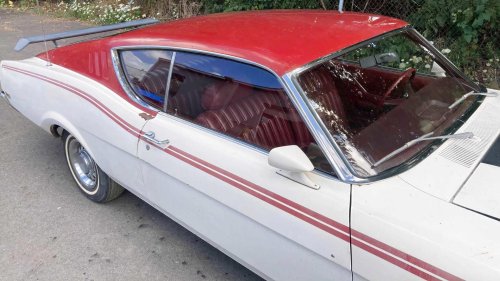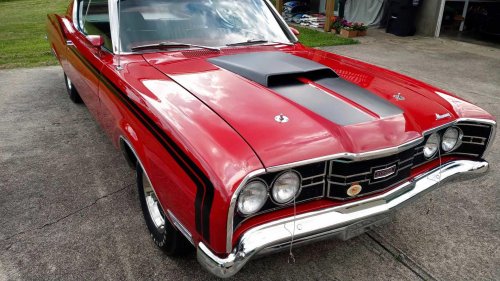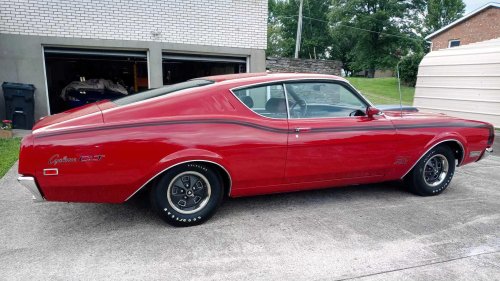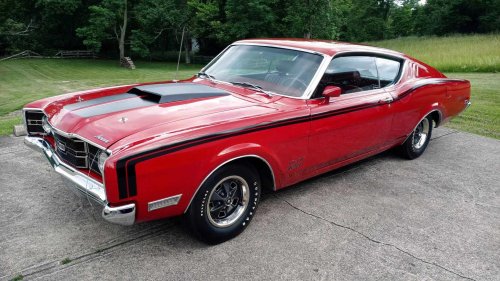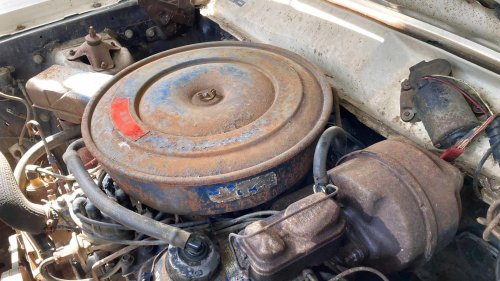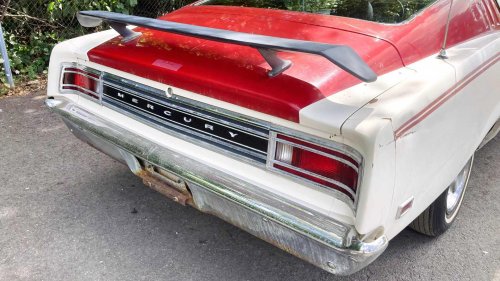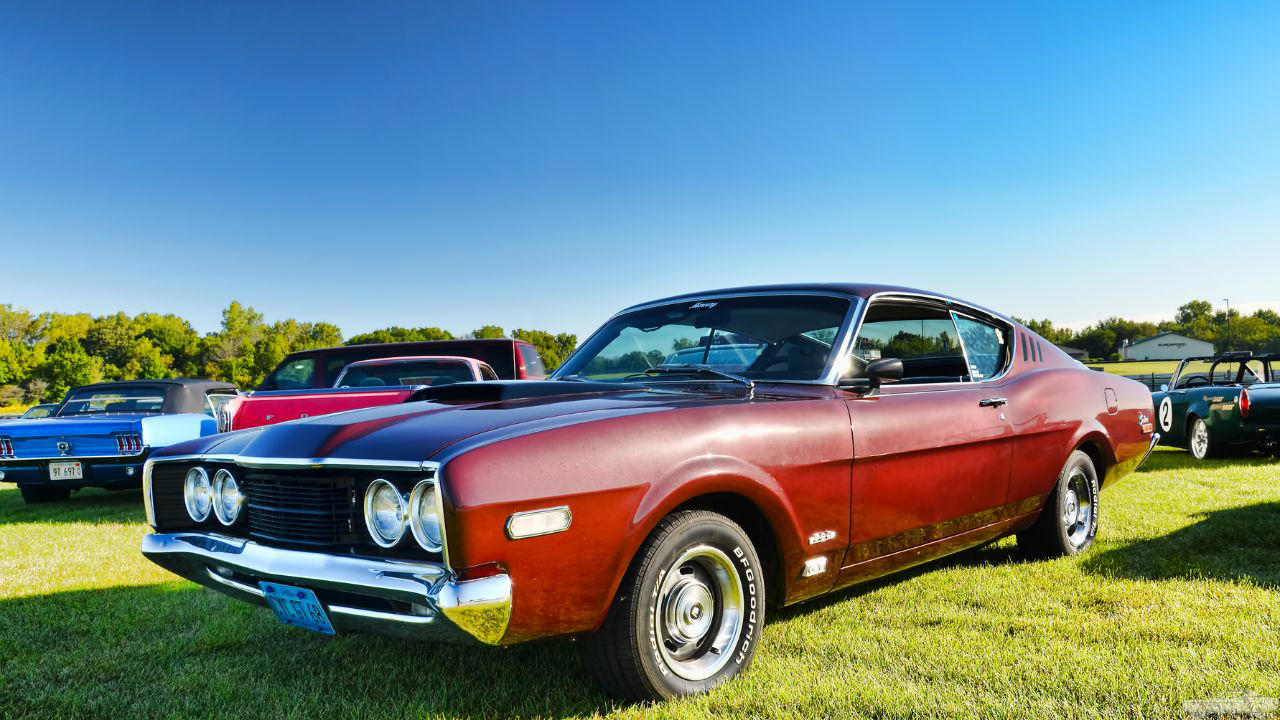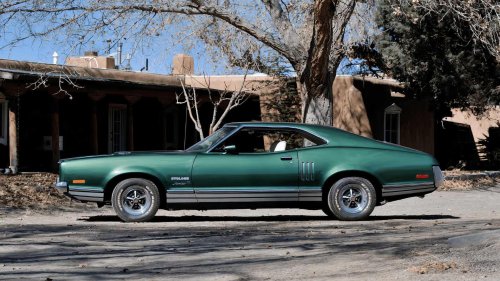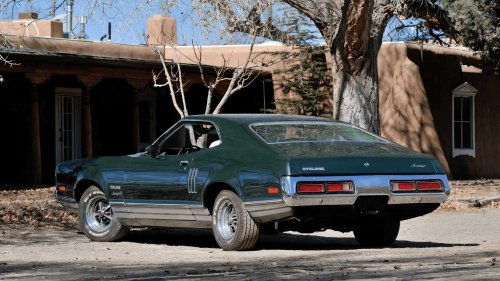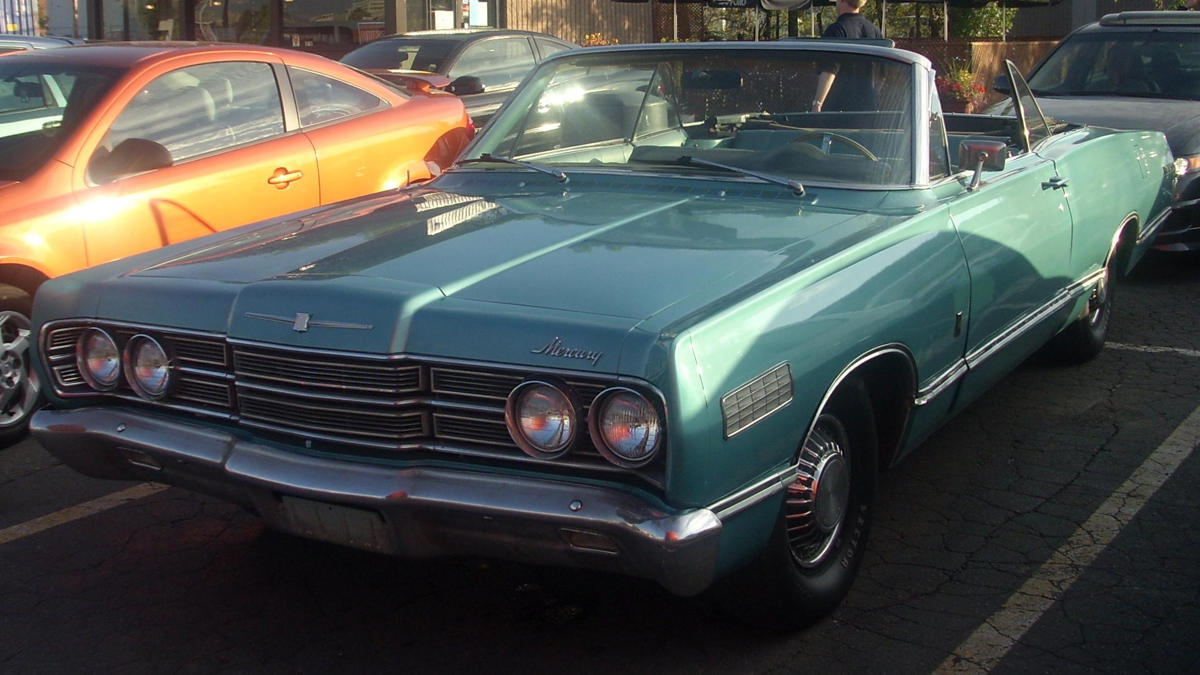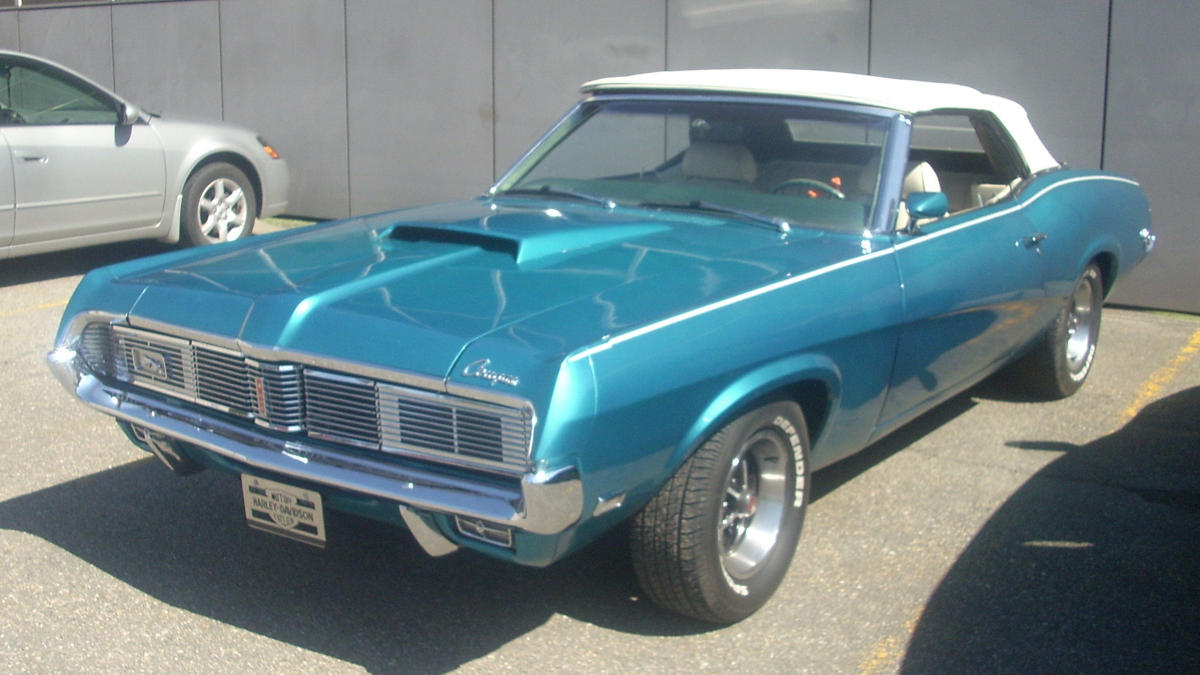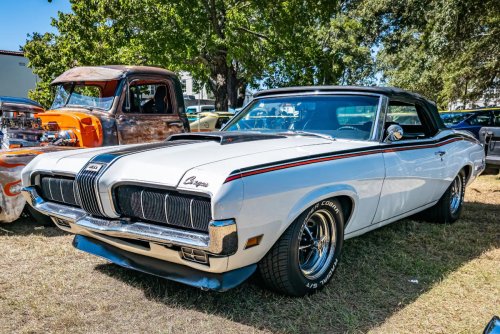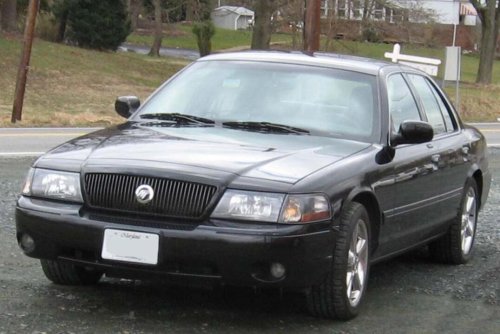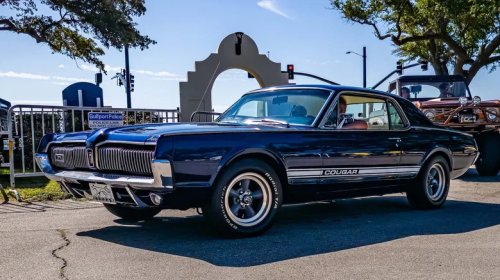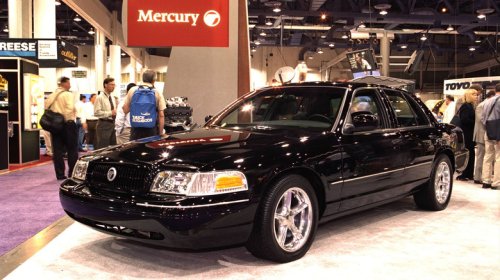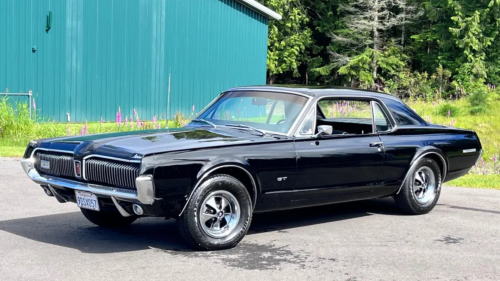
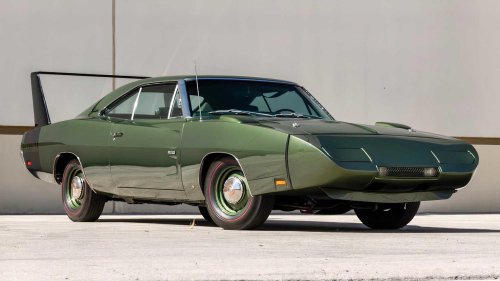
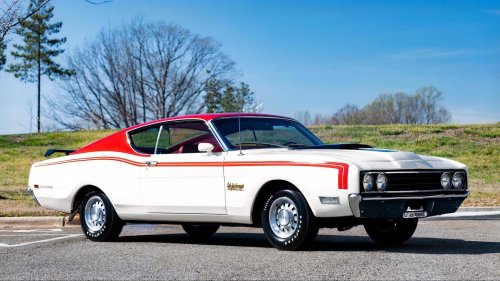
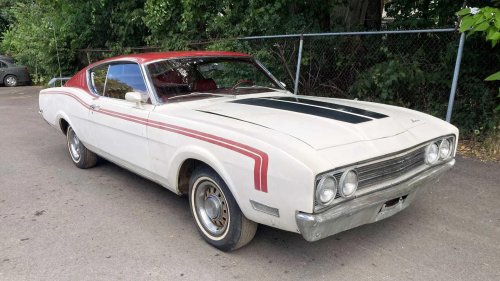
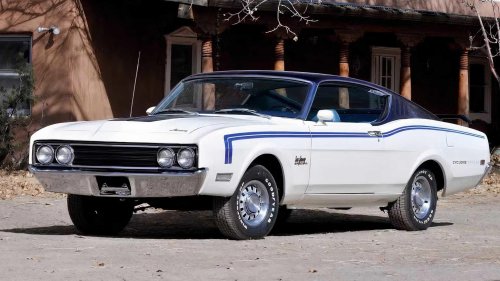

















Whenever you mention NASCAR homologation specials, you're going to get enthusiasts of American cars frothing at the mouth. They were a by-product of a time when the "stock" in stock car racing actually meant something. These cars really were 'stock' cars, based on models you could buy in pretty much any dealership in North America. That included the car we're going to talk about here. It's a car that not a lot of people remember, due to a couple of reasons. But, it's a car that's on course to become a real star in the near future. Mercury Is Now A Forgotten Brand In The Ford Motor Company's History Bring a TrailerThere was once a time when Mercury was a premier brand in North America. Slightly more upmarket than Ford but not as fancy as Lincoln, Mercury produced a slew of cars that were more gentlemanly versions of Ford's offerings. This included muscle cars as well as more luxurious models. Some Mercury models, such as the Cougar and the Marauder, ended up becoming enthusiast favorites. Others, however, faded into obscurity in the same way that the brand did once it was killed off during the 2000s. NASCAR's Rulebook In The 1960s Produced Some Crazy Homologation Specials MecumThroughout the decades, the homologation rules of certain forms of motorsport have led to the creation of cool and crazy special vehicles. That also applies to NASCAR during the 1960s. All cars that were used in NASCAR back then had to be homologated, with at least 500 street versions being made to make them legal.Of course, the major automakers in Detroit took advantage of this. They started cranking out limited-run homologation specials, featuring special modifications that were designed primarily to make them faster on America's super speedways. This included what are known as the aero cars. They featured aerodynamic improvements that typically wouldn't be allowed under NASCAR's rules, as they didn't line up with what was on the standard versions of the car you could buy in the showroom. But, because enough street-legal versions of these cars were being produced, those modifications were perfectly legal in the eyes of NASCAR's regulations.One of these aero cars is a Mercury that's ended up being forgotten over the years. But, it might just be about to get its time in the sun. It's not as outrageous as the aero cars we're all familiar with, like the Dodge Charger Daytona and the Plymouth Superbird. But, it was an aero car nonetheless, and it could end up becoming a very good investment in the near future. The Mercury Cyclone Spoiler II Is A NASCAR Homologation Special That Everyone's Forgotten AboutCompared to how crazy other NASCAR homologation specials of the era could get, the Mercury Cyclone Spoiler II is pretty understated. But, that doesn't mean that it isn't any less special. Only produced for the 1969 model year, it's near-identical to the Ford Torino Talladega that was also a NASCAR homologation special. Based on the Mercury Cyclone Sportsroof, the Cyclone Spoiler II was fitted with a different nose to the regular Cyclone. This nose was 6 inches longer than on the regular Cyclone, and featured a flush-mounted grille like the Ford Torino Talledega.These changes made the Cyclone Spoiler II perform much better in a wind tunnel than a regular Cyclone. Another more secretive aerodynamic improvement was the rocker panels being re-shaped and re-rolled. This allowed the Cyclone Spoiler II's ride height to be reduced by an inch, improving the aerodynamics by putting it closer to the ground.That extended nose with a flush grille is the main feature that gives away that it's a Spoiler II, compared to the original Spoiler. As both the original Spoiler and the Spoiler II are from the same generation of the Cyclone, it can be quite easy to get them mixed up! It Was Available In Two Distinct Trims, And They're Both Named After Racing Legends MecumAnother distinctive feature of the Mercury Cyclone Spoiler II was that it came in two trim levels. These were both named after racing legends, like Dan Gurney and Cale Yarborough. The easiest way you can tell the two trims apart is that the Dan Gurney models have black stripes and a black roof, while the Cale Yarborough models have red stripes and a red roof.It's believed that 218 Dan Gurney and 285 Cale Yarborough models were built over the Cyclone Spoiler II's production run. That brings the total number of 1969 Cyclone Spoiler IIs produced to 503, just over the minimum requirement needed for NASCAR homologation. One Specification Of Both Trims Is A Super Rare Sleeper Collectible Bring a TrailerTypically, the Mercury Cyclone Spoiler II came with the 351 cubic inch Ford Cleveland V8. That was plenty powerful enough for street use, at 290 horsepower and 385 lb-ft of torque. But, some Spoiler IIs did come out of the factory with bigger engines. Some of those were a rare subset of both the Dan Gurney and Cale Yarborough trims. These were equipped with the 428 cubic inch Ford Super Cobra Jet V8, producing 335 hp and 440 lb-ft of torque. Only 41 examples of the Cale Yarborough trim are estimated to have been equipped with the Super Cobra Jet. That makes it a rare variant of an already rare car. Barely Any Cyclone Spoiler IIs Are Still Around MecumWhile just over the minimum required 500 examples of the Mercury Cyclone Spoiler II were built, a lot of them didn't end up surviving to the present day. As of January 2022, it was estimated that only 22 Dan Gurney and 30 Cale Yarborough Spoiler IIs were known to still be around. As you can see, that's a very small survival rate out of an estimated 503 production cars. This, by extension, makes the Mercury Cyclone Spoiler II one of the rarest muscle cars around. That rarity value goes even higher when you also take into account that only 6 of the cars that were fitted with the 428 Super Cobra Jet (2 Dan Gurneys and 4 Cale Yarboroughs) are still around out of that number. The Mercury Cyclone Spoiler II Is The Cheapest Aero Car Homologation Special On The Used Market These aero car specials that only existed to satisfy NASCAR's homologation rules tend to be incredibly expensive. Looking at the values of the Dodge Charger Daytona and the Plymouth Superbird, it seems like you've got to be a multi-millionaire with huge amounts of money to burn to own one. But, with the Mercury Cyclone Spoiler II, that's not the case so much.A Dan Gurney Cyclone Spoiler II sold for $82,500 in 2022, with a Cale Yarborough one selling for $79,200 during the same sale. Another Cale Yarborough edition sold for $51,700 in 2025, too. Compared to the $385,250 average value of the Dodge Charger Daytona and the $298,855 average value of the Plymouth Superbird, the Mercury Cyclone Spoiler II looks like a real bargain. It also makes it the cheapest of the aero cars on the used market, as well as one of the cheapest NASCAR homologation specials around in general.Obviously, the Mercury Cyclone Spoiler II is out of the price range of most enthusiasts. But, you don't need to be an ultra-wealthy collector to get your hands on one, unlike other aero cars out there. It's also a car that could become a brilliant investment if you buy in now while they're still selling at these prices.Sources: Classic.com, Mercury, Talladega Spoiler Registry