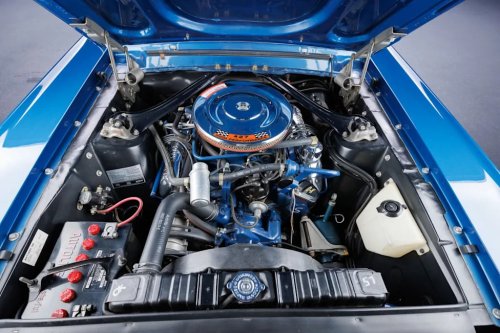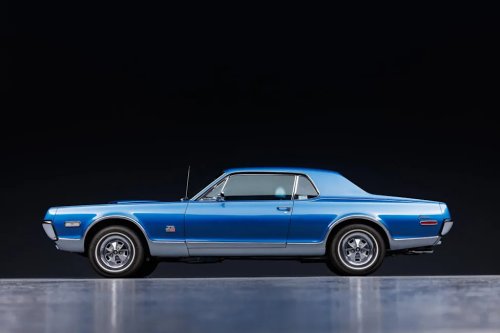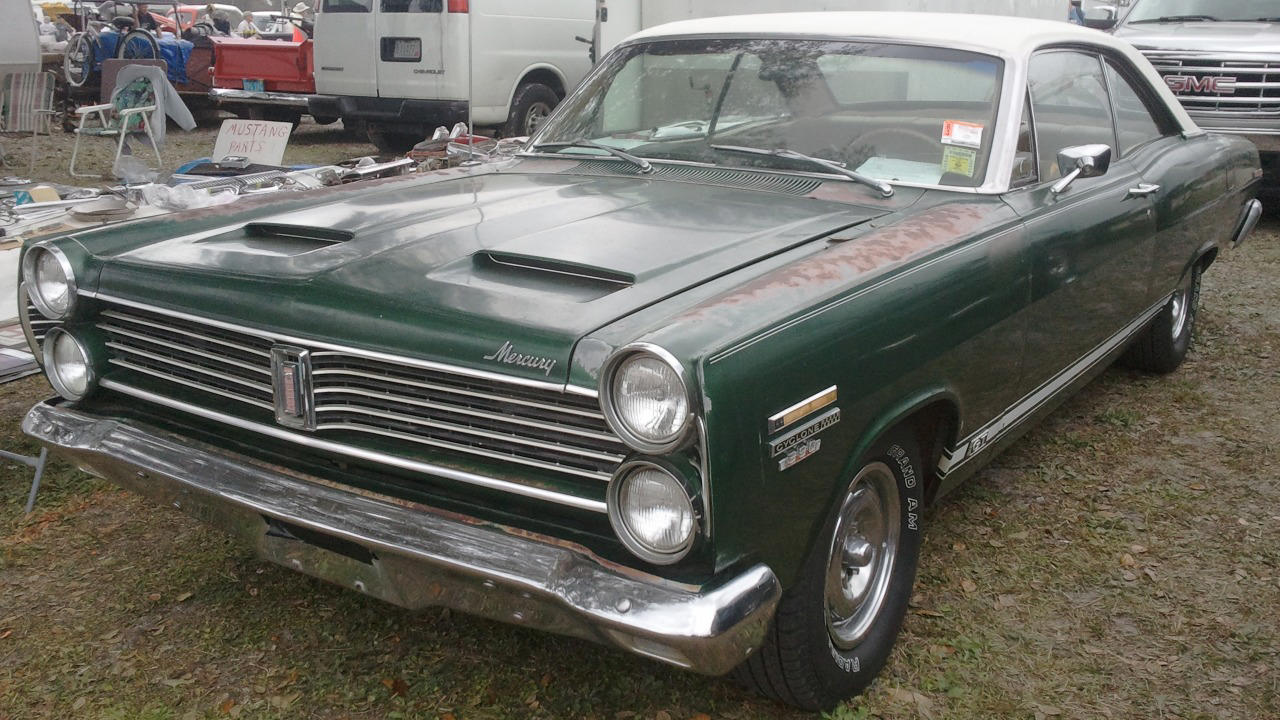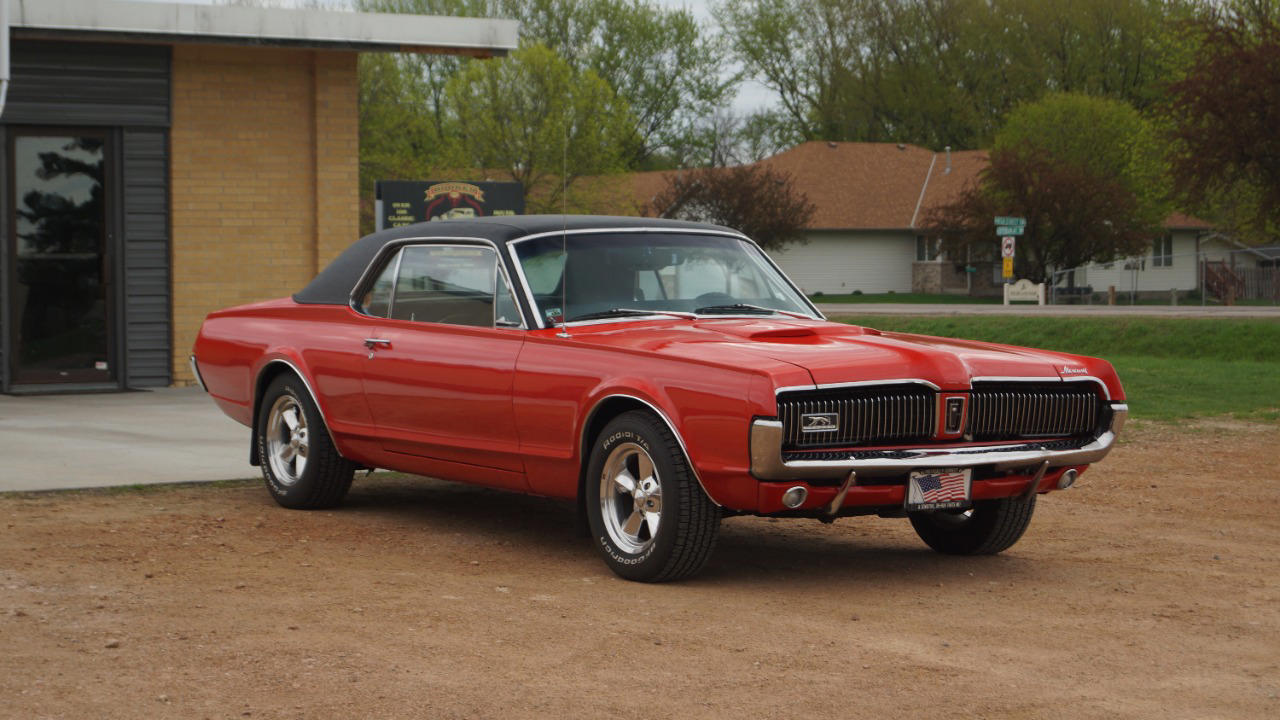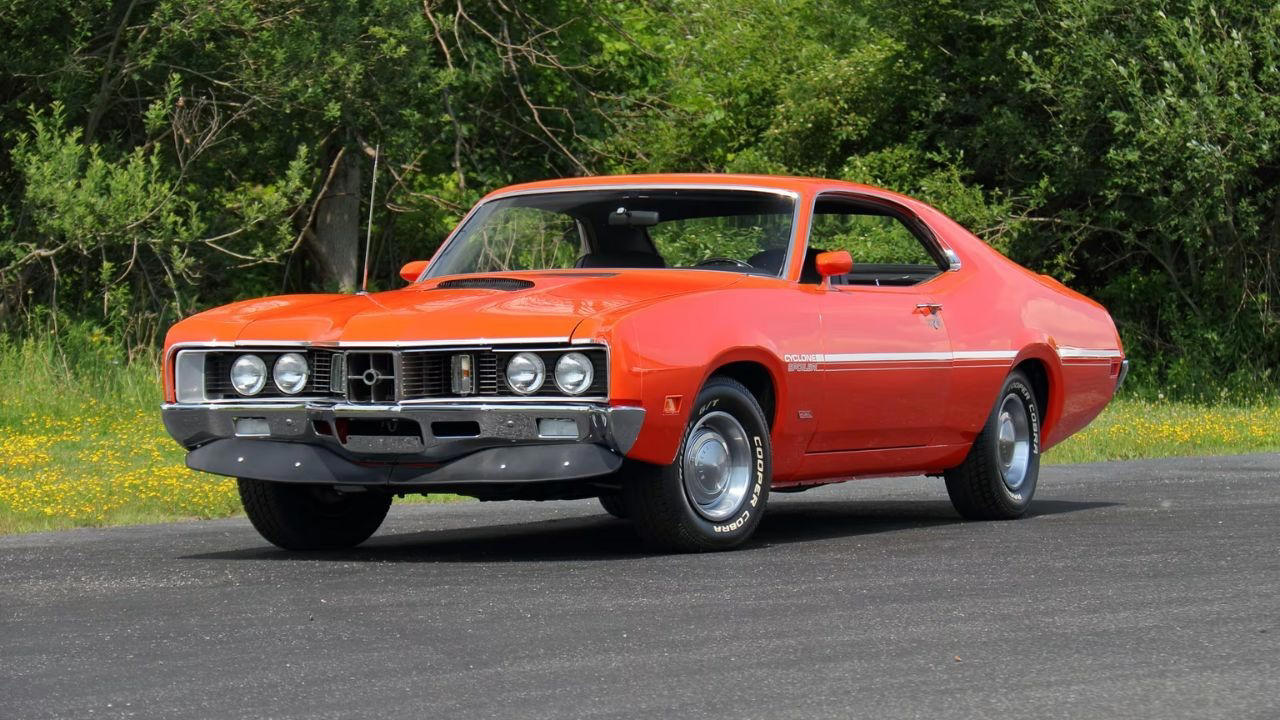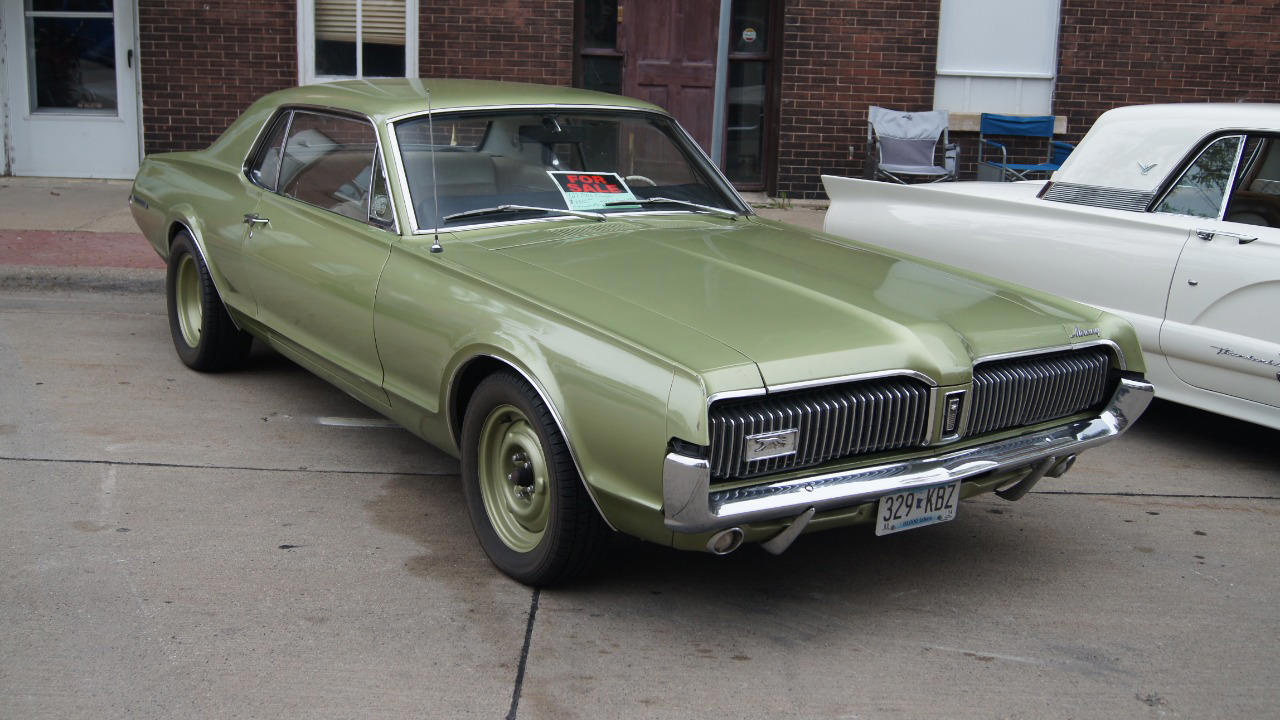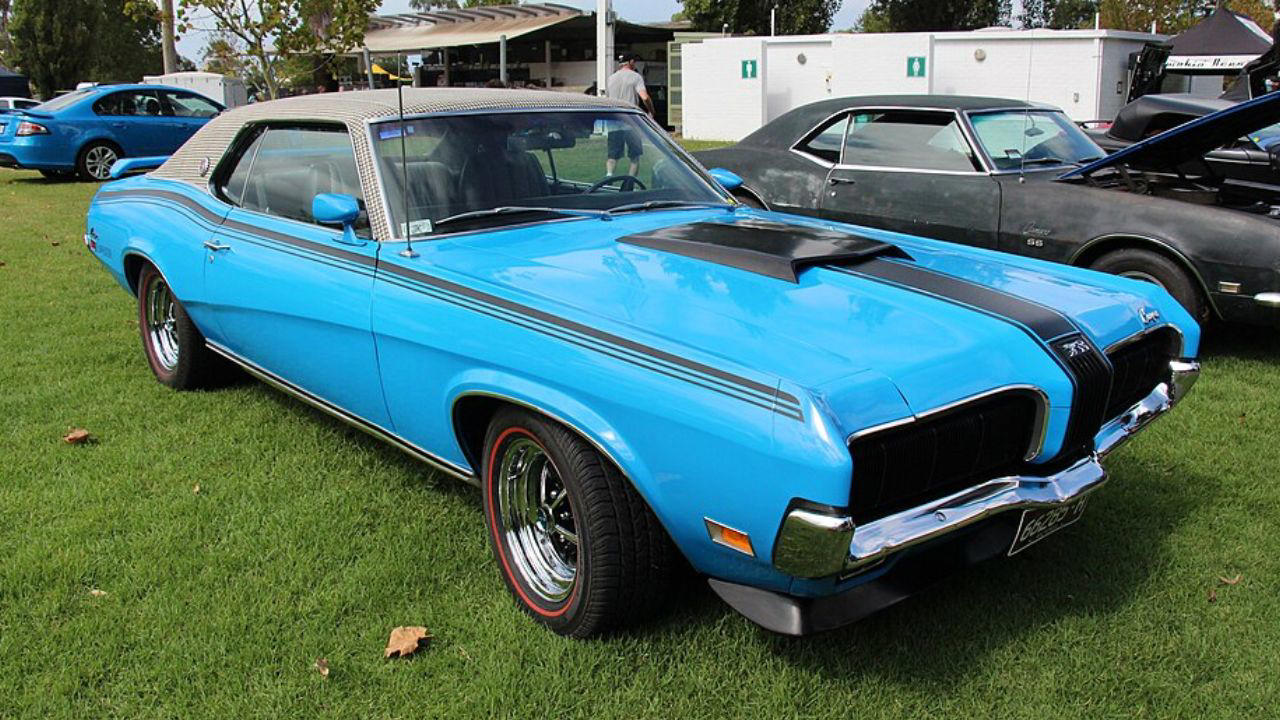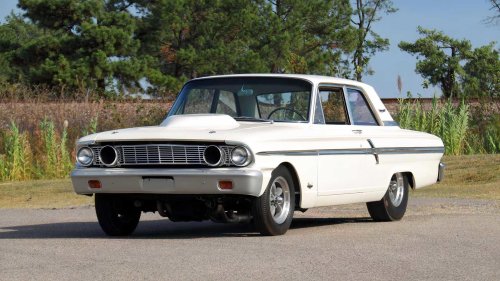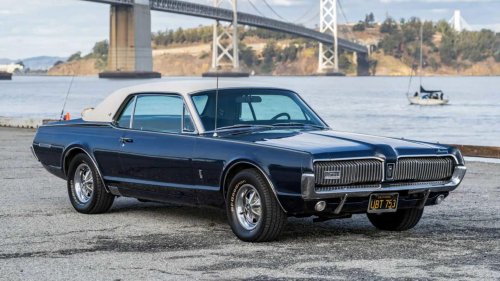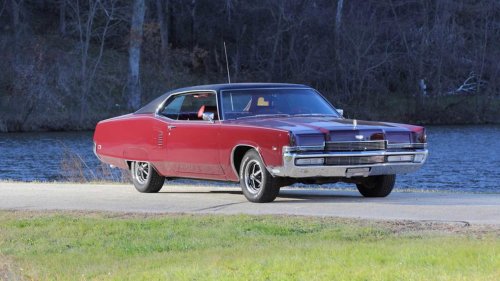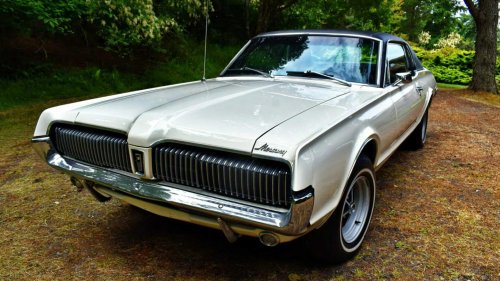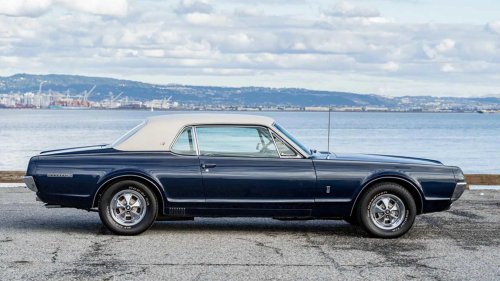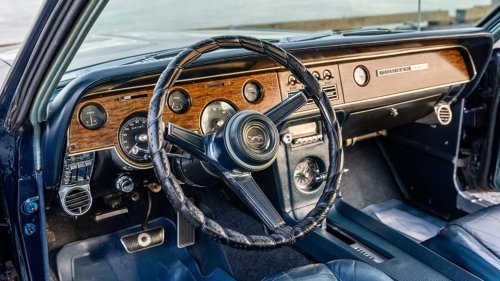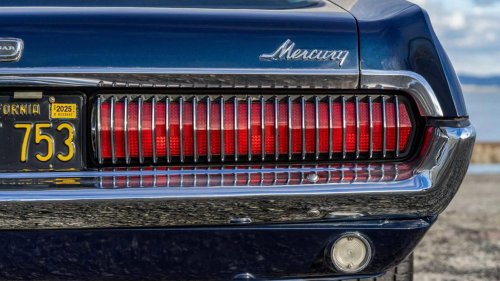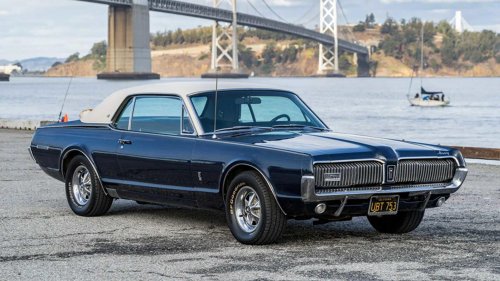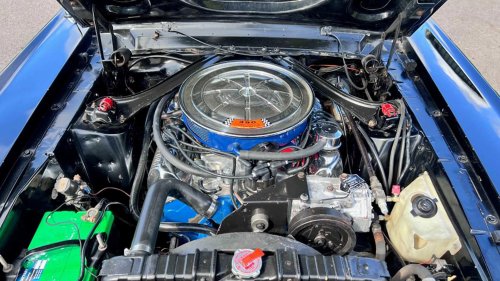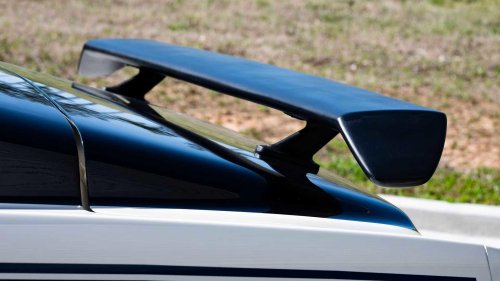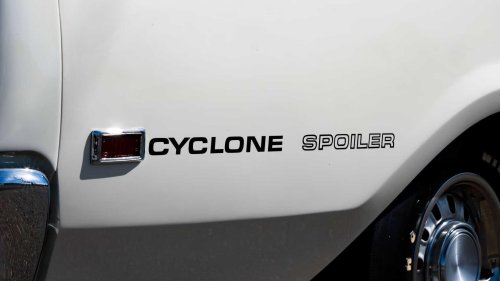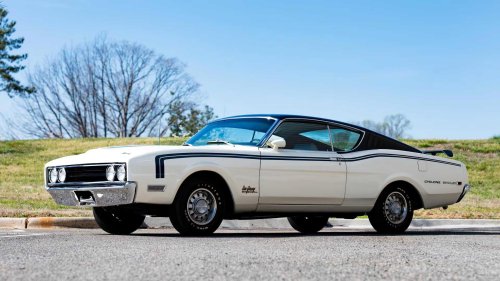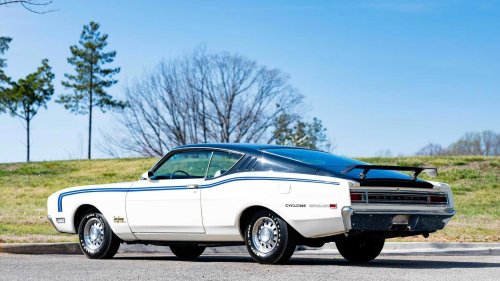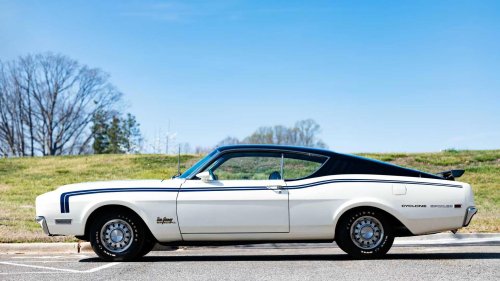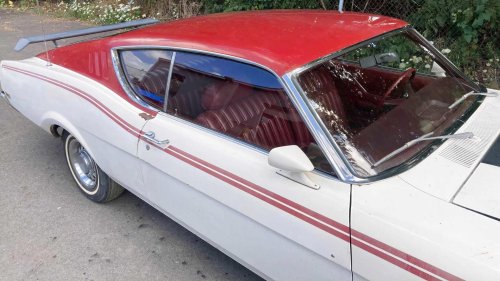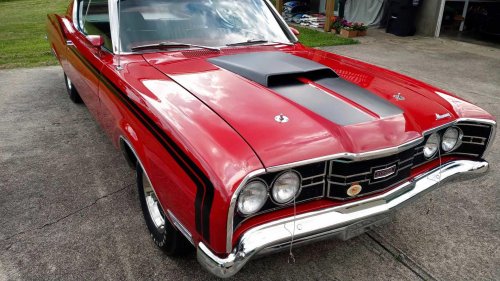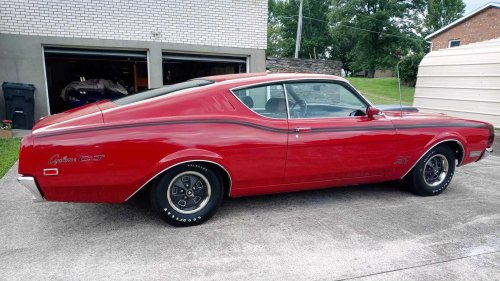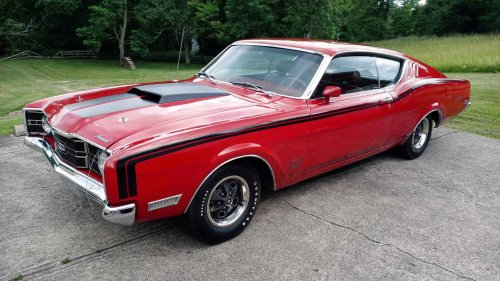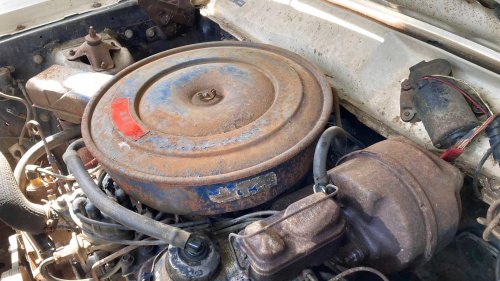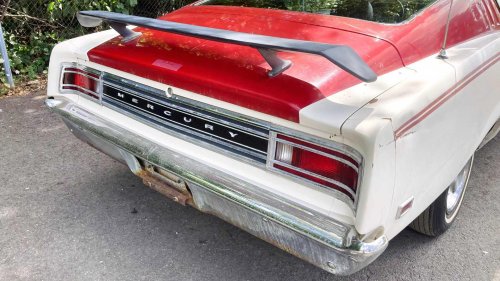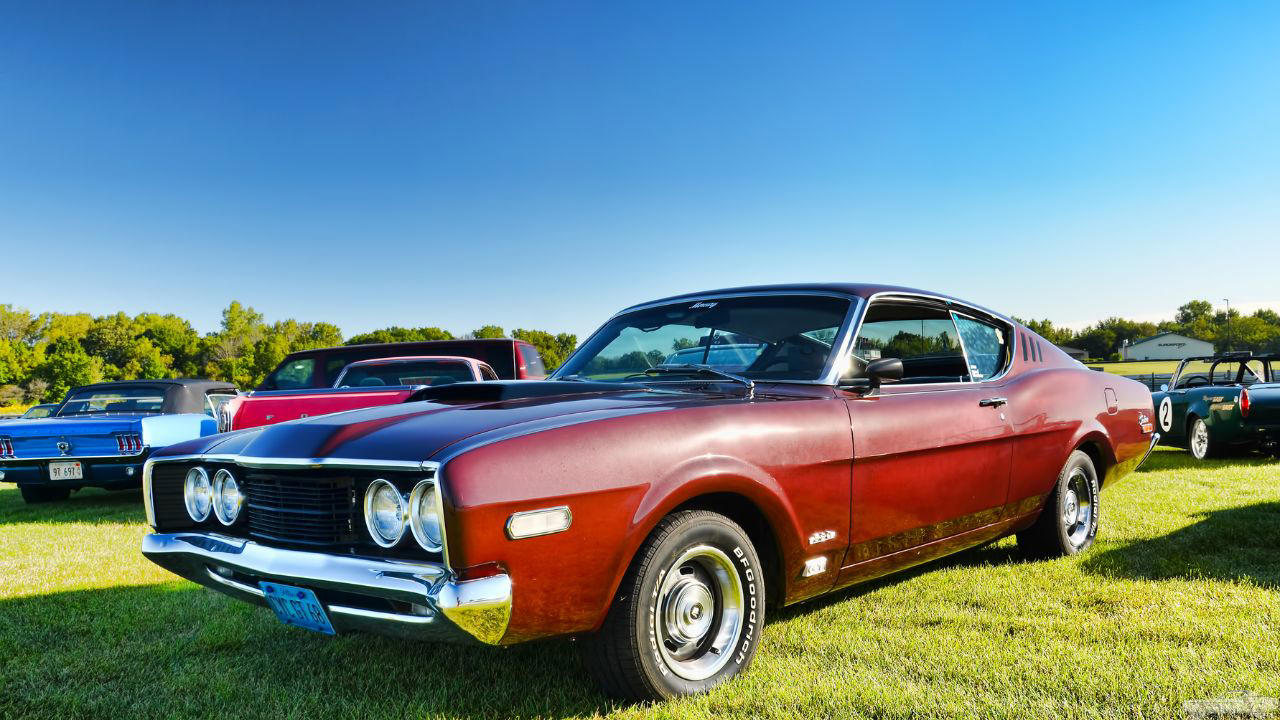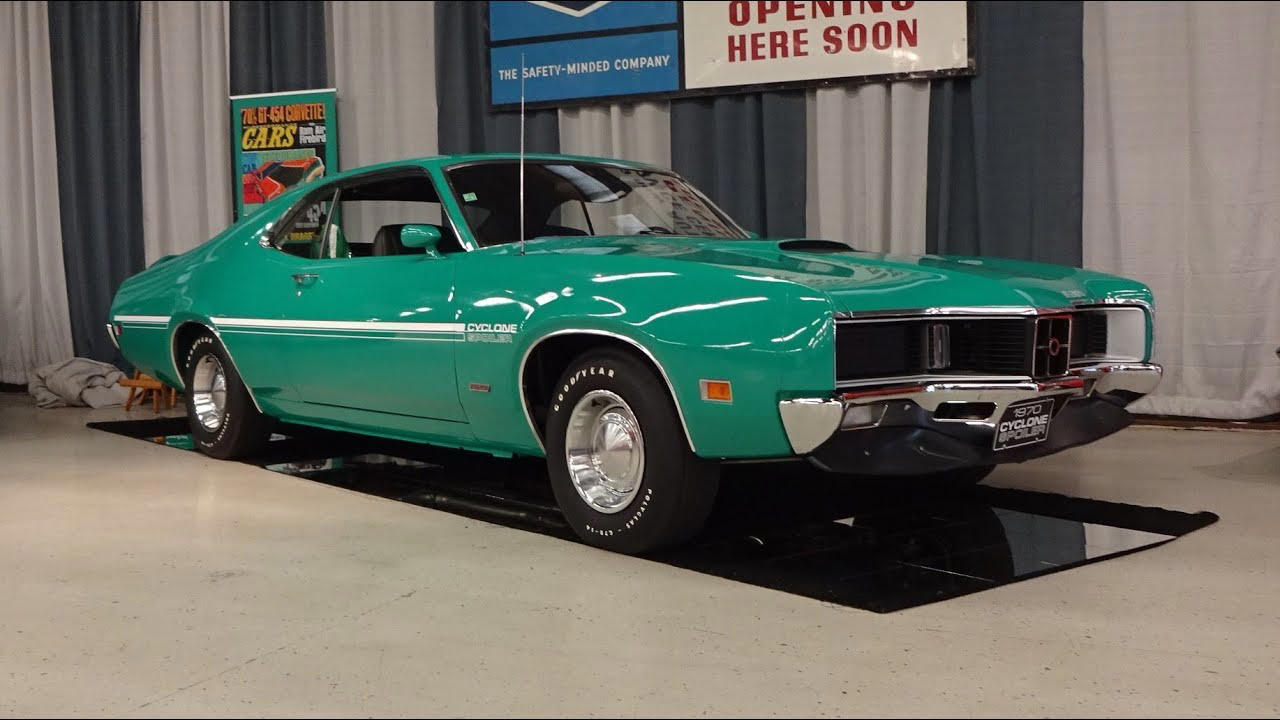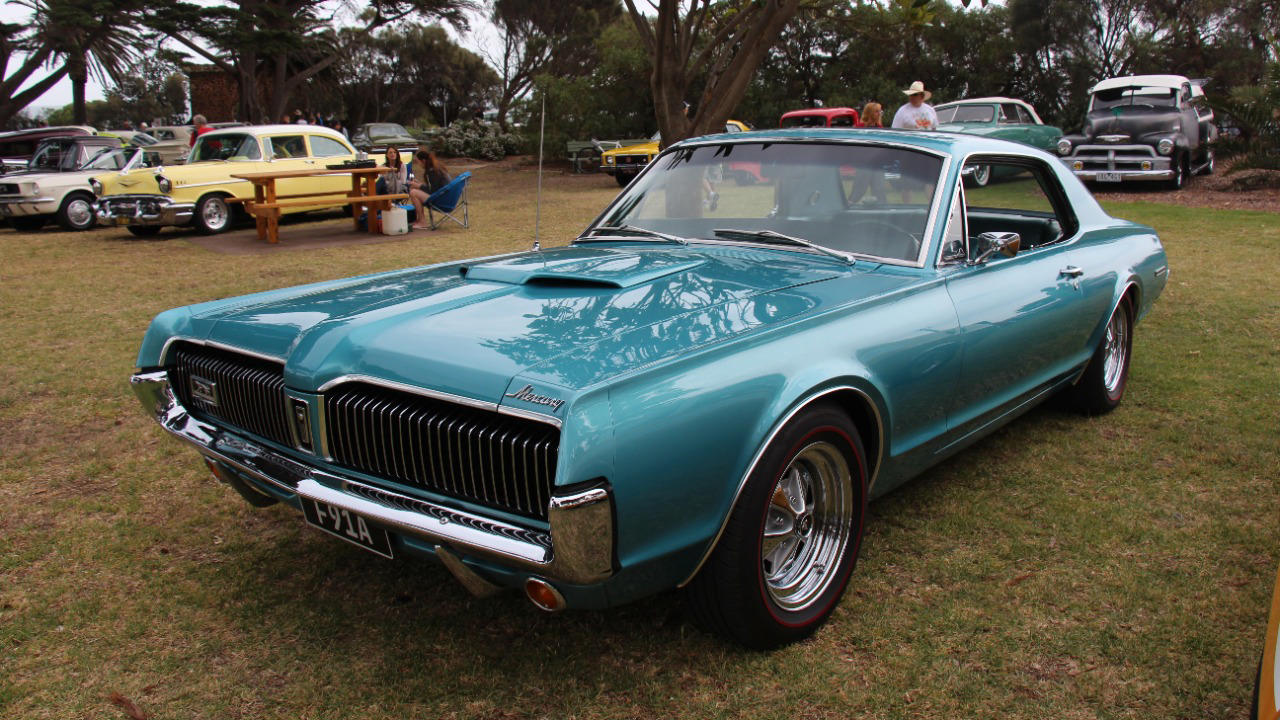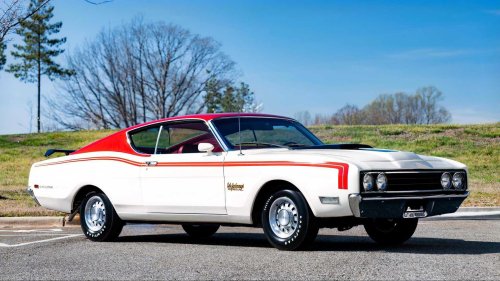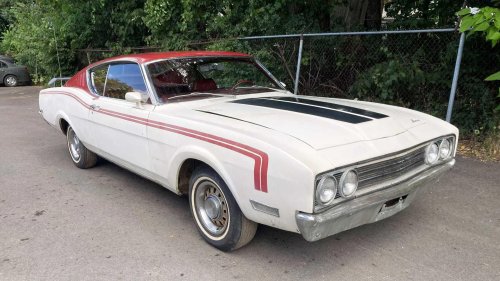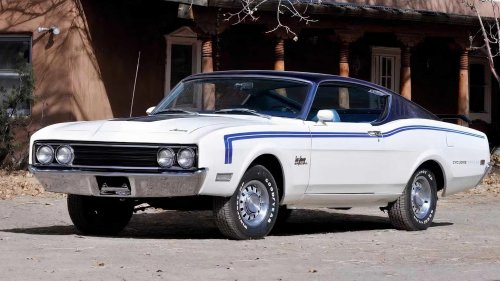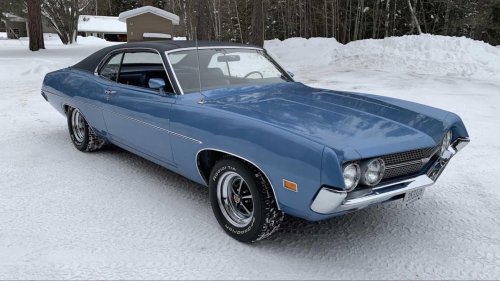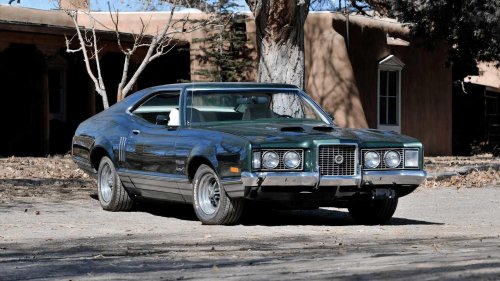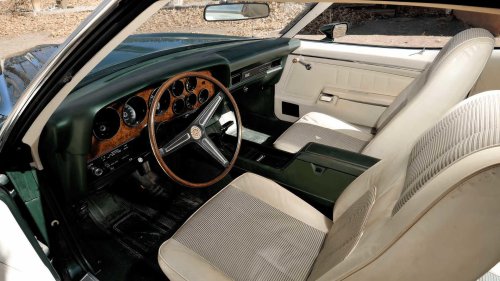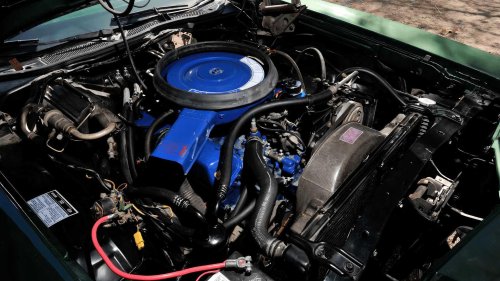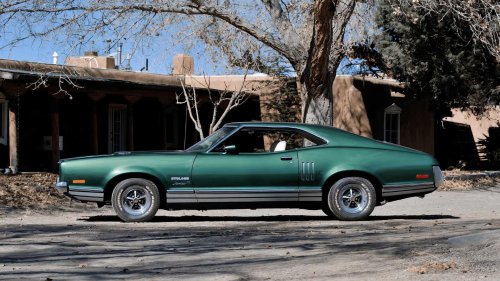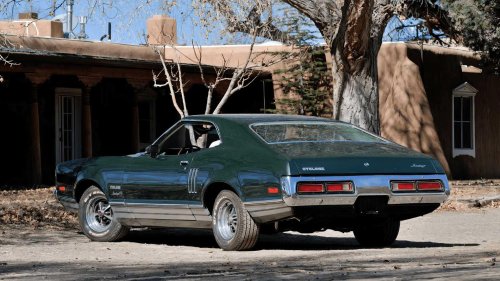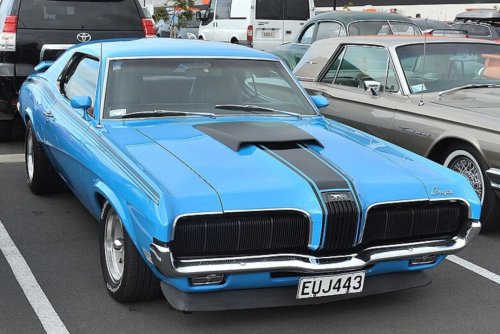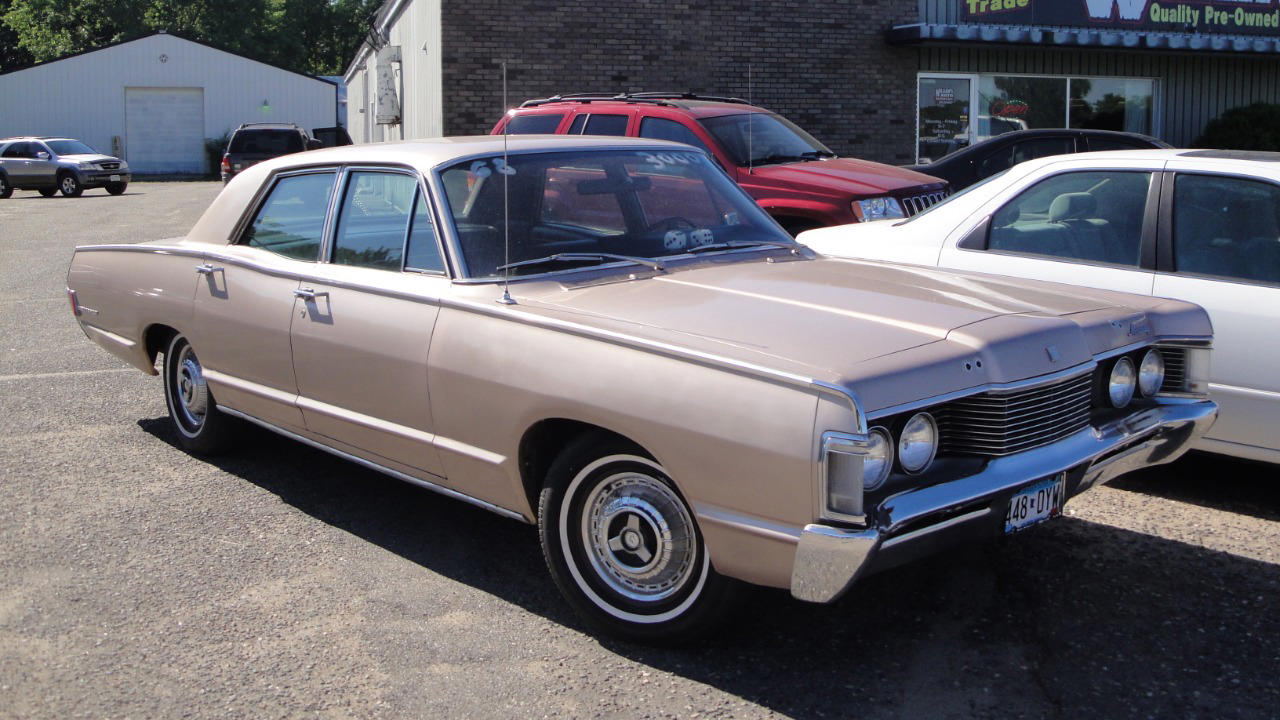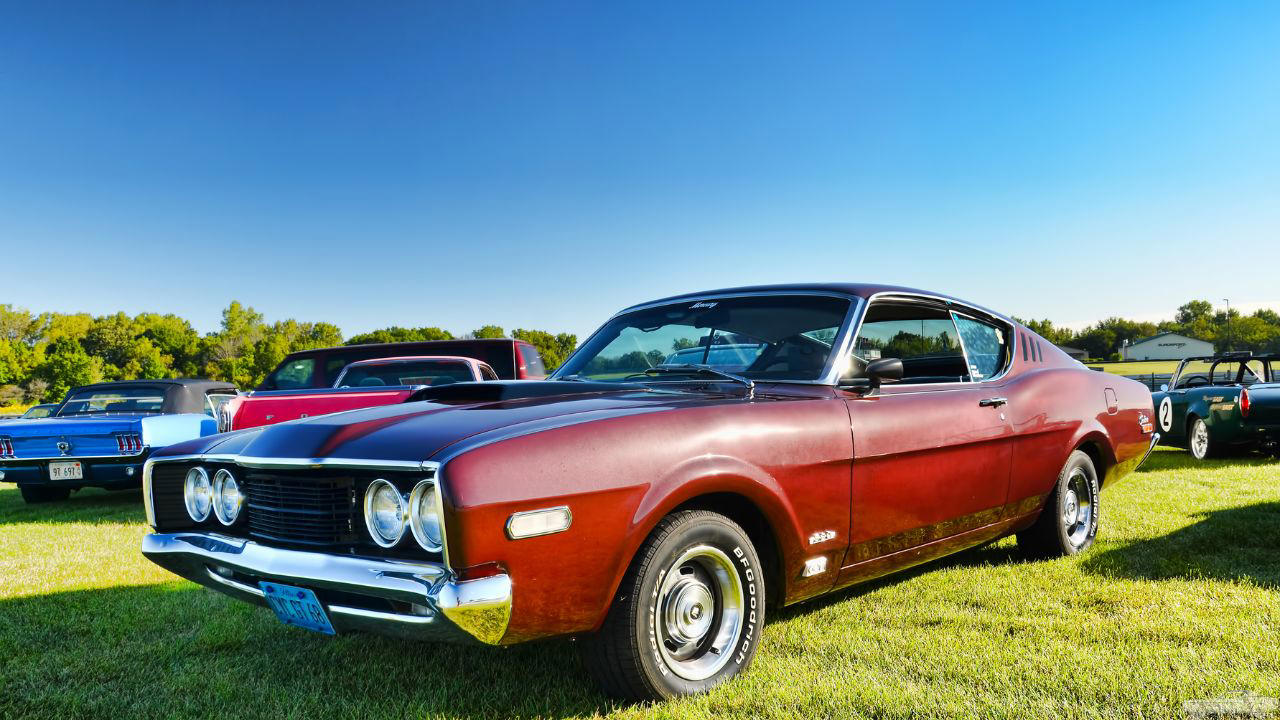



















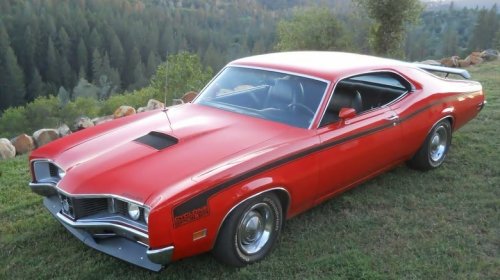
Still under the radar the 1968 Mercury Cyclone GT remains a hidden gemThe 1968 Mercury Cyclone GT rarely tops auction headlines or social media feeds, yet it carries the looks, performance, and pedigree to stand with the era’s best muscle machines. While its Ford cousins and better-known rivals attract the spotlight, this mid-size Mercury quietly offers serious speed, distinctive styling, and surprising value for collectors who know where to look. Positioned as Mercury’s sporty intermediate, the Cyclone GT arrived at a turning point for American performance cars, just as styling, power, and comfort converged. That combination, plus relatively low production, helps explain why the model still feels like a secret among enthusiasts more than five decades later. A new shape for Mercury’s intermediate muscle car The 1968 model year marked a reset for Mercury’s mid-size line. The Cyclone moved off the older Ford Fairlane body and onto a fresh platform that shared its basic structure with the new Mercury Montego. Contemporary descriptions of the 1968 Mercury Montego and Cyclone highlight how the division’s mid-sized models received new sheet metal and styling that echoed full-size Mercury flagships, with a longer, cleaner profile and more sculpted sides. The shift gave the Cyclone GT a more upscale presence than many muscle competitors. Up front, a pronounced grille and quad headlights set the tone, while the rear treatment favored horizontal lines and integrated tail lamps instead of the wilder graphics seen on some rivals. The change helped Mercury position the car as a bridge between raw muscle and the more refined image the brand wanted to project. Underneath, the Cyclone remained a traditional body-on-frame intermediate, but the new bodywork and interior details signaled that Mercury expected buyers who wanted both performance and comfort. Bucket seats, console options, and brightwork all targeted customers who might otherwise shop full-size models or personal luxury coupes. From Comet roots to dedicated performance nameplate The Cyclone name did not start as a stand-alone model. It began as a high-performance version of the Mercury Comet, then evolved into its own line as the muscle era gained momentum. Production records for the Mercury Cyclone show how the car moved from a Comet-based derivative into a dedicated series that spanned the 1964 through 1972 model years. By 1968, the Cyclone GT represented the performance-focused variant within Mercury’s intermediate range. The GT badge signaled stronger engines, upgraded trim, and a clear focus on speed. That year also set the stage for later special editions, such as the Spoiler and Spoiler II, which would emphasize aerodynamics and competition credentials. The 1968 cars therefore occupy a transitional place in the story: they carry the cleaner new body and serious powertrains, but still predate the most overtly race-inspired versions. Engines that backed up the attitude Muscle car credentials live or die by what sits under the hood, and the 1968 Cyclone GT did not shy away from big-block power. Period specifications describe a range of V8 choices, with the GT package centering on 390 cubic inch engines and optional larger-displacement units for buyers who wanted maximum straight-line performance. One technical breakdown of the 1968 and 1969 notes that settling for a 390 with two-barrel carburetor and 9.5:1 compression meant only 265 horses. Any of those mills could be paired with Mercury’s Select-Shift automatic or a manual gearbox, giving buyers flexibility between boulevard use and more aggressive driving. While the quoted 265 horsepower figure applied to the milder two-barrel configuration, higher-spec versions with four-barrel induction and better breathing moved the Cyclone GT into genuinely quick territory for the period. These engines, combined with mid-size weight and relatively short rear gearing, delivered the kind of thrust that muscle car buyers expected. The Cyclone GT was not simply a trim package; it was engineered to run with the era’s big names on highway on-ramps and quarter-mile strips. Styling cues that reward a closer look Enthusiasts who seek out the 1968 Cyclone GT today often point to the car’s styling as a key attraction. The facelift that arrived for that model year was substantial enough that some fans talk about the Cyclones facelift as a clean break from the squared-off Ford Fairlane body that came before. The 1968 design introduced smoother contours, a more pronounced Coke-bottle shape along the flanks, and a roofline that flowed more gracefully into the rear deck. Compared with the Ford Mustang or Torino, the Cyclone GT’s proportions feel slightly more formal, with a longer hood and a cabin that sits a bit further back on the chassis. That stance, combined with restrained use of stripes and badging, gives the car a mature presence. It looks muscular without resorting to cartoonish scoops or oversized spoilers. Inside, the GT trim level brought sport-oriented details that matched the exterior promise. Bucket seats, a floor-mounted shifter, and additional gauges reinforced the performance message. At the same time, the cabin reflected Mercury’s upscale leanings, with more attention to materials and trim than some lower-priced competitors. Production numbers and rarity Part of the Cyclone GT’s under-the-radar status comes down to how many were built. Production tables for the Mercury (Comet) Cyclone line list specific figures for Cyclones, GTs, and later Spoiler variants across the 1964 to 1972 span. Within that context, the 1968 GTs represent a relatively small slice of total Mercury intermediate production, especially when compared with high-volume models like the Cougar or mainstream Ford offerings. Additional data on 1968 Mercury Models, shows how the division spread its resources across multiple nameplates, including the Cougar, Montego, and full-size lines. The Cyclone GT sat within this broader portfolio as a niche choice for buyers who wanted intermediate size and serious performance. That positioning limited volume at the time, but it now gives surviving cars a degree of rarity that appeals to collectors. Performance reputation and enthusiast lore Among muscle car fans, the 1968 Mercury Cyclone GT has slowly built a reputation as a car that punches above its visibility. Enthusiast discussions describe the Mercury Cyclone GT as a hidden gem that is often overshadowed by its more famous cousin, the Ford Mustan, even though it shares much of the same performance DNA. Owners highlight the car’s ability to combine strong acceleration with relatively refined road manners, thanks in part to its mid-size chassis and Mercury’s tuning. Another enthusiast group frames the Mercury Cyclone GT as a hidden muscle car gem, emphasizing how its styling and big-block power qualify it as a serious player from the golden age of American performance. These grassroots perspectives matter because they shape how the market perceives the car. While it lacks the pop-culture profile of some rivals, word-of-mouth among collectors continues to elevate its status. Contemporary descriptions of the 1968 Mercury Cyclone as Mercury’s sporty intermediate muscle car underline this blend of speed and civility. Positioned between compact pony cars and larger full-size models, the Cyclone GT offered enough space for real-world use, yet still delivered the visual drama and performance that defined the era. How it stacks up on paper today Modern buyers who want to understand where the 1968 Cyclone GT sits in the market can look to current valuation and specification guides. One widely used collector reference for the 1968 Mercury Cyclone tracks values across condition levels and body styles, reflecting how the car compares with other late 1960s muscle machines. Those figures typically lag behind headline-grabbing models like high-spec Mustangs or Chevelles, reinforcing the idea that the Cyclone GT remains relatively affordable for the performance it offers. Consumer-focused data for the 1968 Mercury Cyclone also outlines original equipment, powertrain options, and pricing. That snapshot of the car’s period positioning shows that Mercury aimed the Cyclone at buyers willing to pay a bit more than basic intermediate money for extra power and style, yet still below the cost of some halo models. Taken together, these references sketch a picture of a car that delivered genuine muscle credentials while staying within reach of middle-class buyers. That balance continues to influence its appeal in the collector market, where budget-conscious enthusiasts often prioritize cars that offer strong performance without the premium attached to the most famous nameplates. Why collectors still call it a hidden gem Enthusiast commentary has increasingly described the 1968 Mercury Cyclone GT as a striking and underrated gem from a bygone era. One fan-focused profile of the Mercury Cyclone GT highlights how the car, as the performance variation of the Cyclone line, combines bold styling with strong acceleration and a distinctive Mercury identity. Another feature that compiles 1968 Mercury Cyclone key features points to its speed credentials and recognition as one of the faster offerings in Mercury’s portfolio at the time. Descriptions of Speed The 1968 Mercury Cyclone GT being named among the quickest Mercury models reinforce that this was not a cosmetic package, but a serious performance car. These perspectives help explain why the Cyclone GT appeals to buyers who want something different from the usual Mustang, Camaro, or Charger. The Mercury badge, the relatively low production, and the mix of comfort and speed all contribute to a sense of discovery. For many enthusiasts, finding a well-kept Cyclone GT feels like uncovering a piece of muscle car history that has not been picked over by speculators. Support and parts for keeping them on the road Rarity can be a double-edged sword for classic ownership, but the Cyclone GT benefits from sharing much of its mechanical hardware with other Ford and Mercury intermediates. That overlap helps owners source critical components, from engines and transmissions to suspension parts. Specialist suppliers list springs and related hardware specifically for the Mercury Cyclone GT, as well as for standard Cyclone and Montego variants. These catalogs, often discovered through references tied to the original Cyclone Fact Sheet and related materials, show that the aftermarket recognizes the car’s specific needs. Because the Cyclone GT shares its basic architecture with the broader Mercury Montego and Ford intermediate platforms, owners can often substitute compatible parts from more common models when exact replacements are unavailable. That reality lowers the barrier to entry for enthusiasts who might hesitate to take on a rare car for fear of parts scarcity. A car that rewards enthusiasts who pay attention Looking across its history, the 1968 Mercury Cyclone GT occupies a distinctive niche. It grew out of the earlier Comet-based performance variants into a dedicated intermediate muscle car, carried a significant styling update that aligned it with Mercury’s full-size flagships, and offered big-block powertrains that delivered real speed. At the same time, modest production and a quieter brand image kept it from achieving the instant-icon status of some rivals. Today, that combination of capability and relative obscurity is exactly what makes the car so appealing to informed buyers. The Cyclone GT offers the satisfaction of owning a machine that feels authentically of its era yet avoids the overexposure and escalating prices that define some of the market’s biggest names. For collectors willing to look past the usual suspects, Mercury’s 1968 entry in the muscle car story remains one of the most rewarding discoveries. More from Fast Lane Only Unboxing the WWII Jeep in a Crate 15 rare Chevys collectors are quietly buying 10 underrated V8s still worth hunting down Police notice this before you even roll window down