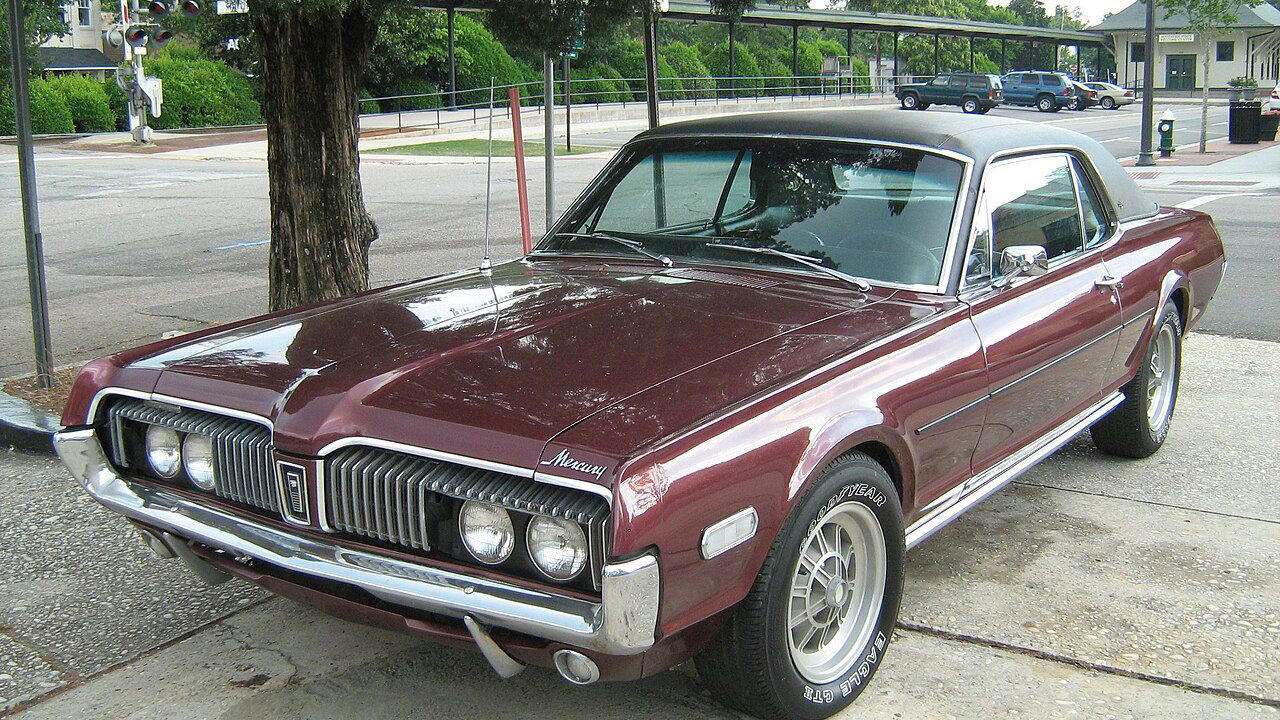
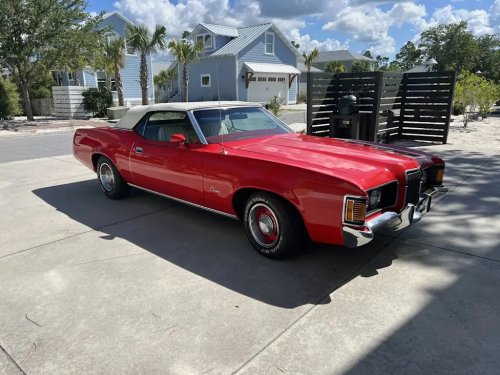
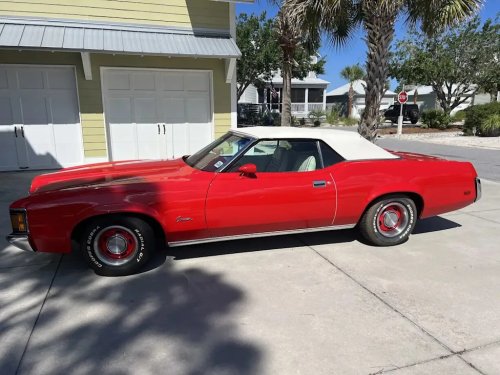
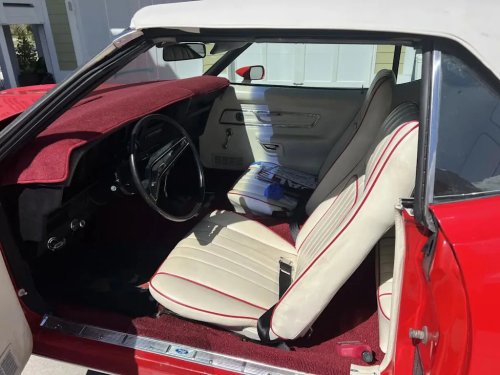
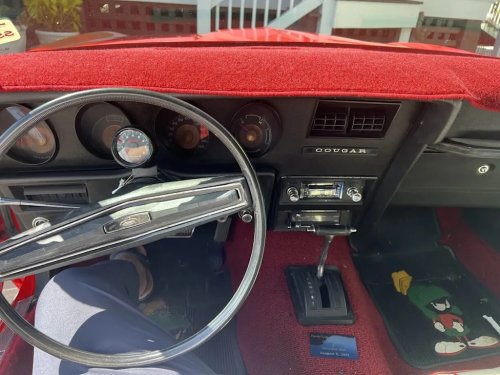
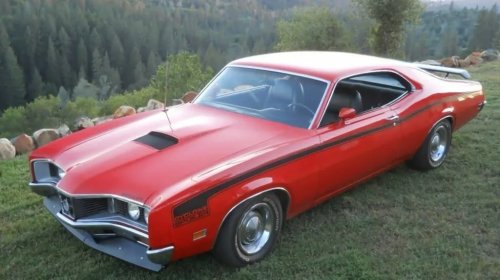
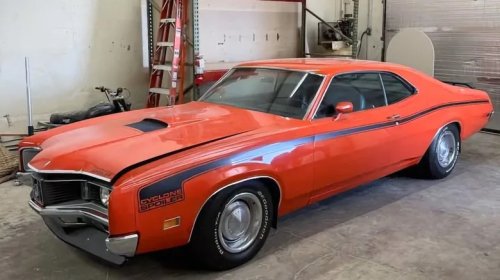
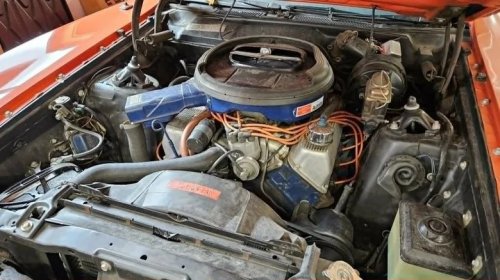
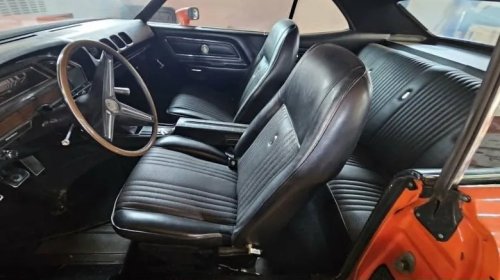
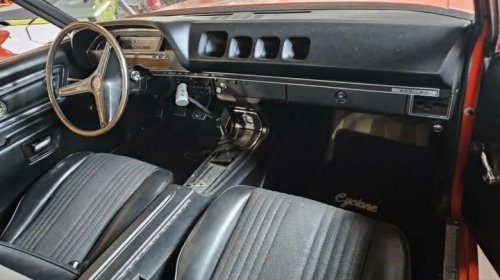
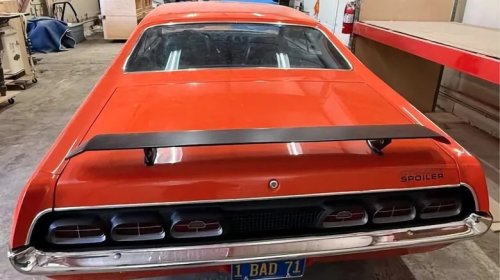
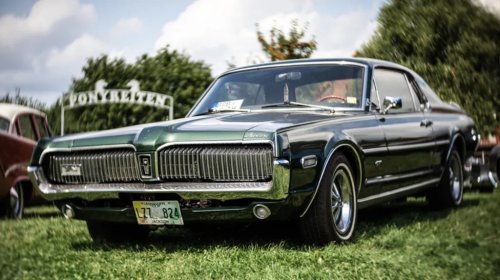
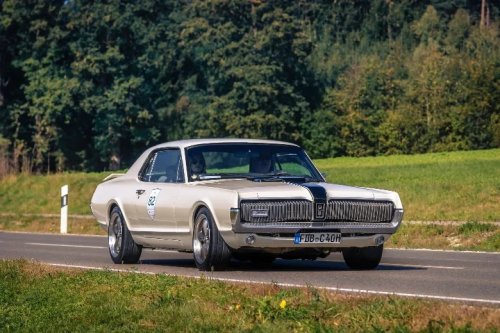
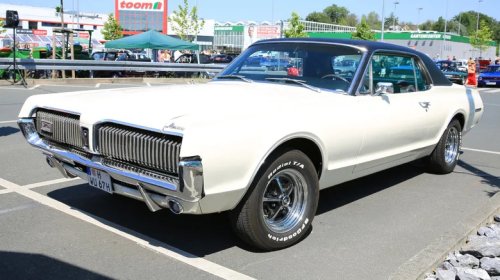
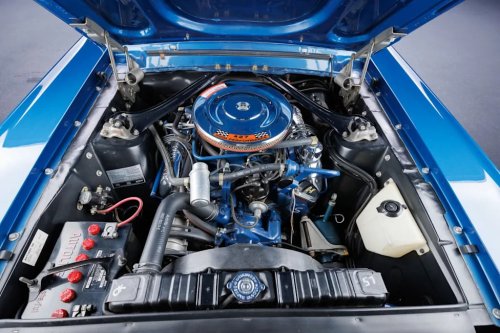
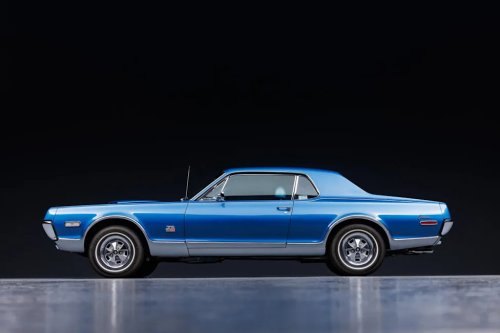
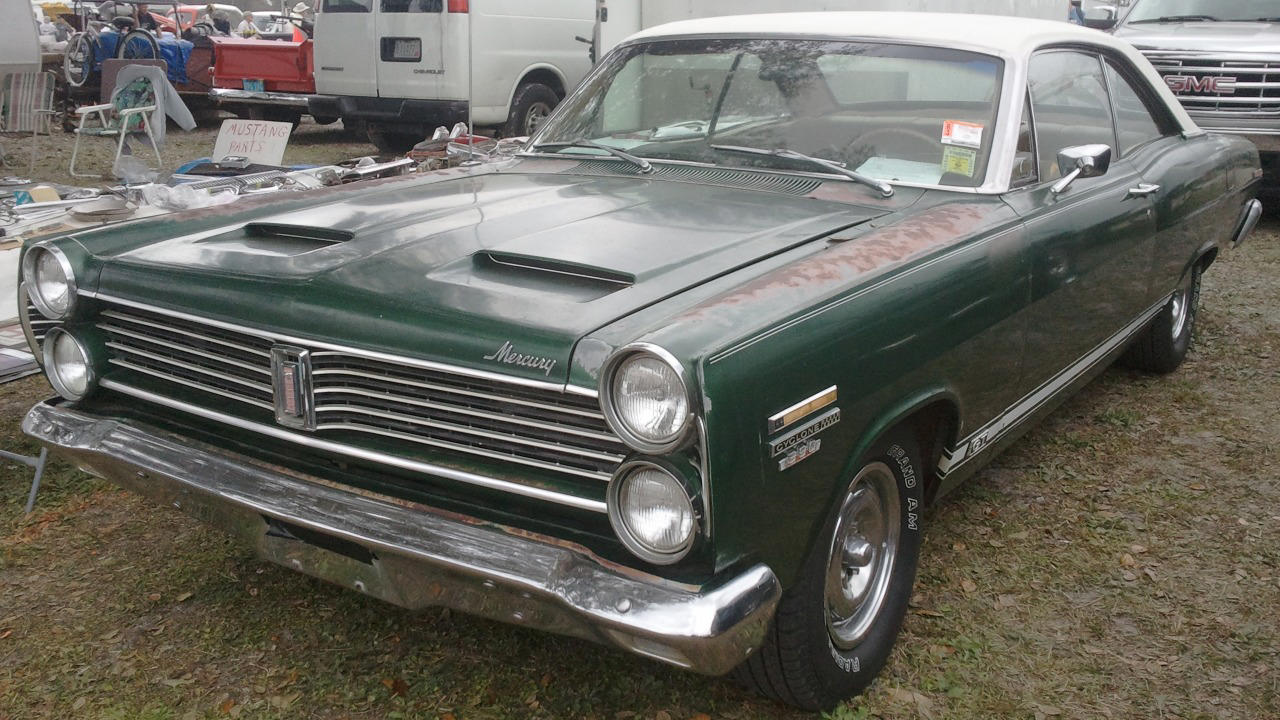
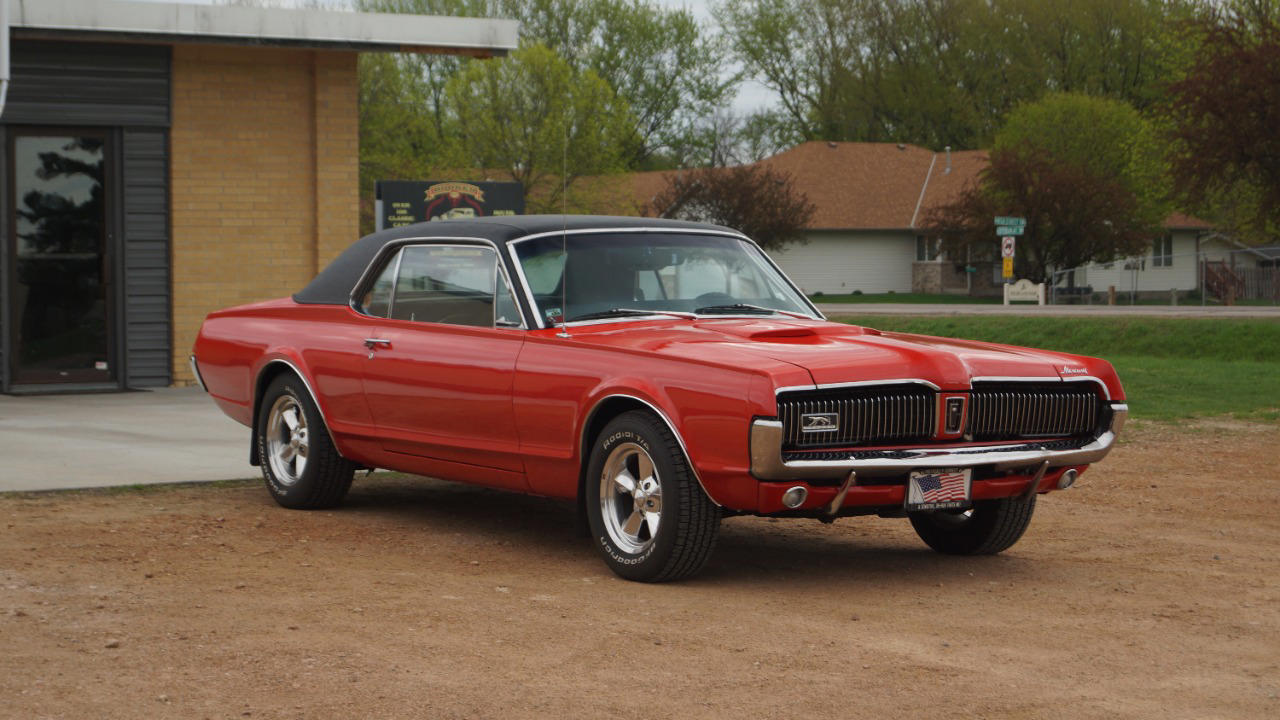
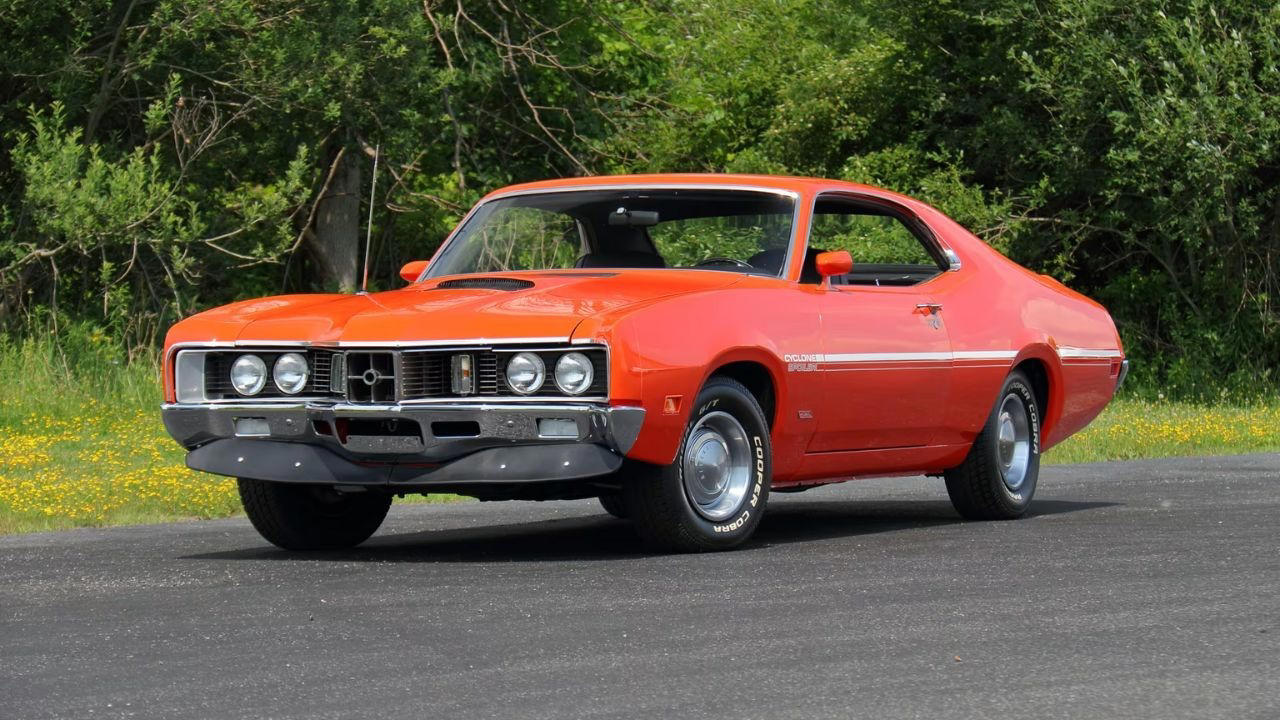
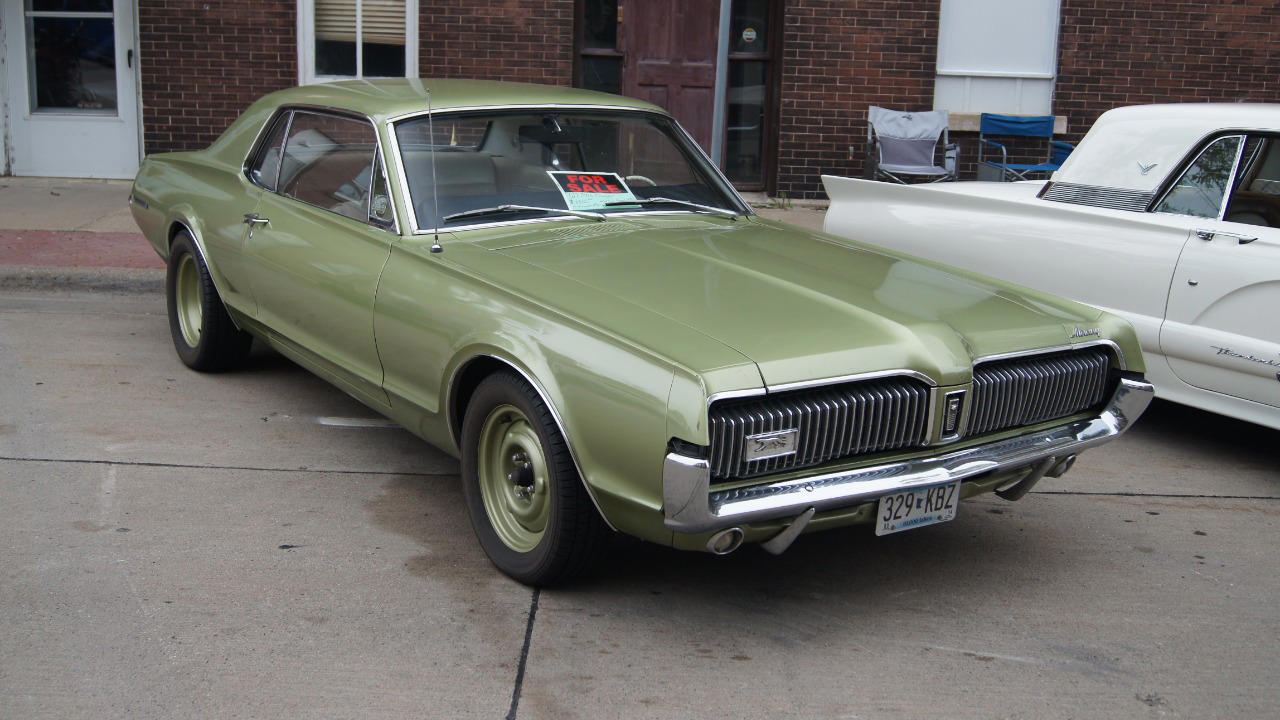
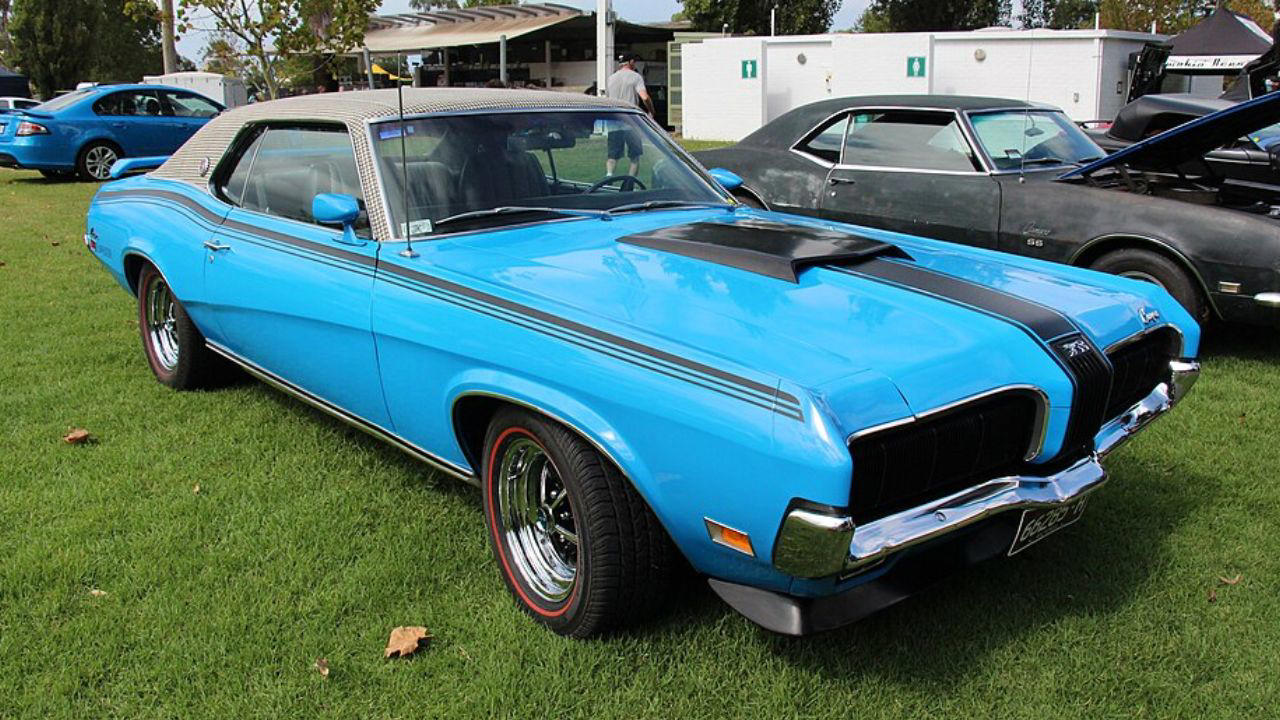
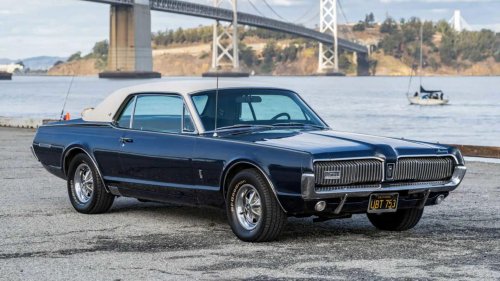
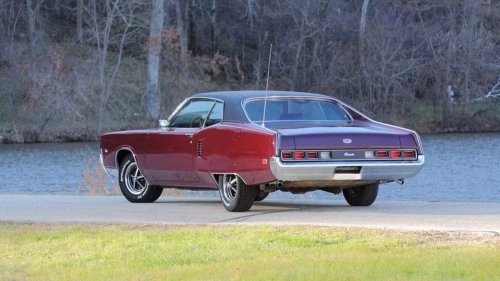
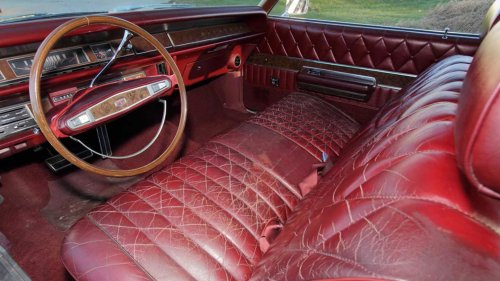
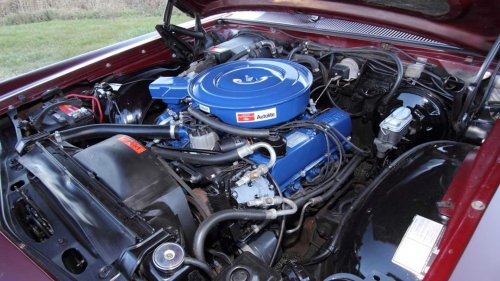
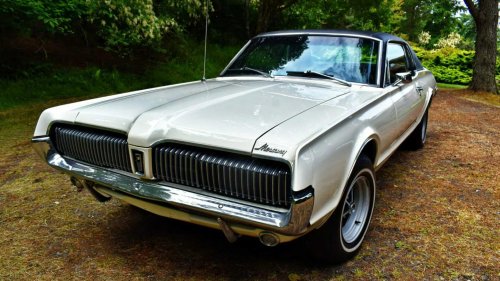
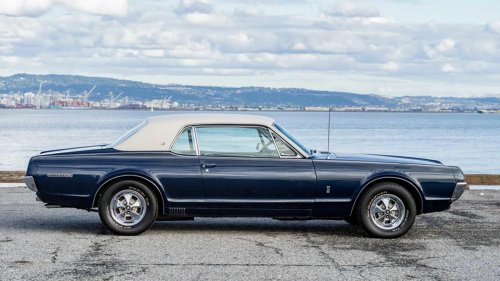
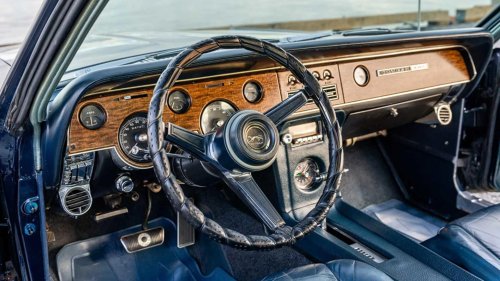
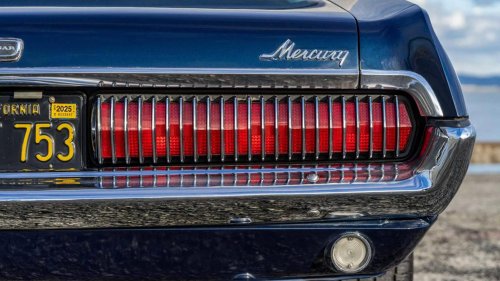
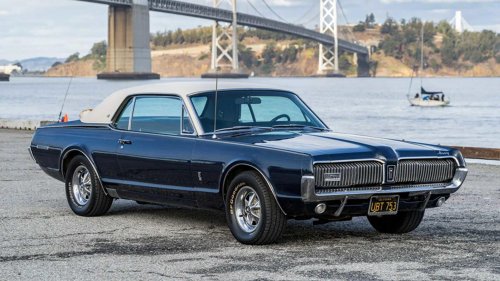
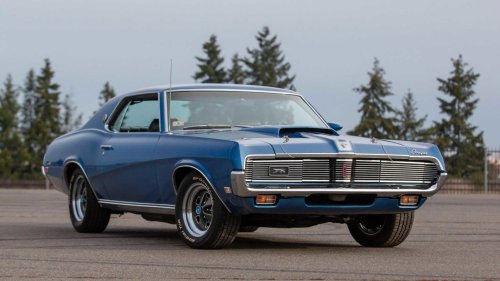
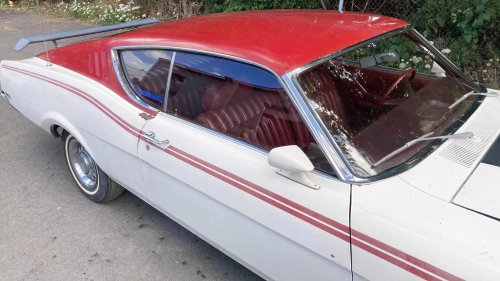
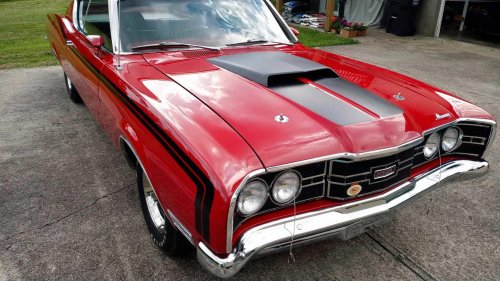
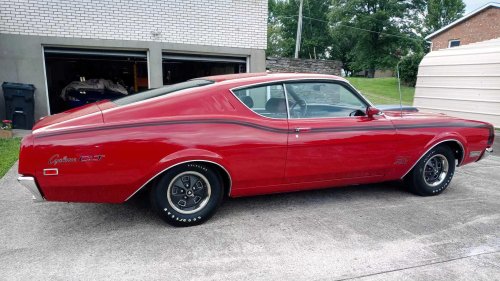
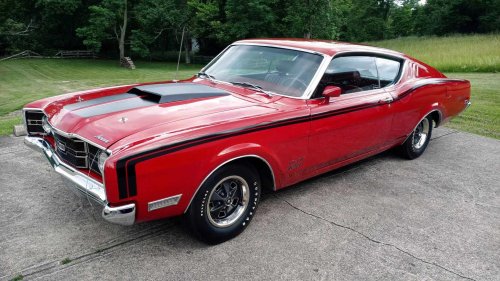
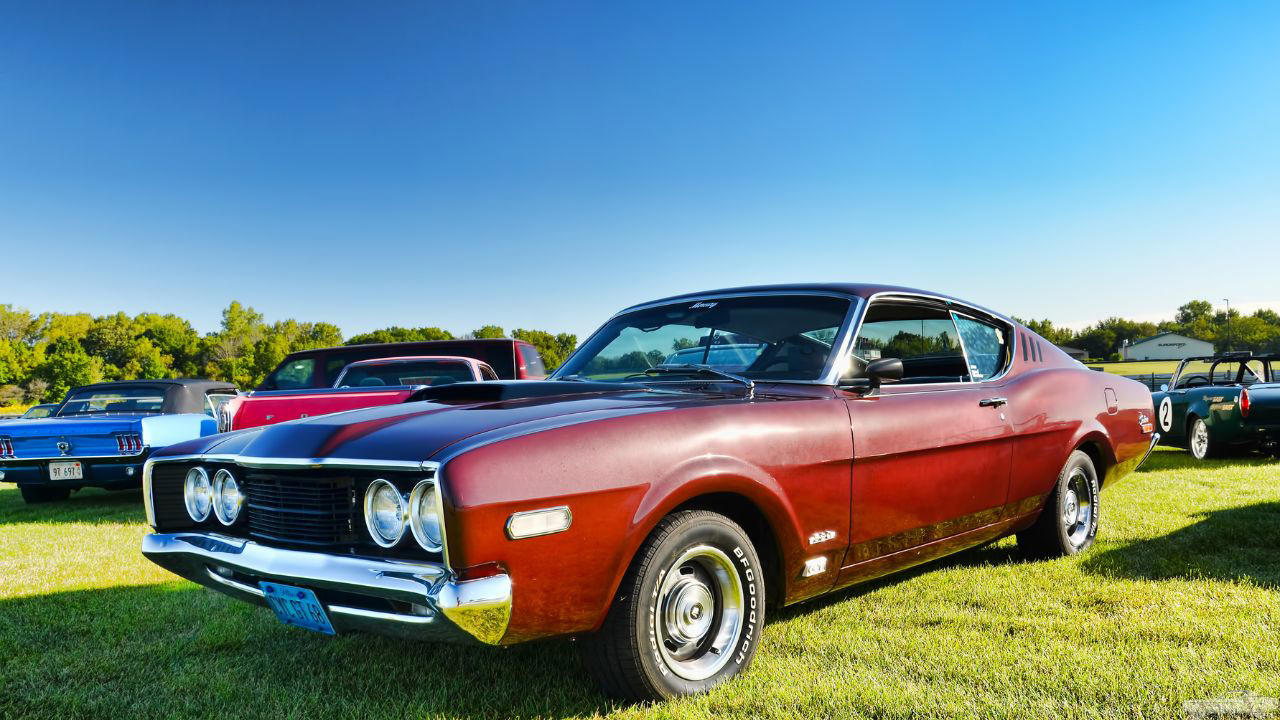
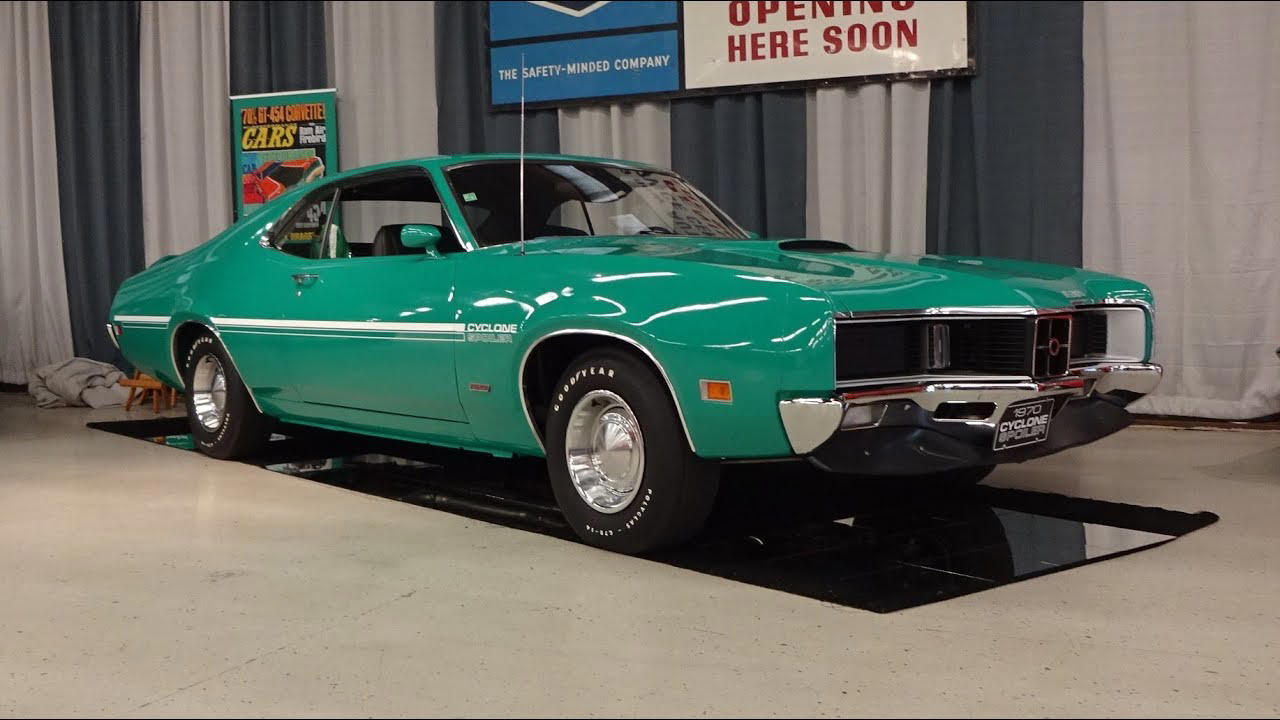
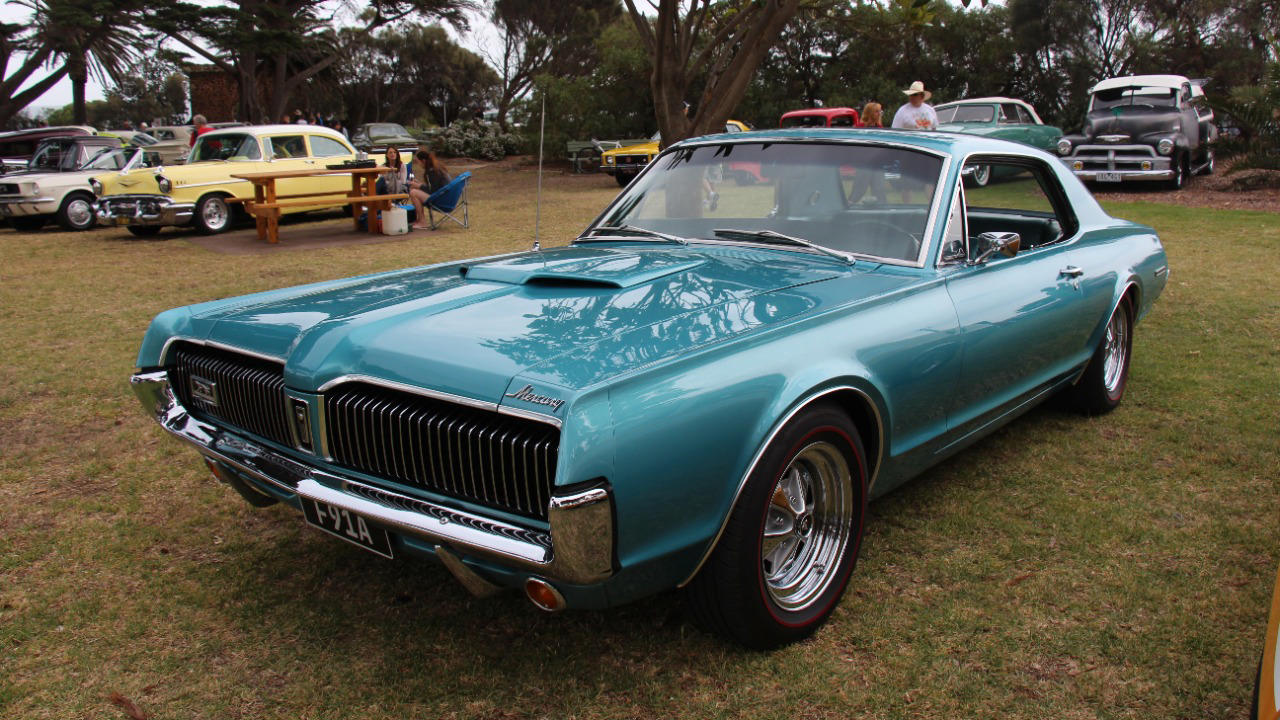
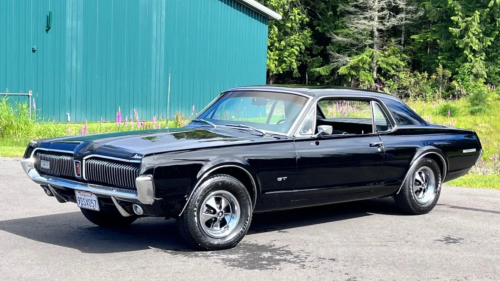
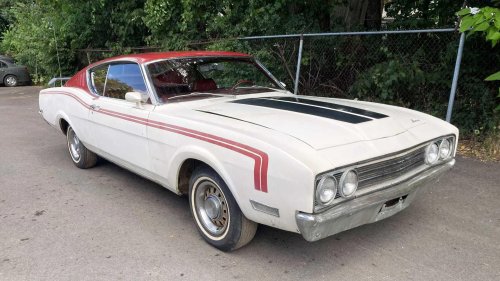
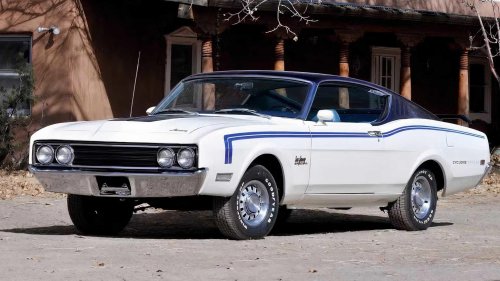
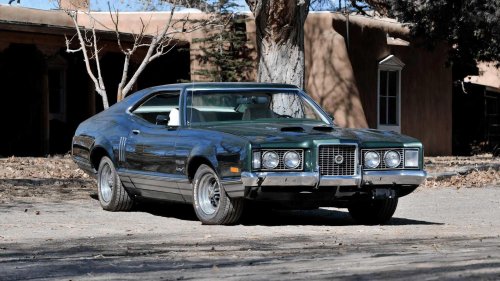
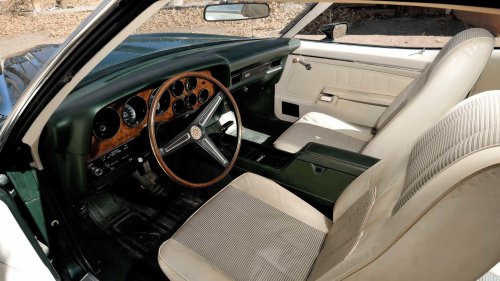
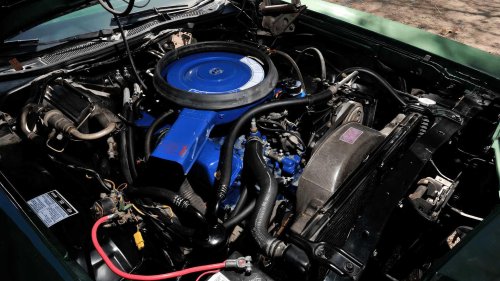
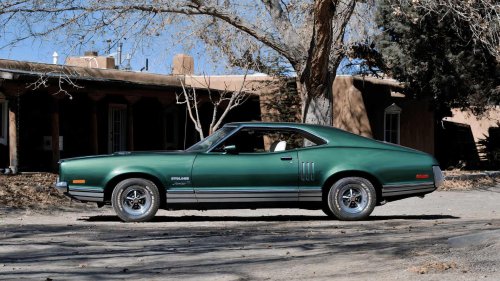
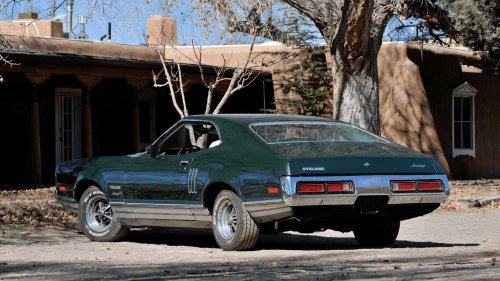
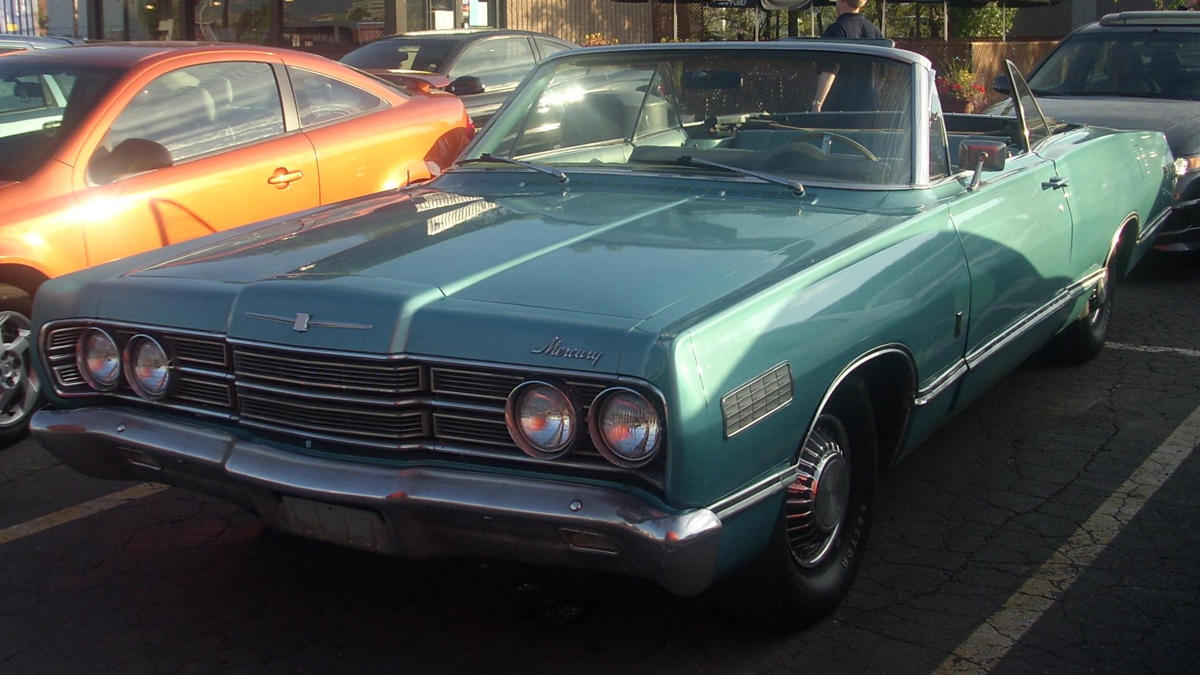
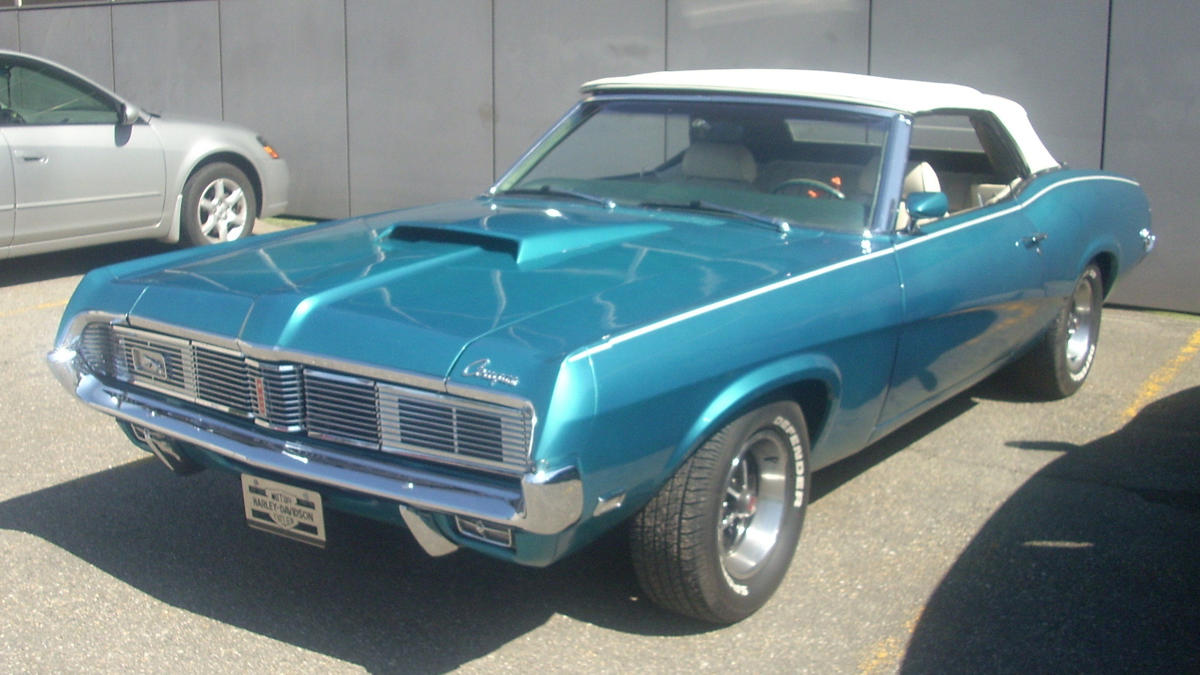
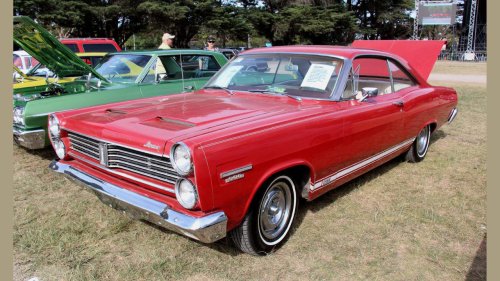
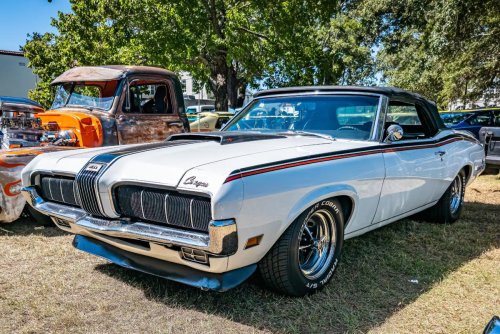
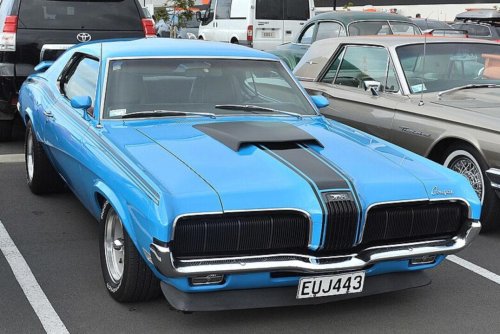
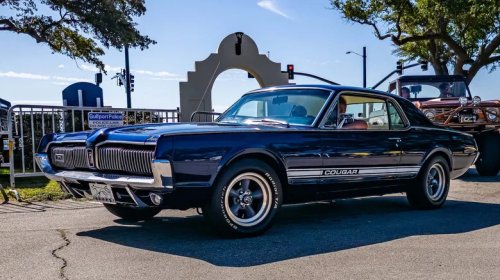
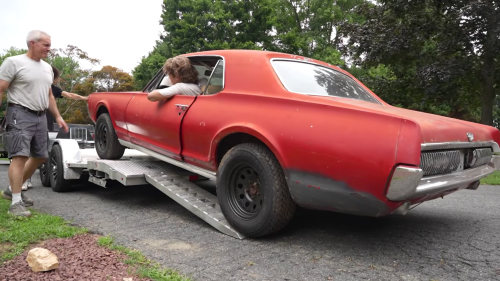
Mercury gave the Cougar features that made people look twiceThe first Mercury Cougar arrived as a refined predator in a field of brash pony cars, a machine that borrowed Mustang hardware but wrapped it in details that made drivers look twice. Hidden headlights, a houndstooth roof and a cabin trimmed like a junior Thunderbird turned a familiar Ford platform into something that felt European, almost aristocratic, without losing its muscle car bite. Those choices were not random styling flourishes. They were a calculated bid to create a car that could sit between the Ford Mustang and the Ford Thunderbird, lure buyers who wanted performance with polish and give Mercury an identity built on what its own marketers called untamed elegance. The rejected idea that refused to die The story of the first Cougar starts several years before the 1967 launch, with a proposal that Ford initially did not want. In an episode of Tony’s Fords and, Aug explains that Ford rejected building a similar car in 1962, passing on an early concept that would have pushed the Mustang formula upmarket. That decision delayed Mercury’s entry into the pony car fight, but it also gave the division time to study exactly where it could fit. By the mid sixties, the Mustang had exploded into a phenomenon and the Thunderbird had grown into a larger personal luxury coupe. Mercury needed something in between. A later Facebook history describes how the Cougar was slotted, with the Cougar positioned as the performance icon for the Mercury brand. That slotting decision shaped everything that followed, from bodywork to marketing. Inside Ford, the car developed under the project name T 7. As one detailed history notes, Ford made no secret that the Cougar shared Mustang underpinnings, but the goal was to create a very different experience on the showroom floor. Designers stretched the wheelbase, refined the suspension tuning and wrapped the package in sheet metal that looked longer, lower and more sophisticated than its pony car cousin. Untamed elegance, by design Mercury’s own description of the car captured that mission. A long retrospective on the model’s first decades recalls how early marketing labeled the Cougar as untamed elegance, a phrase that summed up the mix of aggression and refinement designers wanted. The same piece stresses that the car was clearly not a Mustang, even if it shared a chassis and much of its mechanical layout. That distinction started at the front fascia. The Mercury Cougar wore a full width grille with vertical bars and hidden headlights that gave the car a feline scowl. A detailed overview of the car’s styling calls this the most iconic feature of The Mercury Cougar, noting how the concealed lamps and sculpted hood lines made the car look more expensive than a typical pony car. The sheet metal carried sharp character creases along the flanks, while the rear used sequential turn signals that reinforced the impression of a carefully considered design. Mercury leaned into that sophistication with the interior. Period brochures and later fact sheets highlight how the Cougar could be ordered with nearly every option in the Mercury catalog. A detailed fact sheet notes that the Cougar offered an ultra rare speed control system and a Tilt Away steering wheel that swung aside to ease entry, features more common to full size luxury cars than to compact sporty coupes. Inside, the Cougar XR 7 package added leather trimmed seats, extra gauges and woodgrain accents that gave the cabin the feel of a European touring car. A Facebook group dedicated to Mercury Cougar design describes the 1967 Mercury Cougar Base as a sleek and upscale cousin of the Ford Mustang, a summary that fits the whole philosophy of the car. Mechanical muscle with a polished edge Under the skin, the Cougar relied on proven Ford hardware. The car shared much of its chassis with the Mustang, a fact confirmed in multiple technical breakdowns, including the chassis overview that lists the Cougar as a rear wheel drive unibody with a live rear axle and similar suspension geometry. That shared platform kept development costs in check and ensured strong performance right out of the gate. Where Mercury differentiated the car was in standard and optional powertrains. While the Mustang line opened with smaller six cylinder and small block V8 engines, the first Cougar leaned into V8 power as its core identity. A detailed specification guide from Jul describes how Mercury Cougar Design centered on V8 engines and a European inspired design aesthetic, with the car offered only as a two door hardtop coupe. The combination of smooth power and a quieter, more insulated cabin made the Cougar feel less raw than many rivals. Mercury also experimented with special trims and concepts that pushed the idea further. A Facebook post about the El Gato concept from 1970 reminds readers that most people remember the Mustang when they think about Ford muscle, but the Cougar was the other half of that story. The concept hinted at more radical styling and performance directions that Mercury could have taken, even if they remained showpieces. The Cougar’s mechanical credibility did not go unnoticed. An in depth history notes that The Cougar received the Motor Trend Car award for 1967, making it the only Mercury branded vehicle to earn that title. That recognition validated the division’s gamble that buyers wanted a car that could hustle like a muscle car but look and feel like something more mature. Luxury touches that made people stare What truly made the Cougar stand out were the details that owners and bystanders kept noticing. A quirky but insightful piece about a later model’s houndstooth roof describes the car as if She were looking at you and reacting, an anthropomorphic way of saying the styling had personality. That sort of reaction was exactly what Mercury wanted from the beginning. Even base models carried upscale cues. The grille’s center emblem, the sequential taillights and the restrained use of chrome gave the Cougar a visual identity that did not rely on stripes or scoops. Inside, the availability of features like the Tilt Away steering wheel and speed control, documented in detailed option lists, reinforced the impression that this was a driver’s car designed for long distances as much as quick sprints. Later enthusiasts have continued to highlight how these touches separate the Cougar from its platform mate. A video essay on the 1967 Mercury Cougar describes the car as Ford’s attempt to out luxury their own Mustang, a phrase that captures the sense of internal competition within the company. Rather than chase the Mustang’s youth oriented image, Mercury built a car that could sit in a driveway next to a Thunderbird or a Continental without looking out of place. Cougar versus Mustang, then and now The comparison with the Mustang has never gone away. A modern analysis of why some enthusiasts would pick a Cougar instead of a Mustang argues that the Ford Mustang still dominates the pony car market, but that the Cougar offers a different appeal. The piece notes that perhaps the aspect that really makes the Cougar stand out is the way it blends comfort and style, and concludes that for buyers who want a more relaxed, upscale experience, the Mercury Cougar is easily mistaken for the Ford Mustang. That sentiment echoes period positioning. A Facebook post on Mercury Cougar history describes the car as a stylish and upscale cousin of the Ford Mustang, marketed under Ford’s Mercury division. As Mercury’s own performance icon, the Cougar had to offer something the Mustang did not, and that something was a sense of quiet confidence rather than overt aggression. Collectors and historians have also pointed out how the two cars differed in their target demographics. An article on Cougar and Mustang contrasts the Mustang’s youth oriented image with the Cougar’s appeal to slightly older, more affluent buyers who wanted performance without giving up comfort. That positioning helped Mercury sell the car as a step up for drivers who had outgrown the Mustang’s flash but still wanted a V8 coupe. Even the engines reflected this divergence. While the Mustang line eventually embraced high winding small blocks and track focused variants, the Cougar leaned toward torquey V8s that suited highway cruising. Enthusiasts who chase maximum power today often turn to modern crate engines, such as the big block options listed on Chevrolet’s performance pages, but the Cougar’s original mission was less about raw output and more about how that power was delivered. The long shadow of a short lived formula Mercury kept the Cougar nameplate alive for decades, but the formula evolved. Later generations shifted toward personal luxury and then to front wheel drive coupes, a trajectory hinted at in historical overviews that describe how the original T 7 concept could have evolved into a very different kind of car. A detailed 35 year history of the model tracks those changes and underscores how far the car eventually moved from its 1967 roots. Yet enthusiasts keep coming back to the first generation. A modern video review that calls the 1967 Mercury Cougar the luxurious pony car that captured the hearts and minds of buyers argues that, given a choice between two similar Fords, the reviewer would pick the Cougar. The clip at the 100 second mark of that review highlights how the car’s combination of styling, interior quality and performance still resonates decades later. Writers who focus on American automotive history have also elevated the car’s status. A detailed essay on Mercury Cougar as in American automotive history notes that the car occupies a unique space between pure muscle machines and personal luxury coupes. The same author’s broader projects, linked through sites such as brojure.com, savageriverafoundation.org and savagenewcanaan.com, frame the Cougar as part of a wider exploration of American design and culture. Even corporate documents touched by this history hint at the car’s reach. Legal and privacy notices connected to the long running coverage of the model, such as the terms of use and privacy notice that accompany a 35 Year History Of The Mercury Cougar feature, show how deeply the car is embedded in enthusiast media. Social sharing links that reference 35 Year History, 35 Year History and 35 Year History keep that conversation moving across platforms. All of this attention circles back to the same core idea. Mercury took a familiar Ford platform and gave it features that made people stop and stare. From the hidden headlights and sculpted lines to the Tilt Away steering wheel and optional speed control, the Cougar wrapped muscle in manners. In a market crowded with loud, stripe covered coupes, that mix of restraint and drama was enough to make buyers, and history, look twice. More from Fast Lane Only Unboxing the WWII Jeep in a Crate 15 rare Chevys collectors are quietly buying 10 underrated V8s still worth hunting down Police notice this before you even roll window down