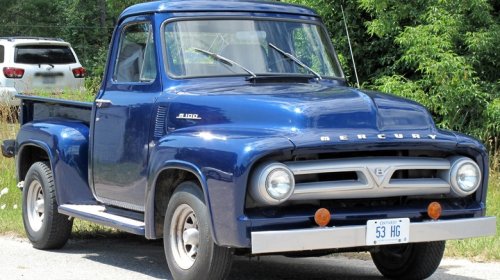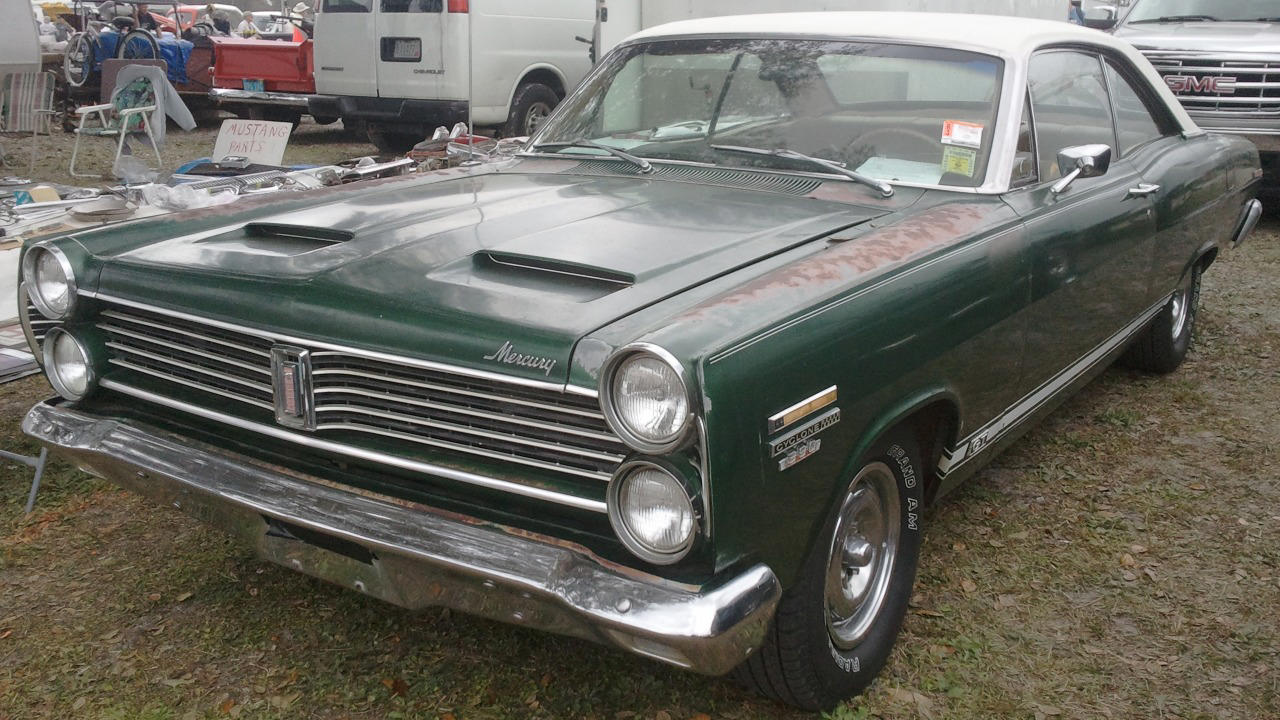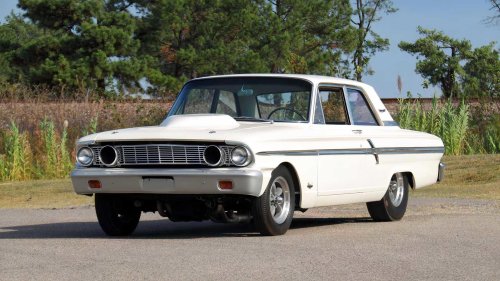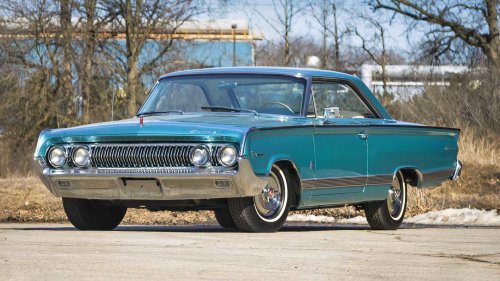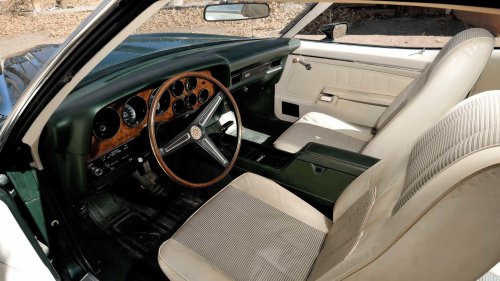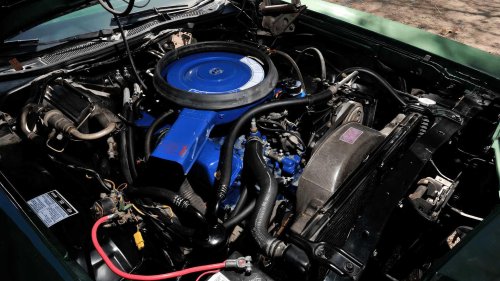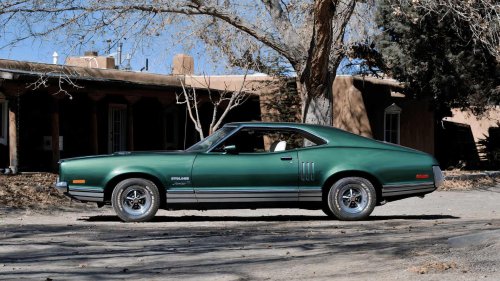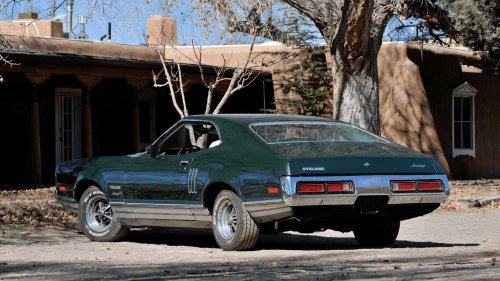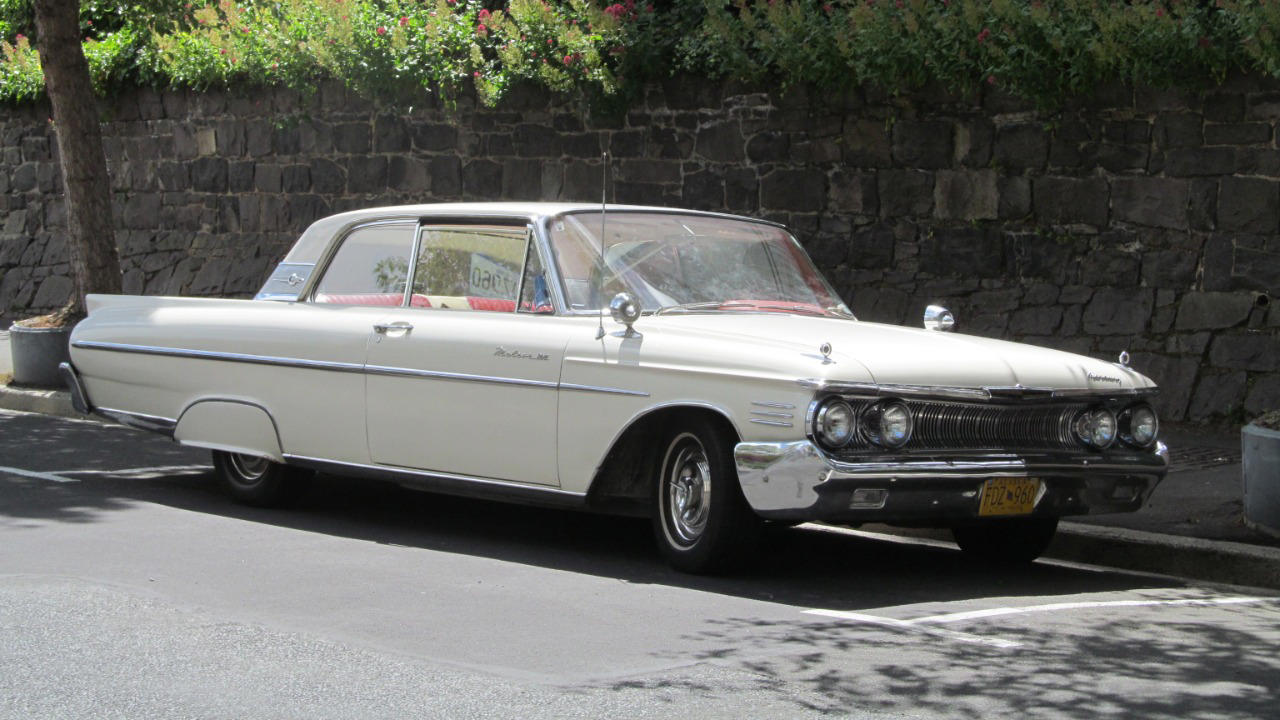


















The 1961 Mercury Meteor tried to stand out but didn’t make things easy for ownersThe 1961 Mercury Meteor arrived as a stylish, slightly smaller Mercury that tried to be all things at once: upscale but thrifty, family friendly but sporty, familiar yet distinct from its Ford cousins. It did manage to stand out, but that same in-between identity left owners juggling quirks in packaging, powertrains, and long-term upkeep. Today the car has a loyal niche following, yet its short production run and mixed reputation still shape what it is like to live with one. Viewed from the distance of six decades, the first-year Meteor captures a turning point in Detroit thinking. It marked Mercury’s shift away from its own big-car hardware to shared Ford underpinnings, and it previewed the muddled product planning that enthusiasts later blamed for the brand’s decline. The result was a car that could be handsome and capable, yet rarely simple. Mercury’s mid-size experiment For 1961, Mercury abandoned its traditional full-size body and moved the Meteor to a variant of the 1960 Ford bodyshell, downsizing from a 126 inch wheelbase to something closer in spirit to emerging intermediates. According to period histories, the Mercury Meteor shared much of its structure with mainstream Ford sedans, which helped control costs but blurred the line between the brands. Buyers who had known Mercury as a step above Ford now saw a car that felt more like a dressed up relative than a distinct flagship. Canadian buyers had an even more tangled experience. In that market, Meteor had already existed as a separate marque. After Ford reorganized its lineup, Meteor was discontinued, the name would later reappear in the United States on a mid-size car derived from the Ford Fairlane. The constant repositioning made it hard for shoppers to understand exactly what Meteor was supposed to be. Styled to impress, positioned to confuse Visually, the 1961 Meteor tried to justify its place above a Ford with more elaborate trim and a distinctive front end. Period advertising for the 600 and 800 series leaned on brightwork and upscale cues, and owners still recall the shape fondly. In one enthusiast group, a commenter remembered a white 62 Meteor with red interior and called it a Great looking Mercury, while another pointed out that Mercury had become a replacement for the 60 Edsel. That comparison captures both the ambition and the risk: Meteor was meant to fill a gap left by a failed experiment, yet it carried some of the same identity problems. Within Mercury’s own showrooms, the car sat uncomfortably close to the compact Comet. One retrospective described Merc’s senior compact Comet, essentially a stretched Ford Falcon, as coming within inches of the midsize Meteor in size and mission. In practice, shoppers saw two cars that overlapped in price and space, one named Comet and the other Meteor, both orbiting the same Ford Falcon and Fairlane hardware. The branding may have been clever on paper, but it left sales staff explaining fine distinctions that many customers did not care about. Engines that looked better on paper than on the road Under the hood, the 1961 Meteor reflected Mercury’s struggle to balance economy with performance. Earlier in the brand’s history, buyers associated Mercurys with strong V8 power. By 1961, however, the company was experimenting with smaller engines in larger cars. One account of that period notes that, for the first time in Mercury history, a full-size Mercury could be ordered with a six cylinder, the same 135 horsepower unit shared with other Ford products. That shift, described in an analysis of how Mercury moved to, symbolized a broader retreat from the muscular image that had set the brand apart. Not every Meteor was underpowered. One owner’s story describes a family that traded a rusted out 57 Merc Monterey with a 312 V8 for a new Meteor 800 in 61 with a 352 under the hood. In that account, the Meteor 800 felt like a capable step forward, yet it still shared much with its Ford cousins. The recollection of that Meteor 800 and highlights how the car could be specified as a true V8 cruiser, even as the base versions grew more modest. This split personality created headaches for owners and dealers. On one side were economy minded buyers who found the six cylinder adequate but hardly inspiring in a car that still felt substantial. On the other were drivers who paid extra for the 352 V8 and expected a more refined, clearly premium experience than a Ford Fairlane or Galaxie could provide. The Meteor often delivered something in between. Trim levels that promised more than they simplified The 1961 lineup was divided into 600 and 800 series, with the latter positioned as the more upscale choice. In practice, the distinction added another layer of complexity for buyers and for anyone trying to maintain these cars decades later. Contemporary coverage of a customized V8 example notes that, although the Meteor was closely related to the Ford Fairlane and Ford Galaxie, the car in both its 600 and 800 trim levels sold in much smaller numbers. That low production, highlighted in a profile of a custom 1961 Meteor, helps explain why trim specific parts are scarce today. Enthusiast catalogues describe how the Meteor found its place as both a reliable family car and an eye catching weekend showpiece. At the same time, those guides caution that its maintenance has become more involved because of parts scarcity over time. That tension between everyday usability and rare components continues to shape the ownership experience. Living with a Meteor: charming, but not straightforward Modern owners who seek out a Meteor often discover that the car’s in between status still complicates life. On one restoration forum, a newcomer described finding a 1962 Mercury Meteor sedan for $2,700.00, noting that it started right up and was used weekly, but also that the front bumper and other details needed attention. The discussion on that Car Talk Community quickly turned to the realities of rust repair, sourcing trim, and deciding whether the low entry price justified the work ahead. Bodywork is a recurring theme. Advice shared with new buyers of related Mercury models stresses the need to inspect panels carefully. One comment urged shoppers to Check the body panels with a magnet and added, Take it along the painted surfaces to find heavy filler. That practical tip, offered in a discussion about a compact Mercury on r/classiccars, applies just as strongly to a Meteor, which shares many of the same rust prone seams and repair challenges. Underneath, the car’s Ford based chassis and driveline can be a blessing. Many mechanical parts interchange with more common Fords, which keeps basic service manageable. At the same time, the Meteor specific trim and interior pieces that once set it apart now require patience and creativity. Enthusiast parts guides for the 1961 Mercury Meteor mention rare dealer installed accessories, including unusual air conditioning setups, that add interest but also complexity when something fails. Why the market moved on In the early 1960s, Detroit was racing to define the mid-size and compact segments. Mercury’s strategy, which involved the Comet, the Falcon based compact, and the Meteor, the junior full size that would soon evolve into a Fairlane based intermediate, left the brand stretched thin. A later analysis of the 1963 Meteor described the car as falling to earth with a resounding thud, and a comment thread around that piece included a reader named Laurence asking, What could have saved the Meteor. One reply, posted by MCT, suggested that the car never had a clear enough mission to survive. Photographs in that same discussion, archived through a Falling To Earth image pool, show tidy, well preserved Meteors that look more than competitive with their period rivals. The styling was not the problem. Instead, the car suffered from being wedged between a rapidly improving Ford lineup and a Mercury brand that could not decide whether to chase volume or exclusivity. The Edsel shadow and Mercury’s slow bleed The timing of the Meteor’s launch meant it inherited some of the baggage from Ford’s earlier misstep. In enthusiast recollections, people still link Mercury’s repositioning to the failure of Edsel and the way the company tried to remarket Merc as a safer, more conventional choice. One Facebook commenter, reflecting on a 62 Meteor, noted that Mercury had effectively become the replacement for the 60 Edsel and that the Meteor carried some of that legacy. Broader analyses of Mercury’s decline describe the brand as dying by a thousand cuts. The decision to put a modest 135 horsepower six in what had been a V8 territory car is one such cut. The overlapping of Comet, Meteor, and full-size models is another. Each move chipped away at the clarity that once made Mercury a straightforward step up from Ford. The Meteor’s short life and modest sales became part of that longer story. How enthusiasts keep the story alive Despite its commercial struggles, the Meteor has developed a small but passionate following. Video features on surviving cars often emphasize originality and the way these sedans capture everyday American life of the early 1960s. One such profile introduces a stunning survivor that its caretaker, Gary, has preserved with great care. The host explains that they were finally able to bring it to viewers and that it was worth the wait because Gary, described as the car’s current caretaker, has many interesting stories about its history. That sense of personal connection comes through clearly in the Car Could Talk segment. Online communities fill in the gaps that factory support no longer covers. Enthusiasts share scans of period ads, such as a Discovered Mercury Meteor brochure, and compare notes on correct trim, paint codes, and drivetrain combinations. Some owners document heavily customized builds that swap in modern components while preserving the original sheet metal, an approach that sidesteps some of the hardest parts hunting while keeping the car on the road. Related discussions about Mercury’s smaller Comet models also offer guidance. In one thread, enthusiasts explained that the compact engines were 144 or 170 cubic inch units and that Both are solid lifter engines requiring periodic valve adjustments, with some recommending a later 200 as an upgrade. That level of detail, shared in a Comet specific discussion, illustrates the depth of knowledge that can help Meteor owners navigate similar mechanical questions. Buying one today: romance versus reality For a modern buyer, the 1961 Meteor offers an appealing mix of rarity and familiarity. The car looks distinctive, yet it shares enough with Ford sedans to avoid complete obscurity. Enthusiast guides stress, however, that parts scarcity for Meteor specific components can turn routine repairs into long searches. The same catalog that praises the car’s dual role as family transport and showpiece also warns that its maintenance has grown more involved as stocks of original parts have dwindled. More from Fast Lane Only Unboxing the WWII Jeep in a Crate 15 rare Chevys collectors are quietly buying 10 underrated V8s still worth hunting down Police notice this before you even roll window down The post The 1961 Mercury Meteor tried to stand out but didn’t make things easy for owners appeared first on FAST LANE ONLY.