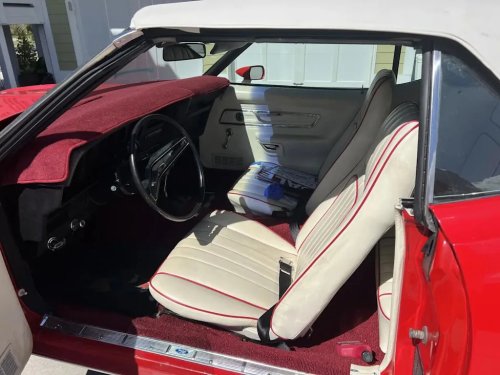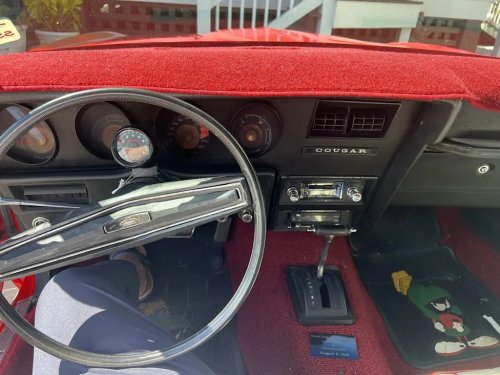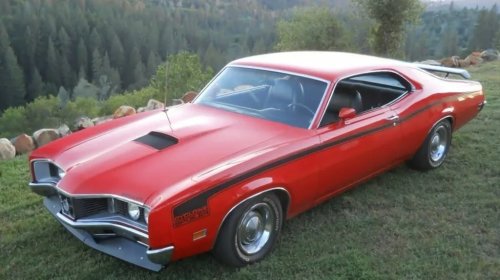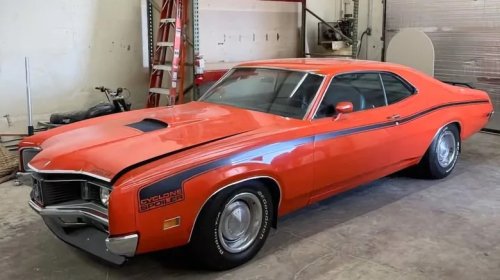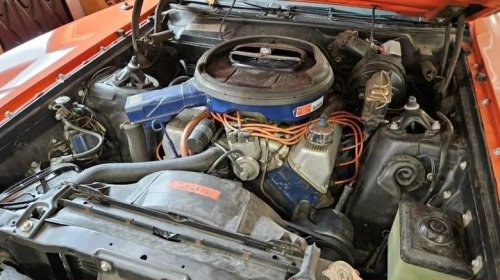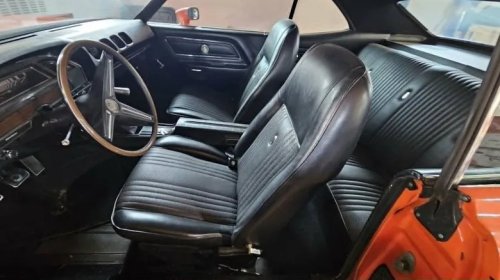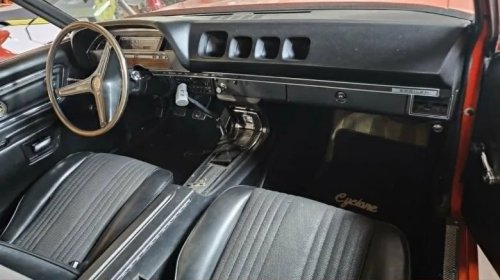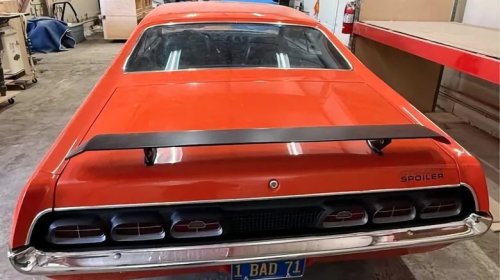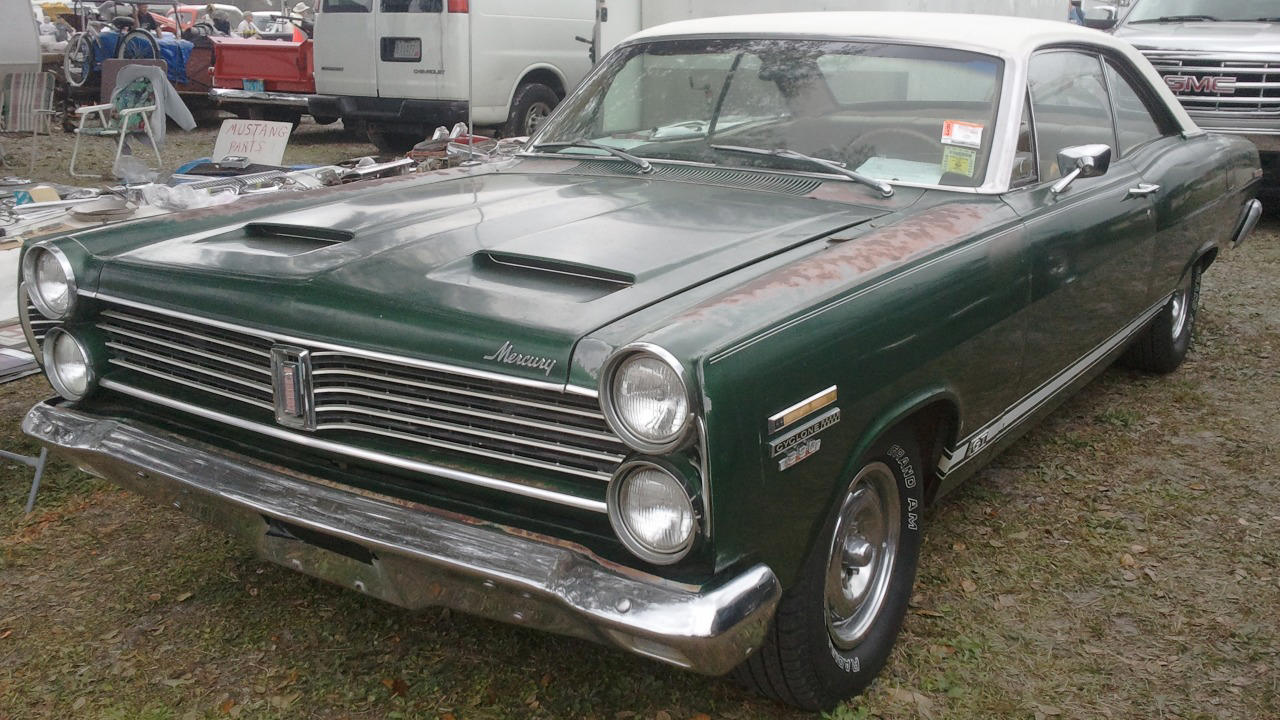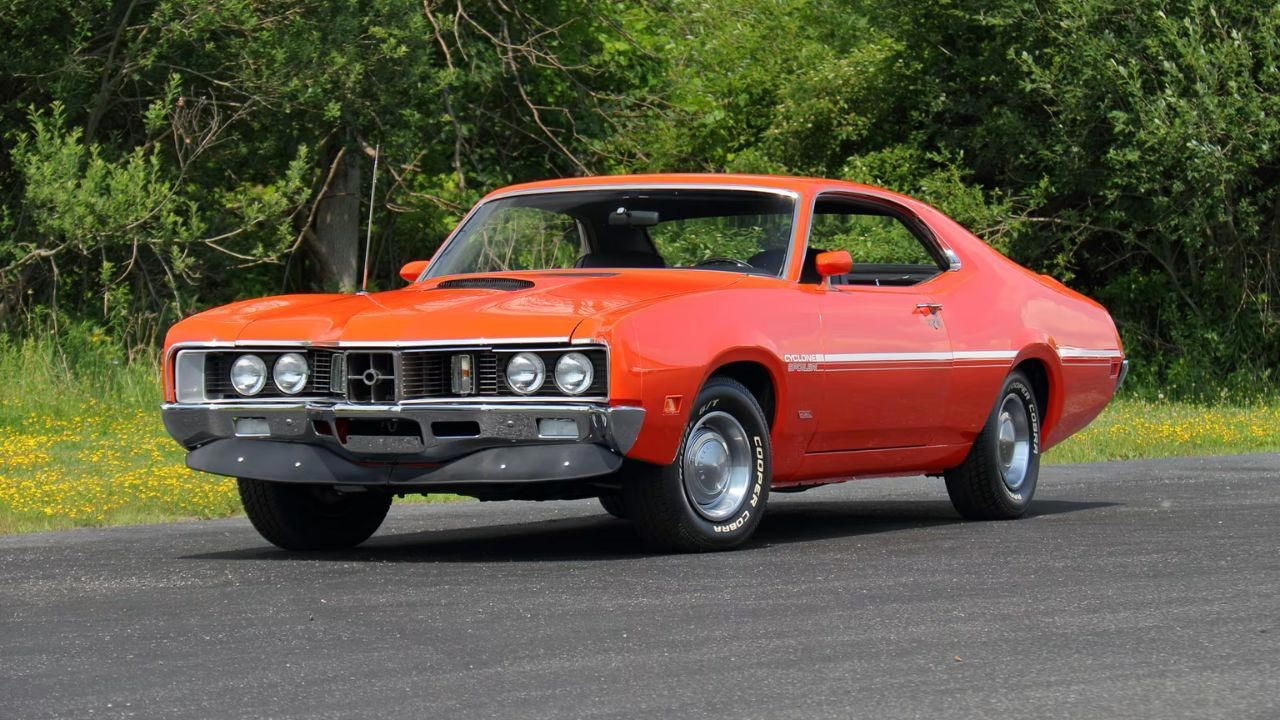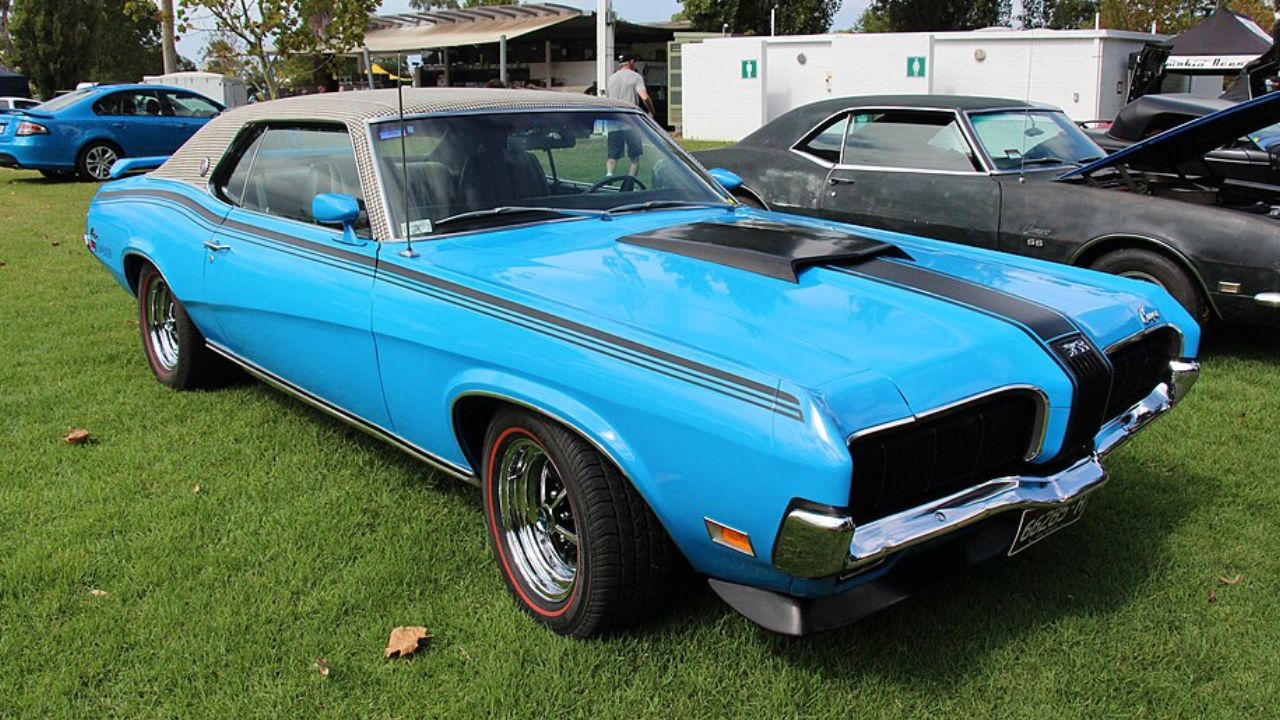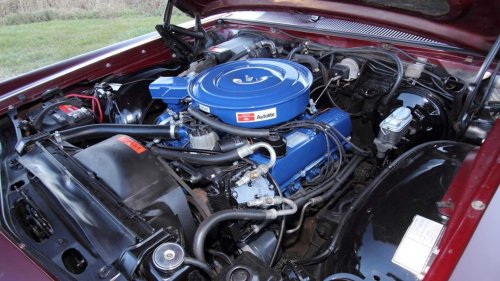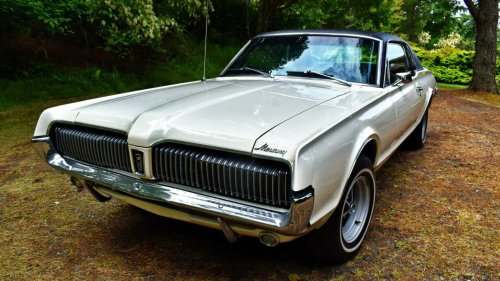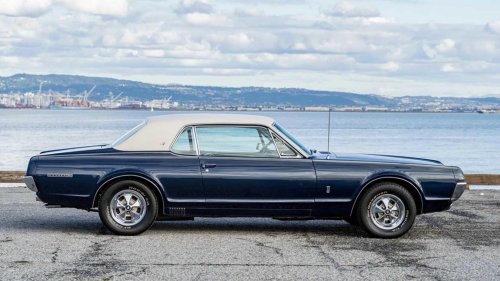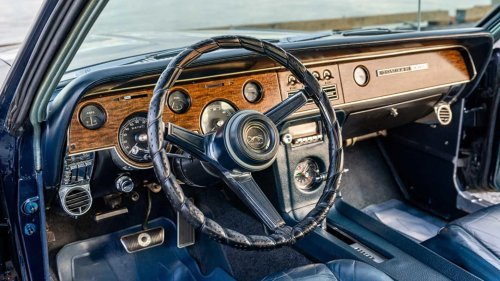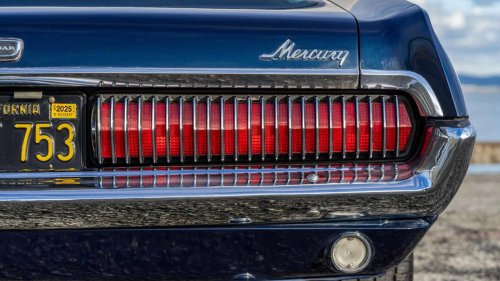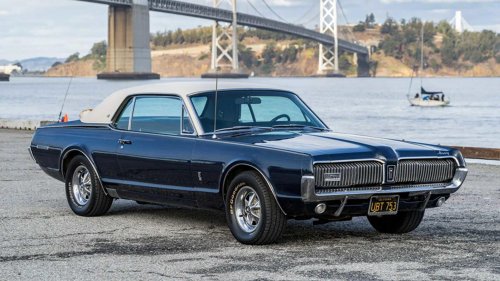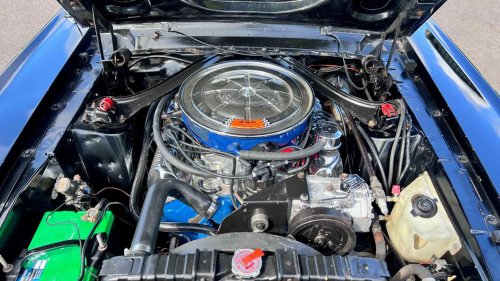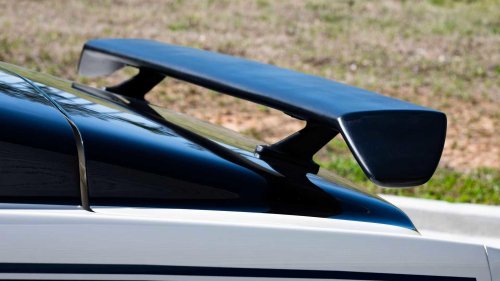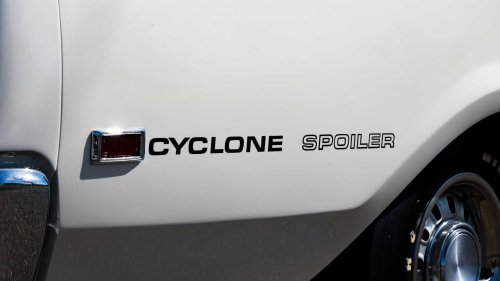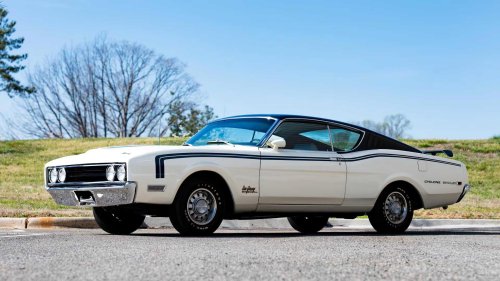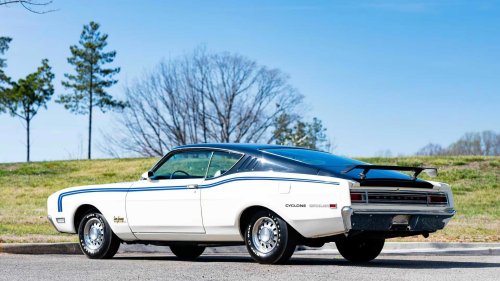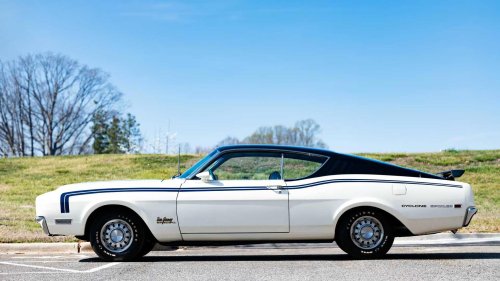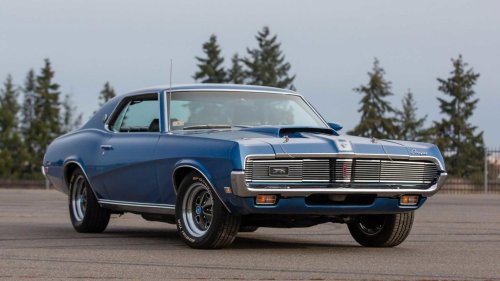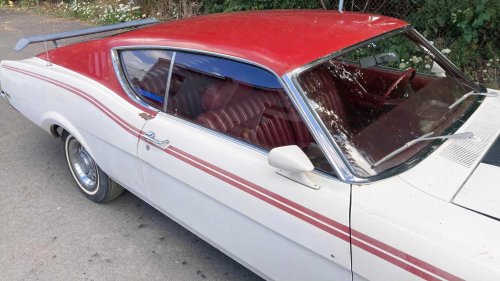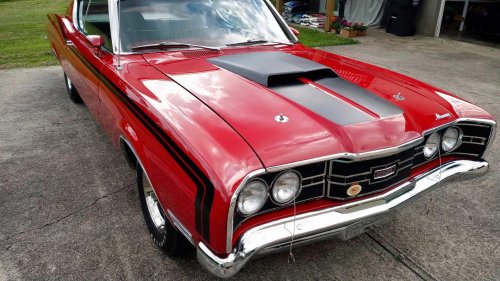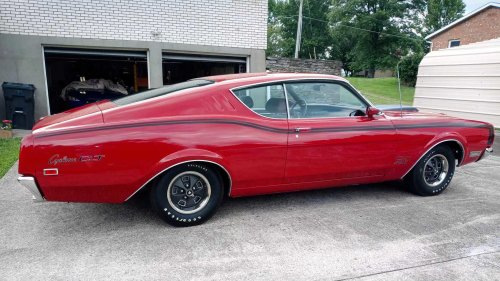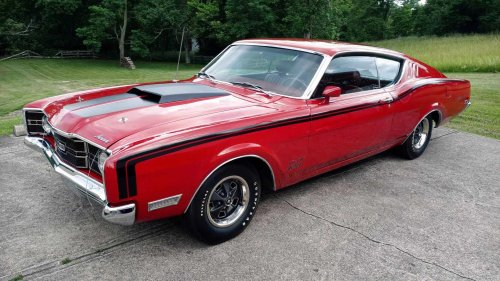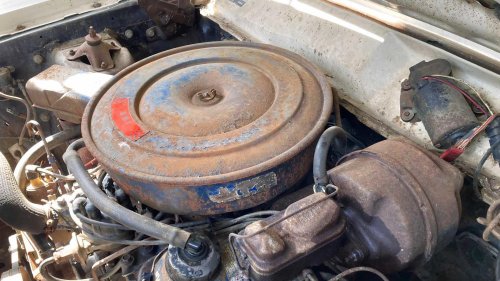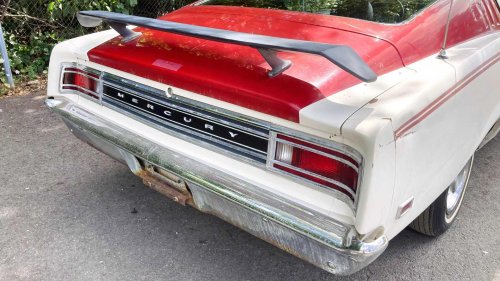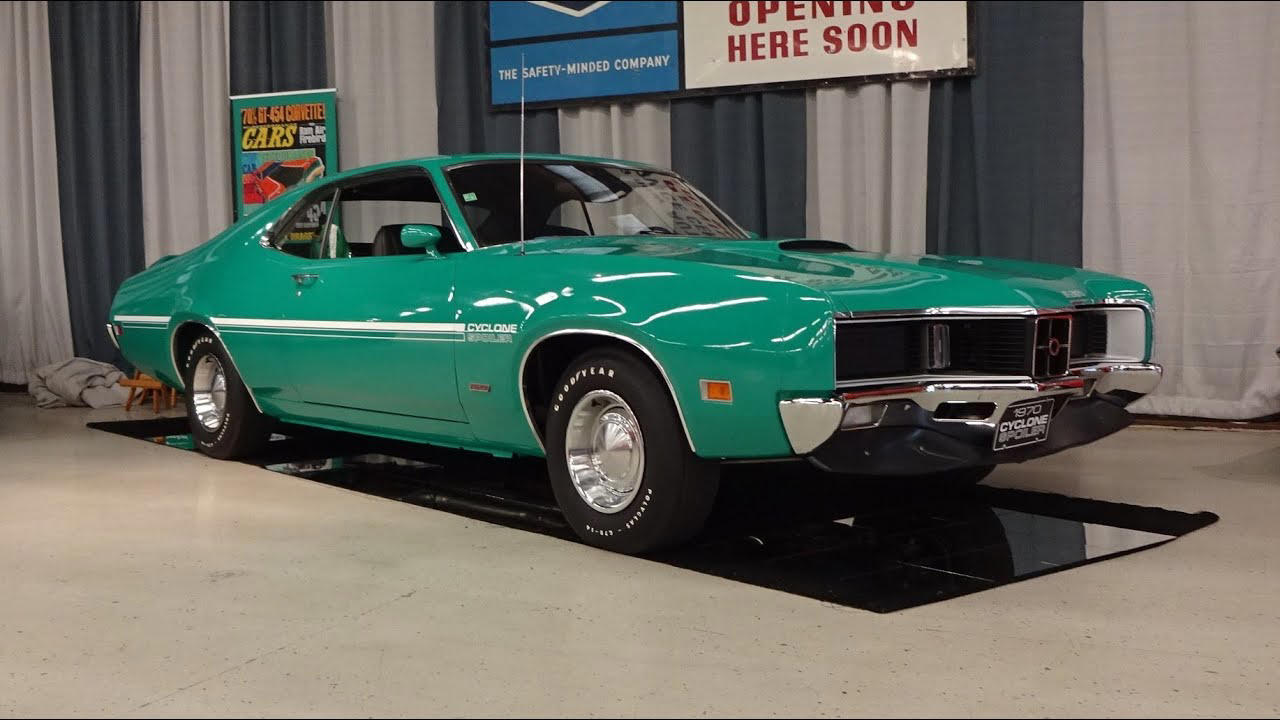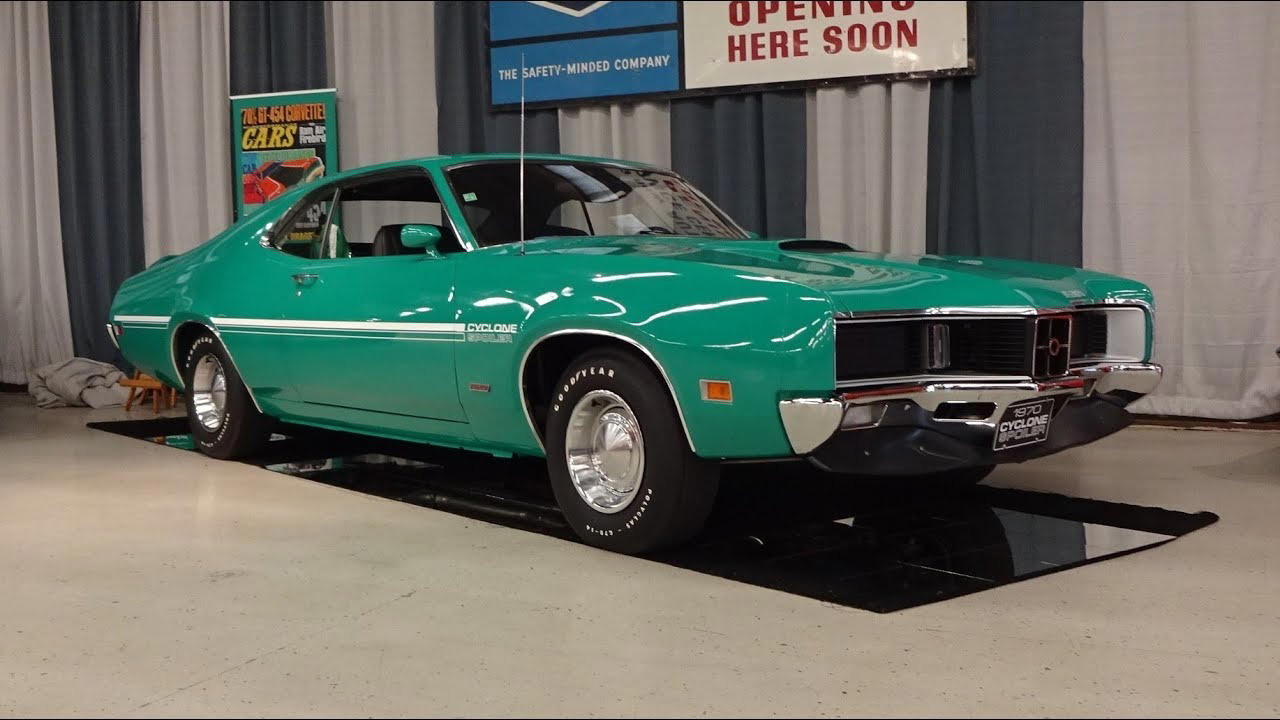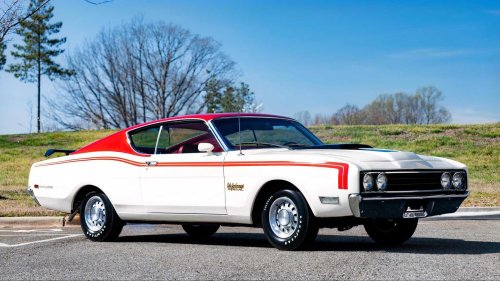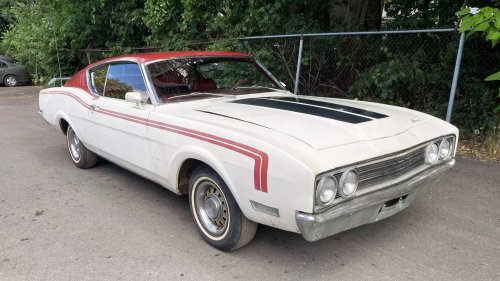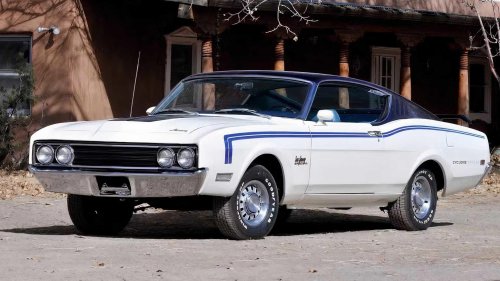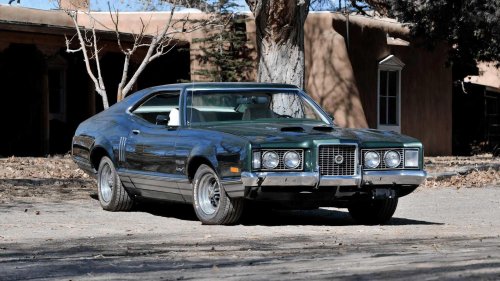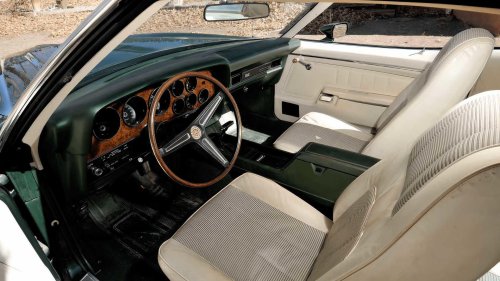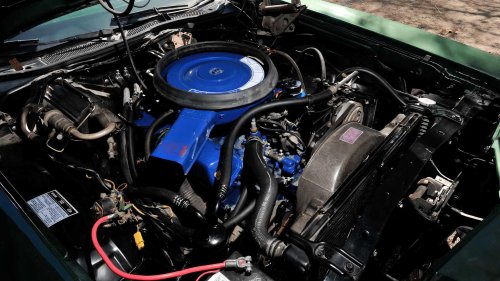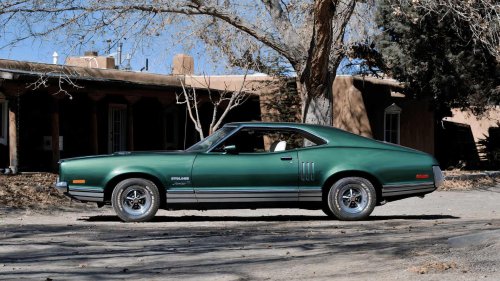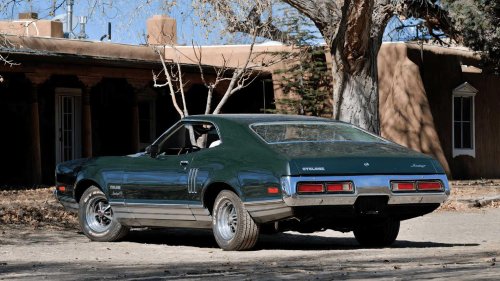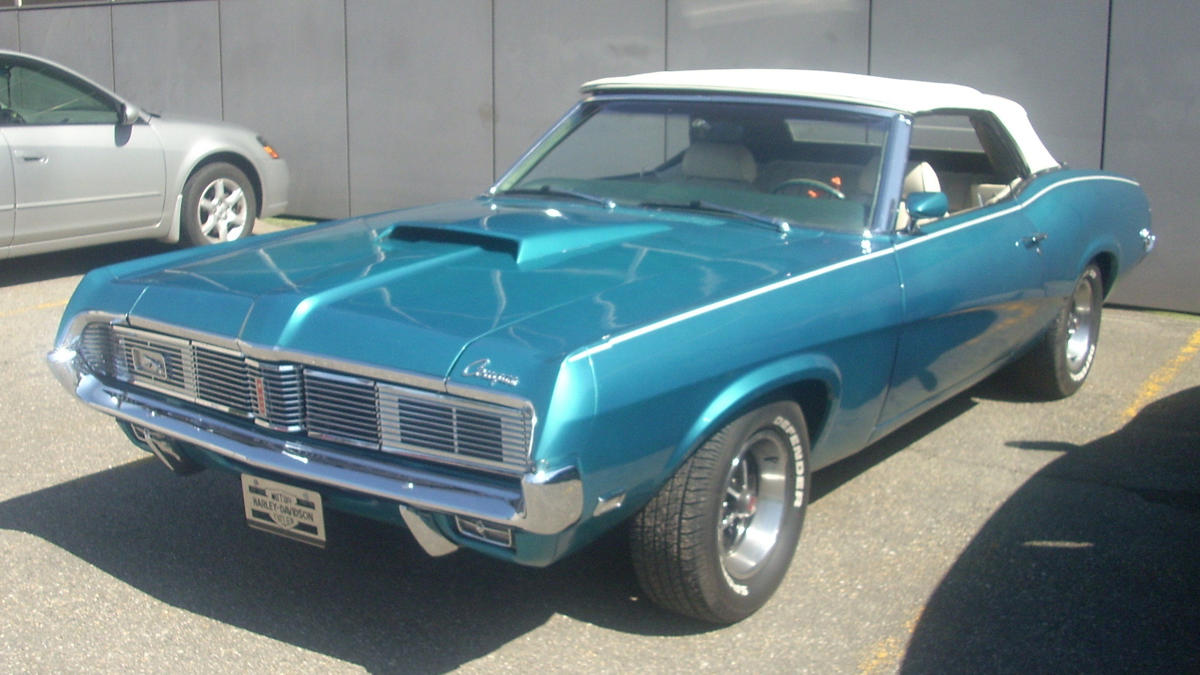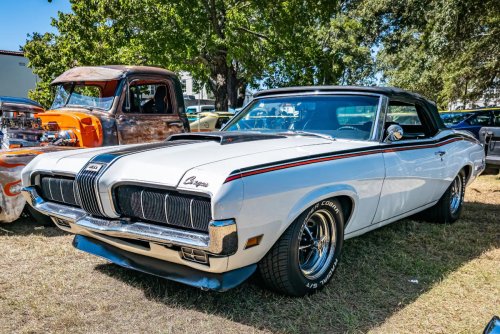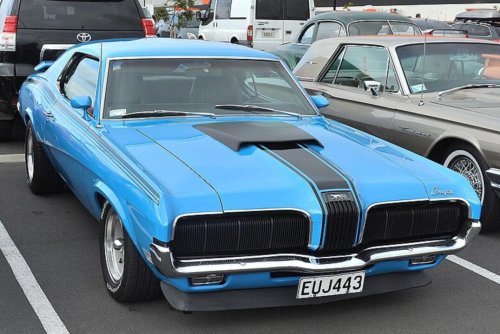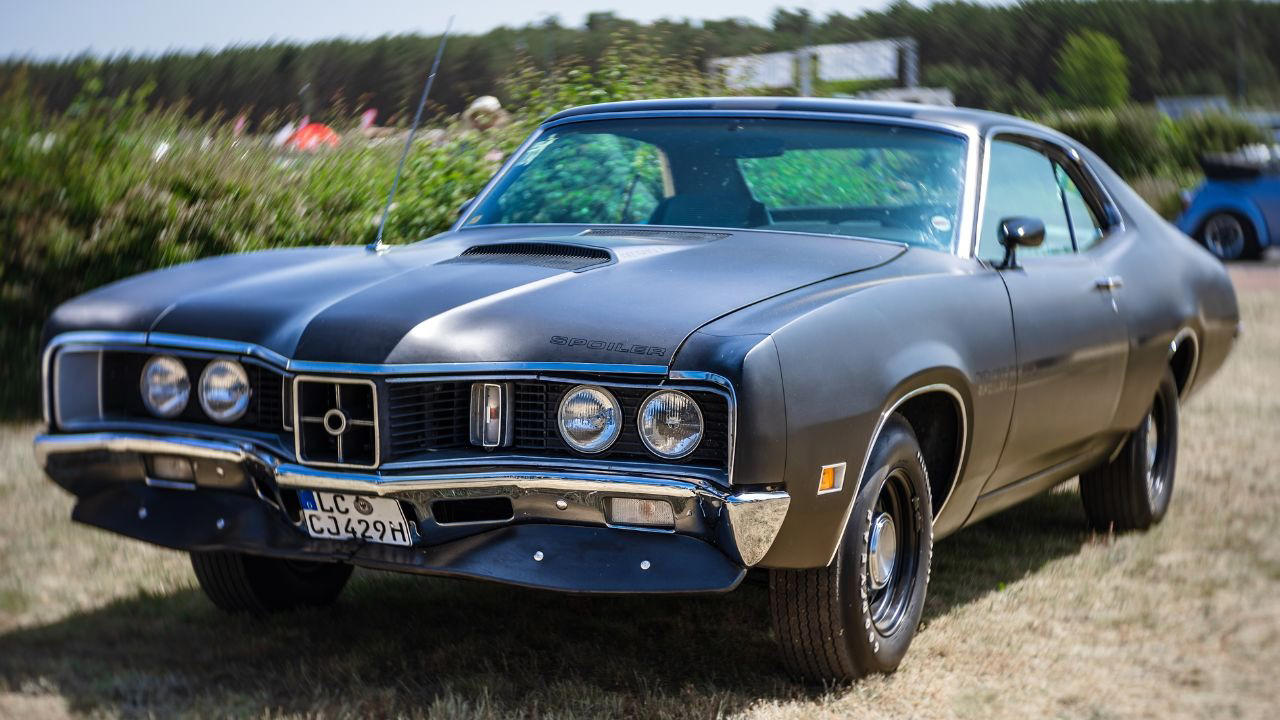



















Mercury Cyclone Spoiler deserves more credit in muscle historyThe Mercury Cyclone Spoiler has all the ingredients enthusiasts celebrate in classic Detroit performance, yet its name rarely surfaces alongside the usual legends. With NASCAR-inspired aerodynamics and big-block power, the Cyclone Spoiler combined racing intent with showroom appeal. Muscle history tends to spotlight louder badges, but the Cyclone Spoiler’s record shows a car that earned far more recognition than it received. Study its competition record, production numbers, and surviving examples, and a different hierarchy emerges. The Cyclone Spoiler and Mercury Cyclone Spoiler II were engineered for high-speed work, built in relatively modest quantities, and today sit at valuations that still lag their capability and rarity. That gap between substance and reputation is exactly why this car deserves a fresh look. From Mercury outlier to overlooked icon Within the broader muscle conversation, the Cyclone nameplate often sits in the shadow of better known corporate cousins, despite being a dedicated performance model in the Mercury lineup. A quick search for the Mercury Cyclone Spoiler still returns a fraction of the attention lavished on Chevelle SS, Road Runner, or Boss Mustang models, which hints at how far it has slipped from mainstream memory. Yet the car sat at the intersection of mid-size practicality and serious competition intent, a combination that should have secured a more prominent place in enthusiast culture. Some anonymity arose from Mercury’s place in Ford’s hierarchy, where it received less marketing attention than Ford-badged performance cars. The Cyclone Spoiler shared hardware and philosophy with the Torino and other corporate platforms, but it wrapped those elements in a distinct identity that leaned into luxury and aggression at once. That dual personality, neither pure race homologation nor pure boulevard cruiser, may have confused period buyers, yet it now reads as a sophisticated alternative to the louder, more common muscle staples. Built around racing, not just styling The most compelling argument for the Cyclone Spoiler’s significance comes from its direct link to high-speed competition. The Cyclone Spoiler II was conceived with NASCAR in mind, developed as an aerodynamic answer to the Mopar wing cars and Ford’s own aero specials. In that context, the quoted reference to the 69 specification underlines how tightly the car was tied to the 1969 racing season and its escalating aero war. This was not a simple decal package; it was a homologation tool created so Mercury could compete at the front of the stock car grid. Period racing accounts describe how the Cyclone Spoiler II carried a longer, more tapered nose and reworked body surfaces to reduce drag and increase stability at speed. Although it did not win the championship, the Cyclone Spoiler was competitive in NASCAR, with Cale Yarborough securing multiple victories in 1969. Later reflections on the model emphasise that the Mercury Cyclone Spoiler never secured a title but still matched more famous rivals in Grand National victories, which reinforces the idea that it delivered at the track even if its story faded in the showroom. Power, specification and the 429 Super Cobra Jet On the street, the Cyclone Spoiler’s hardware placed it firmly among the serious big-block contenders of its era. Contemporary data on the Mercury Cyclone of any 1970 variety confirms that buyers drove away with no less than 360-hp, a figure that aligned it with headline performance models of the time. At the top of the range, the Cyclone Spoiler 429 Super Cobra Jet specification added an even more serious twist, combining the large displacement V8 with heavy-duty internals and competition-minded gearing. A surviving 1970 Mercury Cyclone Spoiler 429 Super Cobra Jet demonstrates the seriousness of this specification. That car is identified as one of only 341 built with the 429 Super Cobra Jet engine, factory rated at 375 horsepower, and equipped from new with drag strip friendly hardware such as a competition rear axle. Another analysis of the broader 1970 model year notes that when GM lifted its internal limit on big-blocks larger than 400 cubic inches (equivalent to 6.5 liters) in mid-size cars, the Cyclone Spoiler’s already generous displacement and output placed it squarely in the thick of the escalating power race, even if the badge on its fender did not carry the same showroom magnetism. Production rarity and market values If performance credentials put the Cyclone Spoiler on equal footing with better known rivals, its production figures tilt the scales further in its favour as a collectible. A detailed breakdown of Sales and Production for 1970 lists 13,496 Cyclones built in total, of which only 1,631 were Spoilers. That ratio illustrates how the highest specification cars were a small fraction of the overall run, and when narrowed further to combinations such as the 429 Super Cobra Jet, the numbers shrink again. Enthusiasts on dedicated forums go as far as to describe certain builds as probably the rarest 1970 Cyclone constructed, a sentiment echoed in a detailed post within a Mercury Cyclone Spoiler owners group that calls the model a bold and aggressive muscle car designed to dominate the drag strip. Market valuations have begun to respond, but they still lag the car’s rarity and performance. Guidance for a standard Mercury Cyclone suggests that typically, buyers can expect to pay around $23,700 for a 1970 example in good condition with average specification. That figure applies to the broader Cyclone range rather than the rarer Spoiler and Super Cobra Jet variants, yet it signals how attainable these cars remain relative to equally powerful and less scarce contemporaries. At the same time, stories of a Cyclone Spoiler discovered languishing in a junkyard, where all that identified the car from a distance were its fender decals, show how far the model still has to climb in collective awareness before every survivor is treated as a prized artifact. Enthusiast culture and the case for recognition Among dedicated fans, the Cyclone Spoiler’s reputation is stronger than its public profile suggests. A detailed Jan feature explicitly labels The Mercury Cyclone Spoiler Is The Most Underrated Big Block Muscle Car Ever, arguing that among the muscle car crowd it has been overlooked both in period and in the decades since. That assessment aligns with a broader pattern in collector culture, where cars from secondary brands or smaller manufacturers, such as the AMC products that never matched the marketing reach of the Big Three, often deliver similar or better performance without commanding the same prices or recognition. Enthusiast online communities preserve the Cyclone Spoiler’s story through detailed build threads and appreciation posts. One discussion framed around the idea that the 1970 Cyclone Spoiler was Mercury’s well dressed muscle car, shared in the Comments Section of a muscle car forum, captures how enthusiasts value its styling details, including the way the word Spoiler appears on the trunk lid directly below the functional rear wing. Another clip presents the 1970 Mercury Cyclone Spoiler as a competitor to Ford Torino Talladega and other aero cars, situating it within the era’s intense performance battles. Against that backdrop, the growing number of restorations, the occasional one-owner one of one Mercury Cyclone Spoiler SCJ crossing the Barrett Jackson block, and the steady hum of online admiration all strengthen the argument that this car has earned a more prominent chapter in muscle history than it has yet been given. More from Fast Lane Only Unboxing the WWII Jeep in a Crate 15 rare Chevys collectors are quietly buying 10 underrated V8s still worth hunting down Police notice this before you even roll window down