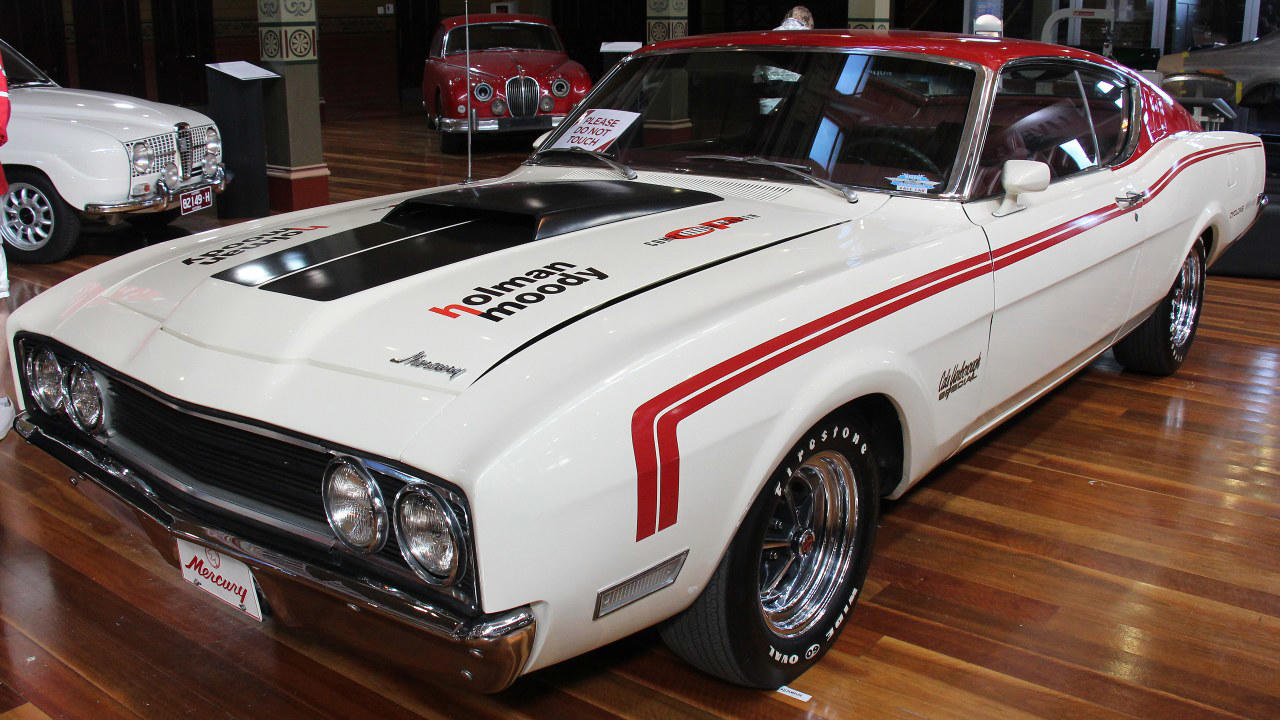
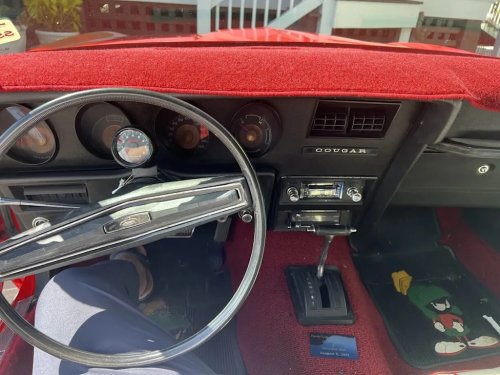
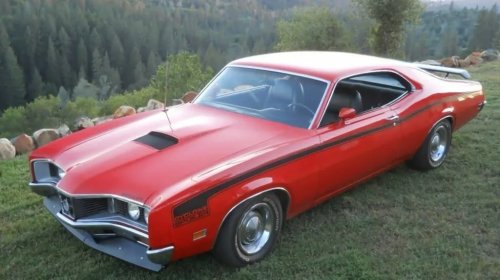
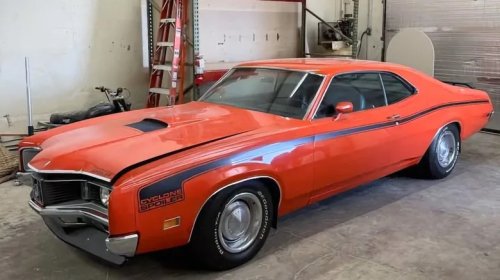
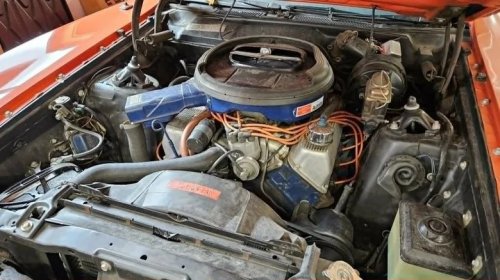
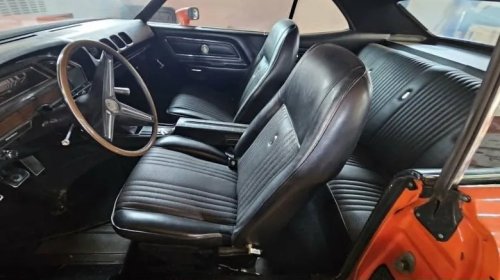
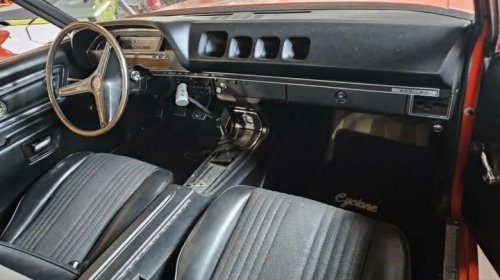
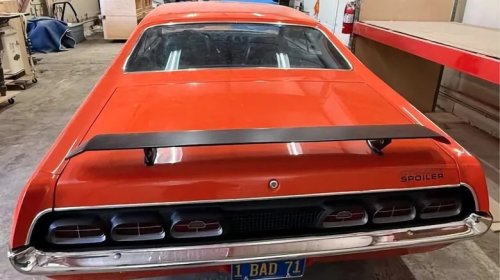
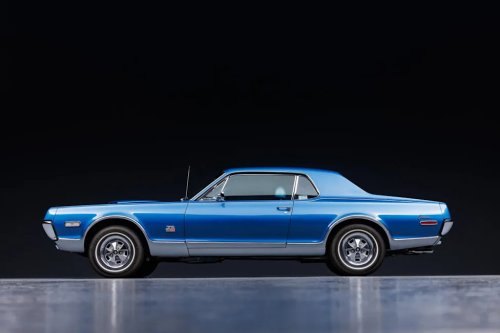
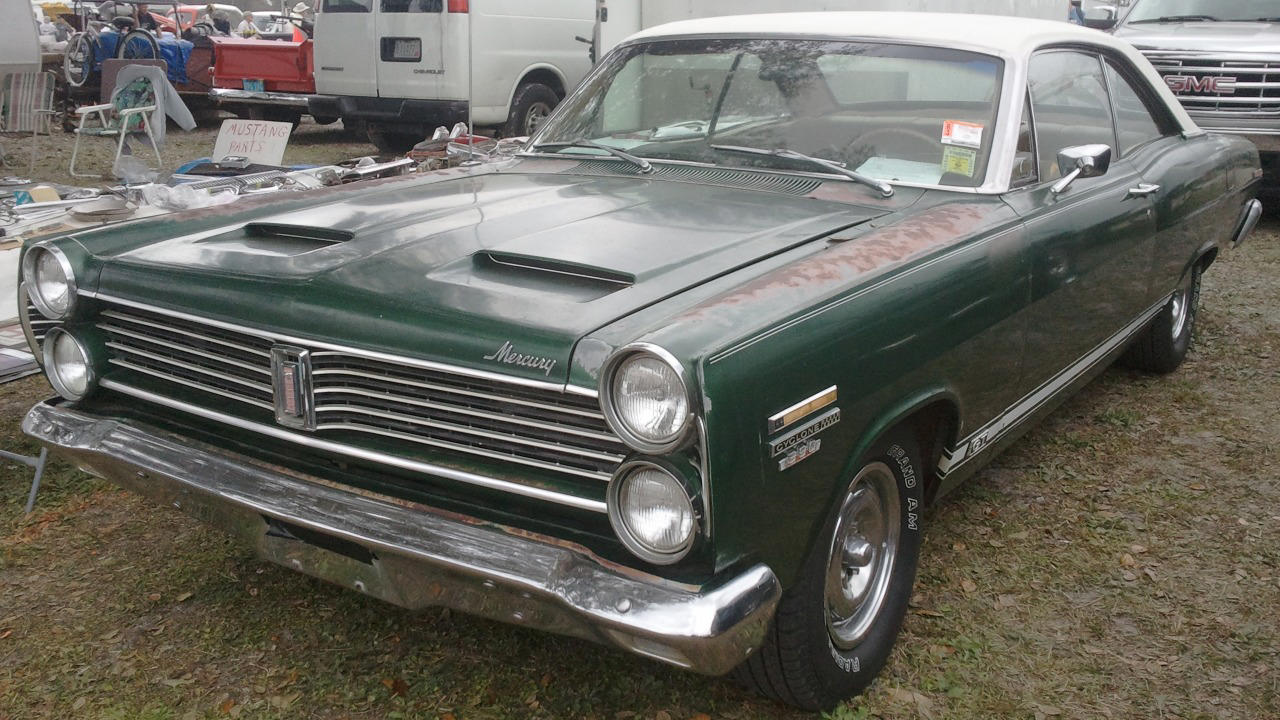
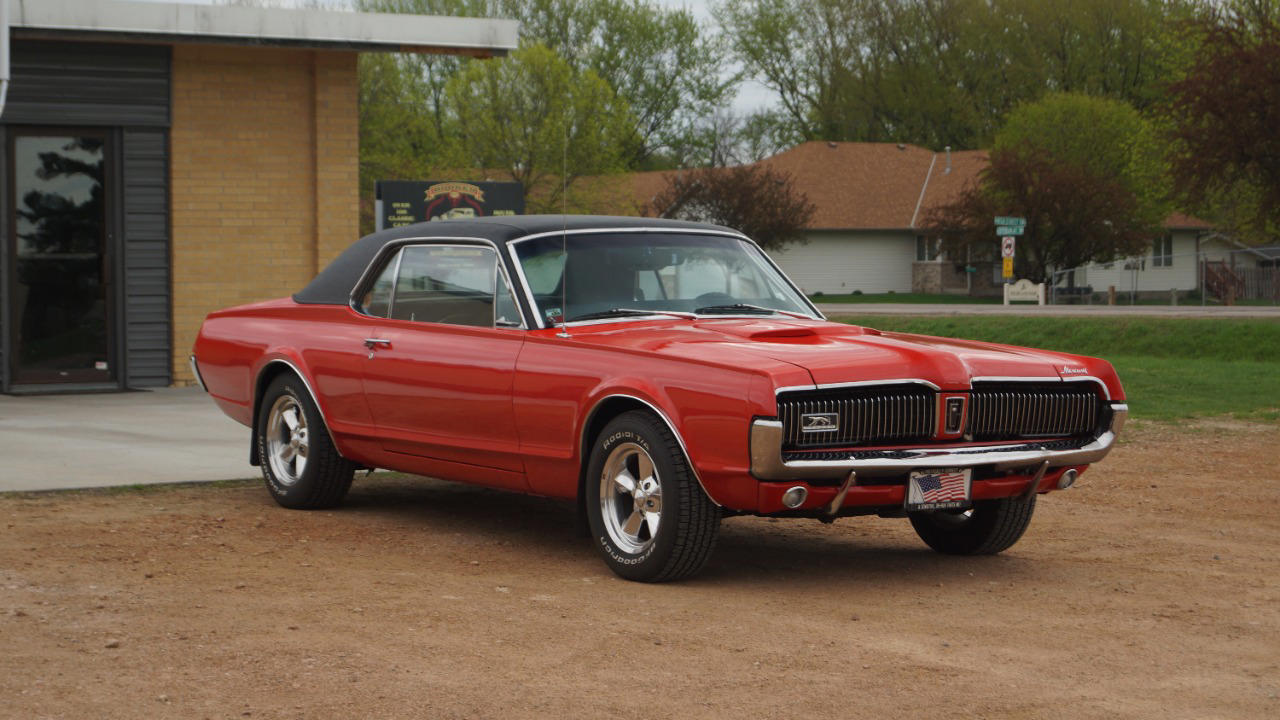
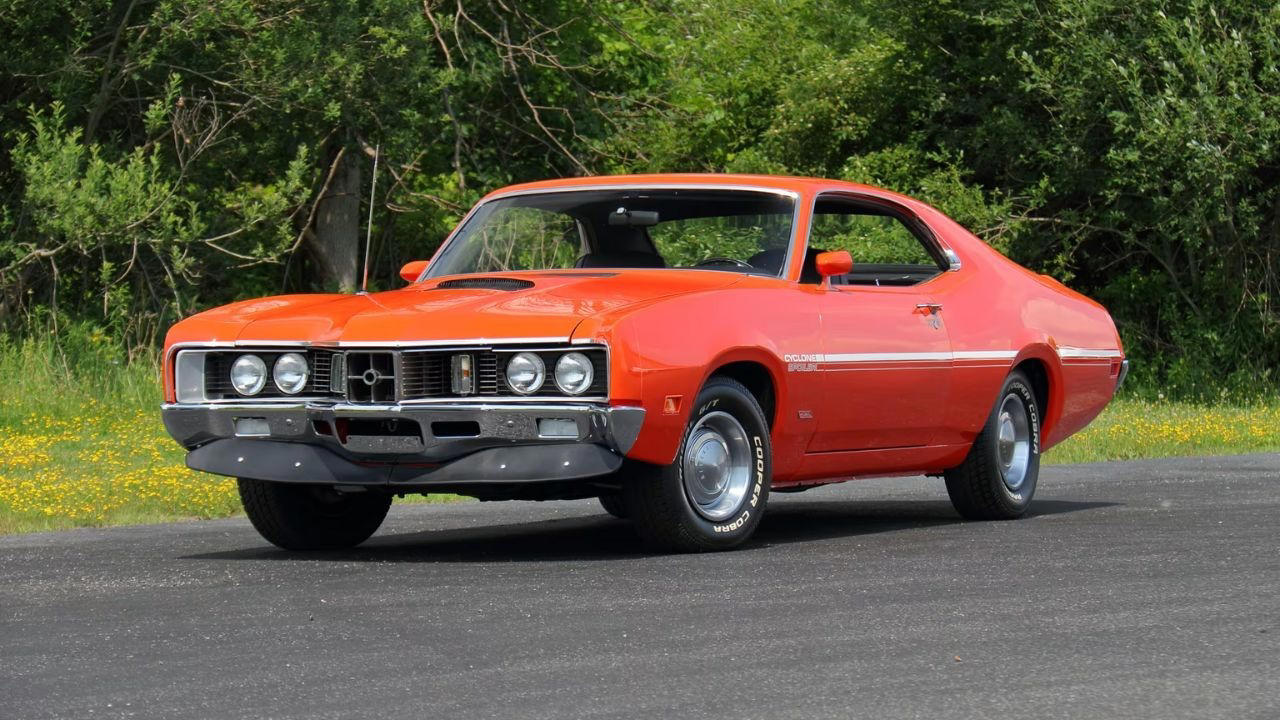
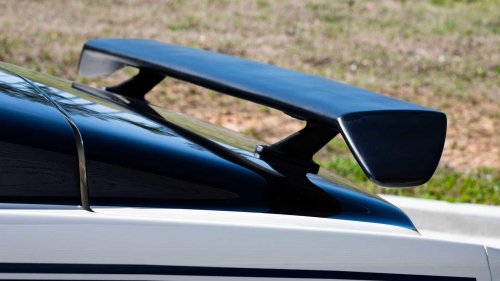
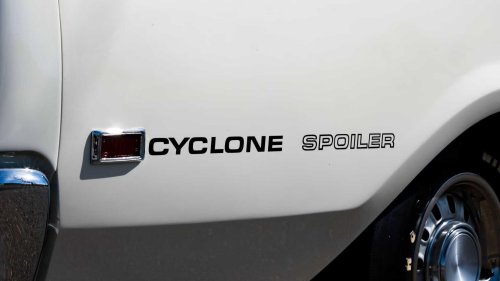
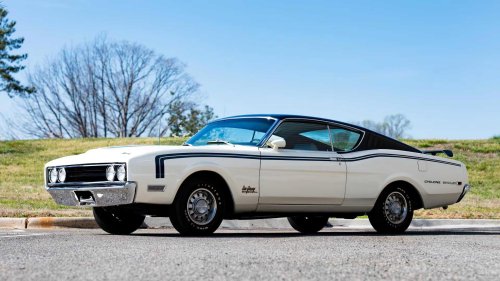
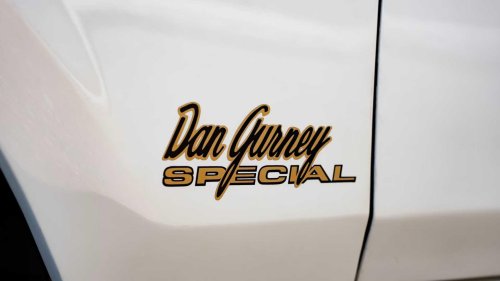
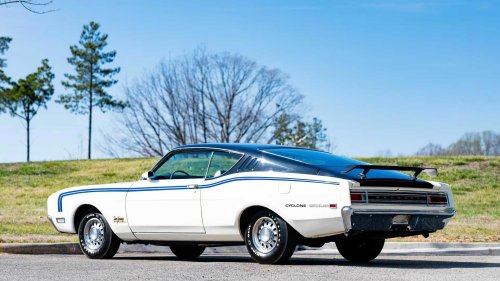
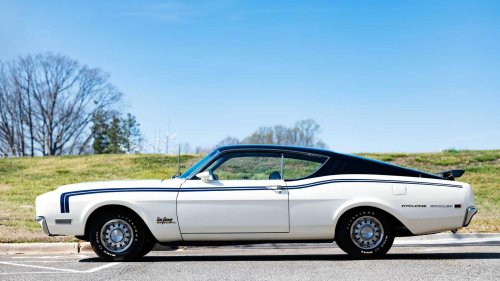
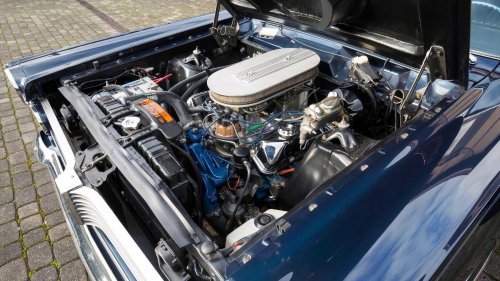
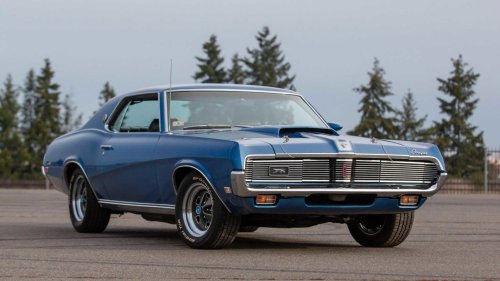
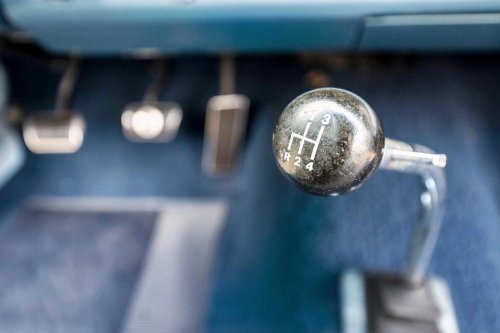
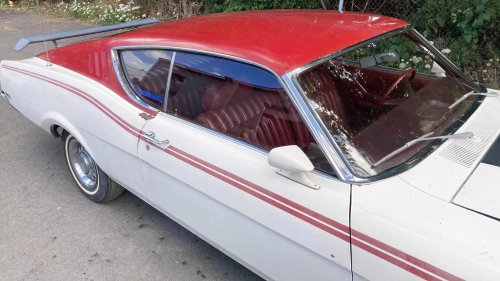
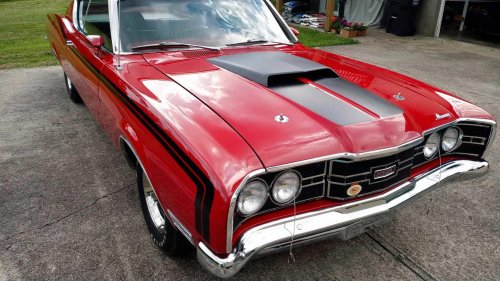
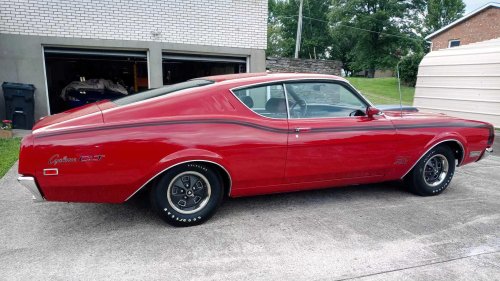
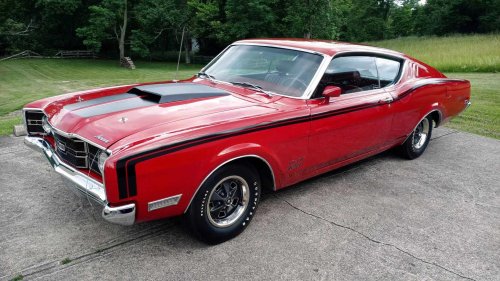
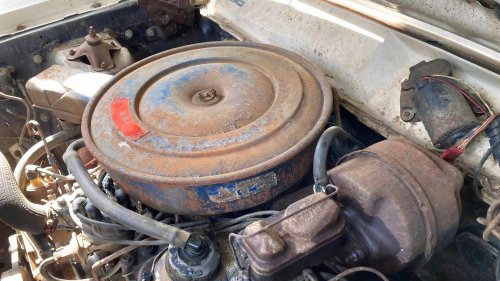
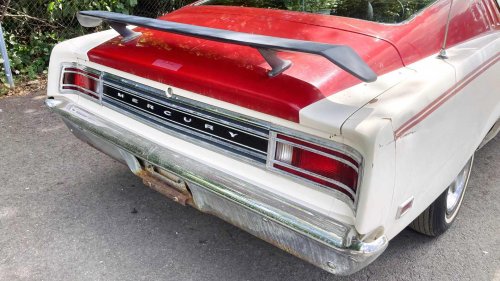
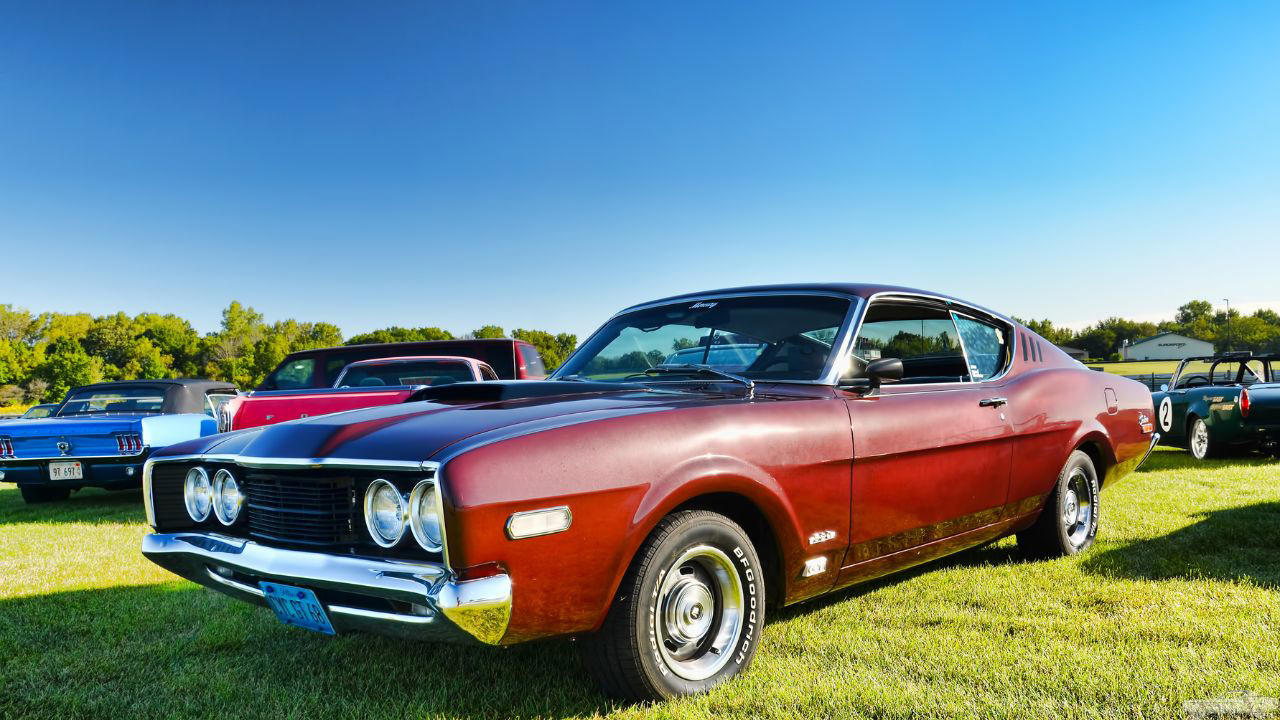
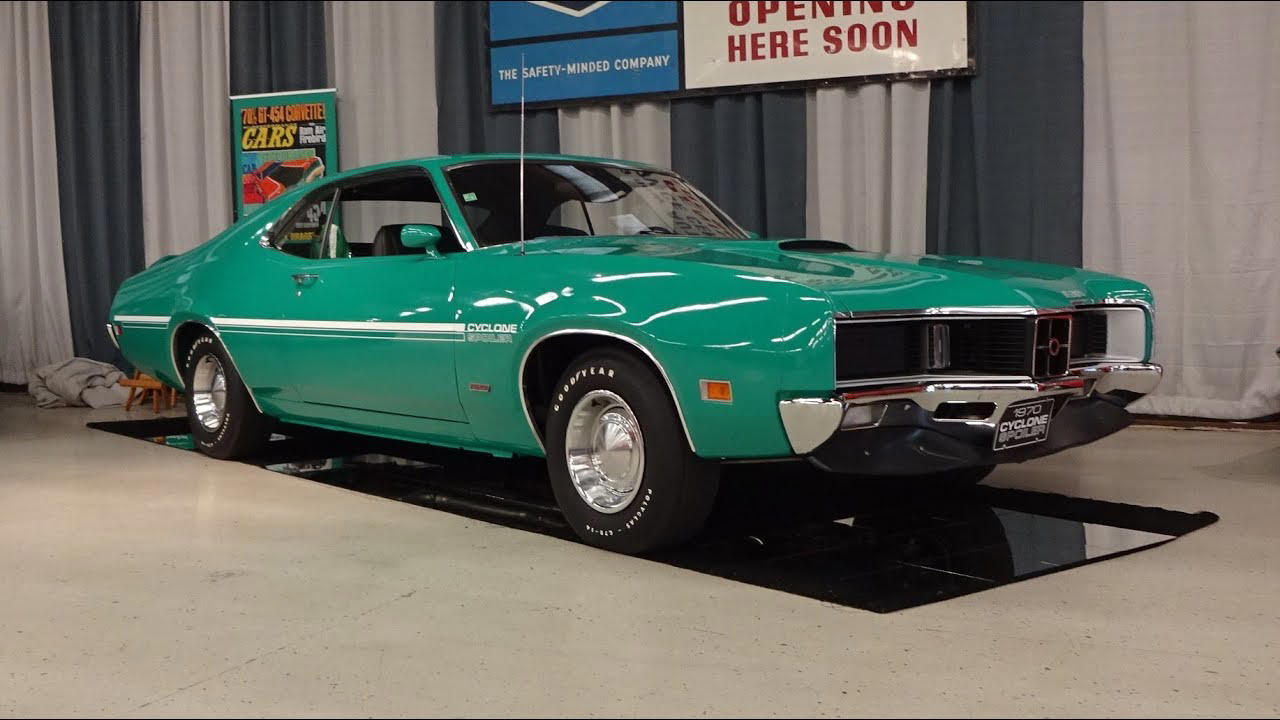
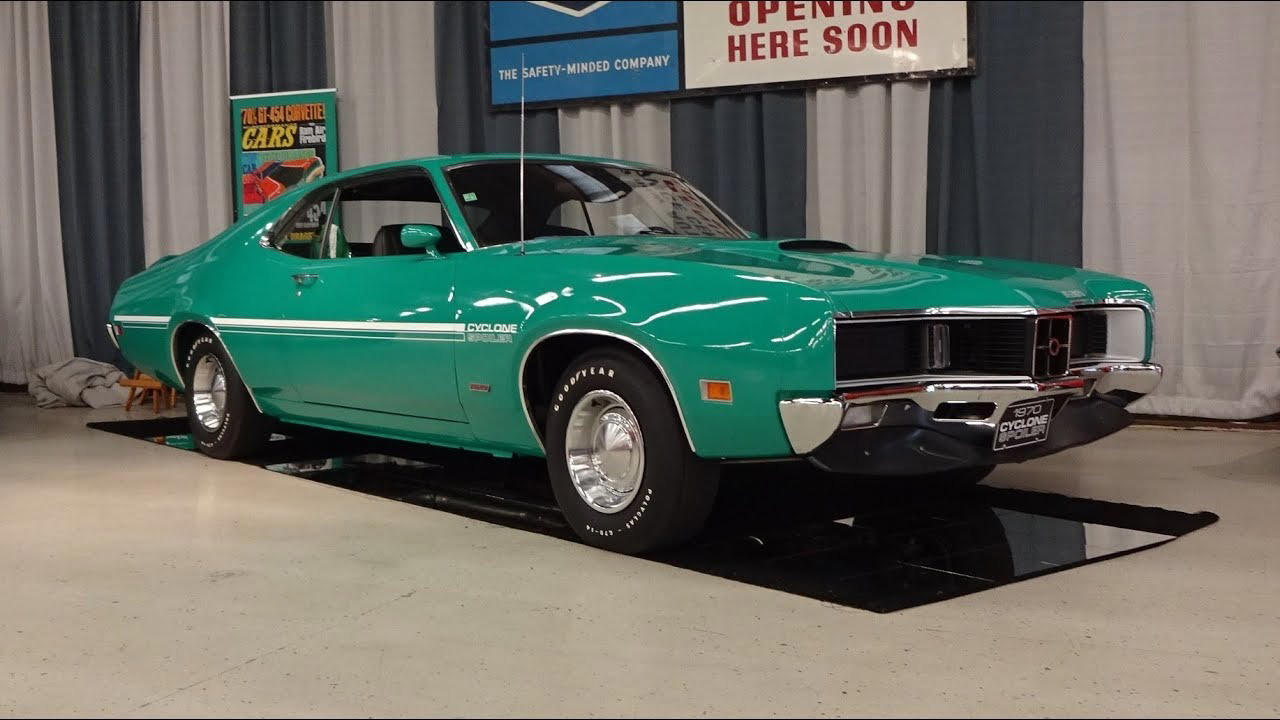
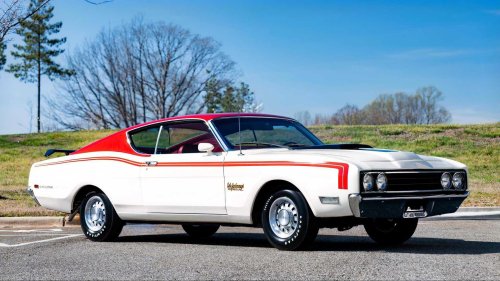
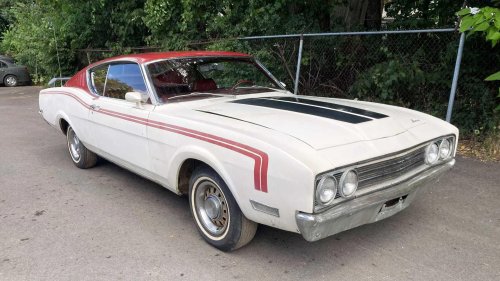
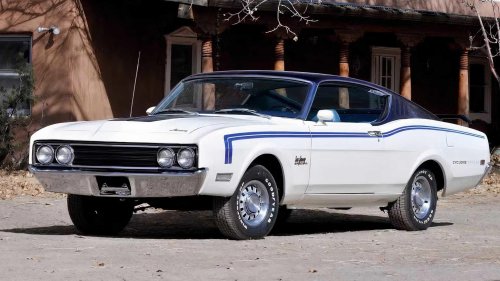
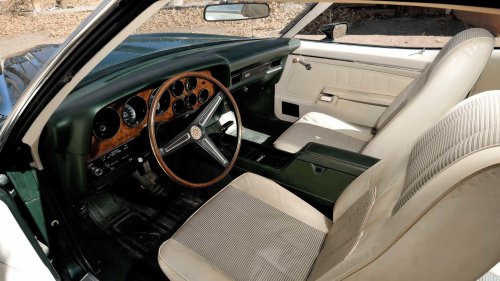
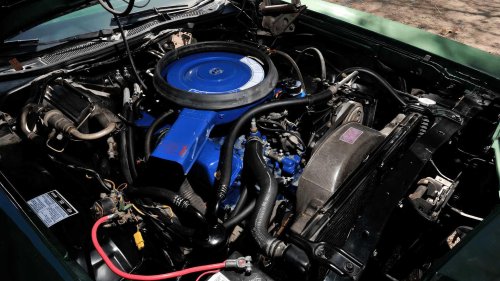
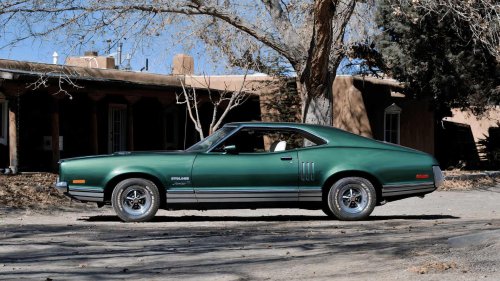
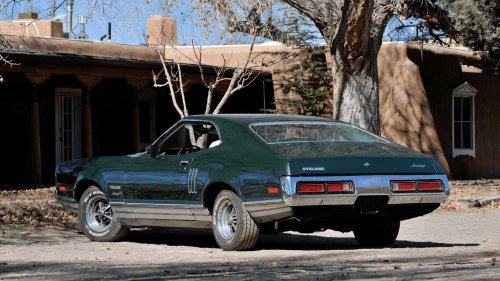
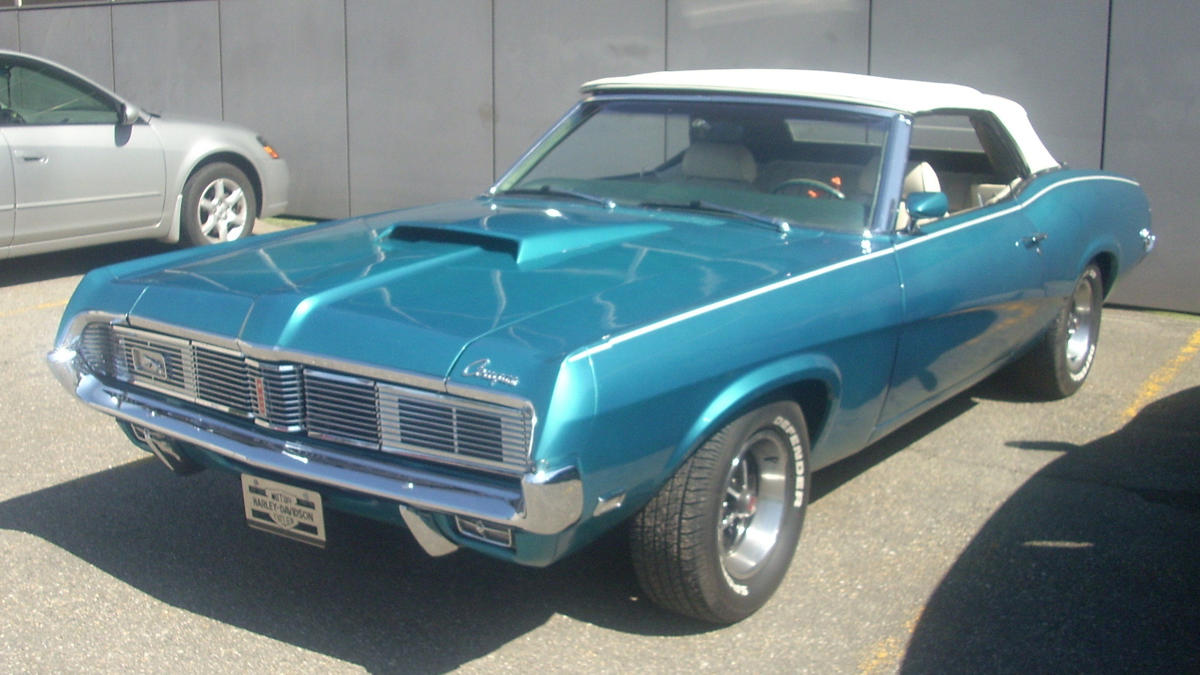
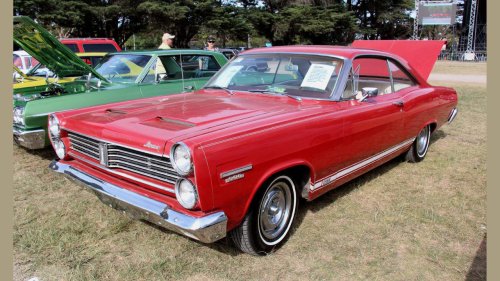
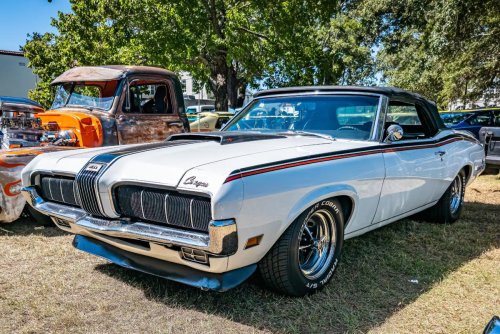
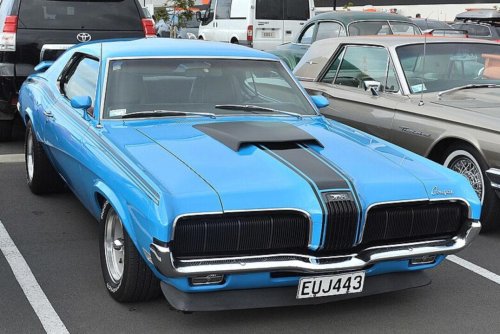
Few remember how rare the 1969 Mercury Cyclone Spoiler II really was back thenOn paper, the 1969 Mercury Cyclone Spoiler II was built to satisfy a racing rulebook. In reality, it became one of the most obscure factory hot rods of the muscle era, a car that slipped past most buyers even when it was new. The production run was tiny, the bodywork was hand‑intensive, and the showroom versions hid how closely they were tied to the high banks of NASCAR. Today, enthusiasts celebrate the Cyclone Spoiler II as a collectible oddity, but few remember just how scarce it was when it first appeared or how quickly most of the cars vanished into ordinary use, scrapyards, or race shops. The pressure cooker of NASCAR homologation The Cyclone Spoiler II existed because of a simple rule: to race a body in NASCAR, a manufacturer had to sell that body to the public. Homologation requirements meant Mercury needed to build a street‑legal version of its slicked‑down race car so teams could run it in NASCAR Grand National competition. One restored example is described as having been built specifically for that NASCAR Grand National purpose, a reminder that the entire project started on the track, not in the showroom. For Mercury, this was not a minor facelift. The company had to commit to a minimum production figure that would satisfy officials. Contemporary documentation and later research describe that target as 500 cars, a volume that was a serious undertaking for a mid‑level performance brand at the time. The task was even more demanding because every Cyclone Spoiler II carried extensive body modifications rather than simple bolt‑on trim. Why 500 cars was a “tall order” Both factory‑oriented historians and registry keepers describe the Mercury Spoiler II as an engineering and production stretch. According to a detailed fact sheet, Mercury Spoiler II production was planned at 500 units, and each Cyclone Spoiler II received 19.5 inches of new sheet metal at the nose. That 19.5‑inch extension was not an easy change for a line geared toward regular Cyclone coupes. The same research notes that building 500 such cars was “a tall order for Mercury,” which helps explain why the Spoiler II never approached the volumes of more conventional muscle models. While a regular Cyclone or Cyclone Spoiler used existing body tooling, the Spoiler II nose required unique panels, revised inner structure, and careful alignment so the longer front end would fit and function properly on the street. Compared with the Ford Talladega, which shared much of the same aerodynamic thinking, Mercury’s version was even more of a niche. The brand had fewer dealers, a smaller performance image, and less marketing muscle. All of that kept showroom traffic limited, which meant most customers never even saw a Spoiler II in person when the cars were new. The aero tricks that hid in plain sight Visually, the Cyclone Spoiler II looked like a stretched and smoothed version of the standard fastback. The extended front clip pushed the grille and bumper forward, while the fenders were reshaped to create a cleaner, more tapered profile. Registry material on the Cyclone Spoiler II repeats the 19.5‑inch figure and emphasizes how much new metal went into that nose. Legends around the car only add to its mystique. One widely circulated story holds that the heavily reworked front bumper started life as a rear bumper from a Ford Fairlane, then was cut, flipped, and massaged into an aerodynamic blade. An enthusiast feature on the car notes that this Legend links the Cyclone Spoiler II to the Ford Fairlane in a very literal way, even if the exact production tooling path remains debated among restorers. Underneath, the car still rode on familiar intermediate chassis hardware, but the bodywork made all the difference at racing speeds. The smoother nose, revised front fenders, and carefully faired rocker panels were intended to cut drag and improve stability on the fastest tracks in the NASCAR schedule. From race shop to showroom floor Homologation meant these aero tricks had to reach ordinary buyers. To satisfy the rulebook, Mercury had to sell Cyclone Spoiler IIs through its dealers, not just hand them to race teams. A period overview of the Cyclone Spoiler line explains that, to satisfy NASCAR, Mercury had to produce Cyclone Spoiler IIs for sale to the public, even though Exact numbers are hard to pin down decades later. Those same accounts stress that showroom cars were still real street machines, not stripped shells. They carried full interiors, production drivetrains, and comfort options, while the race teams took the basic body and transformed it again with roll cages, race engines, and suspension changes. The dual identity of the Spoiler II, part family car and part racing prototype, helps explain why many buyers did not fully grasp how special it was at the time. Cale Yarborough, Dan Gurney and the two personalities Mercury leaned on star drivers to give the Spoiler II some showroom charisma. The cars were offered in two primary appearance packages, one honoring Cale Yarbough and the other Dan Gurney. Registry data that tracks surviving examples lists separate tallies for each, reflecting how the production was split between the two themes. The Total Spoiler II figures compiled by enthusiasts describe 58 cars Registered in one detailed survey, of which 31 were Cale Yarbough cars and 27 were Dan Gurney cars. The same work notes additional partial or project cars, including 10 Cale Yarb entries, but the key point is that even among the survivors, the two driver editions remain closely matched. Mechanically, the Dan Gurney Special combination has been documented in dealer material and modern listings. One period‑style description of a restored car notes that All 69 Cyclone Spoiler II Dan Gurney Special models were powered by Ford’s 351ci/4V Windsor engine rated at 290 horsepower, tying the package directly to Ford small‑block performance. A modern dealer overview of that specification confirms that All Cyclone Spoiler Dan Gurney Special models shared that Ford Windsor V‑8 formula. Color schemes and striping completed the driver link. Cale Yarbough cars wore one set of colors, Dan Gurney cars another, and both carried name graphics that made the NASCAR connection explicit. Even so, many period buyers likely saw them simply as nicely trimmed intermediates rather than near one‑off aero specials. How many were really built? Exact production figures for the Cyclone Spoiler II remain a point of debate. Factory documentation and later analysis converge on the idea that Mercury targeted 500 cars to meet homologation rules. The detailed registry entry for the Mercury Spoiler II states that to build 500 such cars was a tall order for Mercury and repeats that each Cyclone Spoiler II had 19.5 inches of new sheet metal at the nose. Other period summaries echo that 500 figure, and the same number appears in technical write‑ups that group the Cyclone Spoiler II with its Ford Talladega cousin. The fact that modern registries and historians still wrestle with Exact totals speaks to how little attention the car received in ordinary sales reports. Unlike mass‑market Mustangs or Torinos, the Spoiler II was a narrow, almost hand‑built run that slipped through the system. The attrition problem: where did they all go? If roughly 500 cars were built, the next question is how many survived. Here, the work of hobbyist registries becomes essential. A detailed survey of surviving cars, updated by dedicated owners, reports that Total Spoiler II cars Registered number 58. That figure, drawn from the registry count, suggests that only a fraction of the original production has been identified by serial number and current status. Another entry on the same site, framed more broadly as a look at how many spoilers are left, reinforces the idea that these cars suffered heavy attrition. The overview of how many spoilers remain across related models emphasizes that many were raced, wrecked, or simply used up as ordinary transportation. The Cyclone Spoiler II, which started life as a competition‑driven oddity, was not immune to that fate. Even among the 58 Registered examples, conditions vary widely. Some are fully restored showpieces, others are long‑term projects or partial shells awaiting resurrection. The gap between the likely 500 built and the 58 known today highlights just how quickly a homologation special can disappear once its racing moment passes. From forgotten oddball to sought‑after collectible Over time, the Cyclone Spoiler II has shifted from obscure footnote to respected collectible. A modern overview of the car notes that Today, Cyclone Spoiler II is considered a collectible vehicle and describes it as a special purpose built machine, with some enthusiasts even calling it a “factory race car.” The Cyclone Spoiler II entry that captures this sentiment links its desirability directly to its NASCAR heritage and limited production. That change in status reflects a broader trend in the collector world. As the most common muscle cars have grown expensive and heavily documented, attention has turned to lower‑volume homologation specials that once sat at the edges of the market. The Spoiler II fits that pattern perfectly. It combines period styling, a direct tie to top‑level stock car racing, and a production run small enough that even seasoned showgoers rarely see one in person. Photographic records hosted on enthusiast platforms help fill in the gaps. Period and modern images of specific cars, shared through sites such as Flickr galleries, document details like nose contours, stripe placement, and interior trim that are essential for accurate restorations. Those visual archives matter because factory documentation for such a small program can be thin. Why the Spoiler II stayed under the radar Several factors kept the Cyclone Spoiler II from mainstream fame, even among muscle car fans. First, Mercury itself was a mid‑tier brand. It did not have the marketing reach of Ford, Chevrolet, or Dodge, so any special model started from a smaller audience. Second, the timing placed the Spoiler II into a market already crowded with attention‑grabbing nameplates like Boss Mustangs, Road Runners, and GTOs. Third, the car’s purpose was subtle. While the graphics shouted Cale Yarbough or Dan Gurney to racing followers, the underlying aerodynamic work was not obvious to casual buyers. The extended nose and smoothed body lines looked unusual, but without context they might have seemed like styling flourishes rather than functional changes aimed at NASCAR performance. Finally, the sales experience itself limited awareness. Many dealers received only one or two cars, if any. Enthusiasts who track the cars today often rely on old dealership photographs, period advertising clippings, or personal recollections shared through communities such as the Talladega Spoiler registry to reconstruct how the cars were originally presented. The enthusiast network keeping the story alive The modern understanding of the Cyclone Spoiler II owes a great deal to a small but dedicated network of owners, historians, and archivists. Their work ranges from maintaining detailed VIN registries to scanning factory literature and chasing down former race team connections. Social media pages tied to projects like the Ford Talladega and research, as well as image collections on platforms such as Pinterest boards, help centralize scattered information. More from Fast Lane Only Unboxing the WWII Jeep in a Crate 15 rare Chevys collectors are quietly buying 10 underrated V8s still worth hunting down Police notice this before you even roll window down The post Few remember how rare the 1969 Mercury Cyclone Spoiler II really was back then appeared first on FAST LANE ONLY.