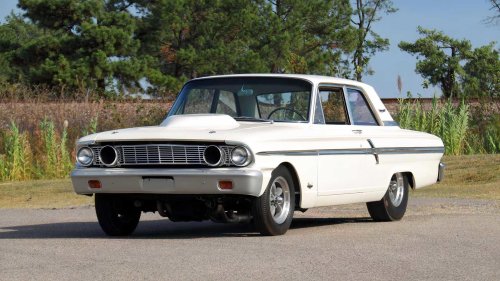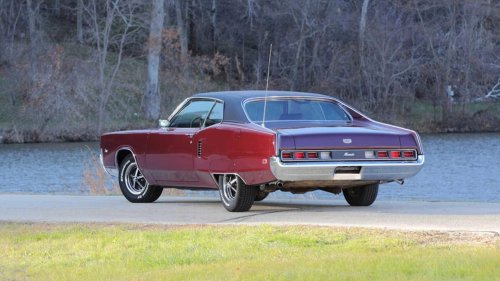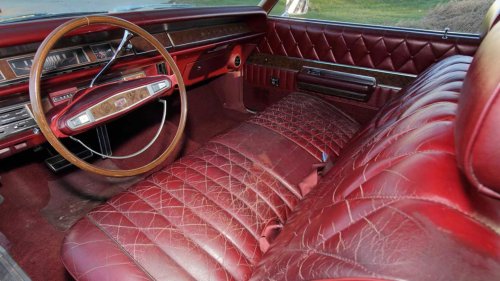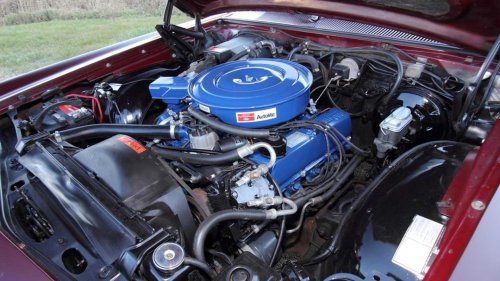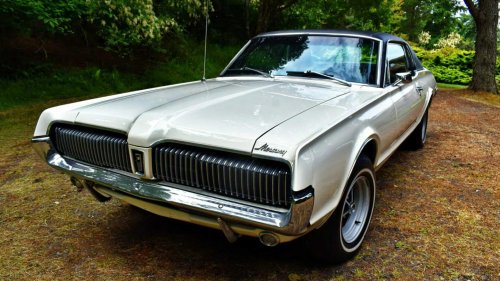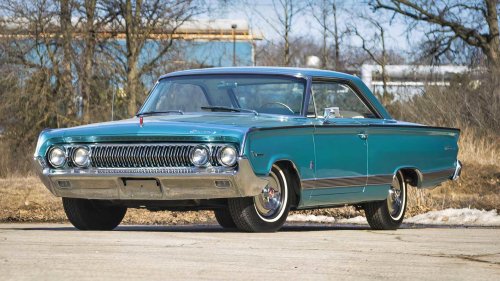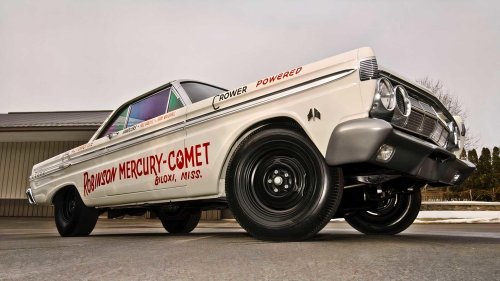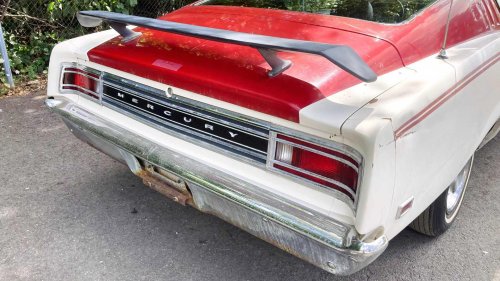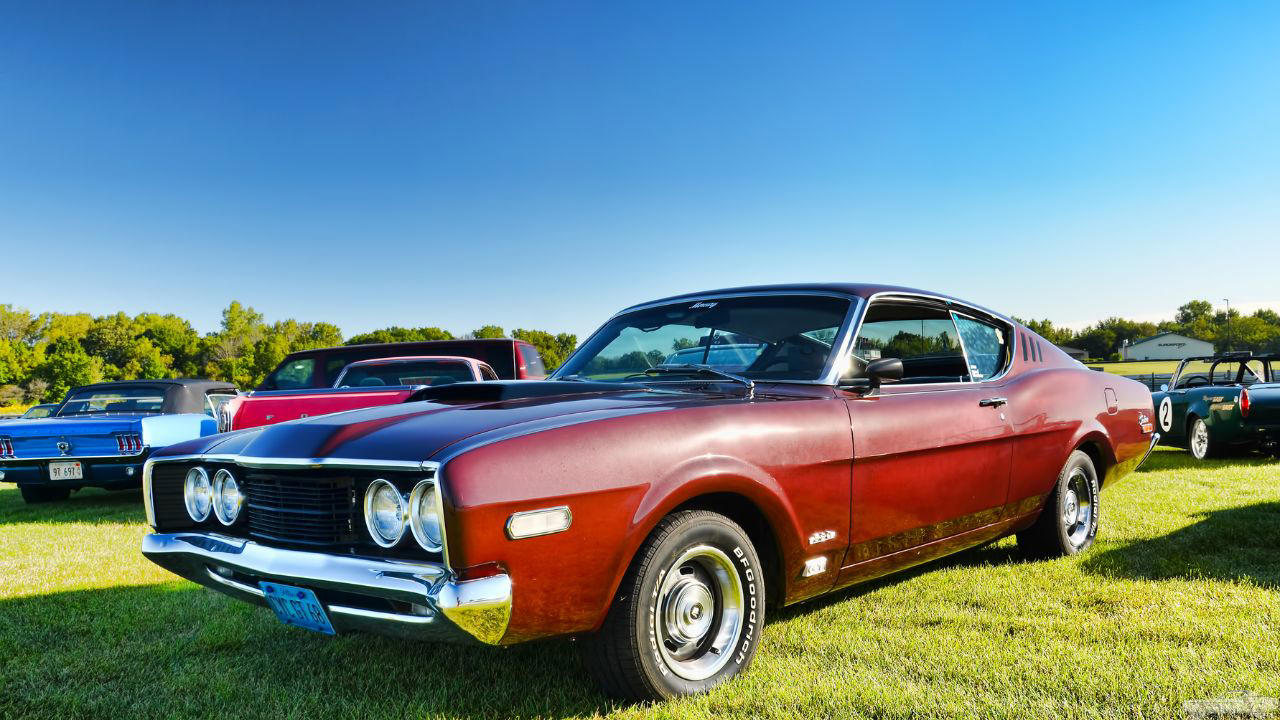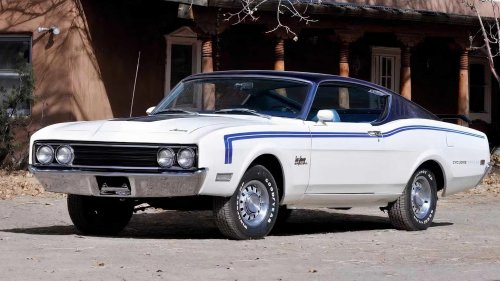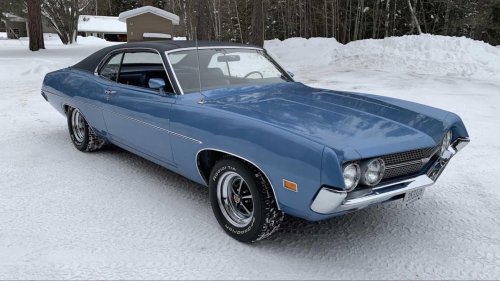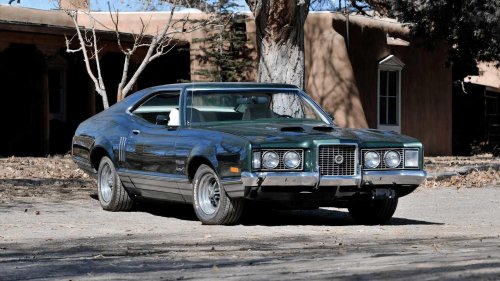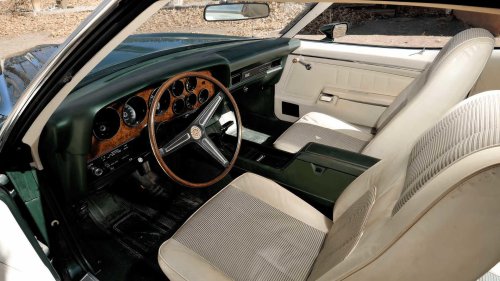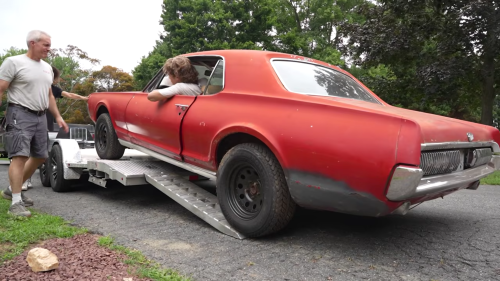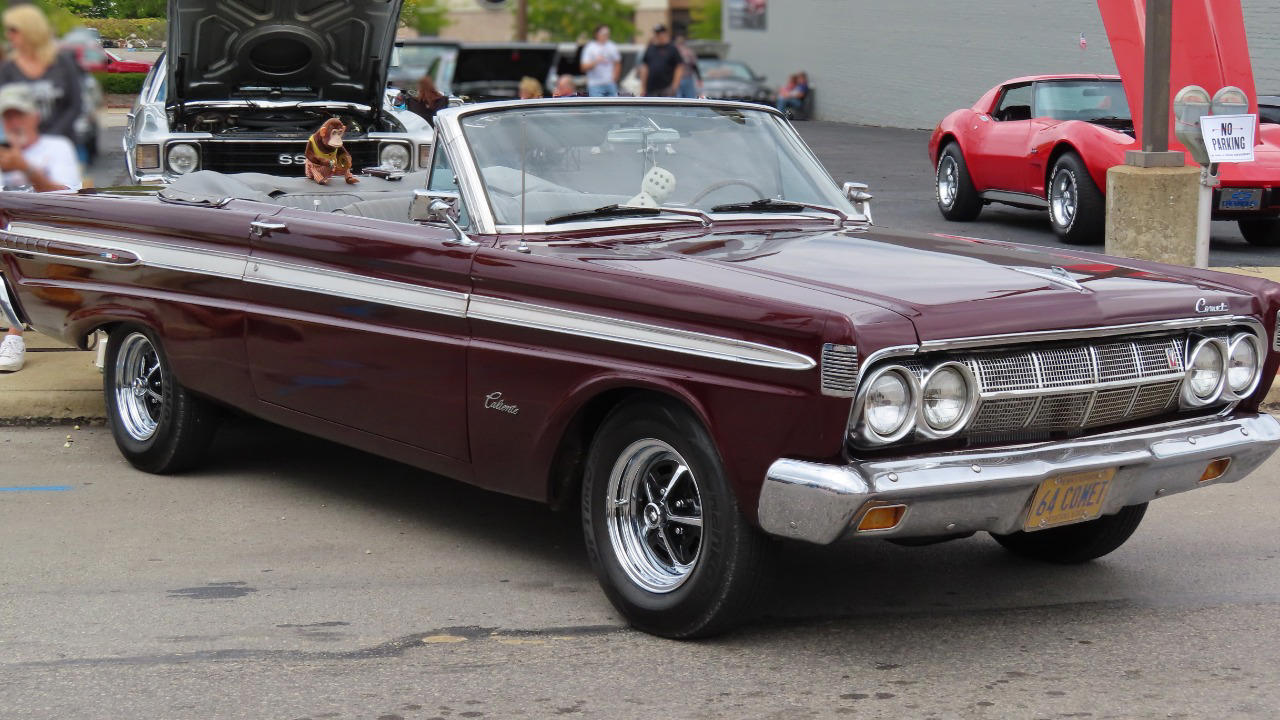



















The 1964 Mercury Comet Caliente looks clean but can surprise first-time ownersThe 1964 Mercury Comet Caliente looks like a tidy compact, all straight lines and brightwork, the kind of car that might blend into a cruise-in parking lot. Yet beneath that clean sheetmetal, it can surprise first-time owners with unexpected performance potential, hidden mechanical quirks, and a history that runs far wilder than its conservative styling suggests. At first glance, this mild-mannered commuter can be anything from a 90-horsepower three-on-the-tree runabout to a V8 sleeper or even a brutal A/FX drag machine. For anyone buying or reviving one today, the gap between those personalities is where the real story begins. The compact that grew teeth The Comet name did not start as a Mercury product. One video profile explains that it began as an Edel model, then became its own brand, and finally ended up as a Mercury, a path that host Bud Wilkinson lays out while covering a Connecticut man’s rebuilt 1964 Comet, directly tying Edel and Mercury in the same narrative. That corporate shuffling helps explain why the second-generation Comet, including the 1964 Caliente, straddles the line between economy car and junior muscle machine. According to the entry on the broader Mercury Comet, the second generation ran for the 1964 and 1965 model years and moved the car firmly into compact territory, sharing much with Ford’s smaller platforms. Mercury, however, dressed the Caliente trim with more chrome, better upholstery, and upscale detailing to justify its slot above a basic sedan. To many buyers at the time, it looked like a polite, slightly premium compact, not a performance statement. That visual understatement is exactly why the Caliente can catch new owners off guard. The car’s styling and badgework promise comfort and restraint, while its options list and racing offshoots tell a very different story. From 90 horsepower to serious speed A recurring surprise for first-time buyers is just how wide the performance spread can be between individual cars that all wear the same Comet Caliente script. In one enthusiast video, the host describes a 1964 Mercury that left the factory with only about 90 HP and a three-speed column shift, or “3 on the tree,” and then calls it one of the most deceptive performance bargains Mercury ever created. That clip, shared in early Nov, highlights how a modestly powered Caliente can still feel more eager than its numbers suggest, largely because of its relatively light weight and short gearing. At the other end of the scale, factory V8 options transformed the Caliente into a very different machine. Valuation data for the 1964 Mercury Comet Caliente lists Optional engines that included a 260-cid V-8 rated at 164 hp, which was replaced mid-year with a new 289-cid V-8 available at 210 or 271 hp, depending on specification. Those figures alone show why two outwardly similar cars can deliver completely different experiences, from sedate cruiser to lively street performer. The surprise deepens when the Caliente is compared with its racier sibling. A detailed technical feature on the 1964 and 1965 Mercury Comet Cyclone notes that Mercury Comet Cyclones lived up to their name, carrying a standard 225-bhp 289 V-8, a specification originally documented by Publications International, Ltd. That 225-bhp 289 sat just a step removed from the Caliente’s top 289-cid option, which means a well-equipped Caliente could run closer to Cyclone territory than its trim level might imply. Inside, a small car that feels grown up Part of the Caliente’s charm is that it does not shout about any of this. A period-style description of the 1964 Mercury Comet Caliente’s cabin highlights stylish upholstery, a well-appointed dashboard, and ergonomically placed controls that let drivers enjoy long stints behind the wheel without fatigue. Shared photos and commentary from Jan emphasize that even in base or six-cylinder form, the Caliente looked and felt more upscale than many compact rivals of its era. That interior polish can lull new owners into thinking they have bought a small, gentle cruiser. The bench seats, bright trim, and tidy dash layout suggest comfort more than aggression. Yet underneath, the same car might be hiding a 289-cid V-8, a floor-shifted manual, and suspension pieces that respond well to modern upgrades. The contrast between the refined cabin and the mechanical potential is one of the reasons collectors still gravitate toward this model. Will it run, or will it fight back? For many buyers, the first surprise comes not on the road but in the garage. Plenty of surviving Calientes are projects, and getting one running again can be an education. In the recurring “Will It Run” style videos, one episode titled for a 64 Mercury Comet Caliente follows an attempt to revive a long-dormant car. The host admits he does not know how much work he will be able to do, then explains that he will try to coach Jack through reviving the engine and basic systems. The same project appears in a second upload of the 64 Mercury Comet Caliente, where Jack continues to wrestle with stale fuel, tired ignition parts, and the usual barn-find headaches. Both versions of the video underline a reality that first-time owners often underestimate. A Caliente that has been sitting for decades can hide rusted brake lines, perished rubber, and old wiring that resists quick fixes. The car’s simple construction helps, but time does not. Another feature on an overhauled Comet Caliente, credited as a Story and photo set by Morris and Sandy James, shows the other end of that journey. Their 1964 Comet Caliente, restored after significant work, is described as being in better shape than when it left the factory. The before-and-after images make clear that a straight, shiny Caliente today is usually the product of hundreds of hours of labor, not a lucky find. New owners who are seduced by a clean paint job can be surprised when they discover how much of that work still remains to be done under the skin. From forgotten compact to drag-strip weapon Nothing challenges the “nice little compact” image more than the Comet’s connection to factory experimental drag racing. A detailed feature on the A/FX Comets explains that under the hood, the Comet A/FX packed Ford’s 427 high-riser FE engine, a beastly V8 originally developed for NASCAR competition. That 427 displacement figure is central to the car’s legend, and the A/FX package turned the tidy Comet shell into a wheelstanding terror that dominated its class. A separate video tour of a 1964 MERCURY COMET CALIENTE A/FX LIGHTWEIGHT describes the car as a very thorough tribute to those original drag machines. The host, speaking in Nov, talks through the owner’s efforts to recreate the look and feel of the lightweight program, from stripped interiors to race-ready drivetrains. For someone who only knows the Caliente as a chrome-trimmed compact, seeing that same body shape on a set of slicks with a 427-style engine under the hood can be jarring. Another build chronicled by a long-form video on a 1964 Mercury Comet Caliente shows how modern enthusiasts continue that tradition. The presenter, appearing in Jul, talks about cars that are frankly being forgotten and uses the Caliente as a case study in how history and design can be preserved while performance is updated. The car in that segment carries a 289 V8 and has been in the same family for generations, with the narrator explaining that it was his father-in-law’s car and that his son just graduated, making the project a bridge across three generations. Engine swaps and hidden hardware Beyond factory options and drag specials, the Caliente’s engine bay has proven to be a welcoming home for upgrades. A feature on a weather-worn 1964 Mercury Comet Caliente that serves as a tribute car lays out its SPECIFICATIONS in detail. Under the ENGINE heading, it lists the Block type as a Ford “small-block” 302-cu.in. V-8 with a cast-iron block and Edelbrock 5.0 components, including cast-aluminum cylinder heads. That 302-cu configuration, combined with modern induction and exhaust, gives the car performance that would have been unthinkable when it was new. The same article makes clear that this particular Comet started life as a much more modest car. Over time, upgrades like the Ford 302 and Edelbrock hardware turned it into a capable street machine while preserving the original lines and trim. For a new owner who expects a 1960s driving experience, discovering that their Caliente hides a later small-block or similar swap can be a pleasant shock, but it also brings new maintenance demands. Even stock-style builds can surprise. The Cyclone feature that documents the 225-bhp 289 V-8 also explains how relatively light weight and short gearing made these cars far quicker than their compact footprint suggested. Apply the same logic to a Caliente with a 271 hp 289-cid engine and the right axle ratio, and the result is a sleeper that can embarrass newer cars in short bursts. Living with a Caliente today Modern ownership stories reveal how those surprises play out in daily life. In a video segment titled “My Ride,” Bud Wilkinson profiles a Connecticut man who rebuilds a 1964 Mercury Comet and walks through how the car evolved from an Edel concept to a Mercury-branded compact. The owner describes the learning curve of sourcing parts, understanding the quirks of 1960s engineering, and balancing originality with reliability upgrades. A separate long-form build video, uploaded in Oct and focused on a Comet Caliente, follows a 64 model powered by a 289 that had belonged to the presenter’s father-in-law. The narrative tracks the car from sun-beaten survivor to refreshed family heirloom, with the restorer juggling sentimental value and practical upgrades like better cooling and brakes. For first-time owners, those stories underline a key point: A Caliente can be a charming weekend cruiser, but keeping it that way requires attention to details that newer cars handle automatically. More from Fast Lane Only Unboxing the WWII Jeep in a Crate 15 rare Chevys collectors are quietly buying 10 underrated V8s still worth hunting down Police notice this before you even roll window down