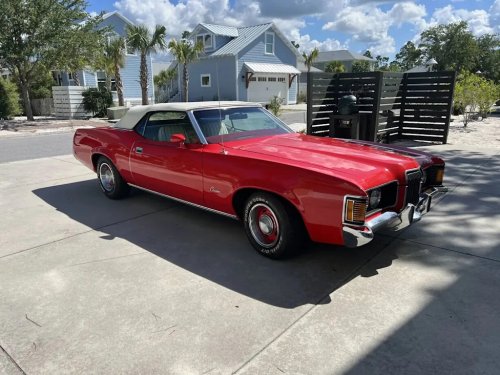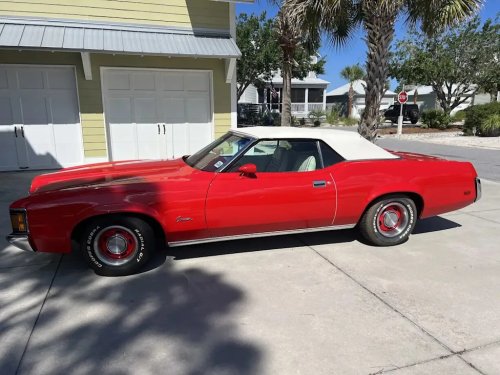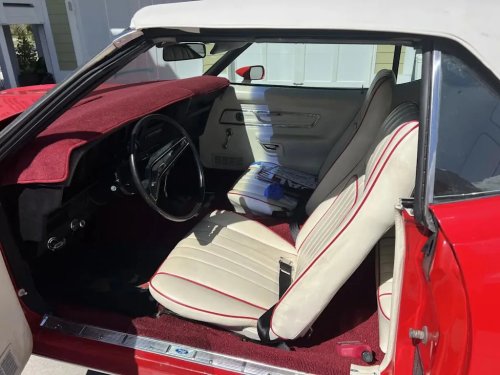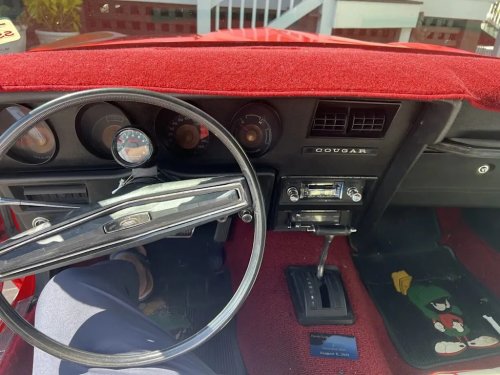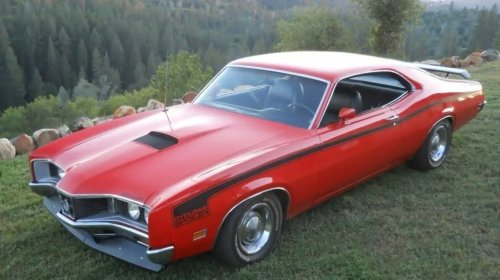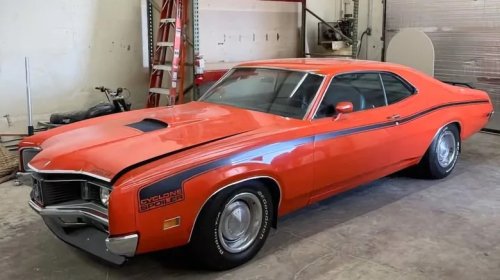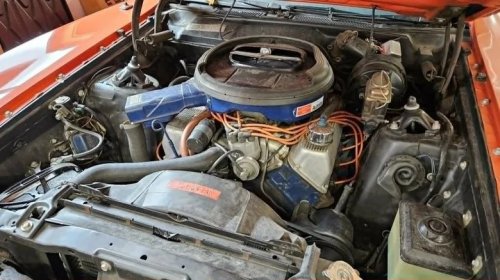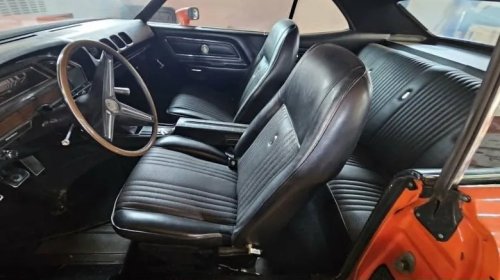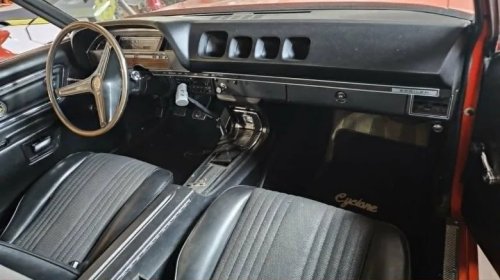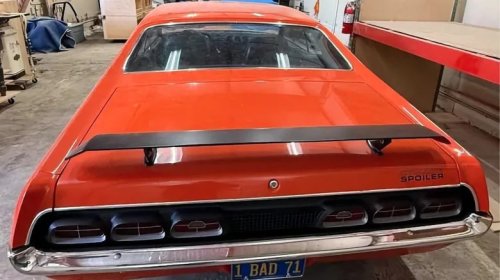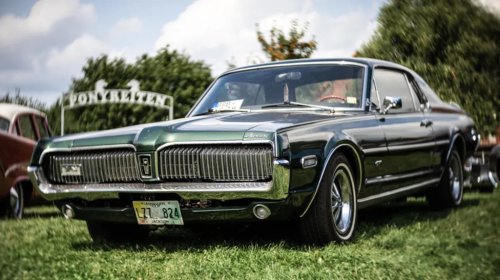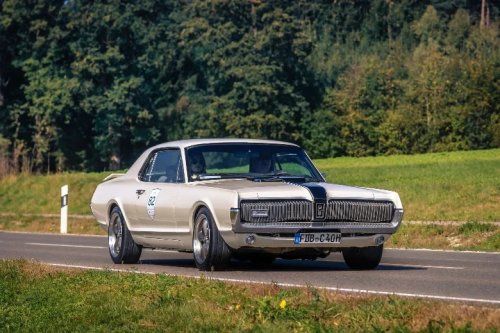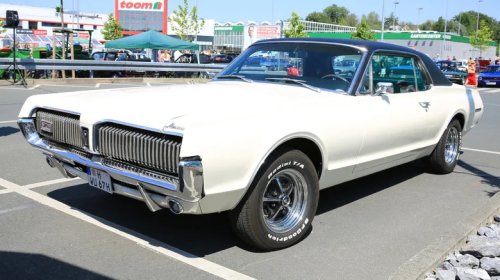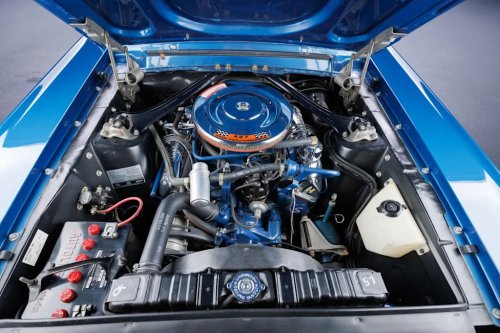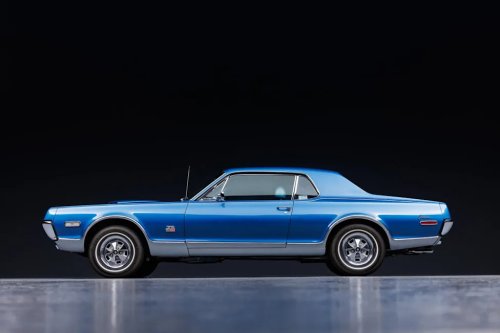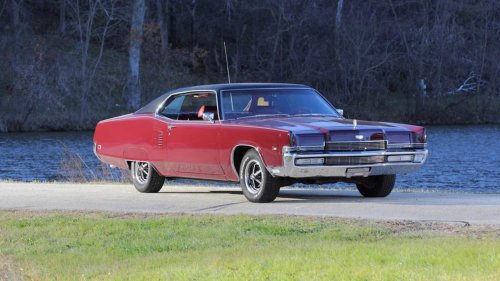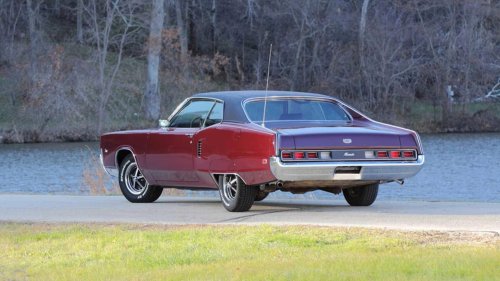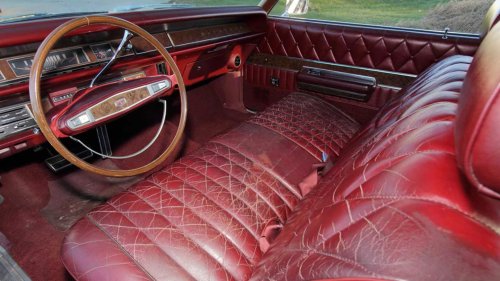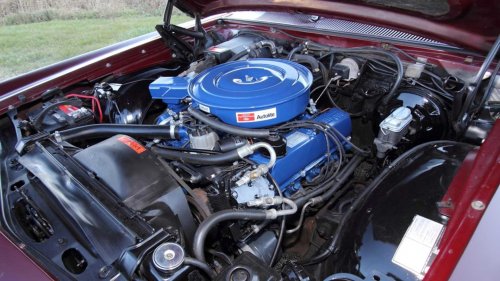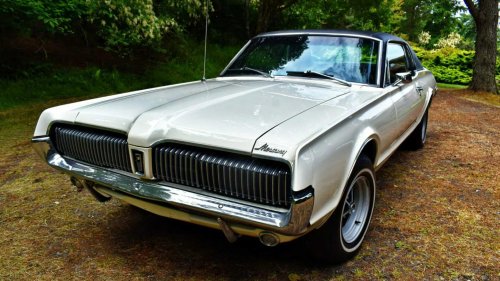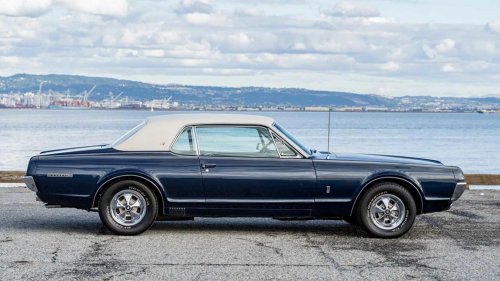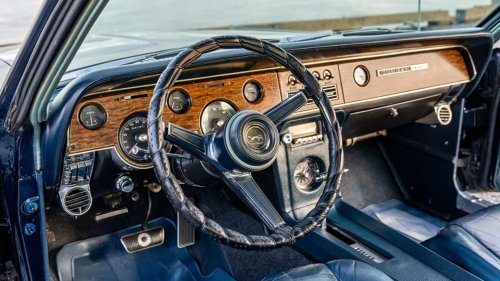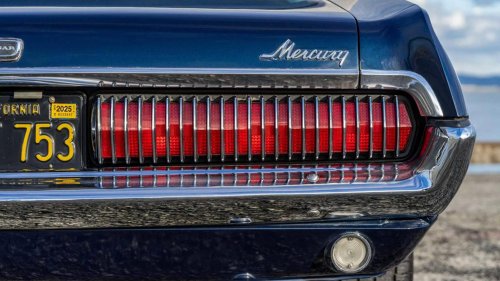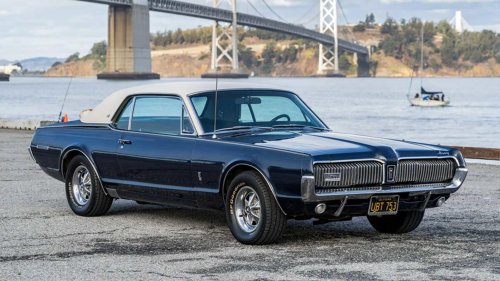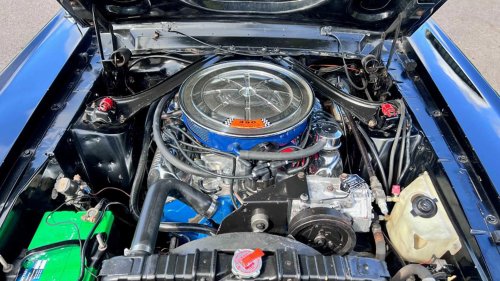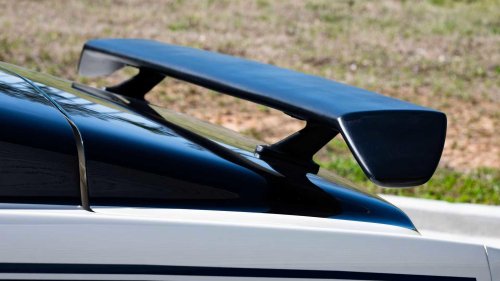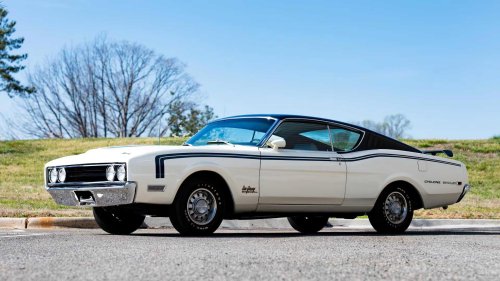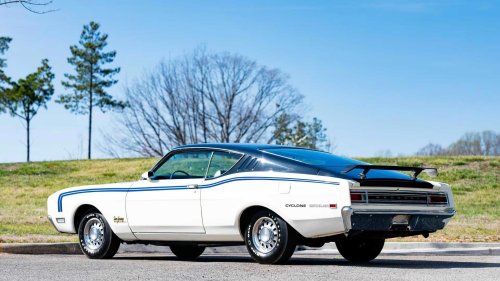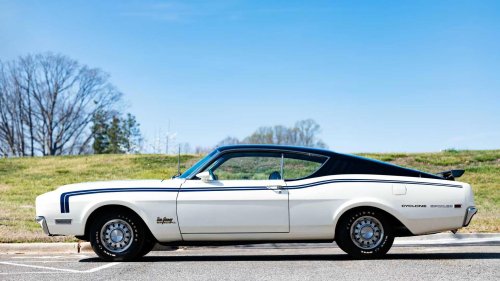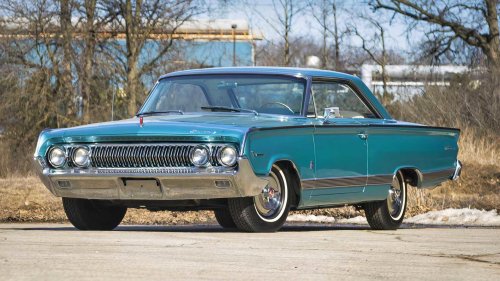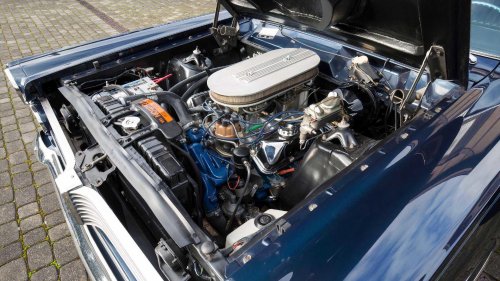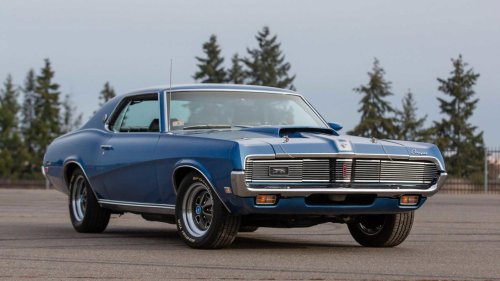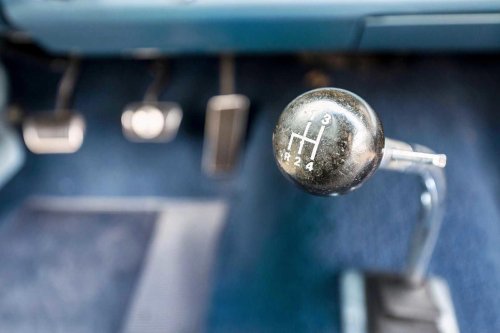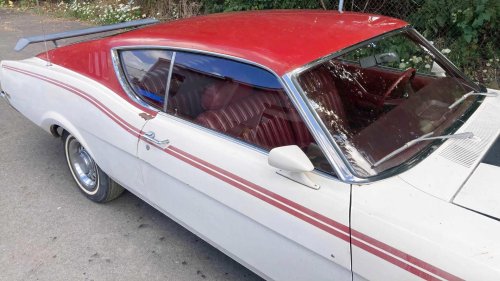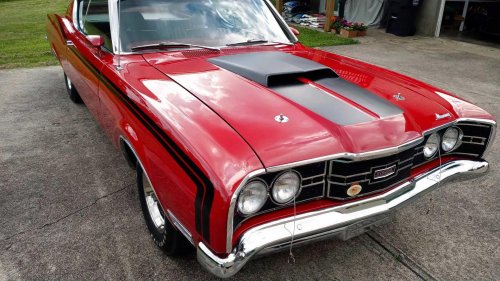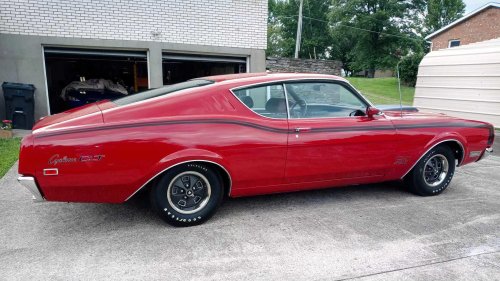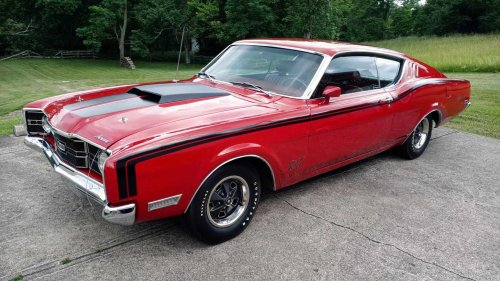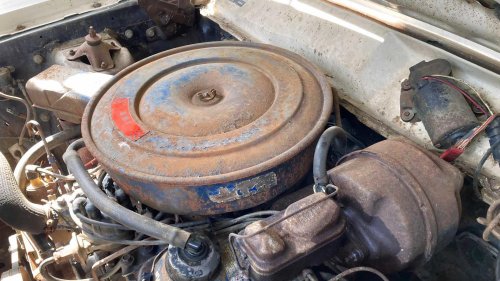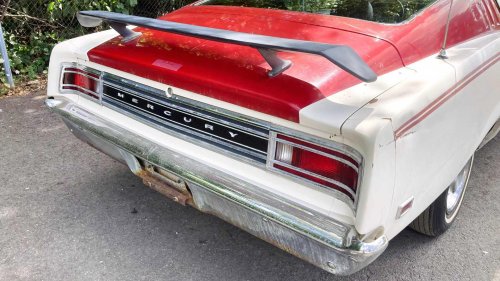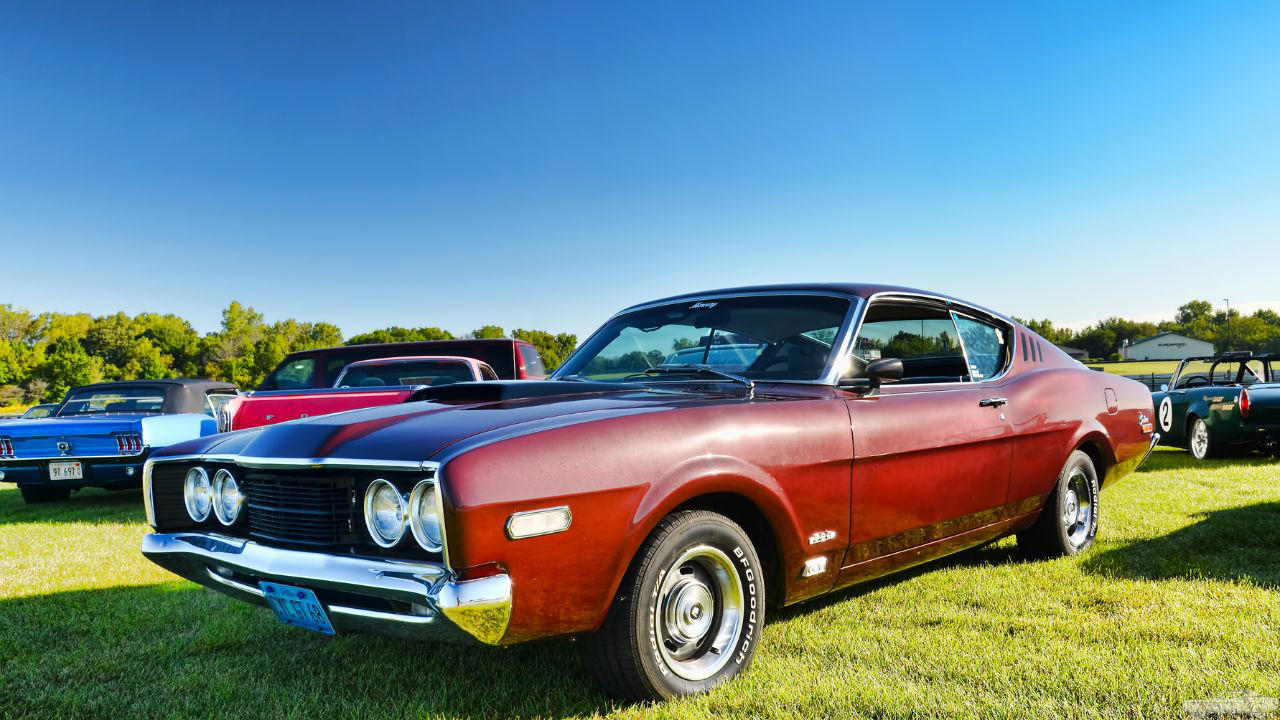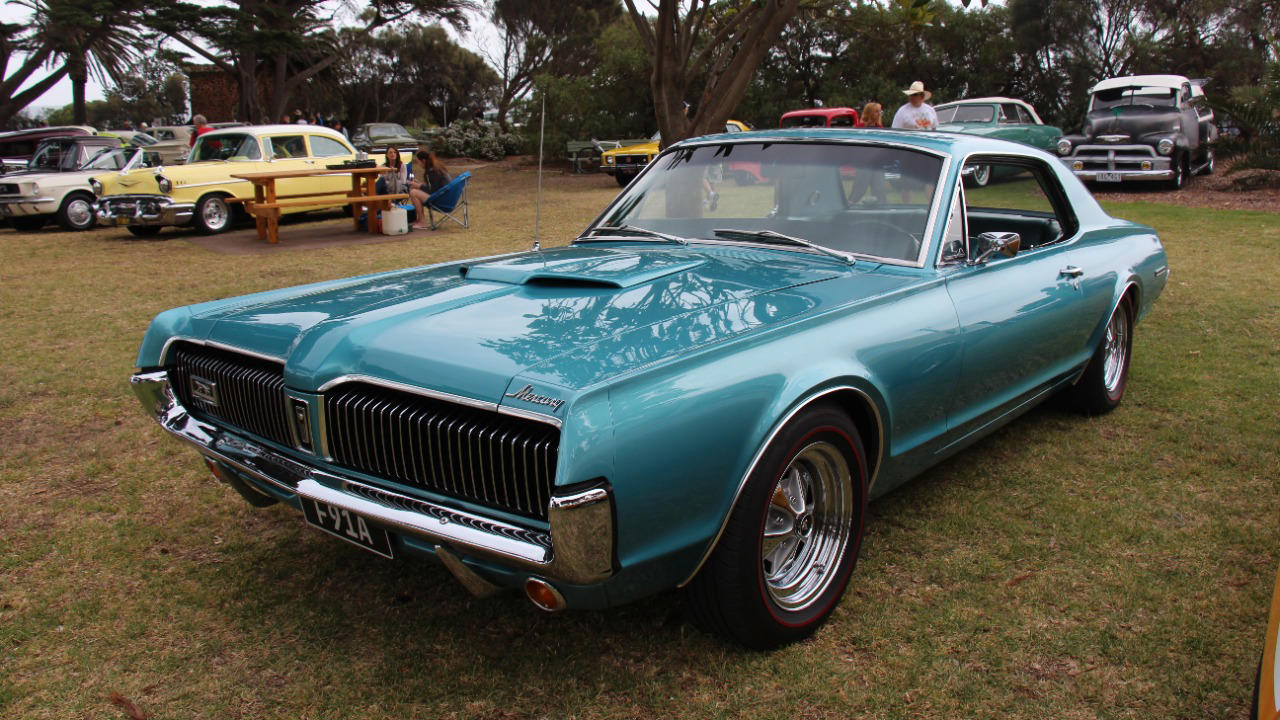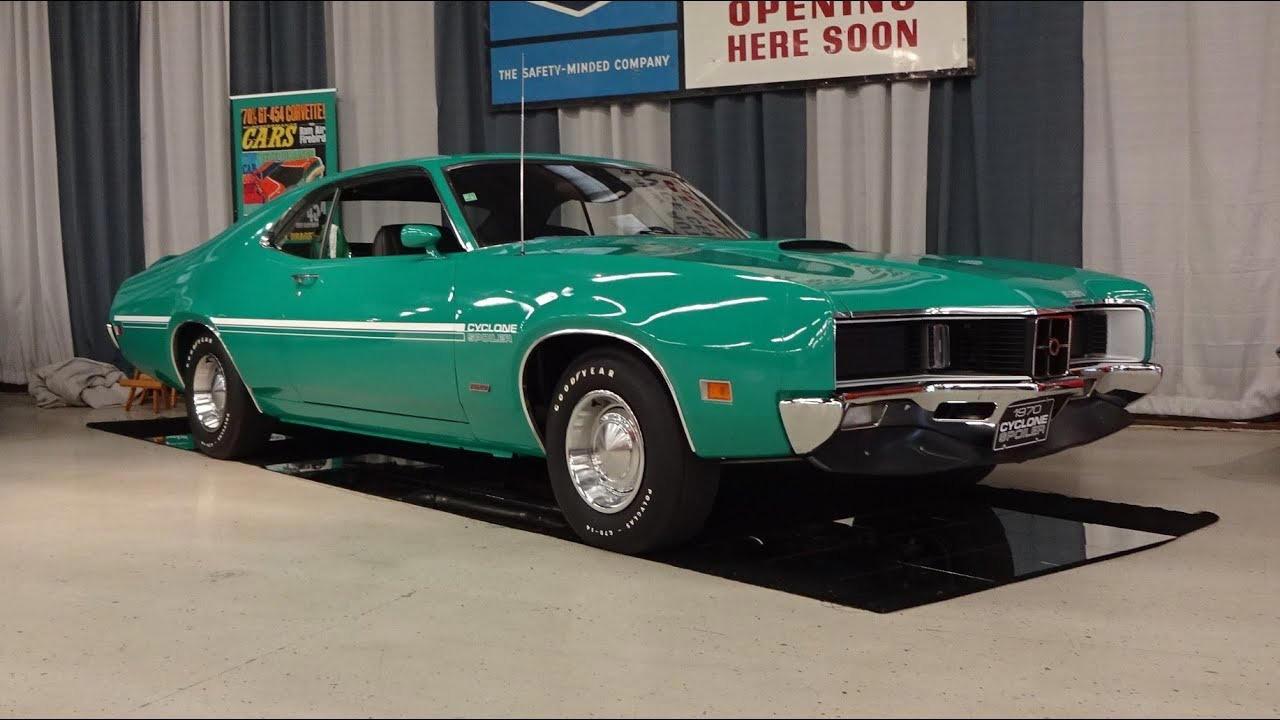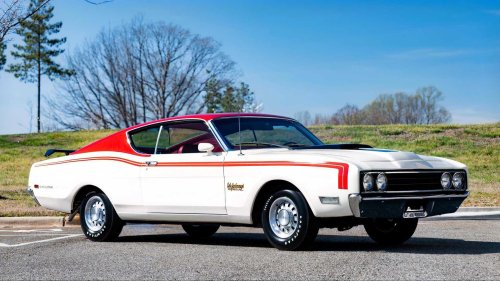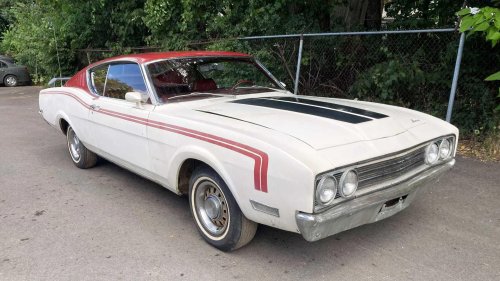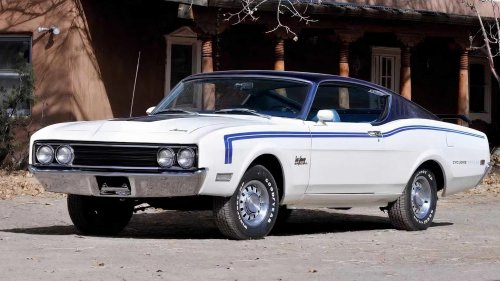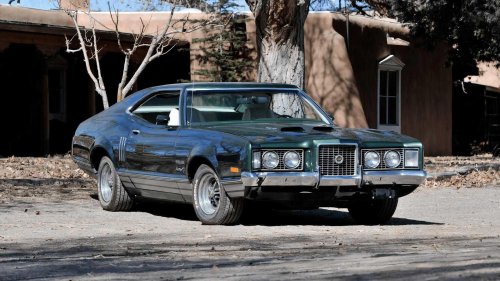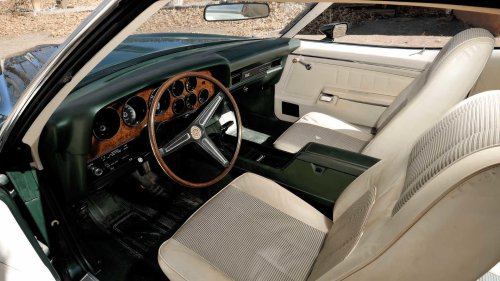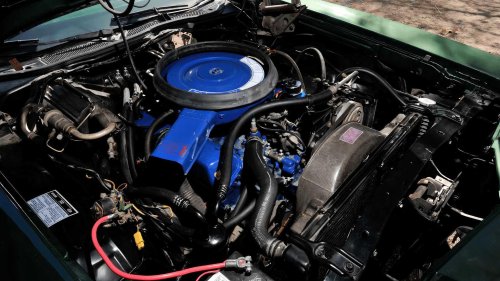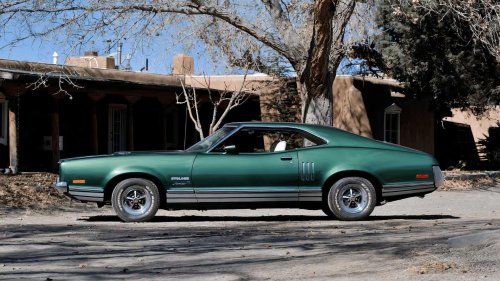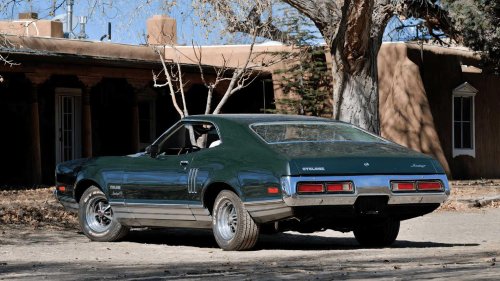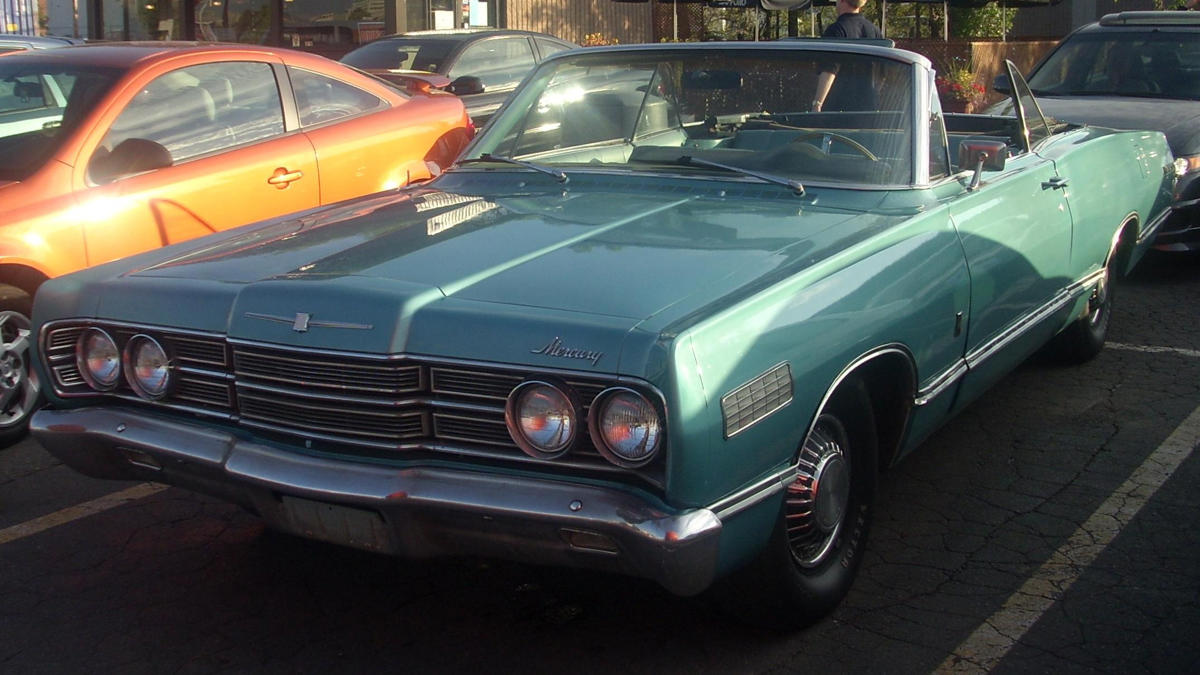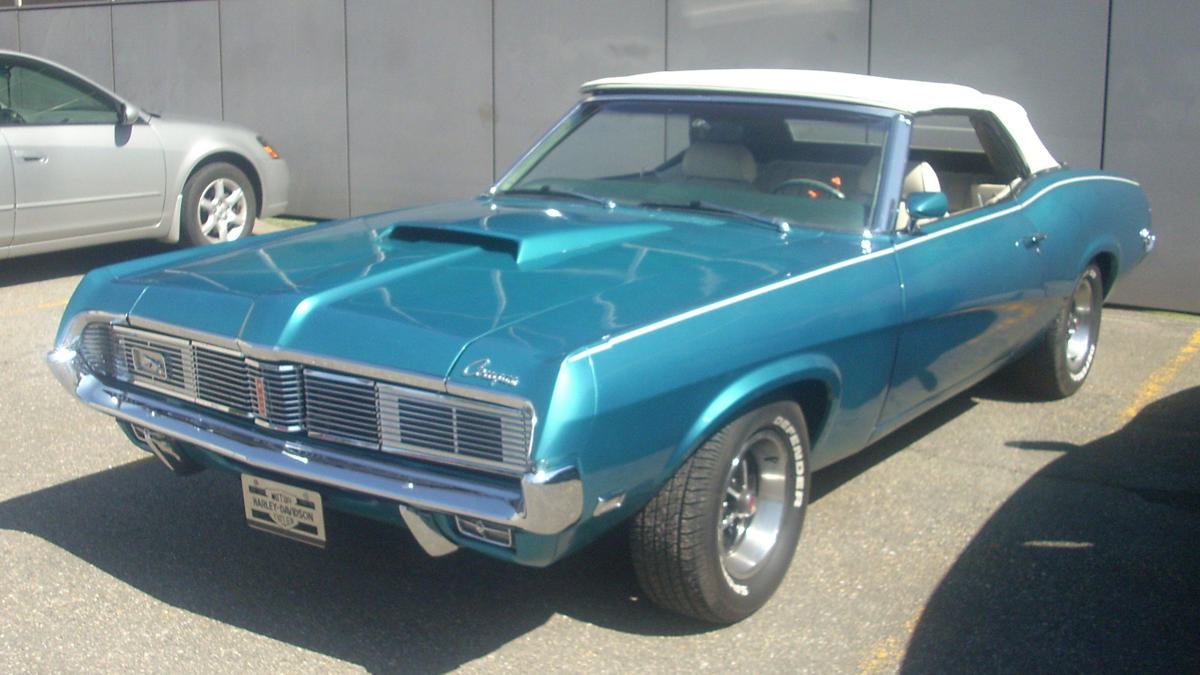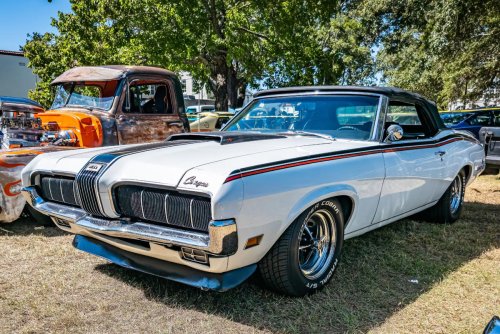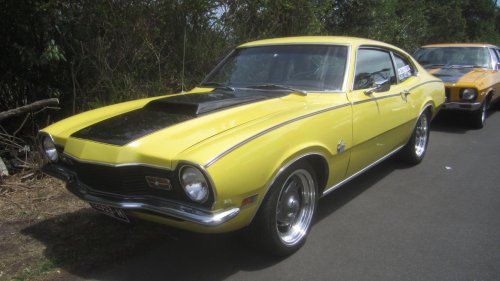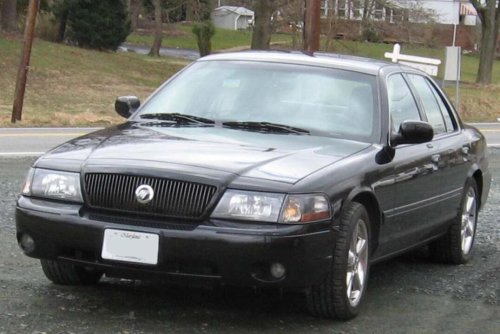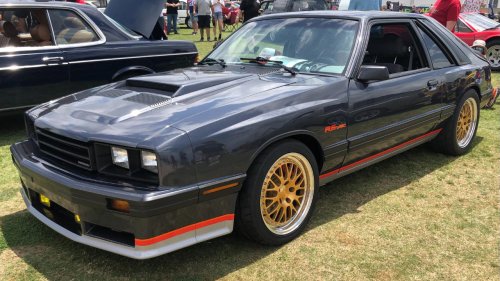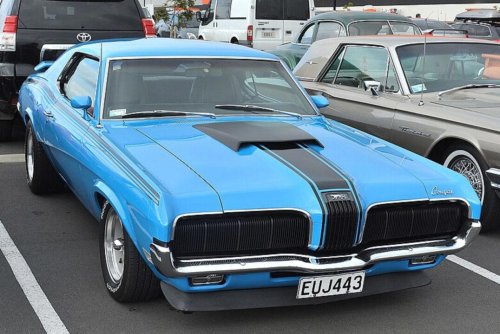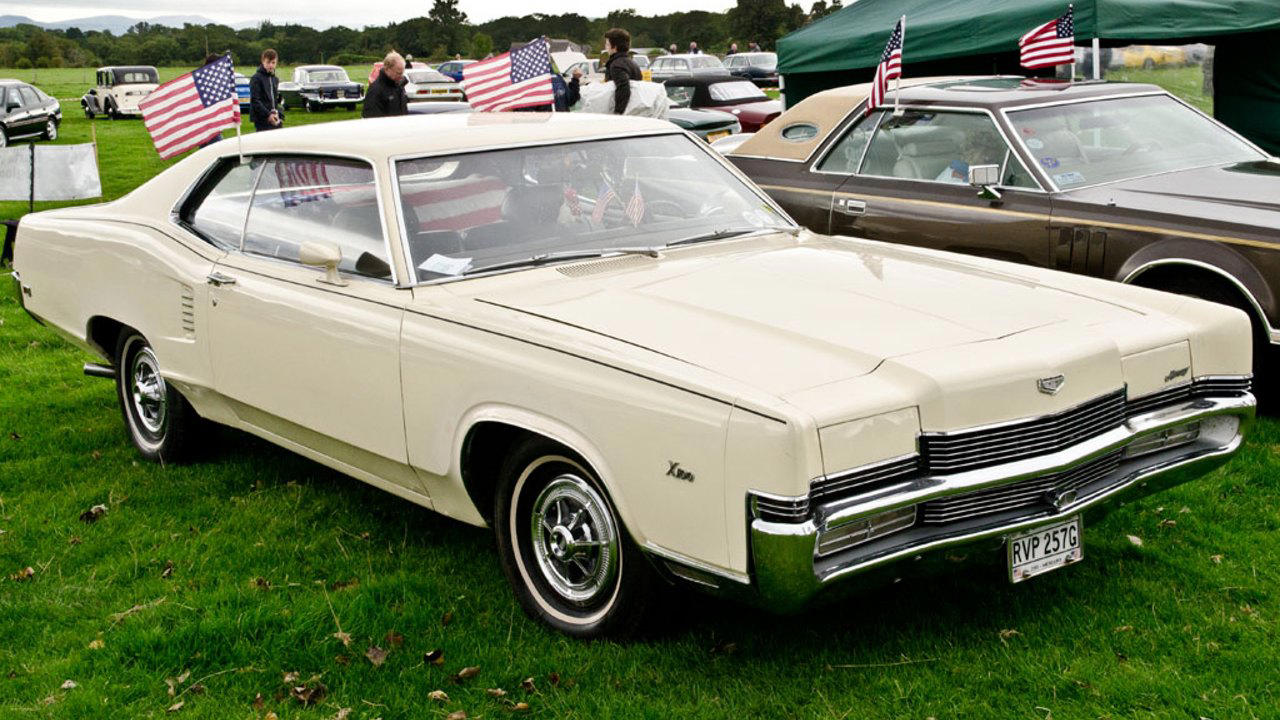



















Big-block power shines in the 1969 Mercury Marauder X-100The 1969 Mercury Marauder X-100 arrived at the peak of Detroit’s horsepower wars as a full-size coupe built around big-block torque and quiet speed. Rather than chasing quarter-mile times alone, Mercury wrapped serious muscle in a formal roofline, deep bucket seats, and a long list of luxury touches that made the X-100 feel more like a highway missile than a drag-strip bruiser. More than half a century later, the car’s 429-cubic-inch V-8, rear-wheel-drive layout, and low production numbers have turned it into a cult favorite among muscle-car fans who prefer subtlety to stripes and spoilers. The Marauder X-100 captures the moment when American manufacturers tried to blend brute force with refinement, and it still stands as one of Mercury’s boldest answers to the big-block era. What happened Mercury introduced the Marauder X-100 for 1969 as the performance flagship of its full-size lineup, positioned above the Marquis and Monterey. The X-100 package combined a fastback-style two-door body with a standard 429-cubic-inch big-block V-8, heavy-duty underpinnings, and a more aggressive appearance than Mercury’s traditional luxury coupes. Period specifications describe the 429 engine as delivering well over 350 horsepower in factory trim, with abundant low-end torque aimed at high-speed cruising rather than high-rpm racing. The car rode on the same basic platform as Ford’s full-size models, but Mercury gave the X-100 its own identity with a unique grille, hidden headlamps, and a recessed rear window set into a sweeping roofline. Buyers could order bright “turbine” wheel covers, body-side striping, and a blackout rear panel that visually widened the car. Inside, the X-100 came standard with front bucket seats, a center console, and upscale trim that aligned with Mercury’s marketing pitch as a more sophisticated alternative to Ford. Unlike smaller muscle cars such as the Mustang or Cougar, the Marauder X-100 carried a long wheelbase and a curb weight that pushed into the two-ton range. Its big-block V-8 was paired with a three-speed automatic transmission, power steering, and power front disc brakes, reflecting Mercury’s focus on effortless speed and comfort. Contemporary road tests highlighted the car’s ability to surge from low speeds with minimal drama, a trait that made it particularly suited to American highways that were just starting to see higher sustained cruising speeds. Production of the Marauder X-100 remained limited, and the model ran for only a short period before being dropped in the early 1970s as performance priorities shifted. Collectors and historians often group the X-100 with other Mercury muscle offerings of the period, such as the Cyclone and Cougar, which were cataloged as part of the brand’s broader push into performance during the late 1960s and early 1970s. Coverage of Mercury muscle consistently includes the Marauder X-100 as the full-size counterpoint to the more familiar midsize and pony-car models. The X-100’s drivetrain shared components with other Ford big-block cars, which helped keep mechanical service straightforward for owners. Under the hood, the 429 featured a four-barrel carburetor, high-flow heads, and a dual exhaust system that gave the car a deep, subdued exhaust note. Many examples were ordered with optional performance axle ratios that improved acceleration at the expense of fuel economy, a tradeoff that mattered less in an era of inexpensive gasoline and lax emissions rules. On the options sheet, buyers could add air conditioning, power windows, tilt steering, and premium audio, turning the X-100 into a genuinely plush long-distance cruiser. Mercury also offered handling upgrades such as firmer springs and larger sway bars, which helped the big coupe stay flatter in corners than its size might suggest. The car’s combination of power, comfort, and presence made it a distinctive choice for drivers who wanted muscle-car performance without sacrificing space or refinement. Why it matters The 1969 Marauder X-100 matters today because it captures a specific philosophy that has largely disappeared from modern showrooms: full-size, body-on-frame performance wrapped in near-luxury trim. While many enthusiasts remember the era’s smaller icons, the X-100 represents how Mercury tried to extend the muscle formula into a segment usually reserved for family sedans and executive coupes. Its big-block powertrain and upscale interior show how Detroit experimented with blending speed and comfort before emissions rules, fuel crises, and insurance pressures reshaped the market. In the broader context of Mercury’s performance history, the X-100 sits alongside the Cyclone CJ and Cougar Eliminator as proof that the brand was not simply a badge-engineered Ford. By giving the Marauder its own styling and carefully curated options, Mercury signaled that it wanted to attract buyers who were willing to pay more for a different personality. The car’s fastback roofline, hidden lights, and distinctive trim separated it from Ford’s Galaxie and LTD, even though the underlying hardware was closely related. For collectors, the significance of the Marauder X-100 lies partly in its scarcity. Limited production and a short run mean surviving cars are relatively rare compared with mass-market muscle models. Many examples were driven hard and used as everyday transportation, which further thinned the pool of well-preserved survivors. As interest grows in unusual or overlooked performance cars, the X-100 has started to gain attention among enthusiasts who want something different from the usual Chevelle, Charger, or Mustang. The car also offers insight into how performance was measured and marketed in the late 1960s. Instead of focusing solely on quarter-mile times, Mercury emphasized the Marauder’s ability to cover long distances quickly and quietly. The big-block V-8 provided ample torque for passing and merging, while the long wheelbase and substantial weight contributed to a stable, composed ride at speed. This approach anticipated later “personal luxury” performance cars that prioritized real-world usability over raw numbers. From a design standpoint, the X-100 illustrates the transition from the curvier early 1960s to the crisper, more formal shapes of the 1970s. Its sculpted sides, prominent grille, and recessed rear window foreshadowed styling cues that would appear across Mercury’s lineup in the following years. Enthusiasts who appreciate period-correct details often point to the X-100’s interior, which combined deep, cushioned seats with full instrumentation, wood-grain accents, and a driver-focused layout that still feels purposeful today. The Marauder X-100 also matters because it highlights the engineering priorities of its time. The 429 big-block did not chase high revs or exotic technology. Instead, it relied on displacement, relatively conservative cam timing, and a four-barrel carburetor to deliver a broad torque curve that made the heavy car feel responsive in everyday driving. This emphasis on torque over peak horsepower reflects a practical understanding of how most owners actually used their cars, and it remains a key part of the X-100’s appeal. In the modern collector market, the X-100 occupies a niche that rewards buyers who value comfort and character as much as outright speed. Prices for top-condition examples have trailed those of more famous muscle cars, which makes the Marauder attractive to enthusiasts who want big-block performance without paying top-tier money. The car’s relative affordability, combined with its rarity and distinctive styling, has encouraged a small but passionate following that keeps interest alive at shows and in online communities. Preservation and restoration of Marauder X-100s also shed light on the challenges of maintaining full-size muscle from this era. While mechanical parts often cross over with other Ford products, certain trim pieces, interior components, and body panels are unique to the model and can be difficult to source. Owners who commit to a full restoration often face a mix of straightforward mechanical work and painstaking searches for correct badges, moldings, and interior details that match the original build. What to watch next Enthusiasts tracking the future of the 1969 Marauder X-100 will be watching how values evolve as more collectors look beyond the usual muscle-car choices. As awareness grows of Mercury’s performance history, including models like the Cyclone and Cougar, the X-100 stands to benefit from the broader reappraisal of the brand. Auction results and private sales already suggest that well-documented, original cars command a premium over modified or heavily restored examples, a pattern that often signals a maturing collector segment. Another factor to watch is how changing tastes in classic cars affect interest in full-size performance coupes. Younger enthusiasts who grew up with smaller, lighter sports cars may initially overlook the Marauder’s size, but the car’s combination of comfort, presence, and V-8 sound can be persuasive once experienced in person. As more owners share detailed restorations and driving impressions through clubs and online channels, the X-100’s profile is likely to rise among those who appreciate long-distance touring as much as spirited back-road driving. Restoration trends will also shape the future of the Marauder X-100. Some owners favor period-correct rebuilds that preserve original colors, trim, and factory options, while others lean toward subtle upgrades such as modern radial tires, improved cooling systems, and electronic ignition for reliability. The balance between authenticity and usability will influence how the car is perceived in the years ahead, particularly at judged events where originality often carries significant weight. Parts availability represents another key storyline. As more X-100s undergo full restorations, demand for reproduction components is likely to increase. Suppliers that already support other Mercury and Ford models may expand their catalogs to include Marauder-specific pieces, which would lower the barrier to entry for new owners. Conversely, if certain trim items remain scarce, the cost and complexity of correct restorations could keep the car relatively exclusive, reinforcing its status as a connoisseur’s choice. There is also growing interest in documenting the car’s original production details, including color combinations, option mixes, and regional sales patterns. Enthusiast registries that track vehicle identification numbers and original build data can help establish how many X-100s remain and how they were originally configured. This kind of documentation often becomes more valuable as a model ages, providing context that helps buyers distinguish between typical examples and unusually well-equipped or rare configurations. Looking at the broader market, the Marauder X-100’s fate is tied to how collectors value full-size American performance from the late 1960s and early 1970s. If interest continues to grow in cars that combine muscle-car drivetrains with formal styling and generous interiors, the X-100 is well positioned to gain recognition. Its big-block power, distinctive design, and limited numbers give it the ingredients that often drive long-term collectability, even if it remains less famous than some of its contemporaries. Finally, the car’s ongoing relevance will depend on how owners use and share it. The Marauder X-100 was built to cover miles quickly and comfortably, and examples that still see regular road time help keep that original mission alive. Whether cruising to regional shows, participating in vintage tours, or simply turning heads on local streets, each outing reinforces the idea that big-block power and full-size comfort can coexist in a single, memorable package. More from Fast Lane Only Unboxing the WWII Jeep in a Crate 15 rare Chevys collectors are quietly buying 10 underrated V8s still worth hunting down Police notice this before you even roll window down