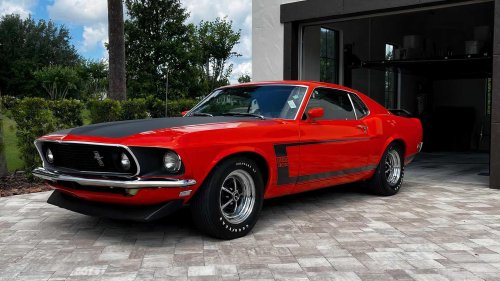
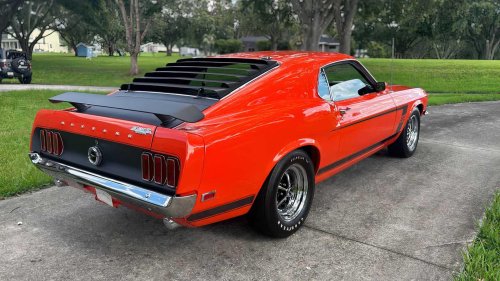
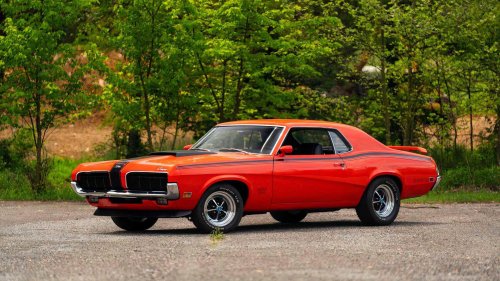
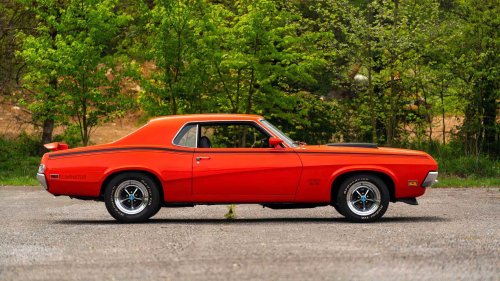
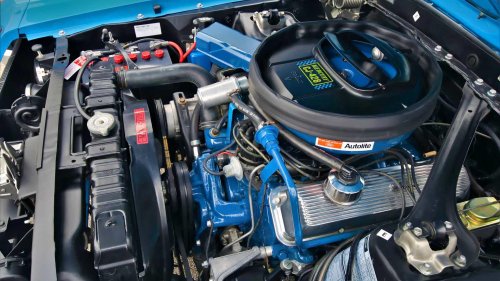
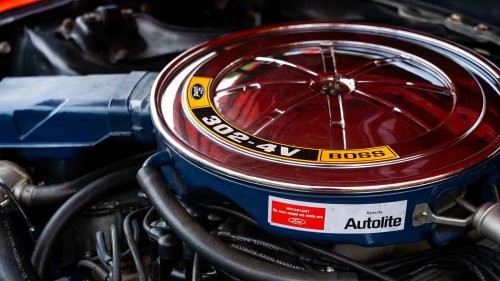
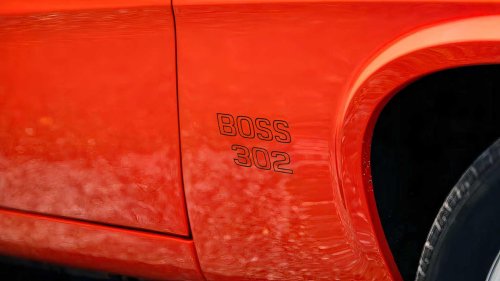
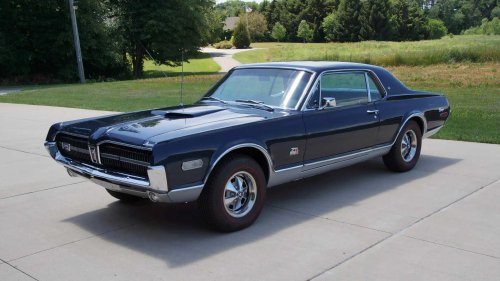
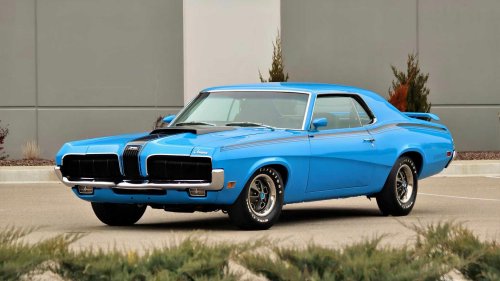
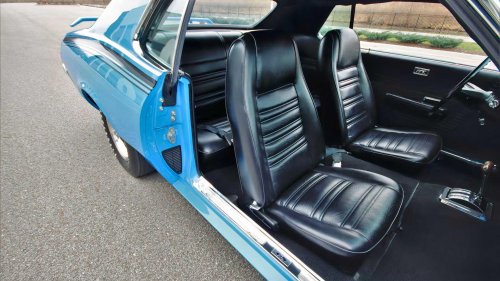
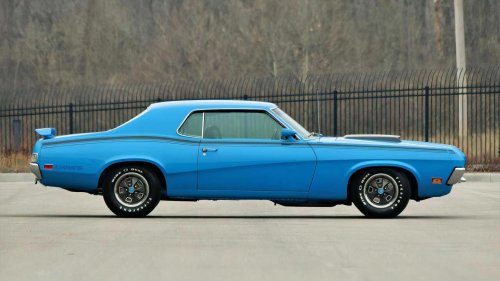
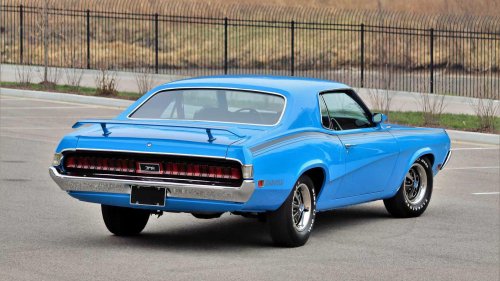
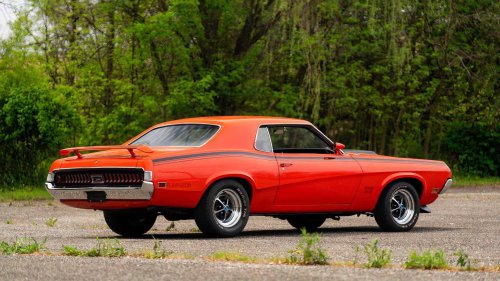
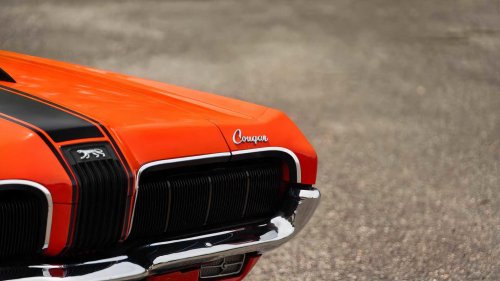
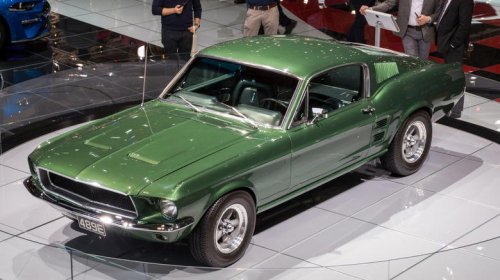
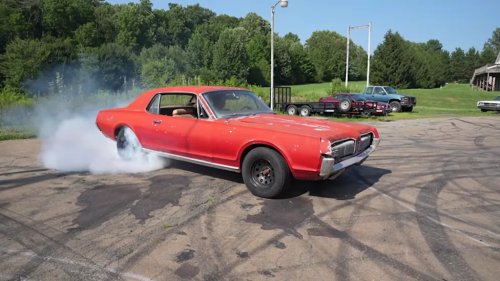
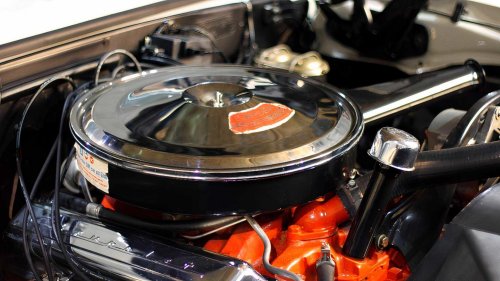
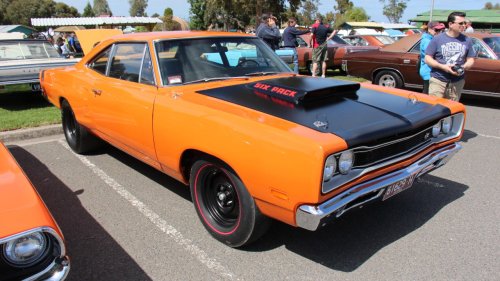
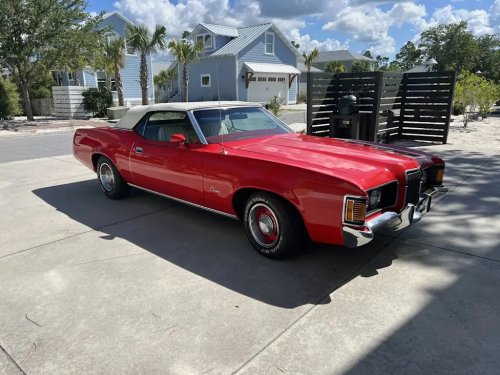
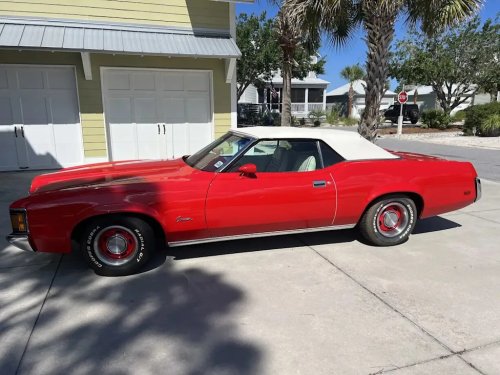
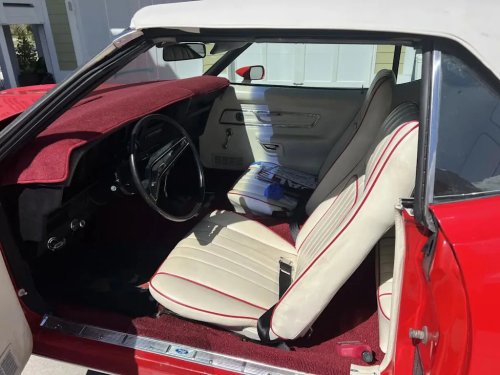
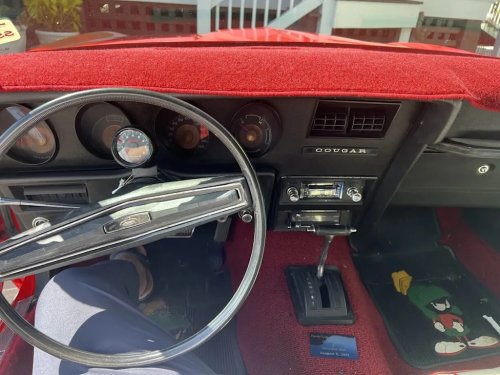
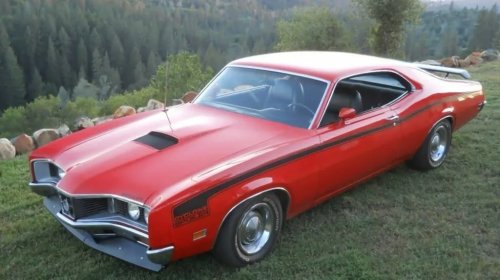
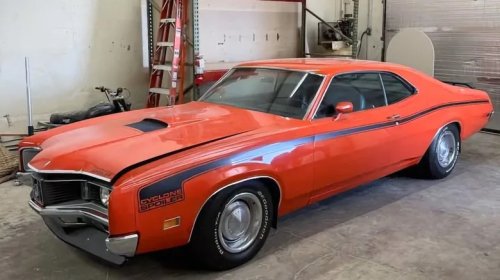
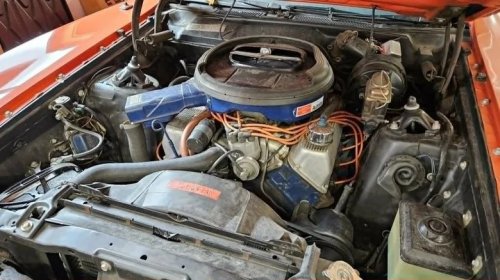
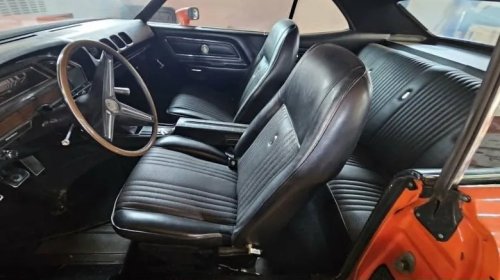
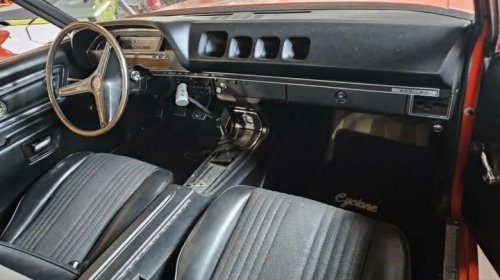
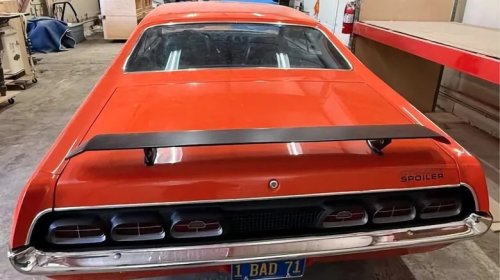
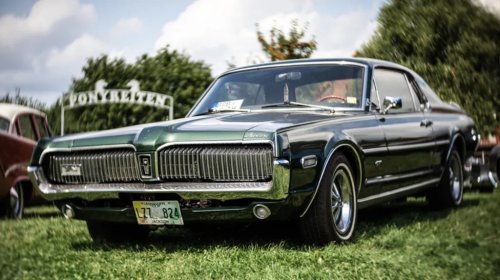
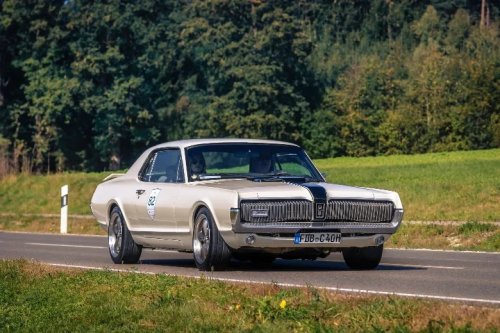
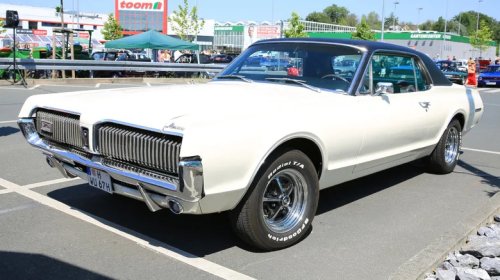
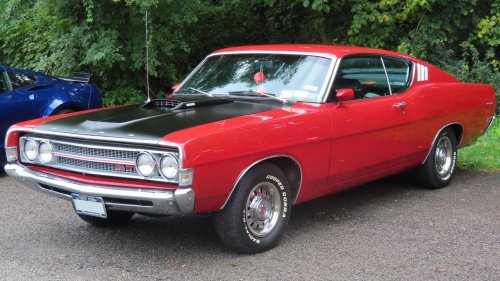
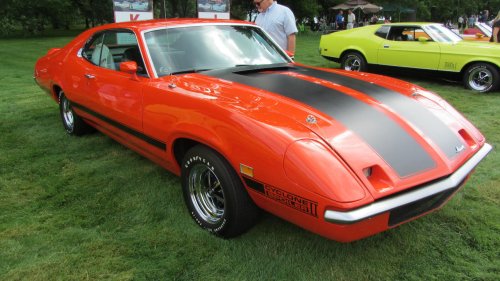
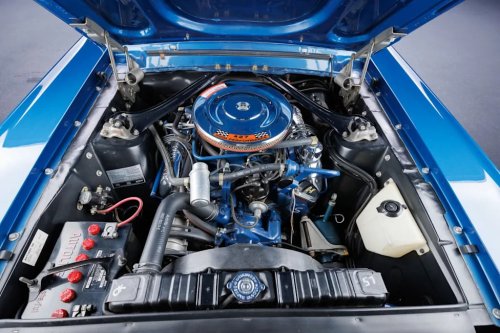
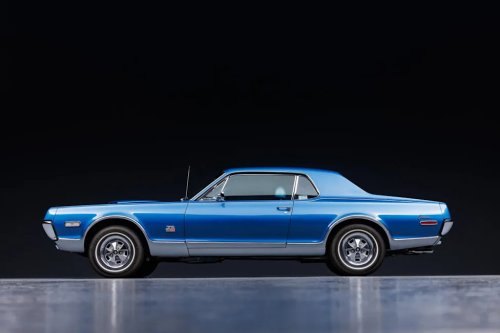
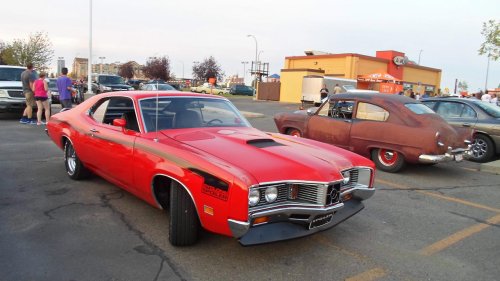
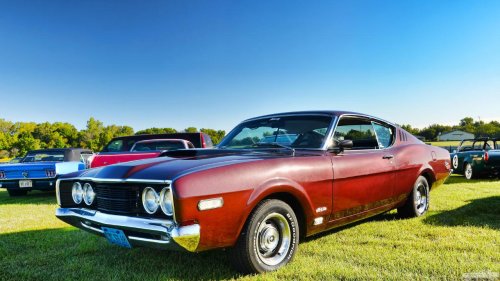
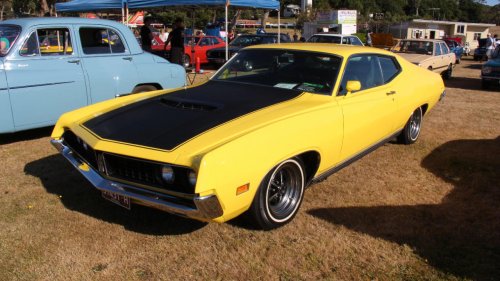
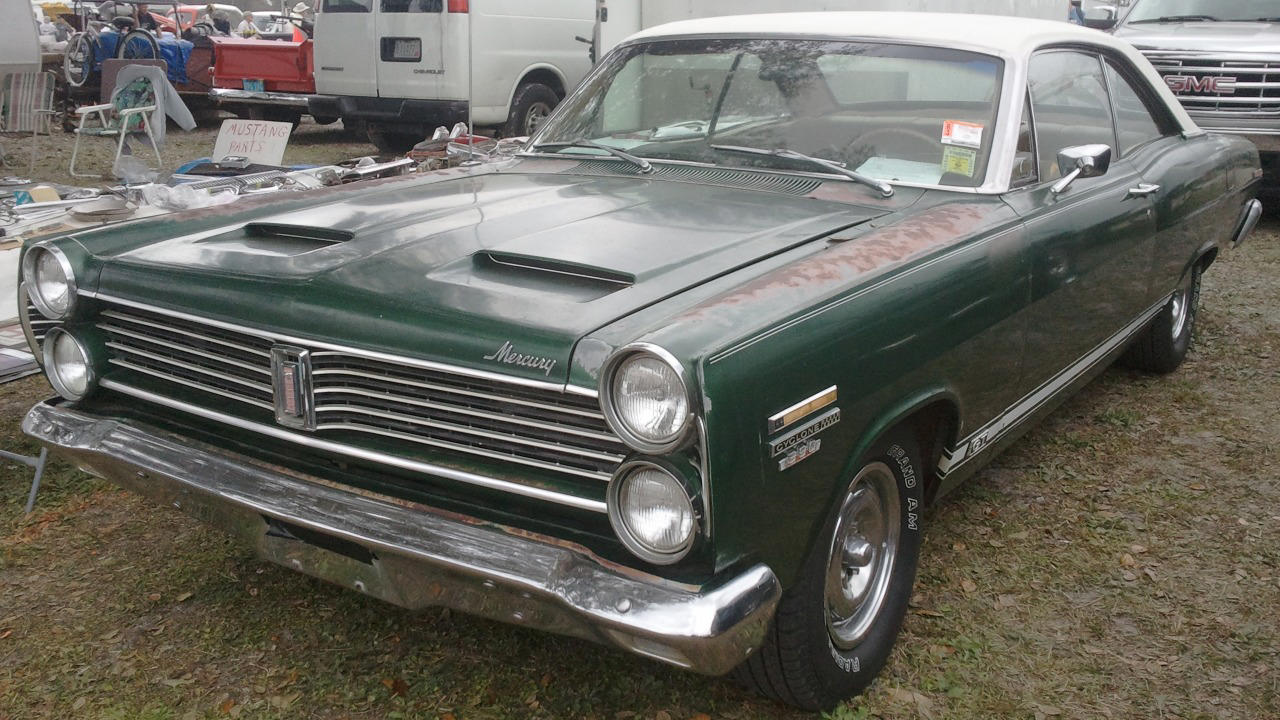
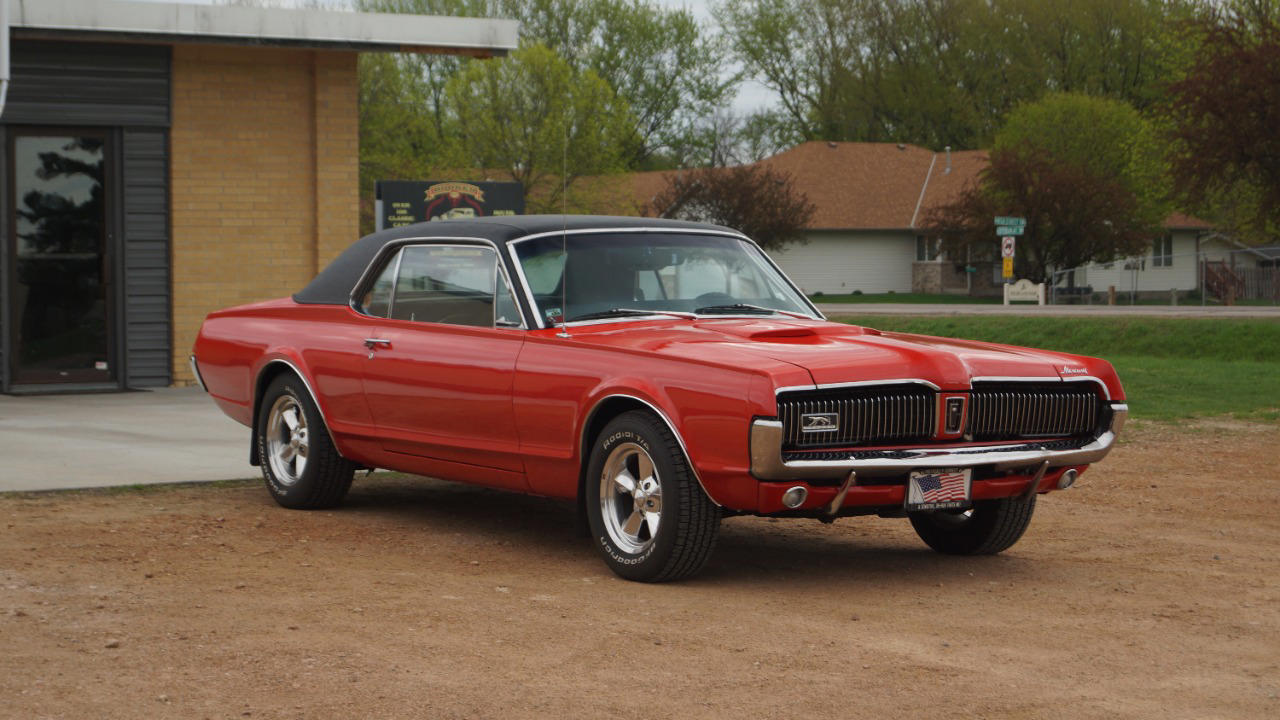
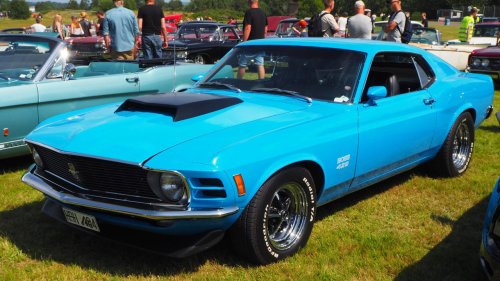
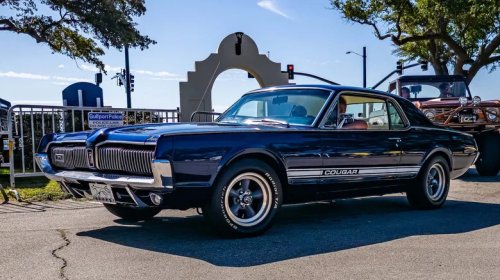
Before Mercury discontinuation in 2011, the Blue Oval division served as a bridge between regular Fords and high-end Lincolns. While that strategy worked well for a while, Mercury largely lived in Ford's shadow, and even though it built several models that helped shape automotive culture and history, they just don't have the same cult-like status and widespread acceptance among enthusiasts as Fords.Such is the case with the Mercury model we're covering here. Arriving in the late '60s alongside the Ford Mustang Boss 302, this Mercury muscle car blended big-block muscle, a high level of polish, and relative scarcity to create a package that could run with the Boss 302 in a straight line, but while the 'Stang gets its well-deserved plaudits today, the Mercury remains a forgotten piece of muscle car history. The Mustang Boss 302 Was Tough To Beat Via Mecum AuctionsIn the late '60s, the SCCA Trans-Am series was the ultimate battleground for American automakers. Tired of losing to the Chevy Camaro Z/28, Ford hatched a plan to build a specialized small-block weapon to fit the series' 5.0L (305 cubic inch) displacement limit. The result was the Mustang Boss 302, which famously won the 1970 SCCA Trans-Am Manufacturers' Championship and cemented its status as a winner. In line with the competition's homologation requirements, Ford built around 8,641 street-legal versions of the Boss 302, bringing race-sourced performance to regular buyers and creating one of the most iconic Mustang models ever.Though not quite as extreme as the race car, the street-legal Boss 302 was a no-compromise machine that prioritized high-RPM power and handling over raw straight-line bulk. Its 302 cubic-inch V8 generated 290 hp at a high 5,800 rpm, and it’s widely considered to be underrated. This power, combined with other performance-focused equipment like upgraded suspension and brakes, made the Boss 302 one of the most exciting muscle cars built at the tail end of the golden era.Via Mecum AuctionsAs great as the Boss 302 was, Mercury wasn’t content to sit in Ford’s shadow. In 1969, Mercury added its own muscle twist to the mid-size pony car market with a new model. Depending on the engine, Mercury's muscle car could produce more torque and straight-line power than a street Boss 302. Heavier and less nimble than the Mustang, it offered a different kind of muscle car experience – more brute force and mid-size presence. It had the same earth-shaking hardware as the Boss 302, but for some reason, it remains underrated while the Boss 302 basks in endless acclaim. The Mercury Cougar Eliminator Showed The Mustang Who's Boss, But No One Cared Via Mecum AuctionsBy 1969, the Mercury Cougar had already established itself as the perfect pony car alternative for buyers who wanted something with fancier styling, a more comfortable ride, and more premium appointments than the Ford Mustang offered. However, the Cougar still wasn't as competitive as Mercury wanted, and it still carried a "country club" perception that hurt its reputation, especially among younger, performance-focused buyers. As such, Mercury decided to build a new Cougar version that would boost its performance credentials, resulting in Mercury introducing the Cougar Eliminator in 1969.Other than the undeniably cool name, the Cougar Eliminator carried an unmistakable late-1960s attitude, balancing the sophistication of a European-style grand tourer with the raw aggression of an American muscle car. The Eliminator offered some of Ford's most legendary high-performance engines of the era, including the Boss 302, but unlike many stripped-down muscle cars that prioritized raw speed, the Eliminator maintained Mercury's reputation for comfort and semi-luxury.Via Mecum AuctionsHowever, while weighing more and offering a more upscale environment than the Mustang Boss 302, the Cougar still had enough grunt to match the Boss 302 in the performance department, and this gave Mercury an aggressive, high-performance identity that it previously lacked. You'd think Boss-302-like performance and rare production numbers of about 4,517 units would be enough to enter the Cougar Eliminator into enthusiast folklore, but sadly, it has largely stayed in the shadows and barely gets a mention these days. It Was A Powerhouse Via Mecum AuctionsThe Cougar Eliminator had several engine options, ranging from a 351 cubic-inch small-block to a 428 cubic-inch big-block monster. The 351 was the standard engine option, and it offered 290 hp in 1969 and 300 hp in 1970, making it a sensible and relatively fuel-efficient choice.Taking things up a notch was the race-sourced Boss 302 engine from the Mustang, featuring solid lifters and canted-valve heads that excelled at high RPMs. The Eliminator was the only Cougar trim sold with the Boss 302 engine, and while its 290 hp and 290 lb-ft output was lower than the base engine's output, its lightweight and high-revving nature made it feel more lively and agile in corners. However, due to the added weight from the slightly longer wheelbase and interior niceties, Boss-302-equipped Eliminators crossed the quarter-mile finish line only a fraction of a second behind the Mustang Boss 302.Via Mecum Auctions The big-block options started with a 320-hp 390 cubic-inch unit for the 1969 model year only, but that was quickly replaced by the mighty 428 Cobra Jet that finally toppled the Mustang Boss 302. Available with Ram Air induction, the Cobra Jet produced 335 hp and 440 lb-ft of torque, giving the Eliminator the low-end grunt it needed to beat the Boss 302 to the quarter-mile finish line. Serious drag racers could also order the Drag Pak or Super Drag Pak option, which included high-ratio gears and automatically triggered the 428 Super Cobra Jet engine option, which was essentially a reinforced, race-oriented version of the 428 Cobra Jet specifically designed to handle the high-RPM stresses of the drag racing world.Some sources claim that the Boss 429 engine option also appeared in Cougar Eliminator sales literature, but it was never available to the public as extensive modifications would be required. However, Ford allegedly built two Boss 429 Cougar Eliminators for NHRA Super Stock racing. It Could Keep Up With The Mustang Boss 302 Via Mecum AuctionsThe Cougar Eliminator could be equipped with the visceral Boss 302 engine, but since it was larger and heavier than the Mustang Boss 302, it had a marginally slower quarter-mile finish. In period testing, a Boss 302 Eliminator recorded a 14.58-second run at 97 mph, which was just a hair behind recent testing of the Mustang Boss 302 run of 14.57 seconds at 97.6 mph. If you really wanted to beat the Mustang Boss 302 in a Cougar Eliminator, you had to equip it with the top engine option. An Eliminator with the 428 Cobra Jet could cover the quarter-mile in just 13.94 seconds at 101.0 mph, leaving both Boss 302 cars in the dust.While the Cougar Eliminator was just a Mustang Boss 302 in a fancy suit, it remains a forgotten chapter of muscle car history, while the Mustang is famous for being a purpose-built, high-performance racing machine. Of course, the Mustang's position in Ford's lineup and the Boss 302's racing pedigree have contributed to its cult status, but the Eliminator surely deserves more respect, right? The Cougar GT-E Was Even Faster Bring A TrailerThe Eliminator is often praised for helping the Cougar reach its greatest heights in performance, but it wasn't even the fastest iteration. Before the Eliminator was a thing, the top dog in the Cougar lineup was the GT-E, and it was only sold in 1968.The Cougar GT-E was a limited edition muscle car intended to bridge the gap between the refined XR-7 and high-performance racing machines. Mercury built just 394 GT-Es in 1968, with most of them powered by Ford's legendary race-derived 427 "Side-Oiler" V8 and only 37 sporting the 428 Cobra Jet. The GT-E's output of 390 hp and 460 lb-ft of torque when equipped with the 427 not only made it the most powerful Cougar iteration ever, but it also allowed it to beat the Eliminator in quarter-mile period tests. The Mercury Cougar Was A Larger And More Refined Ford Mustang Via Mecum AuctionsIn 1962, Ford brands allegedly submitted their unique design proposals for a new performance-oriented model, internally known as the T-5 project. Ford's design was selected, and about two years later, the venerable Mustang was born. Though Lincoln-Mercury's design wasn't chosen, the division remained interested in the project as it was seeking to develop a vehicle to compete in a similar market segment to the Ford Thunderbird. When the Mustang became a runaway success with over 400,000 units sold in its first year, Ford greenlit the project and allowed Lincoln-Mercury to develop a model based on the planned 1967 update of the Mustang, resulting in the Cougar.The Cougar debuted in the 1967 model year and was a smash hit, winning the 1967 Motor Trend Car of the Year award — the only Mercury model to ever achieve this feat. Though it was based on the updated 1967 Mustang platform, it was slightly longer, had a more polished design with European-inspired elements, and offered a more upscale interior. With only V8 engine options available, the Cougar showed it meant business from the get-go. Unfortunately, the Cougar's reign as one of the best pony cars only lasted for the first generation, as it evolved into a larger personal luxury car when the second generation debuted in 1971. It Was More Luxurious Via Mecum AuctionsMercury's position in the Blue Oval family was sort of a midpoint between regular Fords and the upscale Lincolns, and much of its business model involved creating luxury-oriented versions of regular Fords. The Cougar was the upscale version of the Ford Mustang, which is why it was often nicknamed the "Mustang in a Tuxedo."Leather-trimmed upholstery, a simulated walnut woodgrain dash, deep-pile carpeting, padded door panels, and aircraft-style toggle switches made the Cougar feel more like a luxury car than a muscle car, while a softer and more compliant suspension and whisper-quiet interior made for a more sophisticated, wealthy cabin experience, particularly in the XR-7 trim. It was the ultimate gentleman's muscle car. The Cougar Eliminator Is Far Rarer Via Mecum AuctionsWhile the first-generation Cougar was a huge success for Mercury with about 437,084 units sold across four model years, these figures pale in comparison to the first-generation Mustang's numbers (1,280,588). In fact, the Mustang sold more units in 1967 alone than the first-generation Cougar's entire production run. Of course, the Mustang's position as Ford's flagship performance car and the Cougar's higher price point are largely to blame.The Mustang Boss 302 was also far more common than the Cougar Eliminator. Ford built about 8,641 Boss 302 Mustangs, which is almost twice the number of Cougar Eliminators Mercury built (4,517). Eliminators equipped with the Boss 302 engine are even rarer, as only about 638 were built. Ford Allowed The Cougar To Fade Into Muscle Car Obscurity Via Mecum AuctionsThe Cougar's successful launch proved that a bit of luxury was allowed in the performance-focused pony car market, and with serious hardware and exciting trims like the Eliminator available, it had the perfect recipe to be a legend. Unfortunately, the Ford top brass didn't want two cars competing for the same spotlight. The Mustang was already facing high levels of competition from cross-town rivals such as the Chevy Camaro and the Hemi-powered Mopars, and Ford didn't need an internal rival making things worse. And, since the Mustang was already the flagship performance Ford and had broader name recognition, the bulk of the Blue Oval advertising budget was allocated to the Mustang.Another problem for the Cougar was that it was a Mercury, which meant it sat inside a brand portfolio built around luxury and comfort, not drag strip and street dominance. While its luxury features separated it from the pony car pack, they added to its weight, price, and hurt its overall performance image. Mercury Cougar Eliminator Collectibility Today Via Mecum AuctionsWhile Gen Z gearheads may not recognize the Cougar Eliminator or even know it existed, serious muscle car collectors are always on the lookout when one comes on sale, particularly the Boss 302 and big-block versions. 351-powered Cougar Eliminators are quite affordable, with recent values and auctions showing sub-$40,000 prices. Things start to get more serious when you upgrade to one of the relatively rare 1969 Boss 302 Eliminators, which has a Hagerty valuation of $68,300 in good condition, slightly higher than the 1969 Mustang Boss 302's valuation of $65,100. Auction results paint a similar picture, with most Boss 302 Mustangs and Eliminators crossing just under the $100,000 mark and well-restored versions crossing it. These figures show that, while the Mustang Boss 302 is the bigger star, the Eliminator is also a solid investment as collectors appreciate its rarity, performance, and understated presence.While the Cobra Jet and Super Cobra Jet versions offer more power and straight-line acceleration, they're still in the same price range as the Boss 302 versions, with highly original, well-kept units with proper documentation approaching Blue Chip territory. A Competition Orange 1970 Cougar Eliminator with the 428 Cobra Jet recently sold for $90,200, and a few years ago, a perfectly-restored 1970 Cobra Jet Eliminator with the original build sheet and a Deluxe Marti Report sold for a whopping $176,000 at a similar Mecum event.Via Mecum AuctionsThe Cougar Eliminator will never get the spotlight it truly deserved, but it's a living embodiment of a moment in time when Mercury briefly stepped out of Ford's shadow and etched its name in muscle car history books. It may not wear the loudest badge in the room, and it may not get the same oohs and aahs as the Mustang Boss 302, but for enthusiasts and collectors paying attention, it offers serious performance capabilities that not only put it on par with its corporate cousin but also place it squarely among the best pony cars of its era.Sources: Mecum Auctions, Hagerty Valuation Tool, Car and Driver