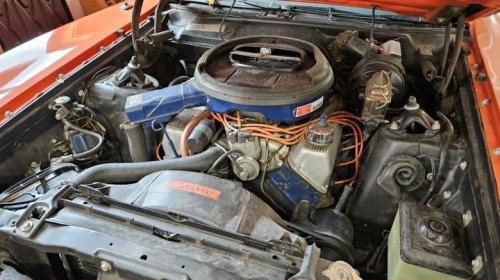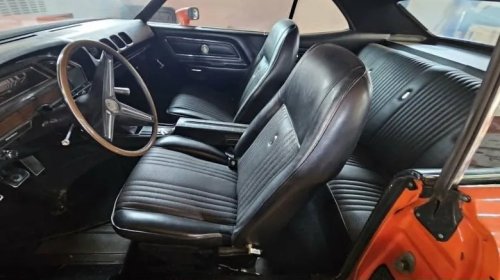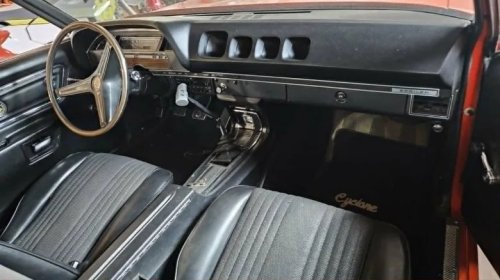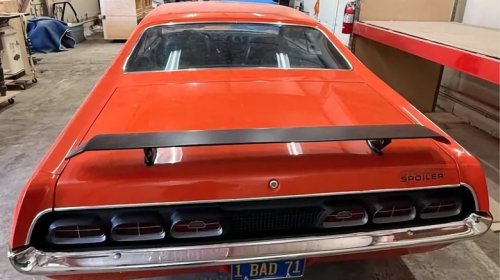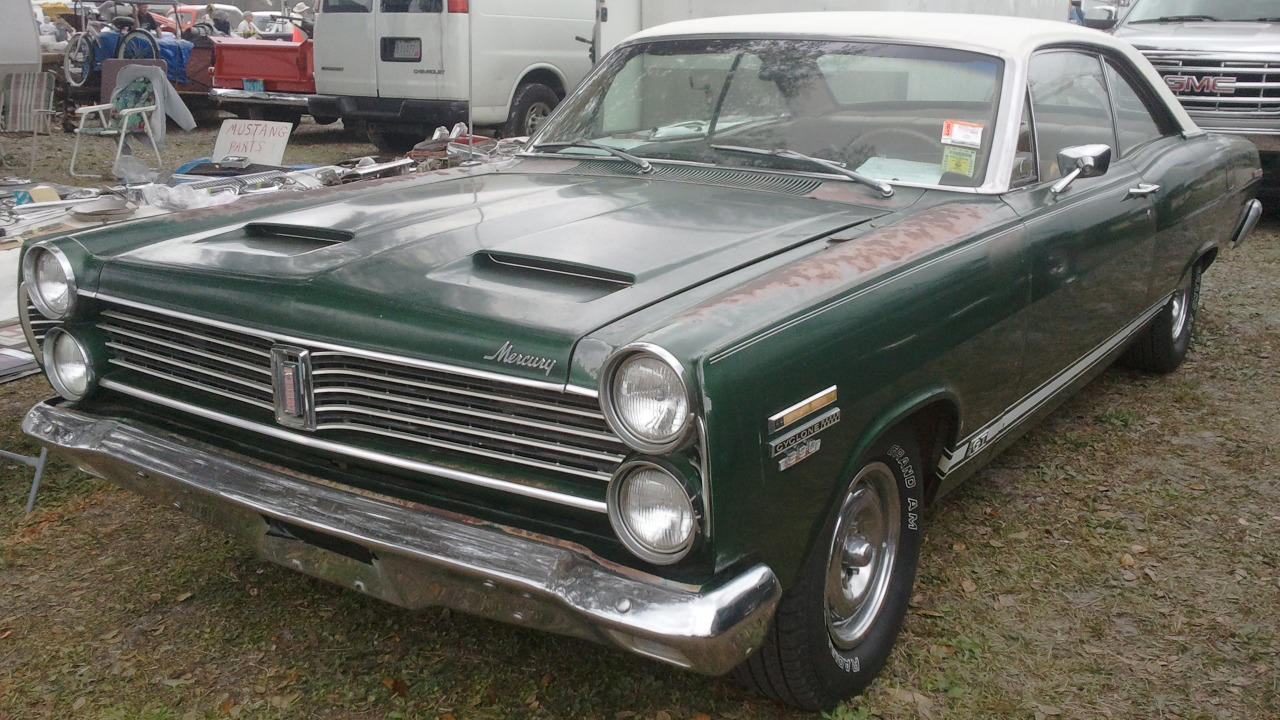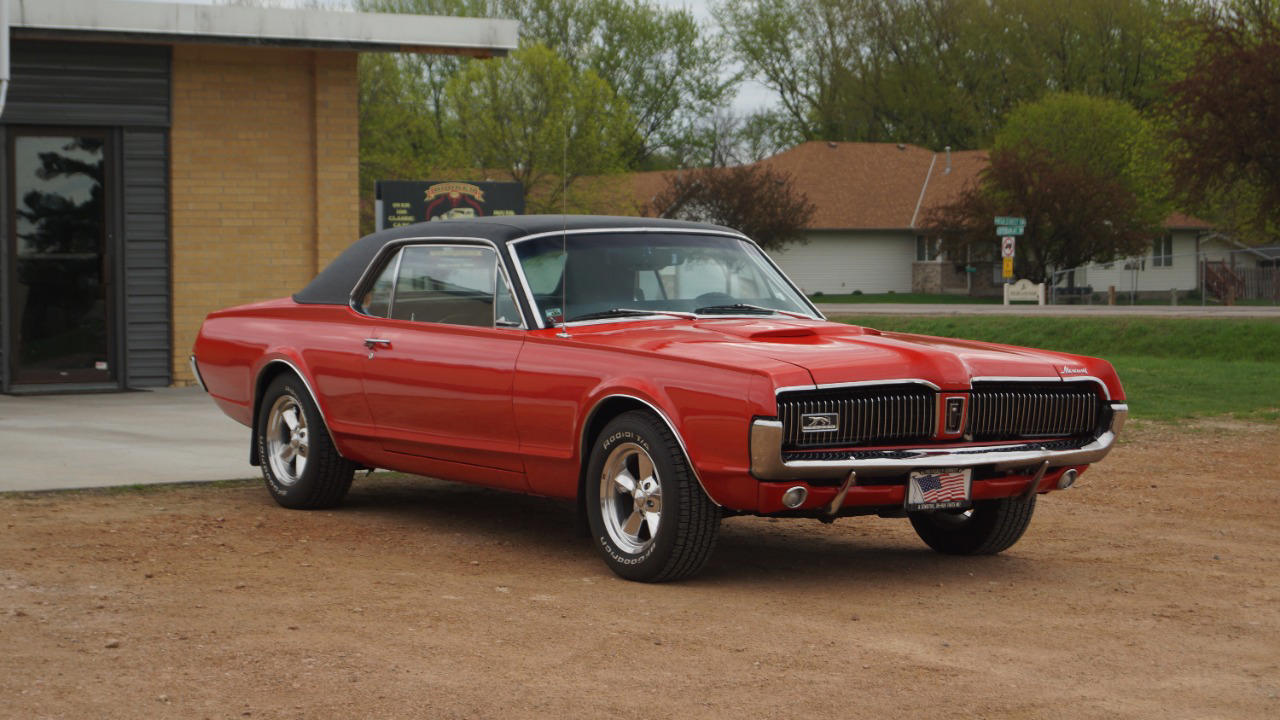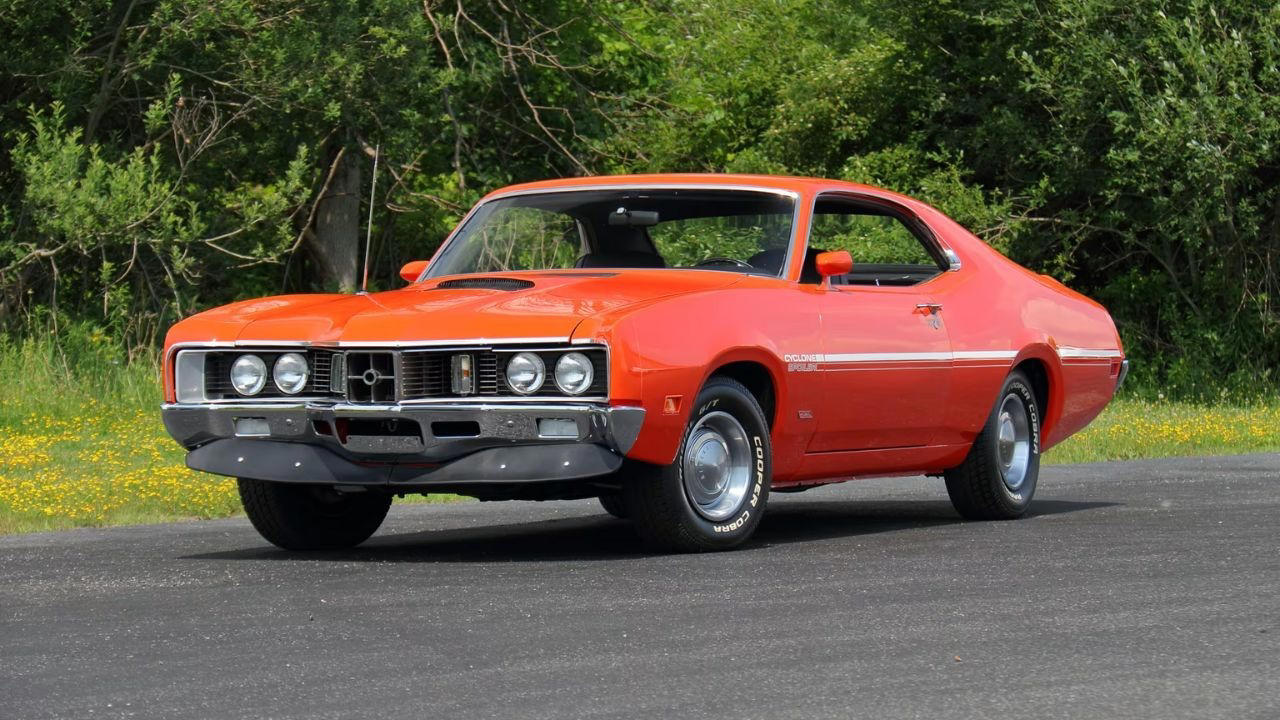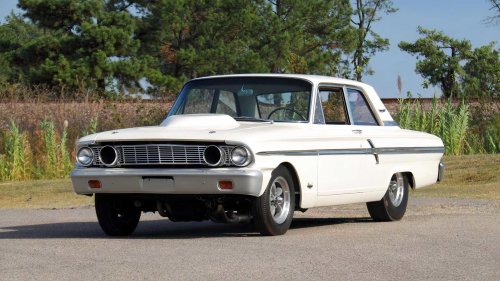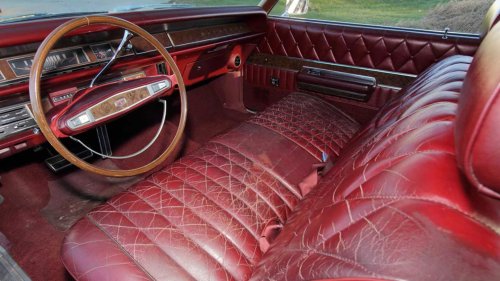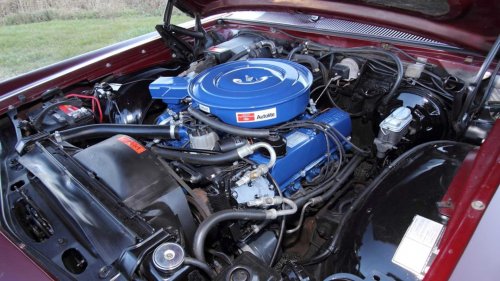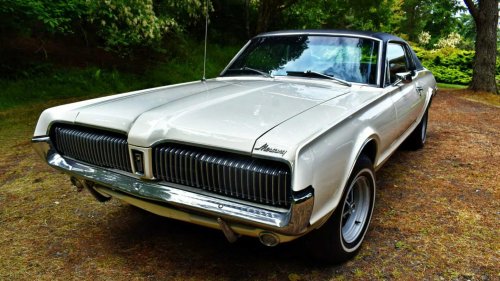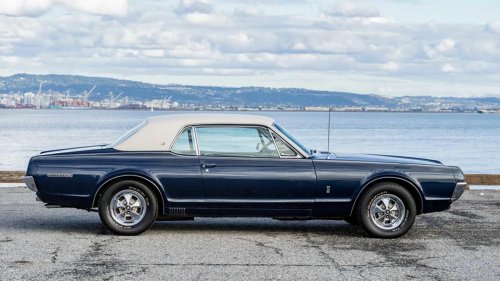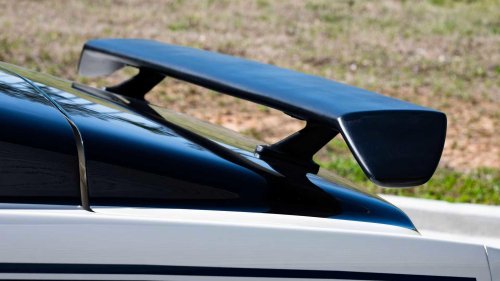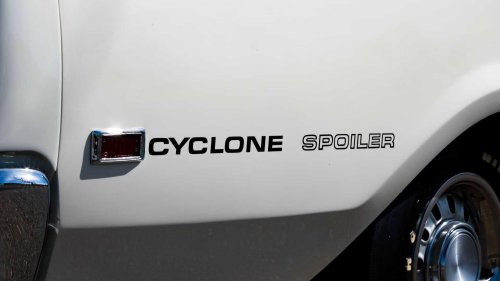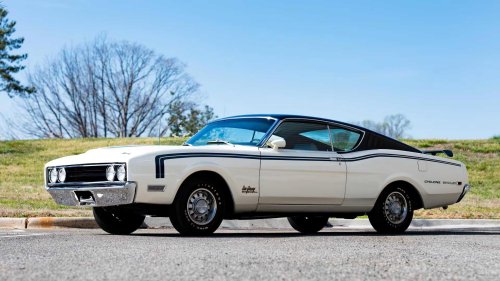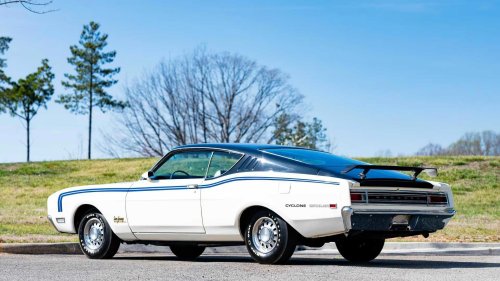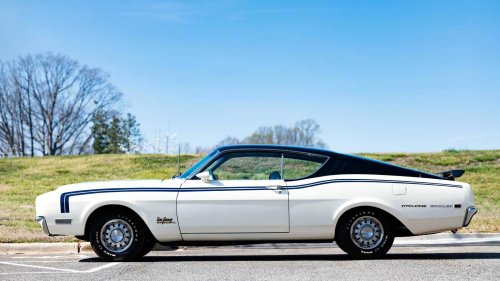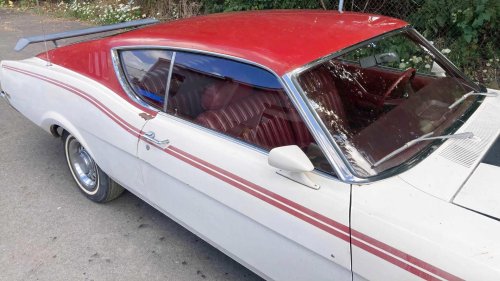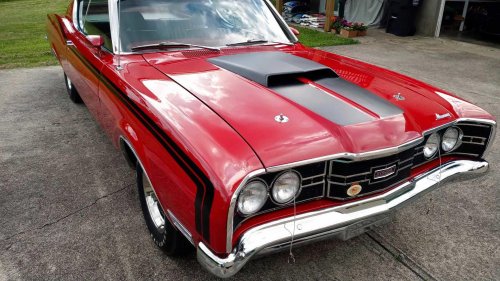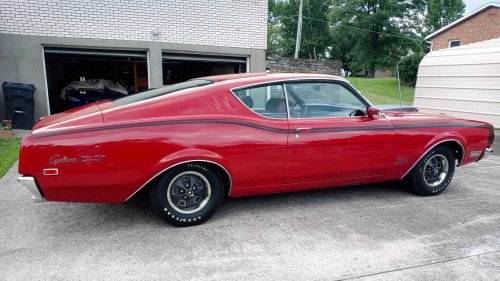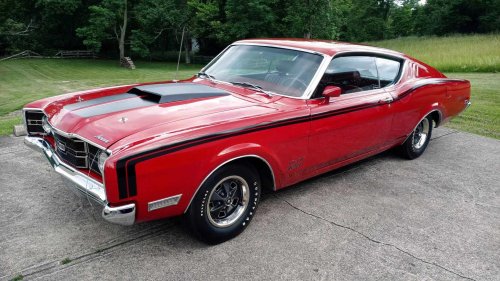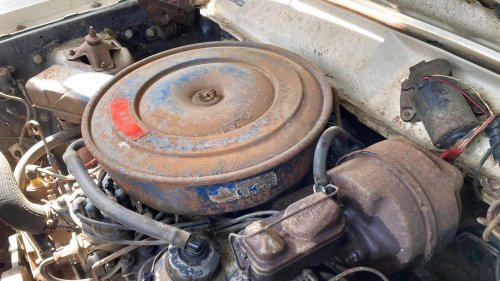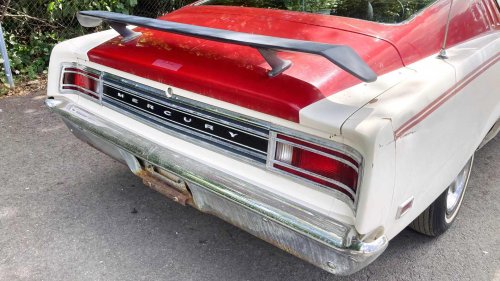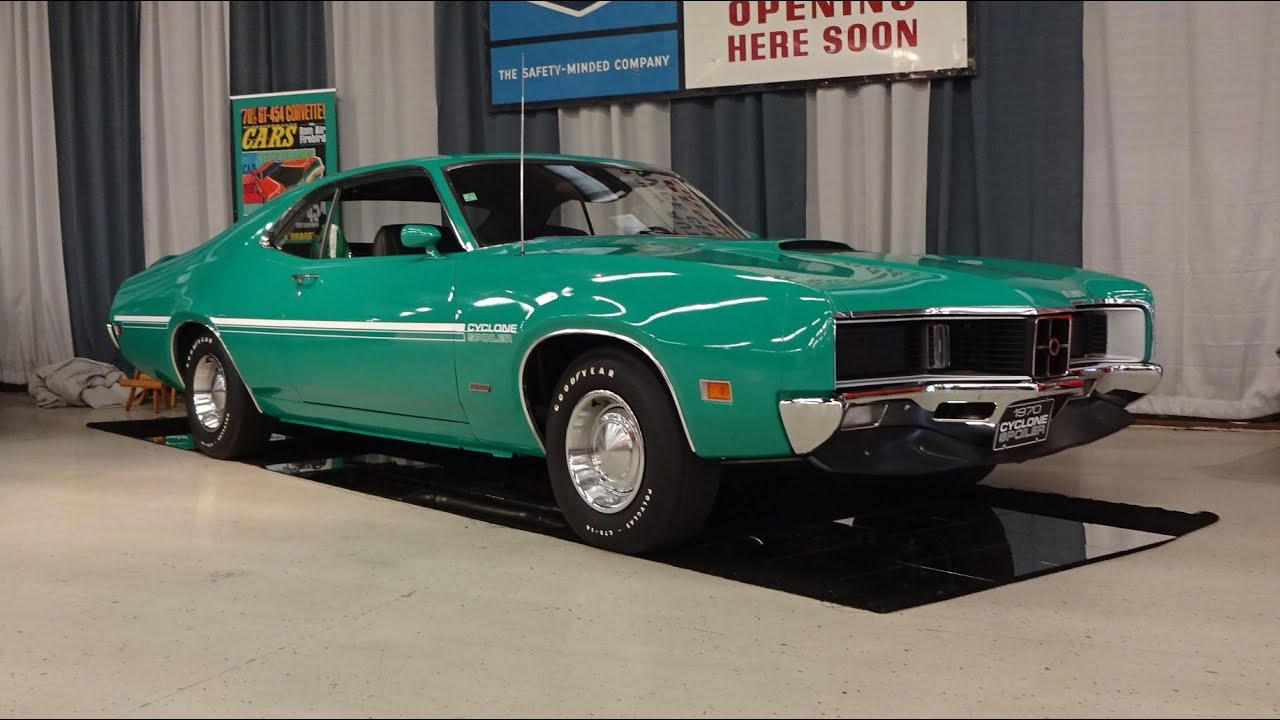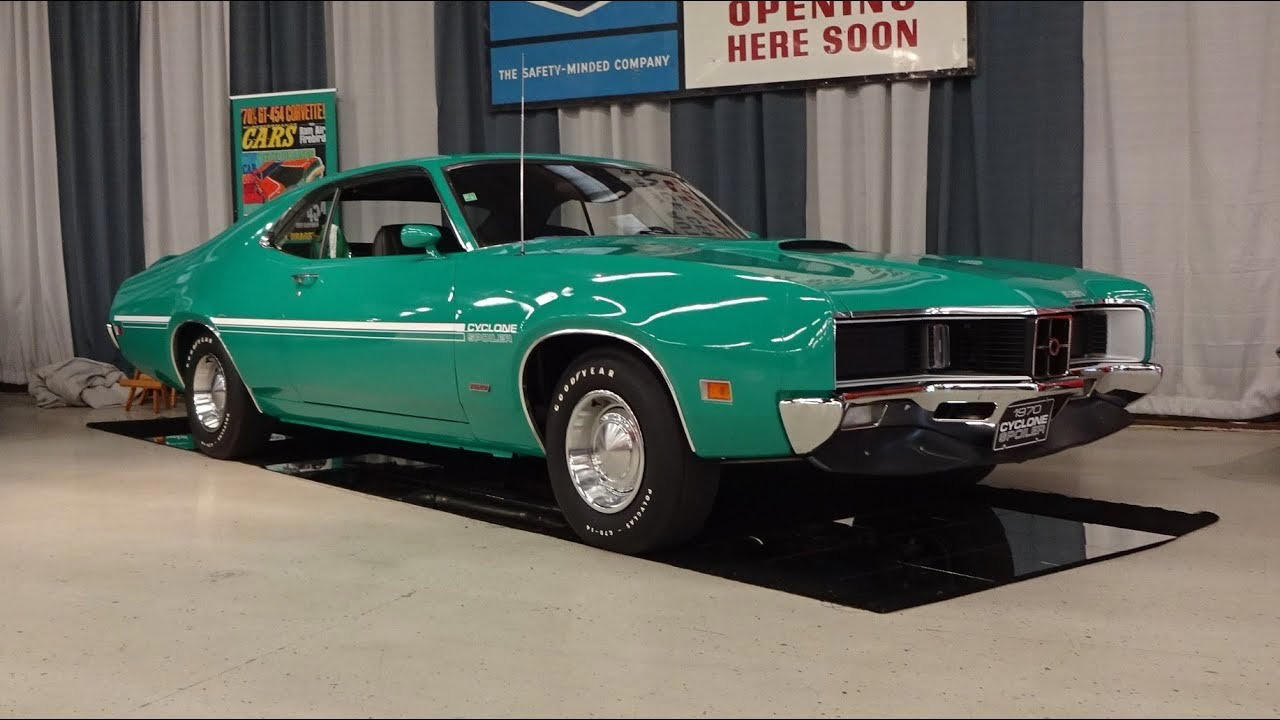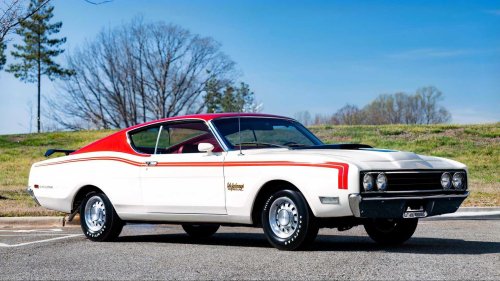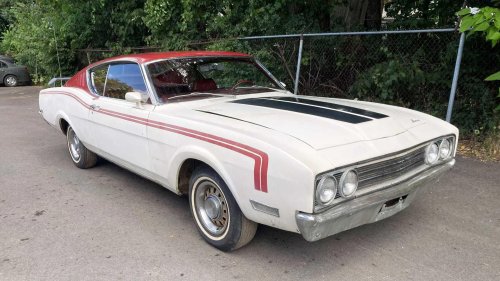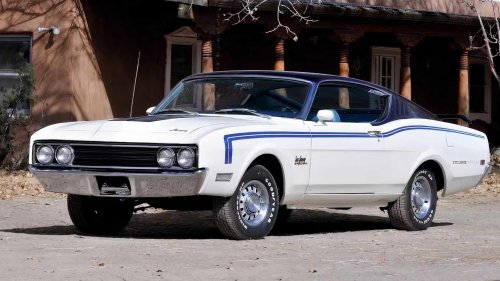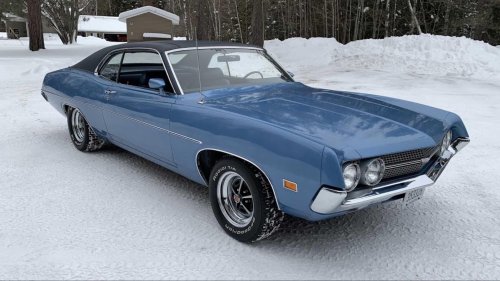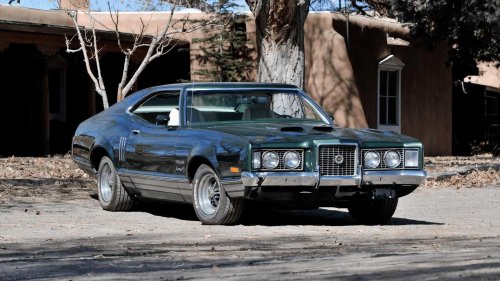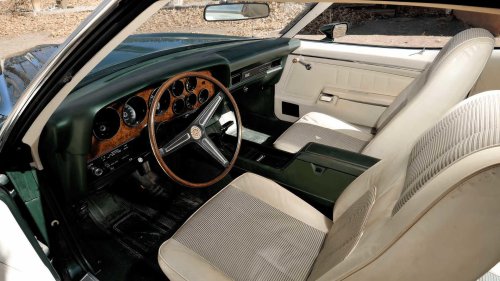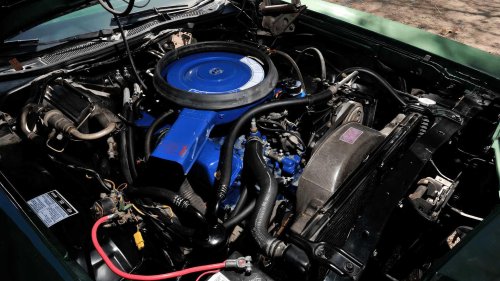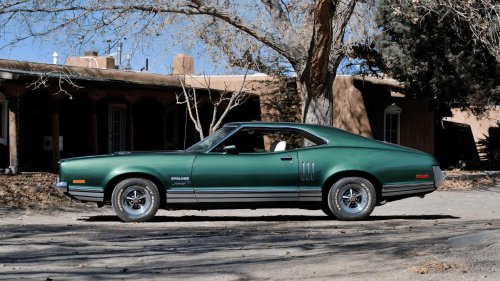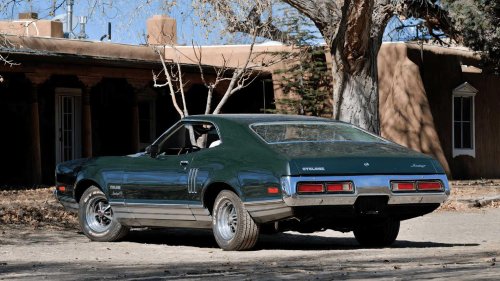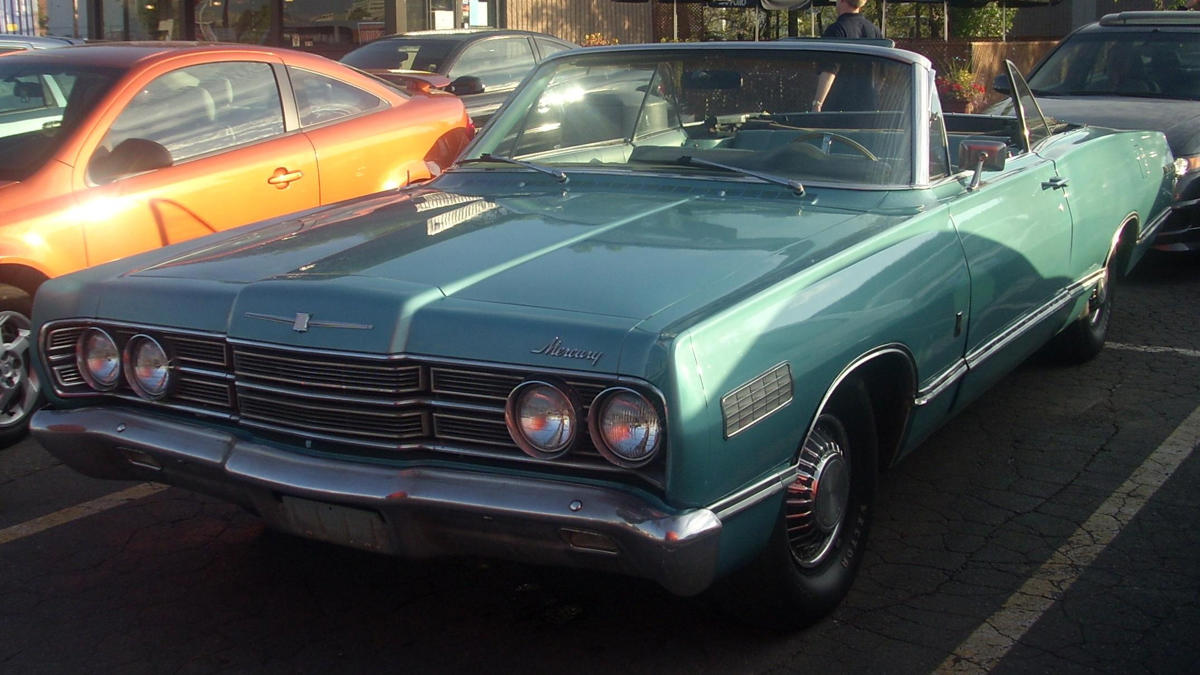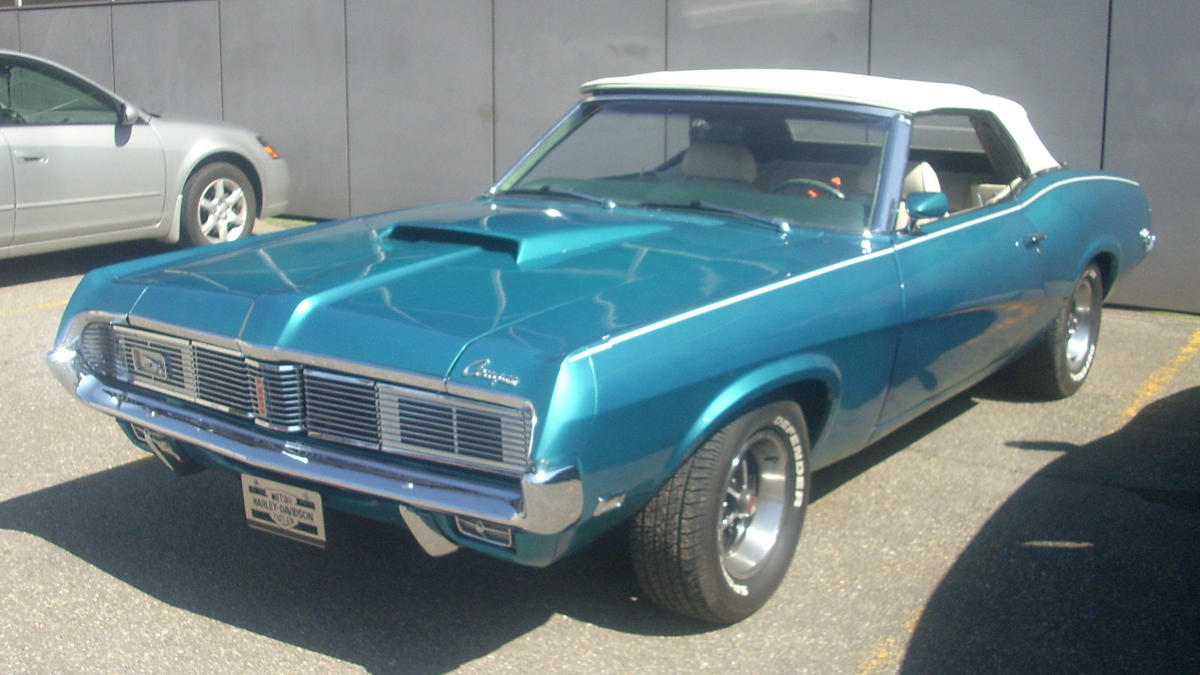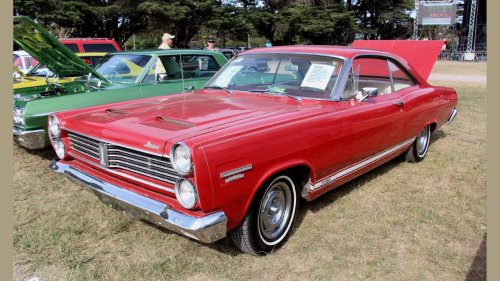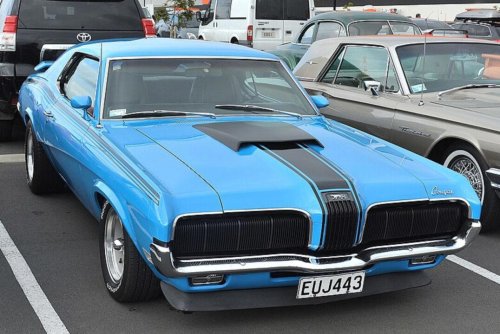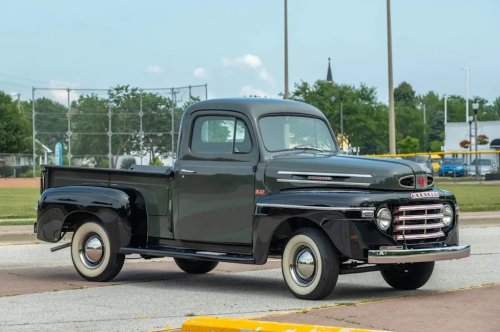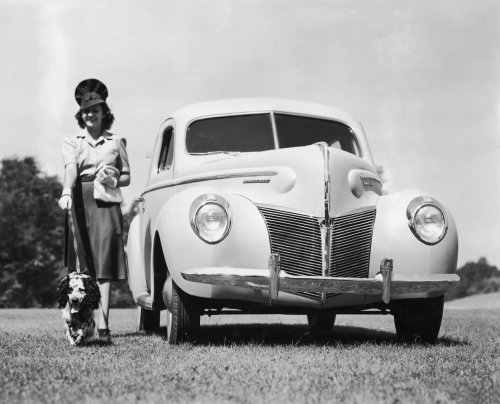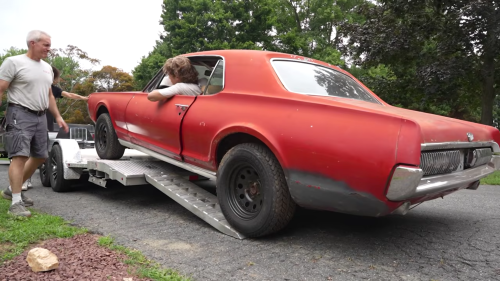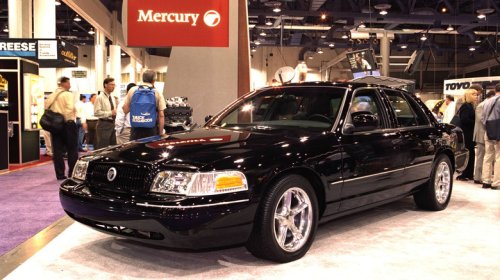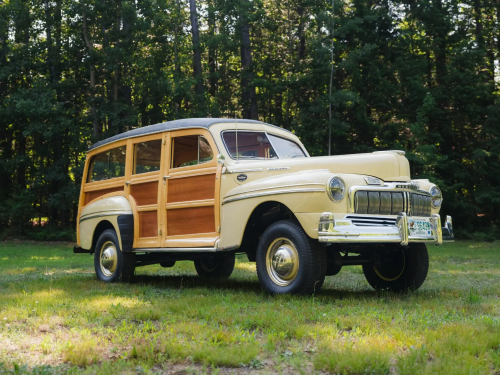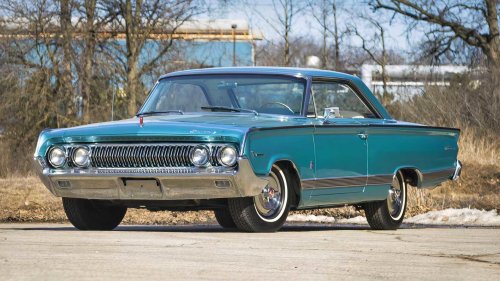
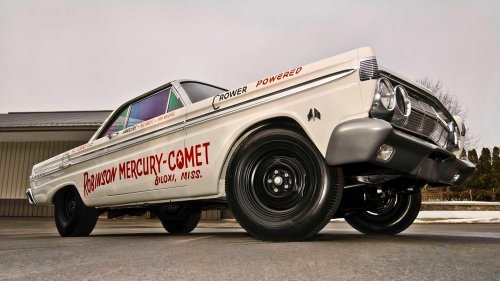
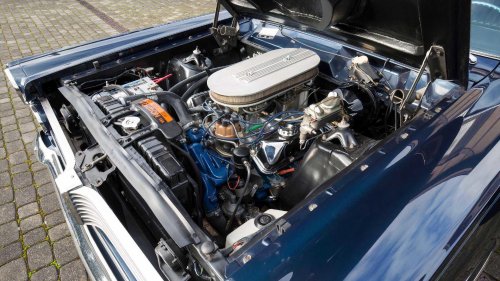
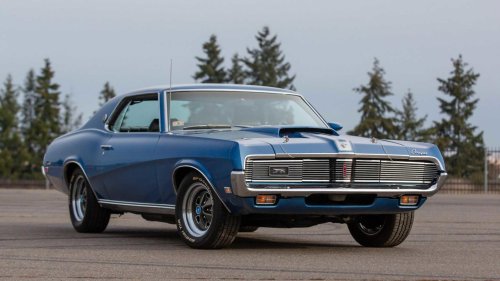



















Given how Ford dumped the Mercury brand in the 2010s, it’s easy to forget how much potential they had back in the 1960s. At a time when American brands had to muscle up or get left behind, it was Mercury, just as much as Ford, that carried the brunt of FoMoCo’s development in drag racing. As a focal point for Mercury's ever-so-brief ascension to drag racing superstardom, only one stands alone. The reasons why are simple, but rooted in American hot rod culture. Mercury in the ‘60s: A Mid Tier Brand Transformed by Racing Via Mecum AuctionsJudged by the sum of its parts, Mercury was the bridge between the entry-level Ford and the uber luxurious Lincoln brand. Such was the way Henry Ford’s eccentric son Edsel set up the company in 1938. The upper performance ceiling of internal combustion engines was limited in the late 1930s, but Mercury cemented itself as a slightly more upscale product with cars like the V8-powered Eight.Later years brought now-famous faces like the Monterey, the mid-size Montclair, and more upmarket fare like the Turnpike Cruiser. All these additions grew Mercury’s notoriety as a solid middle ground between the entry level and the high end. Even as sister brands like Edsel tried and failed to do something similar, Mercury was able to stick around into the 1960s.The mainline Ford brand went in one direction, focusing on turning the Mustang into a cultural phenomenon. Even into the muscle car era, the Mustang pony car overshadowed other muscly Fords like the Torino, Fairlane, and the Gen-V Thunderbird. But Mercury took an entirely different approach. There were no exuberant racing stripes and no over-the-top marketing campaigns. The Comet: Mercury’s Ticket to Drag Racing Fame and Muscle Car History MecumWithout a marketing budget like the national GDP, the next best thing Mercury could do was start a stealth campaign within its own company. One that focused a bit less on bridging the divide between Ford and Lincoln, but made up for it in the performance department. This was how the Mercury Comet, originally intended to be an Edsel product before it failed, found itself the subject of more than one bout of factory hot rodding.The changes were so subtle you couldn’t be blamed for not noticing. The stock gen-II Mercury Comet, whose body style began in 1964, wasn’t intrinsically a sporty platform. Rather, with the option of a two-door hardtop, convertible, or sedan, plus a four-door sedan and four-door station wagon, it was a catch-all runabout for the Baby Boomer generation. It was a car you could buy with a 2.8-liter straight-six engine and a three-speed automatic slop-box if you chose.Somehow, Mercury shoved a 427-cubic-inch FE-series V8 that you’d find in the Fairlane Thunderbolt and Galaxie 500XL, under the hood of a '64 Comet and called it the A/FX.Only 20 or so were built that year, and they blitzed NHRA-sanctioned races. They pushed 500 horsepower at the crank while running lightweight fiberglass body panels. At the time, these drag package Cyclones were some of the fastest things on four-wheels even remotely related to a road car. But the A/FX was just the start of Mercury’s dealings with drag racing. Mercury Comet 427: The Greatest Drag Car Merc Ever Made By 1966, the muscle car wars had formally gotten underway, and the newly-minted Gen-III Comet reflected this. It was longer, wider, and heavier than the generation before, shedding its compact origins for stacked quad headlights and a proper midsize platform. Like generations prior, the mainline trim lineup for the Comet was fairly pedestrian – a gaggle of straight-sixes and low-level V8s like the 200 Thriftpower and the 289, as well as the 390-cubic-inch FE V8 standard in the Cyclone GT trim.The Cyclone GT's biggest claim to fame was acting as the pace car for the 1966 Indy 500, on the race's historic 50th anniversary. But the Cyclone’s third-generation lacked a skunkworks-level factory drag package the way the generation prior did. That all changed in 1967, when Mercury hand-curated a group of 60 Comets, no more and no less, for retrofitting with Ford’s 427-cubic inch “side-oiler” V8. Interestingly, this options package was available across the Comet’s trim line, including the 202, the 404, the Caliente, and the notorious Cyclone.What made this limited run of drag-happy Comets unique was how little it did to advertise itself. While the A/FX of old looked like a drag car from a hundred yards away, the 1967 427 was the polar opposite. From a distance, and even right up close, the car looked almost identical to a 289-powered Comet 202. Of the 60 built, 51 were equipped with the FE 427's R-Code performance package with dual four-barrel carburetors and 425 hp. A meager nine packed the W-code with a single four-barrel carb and 410 hp at the crank. Making Muscle Cars and Supercars Sweat Since 1967 Bonhams AuctionsTo make these 427 drag Cyclones even faster, as much as 150 lbs of weight was stripped from the engine bay and in the interior. Every ounce saved accumulated to save tenths of a second or more off a quarter-mile run. With this much hp at its disposal, the power-to-weight figures were truly astronomical. With a conservative estimate in the 250 hp per-ton range, it was on par with what a Lamborghini Miura could manage from its V12 engine.In a zero to 60 sprint, the Comet 427 R-Code hit the mark in roughly five seconds, comfortably encroaching on a 1968 Ferrari Daytona’s 5.4-second sprint. The Comet R-Code 427 crossed the quarter mile in an extremely impressive 12.4 seconds, well over a second faster than the iconic Italian sports car. Of course, the sleeker Ferrari would overtake the Merc past the quarter mile, and Mercury’s data was collected on a drag strip with prepped tires. But against more conventional rivals like the Chevy Chevelle SS 427 and Dodge Coronet R/T 426 HEMI, the Comet was equally impressive.Special stripped-out Coronet HEMI RO23s and the Camaro Z/28 homologation special evened the playing field somewhat,offering similar levels of power to weight and equal driver skill in NHRA-sanctioned races. But race after smokey race, the Comet 427 remained competitive. Oftentimes, against muscle cars with ten times the notoriety. Shifting Priorities: Bye Bye Stealth Muscle, Hello Street Rods Mecum1967 was a pivotal year for Mercury as a performance brand. After that model year, Mercury would never again go through the trouble of offering a factory sleeper drag racing package for a mid-sized platform. Going forward, Ford and Mercury’s muscle cars would be far less reserved, flashier, and in your face as the late ‘60s moved into the early 1970s. Suddenly, the buzz of the day was all “Boss 302” this and “429 Cobra Jet” that.Mercury adjusted their muscle car strategy accordingly, leaning full-force into the Cougar Eliminator that shared the Mustang Boss 302’s heart. This was followed by the Cyclone GT, Cyclone Spoiler, and Cougar XR-7 in 1970 and '71, sporting the Mustang Cobra Jet's all-new 385-series big-block motor. Spiritually, these later Mercury muscle cars did at least bear a passing resemblance to the 427 Comets of old. But in practice, they lacked that vital “lightweight factory sleeper” aesthetic that advertised itself by word of mouth alone.Meanwhile, the Comet carried on for two more model cycles. It endured the crippling restrictions of the 1973 oil crisis and the founding of the EPA until, by the late 1970s, it was little more than a runabout on the same chassis as the Ford Maverick compact, not the truck. Ironically, the Comet finished out its life closer to what it was in its early days than a clandestine drag racer. So Rare and So Valuable, It’s a Downpayment on a House Bonhams AuctionsBecause the R-Code Comet could be had as a two-door sedan, a hard-top, or a sedan, there’s a fair amount of variation between the 60 examples built for 1967. Only six Comet 202 two-door sedans are known to survive. Elsewhere, a one-of-four surviving Comet Caliente 427 sold for $80,640 as recently as 2020. By all accounts, that was a steal of a deal. At the end of the day, it’s still a cushy Mercury with a dashboard made of real woodgrain and padded door handles.It was still as quintessentially “Mercury” as it was supremely potent on the drag strip. Never again would a Merc meld the paradigms of racing and low-key cruising in quite such a brilliant way. Perpetually in the shadow of something flashier, many would argue Mercury never got the chance to shine as brightly as the old 427 Comets allowed them to. From there, it was just a slow and steady decline until the last Merc rolled off the line just 15 years ago.At the end of the day, the Comet 427 still filled the gap between the top and the bottom of the Ford lineup just like any other Mercury. It just did so in way that made the Mustang itself seem like a big show-off. Because all the while, these special Mercs were usually faster as well.Source: Hagerty, Bonhams Auctions