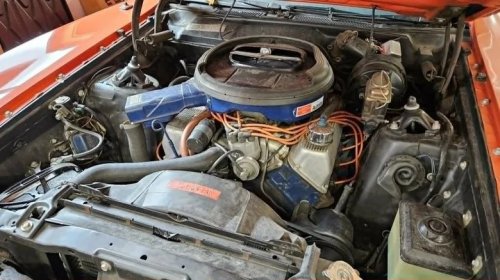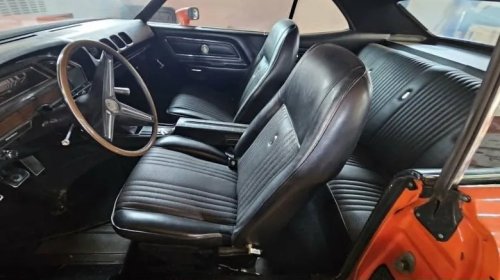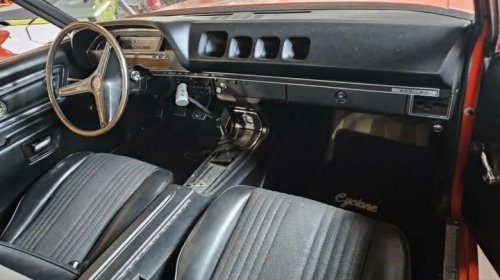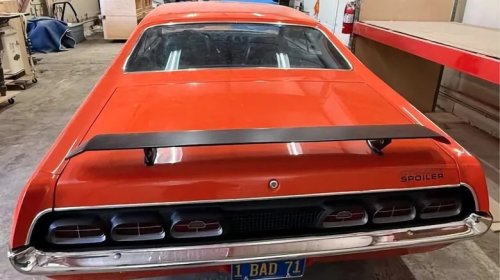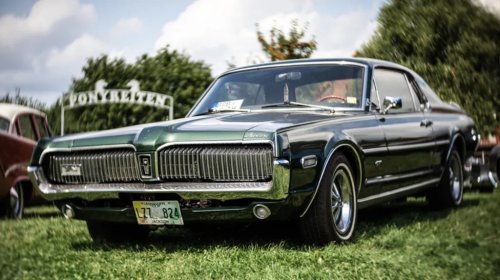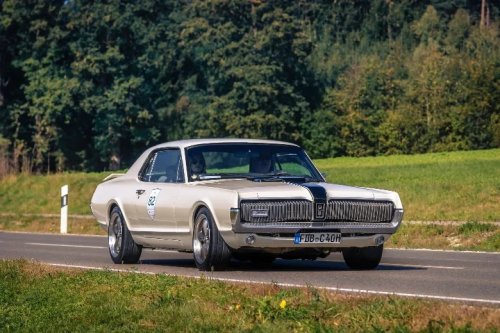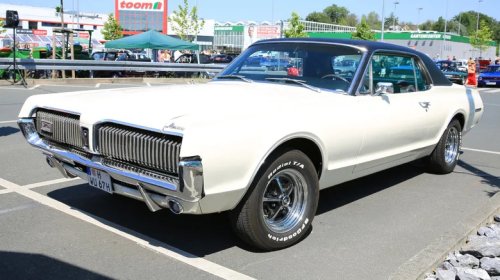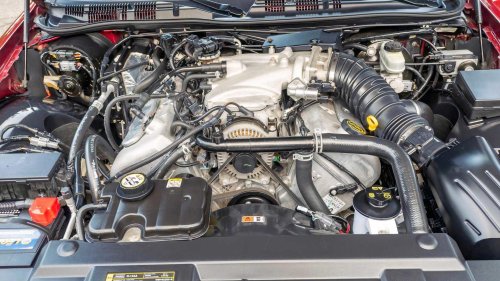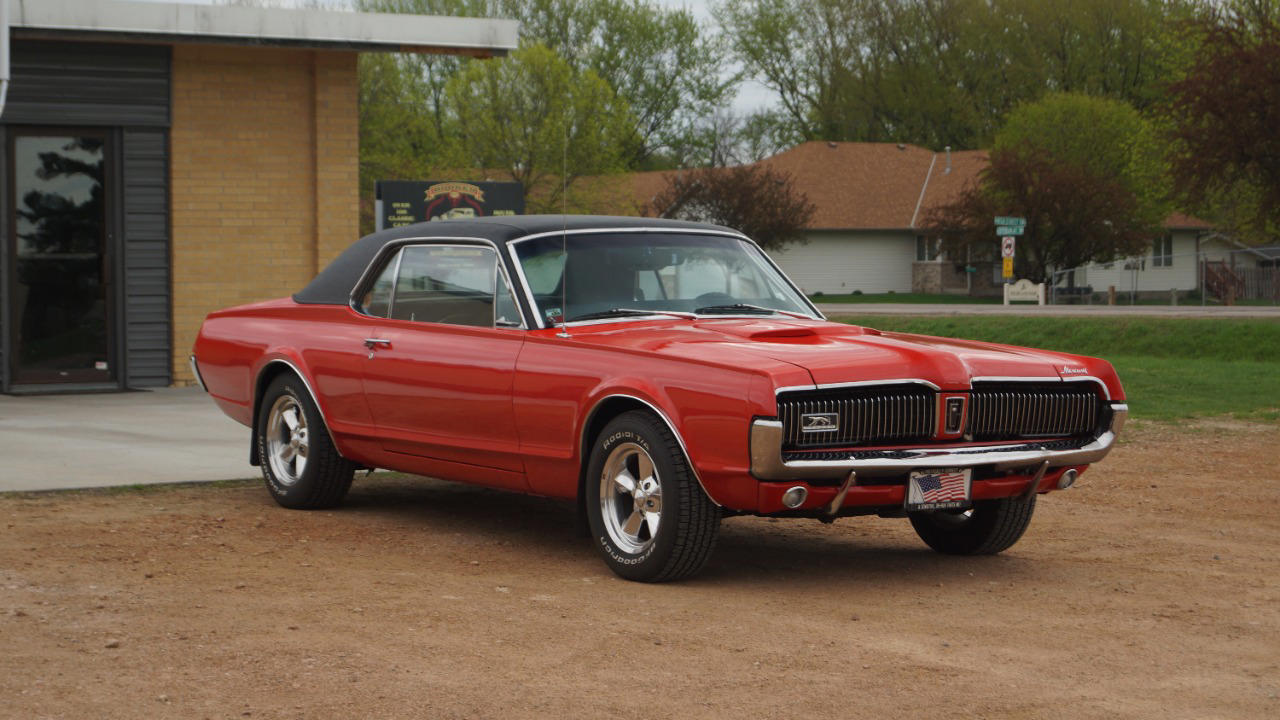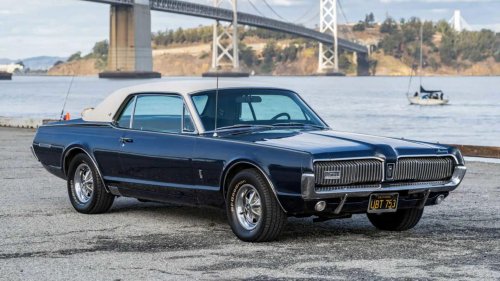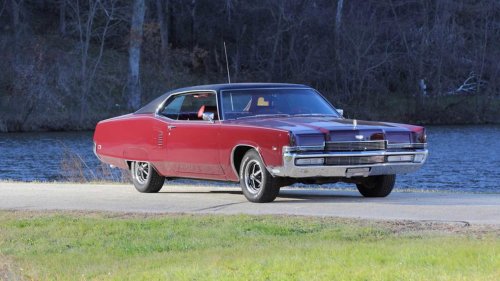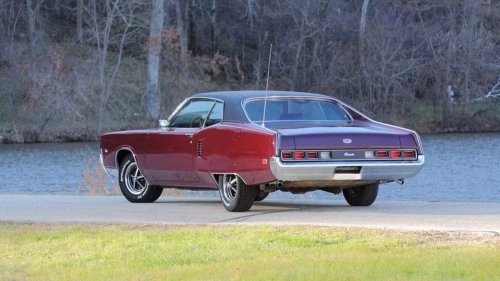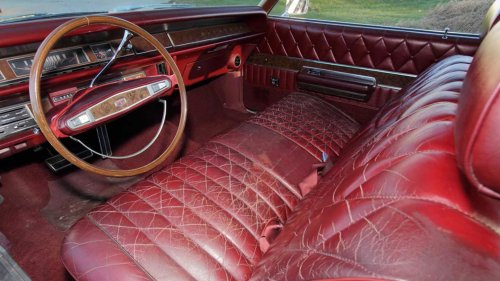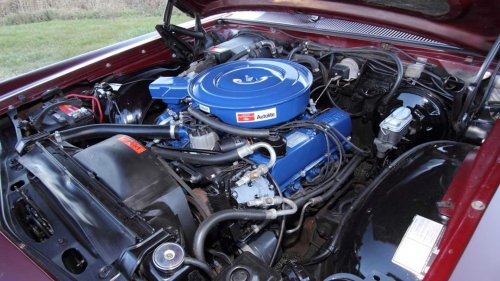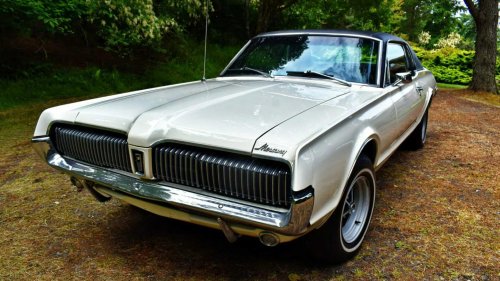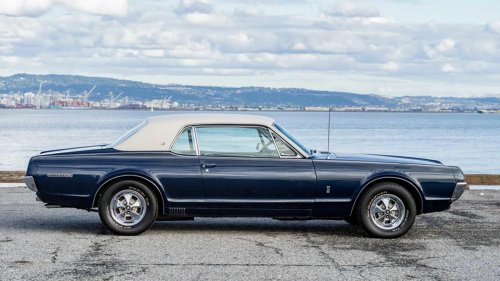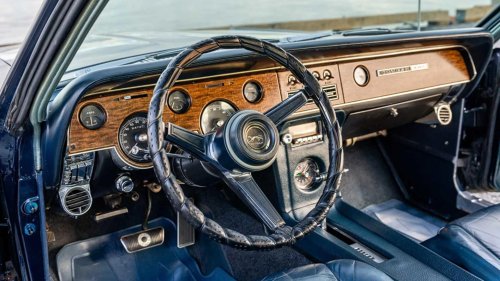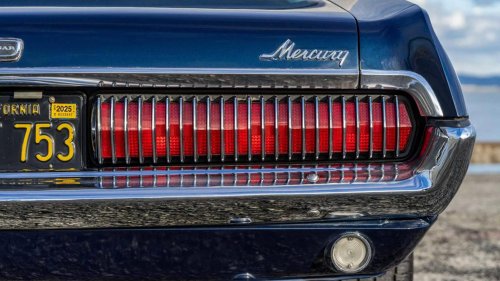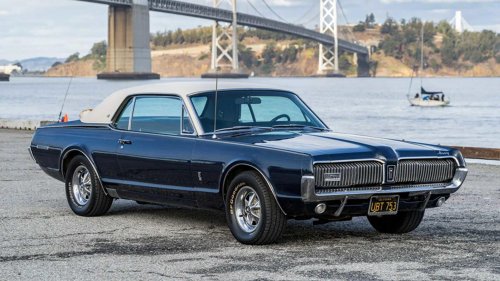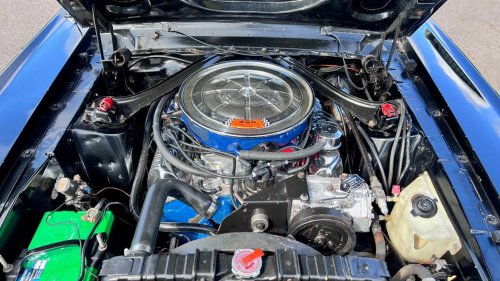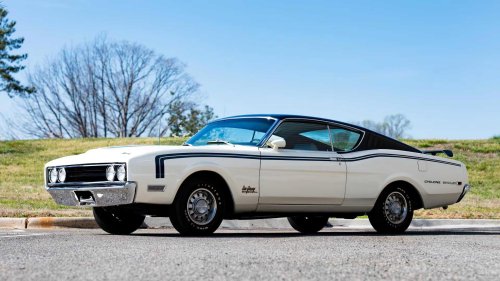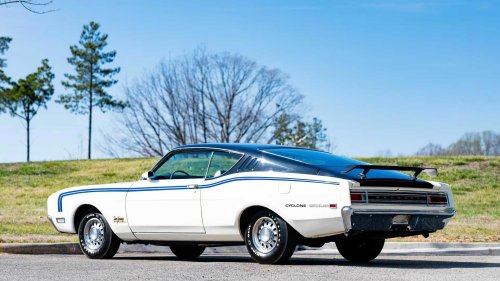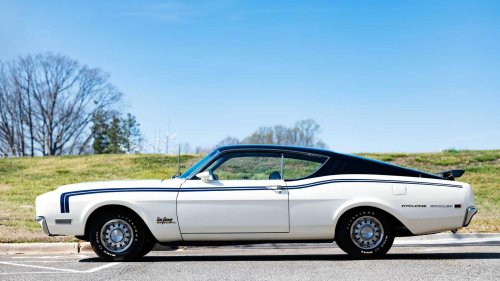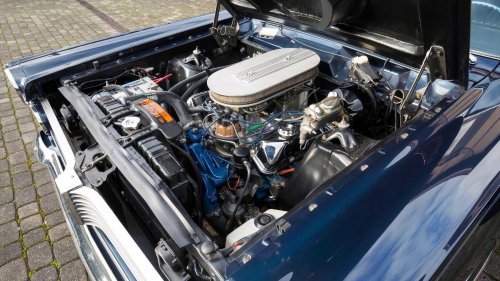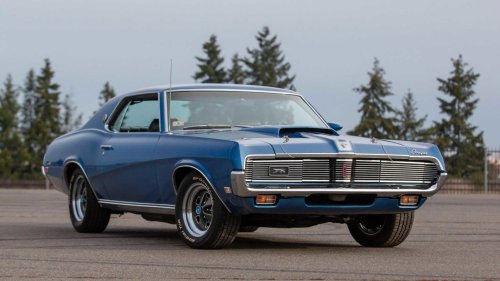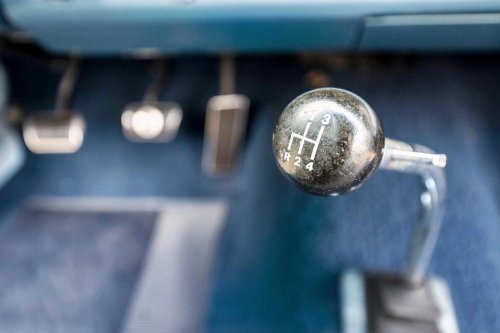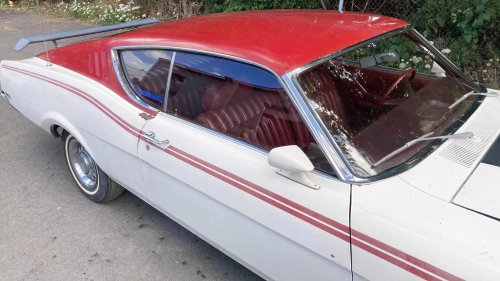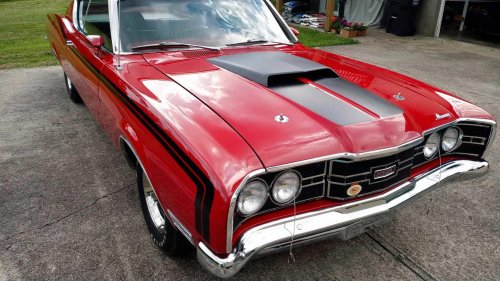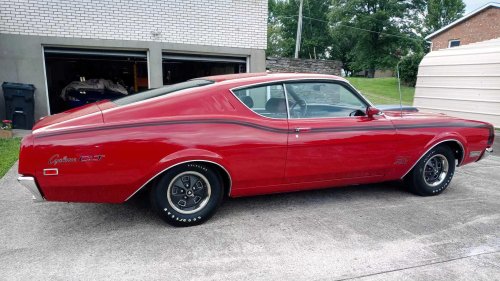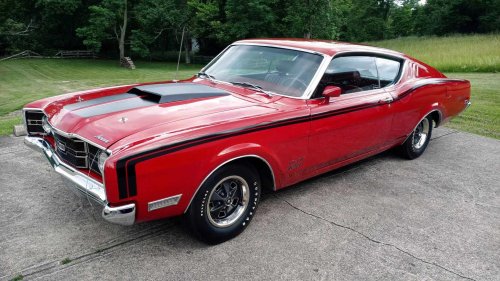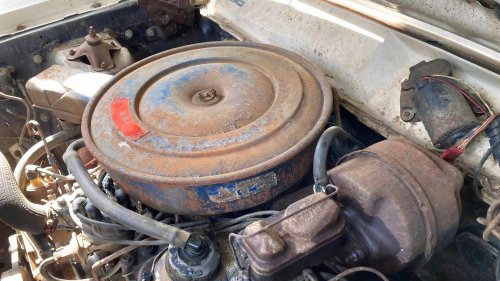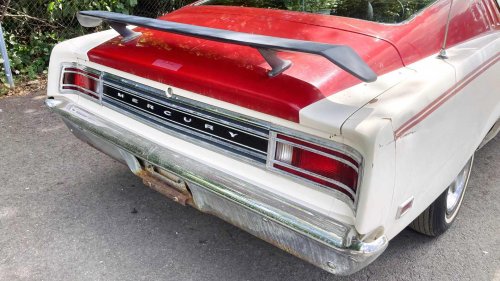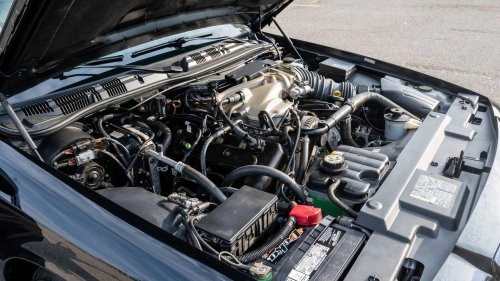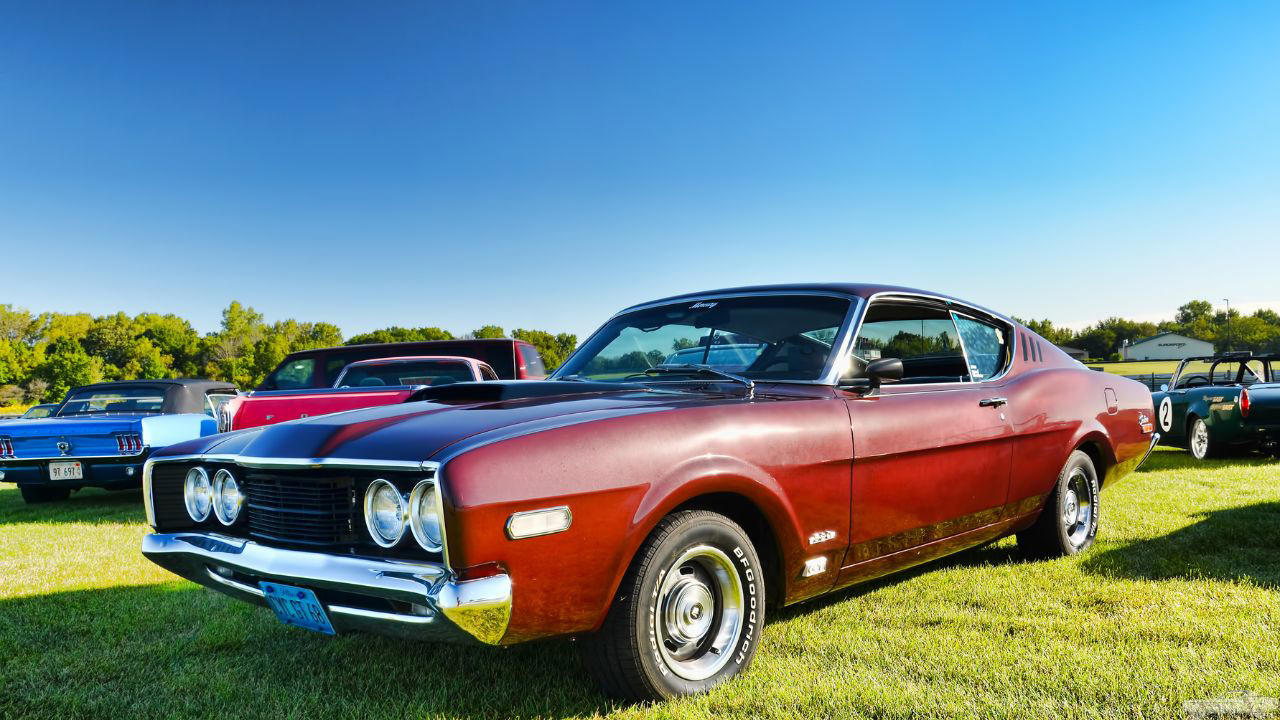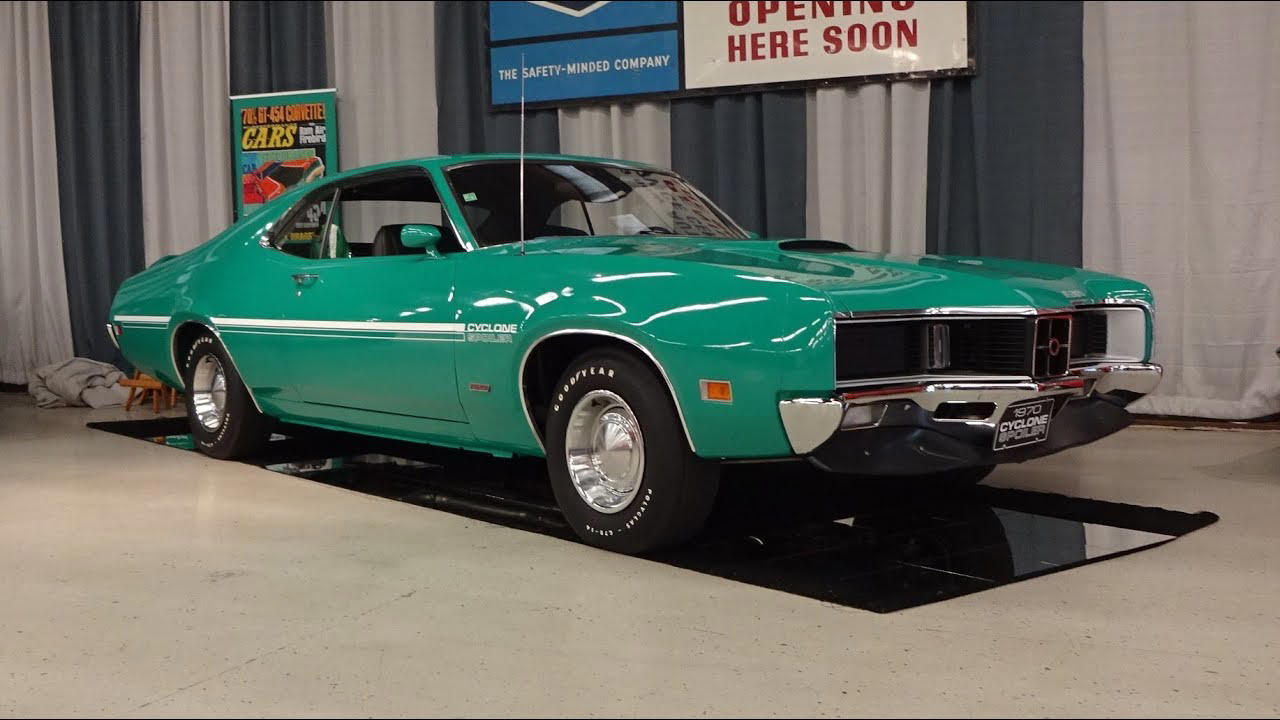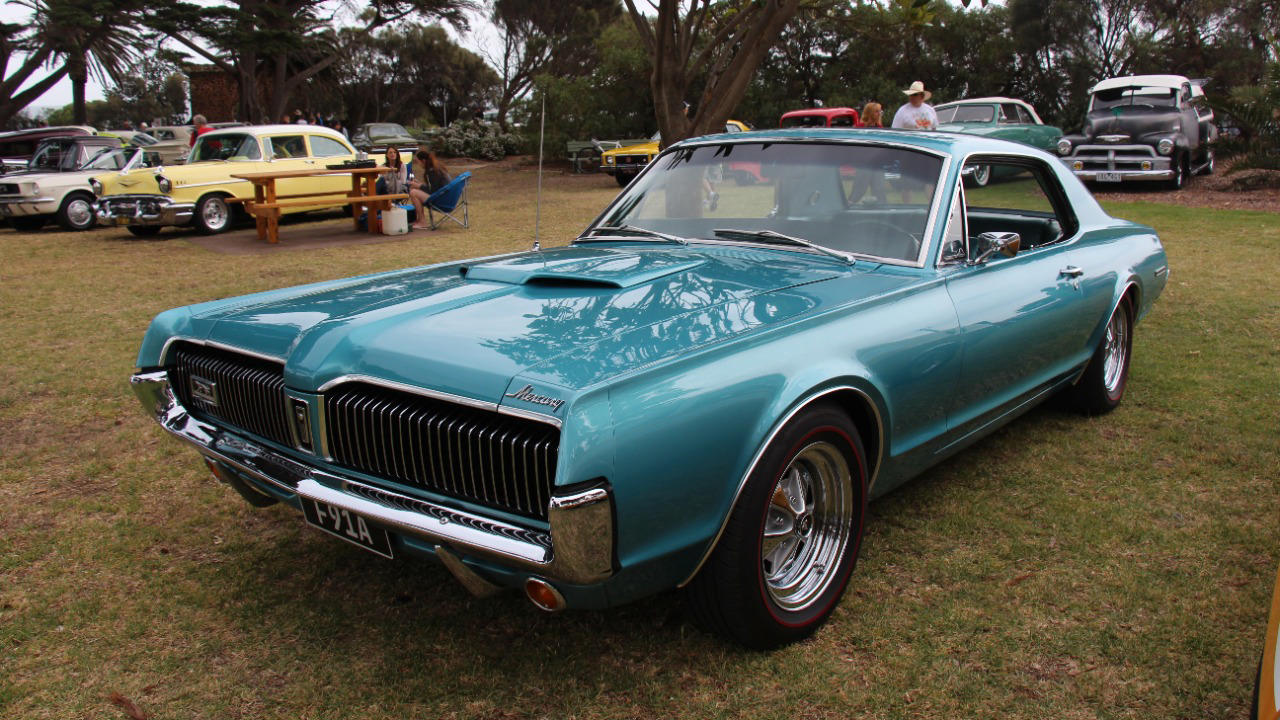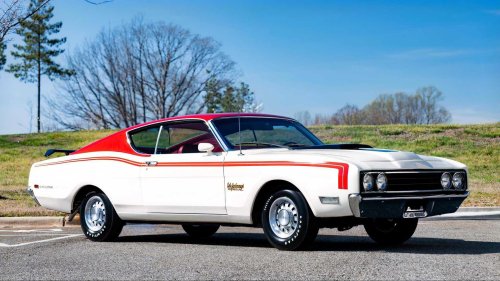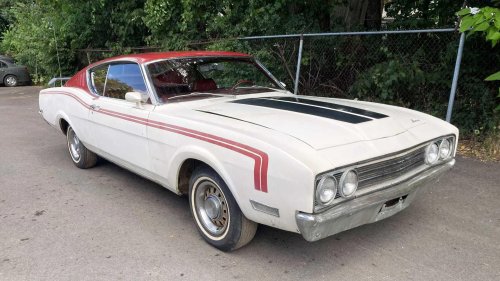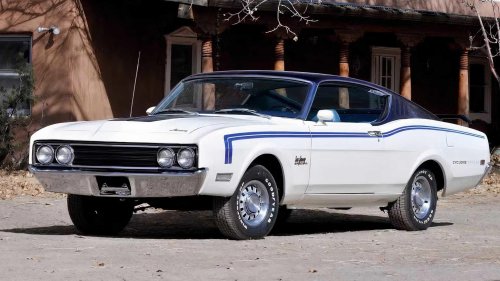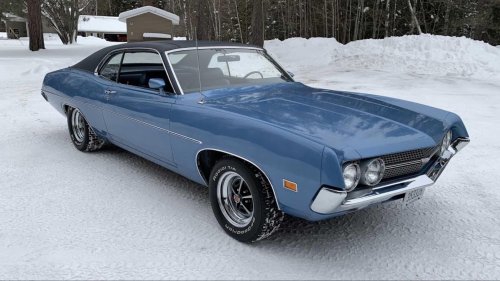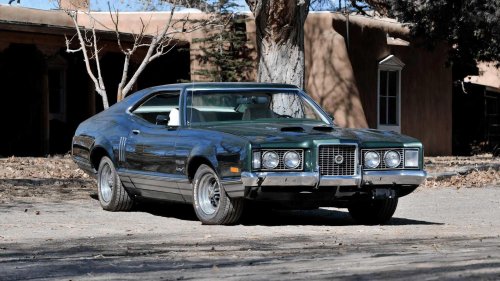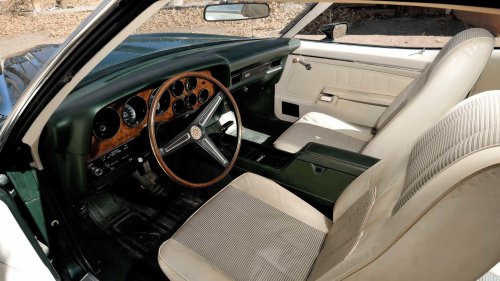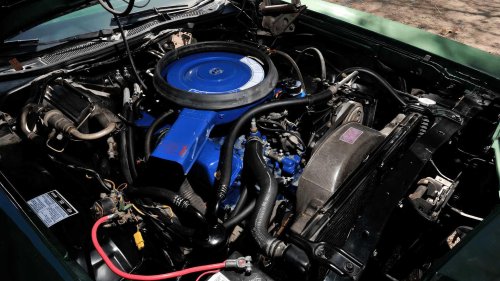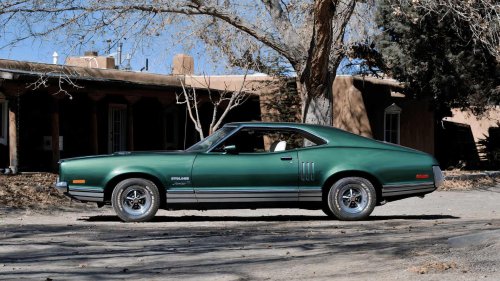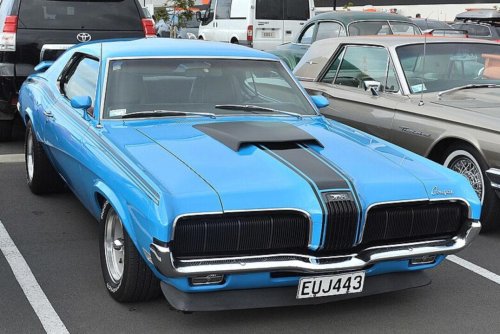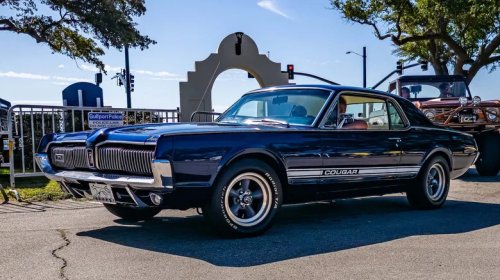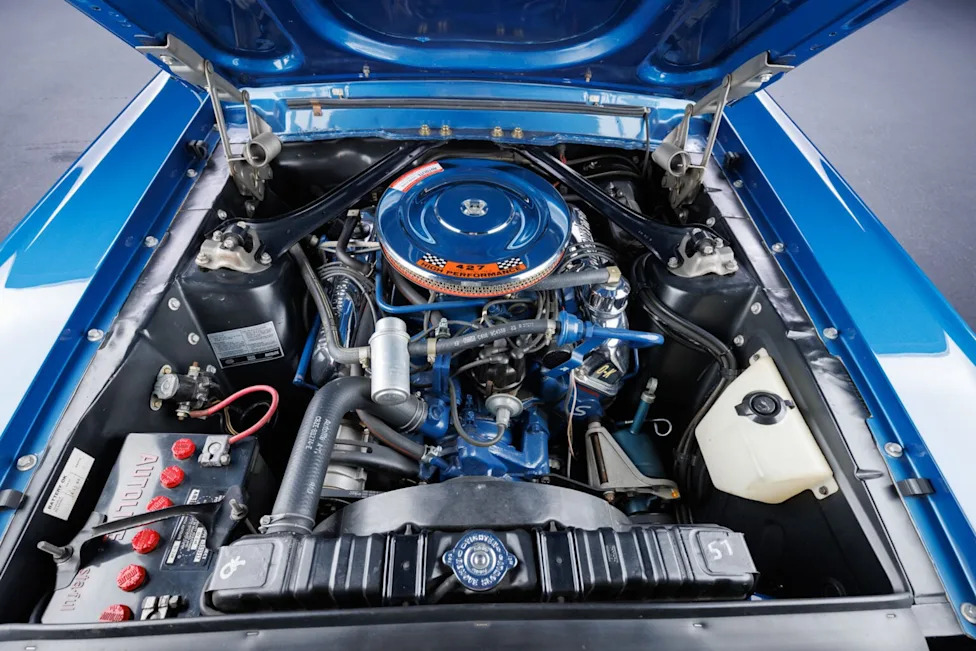
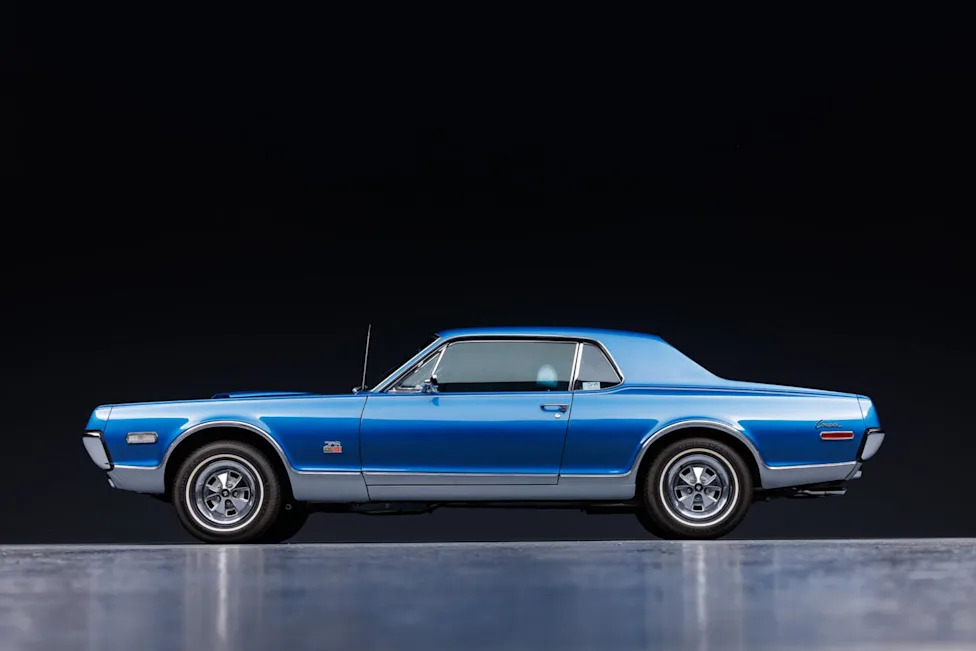



















Tucked away in the shadow of the Mustang and all but invisible next to the Hemi 'Cudas and big-block Chevelles it once ran with, the 1968 Mercury Cougar GT-E is one of the most quietly significant muscle cars Detroit ever built. It was the rarest of the first-generation Cougars, the most powerful, and it carried a distinction nobody at Lincoln-Mercury could have predicted at the time: it was the very last production Ford to roll out of the factory with a 427 cubic inch V8 under the hood.The example you see here is a beautifully restored survivor, finished from the factory in Nordic Blue Poly over Light Blue Laredo bucket seats and fitted with the W-code 427 that defines the package. It is currently being offered for sale, and it makes for a perfect excuse to revisit one of the most overlooked chapters in the pony car wars.A Grown-Up Pony CarMercury launched the Cougar on September 30, 1966 as a 1967 model, the result of years of lobbying by Lincoln-Mercury's styling team for its own take on the wildly successful Mustang. Internally designated T-7, it shared its bones with the 1967 Mustang but stretched the wheelbase three inches to 111 inches and wore almost entirely unique sheet metal. Hidden headlights, a split "electric shaver" grille, sequential rear turn signals borrowed from the Thunderbird, and a V8-only lineup all marked it out as the more refined, grown-up alternative positioned neatly between the Mustang and the Thunderbird.AdvertisementAdvertisementThe public loved it. Mercury had braced for around 85,000 first-year sales and instead moved 150,893 cars, with the Cougar accounting for nearly 40 percent of the division's volume. Motor Trend named it the 1967 Car of the Year, the first and only time a Mercury would ever take the honor. It was, by any measure, a runaway success straight out of the gate.The GT-E Arrives Mid-YearFor 1968 Mercury reshuffled the Cougar's engine roster to meet tightening federal emissions rules, and at mid-year it dropped a bombshell on top of the range: the 7.0-Litre GT-E. Offered as a roughly $1,311 option on both the standard Cougar and the upscale XR-7, the GT-E cost more than the Hemi engine option on a Mopar of the day and pushed a loaded XR-7 GT-E to around $4,542 — right in Thunderbird territory.What buyers got for the money was a genuine factory hot rod dressed in just enough chrome to stay civilized. The package added a redesigned grille with a brushed-aluminum trim bar and black center strip, side-body trim, argent lower body paint outlined in chrome, quad exhaust outlets, styled steel wheels, a power-dome hood with simulated scoops, and "7.0 Litre GT-E" fender badging. Power steering and power front disc brakes were standard, as was heavy-duty suspension with stiffer springs and a fatter front sway bar.A Le Mans Engine For The StreetThe heart of the early GT-E was Ford's 427 cubic inch FE-series big block — the same engine family that powered the Le Mans-winning GT40 Mk II, the 427 Cobra, and Ford's NASCAR Galaxies. For Cougar duty it was civilized slightly, swapping the solid-lifter camshaft of the race engines for a hydraulic-lifter setup. Fed by a single Holley four-barrel and running 10.9:1 compression, it was rated at 390 horsepower at 5,600 rpm and a thumping 460 lb-ft of torque at 3,200 rpm.AdvertisementAdvertisementThere was one catch: the 427 could be ordered only with the C6 three-speed automatic. The tight engine-bay packaging also meant air conditioning and cruise control were off the table entirely. This was a car built to go fast in a straight line, and little else was allowed to get in the way.The W-code 427 FE-series big block. Image courtesy of Bring a TrailerEnter The 428 Cobra JetThe 427's run in the Cougar was brief. Expensive to build and increasingly hard to certify under tightening emissions standards, the engine was already being phased out across Ford's lineup. In the spring of 1968 it was replaced in the GT-E by the 428 Cobra Jet Ram Air, rated at a conservative 340 horsepower that nearly everyone agrees was underrated. The 428 brought with it a functional hood scoop in place of the simulated one and, crucially, the option of a four-speed manual.According to production figures listed by the GT-E Registry from F-L-M and Marti records, 357 cars were built with the 427 and just 37 with the 428 Cobra Jet, for a grand total of 394 GT-Es across both the standard and XR-7 trims. Only three of those 428 cars left the line with the coveted four-speed. To put that in perspective, that is a smaller production run than many limited-edition supercars built decades later.The GT-E package was not renewed for 1969. In its place Mercury introduced the Cougar Eliminator alongside the Boss 302 Mustang, with the 428 Cobra Jet sitting near the top of the option sheet. The first-generation Cougar wrapped up its run in 1970, and across 34 model years and eight generations a remarkable 2,972,784 Cougars were built, making it the best-selling Mercury nameplate in history.The Car Offered HereThis particular Cougar is one of the 357 W-code 427 examples, and it carries all the hallmarks of the package: the power-dome hood, revised grille and taillight treatments, argent lower accents, quad exhaust tips, and "7-Litre GT-E" badging. It rides on chromed 14-inch styled-steel wheels and routes power through the Merc-O-Matic three-speed automatic.AdvertisementAdvertisementFinished from the factory in Nordic Blue Poly over Light Blue Laredo bucket seats, the car was originally specified with front headrests, an AM radio, a remote left mirror, the Decor Group, and tinted glass. It was first delivered in Virginia Beach and restored 15 to 20 years ago by Carlton Wright, according to the seller. The current owner acquired it in 2018 and has used it largely for display, with the five-digit odometer now showing 23,000 miles. The seller notes the engine and transmission were both replaced during the refurbishment, with castings E1 and J23 visible on the unit fitted today.The three-inch wheelbase stretch gives the Cougar a longer, more elegant profile than the Mustang. Image courtesy of Bring a TrailerNow being offered out of San Ramon, California with a Deluxe Marti Report and a clean California title, this GT-E represents a rare chance to own the rarest, most powerful, and most historically significant of all the first-generation Cougars — the last of the factory 427 Fords.Images courtesy of Bring a Trailer.⚡️ Read the full article on MotoriousAdvertisementAdvertisementSign up for the Motorious Newsletter. For the latest news, follow us on Facebook, Twitter, and Instagram.