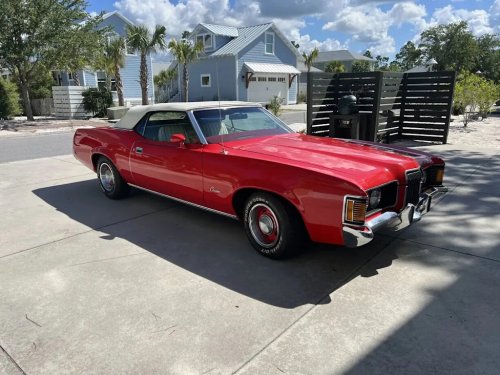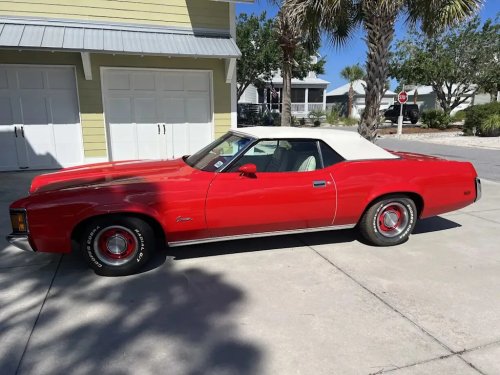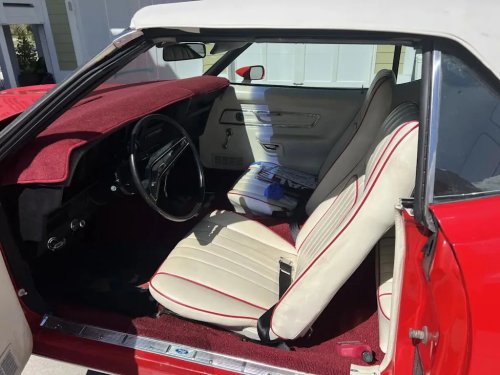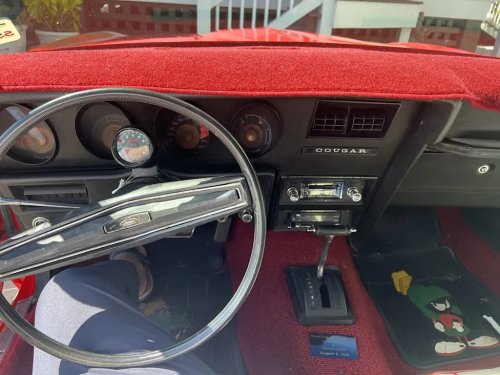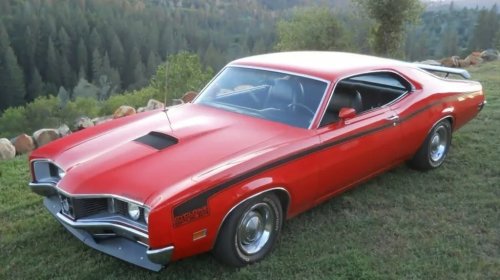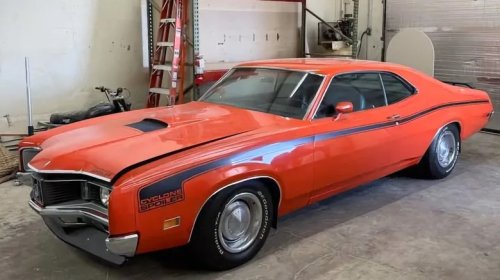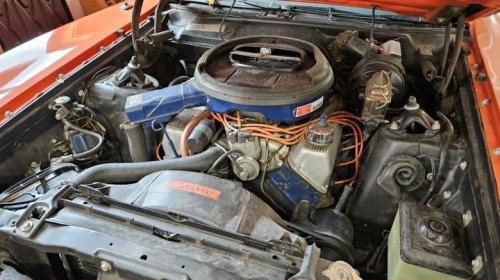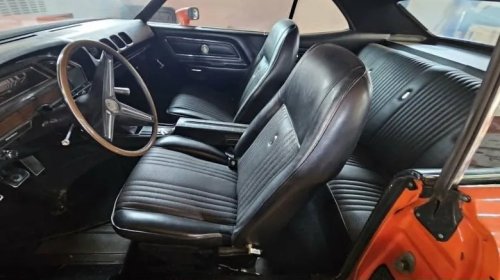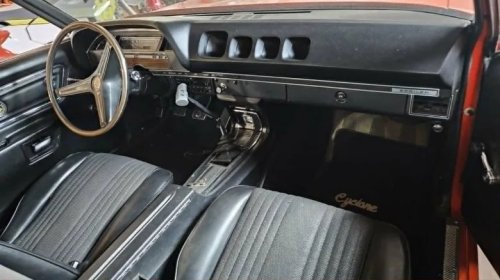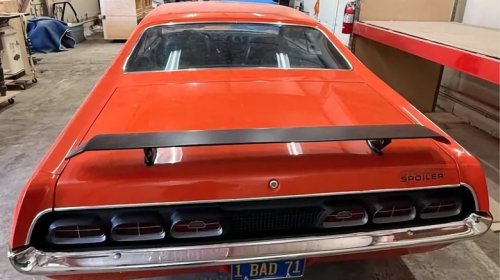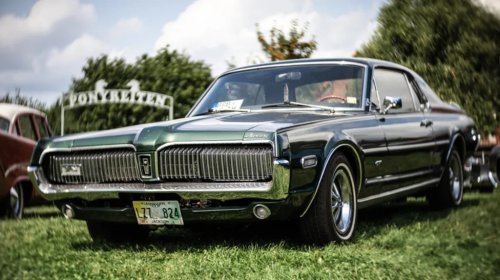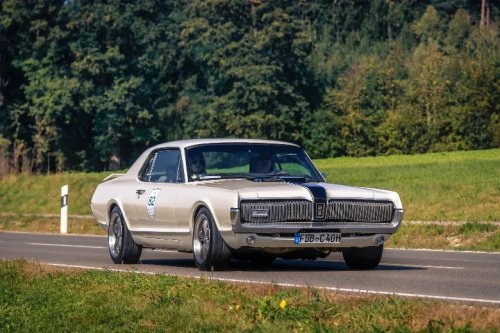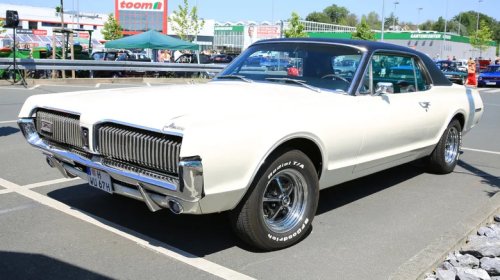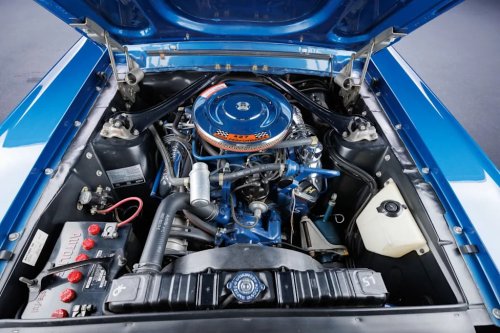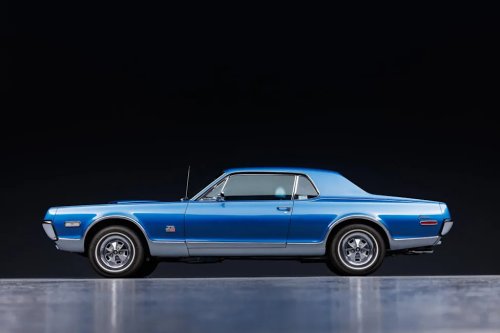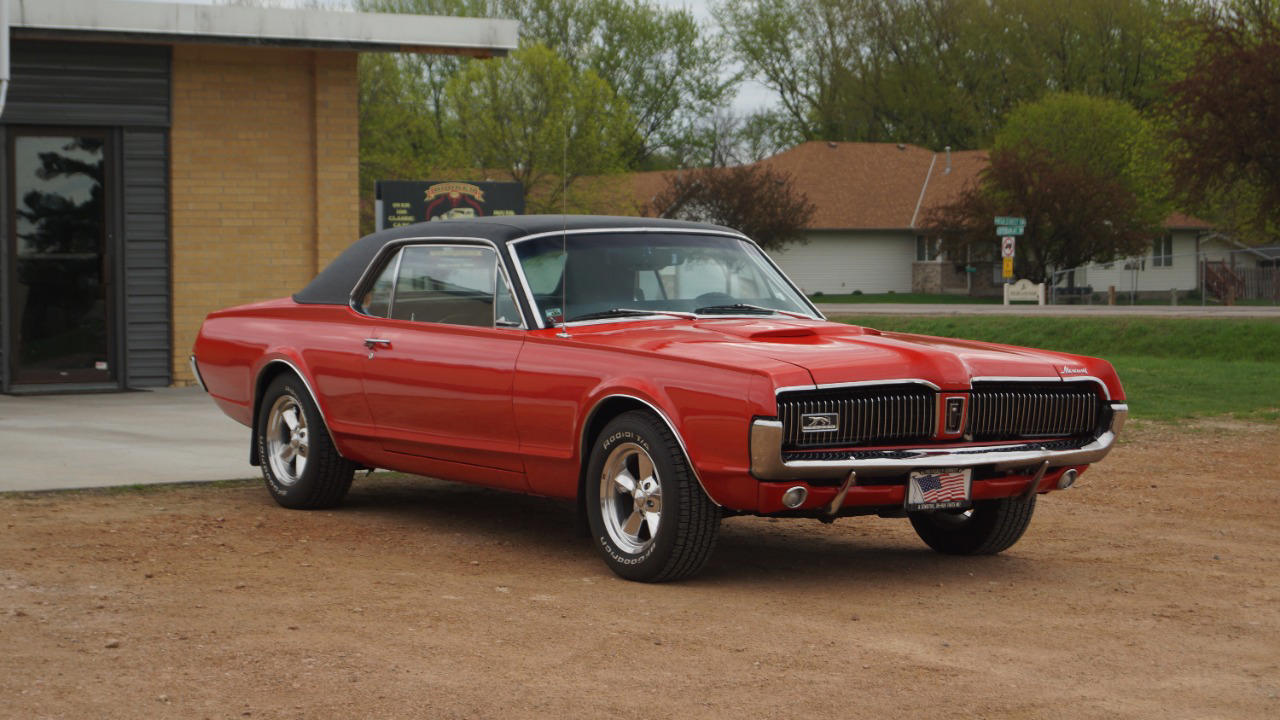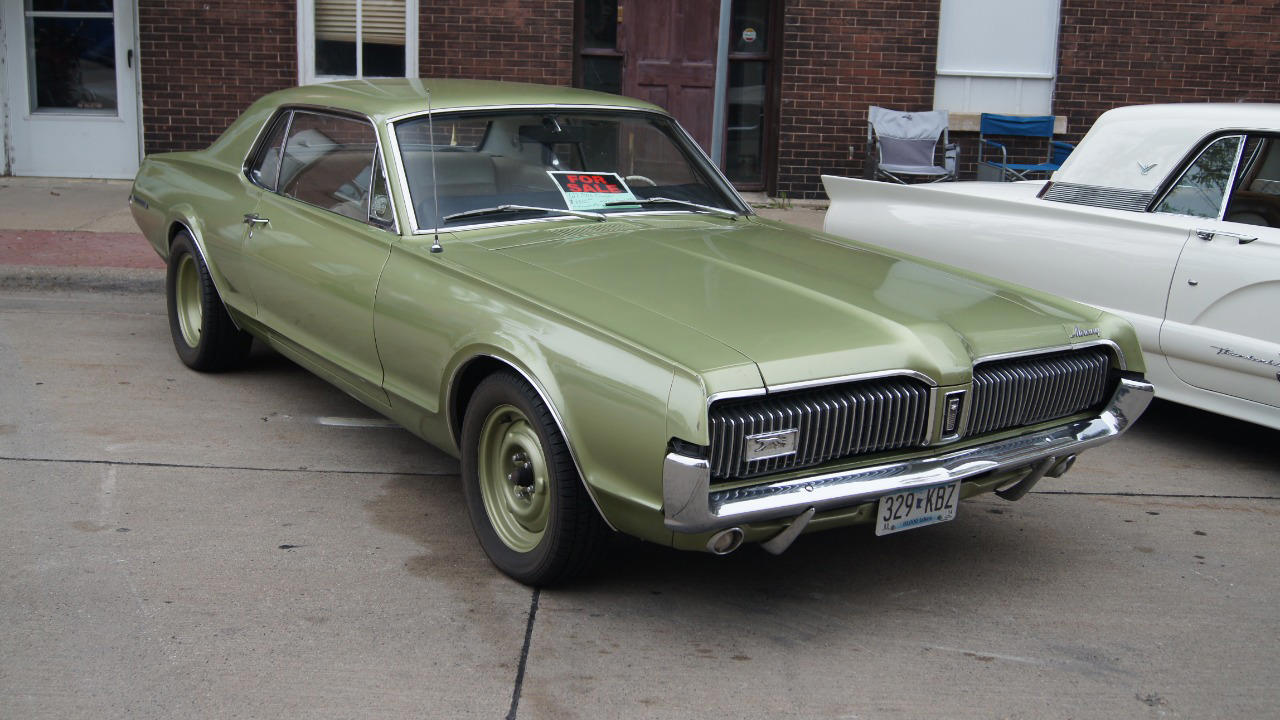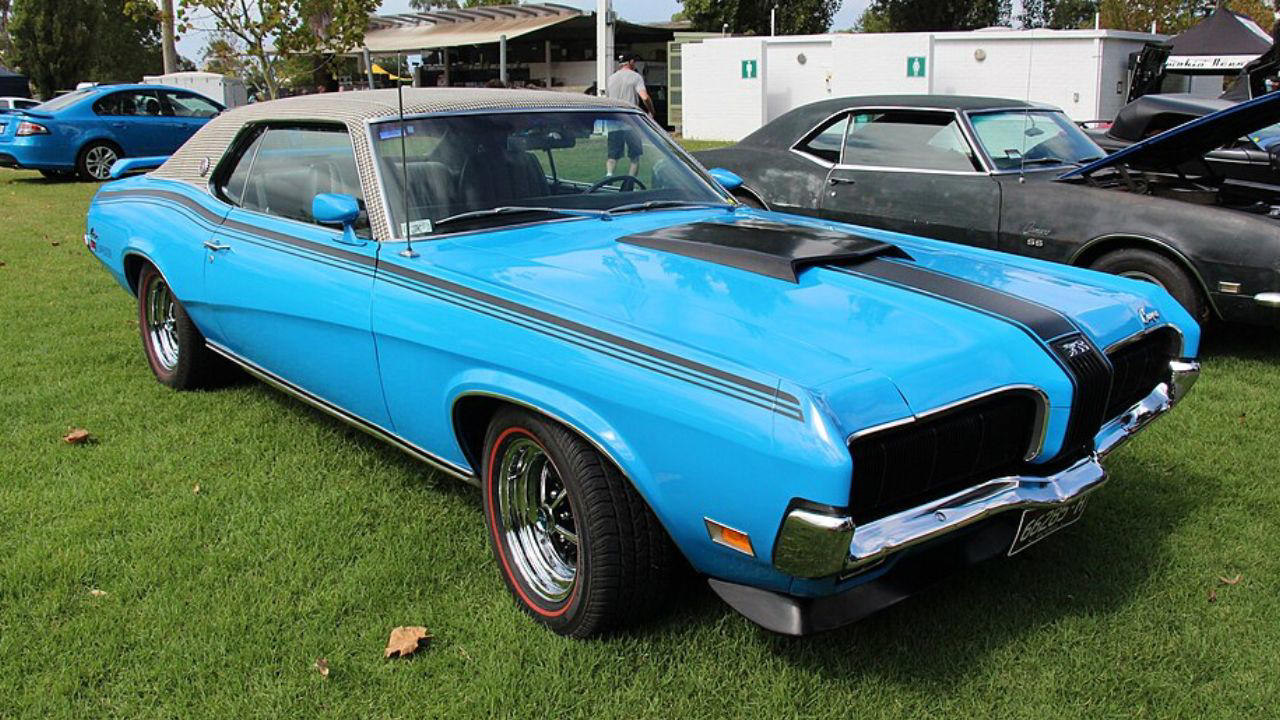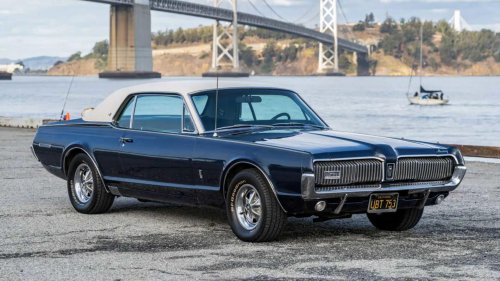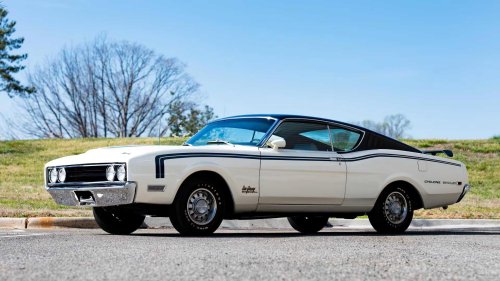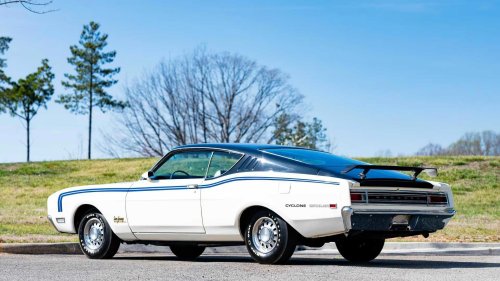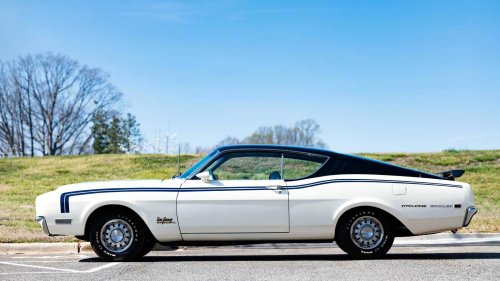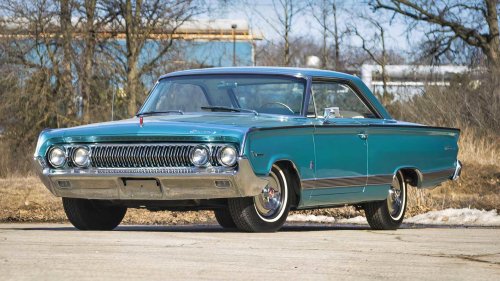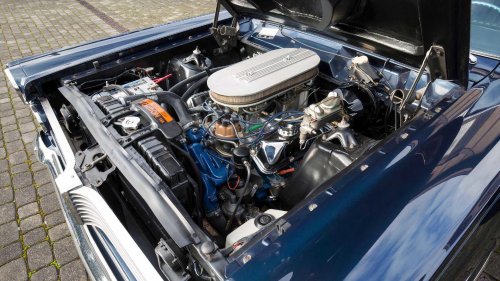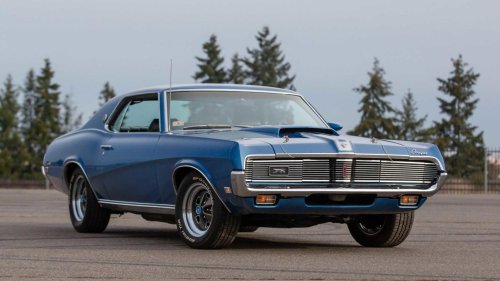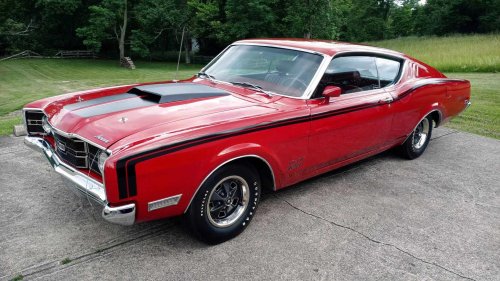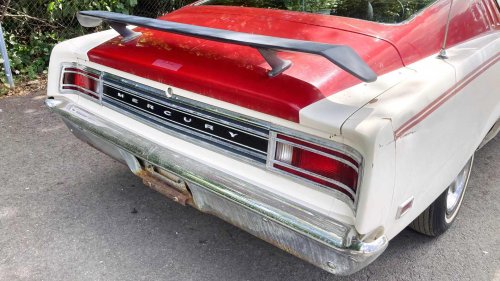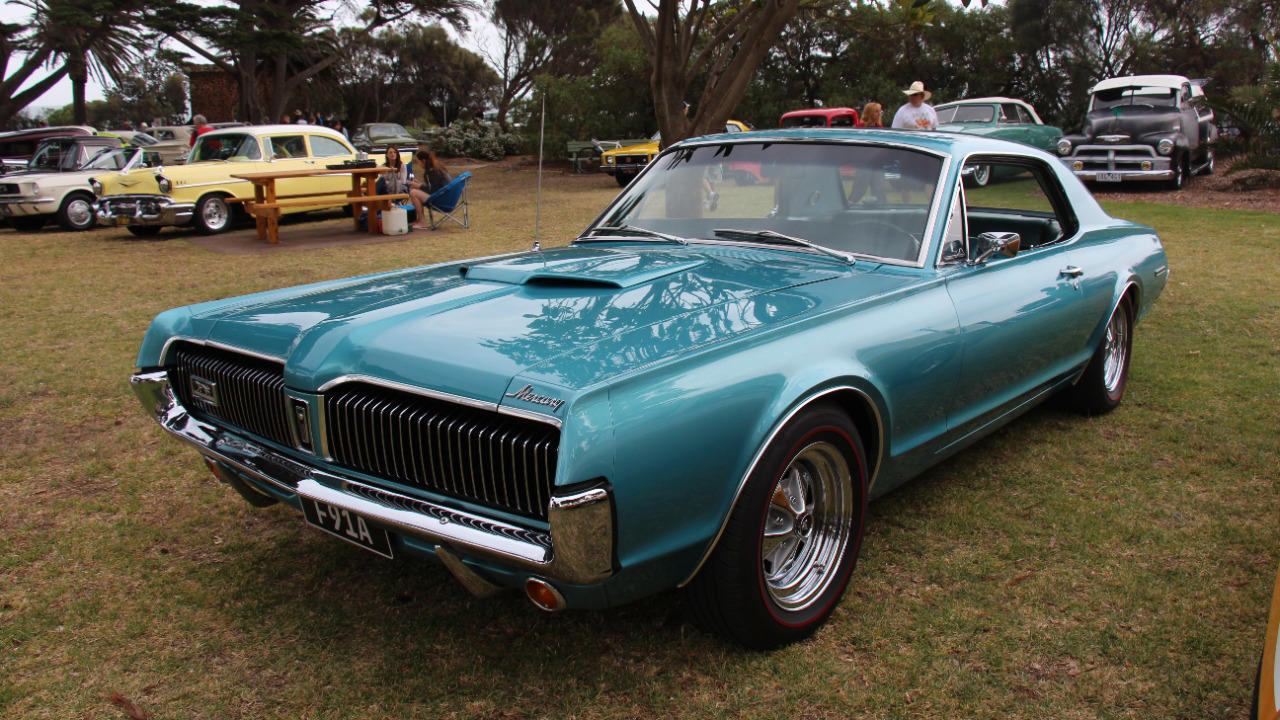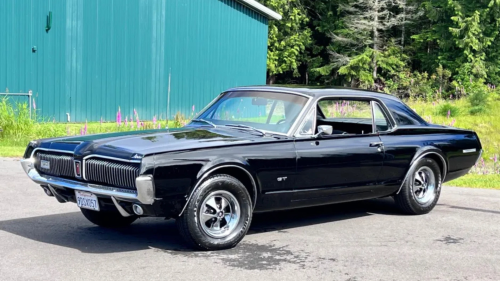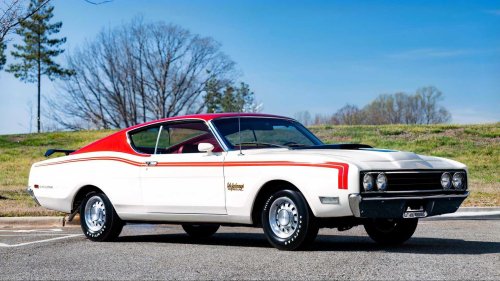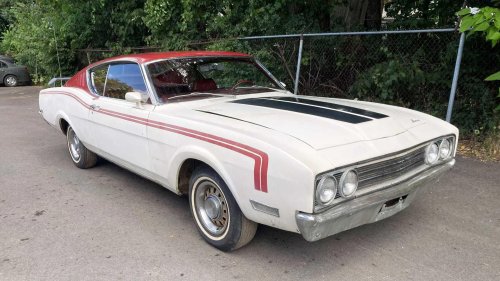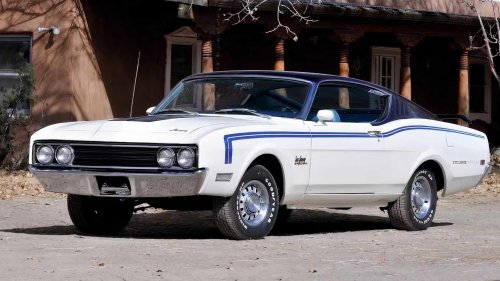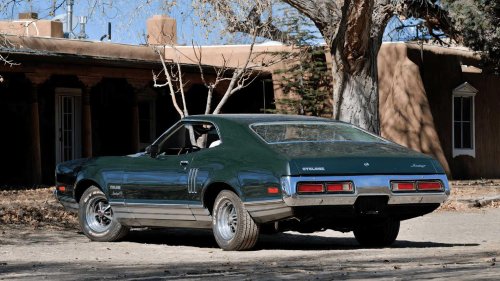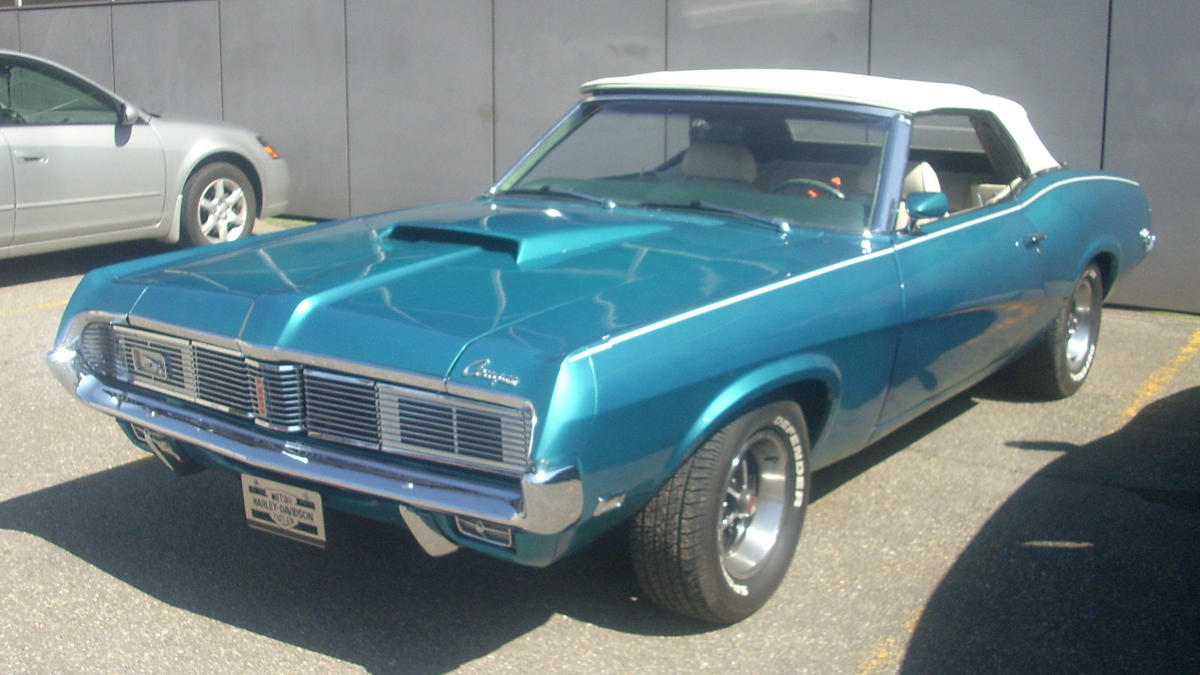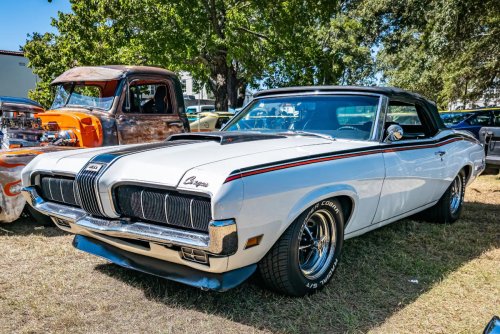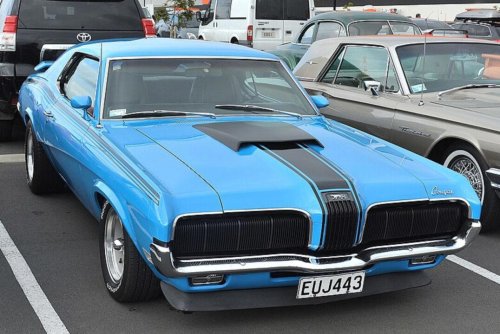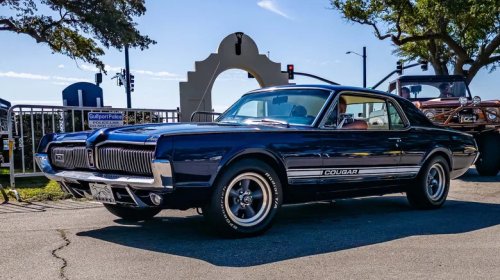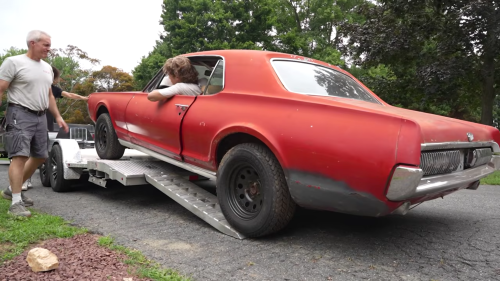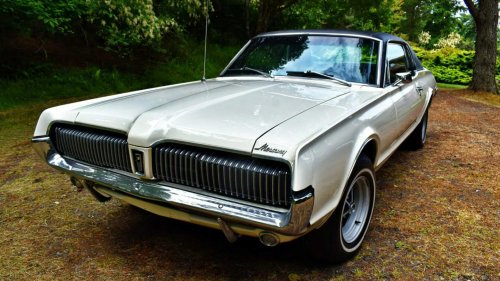
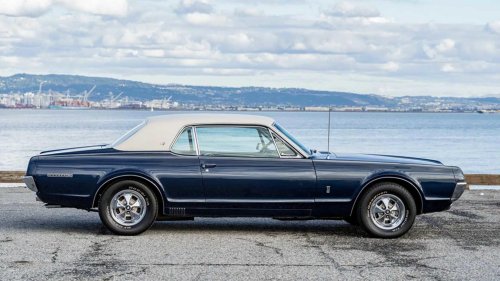
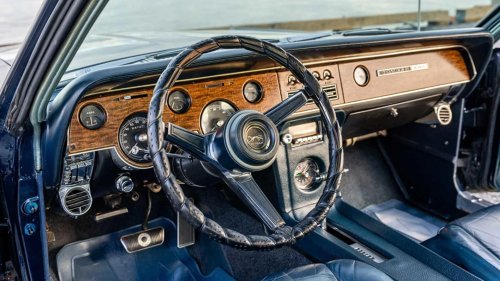
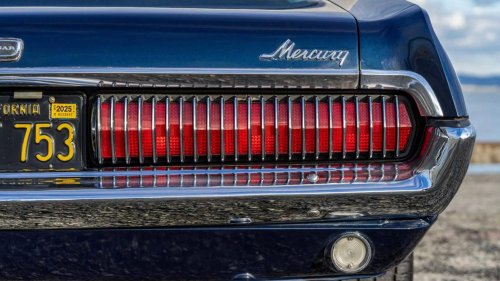
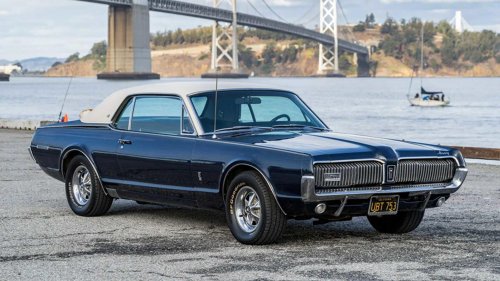
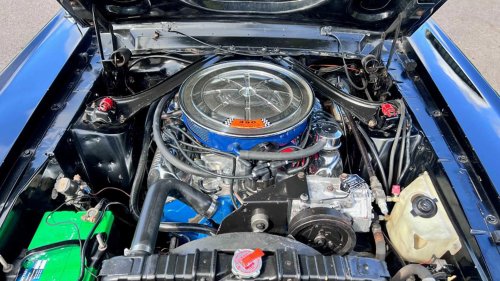
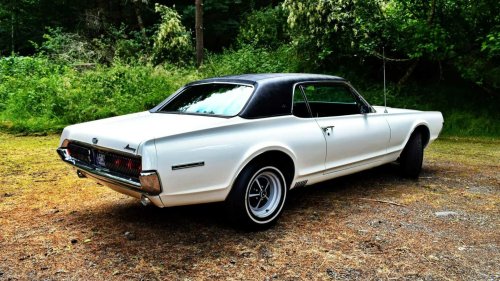



















Jump LinksMercury's Luxury Muscle Coupe Arrived A Couple Of Years After The MustangMercury Borrowed The Cougar's Awesome Sequential Turn Signals From The ThunderbirdThe GT Package Turned The Car Into A Performance WeaponThe 1960s were an exciting time for the American automotive industry, with brands taking part in their own space race to develop the most advanced and fascinating vehicles. This could be seen in the rapidly growing muscle car market, as well as the luxury-focused one. Ford was a sector leader in the former thanks to models like the Mustang and Fairlane, though late in the decade it tasked its Mercury division with building a more upmarket version of the Mustang coupe.Named the Cougar, it quickly grabbed attention due to its nicely balanced and sleek exterior design. Look closer though, especially towards the rear, and the vehicle possessed some hidden design depths that set it apart from most other models on the road. The Cougar Was The Upmarket Version Of The Mustang Bring A Trailer Ford was on the crest of a wave in the mid-1960s, primarily as its Mustang coupe had recently broken the fastest-selling vehicle record during its first year in production between 1964 and 1965. It was the perfect car for modern America, the model oozing charisma and sportiness, which appealed to younger audiences who had aspiration in spades. It looked to the future, which is exactly what the US needed after finding its feet throughout the 1950s following World War II. Wanting to build on the success of its pony car, which boasted an affordability string in its impressive bow, Ford looked further up the market.Luxury vehicles were big business, too, and the marque reckoned that an upper-class version of the Mustang would work for those who wanted such a machine, but had more money and higher standards to keep. It tasked Mercury with coming up with the creation, which would be named the Cougar. Mercury's Luxury Muscle Coupe Arrived A Couple Of Years After The Mustang Bring a Trailer Designed to socialise with the likes of Jaguar coupes of the time, the Cougar was both longer and wider than the Mustang it was based on. Bigger tends to be better when dealing with luxury cars, so the Cougar was a full seven inches longer than the Mustang, with its wheelbase being three inches longer to afford it more stable handling. It was also slightly wider, to the tune of 0.3 inches, which further calmed down its driving balance.Alongside the extra cabin luxuries lavished upon it, it got a range of powerful V8 engines, and could be had with the sporty GT pack to essentially make it an upper-class muscle car. The Cougar Gave Off A More Mature Aura Than The Mustang Bring a Trailer With the Cougar set to sit between the Mustang and full-luxury Thunderbird coupe in Ford's line-up, Mercury worked hard to ensure its new model looked the part against the cheaper Mustang. For starters, it was given a slightly more sloping roofline than Ford's pony car to make it look more like a luxury coupe than a fire-breathing muscle car, and also gave it a more prominent and smoother front end. Arguably, the Cougar's most standout design features were its lights, with the headlamps being hidden away by extra parts of the grille when not in use.This allowed the design to flow better, a decision that continued with the rear lights. Mercury Borrowed The Cougar's Awesome Sequential Turn Signals From The Thunderbird Bring a Trailer When it came to the taillights, Mercury borrowed a solution developed by Ford for the 1965 Thunderbird, one of the manufacturer's most important nameplates. Each taillight was equipped with three different bulbs, which were separated into a row consisting of three distinct sections. When the turning signals were engaged, the bulbs would essentially come on in sequence, from the inside of the vehicle to the outside. It was a more stylish solution than simply having a single flashing light, but it needed a special mechanical design to work properly.The main component was called a sequencer, which was essentially a small electric motor connected to a rotating set of three cams mounted to a small cylinder. Each cam was placed in a different vertical position on the cylinder, which meant they connected with one of the three separate signal switches every time the cylinder completed a full rotation. Every bulb on each side was connected to its own switch, which allowed the sequential pattern to appear when the turn signals were enabled. These days, a similar look can be achieved by using electrically controlled LED light panels. The Slick Taillight Arrangement Was Featured On All Cougar Models Bring a Trailer Luckily for those who wanted the cool rear lights without having to spend money on a Thunderbird, they were included as standard on every Cougar model available. That said, only two primary models were on the menu upon the vehicle's launch in 1967, the base two-door hardtop, and the XR7. While both featured every base Mercury option available, the XR7, which was once used by James Bond, brought some new equipment not seen previously.Alongside plush leather and wood cabin trim, the XR7 models were lavished with new deluxe wheel covers, an electric clock, and front and rear seat belts with a reminder light. Both of these option packages came as standard with Ford's 4.7-liter V8 engine, though the 200-hp unit could be upgraded to a 225-hp Super version at extra cost. The GT Package Turned The Car Into A Performance Weapon Bring a Trailer If these versions felt a little toothless, you could have always opted for the GT equipment group. The headline feature was a huge 6.4-liter V8 that bumped the Cougar's power output to 320 hp, while it was also graced with a stiffer suspension setup and stickier tires. An upgraded cooling system was also brought along to help keep the engine running optimally, and power front disc brakes were included to help bring the car to a halt. The Cougar didn't just turn heads due to its wild taillight design, but also because people wondered what the hell just tore past. The 1967 Cougar Is Temptingly Affordable In 2025 Bring A Trailer If you're a sexy tailight enjoyer and want a 1967 Cougar on your driveway, then the good news is that they can be picked up for minimal outlay. According to Hagerty's Valuation Tool, a base model with the standard 4.7-liter engine is worth around $12k in good condition, while the enhanced 225-hp version can be had for around $14,000. The plusher XR7 with the entry-level unit is valued at around the same price, with the more powerful version coming in at closer to $16k.Even the full-fat GT with its 320-hp V8 is pretty cheap considering the sort of vehicle you're getting, with good specimens coming in at around $24k in 2025. Even mint ones can be had for less than $50k, making it only a little more expensive than a brand-new Mustang GT Fastback. The newer car will be faster and more refined, but it's hard to argue that the Cougar won't run rings around it when it comes to coolness and charm.