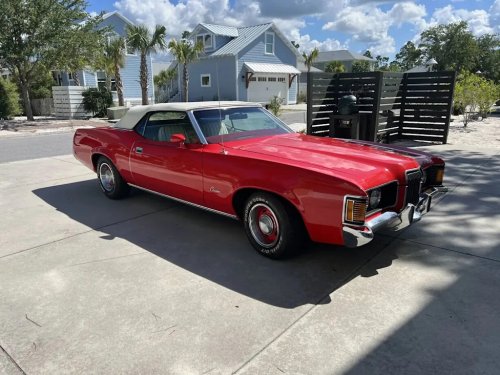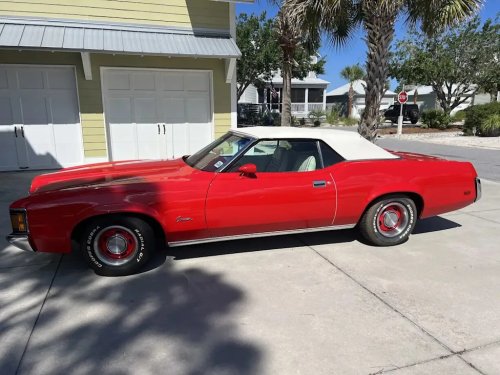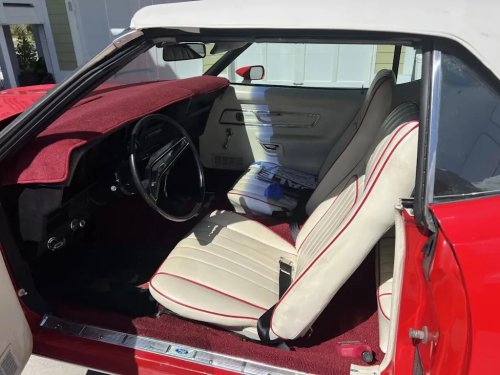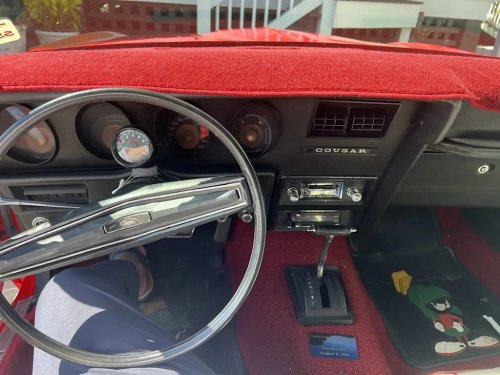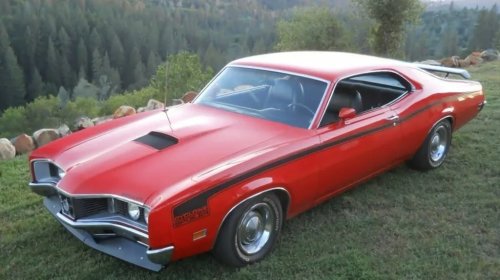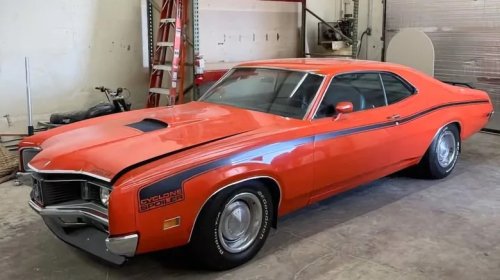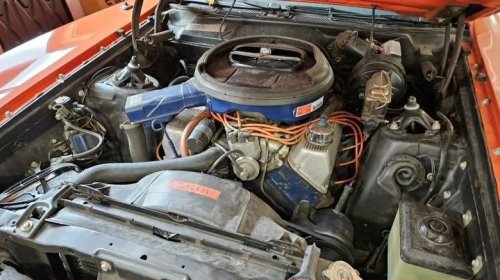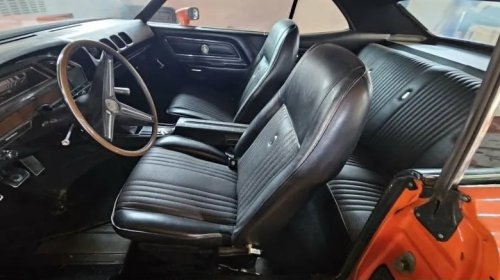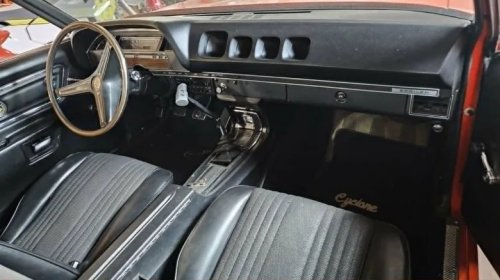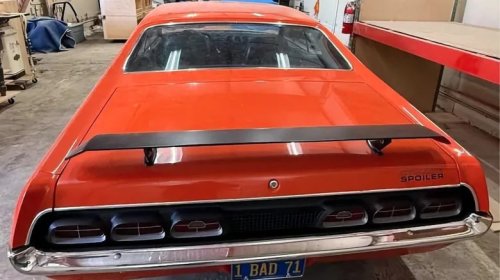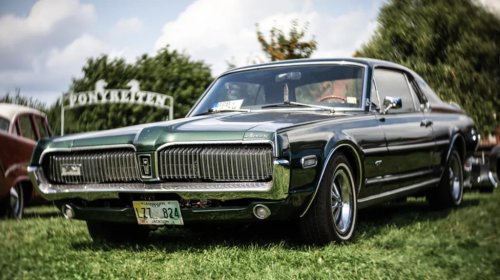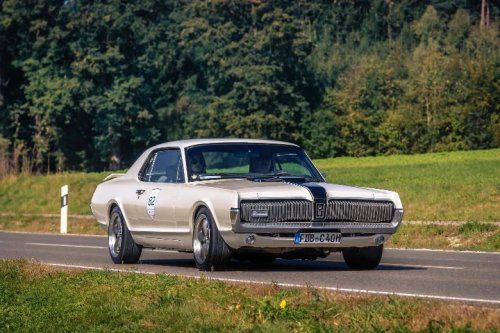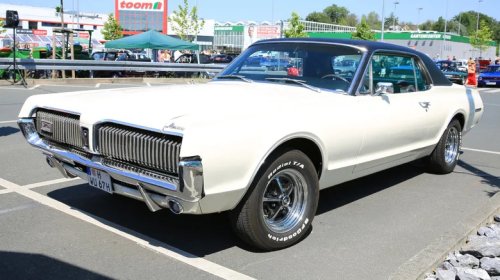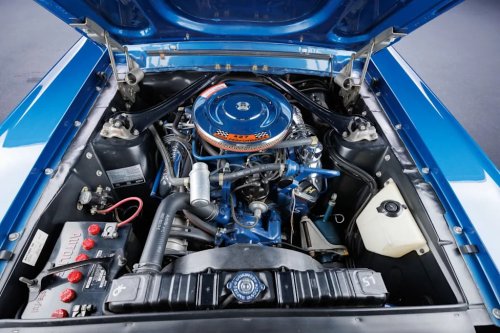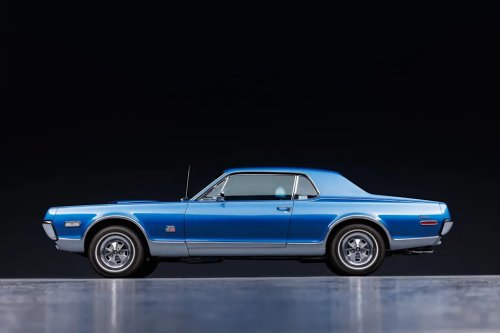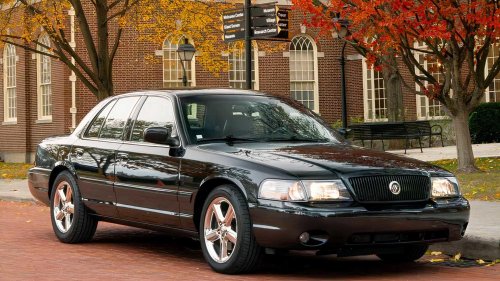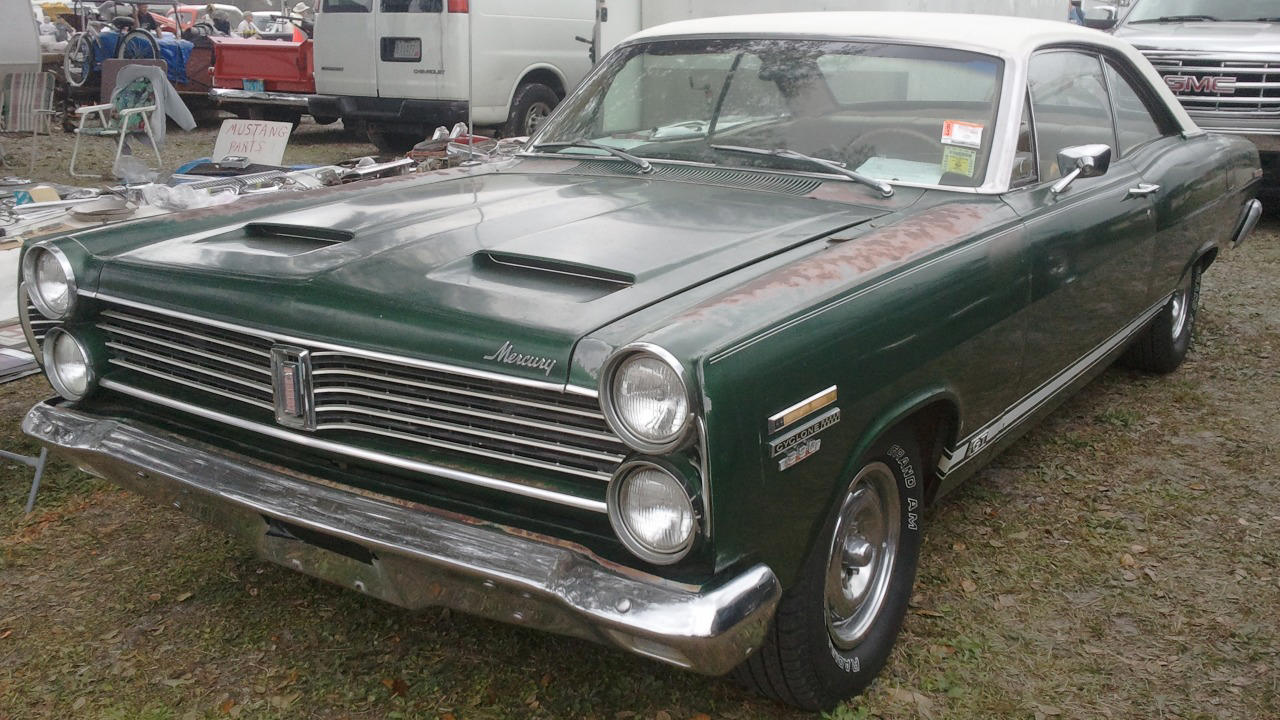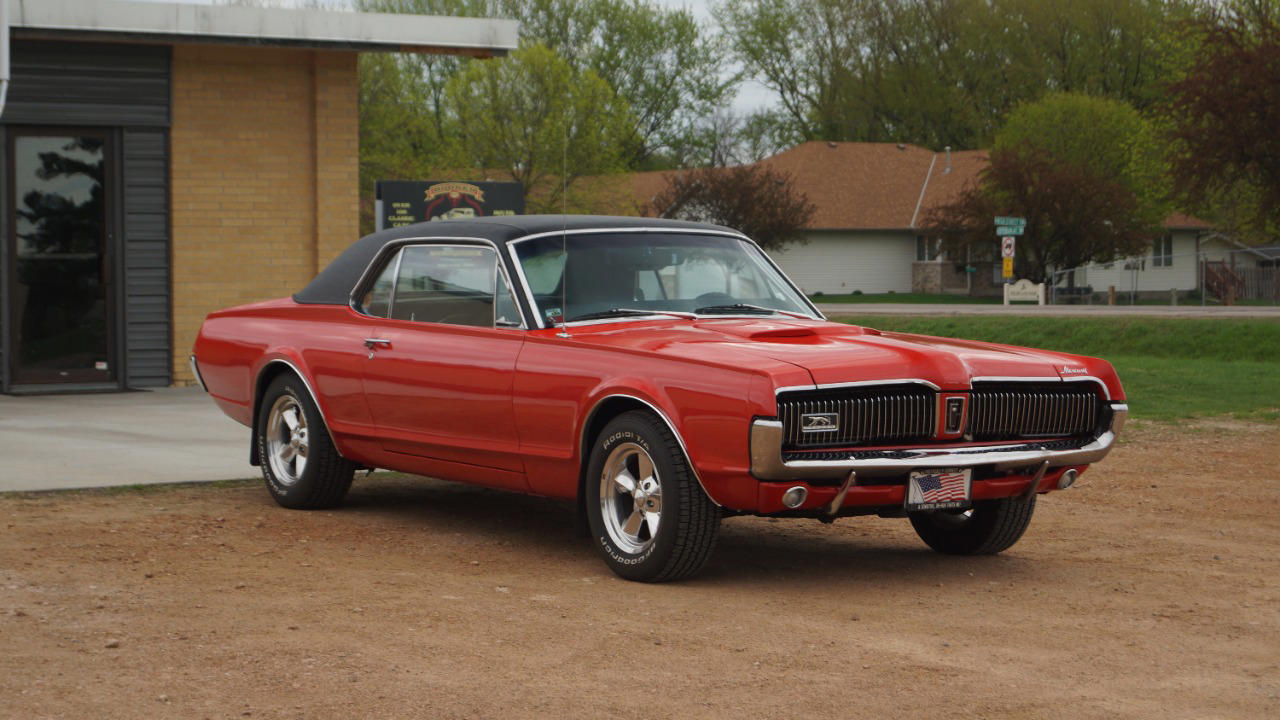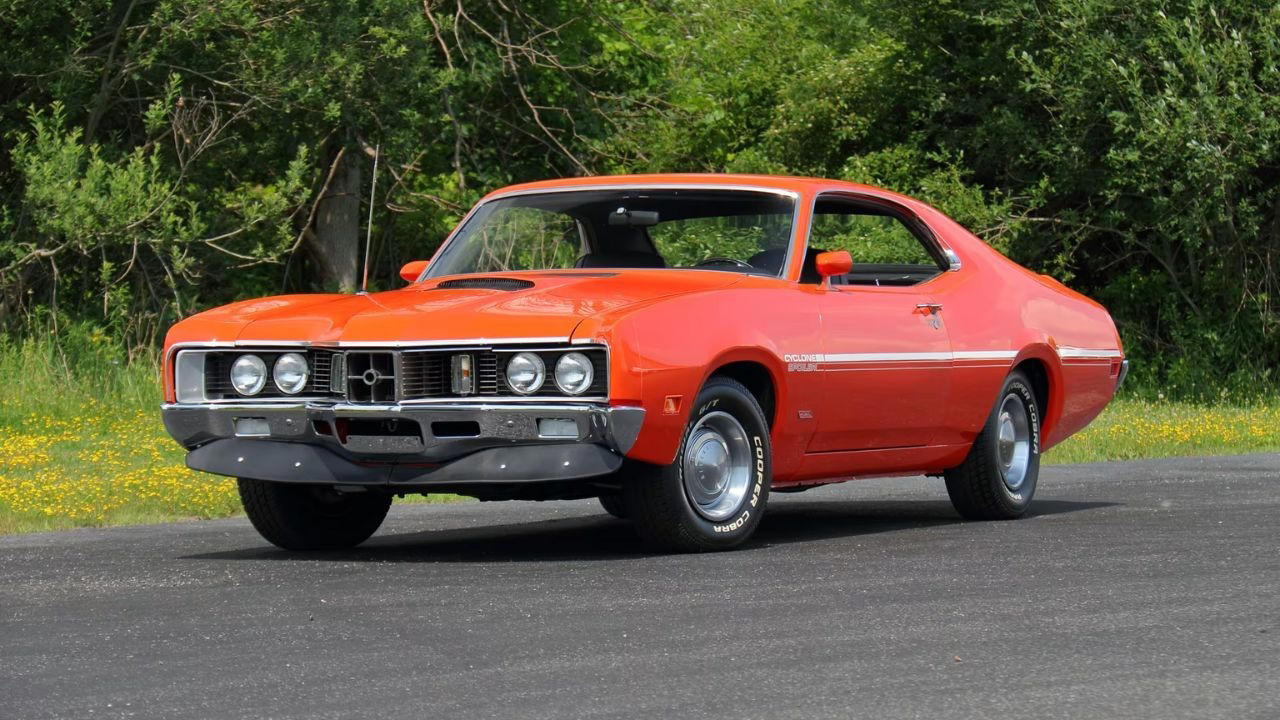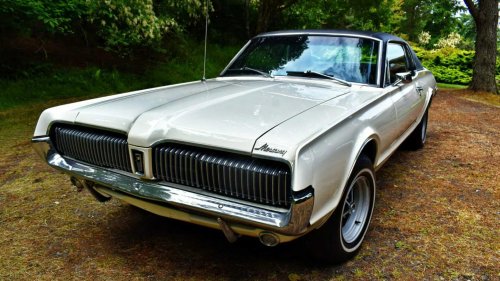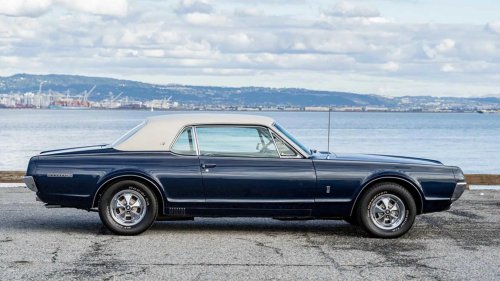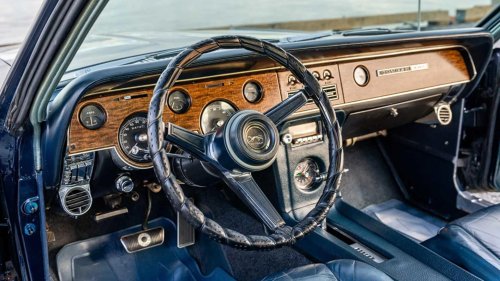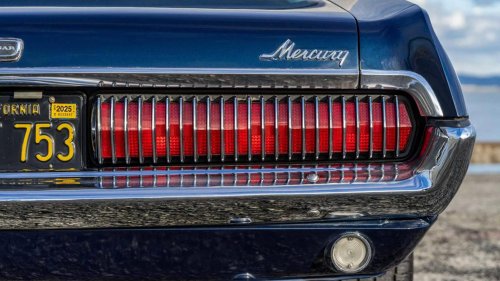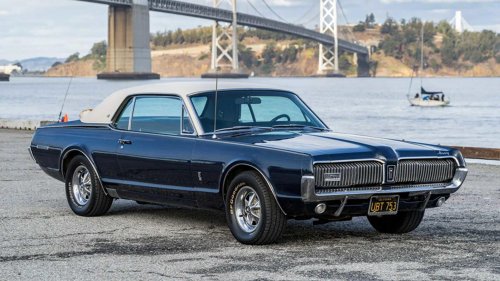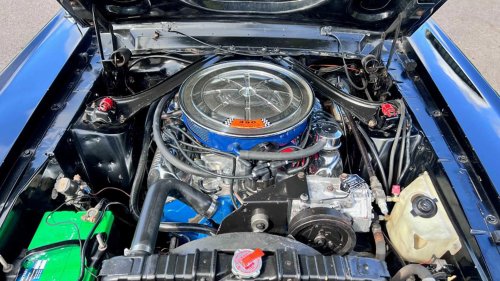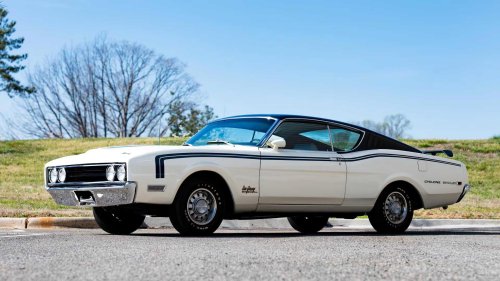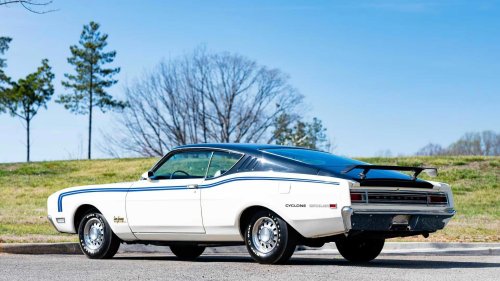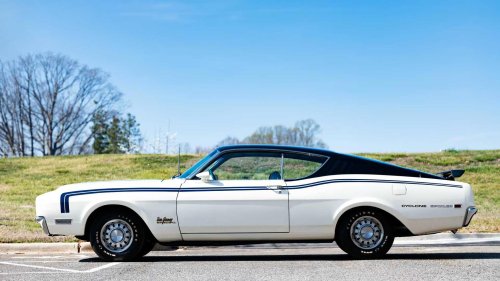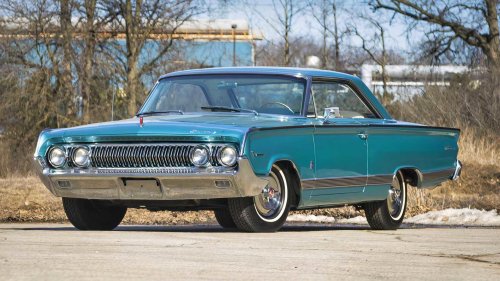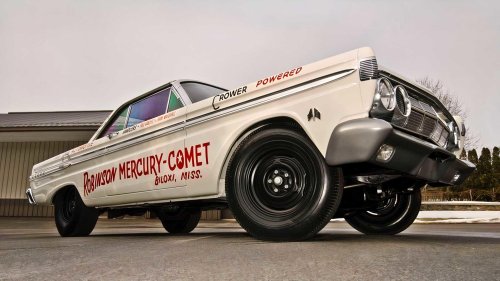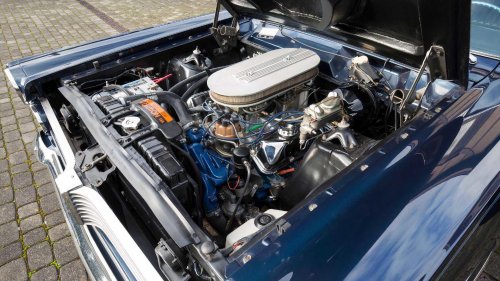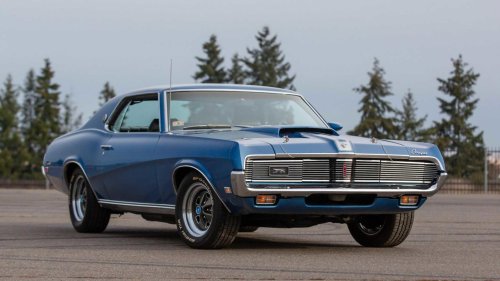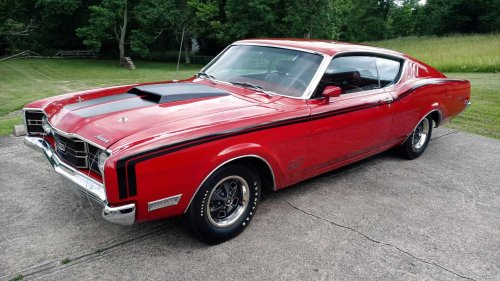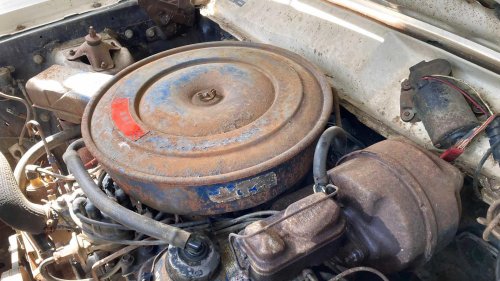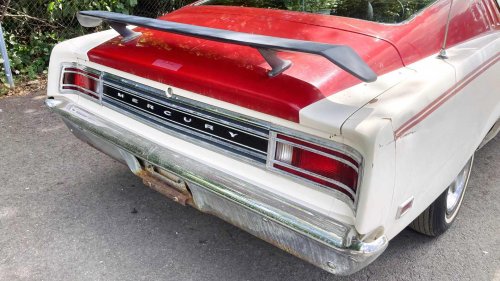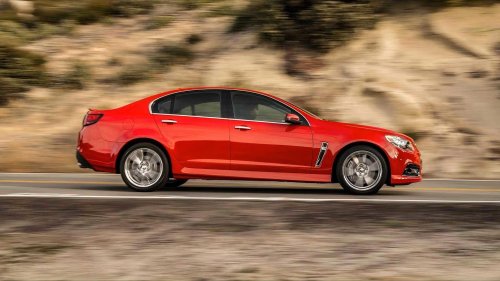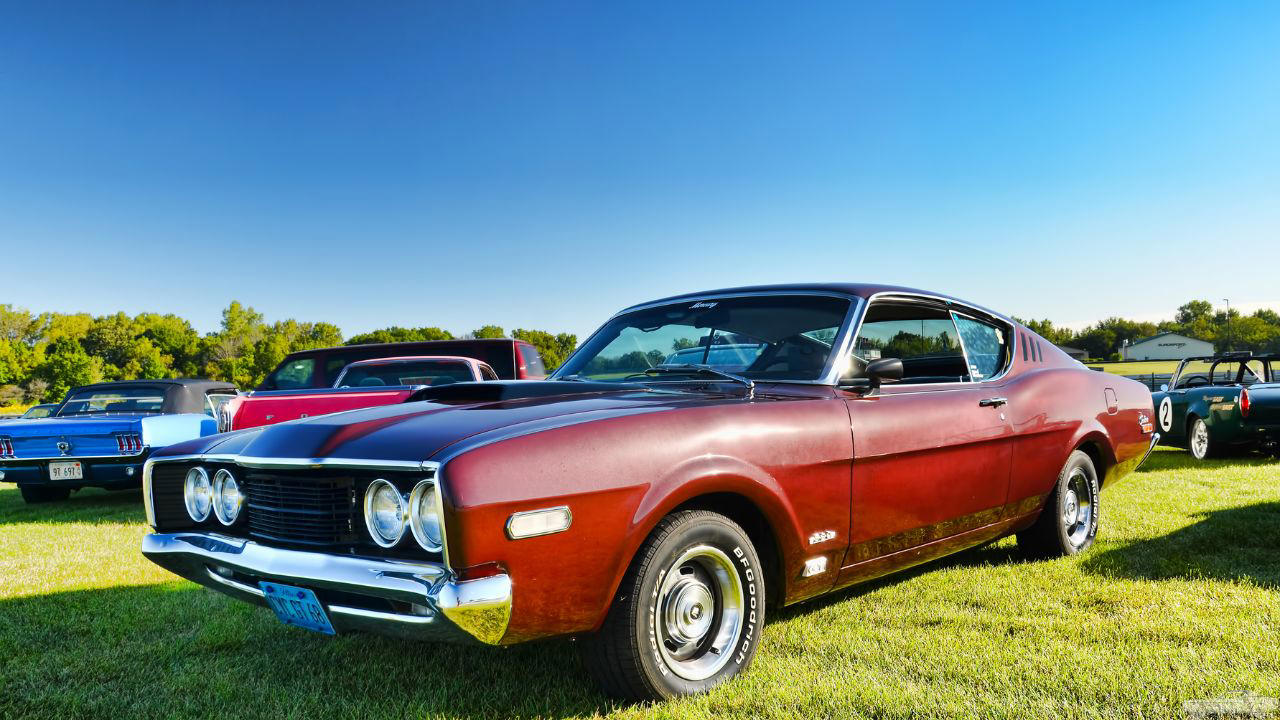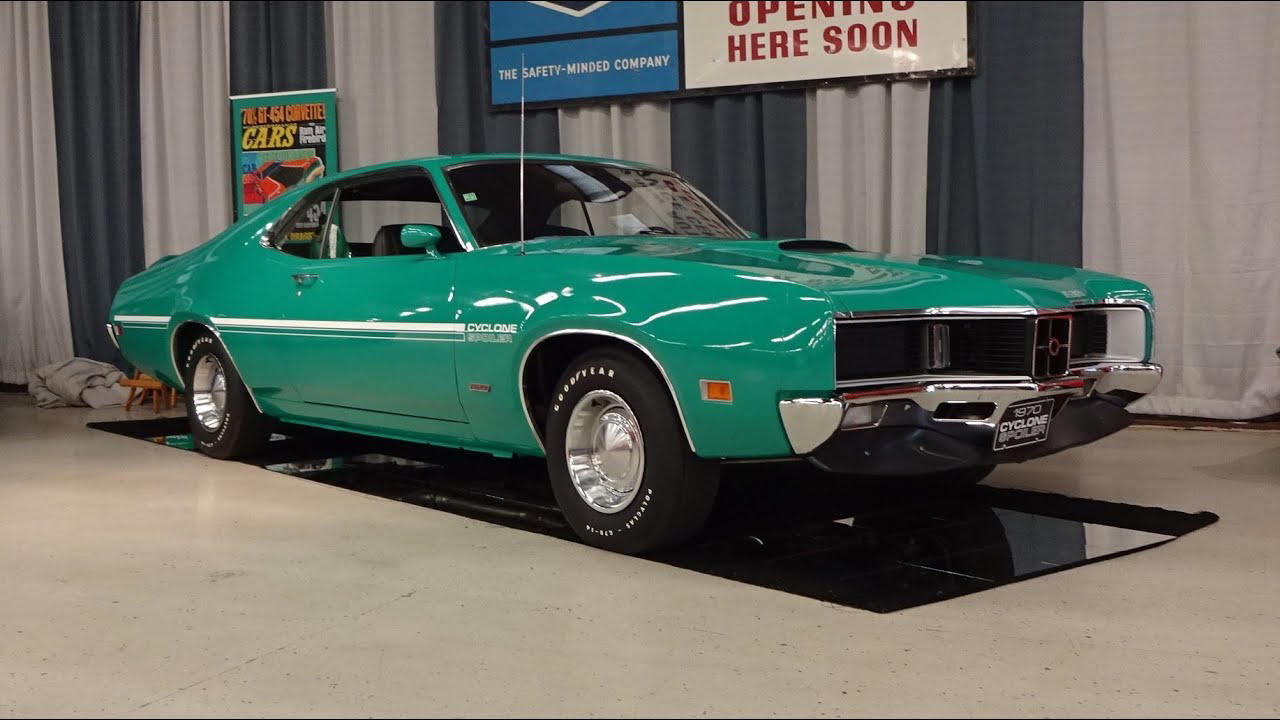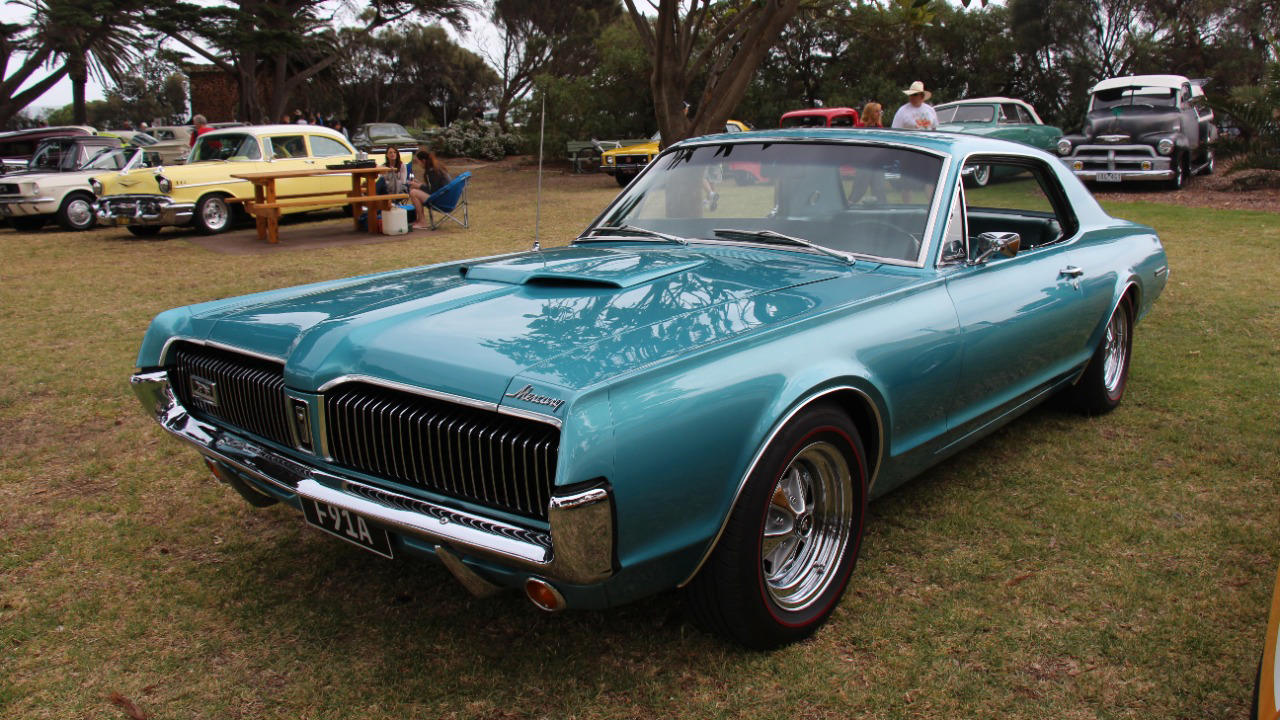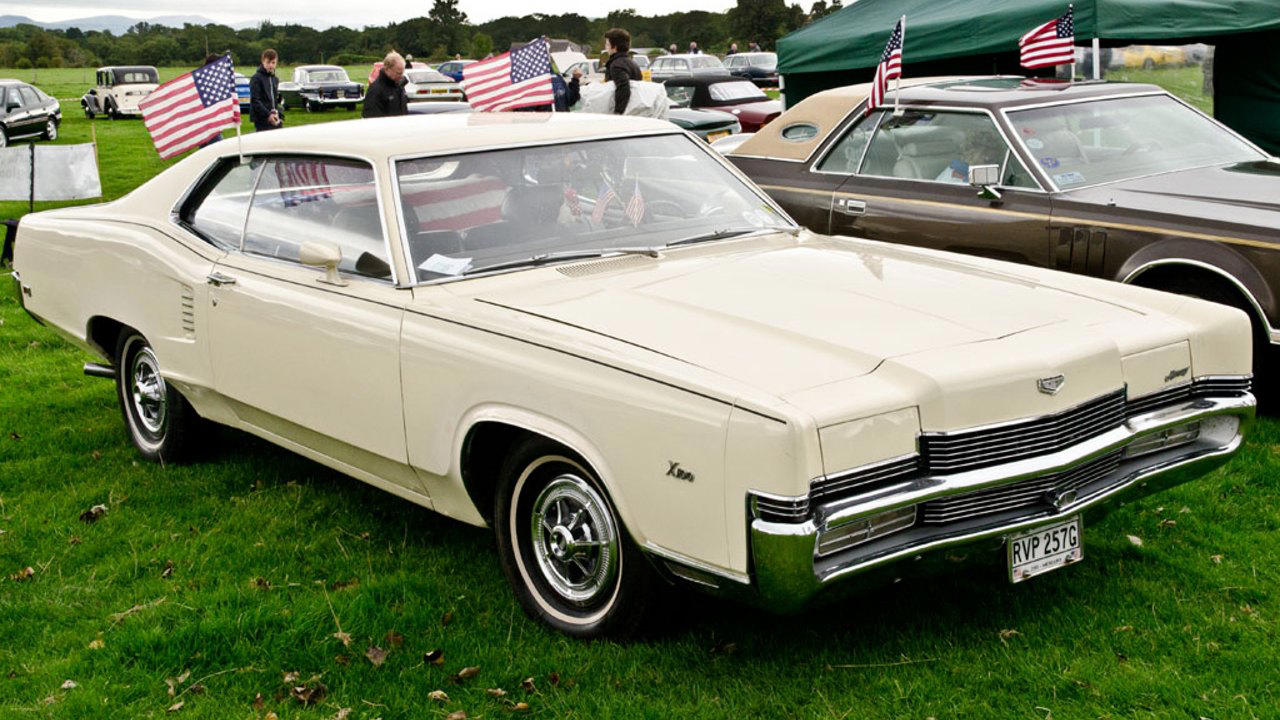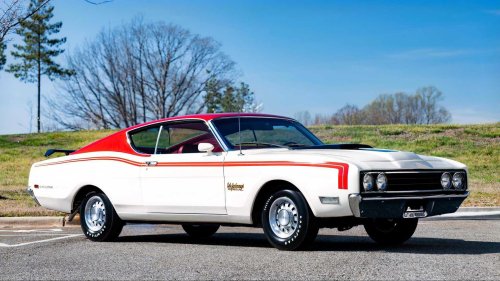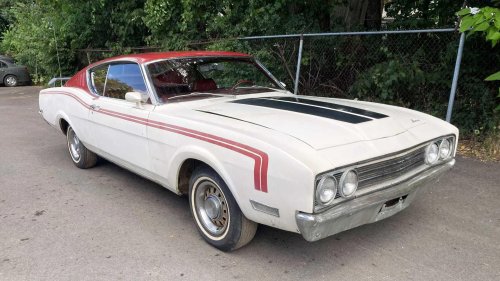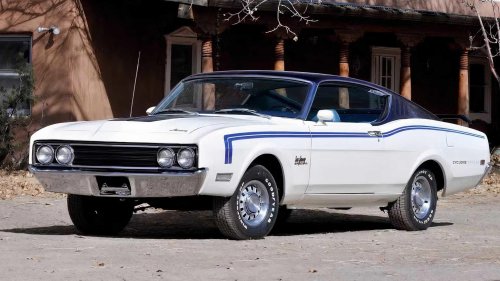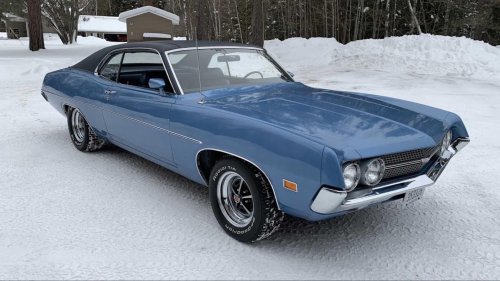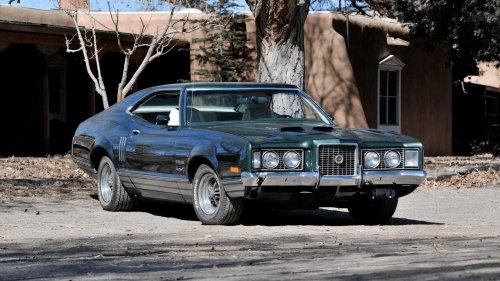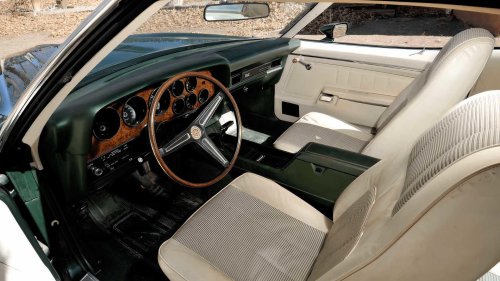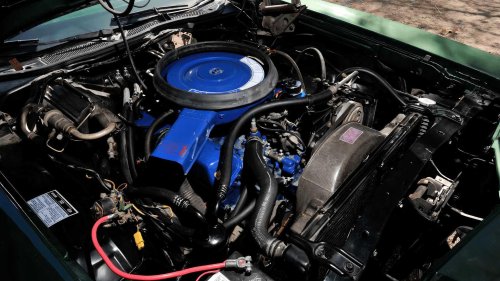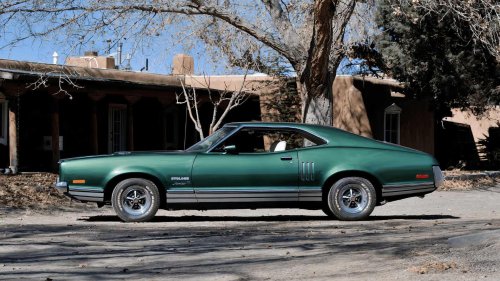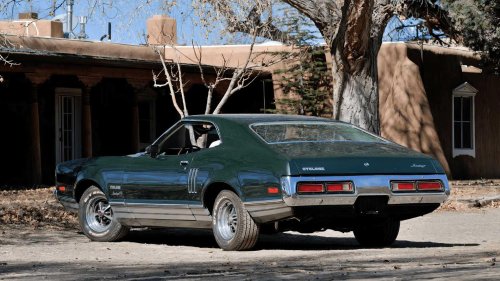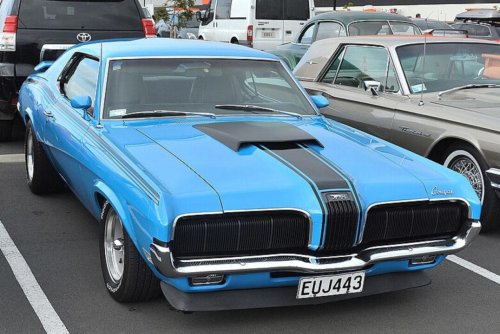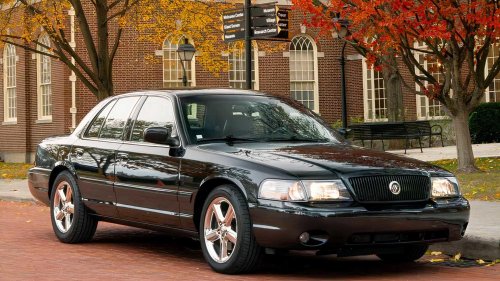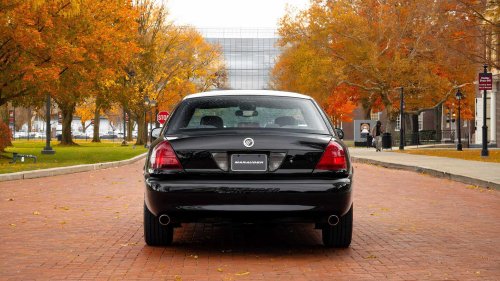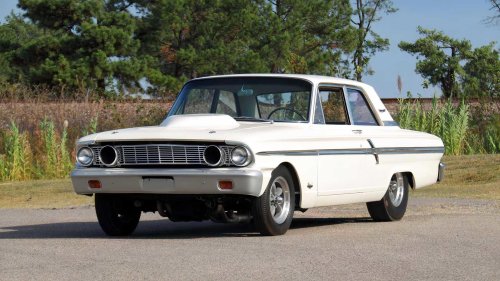
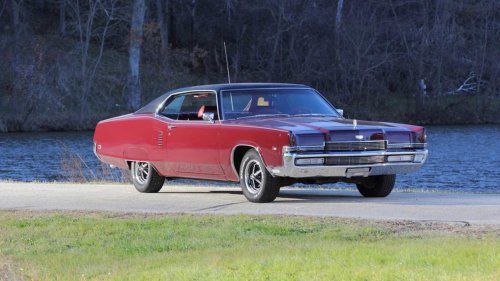
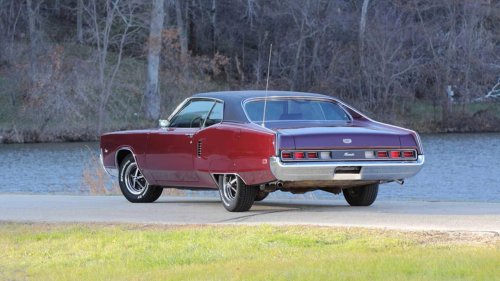
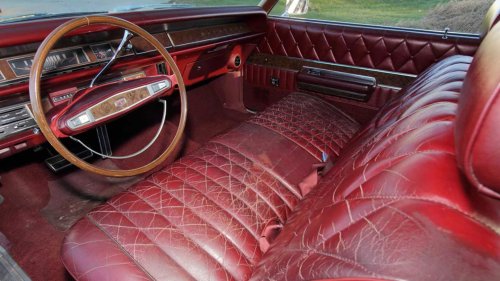
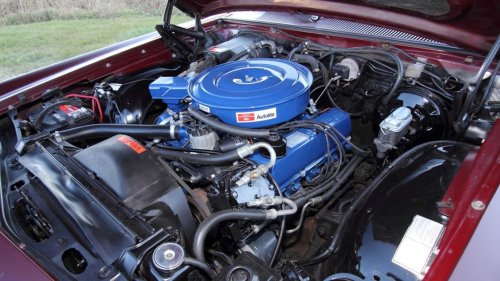



















In the late '60s, big block muscle cars would rip your eyebrows off when accelerating away from the lights, but was there something else missing? With the emphasis on power and going as fast as possible, anyone who wanted a bit of luxury to go with their crushing performance might have felt a bit shortchanged. Luckily, Mercury came to the rescue with a car that tried to give buyers everything they wanted—power, luxury, Star Trek looks—and more, all wrapped into one out-of-this-world car. It's just a shame that it has never reached mainstream muscle car recognition... Mercury Struggled To Define A Clear Full-Size Performance Identity Mercury had a bit of an image problem in the '60s. The issue was that the brand was sandwiched between youthful Ford and the understated luxury of Lincoln, with neither sportiness nor comfort arguably a natural fit. To be fair to Mercury, it has long had some of the best names in the business — the Comet Cyclone, the Marauder — but it had that "middle child syndrome." The company had a lot to shout about, but was anyone listening? Mercury was reduced to borrowing a lot from Ford, and the luxury muscle carr that lived in the shadow of the Mustang that it was based on. The question was: how could Mercury make its mark with a product that stood out from its siblings? Ford Had Established A Strong Following In The '60s MecumWhile Ford was cleaning up with the ridiculously fast-selling Mustang, it had also managed to move the Fairlane into a performance role with the epic Thunderbolt drag car. But while the upmarket duties could have been passed on to Mercury, the Blue Oval was covering all bases here too. The Galaxie had gone from NASCAR weapon to a mature full-size flagship car offering refined performance. The LTD, which was basically a trim package for the Galaxie 500, introduced a whole new "budget luxury" class, bringing a whole load of trimmings to a market segment who didn't think they would ever be able to afford woodgrain accents and plush vinyl roofs. Mercury must have been sitting there wondering whether luxury, competition-tuned performance, or big-block muscle would be its way forward, so it decided to create a car that combined everything. Mercury Responded To Big-Block Demand With A Subtle Full-Size Performance Strategy Mercury In the late '60s, market pressure pushed manufacturers toward larger-displacement performance in full-size cars. Big-block V8s were providing the tree stump-pulling power and torque that consumers demanded in the '60s for their daily commute, with several monstrous muscle cars awakening in this era. Mercury had a novel use for one of these ferocious lumps, and it wasn't strictly a muscle car. Mercury decided to pursue understated performance upgrades within its luxury-oriented lineup, hoping to fill a gap with consumers who wanted the new affordable luxury, but also wanted a ton of performance under their right foot too, if they ever needed it. The Mercury Marauder X-100 Delivered Big-Block Power In A Luxury Coupe Package Mecum The 1969 Mercury Marauder X-100 sounded like something out of a sci-fi movie, and it looked like a battlecruiser. This 20-foot personal luxury machine was clearly long enough to straddle different genres (and probably time zones too), bringing big-block performance, with lashings of luxury, as well as a competition setup that meant it wouldn't wallow into a hedge at the merest hint of gas.The personal luxury segment was one for those who were probably a bit too grown up for a muscle car, and wanted a hood so long that it arrived an hour before the cabin. The Marauder X-100, with its drooped cover lights, couldn't have looked more moody and sinister. Under that massive hood sat a 429-cubic-inch (7-liter) V8 with four-barrel carburetion and 10.5:1 compression. This huge mill is linked to a three-speed SelectShift automatic. The Marauder X-100 Was Quick For Its Size MecumSource: Mercury/ Independent TestThe 360 horsepower and 480 lb-ft of torque were the same as the Galaxie 429, and not far off the 375-horsepower 429 Cobra Jet Cyclone. The 4,500-pound Marauder X-100 could hit 60 mph in just 7.8 seconds, according to Car and Driver, and a top speed of 126 mph. Mercury managed to shift 121,668 Marquis models in 1969 (including two-door convertibles, four-door sedans and the Marquis Colony Park wagon) and from that 14,666 Marauders were sold that year, says Hagerty. Of these, just 5,635 had the X-100 trim, and the following year the Marauder sold less than half of that. The X-100 didn't ignite the luxury performance market quite like Mercury had hoped, then, and remains an intriguing anomaly of the time. The X-100 Blended Full-Size Luxury With Surprising Straight-Line Performance Mecum Along with this impressive turn of speed, buyers of the X-100 got an incredible amount of upmarket add-ons. For $700, you didn't just get the big-block V8, the package also included bucket seats, three-spoke steering wheel, center console, wood-look veneer, leather, five-spoke alloy wheels with whitewalls, and even the “Sport-Tone” contrasting rear trunk. For anyone who really wanted to use that big block popper, the X-100 could also be specced with four-wheel disc brakes and “competition” suspension. Yes, the giant X-100 wouldn't exactly have BMW M3 levels of body control, but as a car that tried to provide everything that the modern car enthusiast desired in one package, it did a decent job. Why The Marauder X-100 Faded From Mainstream Muscle Car Memory MecumBeing launched in 1969, the X-100 couldn't have had worse timing. By the start of the '70s, insurance companies were getting wise to these hugely powerful big block engines ending up in the wrong hands and premiums were soaring. As the sales figures suggested, interest in huge land yachts was also waning, and big block engines would soon come under fire from emissions regulations and the rocketing fuel prices of the early '70s. Buyers were warming to Japanese cars, which offered a lot of style, albeit with more frugal engines and lighter curb weights.After just two years, the Marauder X-100 was canned and the name only returned in 2003. This car had a similar heft, but less of the power. The 1969 and 1970 models have been almost forgotten these days, but that is good news for collectors. Anyone in the market for one of these retro-futuristic monsters won't need a ton of cash. In fact, Hagerty's Valuation Tools put the price of both 1969 and 1970 models at just $15,800 in good condition. Now, that's a lot of car for the money.Sources: Hagerty.com