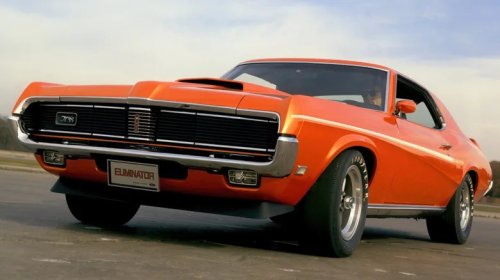
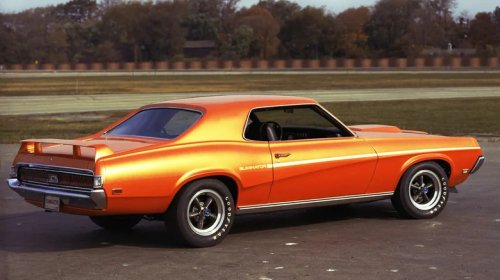
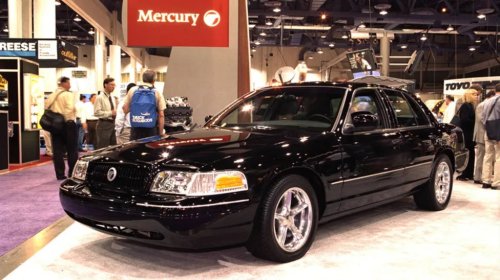
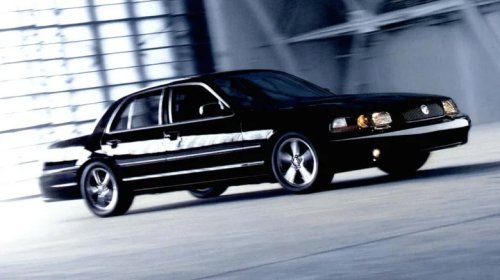
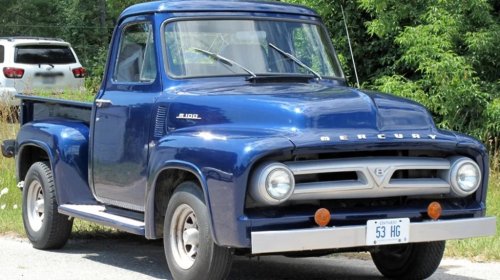
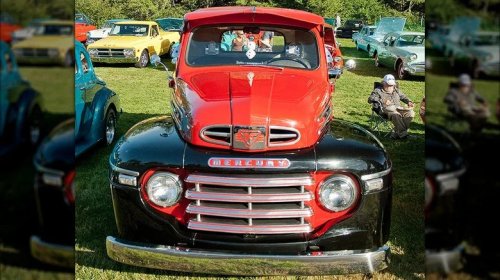
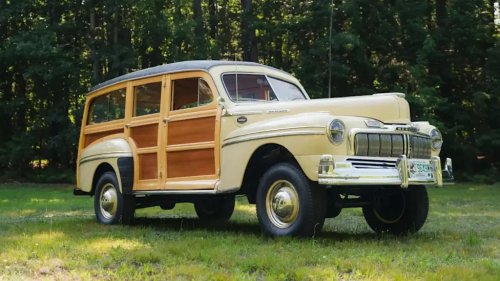
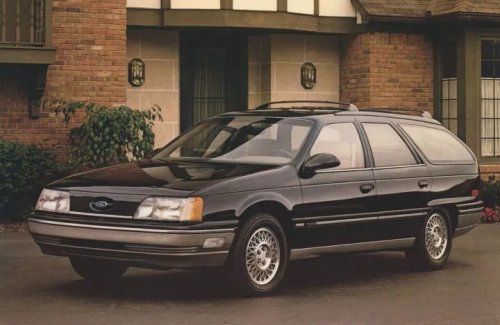
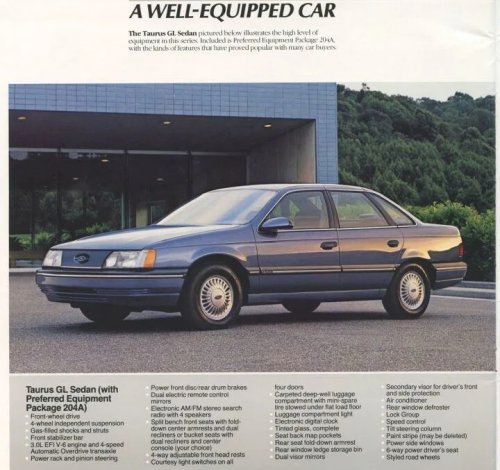
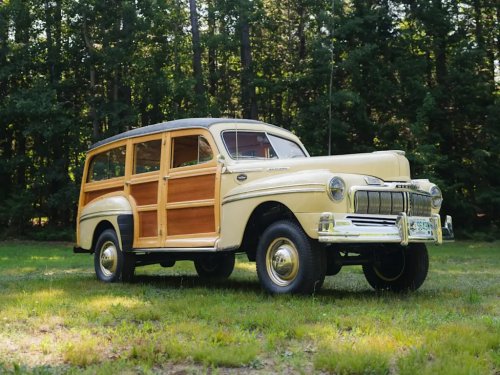
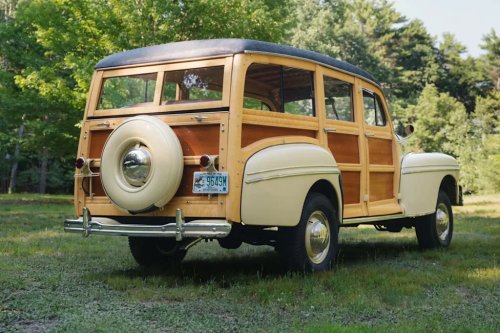
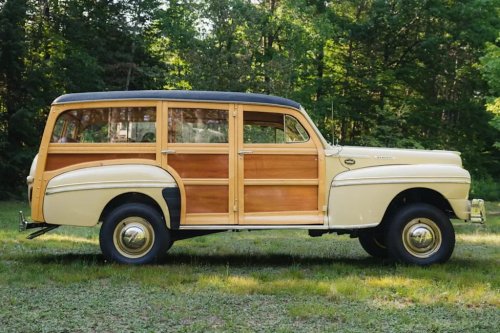
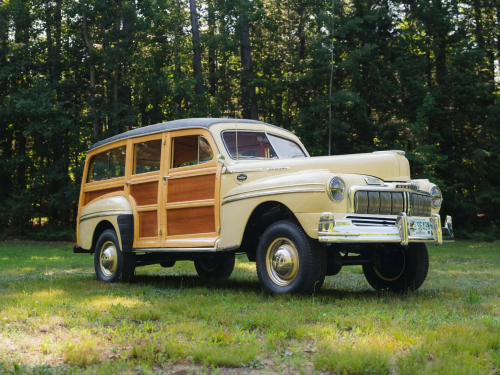
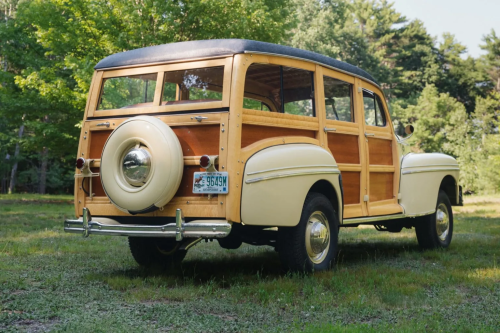
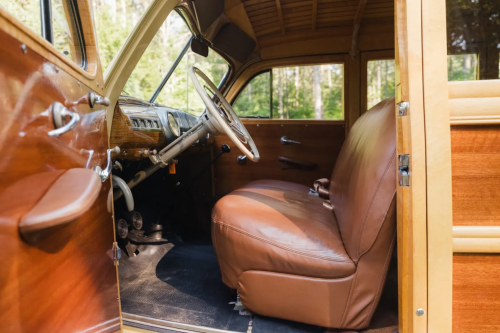
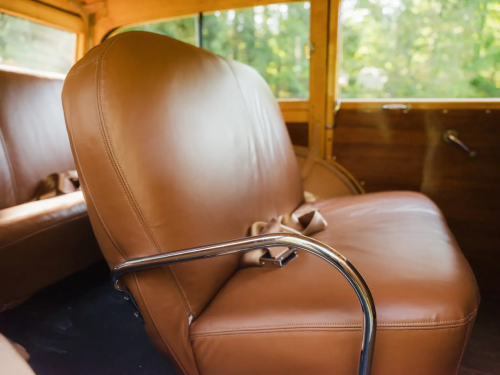
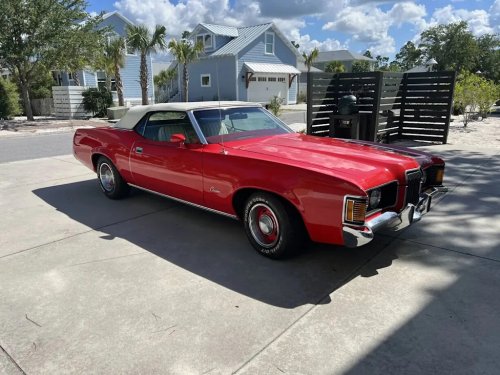
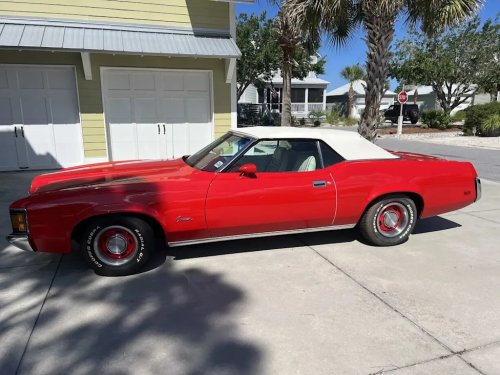
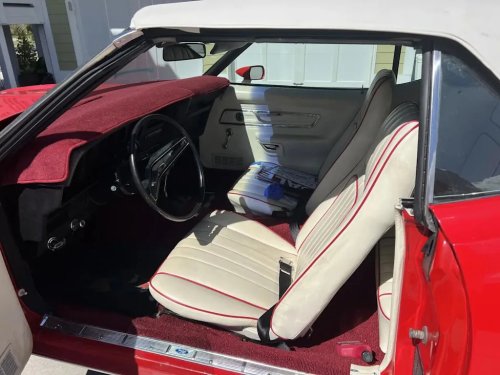
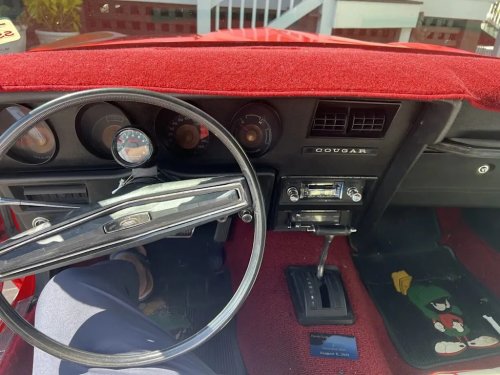
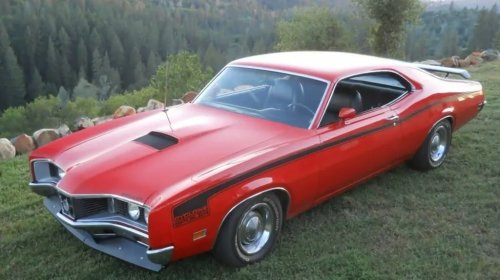
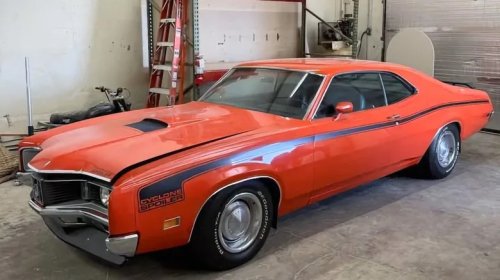
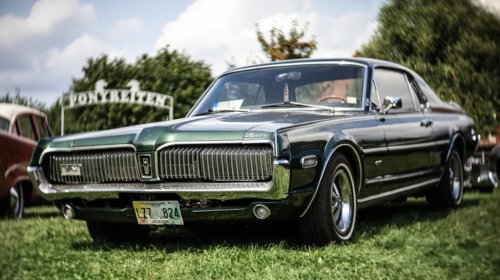
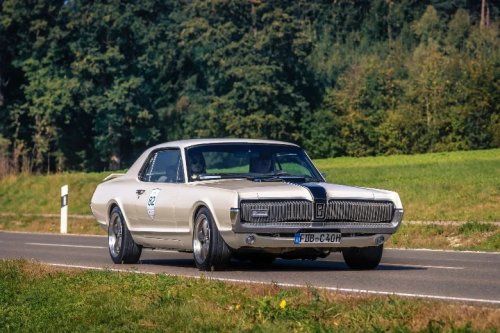
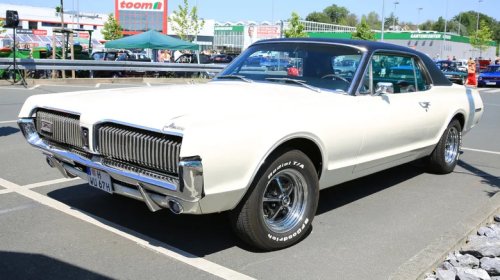
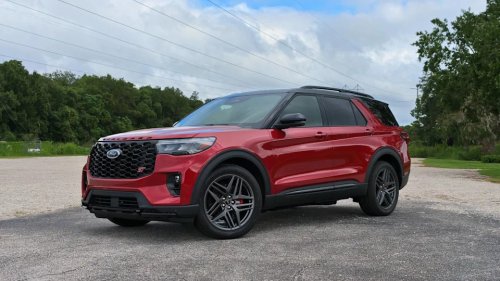
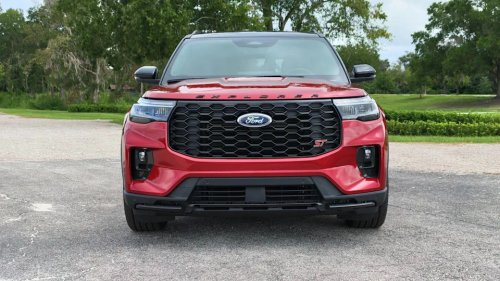
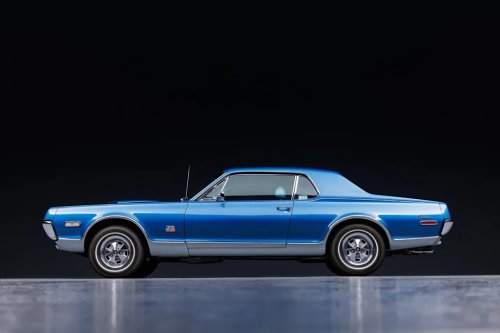
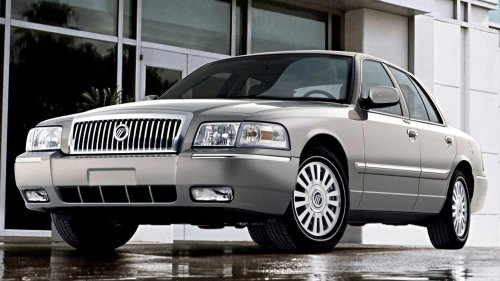
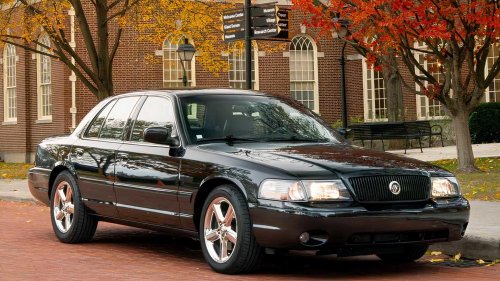
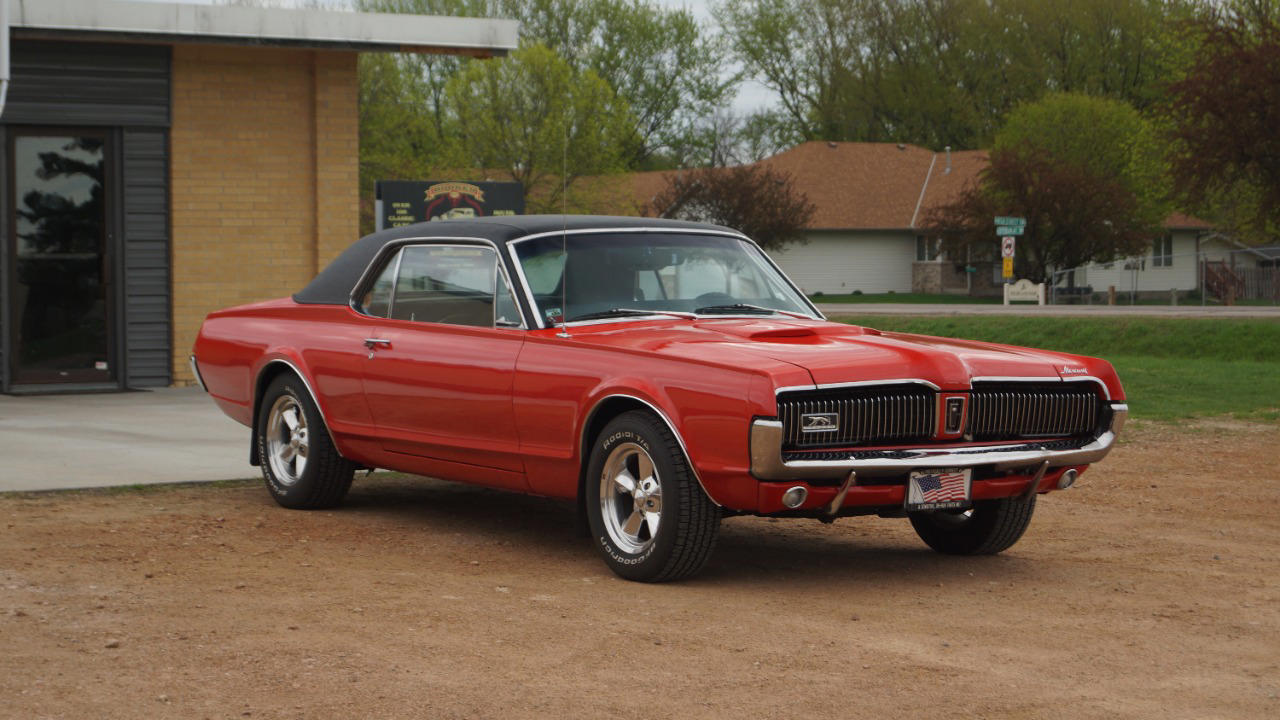
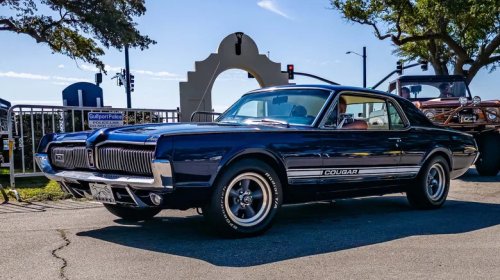
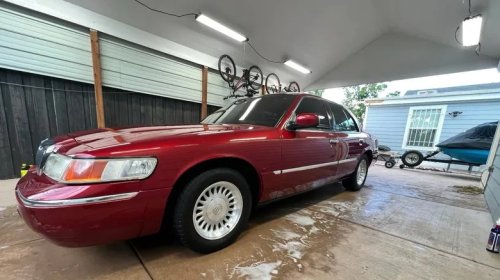
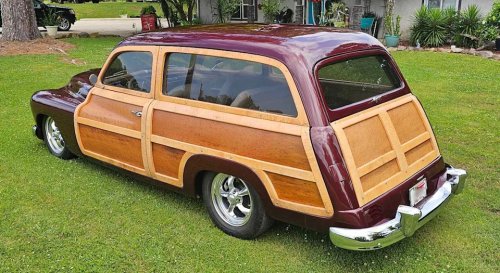
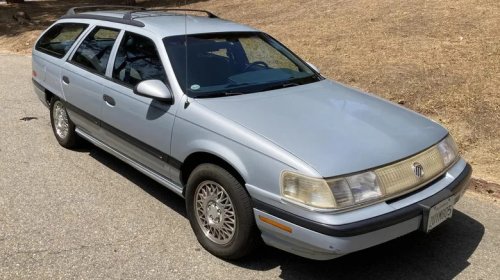
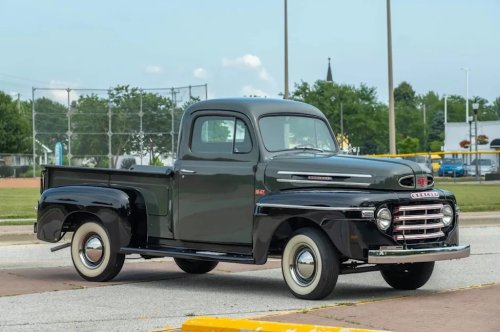
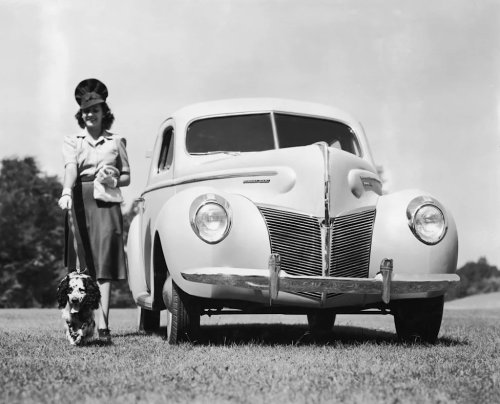
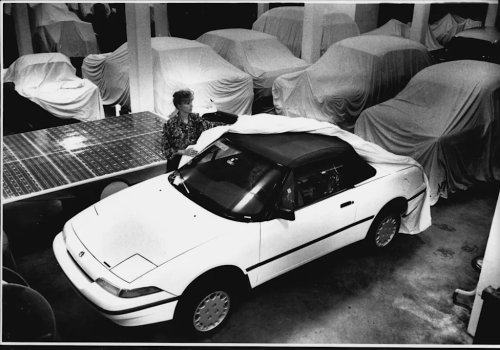
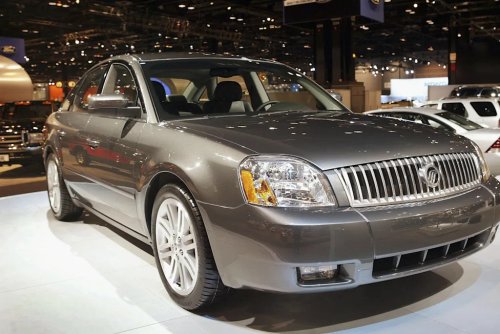
Autoblog and Yahoo may earn commission from links in this article.This Old CarIf you genuinely ask anyone under thirty what a Mercury is and you'll mostly get a blank look, followed by a vague guess involving planets or chemicals before any mention of a car. But, if you actually show them one, whether it be a Grand Marquis idling outside a nursing home, a Sable parked crooked in a driveway that hasn't seen a new car since 2007 or a Cougar that's a teenager's first car, they might get a clue. To a whole generation of car nuts, these cars exist as part of a category of cars and less as a brand. It's that kind of car: the boxy, velour-seated, whitewall-tired car their grandfather drove to the same diner every Sunday for twenty years, badge unreadable at a glance and unimportant even if it were. Many Gen Z and Gen Alpha car enthusiasts have grown up around plenty of these things without ever once needing to know what a Mercury actually was, because nobody around them treated the name like it mattered. It registers, if it registers at all, as furniture — the automotive equivalent of a La-Z-Boy. To the youngins, Mercury isn't a car that's meant to be seen; it just occupies space, mostly the left lane on any busy highway, going ten under with no plans to change that.AdvertisementAdvertisementFor a car company that used to have real cultural weight, it's a strange fate compared to some of its rivals. Pontiac still has cultural cache because the GTO and the Trans Am has had pop culture nods long after the brand itself went quiet. Oldsmobile gets a nostalgic nod from anyone who's heard the phrase "not your father's Oldsmobile," but Mercury has none of the nuance. It quietly became background noise, the kind of car you register as "old" before anything else and without any sense that it once had a personality worth remembering.Fox Photos/Getty ImagesView the 2 images of this gallery on the original articleWhy Mercury Existed At AllTo put it short, Mercury is Ford's middle child. Edsel Ford created it in 1938 specifically to fill a gap in Ford's lineup. At the affordable end was Ford, and in the luxury segment was Lincoln, with nothing bridging the gap in between. In comparison, Ford's cross-town rivals General Motors were running four or five brands that were neatly stacked by price point and specialty, and profiting handsomely from the arrangement. From a pricing perspective, GM's ladder went from Chevrolet at the lower end of the pricing spectrum, up to Pontiac, Oldsmobile, Buick, and then Cadillac; a clean price rung for practically every income bracket in America. Ford had nothing comparable in the middle of that ladder, and Mercury's entire reason for existing was structural, not emotional. It was a gap-filler built to compete with a rival's business plans than an idea born out of a designer's personal vision. It was the connective tissue between two other brands from day one, and that origin would end up shaping every decision made about the brand for the next seven decades.AdvertisementAdvertisementMercury's first car: the Mercury Eight, debuted in November 1938 and sold well right out of the gate. In its first model year, nearly 66,000 emerged from dealer lots and onto driveways, a genuinely strong debut for a brand nobody had heard of a year earlier. It was truly unique — it had its own dedicated body, and was eight inches wider than a Ford at the doors and sat on a longer wheelbase. This created a brand with its own distinct cars and identity rather than just reskinned Fords with a slightly upmarket badge. For a few years, Mercury genuinely looked like its own thing, but it wouldn't last for long.Playing It (a little) Too SafeThe postwar era — the late 1940s and the 1950s — was a distinct time when Mercury came into its own. Mercury debuted an entirely new Eight for 1949; a distinct shape that became popular with customizers as the canvas for a generation of "lead sleds" with chopped tops and smoothed bodies. The Monterey, Montclair, Turnpike Cruiser and Park Lane of the late '50s pushed Mercury toward its own lane entirely, as it became a real competitor against GM mid-priced luxury marques like Buick and Oldsmobile.But as Mercury started to create something unique for itself, the accountants took hold of the horns. If there is a single moment where Mercury veered toward a permanent lean toward Ford's parts bin, it's 1958. The "Eisenhower recession" gutted the mid-priced segment that Mercury lived in, and Ford's answer was to fold Lincoln, Mercury, and the brand-new Edsel into one leaner operation: the Mercury-Edsel-Lincoln division, run under the growing influence of then-Ford President Robert McNamara. Known as one of the prolific "Whiz Kids," he was a military-bred, business-savvy executive who'd never liked the idea of separate divisions with separate tooling. McNamara had been arguing against standalone bodies and dedicated engineering for Continental, Lincoln, and Mercury even before the recession hit, and the sudden sales collapse gave him a solid reason to pursue badge engineering. Getty ImagesView the 2 images of this gallery on the original articleAdvertisementAdvertisementAs an unpopular brand positioned in the middle-middle of the road that didn't really exist among consumers, Edsel absorbed the worst of this crisis. Ford stripped it of its own platform almost immediately and died within two years, reduced to little more than a Ford with different trim before it was ever given a real chance. Mercury didn't die alongside it, but it changed, sharing more Ford architecture than it ever had before. What McNamara instilled in 1958 didn't go away when he left the Blue Oval for the Kennedy Administration — it just reinvented itself.The Comet started life as a shelved Edsel design before Mercury absorbed it in 1960, a car that had its badges swapped rather than something built from scratch. The Montego and Marquis of the early '70s sat on the same Torino and LTD platforms Ford was already building, right down to shared sheet metal in places. By the '80s and '90s, Ford was adding Mercury badges onto the popular Taurus to create the Sable, while the Contour became the Mystique. Robert Pearce/Fairfax Media via Getty ImagesView the 3 images of this gallery on the original articleBadge Engineering Killed It Slowly, But Not All at OnceBy the 2000s, "Mercury" mostly meant "Ford, but the grille is different," and buyers had caught onto exactly that. A Mercury Mountaineer was an Explorer in a different suit, right down to the underlying chassis and most of the mechanical components, down to the same engine choices in the same years. Badge engineering isn't necessarily a dirty word on its own, but for Mercury, it was that Mercury became less distinctly Mercury after each generation.AdvertisementAdvertisementTo be fair, Ford tried. In 2003 Mercury introduced the Marauder, a hot-rodded Grand Marquis built off the same platform as the Ford Crown Victoria, complete with a Mustang Cobra-derived V8 under the hood and blacked-out trim that evoked the meanness of GM's Chevy Impala SS of the late 90s. It was a genuine attempt to give the brand back some teeth and to reclaim some of the performance credibility that it used to have, but it didn't move the needle in any meaningful way, as it only attracted a small pocket of enthusiasts. The rest of the lineup around it kept doing the opposite of what the Marauder was trying to prove, leaning harder into shared parts bins rather making something truly creative.In its final years, Mercury represented roughly 1% of the North American market, as it moved fewer than 95,000 units against Ford's own 16% share; a gap too wide to justify on sentiment alone. Ford had no rational reason to keep funding a redundant middle child that wasn't pulling its own weight, especially during a period when it was fighting for survival against the broader industry downturn of the late 2000s. On June 2, 2010, Ford made exactly that call, and the last Mercury Mountaineer left production later that year, followed by the final Grand Marquis on January 4, 2011, closing out 73 years with barely a formal send-off. According to a report by ABC News at the time, no workers would lose their jobs as a result of the fall of the brand, as they got reassigned to make Lincolns.Scott Olson/Getty ImagesView the 2 images of this gallery on the original articleThe MiddleIt would be very interesting to see a world where Mercury survived the 2008 economic crisis that claimed other American nameplates like Pontiac. Given Ford's current commitment to an electrified future, it wouldn't be hard to envision Mercury as a dedicated spin-off EV division like Polestar. Its heritage as an "almost-luxury" brand would have provided the perfect foundation for a premium EV brand that sits comfortably between Ford and Lincoln. Rather than just being a "Ford with a different grille," a modern Mercury may be something different. AdvertisementAdvertisementAll in all, the legacy of the Mercury brand serves more of a business lesson than a purely automotive one. While it may lack the iconic, high-octane status of other defunct rivals, it represents a significant chapter in Ford's history by showcasing both unique models and the pitfalls of badge engineering. For generations of drivers, these vehicles were more than just transportation; they were family companions that faithfully served their roles.This story was originally published by Autoblog on Aug 2, 2026, where it first appeared in the Features section. Add Autoblog as a Preferred Source by clicking here.




















 +76 others