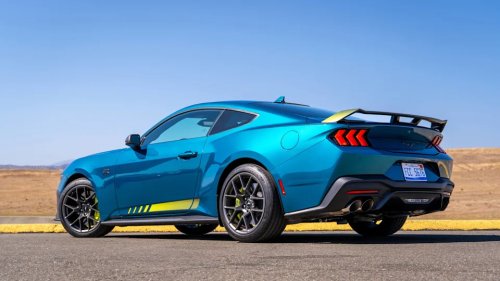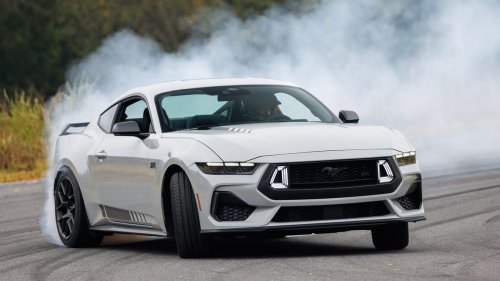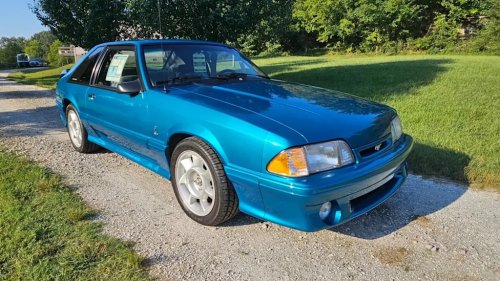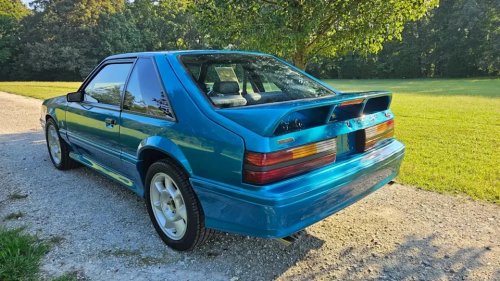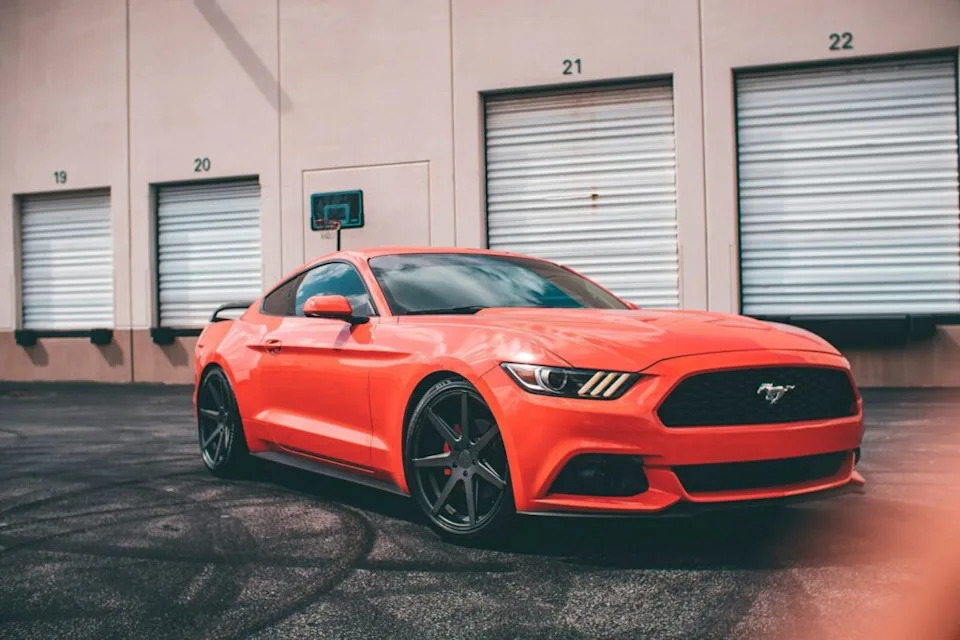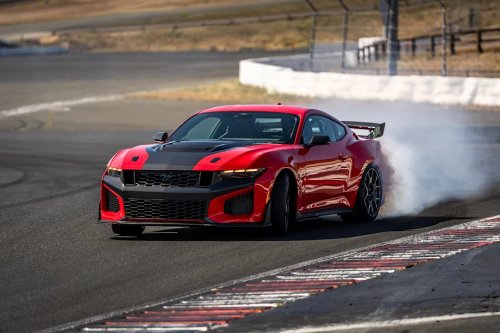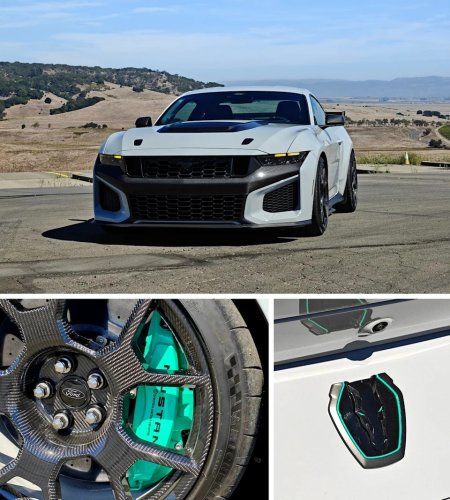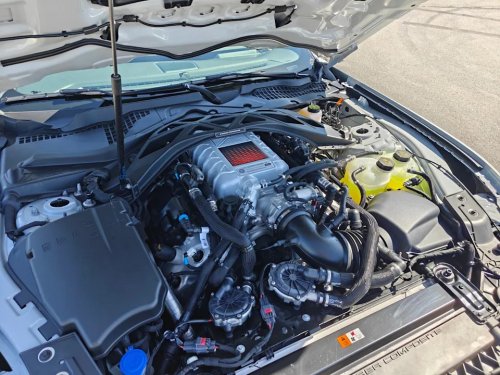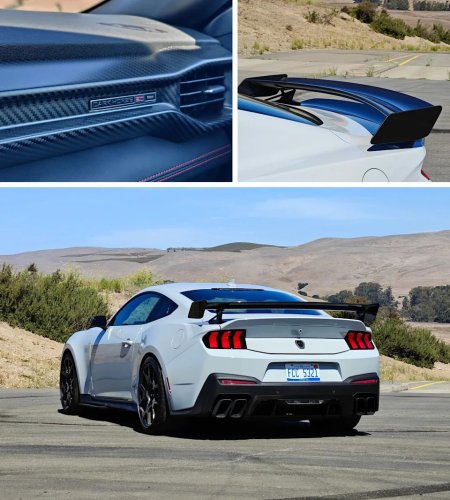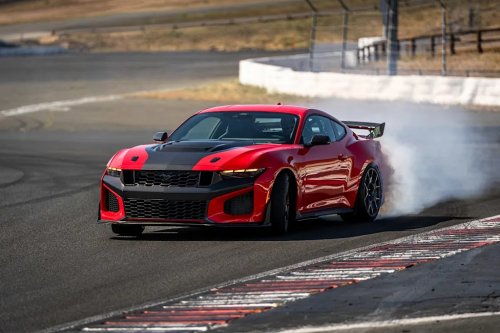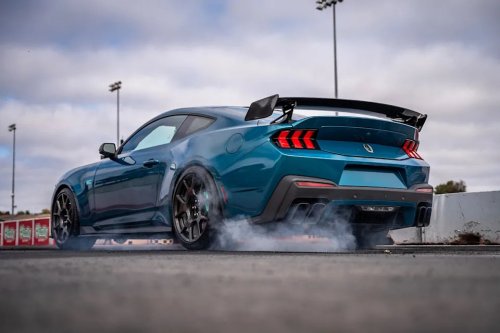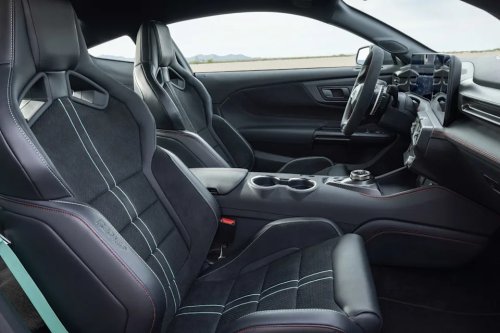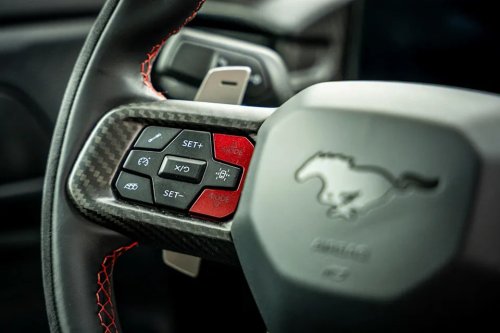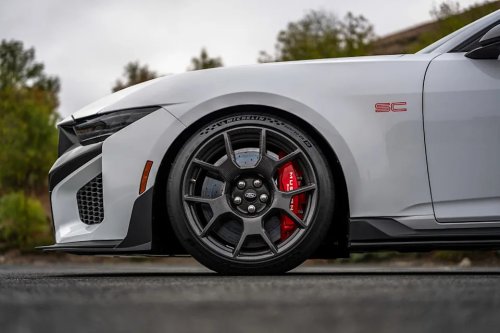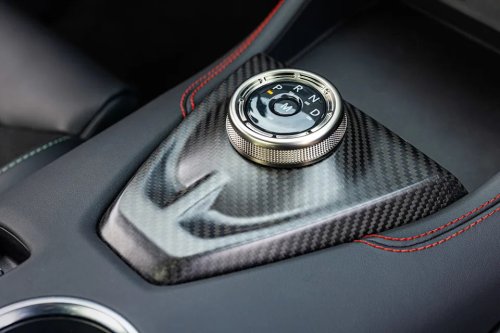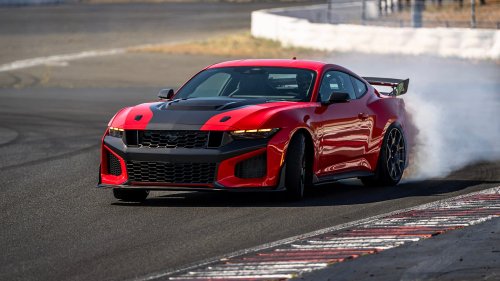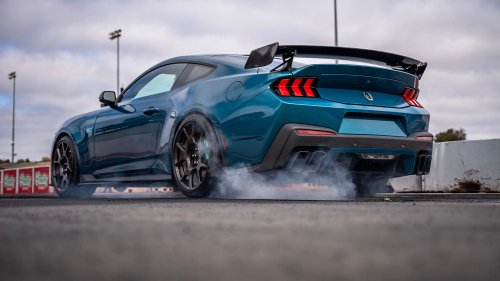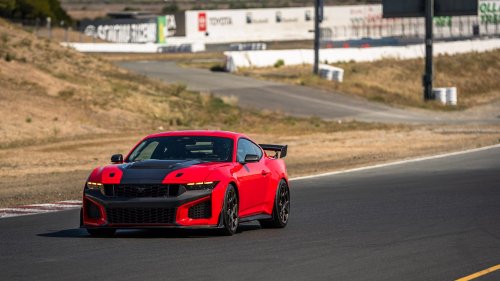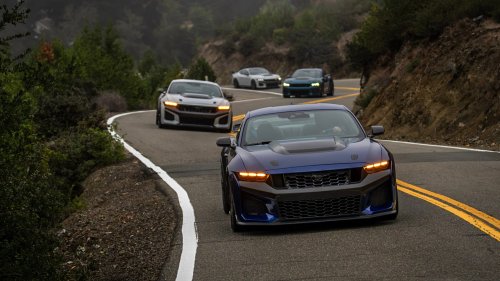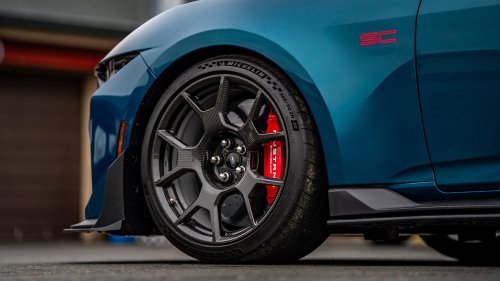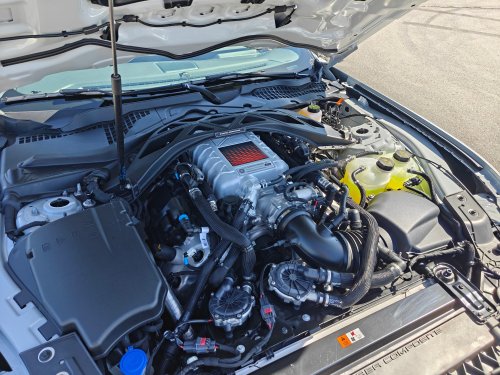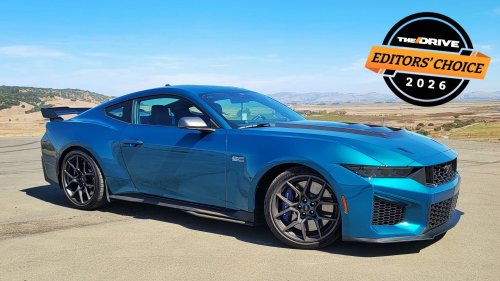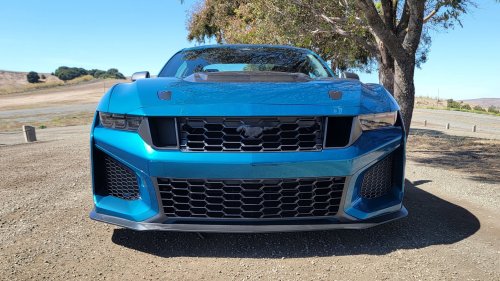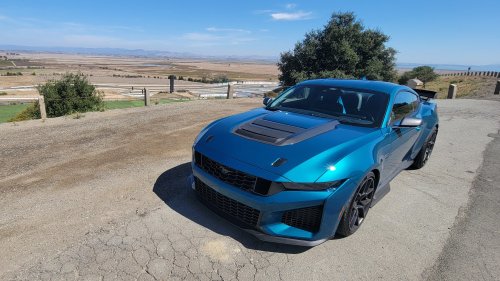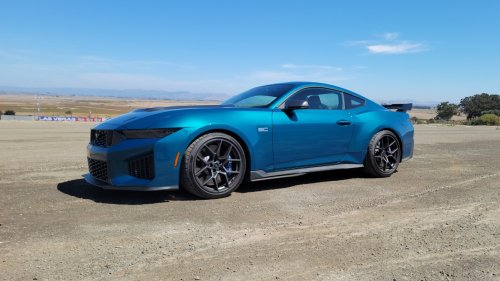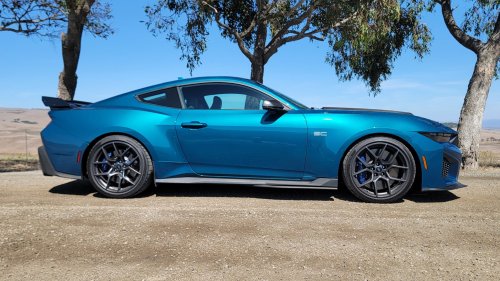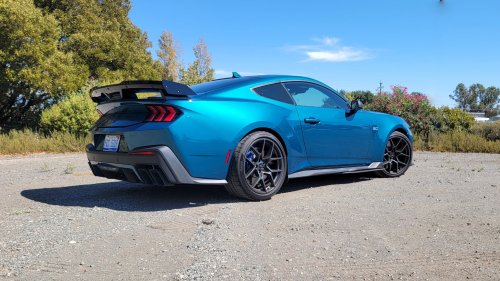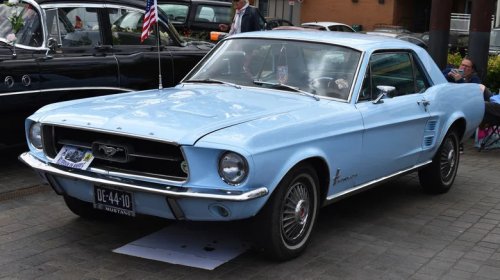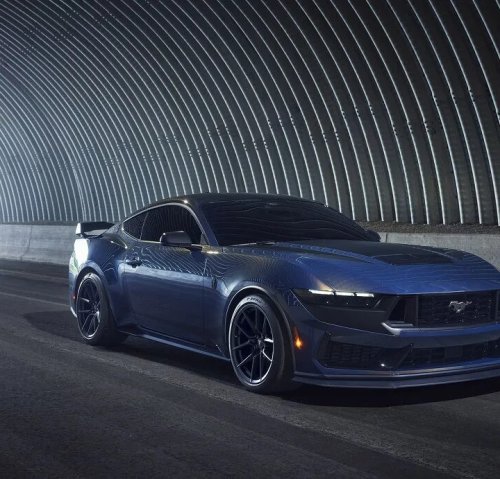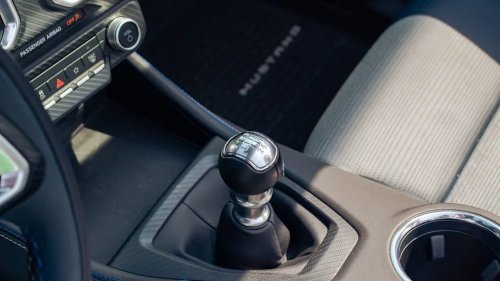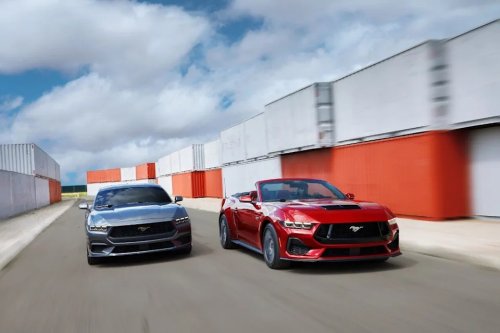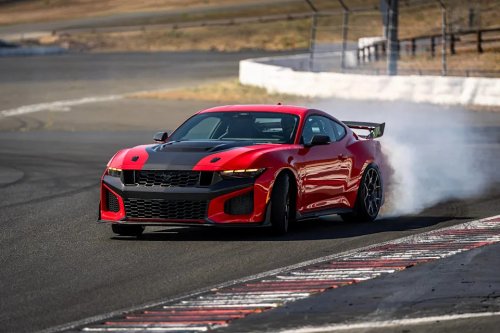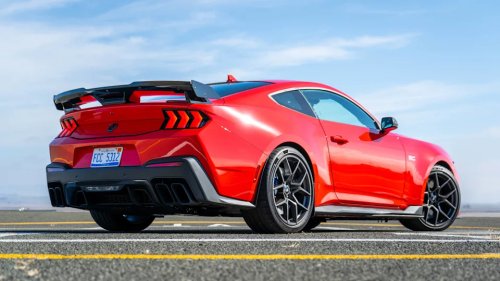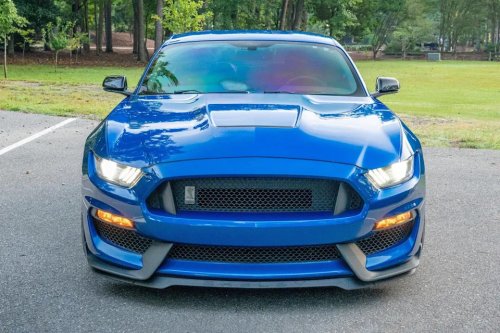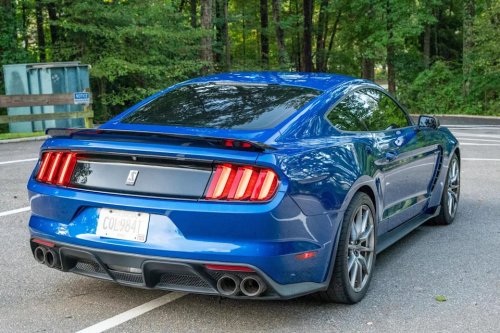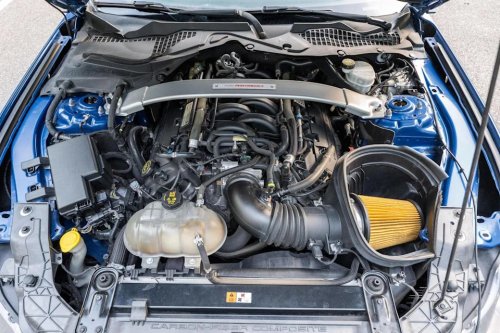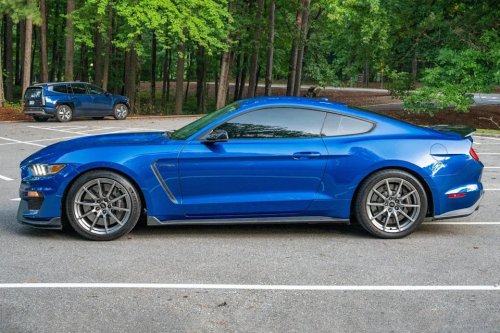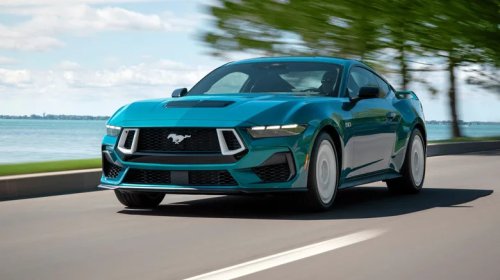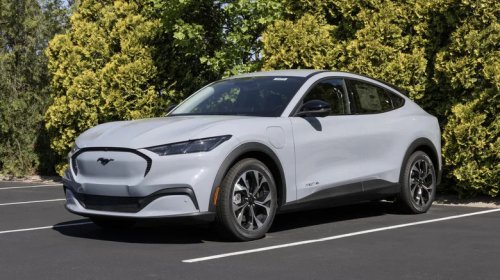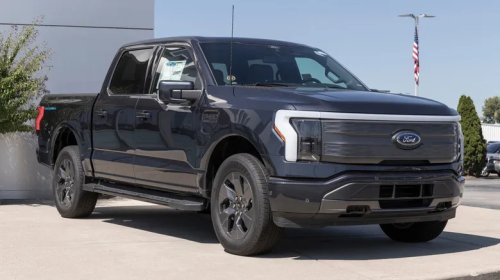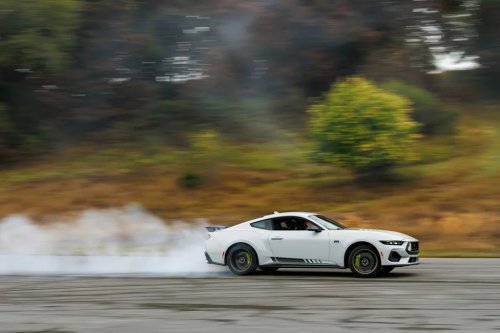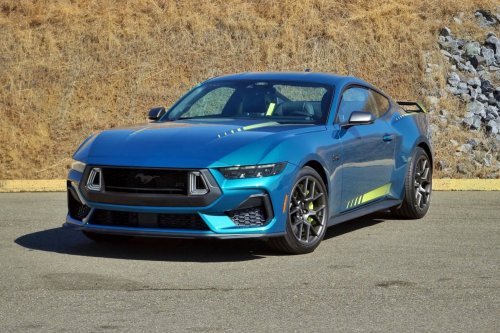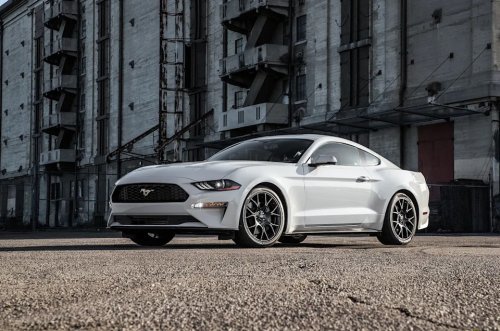
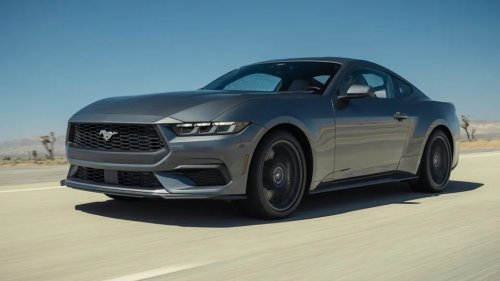
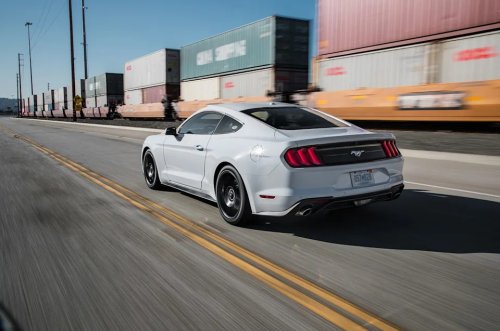
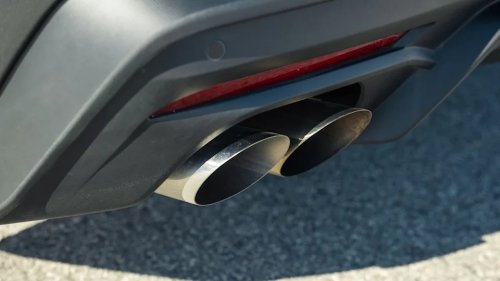
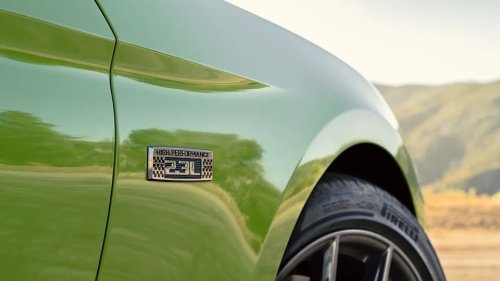



















Ford Mustang EcoBoost Pros and ConsMotorTrend - MotorTrendLet's be clear: The best engine for a Ford Mustang is a V-8. Giving this American pony car the power, feel, and sound of an eight-cylinder engine is patently patriotic motoring.But a V-8 isn't always attainable or practical for some Mustang buyers. Maybe it's too expensive, too inefficient, or too powerful for your needs. Fortunately, not having a V-8 doesn't mean you can't have a Mustang, because Ford also offers it with a different, smaller, entry-level engine: the turbocharged EcoBoost I-4.A Brief History of the Four-Cylinder MustangAlthough the concept of four-cylinder Ford Mustang might seem sacrilegious, there's plenty of historical background for it. Ford has produced inline four-cylinder powered Mustang models over several generations, from a wheezy fuel-saver in the 1970s to the storied Fox-body SVO of the mid-1980s. But when the SN95 generation arrived for 1994, a V-6 became the Mustang's base engine, and it would remain that way for two decades.Then the I-4 Mustang returned in 2015, when the S550 generation went on sale. Specifically, the 2.3-liter EcoBoost turbo-four that Ford still uses in the S650 Mustang.Now that the four-cylinder EcoBoost engine has been available in the Mustang for more than a decade, we decided to look at how it's performed to see if the engine and overall package still makes sense for today's buyers who for whatever reason don't want to go with the V-8. Is it dependable and reliable? What are the pros and cons? Let's get into the details.MotorTrend - MotorTrendMustang EcoBoost SpecsFord has used the EcoBoost label on a variety of turbocharged engines. The one in the Mustang is a turbocharged four-cylinder with 2.3 liters of displacement. Since its debut, the EcoBoost has produced between 310 and 330 horsepower, with between 320 and 350 lb-ft of torque depending on tune. It's been paired with a six- or 10-speed automatic transmission, or, at times, a six-speed manual. As with all Mustangs, rear-wheel drive is standard.How Does EcoBoost Compare to the V-8 Mustang?On paper, the EcoBoost doesn't seem especially quick compared to V-8 models. In practice, though, it's faster than many V-8 Mustangs from previous generations.MotorTrend - MotorTrendIn MotorTrend testing, the slowest 0–60-mph time we've recorded from a Mustang EcoBoost was 6.3 seconds, while the quickest 0–60-mph run came in at 4.9 seconds—not much slower than V-8-powered models from the same generation. Quarter-mile times have dipped into the low 13-second range—respectable, if not GT-quick.Fuel economy is where the I-4 EcoBoost has a clear advantage over V-8 models. The EcoBoost has been rated at 21–22/32–33 mpg city/highway, compared to 14–15/23–25 mpg for the GT. That matters for commuters or anyone who puts serious miles on their Mustang.MotorTrend - MotorTrendThen there's price. The difference has varied over the years, but the Mustang EcoBoost has always been much more affordable than V-8 models, whether it's built as a coupe or convertible. In the S650 generation, the entry-level EcoBoost is over $10,000 less expensive than the basic GT.Other expenses add up, too. Tire replacement, insurance, and routine ownership costs also tend to favor the EcoBoost.Is the Mustang EcoBoost Fun to Drive?Aside from numbers, choosing the EcoBoost engine in the Mustang provides a driving experience that's unique and appealing compared to V-8 models.MotorTrend - MotorTrendChoosing EcoBoost changes the Mustang's driving character. With less mass over the front axle than a GT, the Mustang EcoBoost feels lighter on its feet, turning in more eagerly and feeling more balanced from front to rear. Although the Mustang is best known as a muscle car, with the EcoBoost engine its handling becomes relatively agile. Also, the new Ford Mustang RTR, which is tuned by famed drift star Vaughn Gittin, Jr., and his RTR team, uses the EcoBoost engine as its power base, which should tell you something about how much fun it can be.Mustang EcoBoost High Performance Package ExplainedAt different times, Ford has offered the Mustang EcoBoost with options that increase its sporty potential. The High Performance package added power, borrowing a revised cylinder head and other hardware from the Focus RS hot hatchback. It was also fitted with a louder exhaust system, larger brakes, a shorter rear-end ratio, and chassis bracing to sharpen the experience. It worked, changing the base Mustang from feeling mass-market to connected and exciting.Does the Mustang EcoBoost Sound Good?There's no denying it: The EcoBoost doesn't sound like a V-8, and no amount of turbo whoosh or exhaust crackle can replicate that signature rumble. Even so, the EcoBoost doesn't sound bad—just different, with an aggressive growl.MotorTrend - MotorTrendEnthusiasts will almost certainly prefer V-8 audio, but the EcoBoost's quieter, more subdued sound is perfectly acceptable and potentially better for daily drivability.Does the Mustang EcoBoost Have Reliability Issues?Overall, the Mustang EcoBoost is a solid, dependable powertrain when properly maintained. Like any modern turbocharged engine, it benefits from staying current on oil changes and scheduled maintenance.In some enthusiast circles, the EcoBoost has earned the nickname "EcoBoom." That refers to some known cases of catastrophic engine failures, often involving coolant intrusion that led to misfires, head gasket failure, or internal engine damage. While owner reports and litigation highlight the issues, it's important to separate anecdotes from established facts. Some EcoBoom problems seem associated with engines that have been modified or tuned.Generally, EcoBoost reliability is typical of a modern turbocharged, direct-injected engine. Like nearly every automaker, Ford has issued technical service bulletins addressing software and drivability concerns. For used-car shoppers, maintenance history matters more than internet lore. A well-maintained, unmodified Mustang EcoBoost with documented service records is a better bet than a neglected or modified example.Is the EcoBoost Still a Real Mustang?Perhaps the EcoBoost isn't the definitive Mustang engine. That honor still belongs—and always will—to the V-8. But the turbocharged I-4 still has merits. With strong performance, balanced handling, improved fuel economy, and a significantly lower price, the EcoBoost delivers a driving experience that's rewarding in its own way.MotorTrend - MotorTrendIt may be the lineup's entry point, but in our opinion, it's still every bit a Mustang. And hey, at least it's not all-electric.