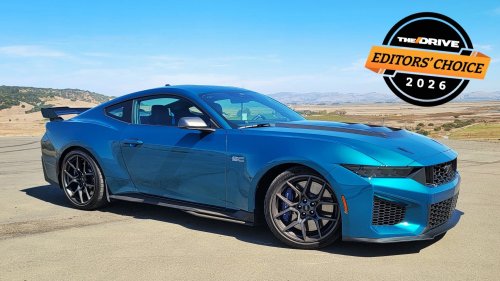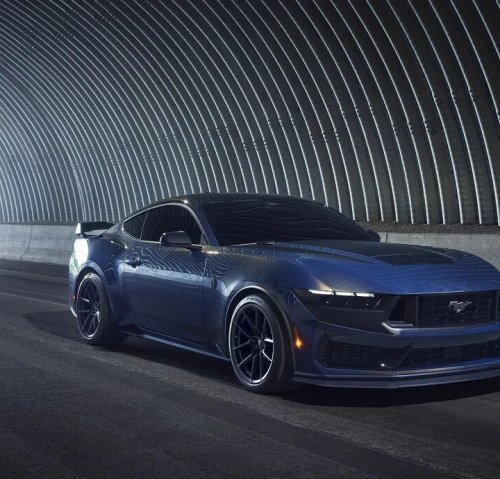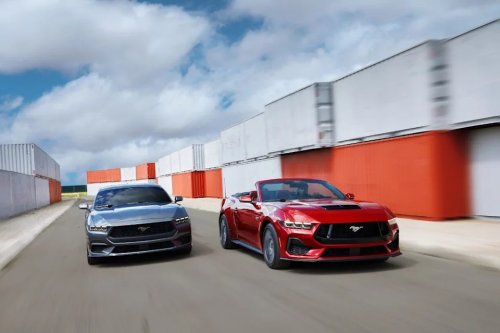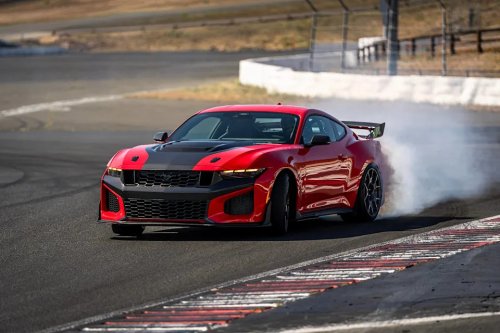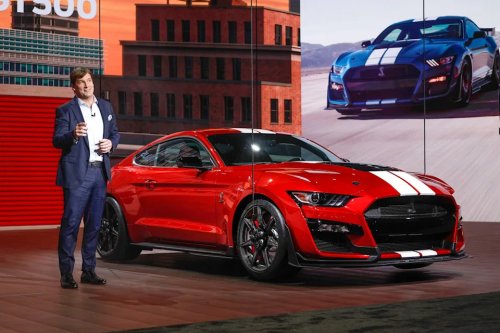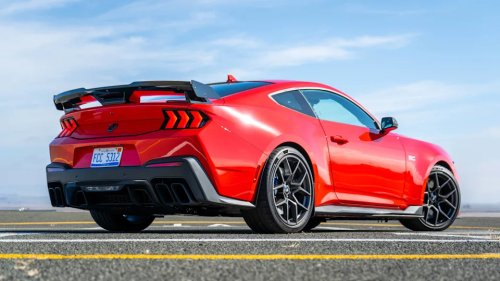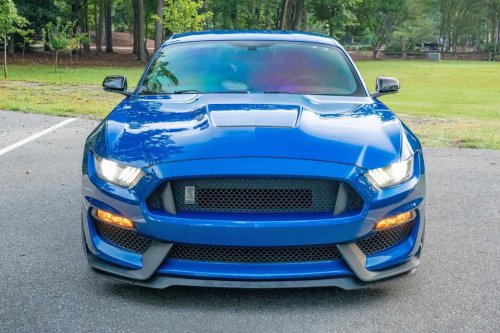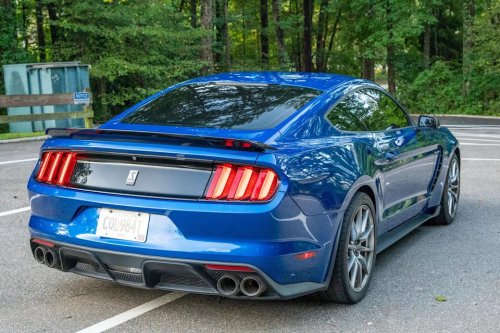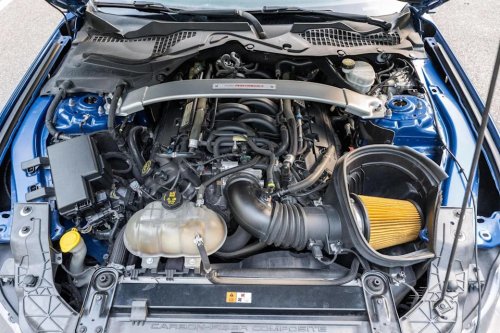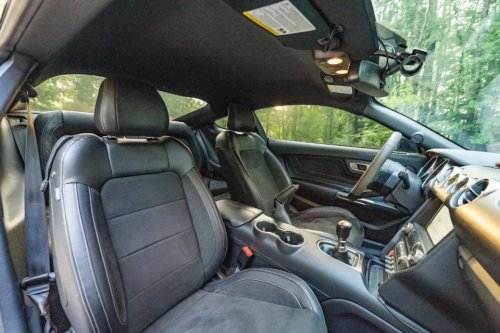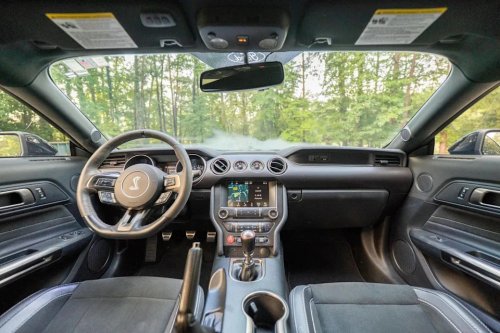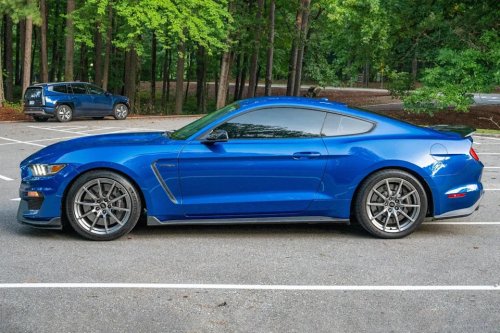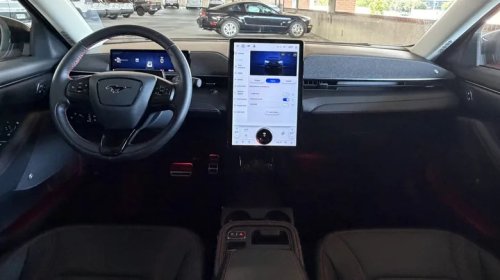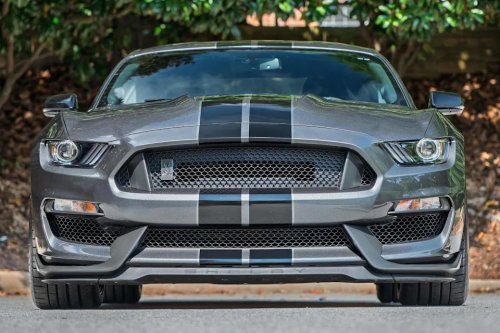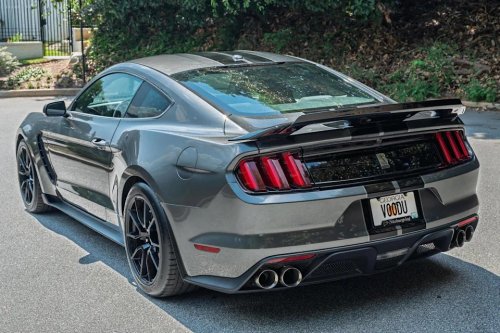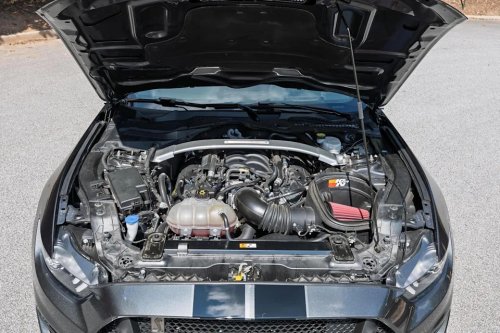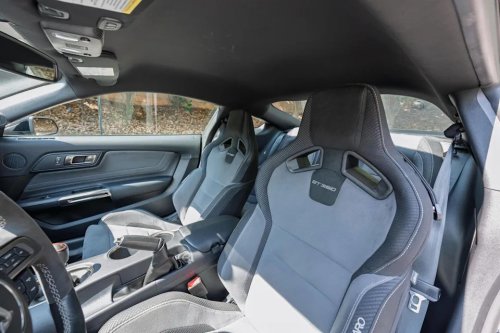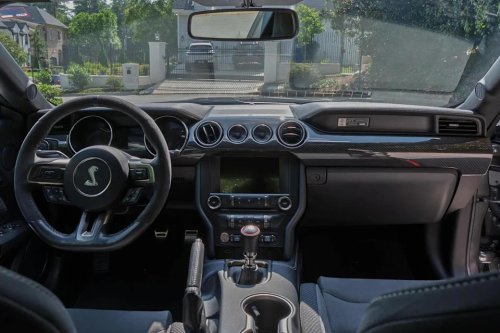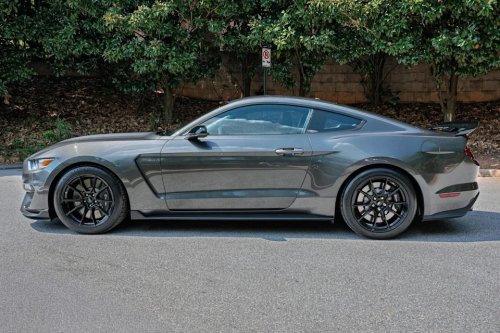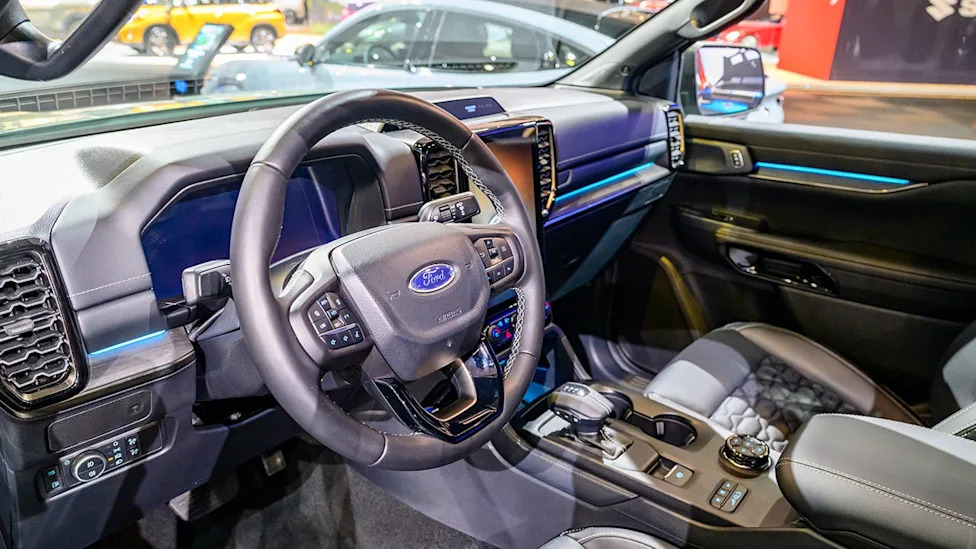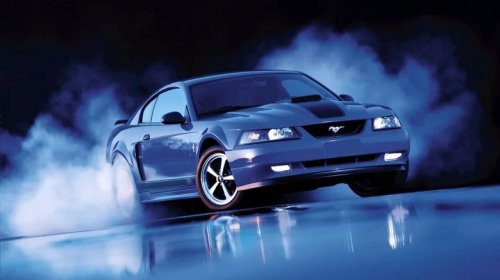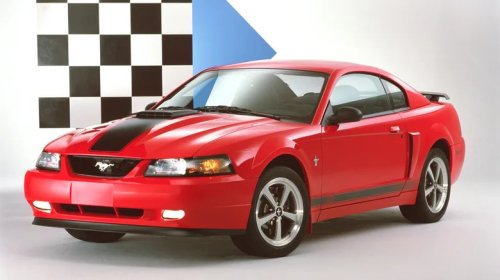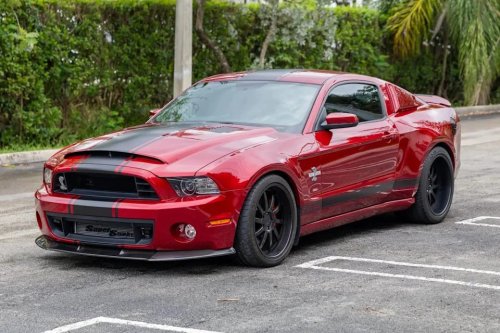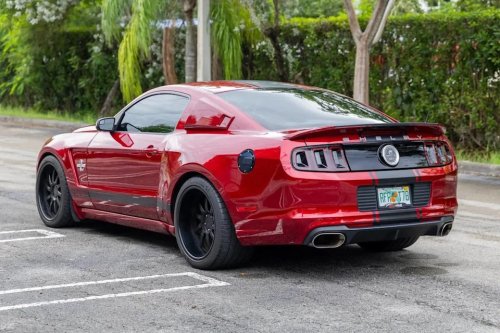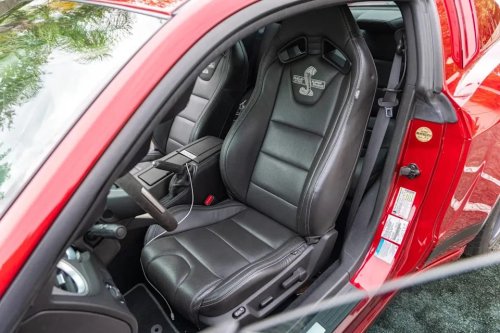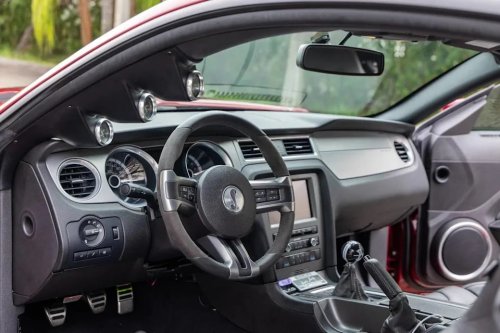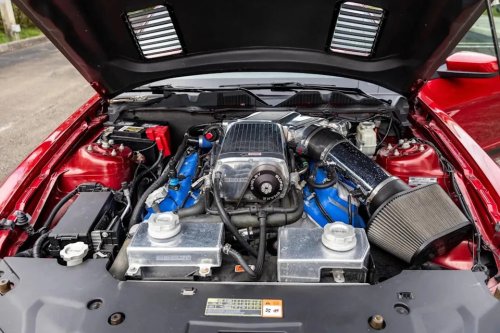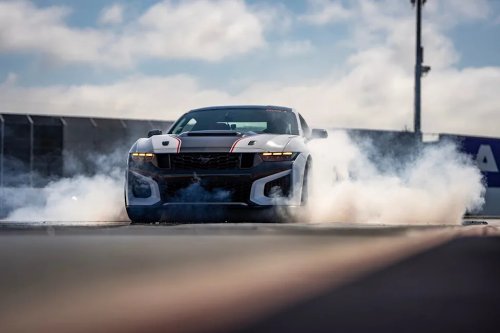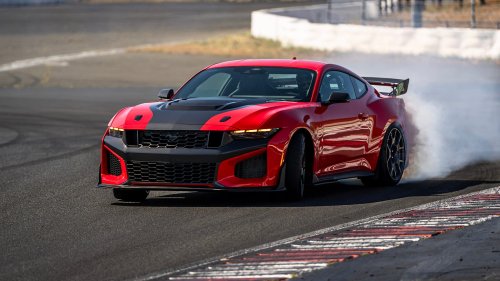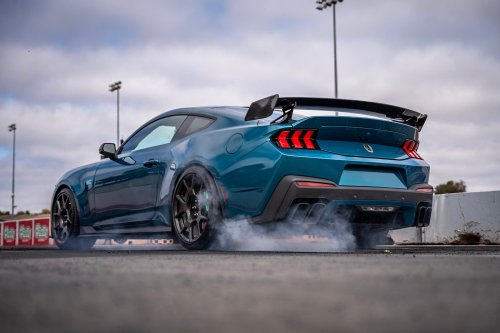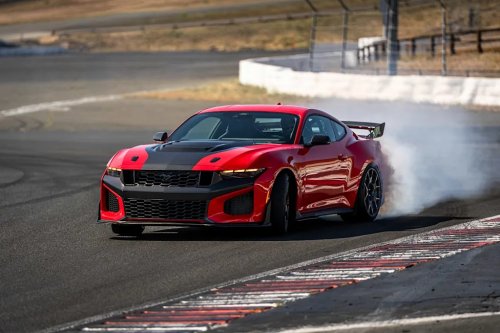
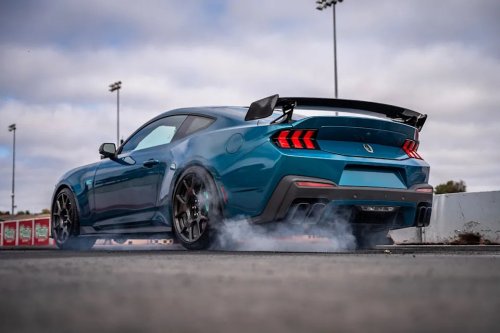
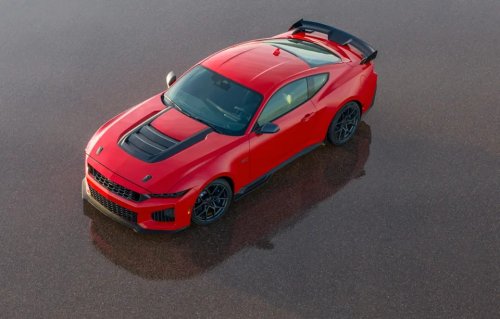



















2026 Ford Mustang Dark Horse SC Gallops at a Faster PaceFordPorsche perfected the concept of producing a hierarchy of variants of the same car, with increasing levels of performance, greater scarcity, and, of course, higher prices. The people in Chevrolet's Corvette group have learned this lesson well, and the latest to adopt this strategy is Ford with the Mustang, as evidenced by the new Dark Horse SC, which sits just below the pinnacle of the Mustang roadgoing stable that is the GTD.SC stands for supercharged, and this car is essentially the successor to the Shelby GT500, but on the current S650 Mustang platform. The reason it's not called a Shelby is due to the latest shift in Ford Performance's marketing musical chairs that goes back to the alphabet soup of SVO, SVT, SVE that we've seen over the years.FordThis time the change comes down to the company's emphasis on Ford—or really Mustang—Racing (which is Ford Performance's new name). Among the racing Mustangs already extant, you'll find the Dark Horse R, the Mustang GT4, and the Mustang GT3. Moreover, these racing Mustangs and the various street cars are all developed by the same Ford Racing engineering team. And since there are no racing Shelbys, the latest model is divorced from that famous name and called a Dark Horse to keep it in the family.Under the hood, you'll find the double-overhead-camshaft 32-valve 5.2-liter V-8 that's much like the one that motivated the GT500, the current F-150 Raptor R, and the Mustang GTD. It uses the same Eaton TVS R2650 blower, now spinning a bit faster, thanks to a smaller-diameter pulley on its nose. This produces a peak of 13.7 psi of boost—up from 12.0 in the GT500—which is enough to bump horsepower to 795 and torque to 660 pound-feet of torque in comparison to 760 horses and 625 pound-feet in the older Shelby GT500. That output drives the rear wheels through the same slick-shifting Tremec seven-speed dual-clutch automatic transmission.FordThis V-8 also sounds terrific. The active mufflers provide four levels of sound—with Quiet, Normal, Sport, and Track modes—and none of them could be described as shy. The V-8's cylinder eruptions burst forth even in Quiet mode if you toe into the throttle even a little bit. In Track mode, the car bellows like a NASCAR stocker. When driven in anger, you can hear these cars a block away.We haven't yet had the opportunity to properly test the Dark Horse SC, but we did a few runs on the drag strip at Sonoma Raceway. Elapsed times varied from the low 11s to high 10s, with trap speeds in the low to mid-130s. During testing, our best time for the GT500 was 11.3 seconds at 132 mph, and with 35 more ponies, similar weight, and stickier Michelin Pilot Sport Cup 2R tires (with the Track Pack); we would expect an ET in the high 10s and a few more mph at the trap.FordWhat's interesting is that despite this exuberant soundtrack and the car's heroic performance, the Dark Horse SC is remarkably refined. We drove both the standard version (base price: $108,085, including $2600 gas guzzler tax) and one with the Track Pack ($144,585), and both worked great on the street. There's also a Special Edition model that goes for a lofty $175,565.It helps that all SCs are equipped with adaptive magnetorheological dampers, which the Ford engineers calibrated superbly. The suspension on both versions we piloted controls body motions tightly while also riding well. The cars also have sharp steering and easily modulated—and giant—brakes.FordThe Track Pack car is particularly impressive. Despite a slightly stiffer suspension, half-inch wider wheels, and the Michelin Pilot Sport Cup 2R tires, the car never banged or crashed on even sharp bumps. With this package, the steering seems particularly responsive and immediate, yet the car is not at all darty on undulating pavement. And the carbon-ceramic brakes that come with the package are even easier to modulate than the base car's iron stoppers.The carbon-fiber wheels and carbon-ceramic brakes that come with this package—as well as the deleted rear seats—are said to cut some 150 pounds, with about 120 pounds of that being rotating mass. Maybe there is something to this reducing unsprung weight business.As part of the test drive, we also got a few hot laps around the Sonoma road course, which, of course, is the current name for the famous Sears Point track, with its infamous carousel and esses.We were in the Track Pack cars, which have an adjustable rear wing and customer-installed wicker-like appendages on the front splitter. The cars also had the rain tray removed from the hood vents, which increases front downforce substantially.Total negative lift amounts to 620 pounds at 180 mph—a speed we could never approach on the track. However, the downforce is greater in the rear than the front, which makes for a bit of increasing high-speed understeer—never a bad thing in a fast, challenging corner.There are six levels of traction control that you can easily adjust when in Track mode, and that provides comforting reassurance when you start pushing this powerful and heavy car. The giant 16.5-inch-diameter and 1.6-inch-thick carbon-ceramic front rotors (the non-Track Pack cars utilize the same size rotors, just constructed from the aforementioned iron) are very powerful and easily slow the car, though in the track environment, they feel touchier than they did on the street. Perhaps higher pad temperatures compromise the initial softness that feels so comfortable at a slower pace.FordWe never quite got up to full speed in our few laps, but the SC felt fast and responsive. In Track mode, the transmission shifts very well when left to its own devices. It promises to be a great track-day toy. Just don't use up those carbon-ceramic brakes too quickly. They likely cost 20 big ones to replace.Taking a long trip in the SC should be reasonably comfortable, with very nice seats, an excellent driving position, and enough luggage space for the clothes you're likely to need at a Mustang gathering. Despite the great steering, the car's 76.5-inch width does feel bulky on narrow back roads, but that's a common problem these days.FordThe giant screen presents a nice variety of useful instrument display choices and offers the various electronic navigation and entertainment aids we all expect these days. But it feels vaguely out of place in a Mustang, especially as it eliminated the traditional twin-cowl dashboard layout. The HVAC controls are on the screen, but at least they're decently sized and always visible.The satisfying, but incessant, exhaust soundtrack might get tedious on a long drive. Other Mustangs might be better choices for such trips. The Dark Horse SC was created for all manner of motorized enjoyment—but long hours in the saddle might not be one of them.➡️ Skip the lot. Let Car and Driver help you find your next car.Shop New Cars Shop Used CarsGift Guide: Best Ride-On Electric Cars for KidsFuture Cars Worth Waiting For: 2025–2029