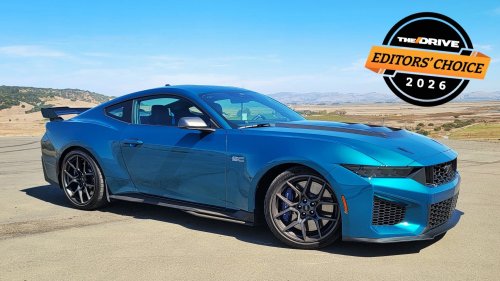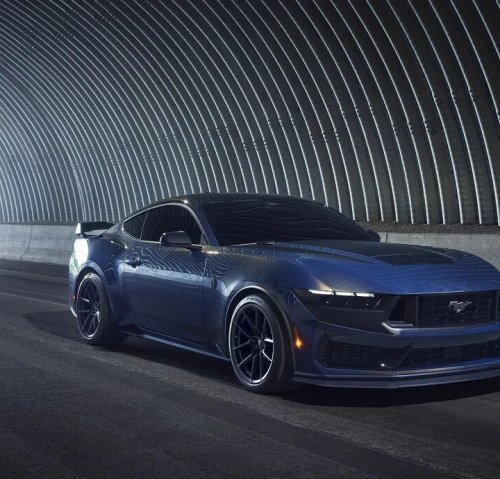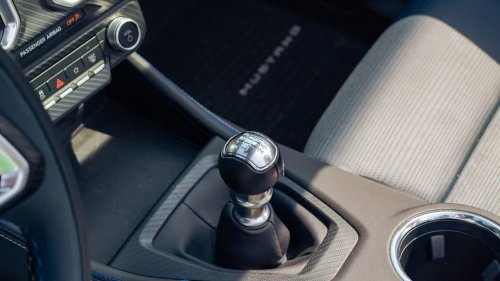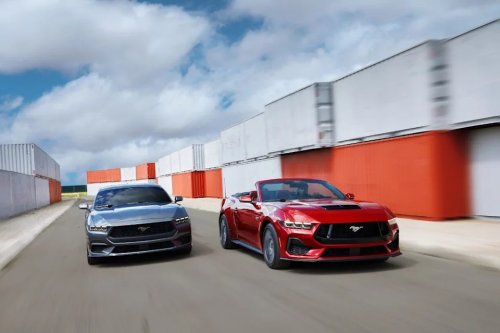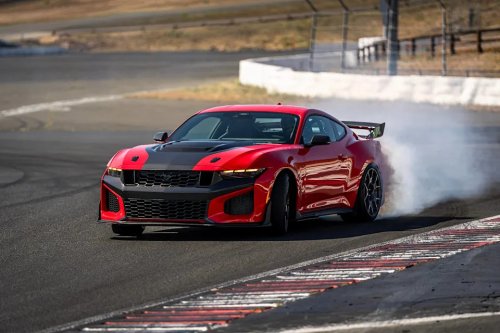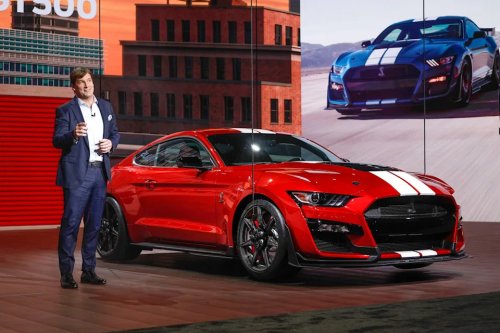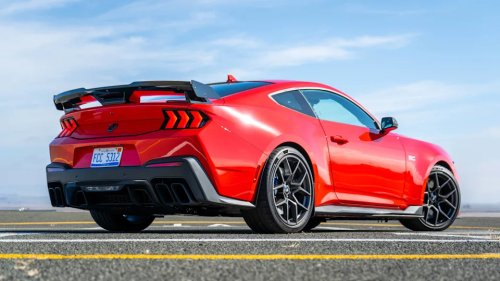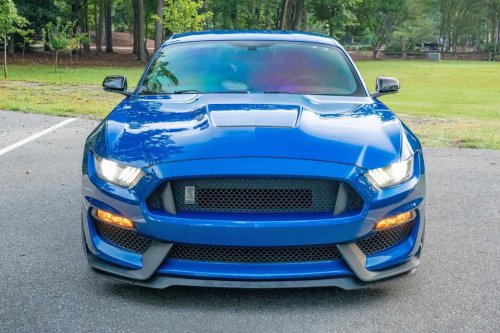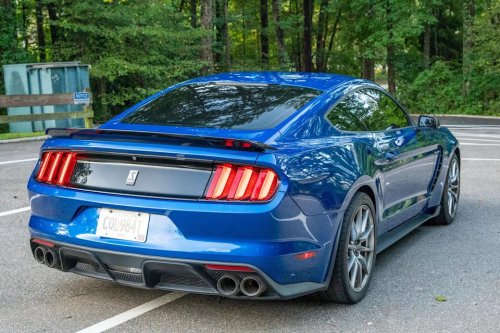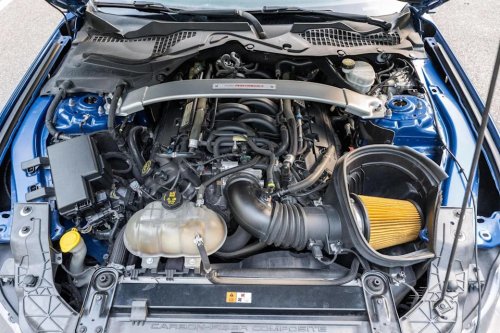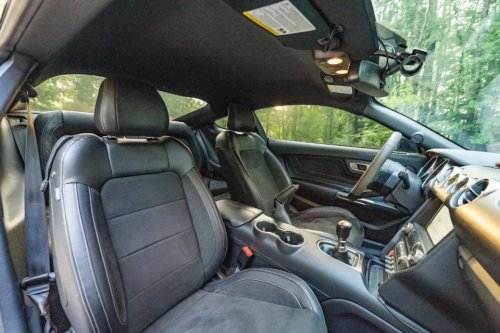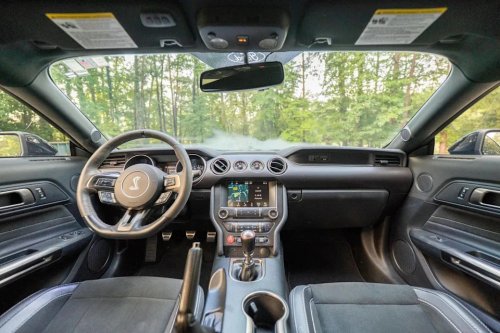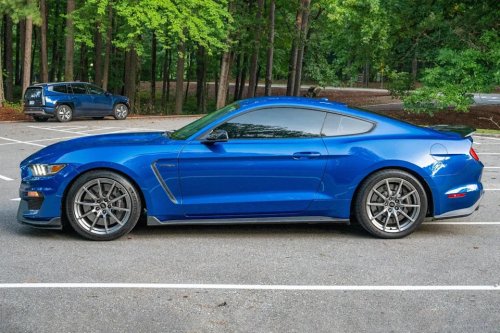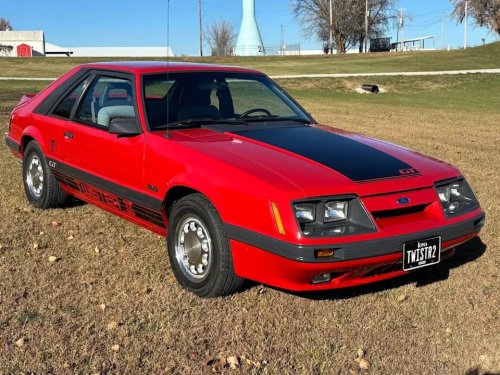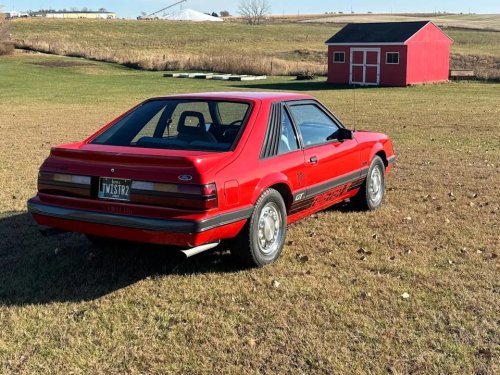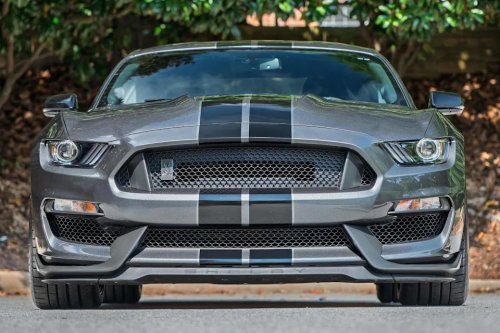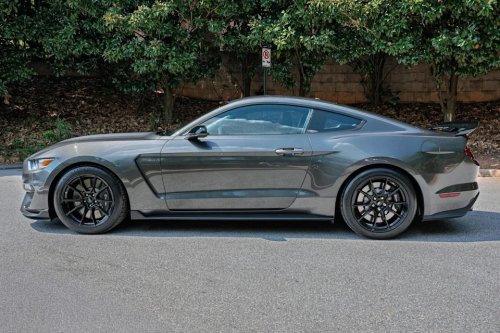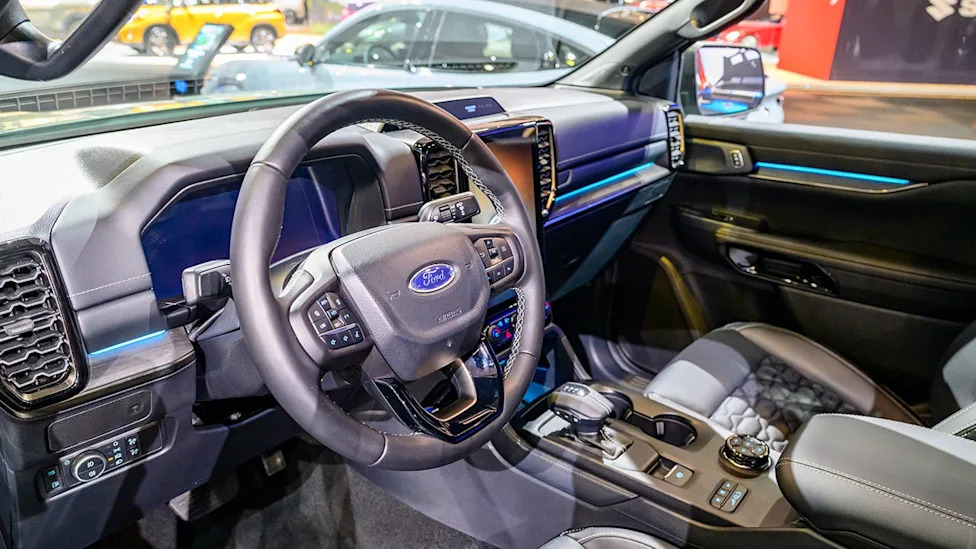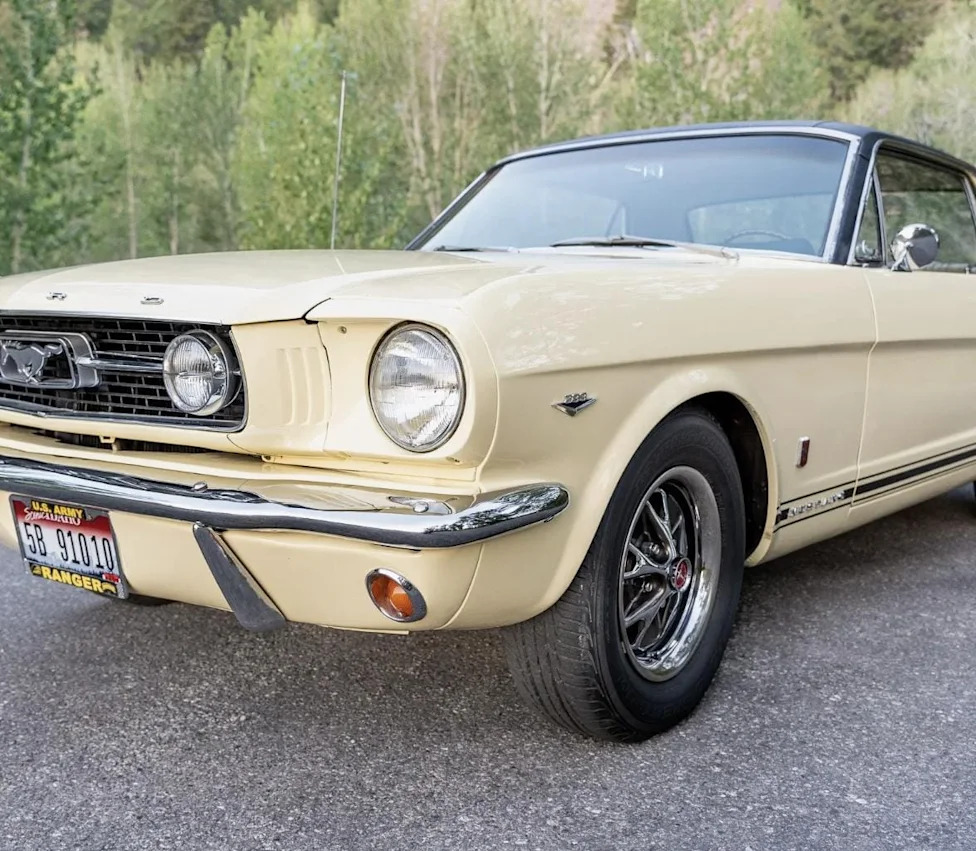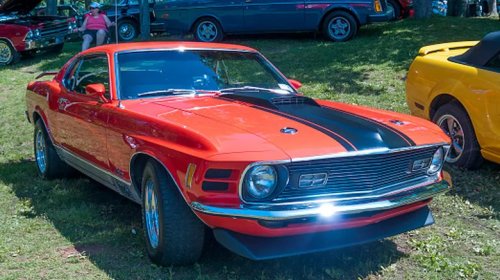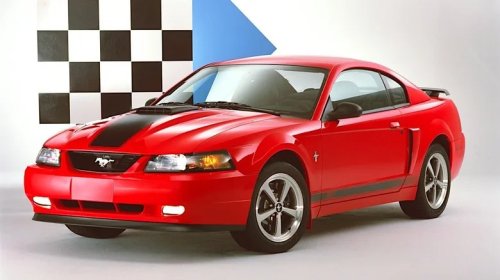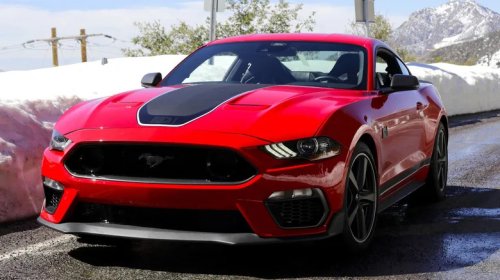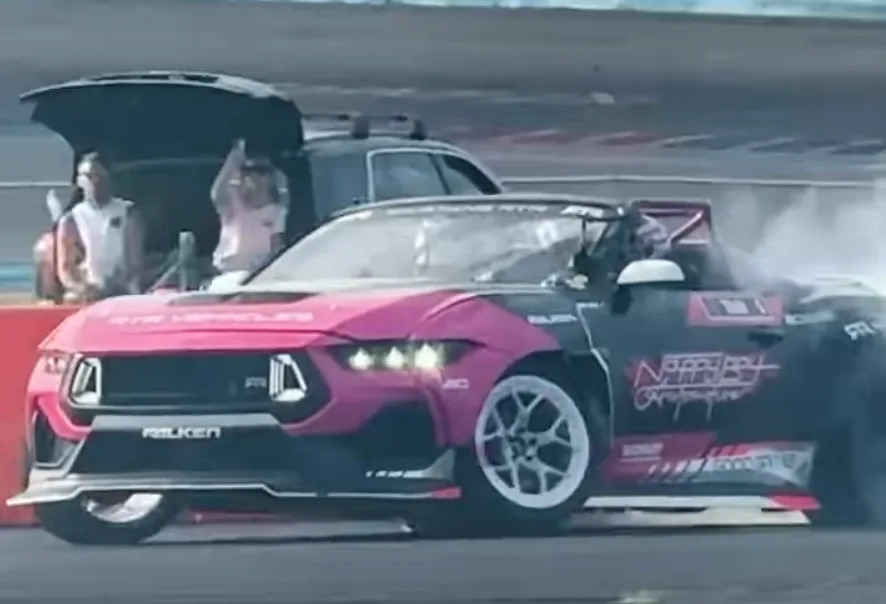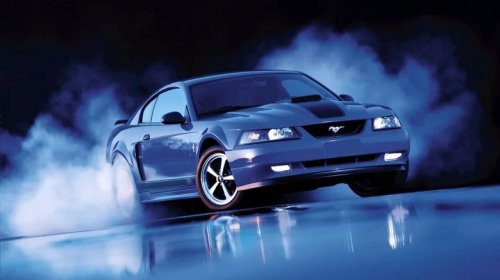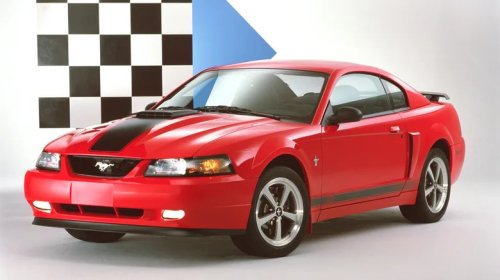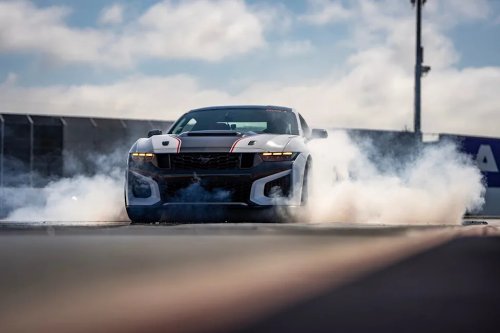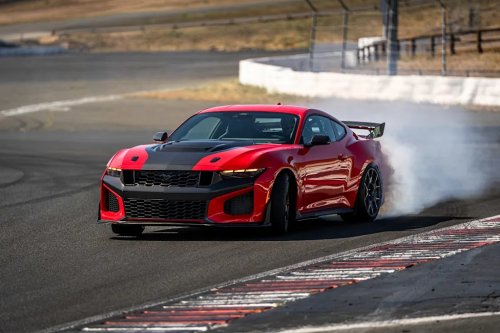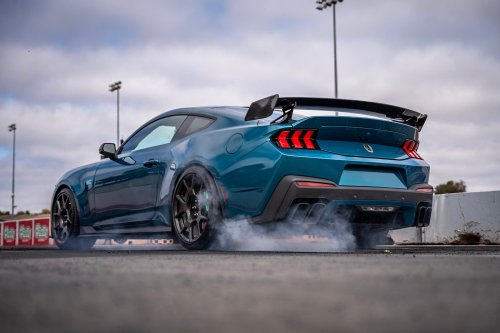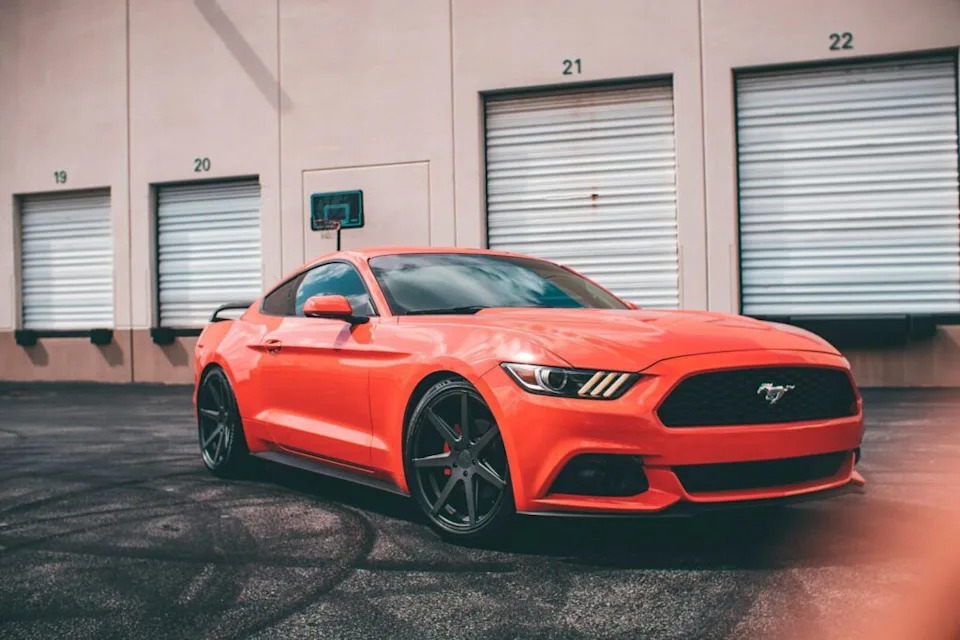



















Ford appears determined to keep the Mustang name alive for the long term, even as the market for traditional sports cars reportedly continues to shrink. However, the future of the muscle car's V8 engine may be less certain than that of its manual transmission.Ford CEO Jim Farley has been a strong advocate for the Mustang, as well as the company's renewed focus on performance cars, motorsport, and V8-powered vehicles. He has also highlighted the Mustang's importance to Ford's performance-car strategy, particularly in the US market, where the V8 remains popular.When Farley was asked earlier this year whether there could ever be a time when Ford no longer produces a Mustang, his response was unequivocal: "No, not while I'm at the company."However, when Australia's Drive followed up by asking whether Ford would try to preserve the Mustang "with a V8 in its current form" – essentially maintaining the configuration enthusiasts have "known for 60 years" – Farley did not specifically mention the engine. Instead, his response focused on the manual gearbox.red bmw m 3 coupe parked in garage"Out of our cold, dead hands will we not have…," Farley said, pausing before completing his sentence, "… a manual Mustang."Farley specifically used the word "manual," despite it not being part of the original question, while avoiding a direct commitment to the V8. This may suggest Ford sees the manual transmission as something it is more determined to retain than the current eight-cylinder engine.The Mustang's 5.0-litre 'Coyote' V8, introduced with the seventh-generation S650 model, continues to be offered in European markets. Ford's European specifications list the V8 alongside both manual and automatic transmissions, with the engine certified under the region's applicable emissions and fuel-consumption testing requirements.However, future emissions regulations could still create additional challenges for large-displacement combustion engines. Ford has demonstrated its commitment to the Mustang by developing the seventh-generation S650, but that does not necessarily guarantee that the current V8 configuration will remain unchanged indefinitely.For now, Ford has not indicated that the Mustang will lose its V8. The company's continued investment in the Mustang and its performance-car lineup suggests the engine remains part of the car's current identity, but Farley's comments stop short of guaranteeing that the 5.0-liter V8 will remain in the Mustang indefinitely. That leaves the V8's long-term future less certain than the Mustang nameplate itself.