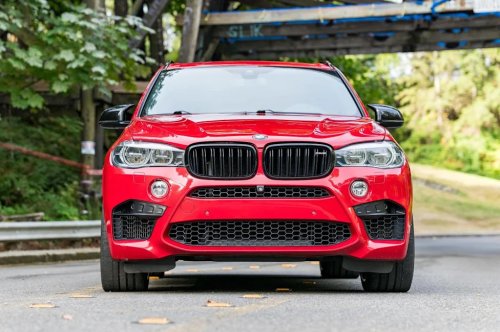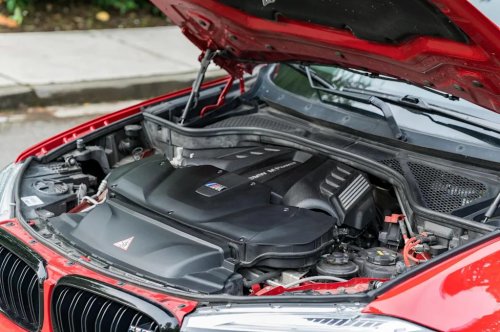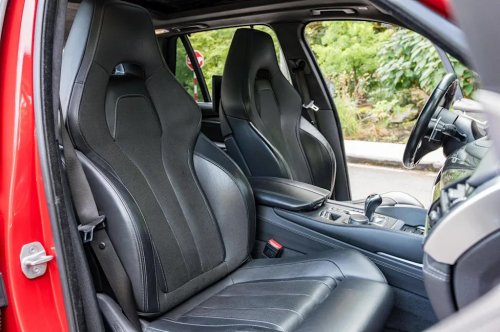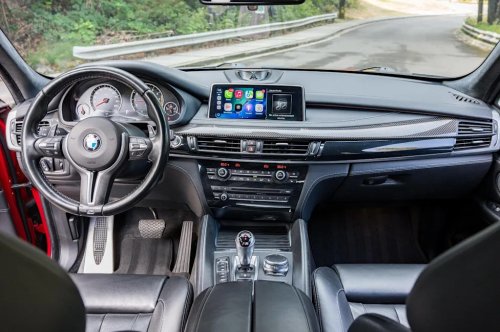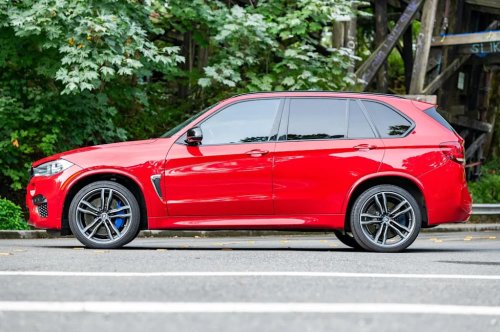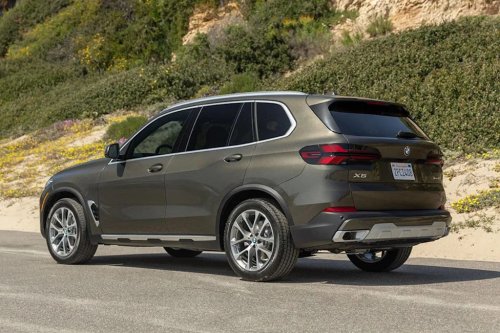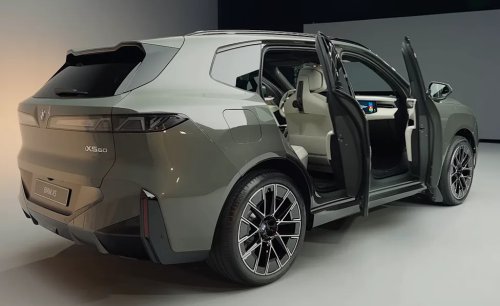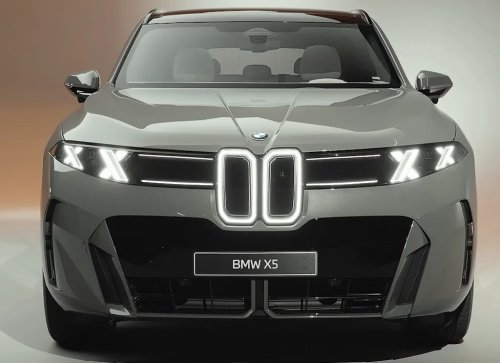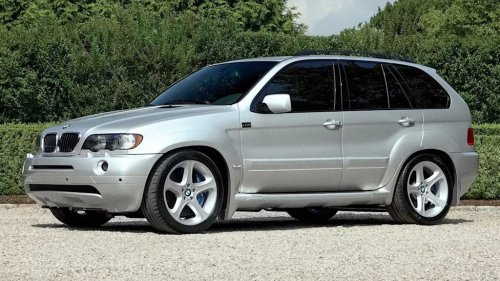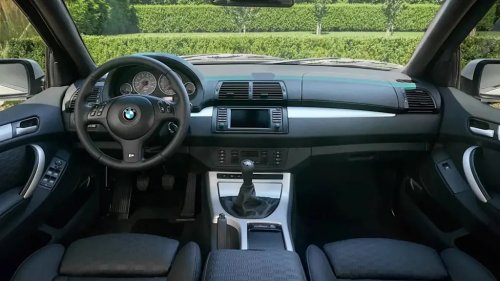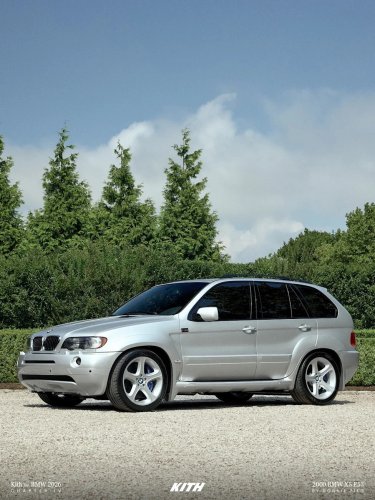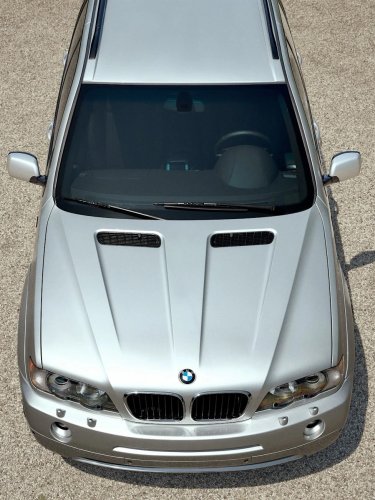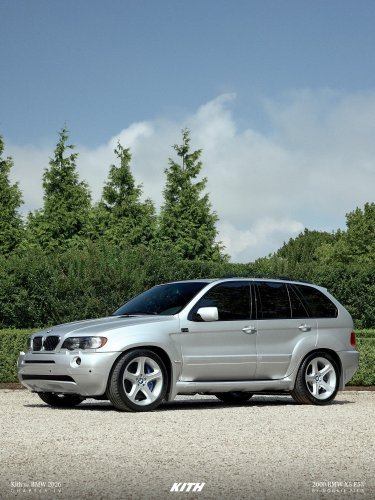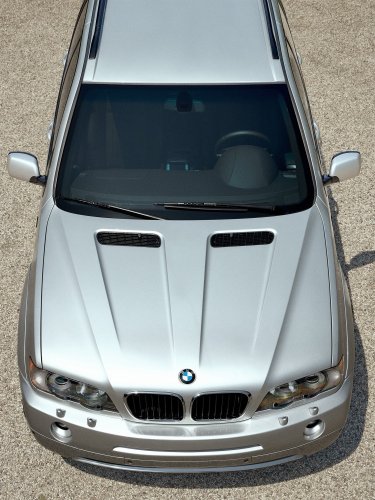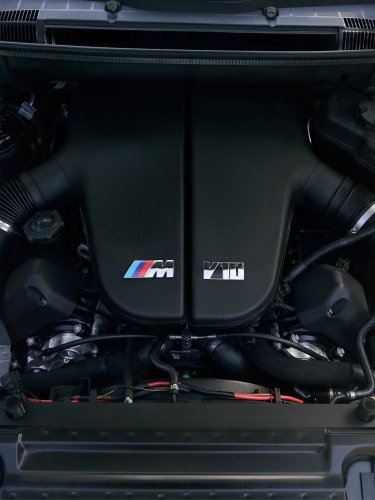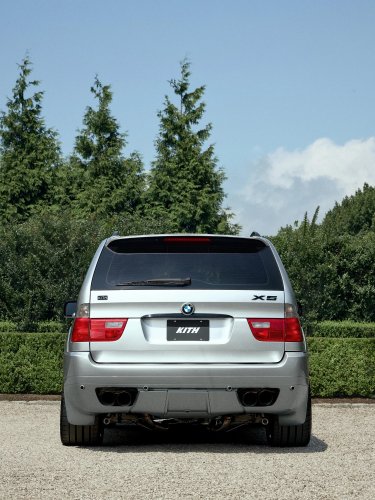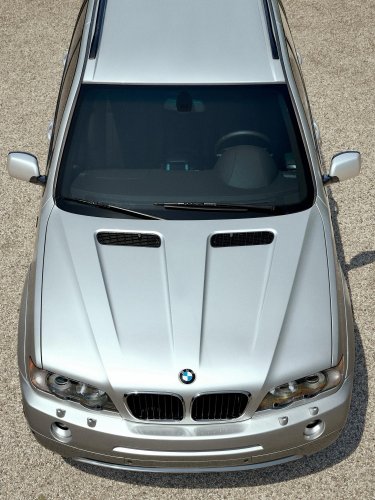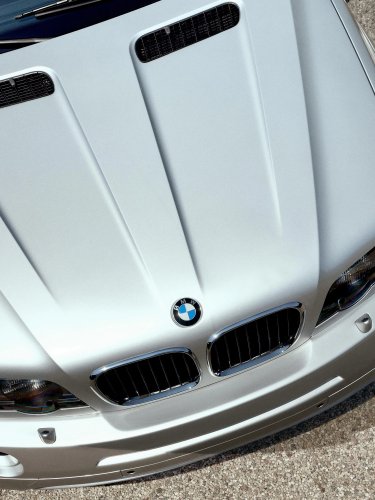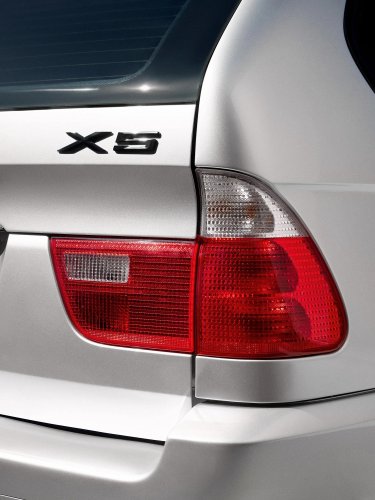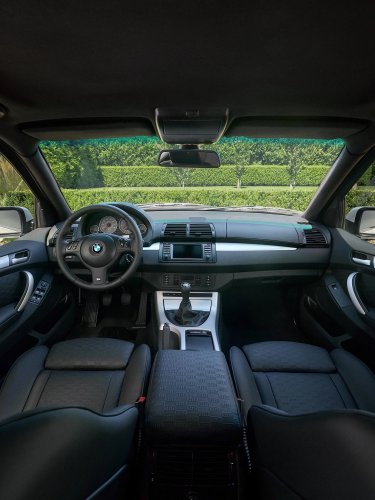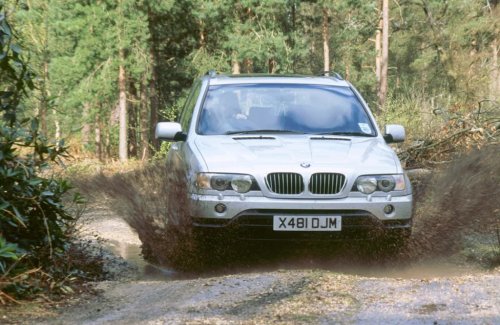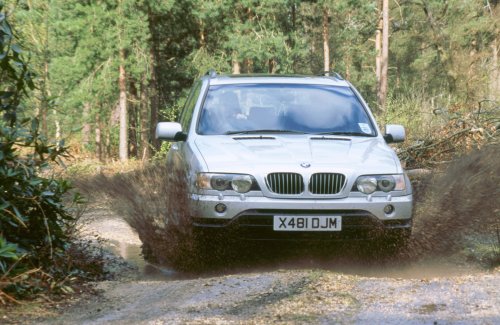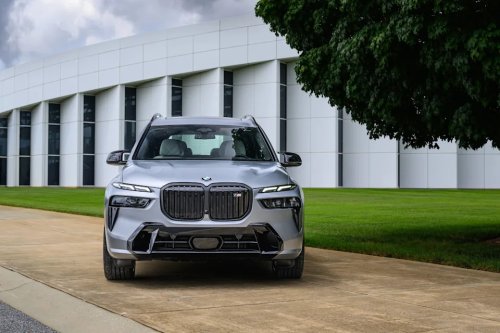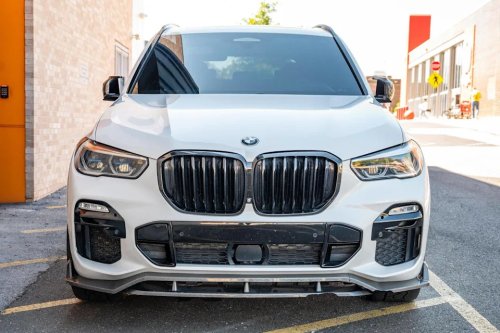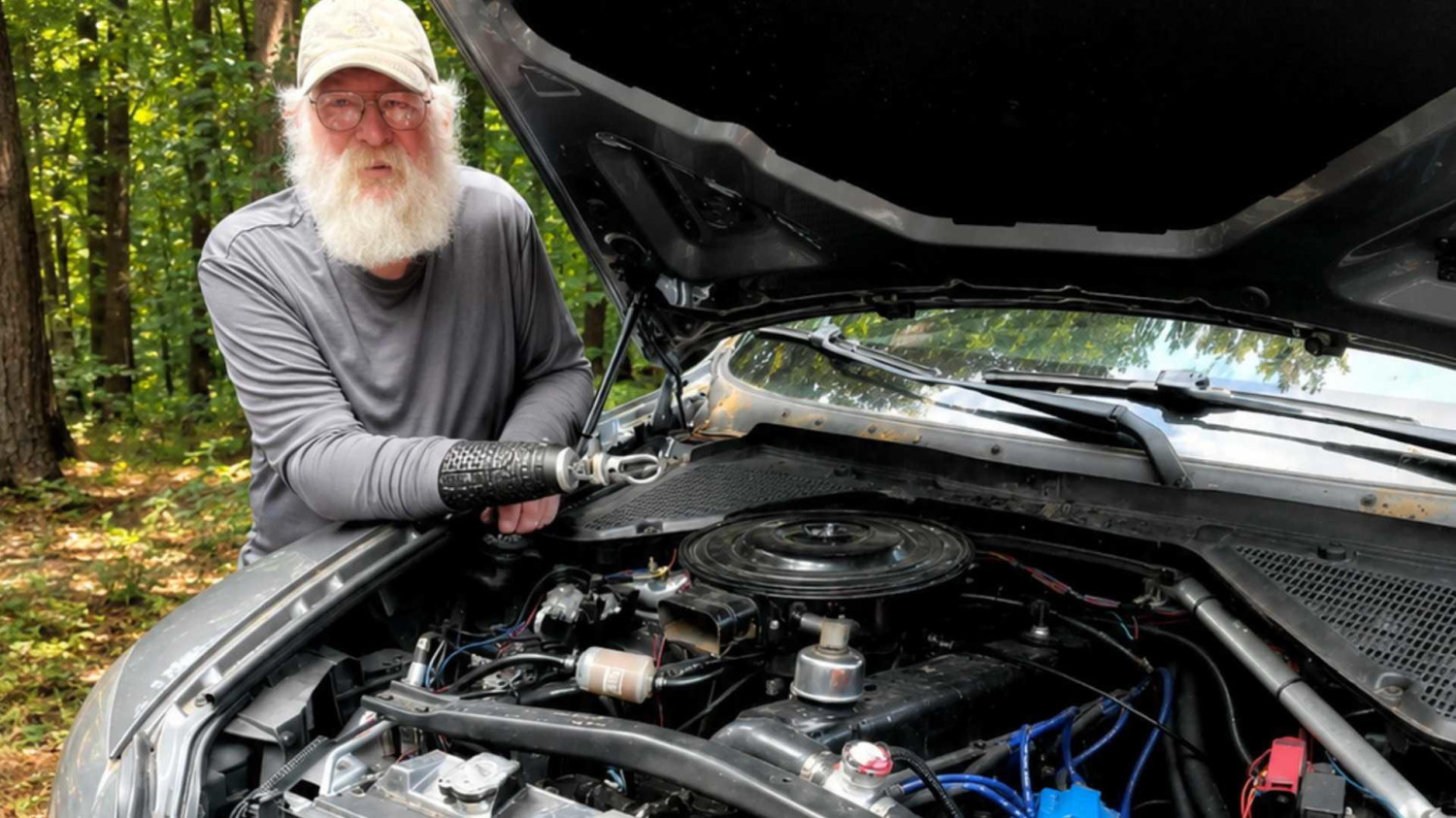
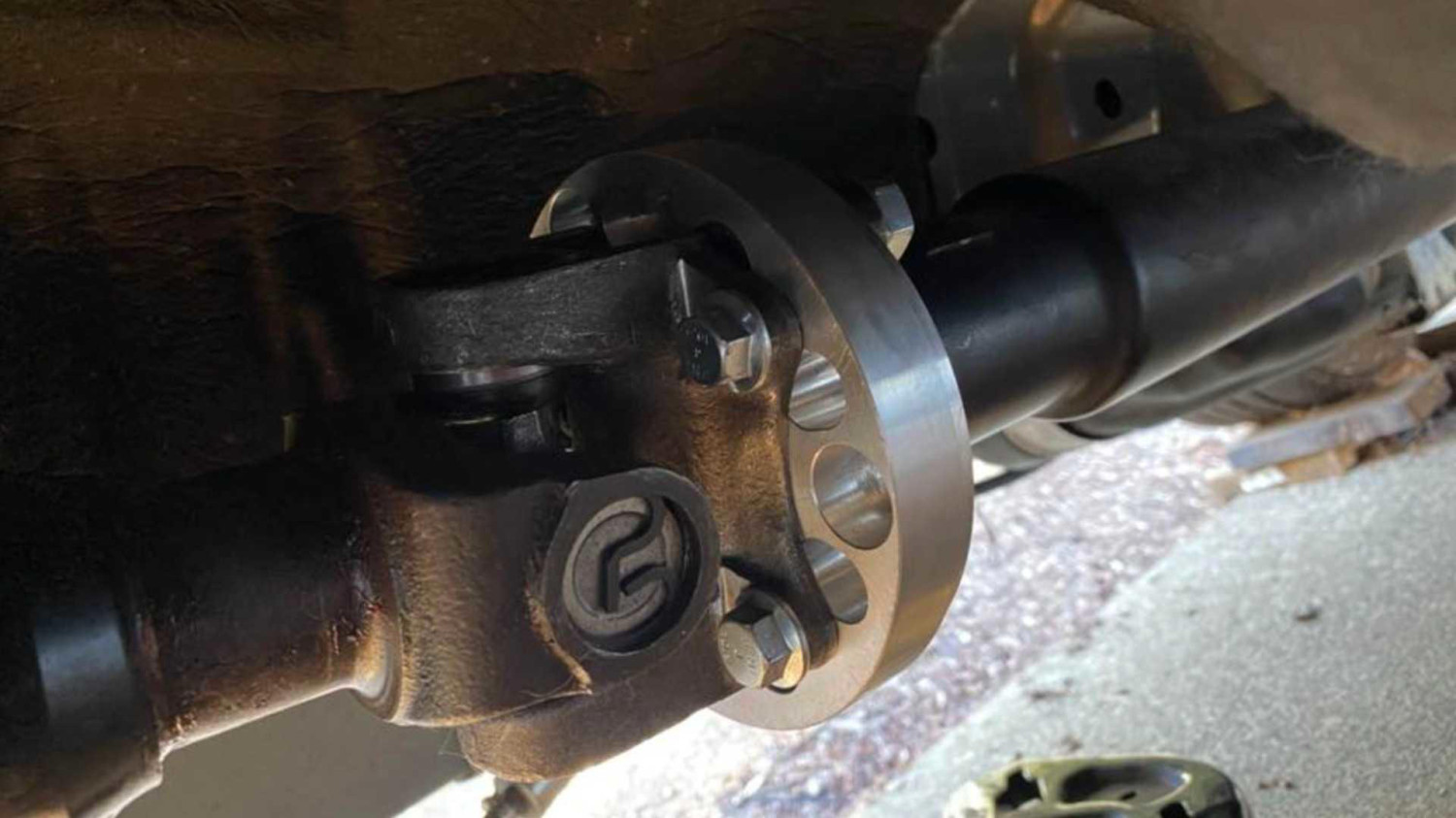



















When a BMW X5's V8 gives up the ghost, the expected fix involves a dealership, a long parts wait, and a bill that can rival a used car purchase. One builder on Facebookdecided none of that sounded appealing and went a different direction entirely, pulling the dead German V8 and replacing it with a vintage Ford 240 inline-six mated to a FMX three-speed automatic… And the result is exactly as wild as it sounds.The swap is drawing attention not just for its sheer nerve but because it reportedly works. Dropping a half-century-old American engine into a modern luxury SUV requires solving a long list of adaptation problems like engine mounts, cooling, fuel delivery, and electrical integration. Although you could argue that it now has less electronics, The builder has appeared to make it work. For a corner of the automotive world that lives for unconventional solutions, this one hits differently. A Dead V8 And A Very Different Solution Facebook / Bruce Mowrey The BMW X5 in question arrived at the shop with bad valve stem seals, and no we’re not talking about the ones on your tires. The kind of $5,200 failure that typically sends a vehicle either to an expensive specialist or straight to an auction. Rebuilding or sourcing a replacement BMW V8 is a costly proposition under any circumstances, and for a builder working outside a professional shop, the parts and labor equation can quickly exceed what the SUV is worth.The Ford 4.8 liter inline-six offered a compelling counter-argument: it's mechanically straightforward, parts are abundant, and engines in good running condition can be sourced for a fraction of what a comparable BMW powerplant would cost. The pairing with a three-speed automatic keeps the drivetrain simple with fewer electronic dependencies and a transmission that a builder can diagnose and service with conventional tools. The Swap Community's Reaction To A David-And-Goliath Build Facebook / Bruce MowreyBuilds like this tend to split the swap community in a specific way. One camp appreciates the ingenuity, the willingness to treat a modern vehicle as a platform rather than a sealed system, and to solve an expensive problem with a cheap, proven engine. The other camp raises durability and integration questions, particularly around how a vintage drivetrain handles the demands of a heavier, modern SUV chassis over time.What's not in dispute is the audacity of the concept. BMW's engineering culture is built around tight integration between powertrain and chassis electronics; dropping in an engine from a completely different era and manufacturer and getting the vehicle to move under its own power is a legitimate achievement in adaptation. For the budget-build crowd especially, the cost argument is hard to ignore — a running vintage Ford I6 and a three-speed automatic can be sourced for well under what a BMW V8 replacement would cost, even before labor.Whether this X5 becomes a daily driver or a proof-of-concept that lives at car shows, the build has already done what the best swap stories do, it made people argue about whether it should exist, and then made them want to see it run.Source: Facebook / Bruce Mowrey