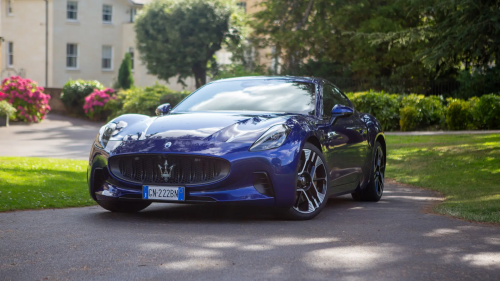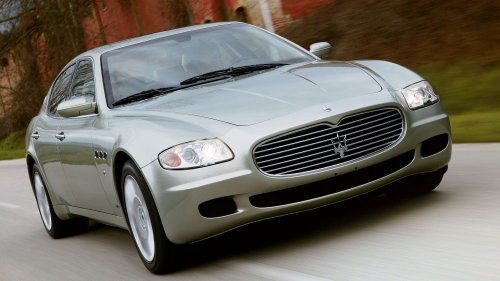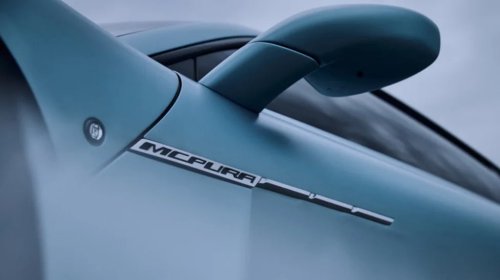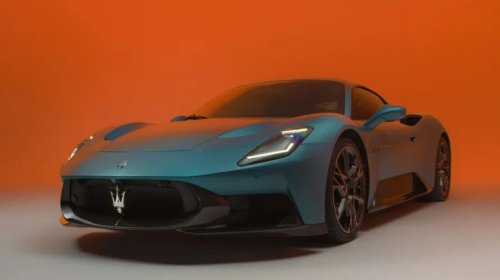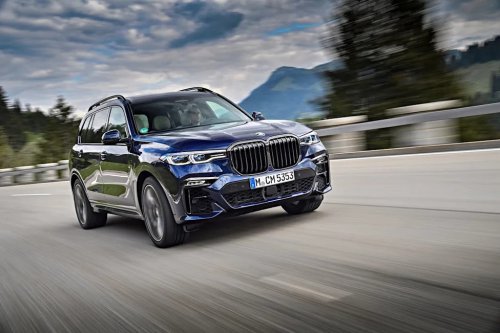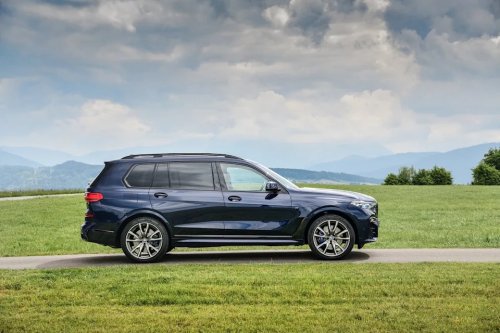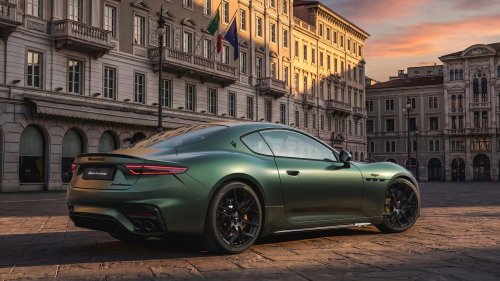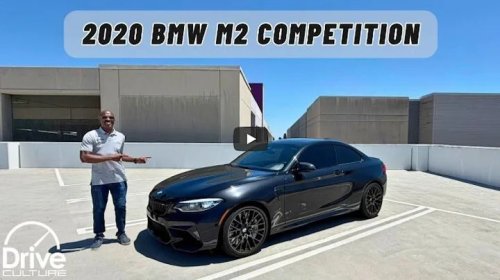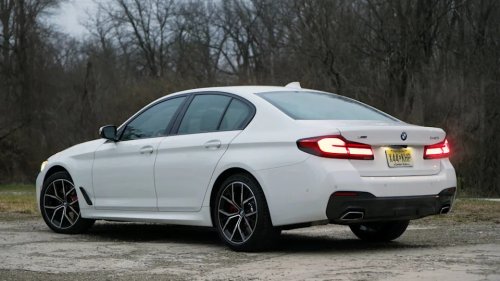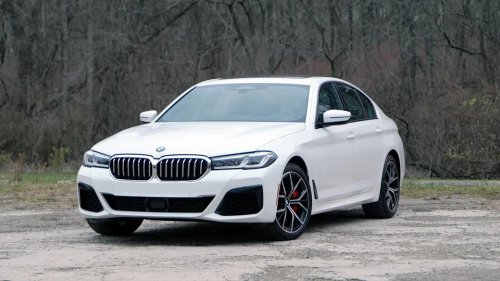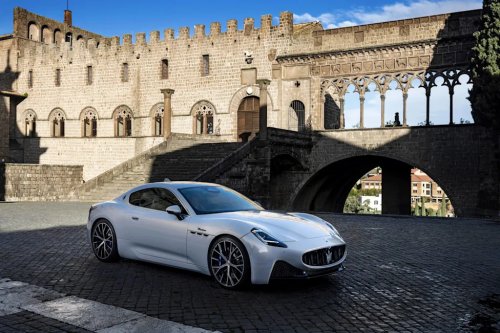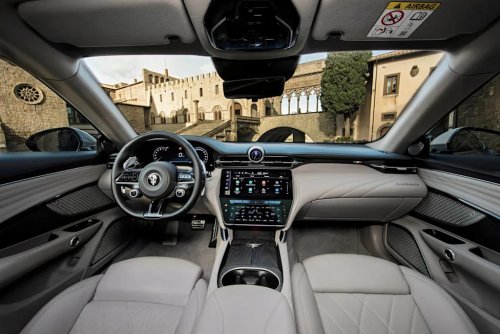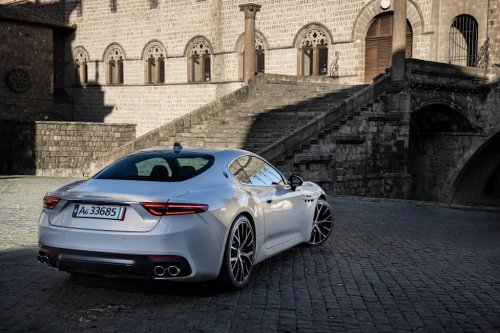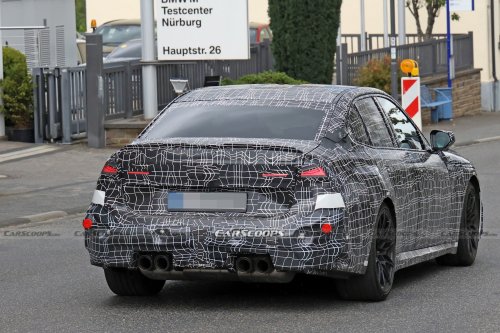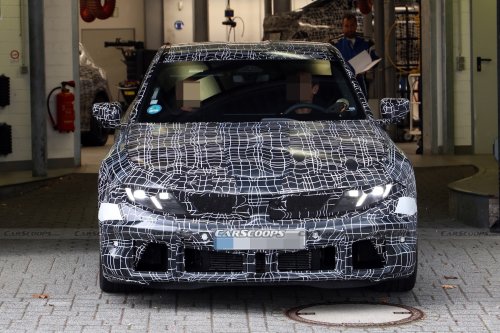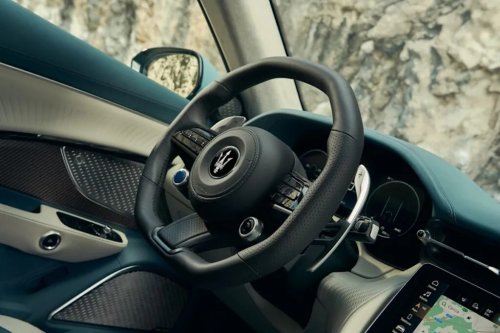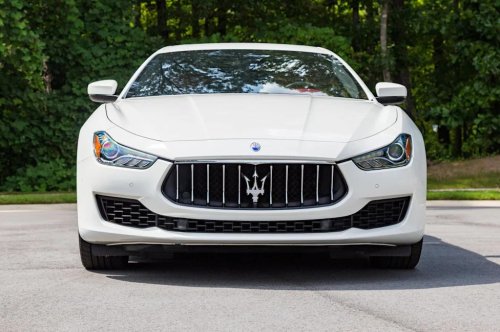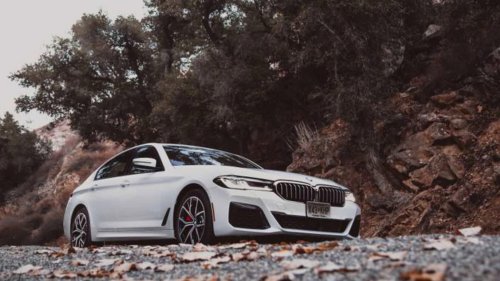
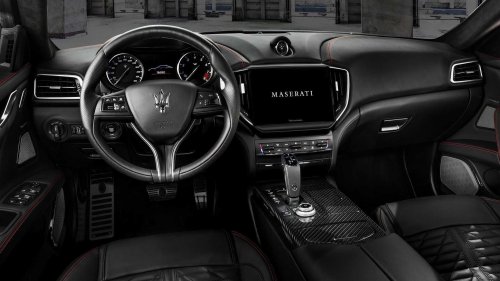
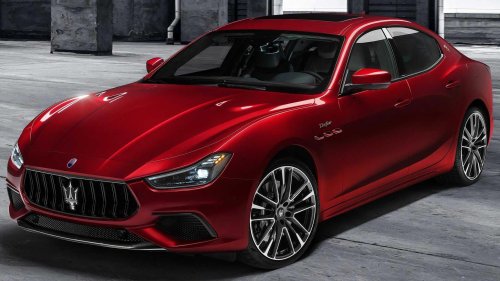
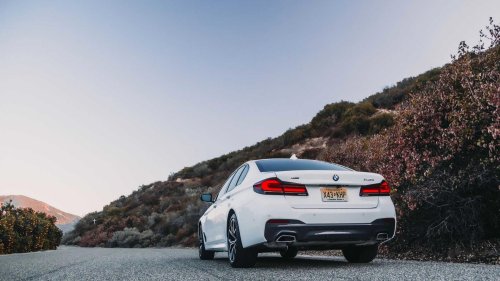
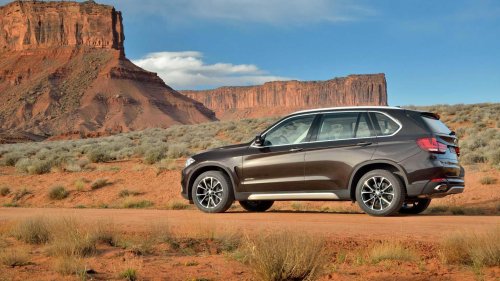
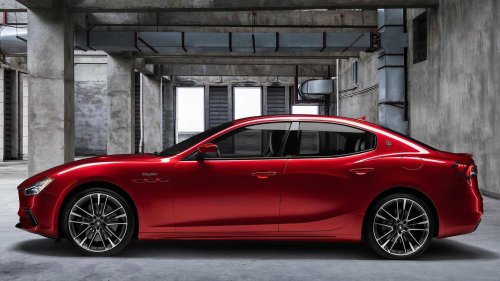



















When you buy a brand-new luxury car, the flex isn't just that you can afford a Maserati Ghibli, it's that you can afford to eat the depreciation. By the time you trade it in, it might not be worth half of what you paid for it. For the first owner, that's no problem; they've got cash to spare. For the second owner, that's actually an opportunity to buy a six-figure luxury car at a mid-range price.Of course, these cars can be expensive to insure, to maintain, and to keep topped-up with premium fuel. So, if you really want to get a good deal, what you're looking for is a luxury car that's depreciated enough to make up for what you're spending on ownership costs. In the interest of maximizing our savings, let's find out if that equation favors Maserati, or BMW. BMWs Depreciate Slower Than Maseratis BMW Taking a quick look at CarEdge's estimates for both brands, as a whole, we get the following numbers (rounded to the nearest whole percentage). These numbers are based on average resale value for a 2023, 2021, and 2016 model, across the entire brand.CarEdgedraws from a large data pool, so you can generally rely on their information to be pretty precise, but these numbers are based on everything from slow-sellers to premium models like the Maserati MC20. In order to get a more relevant reading, we'll want to narrow it down to more mainstream models, which means checking out some individual cars from each brand.The following data is based directly on our own price tracking data, with percentages representing trending prices compared to the MSRP for each model year, for some of the top sellers from both brands.Our own findings, based on what you might call BMW and Maserati's more "mainstream" models, aren't so far off from the estimates provided by CarEdge. The margin between mainstream Maseratis and BMWs is a bit narrower, overall, but BMW still comes out ahead, year after year. The Pricier They Are, The Harder They Fall Via: Maserati The average price of a Maserati is higher than the average price of a BMW, whether we're talking brand-new, or a few years old. A 2023 Maserati Ghibli, for instance, trends at $37,199 from an MSRP of $82,300. A 2023 BMW 5-Series sedan trends at $32,789 from an MSRP of $56,000.In theory, you're actually saving more money on a used Maserati at the three-year mark, taking $45,101 off the sticker price, compared to $23,211 for the BMW. Of course, in practice, you're spending $4,410 more on the price of purchase.At five years in, though, we actually have the 2021 BMW 5-Series trending at a starting price of $27,151, while a 2021 Ghibli is selling for around $25,748. So it's not hard to find the car you want at a price you like if you keep your eye on the market and strike when the iron's hot. Routine Maintenance Is More Expensive In A Maserati, But... Via: Maserati Checking in with CarEdgefor five-year maintenance estimates across each brand's compact SUV, mid-size SUV, and mid-size sedan offerings, we get the following numbers.These numbers are interesting because BMW ranks 11th in the latest JD Power dependability survey, with above-average dependability. Maserati doesn't make the list, owing to low sales volume, but we know that routine maintenance tends to be more expensive in a Maserati than in a BMW. For instance, a simple oil change in a Maserati can cost around $600, while the same job in a BMW rarely costs more than $250, according to users in subreddits and forums for both automakers.This discrepancy may point to limited available repair data for the Maserati. The brand sold fewer than 10,000 cars last year, meaning there are fewer Maserati owners checking in with websites like RepairPal, CarEdge, and CarComplaints than ever.At 10 years, according to CarEdge, the maintenance costs even out a bit, with BMWs averaging $16,021 after a decade, to $15,121 for Maserati. Total Ownership Costs Favor BMW BMW Comparing fuel economy across the compact and mid-size SUVs, and mid-size sedans for each brand, the EPA gives us the following numbers.These values assume 15,000 miles driven each year, divided 45/55, highway/city. All we have left to compare is insurance, which CarEdgeputs at $5,637 a year, for Maserati, or $4,636, for BMW, assuming a 40-year-old driver with good credit, a clean record, and full coverage.Add this all up, and here's what our annual ownership costs look like for each brand.Even with limited maintenance data available for Maserati, our numbers ultimately favor BMW as the more affordable brand of the two. A BMW Makes For A Better Long-Term Purchase BMW A BMW X5 is a very easy car for us to recommend. Used prices are attractive at three or more years, the SUV is fairly reliable (for a European luxury SUV), maintenance costs are manageable, and it's relatively fuel-efficient.But, as with any luxury car, you should keep some money tucked away for some expensive repairs now and then. According to RepairPal, the priciest common fixes include the following. Exhaust pipe replacement $3,551–$3,594 Fuel pump replacement $2,093–$2,275 Sunroof motor replacement $1,460–$1,611 AC condenser replacement $1,106–$1,258 Tie rod replacement $1,041–$1,078 If you're planning on buying a car to keep, BMWs appear to be far more manageable than Maseratis.Numbers aside, it should be noted that there are far more BMW owners out there than there are Maserati owners, which means that, if you run into a problem with your X5 or BMW 5-Series, you can be fairly certain you're not the first owner to encounter this issue, and you should be able to find support and advice with ease. Used Maseratis Are Best Avoided... Unless You Want A Really Classy Beater Maserati We have to recommend against buying a used Maserati as a means of finding a great deal. They can be had at a fraction of their MSRPs, but will generally cost you several times what you're saving after just five years of ownership.On the other hand, a 10-year-old Maserati Quattroporte is currently trending at around $15,000 from an MSRP of $99,900. While maintenance, fuel, and insurance costs might make this car unviable for long-term ownership, that's an attractive price if you're looking for something that you can drive like a rental for a year, and then sell for scrap the first time the mechanic gives you a four-figure repair quote.At the end of the day, you buy a luxury car for the pleasure of driving it. Whether that means investing in a BMW for the long term, or driving a Maserati as your daily beater, the value ultimately comes down to smiles-per-gallon.