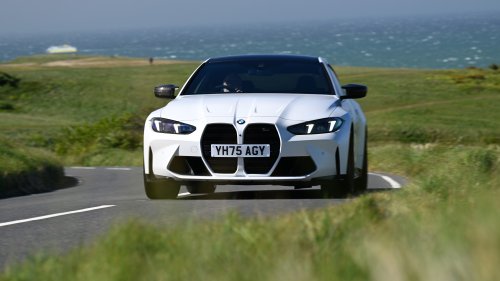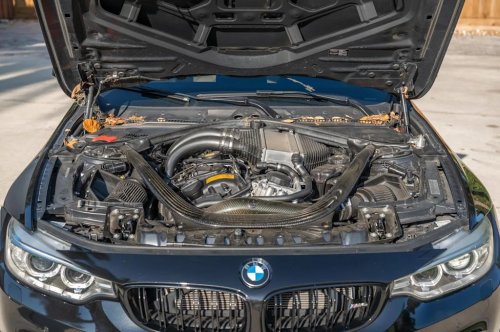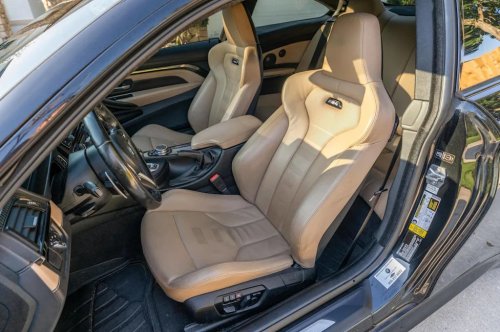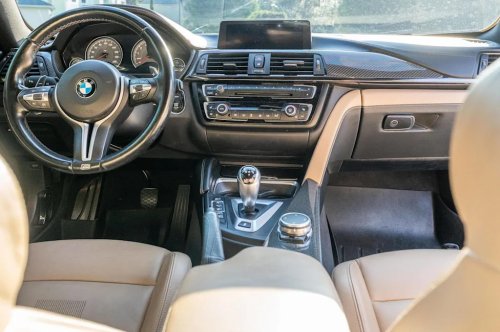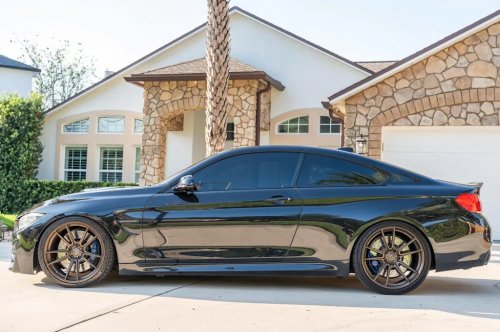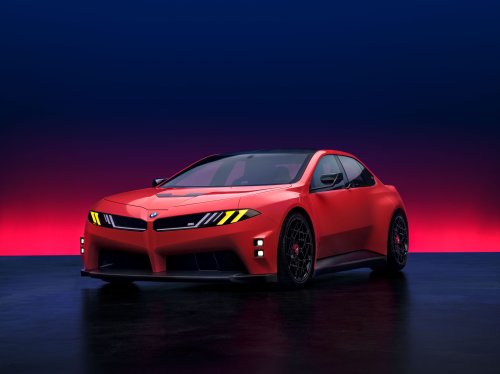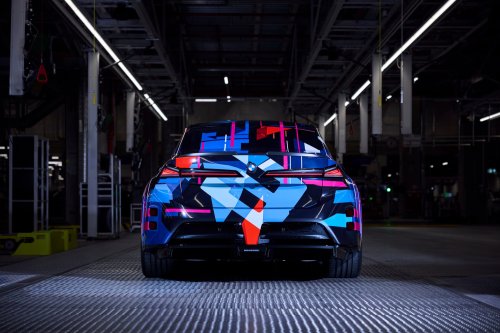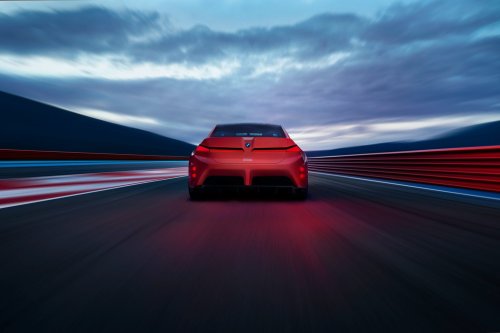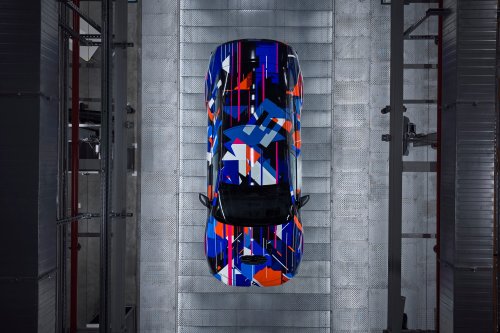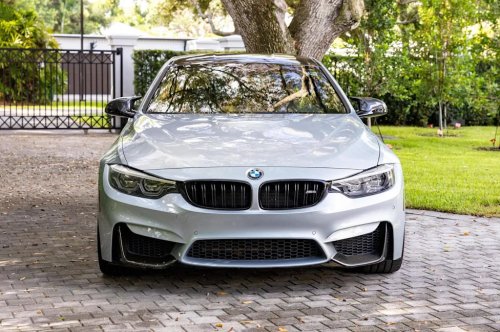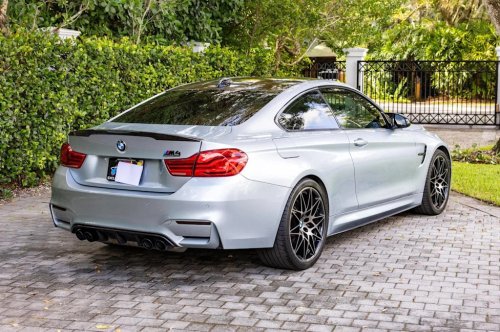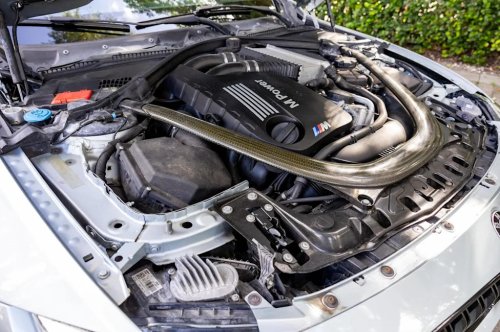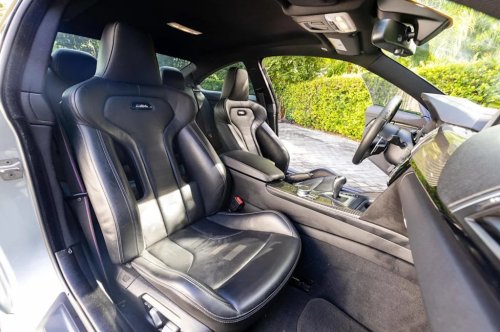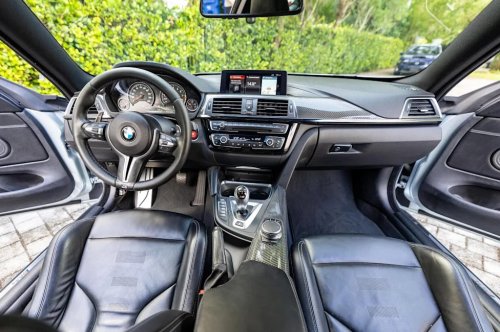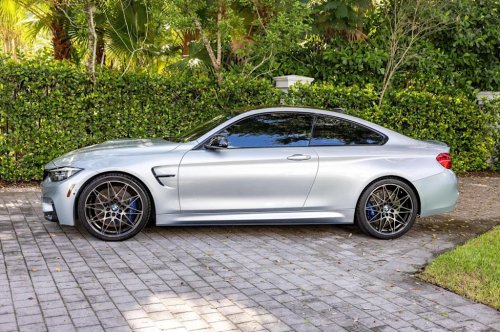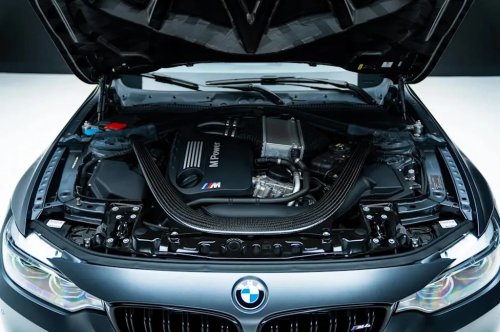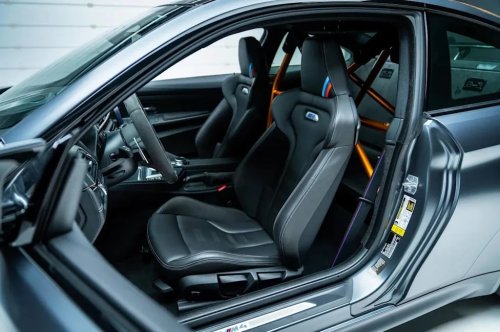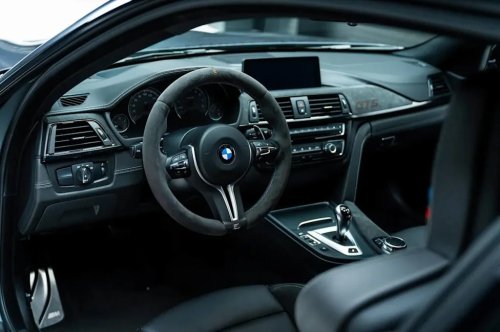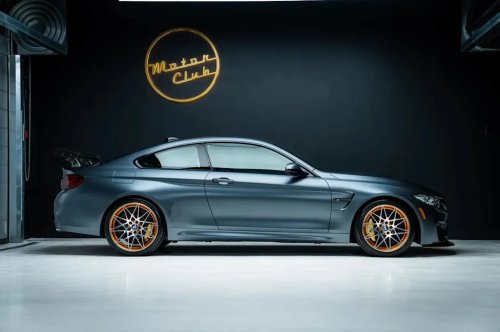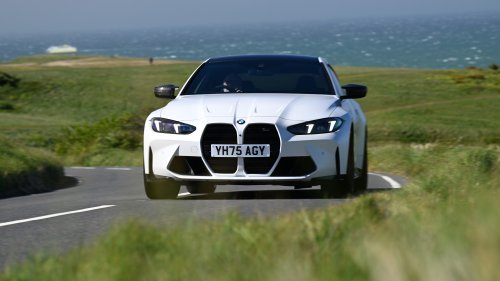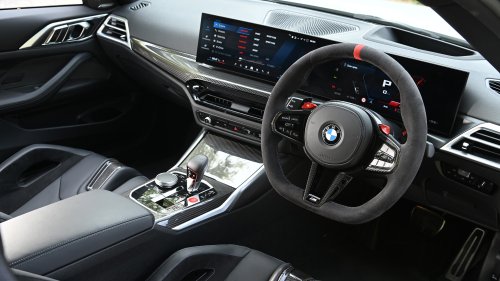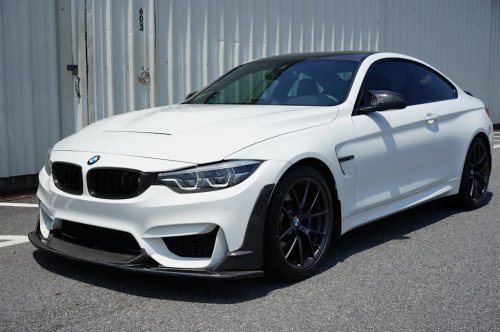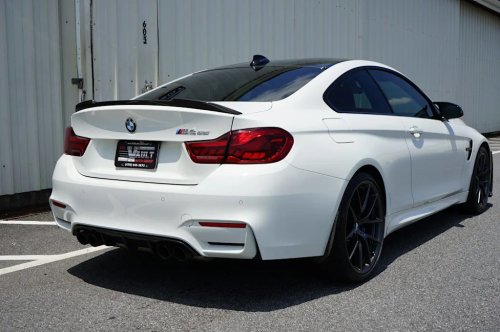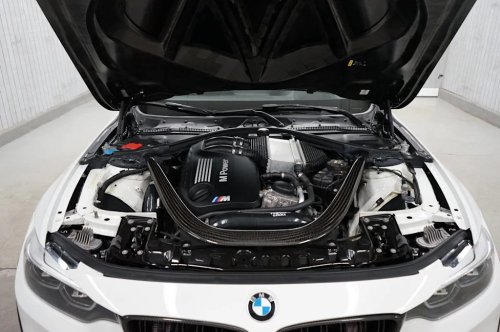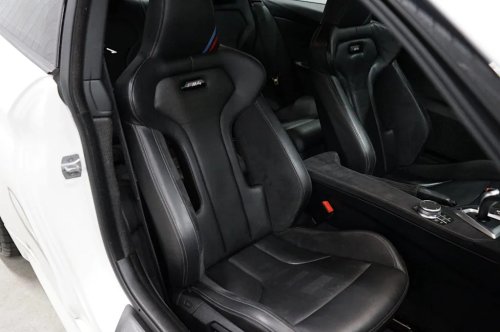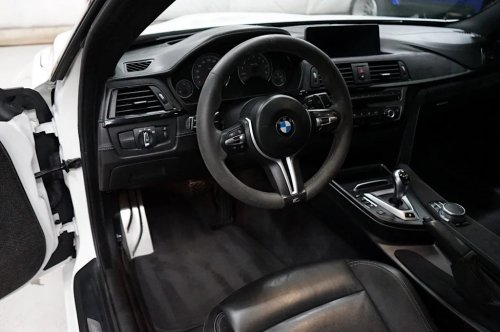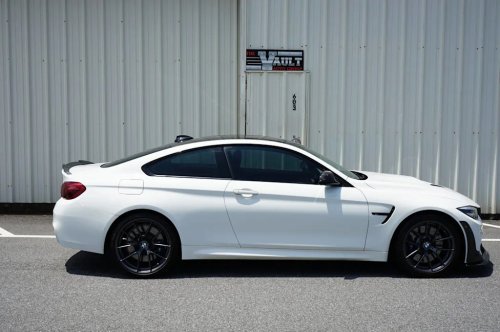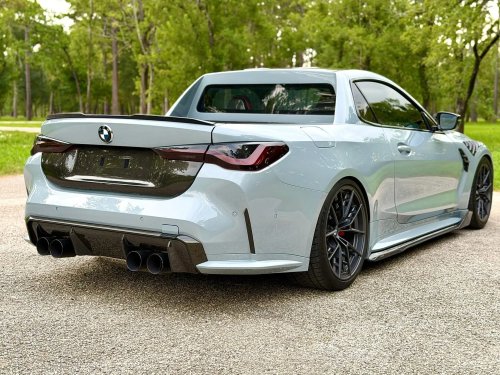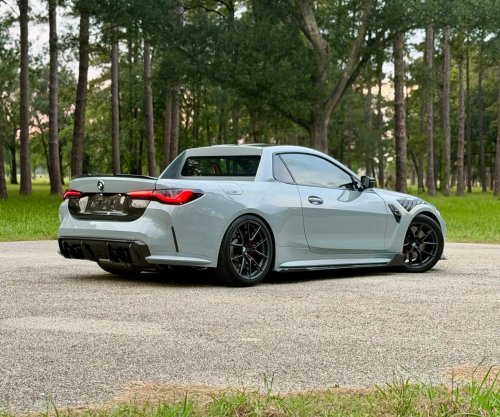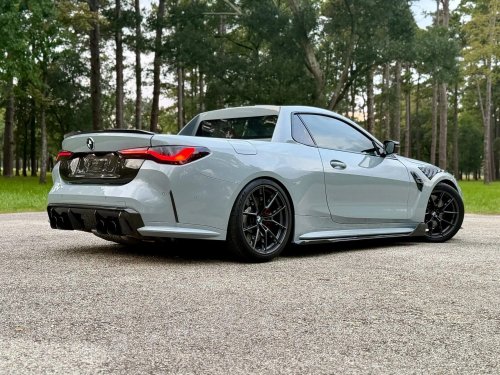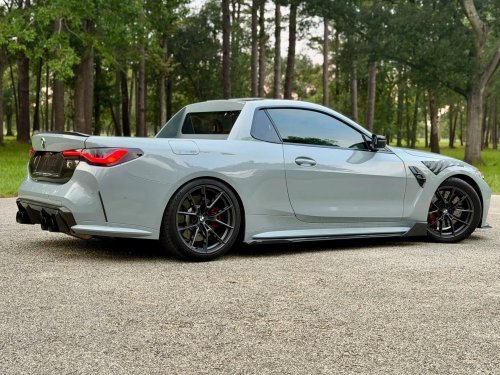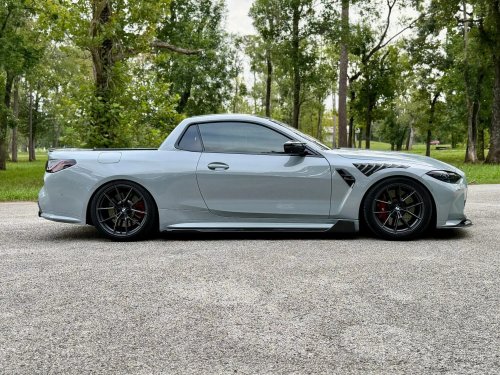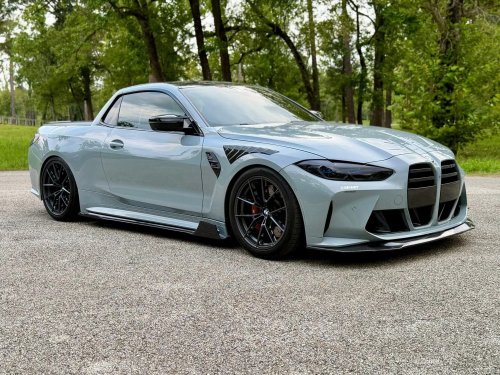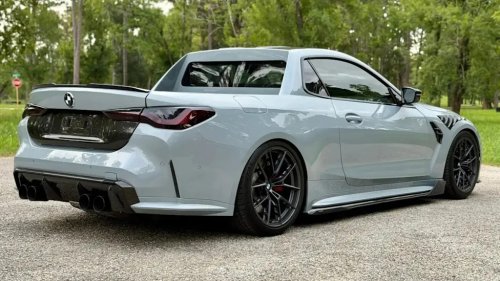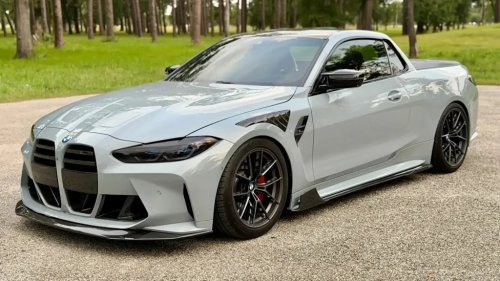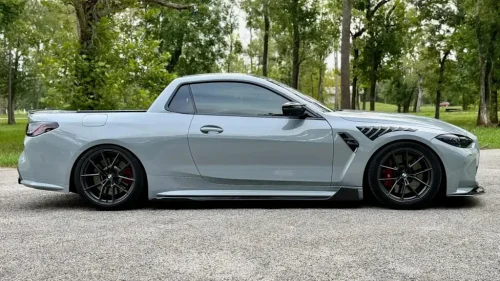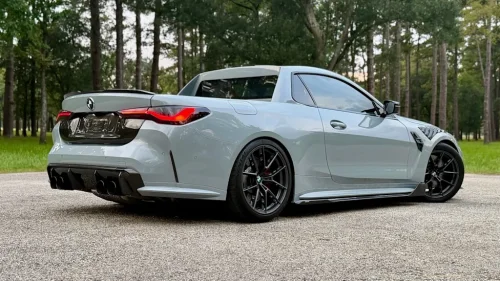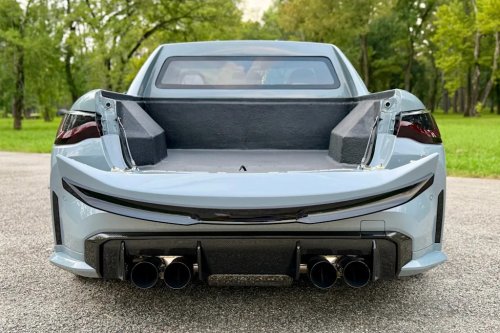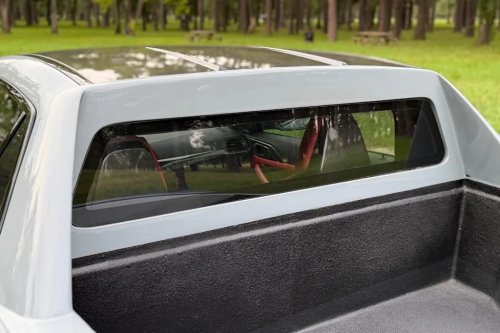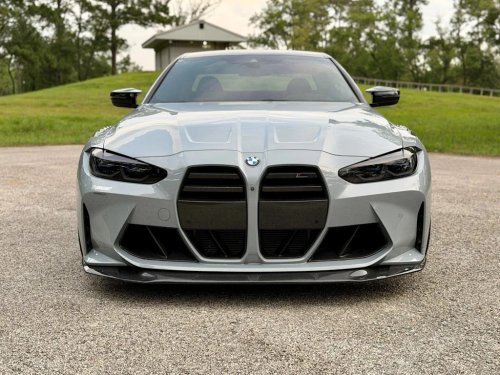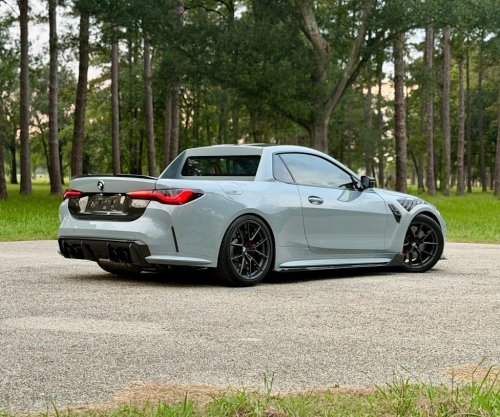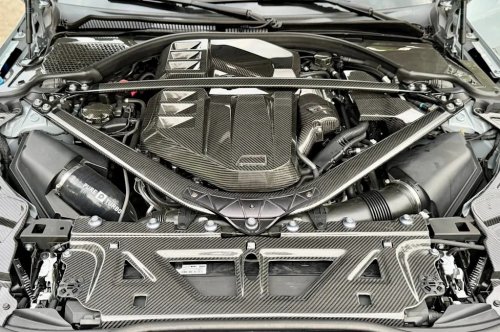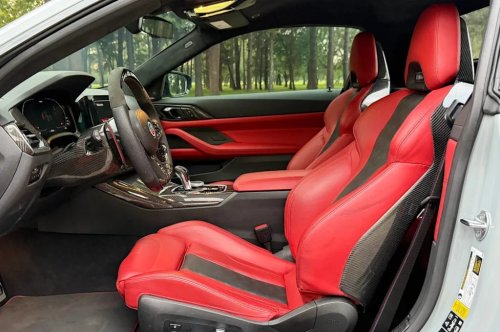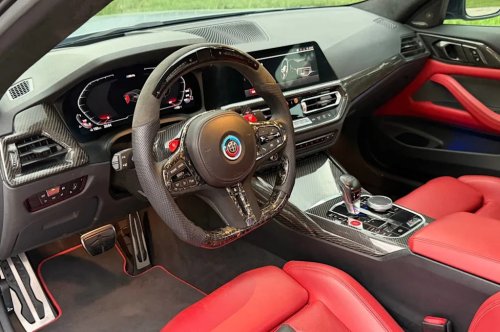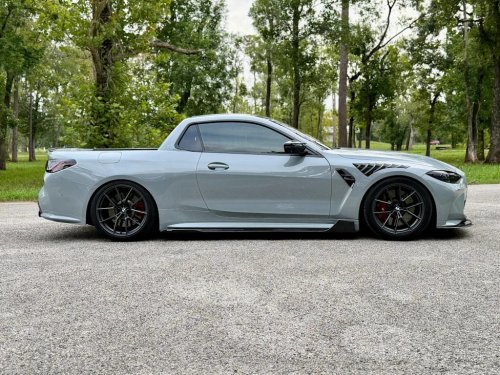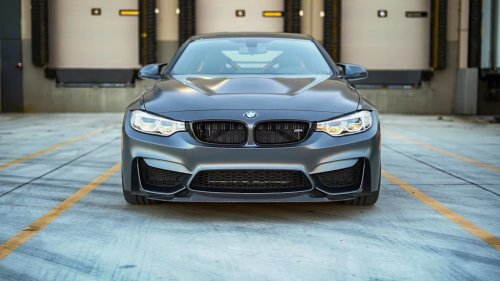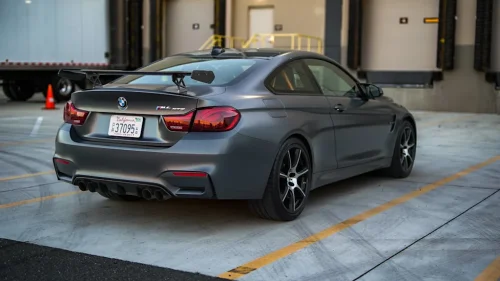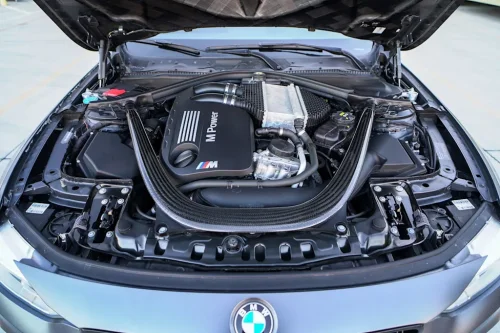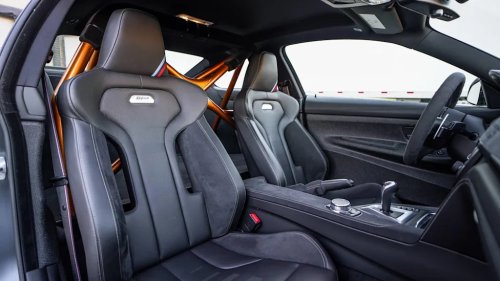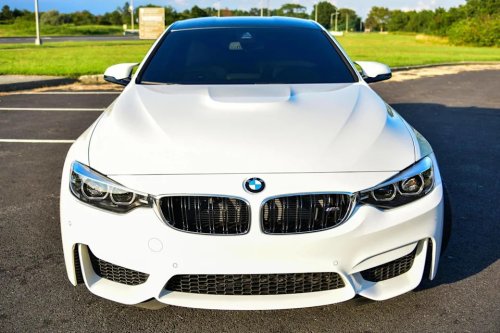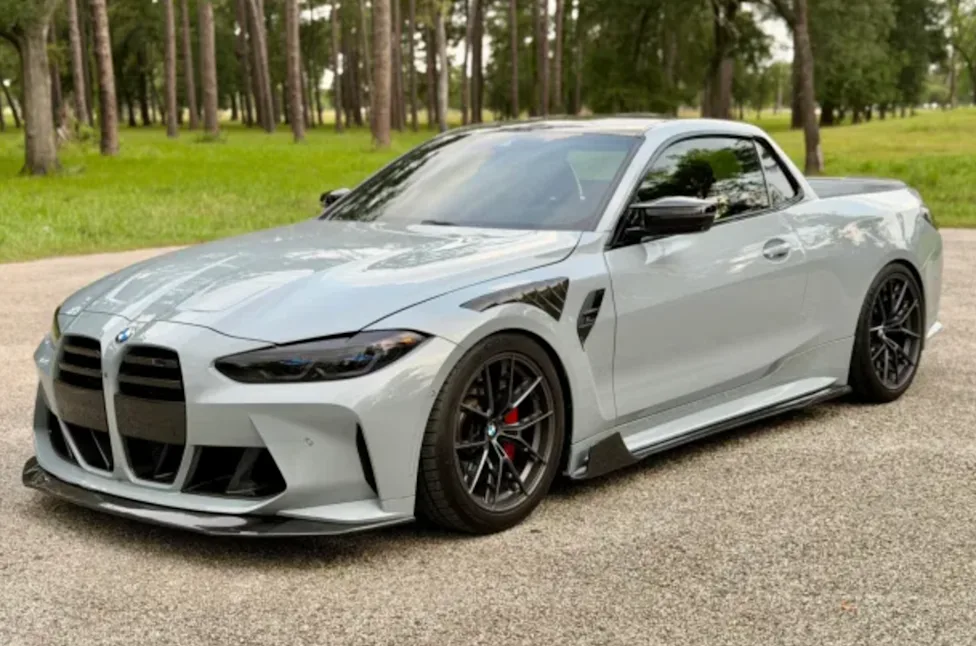



















BMW M4 Ute Sells For $93,000 — The Engineering And Legal Reality Behind The ChopA 2022 BMW M4 Competition xDrive with a cargo bed where its back seats used to be crossed the block on Bring a Trailer at $93,000. For reference, BMW's own launch announcement put the M4 Competition xDrive Coupe at $78,800 plus $995 destination. Four years, 8,000 miles and one reciprocating saw later, it sold for roughly $13,000 more than it stickered.That's the headline number. The more interesting stuff is what a chopped G82 actually is once you stop looking at the photos.The roof is the whole storyAdvertisementAdvertisementDinMann of Los Angeles did the work. Per the auction listing, the cockpit was shortened, a bed and tailgate were fabricated, a rear bulkhead was built to close off the cab, and the factory carbon-fiber roof panel was cut down to suit.That last item is not a trim piece. On the G82, the CFRP roof is a stressed structural member bonded into the body-in-white, tying the B-pillar tops and roof rails into a closed loop. Remove most of it and you've deleted a load path that BMW engineered around — torsional rigidity through the greenhouse, and the compressive structure that carries roof-crush loads. A well-built bulkhead with proper reinforcement can restore a lot of that. But "a lot" is doing work in that sentence, because nobody outside the shop has a rigidity number, a crush test, or a rollover result for this car. You are buying fabrication quality on faith.Related ArticlesPolaris RZR Pro R Boost Turbo: What 275 HP Really Costs OwnersO'Reilly Auto Parts Is Paying $18.8 Million Because Its Texts Wouldn't Take No for an AnswerHere's the legal wrinkle most people get backwards. Federal law's "make inoperative" prohibition at 49 U.S.C. §30122 binds manufacturers, distributors, dealers, rental companies and repair businesses. It does not bind a private owner modifying their own car. So the shop doing the cutting operates in a more exposed position than the guy who commissioned it — a detail worth understanding before you commission anything.AdvertisementAdvertisementWhat the engine actually becameBMW's S58 is not a fragile thing. The same release describes a closed-deck block with wire-arc sprayed cylinder liners, a forged crank, a cylinder head built around a 3D-printed core, and two mono-scroll turbos with electronically controlled wastegates and air-to-water intercooling. Stock Competition output is 503 hp at 6,250 rpm and 479 lb-ft from 2,750 to 5,500 rpm, redline at 7,200, and 0-60 in 3.4 seconds with xDrive.The listing describes Pure Turbos Stage 2 units, a Wagner Tuning carbon intake manifold, an E85 tune and a GTHaus valved exhaust. Practically, Stage 2 hybrids on the S58 reuse the factory housings with larger wheels, so packaging stays sane, but you're asking for meaningfully more airflow and boost through a stock-location fuel system. E85's value here is thermal — the evaporative cooling and effective octane let a tuner run more timing and boost without knock. The cost is roughly 30 percent higher volumetric fuel demand, which leans hard on the high-pressure pump and injectors, plus more fuel getting past the rings into the oil during warmup.Two ownership consequences follow. First, the S58 has no flex-fuel sensor from the factory, so an E85 map is fuel-specific unless a content sensor was added — put pump gas in a car calibrated for corn and you're relying entirely on knock retard to save you. Second, oil dilution and plug fouling move your service intervals in, not out. Whoever bought this should be sampling oil, not trusting a mileage counter.AdvertisementAdvertisementThen there's the paperwork nobody mentions in auction comments. Clean Air Act §203(a)(3), the tampering and defeat-device prohibition, is the reason EPA's enforcement program has spent years going after aftermarket calibrations. Like the NHTSA provision, the sharp end points at whoever manufactures, sells or installs — but a modified emissions calibration is a permanent asterisk on a car's saleability in states that inspect.About those headlightsThe car keeps its Icon Adaptive LED headlights with Laserlight, and there's a persistent enthusiast belief that FMVSS 108 simply "banned" the good version. The actual regulatory history is more specific and more interesting.Related ArticlesA Real-Life Lightning McQueen Got Towed After an Elk Grove Car Meet Turned Into a BrawlRam's 2027 Rumble Bee Muscle Trucks Ditch eTorque and Stop-Start, But Keep the One Hybrid-Era Trick Worth HavingAdvertisementAdvertisementBMW petitioned NHTSA in 2018 for a temporary exemption from certain FMVSS 108 requirements so it could run its glare-free high beam system in the U.S. On February 22, 2022, NHTSA denied that petition — along with Volkswagen's — but only because it published a final rule the same day amending FMVSS 108 to permit adaptive driving beam certification outright. The exemptions became pointless because the standard changed. Whether a given 2022-build BMW has the function enabled depends on when it was produced and what software it's carrying, not on a blanket prohibition.One spec that isn't a modificationThe staggered 19-inch front, 20-inch rear forged wheel setup gets listed as a highlight. It's factory. BMW's own release specifies forged M light-alloy 19s up front and 20s at the rear on Competition xDrive models, wearing 275/35ZR19 and 285/30ZR20 non-runflats. The lowering springs are aftermarket; the wheel diameters are not.What $93,000 buys, and what it doesn'tAdvertisementAdvertisementNo factory warranty applies to a car with its roof cut off and its turbos replaced. Your insurer will want an agreed-value or stated-value policy with a documented appraisal, because a standard actual-cash-value policy has no comparable to value against — and any total-loss negotiation on a one-off is a fight you win with paperwork you assembled beforehand, not afterward.The repair math is the part that should focus the mind. A parking-lot tap to the rear of a normal M4 is a parts order. On this car, the bed, tailgate, bulkhead and rear glass surround are hand-built, unrepeatable pieces. A rear-end hit isn't a body shop job; it's a return trip to a fabricator, assuming the fabricator still wants the work.Weighed against all that, $93,000 looks less like a bubble and more like the market applying its usual discount to bespoke builds. Custom work almost never returns what it costs — the labor to shorten a cabin and fabricate a functional bed with a factory-looking tailgate runs well past the gap between this hammer price and a clean stock car. Somebody ate that spread. It wasn't the buyer.Images Via: Bring a Trailer