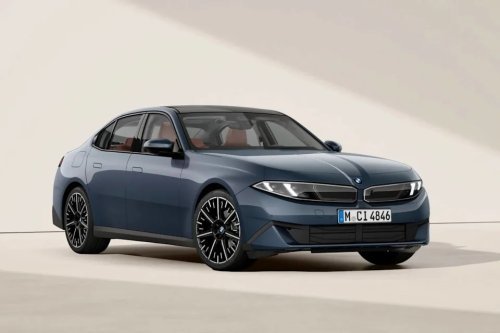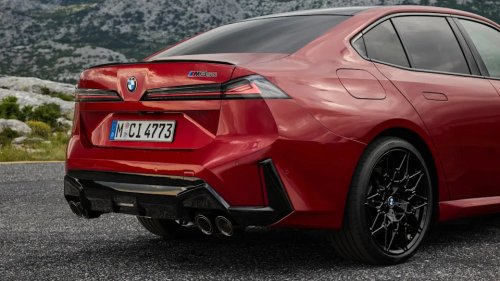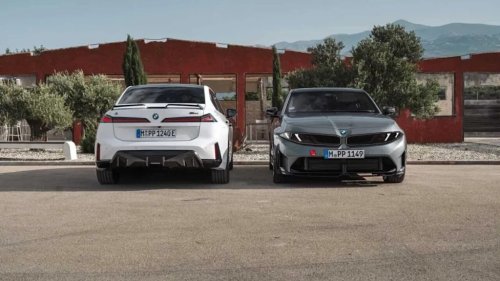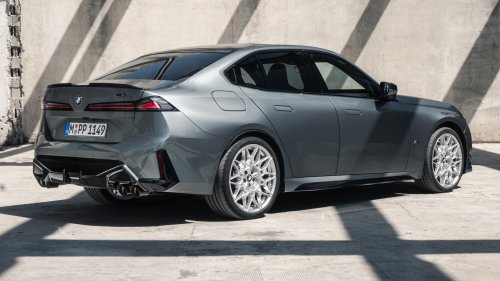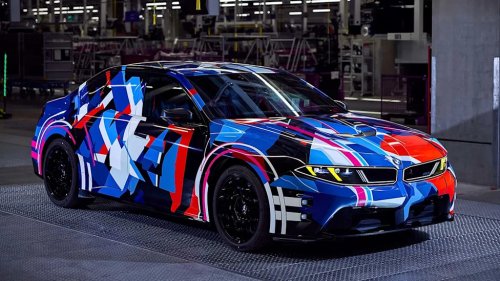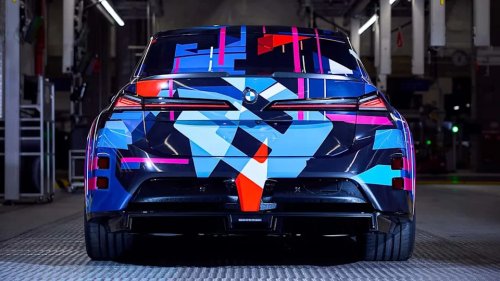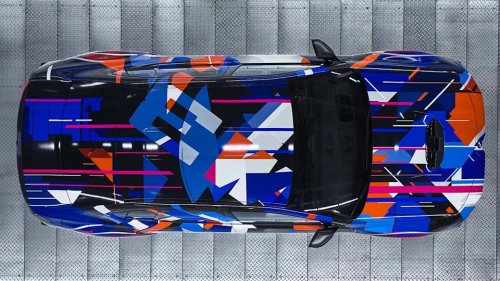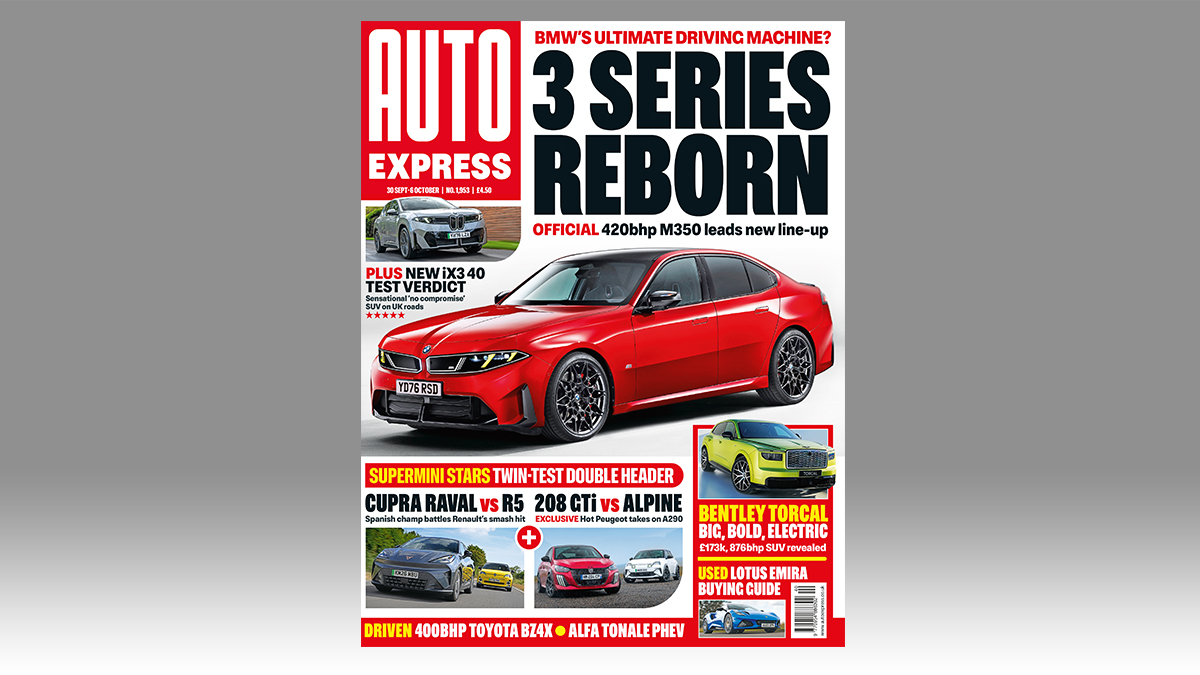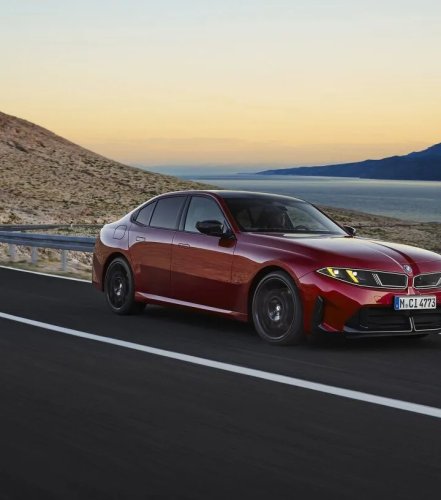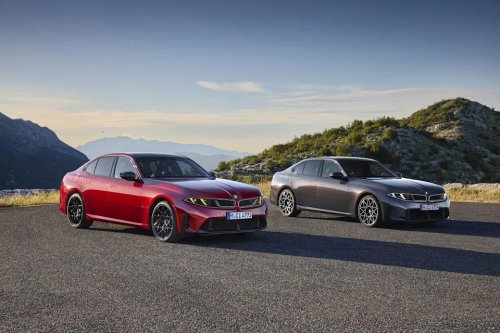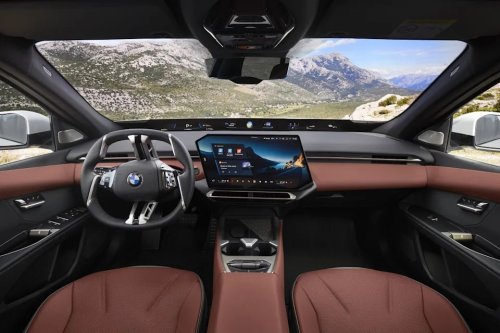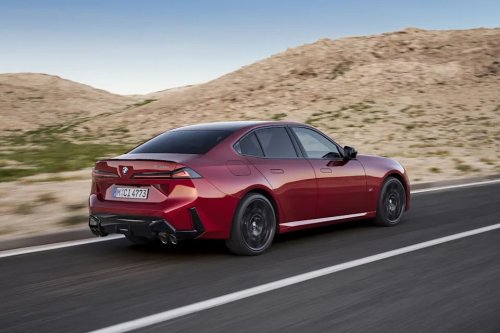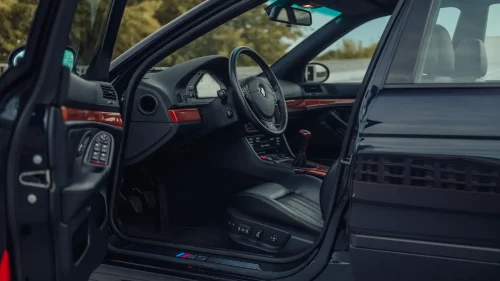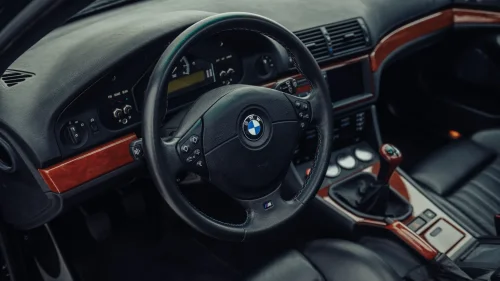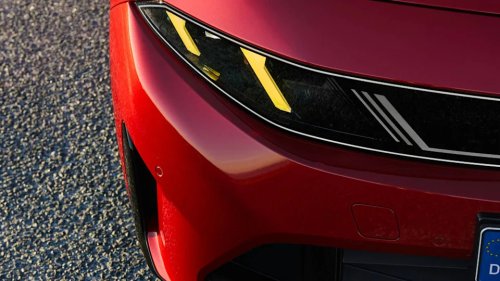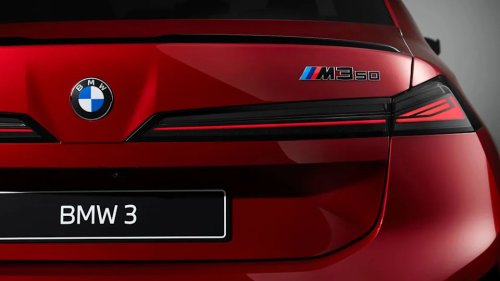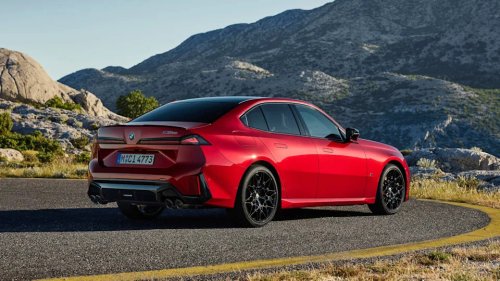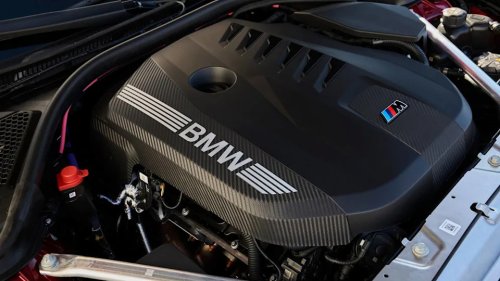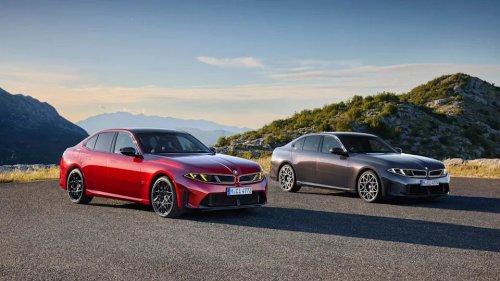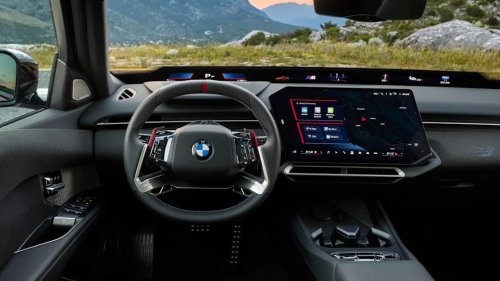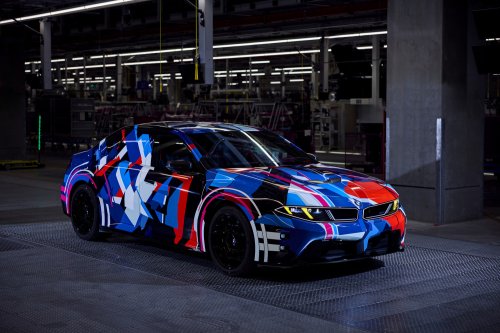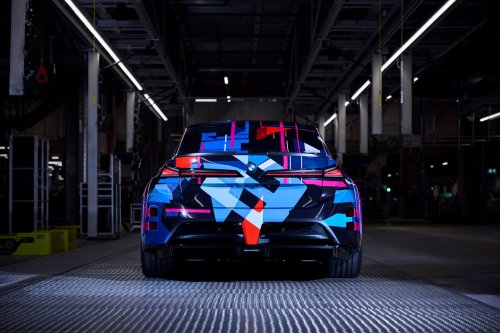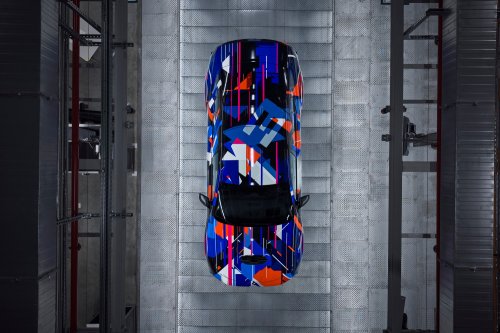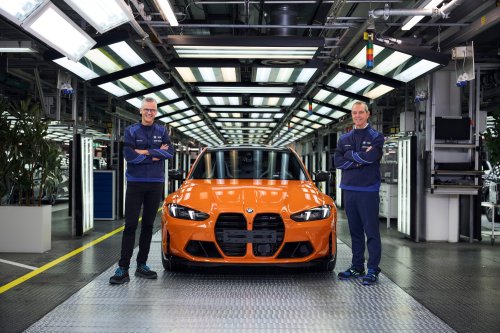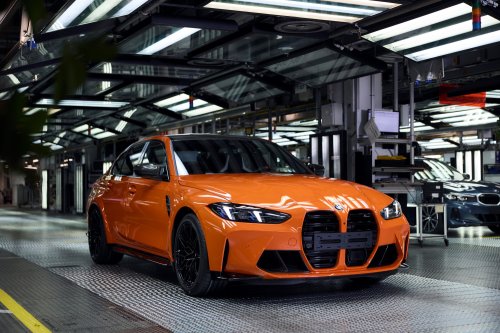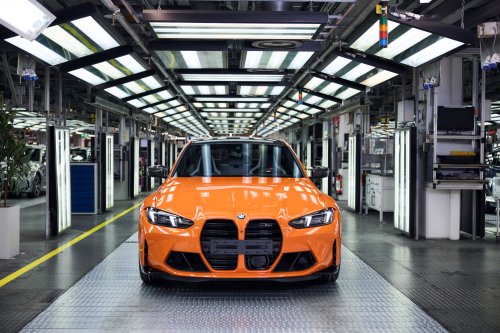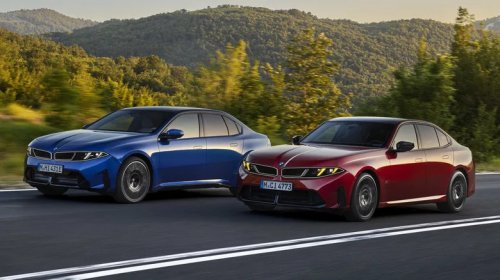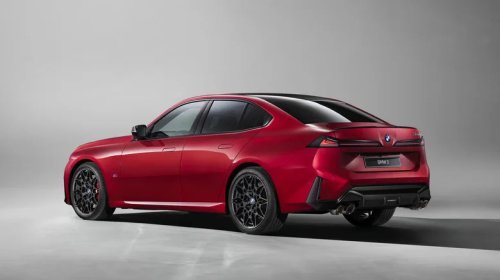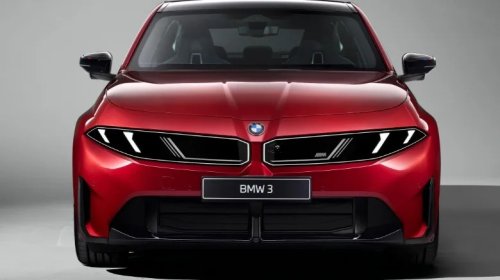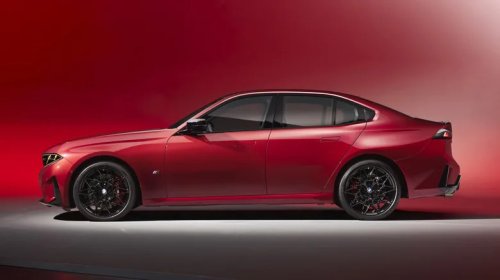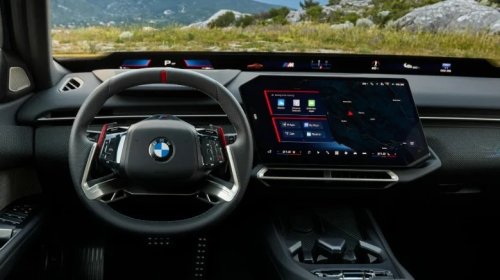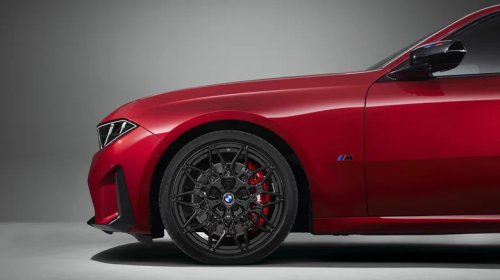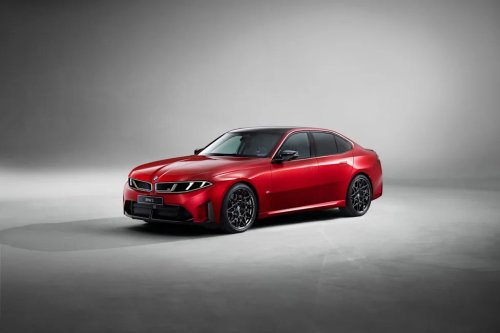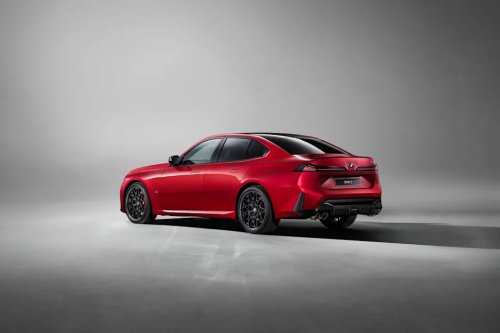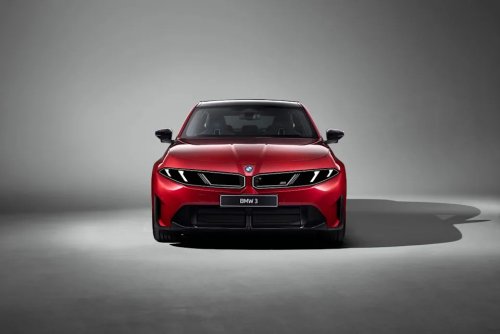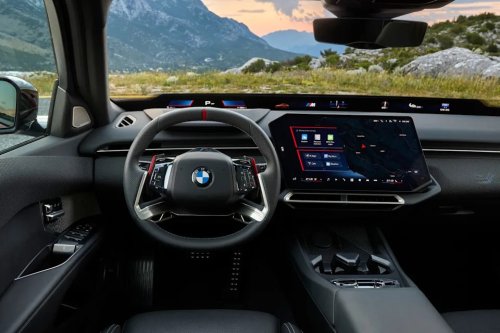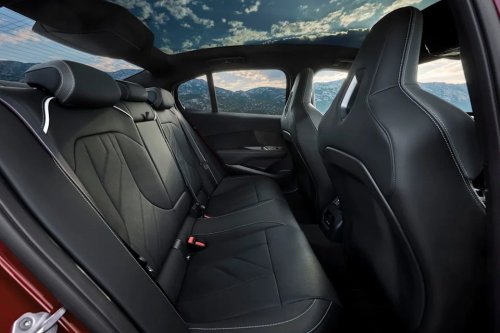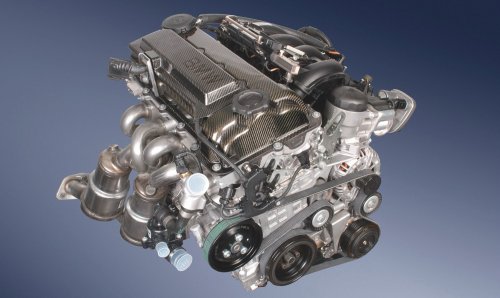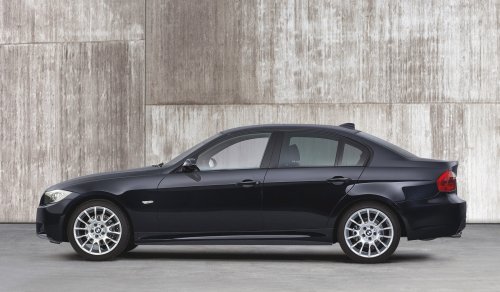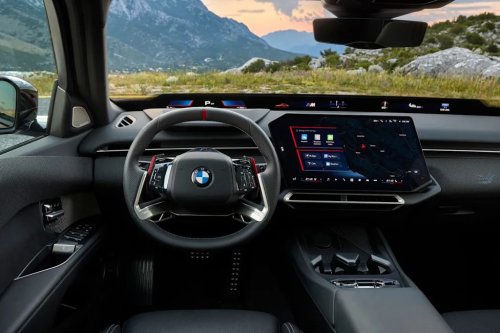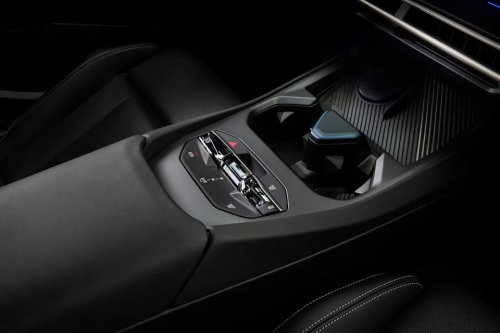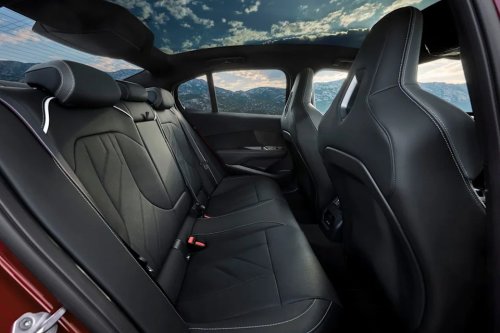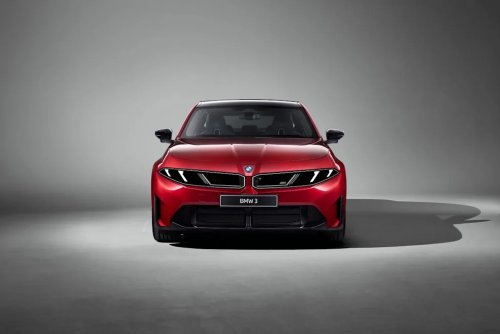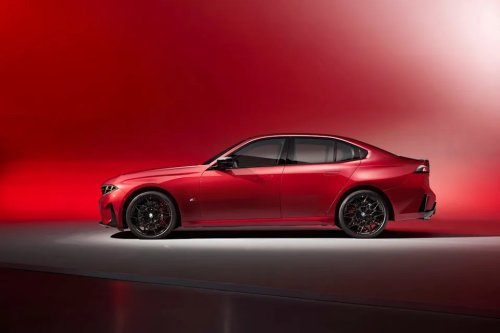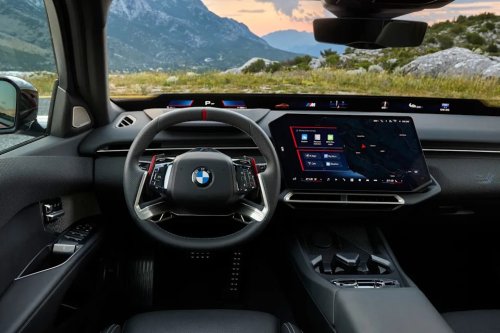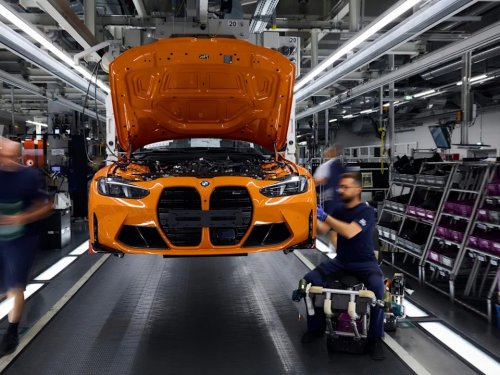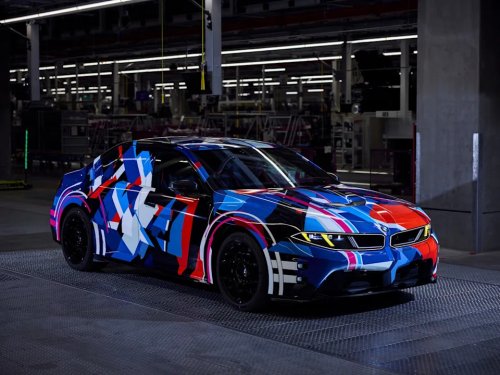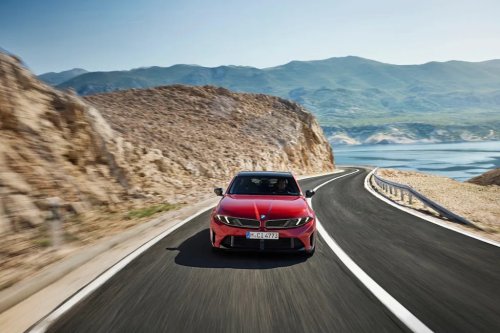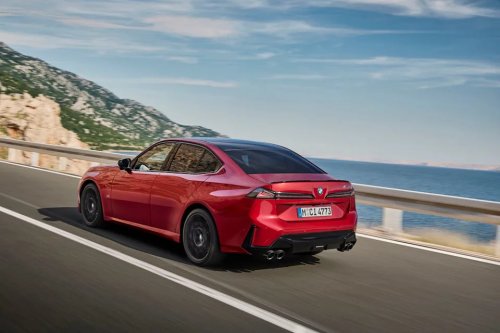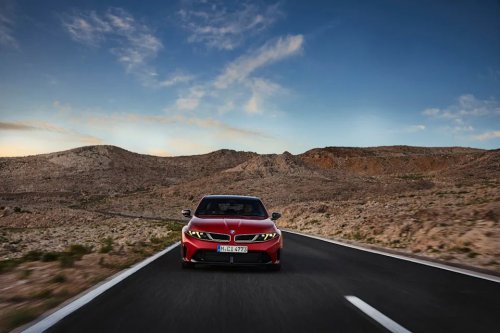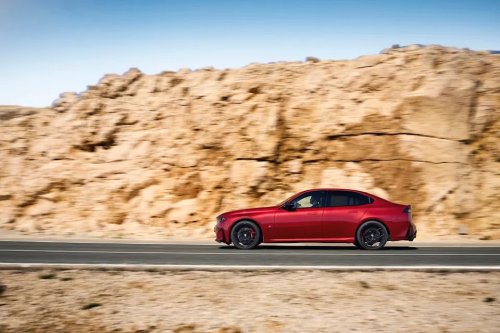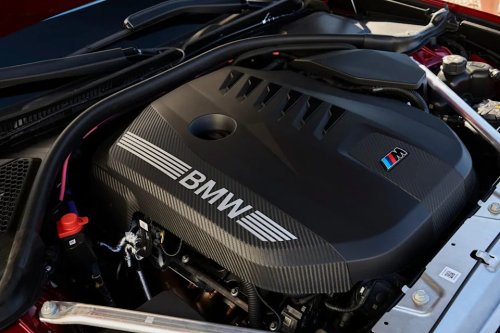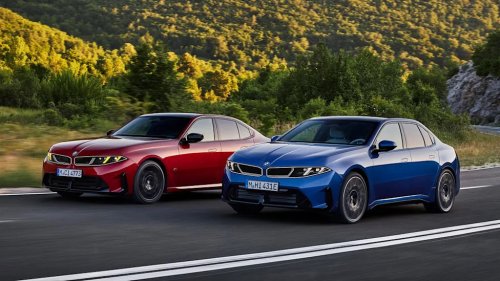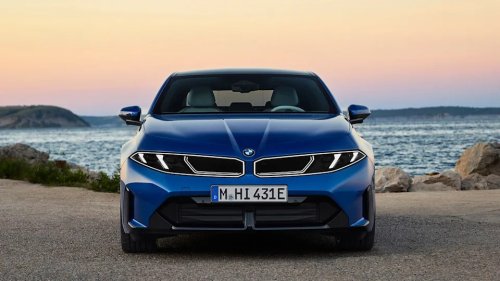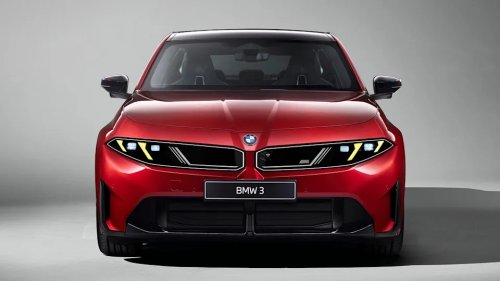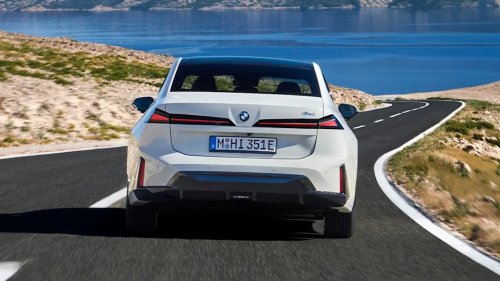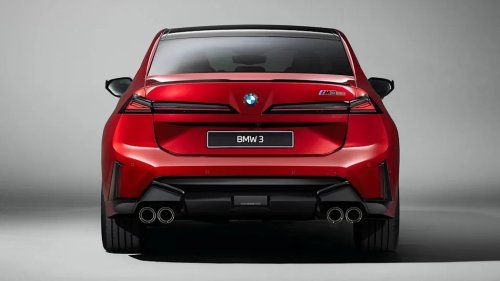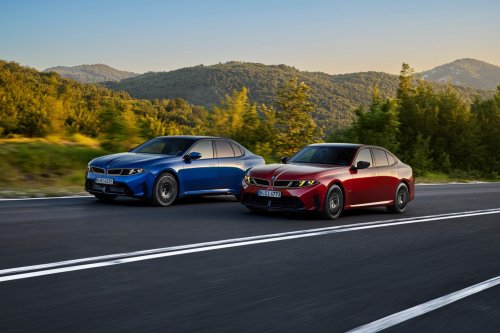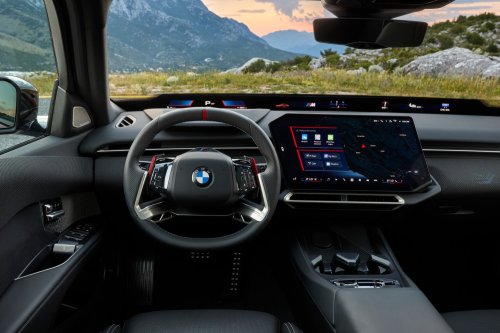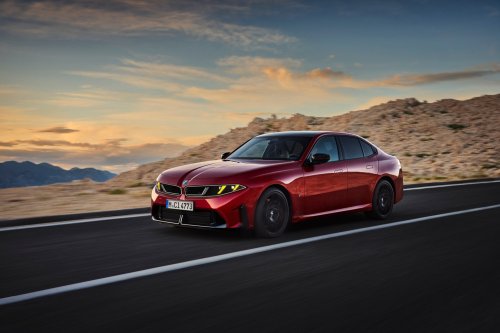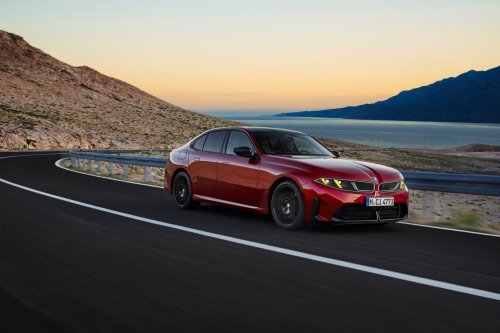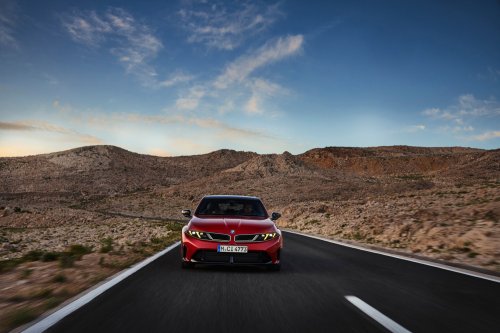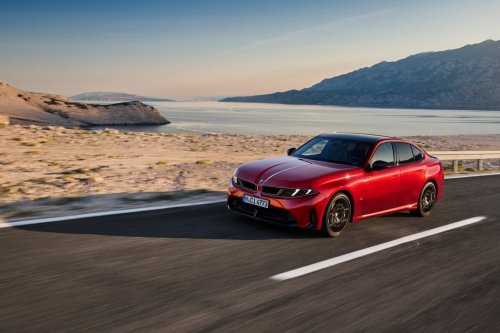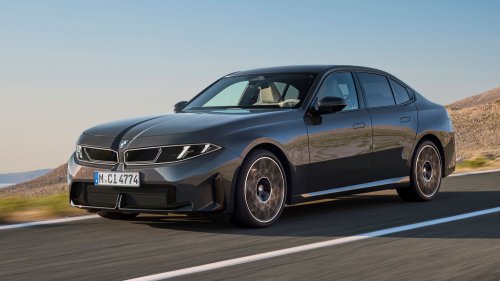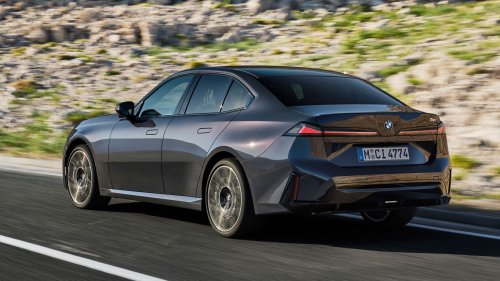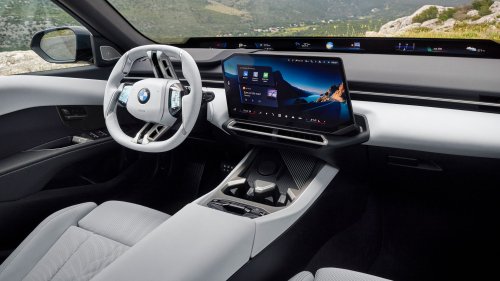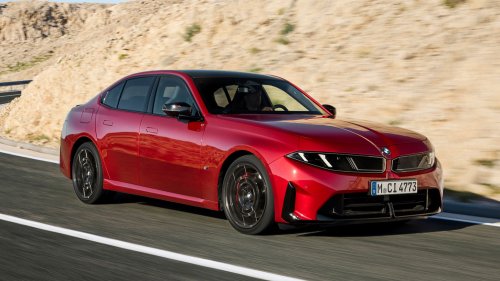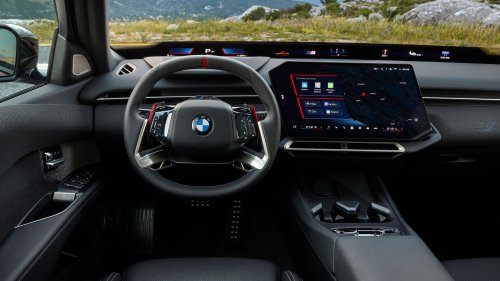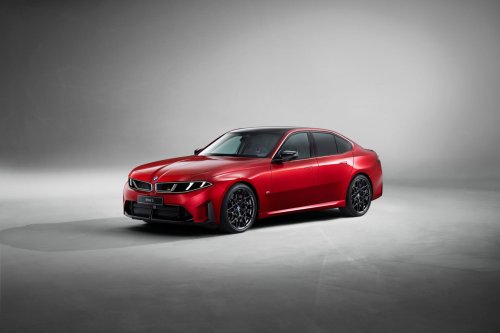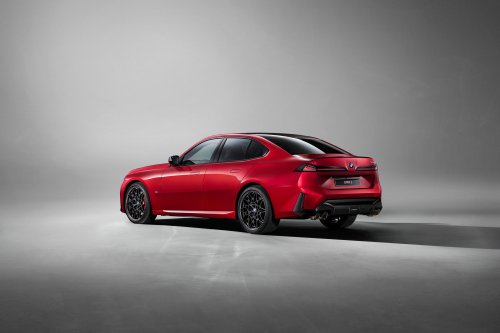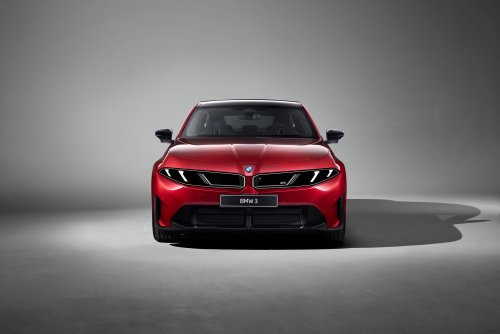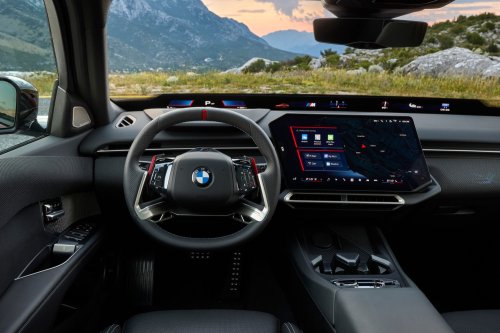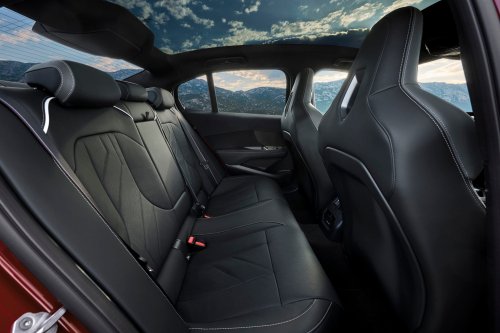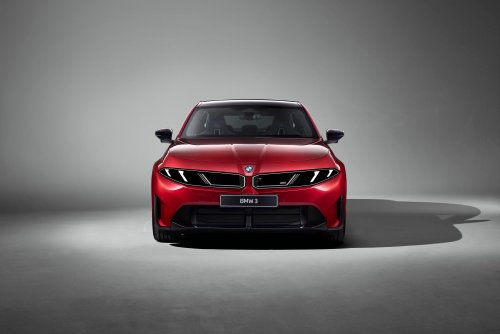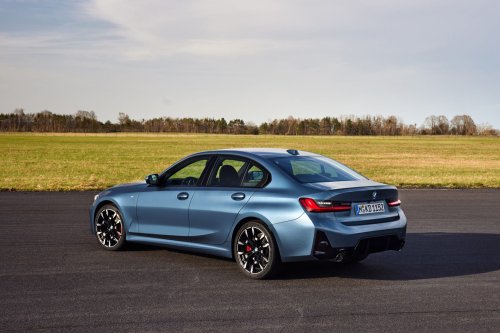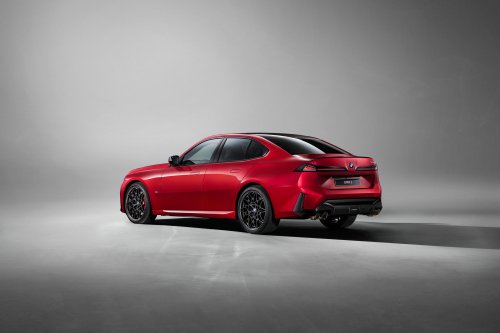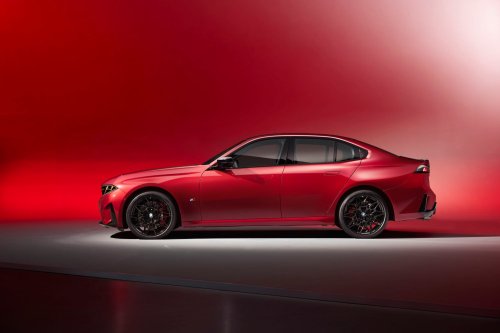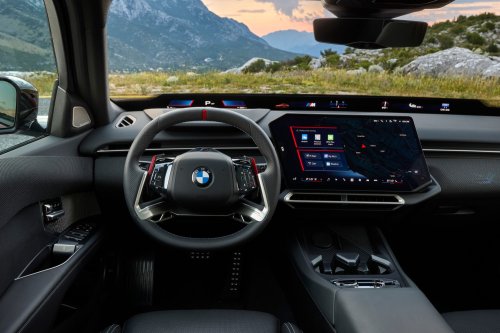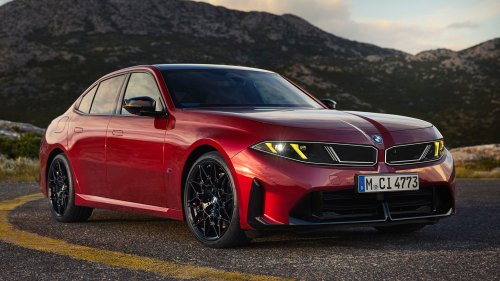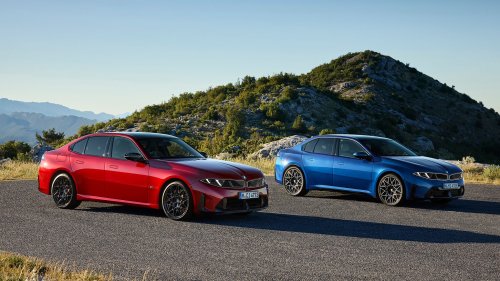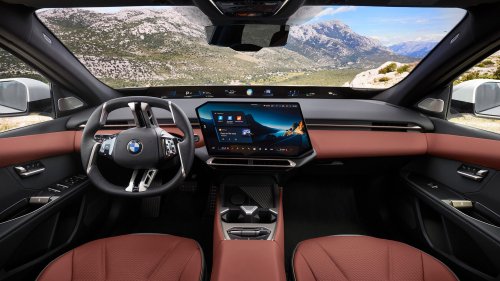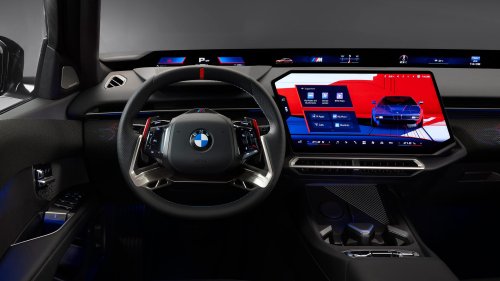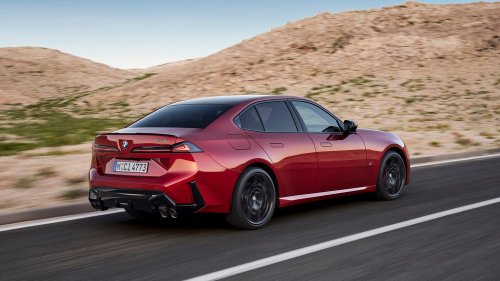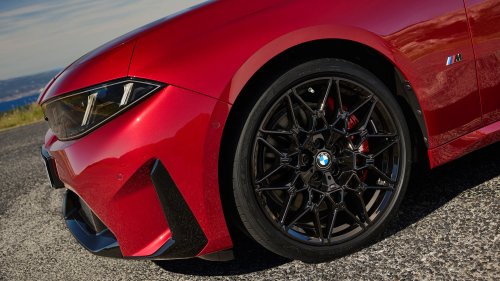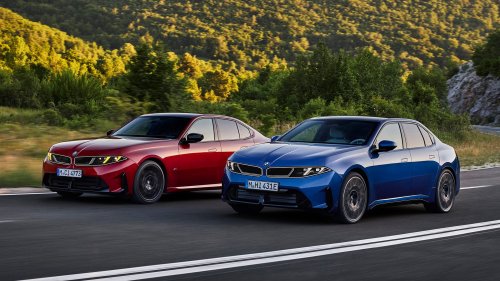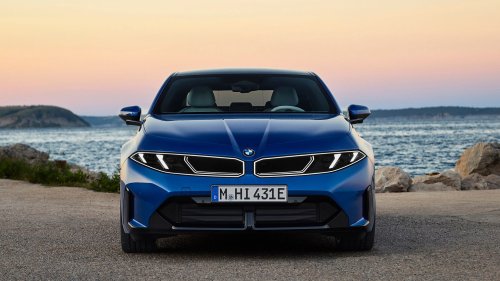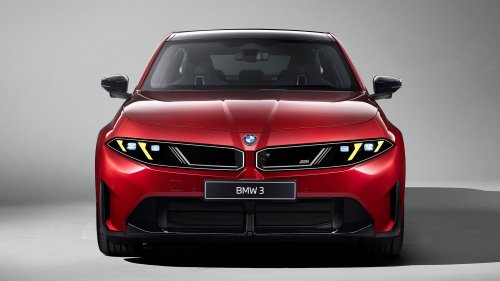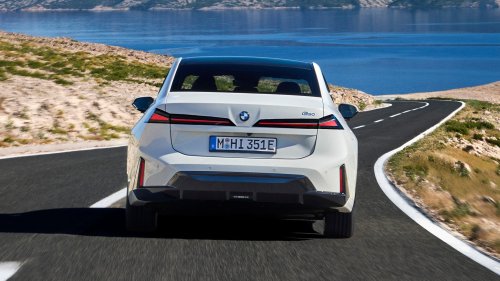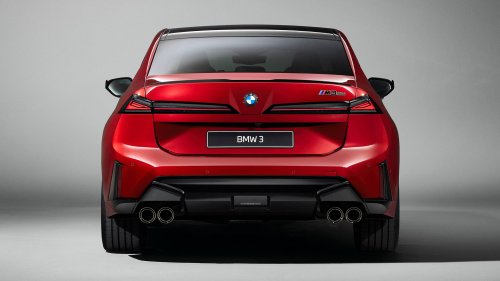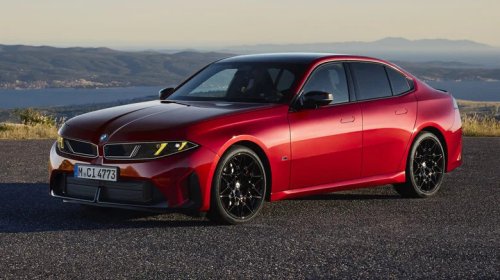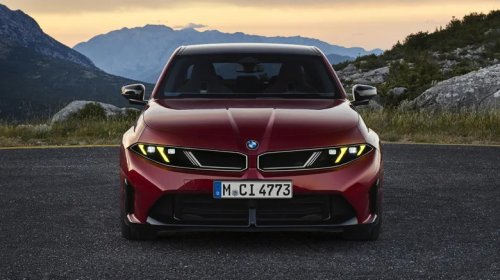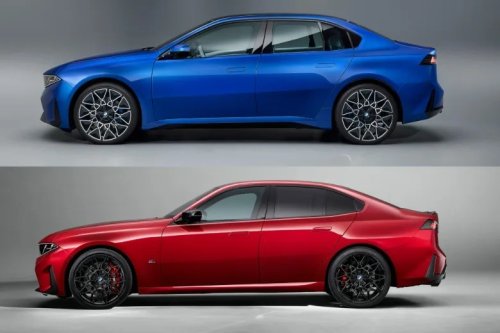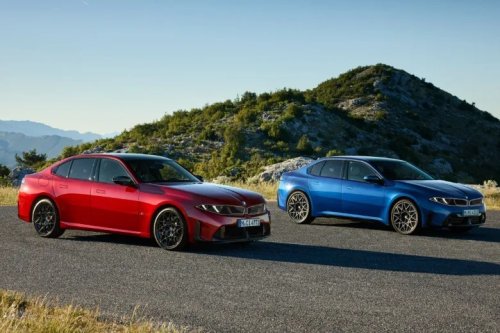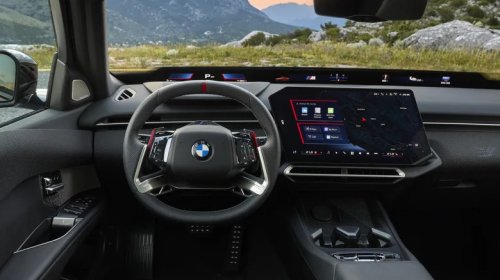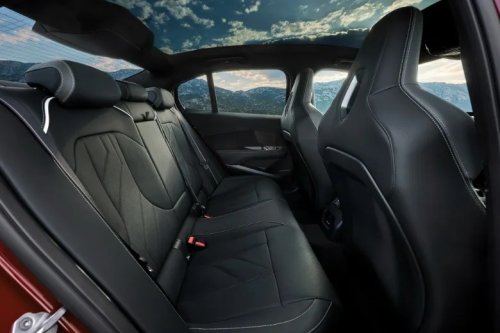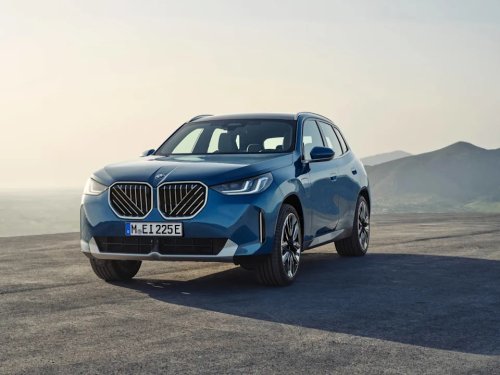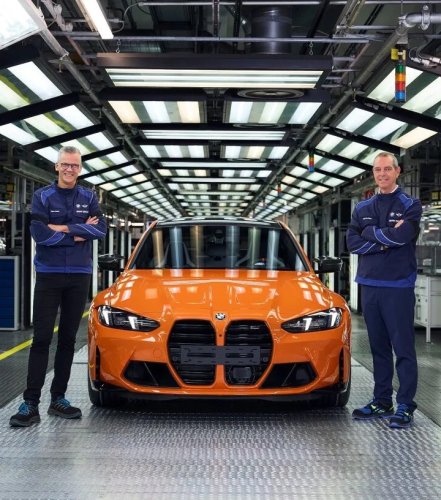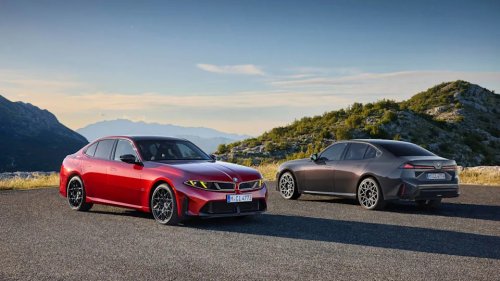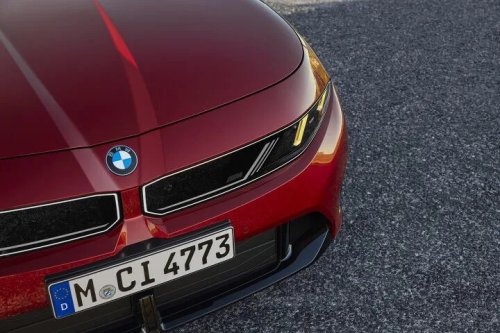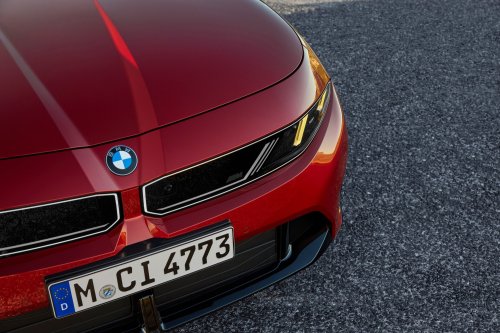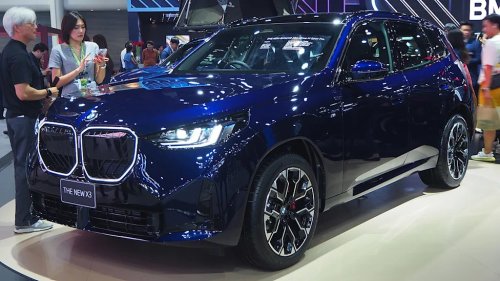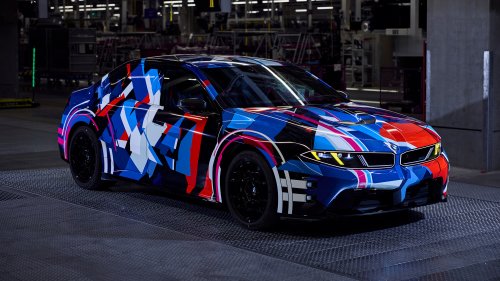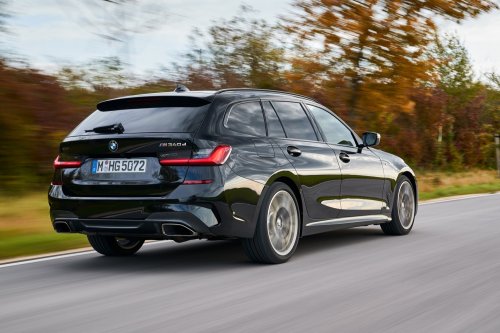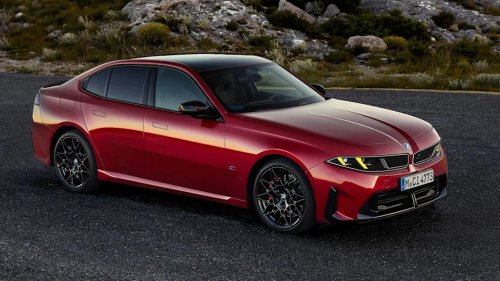
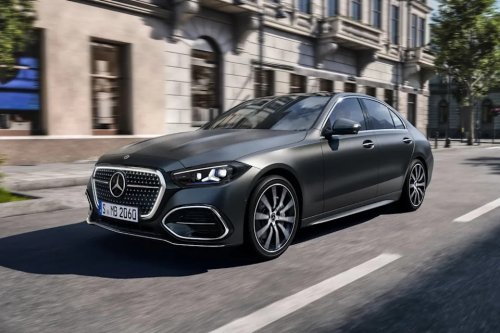
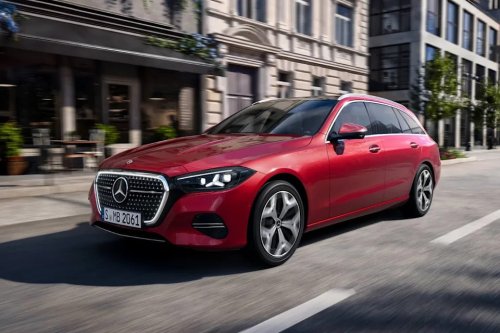
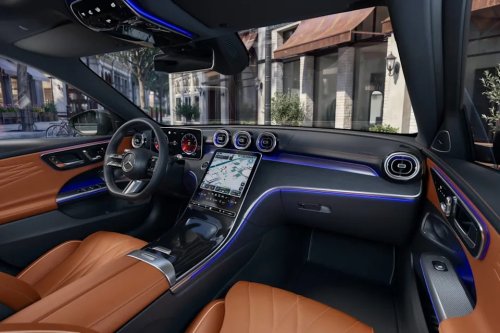
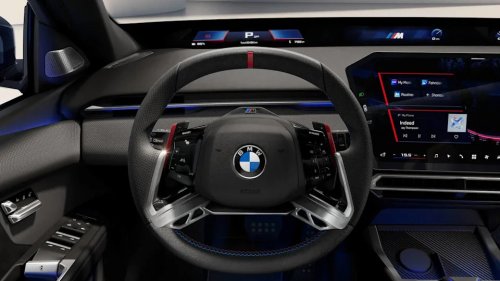
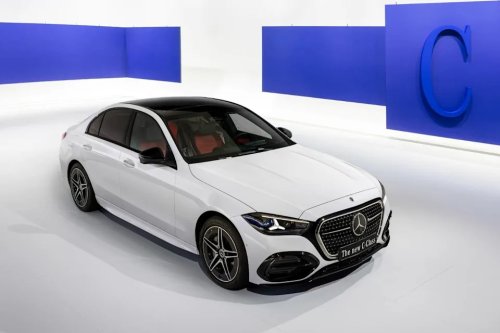
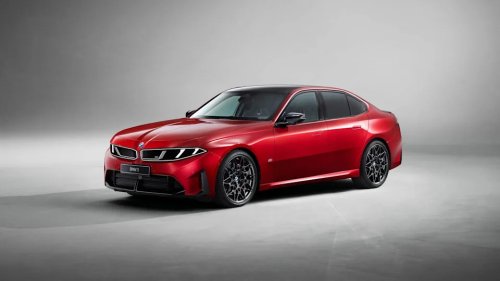
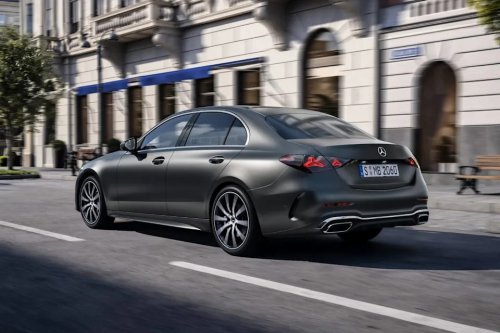



















For 2027, both Mercedes-Benz and BMW have revealed their latest offerings in the compact premium sedan segment, and as always, they must be compared with each other. The 2027 Mercedes-Benz C-Class and the 2027 BMW 3 Series both keep combustion alive, but both are also available as all-electric vehicles that look very similar to their gas-powered siblings. You can learn more about the electric C-Class here, and the electric 3 Series, called the i3, is also discussed in detail elsewhere on this site, but for this article, we're going to focus on the combustion cars.1BMWBoth cars manage to evolve the styling of their predecessors, but it's the BMW 3 Series that looks newer, adopting concept car styling from the Vision Neue Klasse design study. That means angular body lines, prominent surface detailing, and plenty of M flavor. 19-inch wheels are standard, with 20s appearing on the options list. For the Merc, 18-inch wheels come standard and 19s are available, but unlike the Bimmer, the car looks more like an evolution than a revolution. Aside from a new illuminated grille and three-pointed star-shaped daytime running lights, the 2027 C-Class is pretty inconspicuous. This writer prefers the sportier look of the Bimmer, but the subtle elegance of the Merc is almost as appealing. And you get real door handles.2Mercedes-BenzWhile M Yellow Lights are an option on the BMW, along with Iconic Glow grille detailing, the Merc isn't as interested in channeling the spirit of AMG as the Bavarians are in infusing M3 flavor into the 3 Series. The result is that the 2027 C-Class looks very similar to other Mercedes products, while the 2027 3 Series makes its newness more obvious.3Mercedes-BenzThe station wagon version of the 2027 C-Class (S206) was revealed alongside the sedan (W206), but the BMW 3 Series has only been shown in sedan form (G50) thus far. A wagon (G51) is expected to follow, but neither longroof is expected to be available in America, where buyers tend to prefer crossovers or SUVs.4Mercedes-BenzThankfully, the 2027 C-Class doesn't get a hyperscreen stretching from end to end of the dashboard, instead using an 11.9-inch portrait-oriented touchscreen display running the latest version of the MBUX operating system. This is complemented by a 12.3-inch horizontal driver display. Another positive is that there are still several physical buttons and switches in here.5BMWThe Bimmer's cabin is far more heavily revised. In here, there's no driver display directly behind the squircle-shaped wheel, with important information instead being projected onto a narrow strip that runs the width of the lower windshield. In the center, a 17.9-inch 'free-cut' touchscreen display handls most functions, while haptic touch pads on the wheel come to life when their functions are required. But besides a volume knob, a transmission selector switch, and a couple more basic functions, little is controlled by physical switchgear. For those still reluctant to embrace digitization, the Merc seems easier to learn. But spend some time in the BMW, and the Panoramic Vision iDrive system makes more and more sense. Hyundai is adopting a similar design, so it must be good, though the Korean version still has plenty of real buttons.6Mercedes-BenzBoth the C-Class and the 3 Series come with mild-hybrid powertrains. The 2027 C-Class is offered with a turbocharged 2.0-liter four-cylinder in base C200 form, producing 174 horsepower. The C250 increases output to 215 hp, while the C300 (most likely to be offered in the U.S.) comes with 255 hp. The range also includes the C400 e 4MATIC plug-in hybrid with 389 hp, but a warmed-up C53 and its six-cylinder engine are yet to be announced.7BMWThe 2027 3 Series is simpler. The 330 and 330 xDrive (all-wheel drive) come with a mild-hybrid 2.0-liter turbocharged four-pot, making a respectable 255 hp, exactly the same figure as the C300. The M Performance model in the range, the M350, gets a mild-hybrid 3.0-liter turbocharged inline-six developing a stonking 437 hp, and while it's only available with AWD, a new 'Drift Moment' function can direct all the power to the rear axle. Both the Merc and the Bimmer use automatic transmissions, with the former boasting nine ratios and the latter one fewer.Final ThoughtsMercedes-BenzThe two compact premium sedans offer similar entry-level performance, and both are expected to start in the high-$50k range, extending into the mid-60s for range-topping models. Interior room and cargo volume measurements are yet to be revealed, so we can't compare the cars here, but both offer plenty of technology, comfort, and space. The 2027 3 Series gets a panoramic glass roof as standard, which increases the sense of interior luxury, and its higher-performance M350 trim is as close to an M3 as a 3 Series has ever been. Sure, there are gripes concerning the lack of physical switchgear, and the non-traditional dash layout and steering wheel design will turn some off. Some may also find the exterior styling too shouty. But the C-Class is arguably too restrained for most, and if you want to show off that you've got the latest and greatest Germany has to offer, the BMW stands out more. In summary, the BMW is bolder, more athletic, and represents a step change in interior design. However, for those who have access, the Merc's station wagon option will be available before the BMW's, and if you just want a luxurious, comfortable, quiet sedan or wagon, the C-Class fulfils requirements with ease. The win goes to the 3 Series, but that's not an indictment of the C-Class, and those who choose the Merc are still making a fantastic choice.