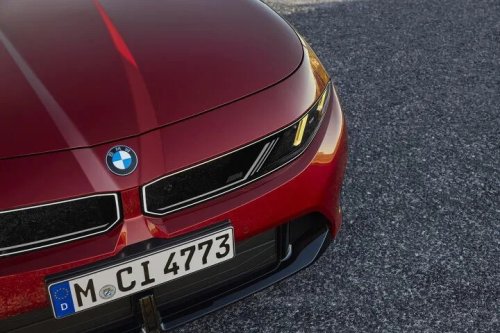
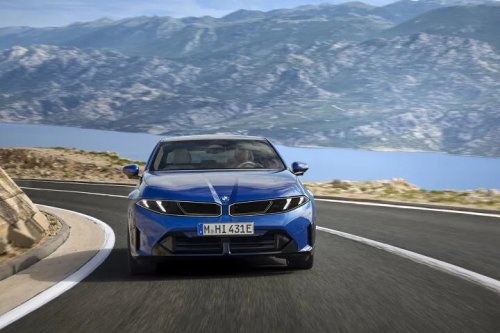
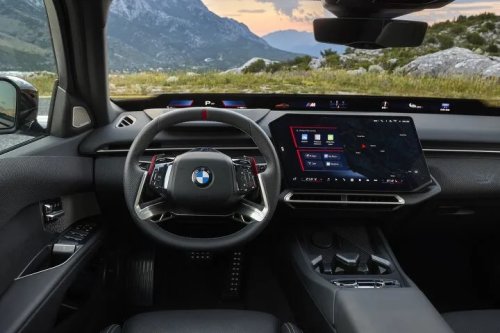
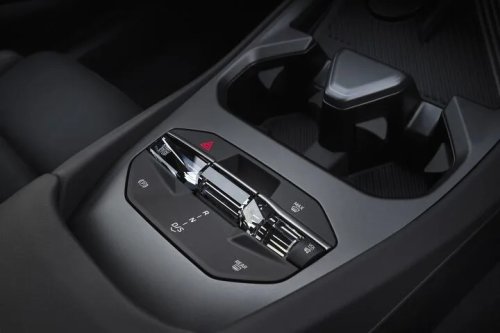
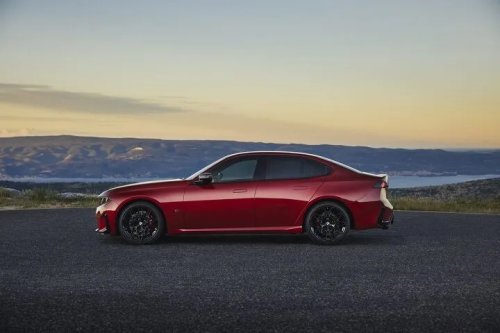
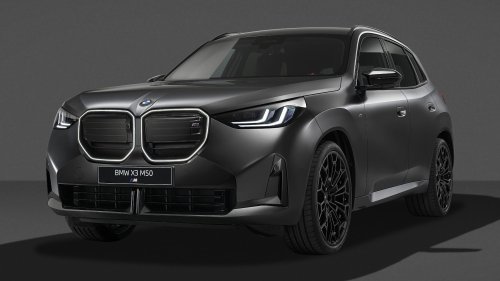
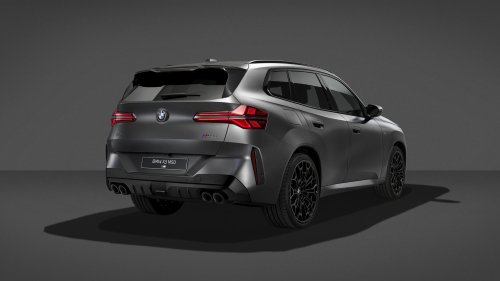
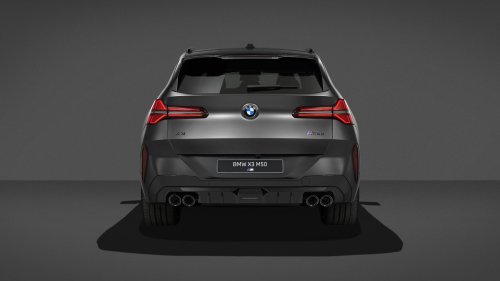
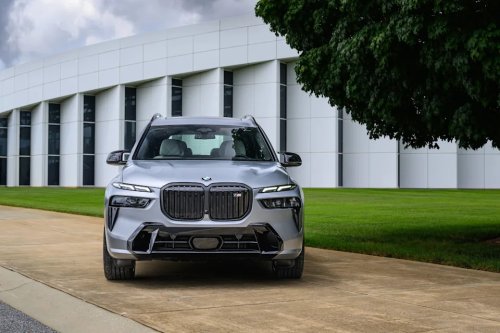
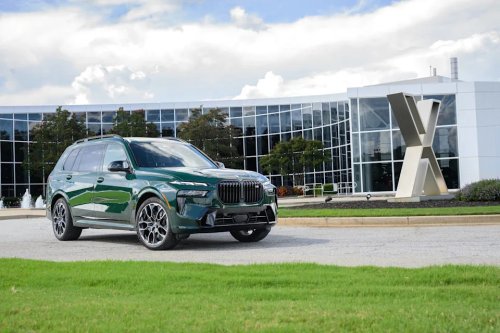
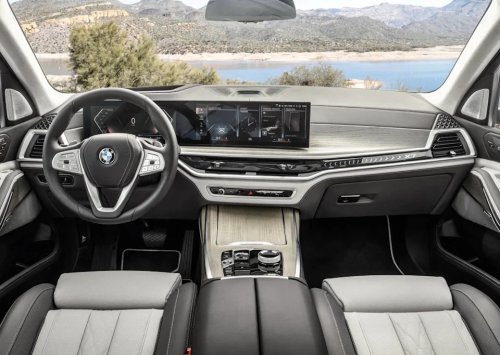
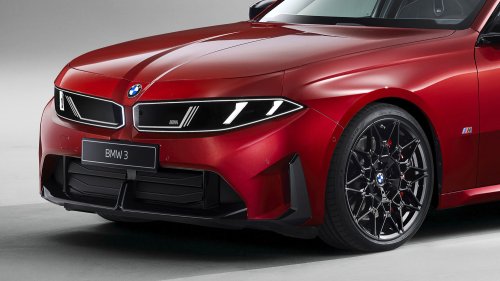
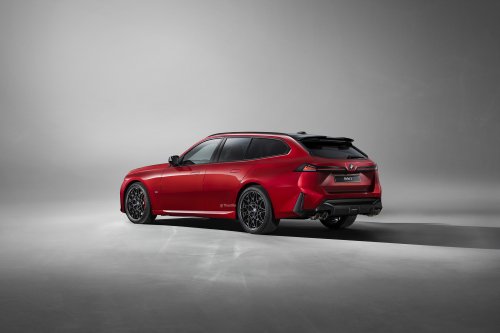
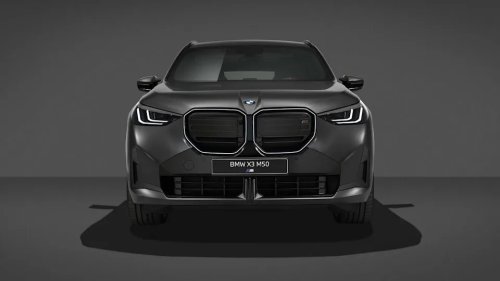
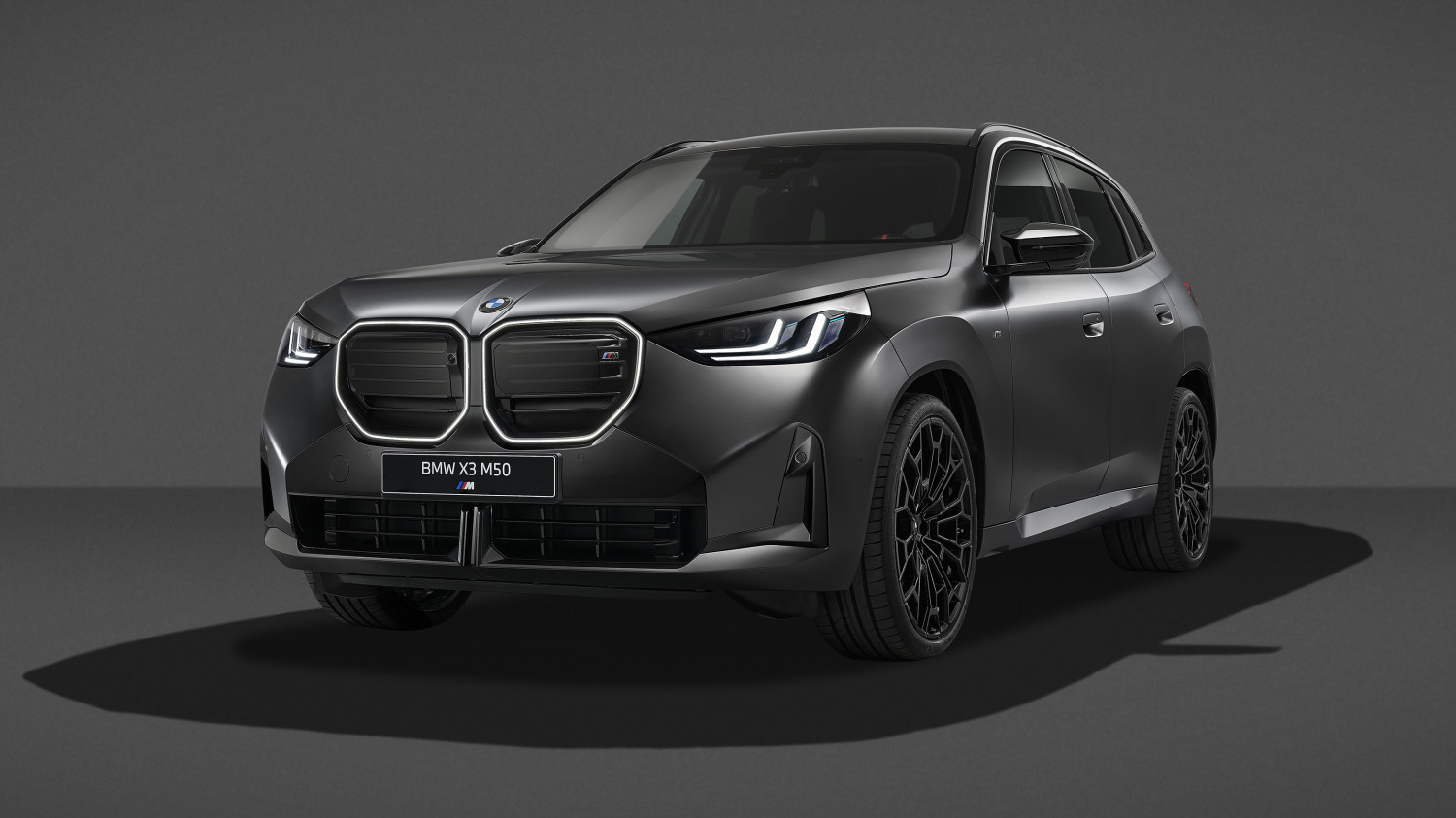
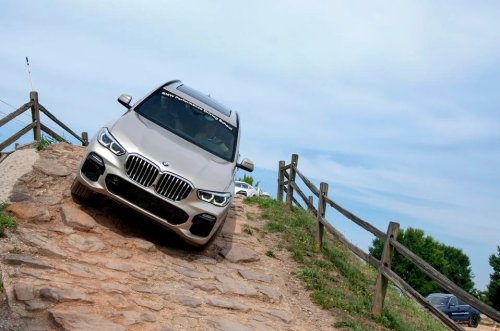
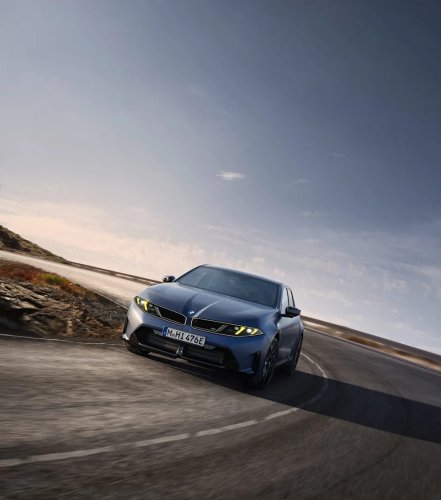
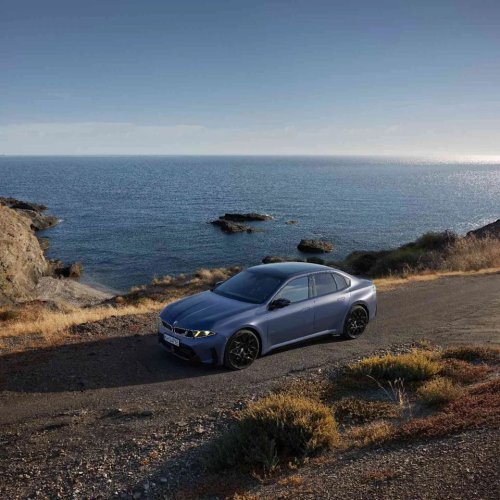
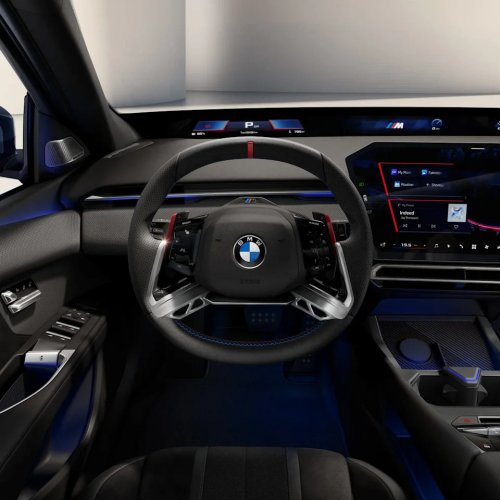
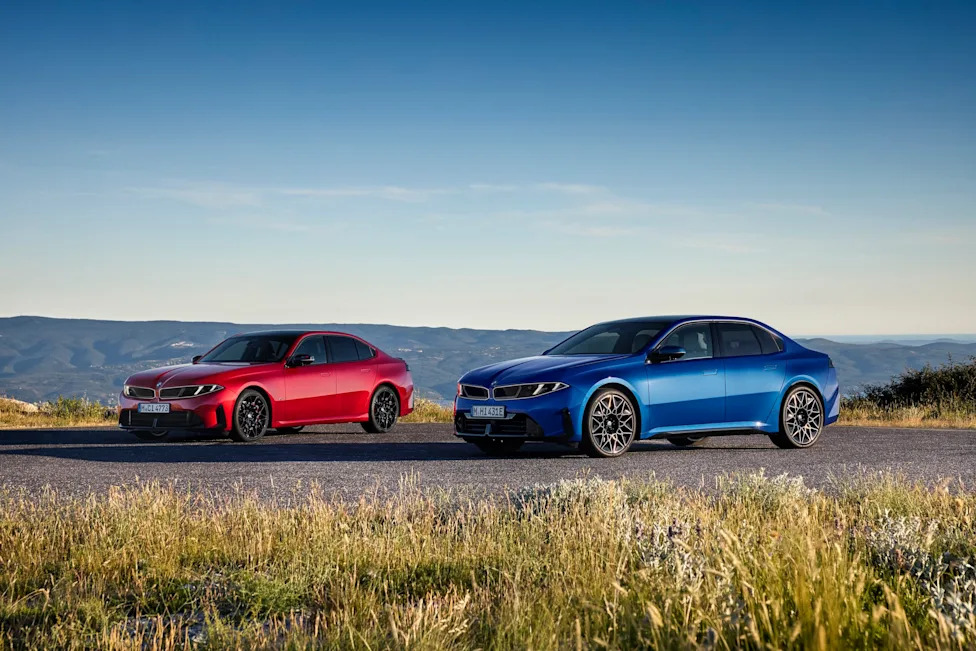
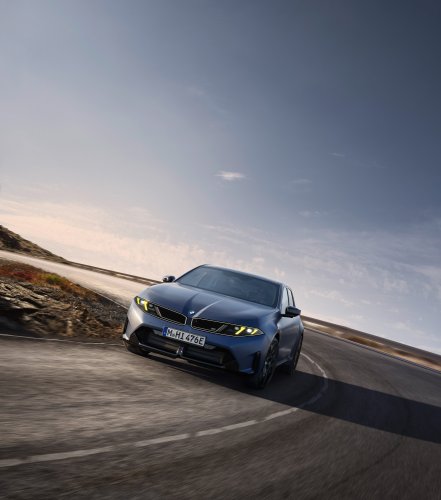
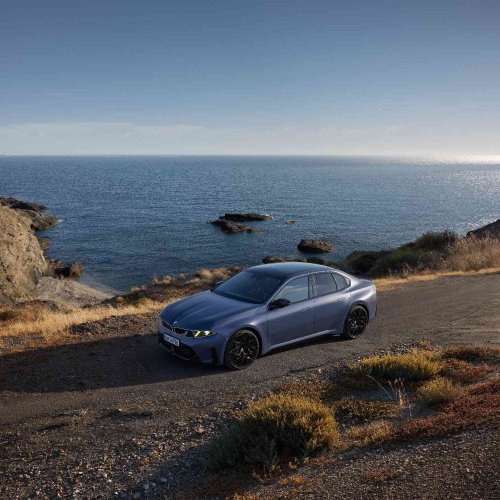
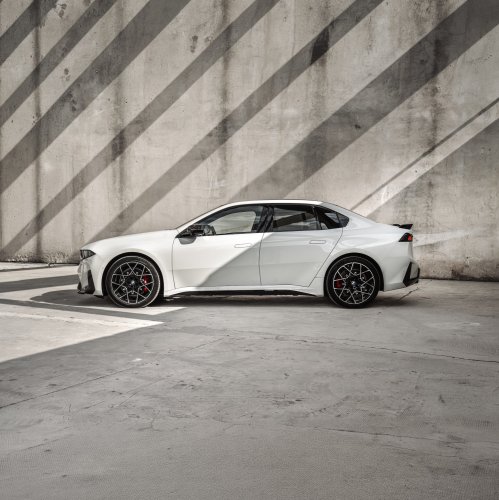
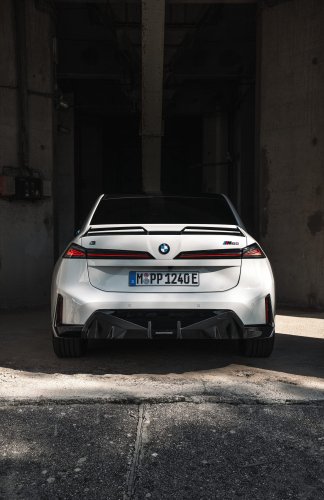
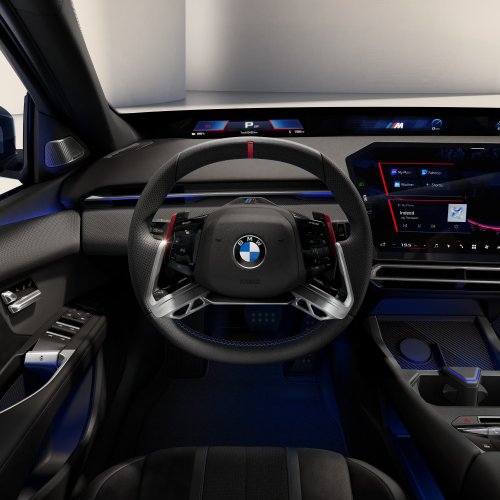
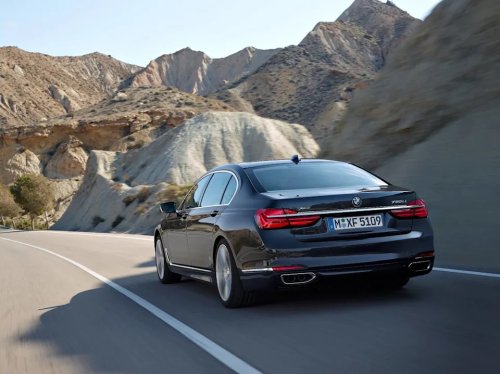
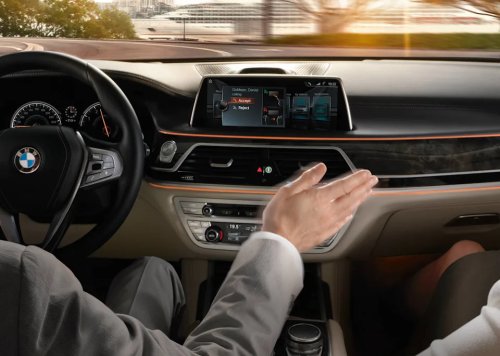
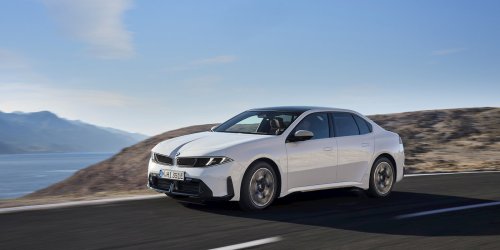
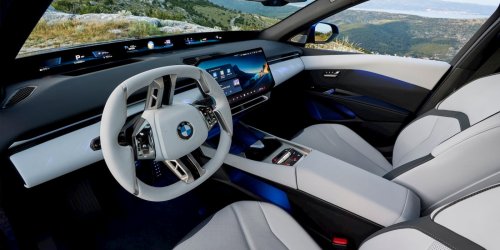
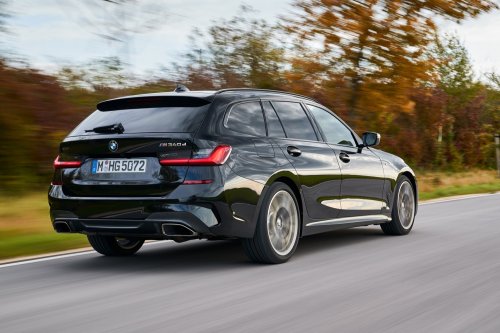
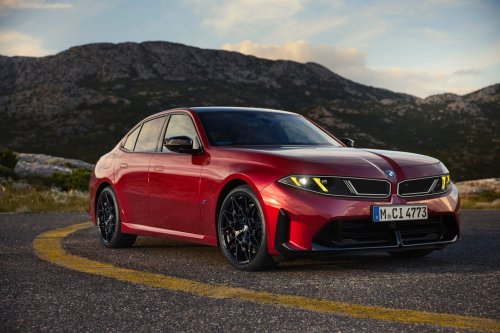
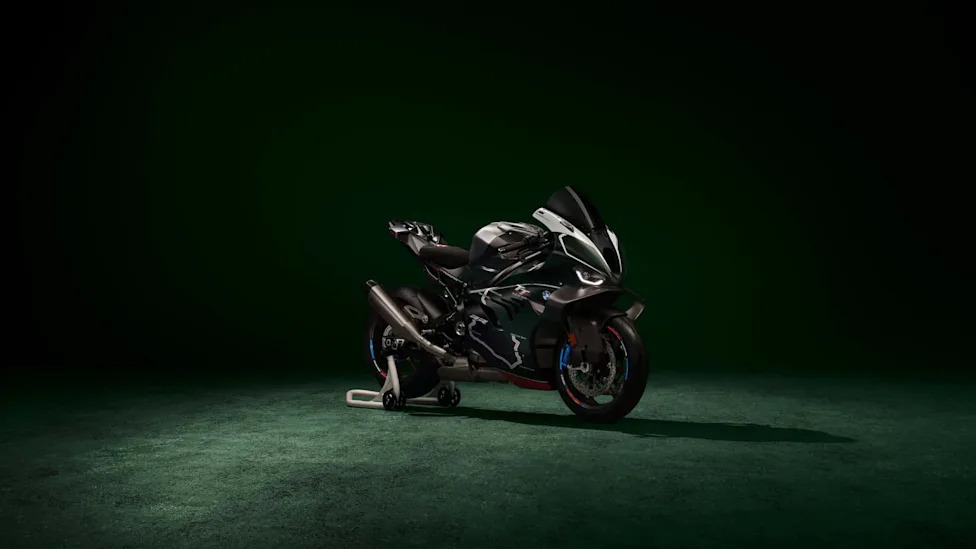
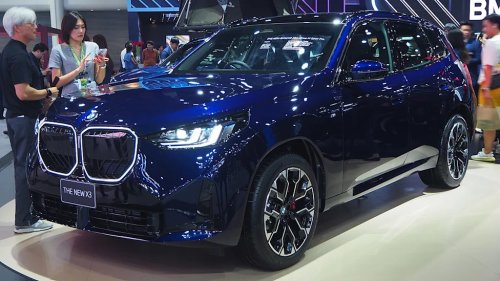
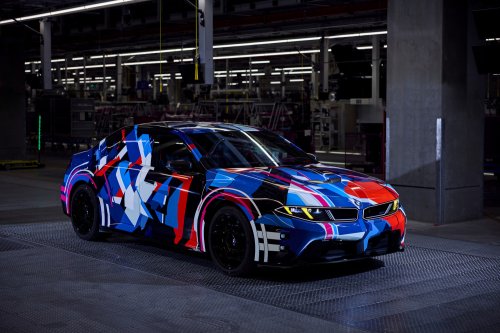
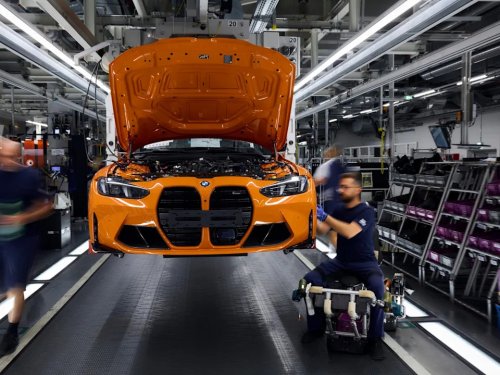
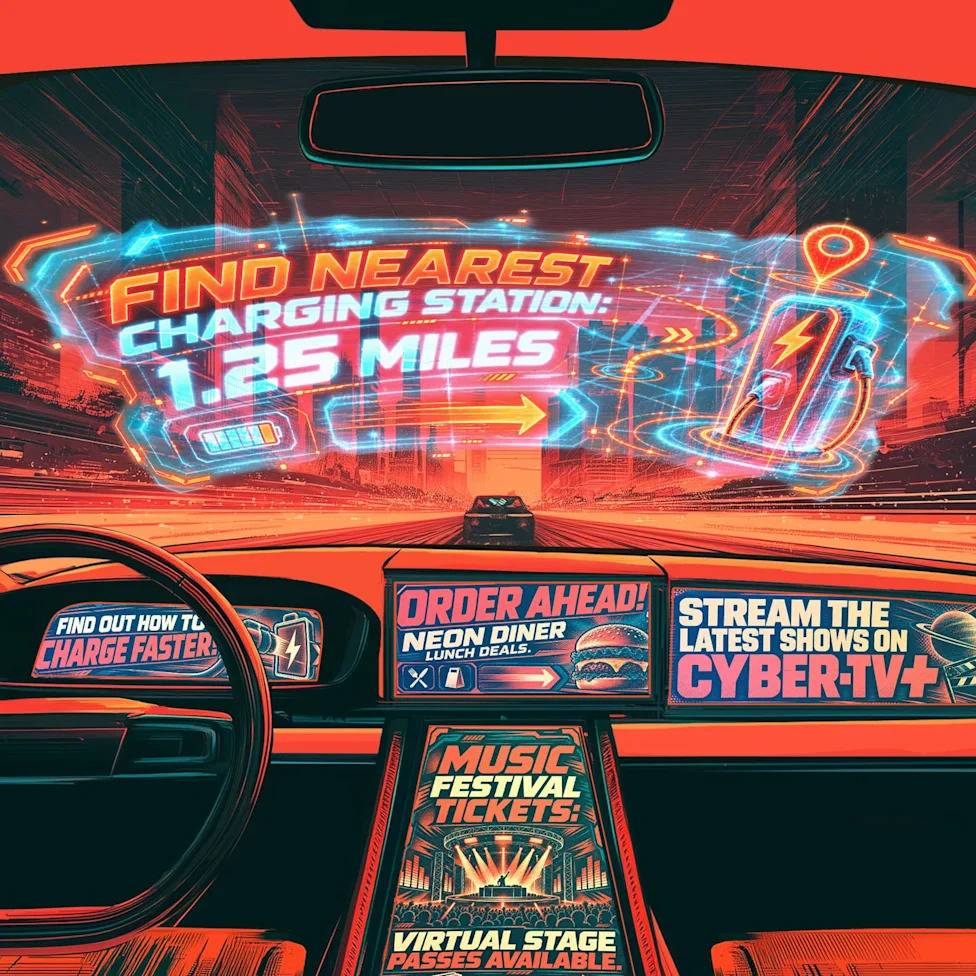
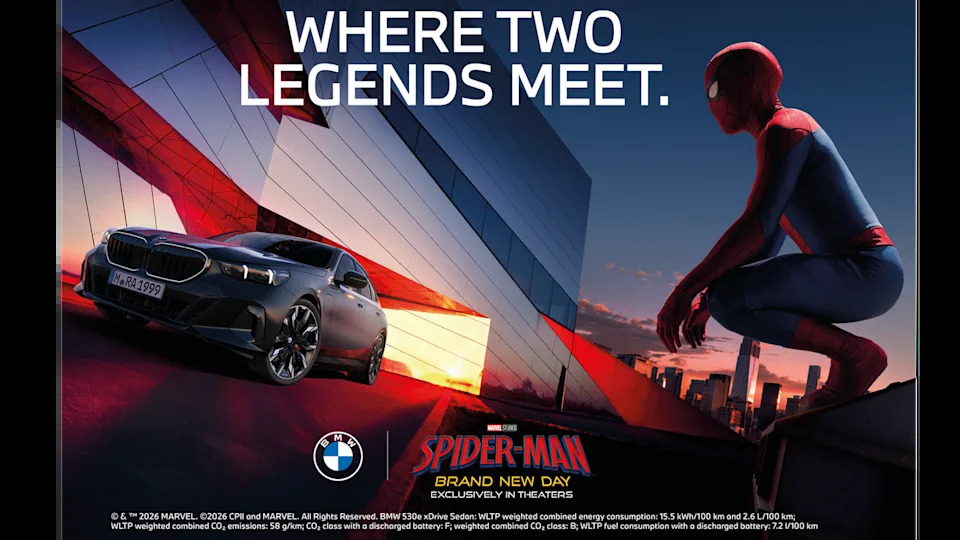
In-Car Ads Are Here, and Automakers Need to StopRyan Lugo - MotorTrendWe often publish looks at future cars, and these are usually a pretty clear-cut glance ahead at the vehicles coming soon. Every SUV, car, and truck we cover generally promises the latest technology at its price point, including driver assistance, autonomous driving, performance, efficiency, user interfaces, and augmented reality. This year, though, feels different. Technology in new cars is beginning to seem less like it's designed to make the owner's life better and more like it's designed to extract more money from them. Case in point: BMW's in-car advertising.What began as an Easter egg has become a Trojan horse. For years, automakers have used the built-in wireless modems to send mundane software updates plus useful new features and, occasionally, fun little gimmicks. Everyone got a kick out of those Tesla holiday programs that blinked the lights and opened doors to a festive song played on the stereo. It was harmless fun. But now, BMW—infamous for once trying to make heated seats a subscription-based service—had to come and ruin it with an in-car ad disguised as an innocuous video.We hoped the Bavarians would've learned from the heated-seat debacle that customers really don't want to pay extra for things they already own, but instead, the company seems to have only learned to be sneakier. The ad in question is for the latest Spider-Man movie, which features heavy BMW product placement. It's presented to owners like any other special video or message from the automaker, with a pop-up notification on the center screen that offers the option of opening and watching or dismissing. Thank goodness, you still have the choice.BMWStill, the very idea of using in-car screens to play ads is obviously tempting the MBAs in Munich, and it's absolutely repulsive to us. Worse is the realization that not only are you being fed advertising in a car you've paid tens of thousands of dollars for, but it's also being downloaded via the dedicated in-car wireless plan you're required to pay for in order for many of the top features to function. In other words, you're essentially paying BMW to upload ads to your car.Regrettably, none of this is surprising. Automakers around the world have rubbed their hands publicly at the idea of selling subscriptions and extra-cost features long after the initial sale is complete. It goes by the sassy acronym "SaaS," subscription as a service, and cars are only its latest victims. In this potential future, you'll never truly own all your car's features; you'll rent them for a fee.Thankfully, there's still time to stop it. Overwhelming negative feedback cowed BMW into canceling the subscription seat heaters, and the same can happen to in-car ads. It's exhausting beating back endless schemes to make you subscribe to things that used to be included in the purchase price, and it feels like it's only getting worse.There's hope on the horizon, though. Several brand-new vehicles are advancing the industry by going backward on technology. The Corvette Grand Sport doesn't have radar cruise control, much less autonomous driving capabilities. The Slate EV pickup truck doesn't even have a wireless connection, much less a center screen to display an ad on. The Ferrari 849 Testarossa Spider has partially reverted from touch-sensitive buttons and screen-based controls to physical knobs, switches, and buttons as the company pulls back from its Tesla-aping plans. Ferrari isn't the only one, either; Mercedes-Benz and Volkswagen now both publicly admit their touch controls and overreliance on screens were mistakes.Those are just the ones already on sale. Looking ahead, Dodge is bringing back its old-school Hemi V-8 in a big way, potentially even dropping it in an all-new, back-to-basics sports car. GM is preparing its own performance car with a Camaro revival and sharing the enthusiast-oriented platform with a new Cadillac CT5 and even a sporty Buick. Porsche is finding ways to keep its mostly analog track weapon, the 911 GT3, on the market with as little connected technology as possible. There's a pretty good chance at least one of those, along with the four-door Ford Mustang, will still offer a manual transmission.Even the government is getting involved. Transportation Secretary Sean Duffy is floating an idea he calls the FreedomCar, a set of proposed regulatory changes that would prevent the federal government from mandating connected or autonomous technology in new cars. Notably, however, it would do nothing to stop automakers from choosing to sell only connected cars.Look, we're not reverting to carburetors, points, or manual spark advance, but a fully connected and monetized future doesn't need to be inevitable, either. Telling automakers like BMW to knock it off is the first step in creating the type of connected future we want.



















 +72 others