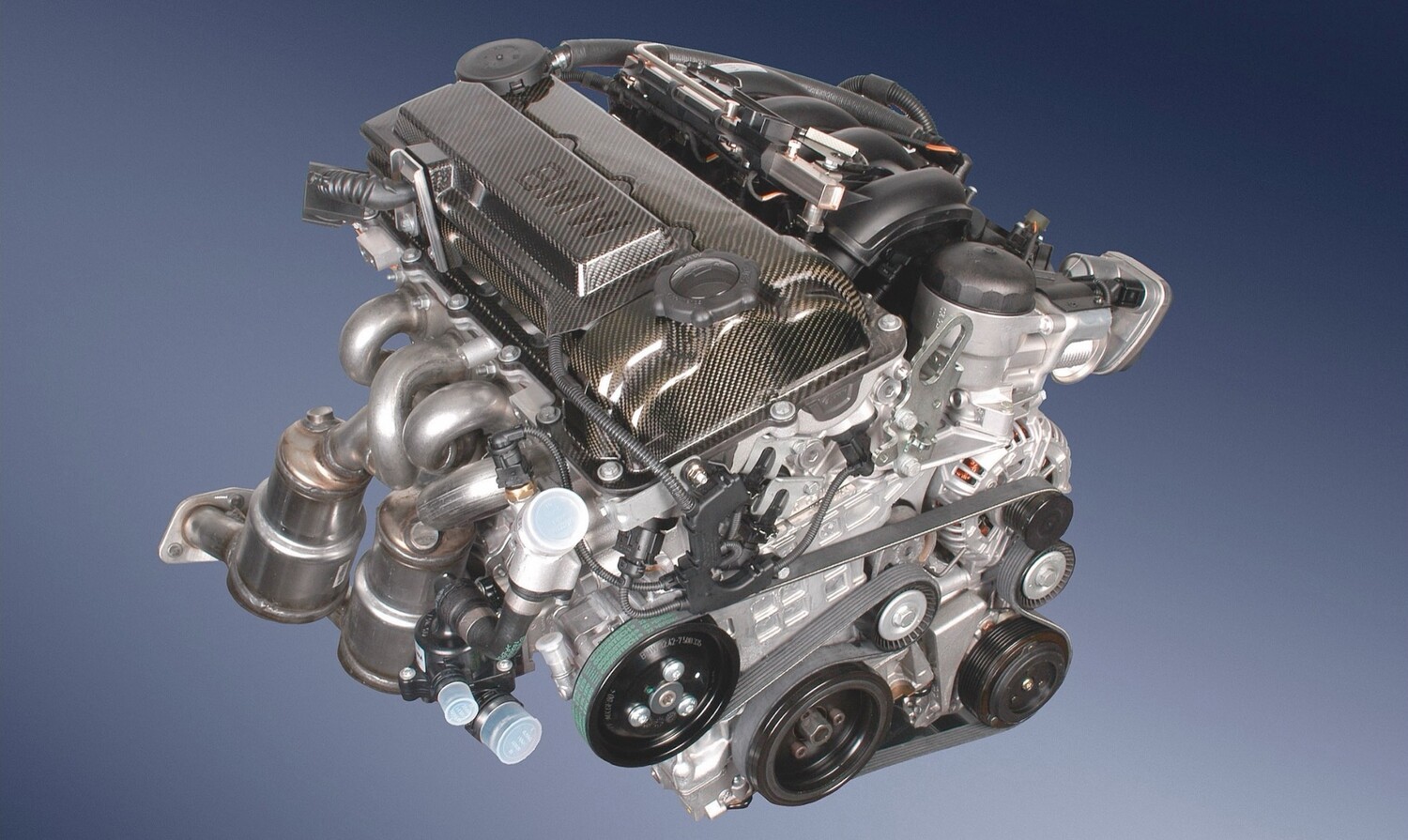
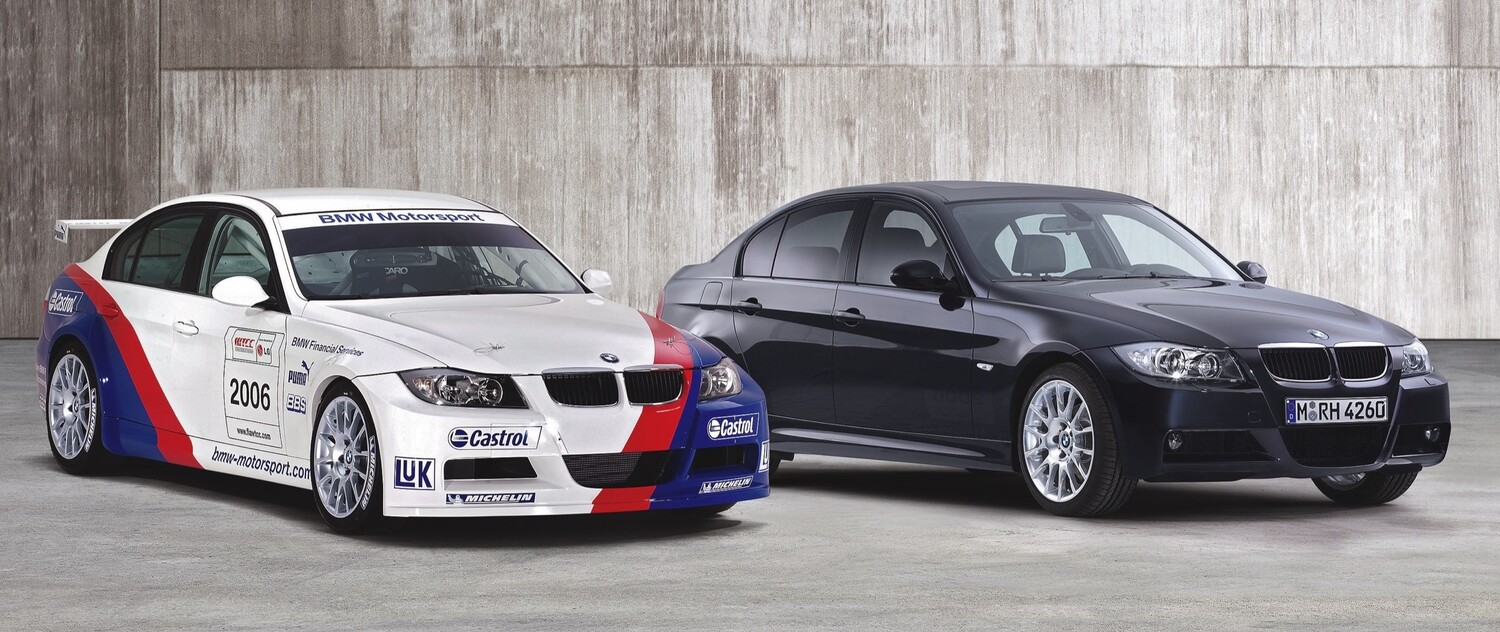
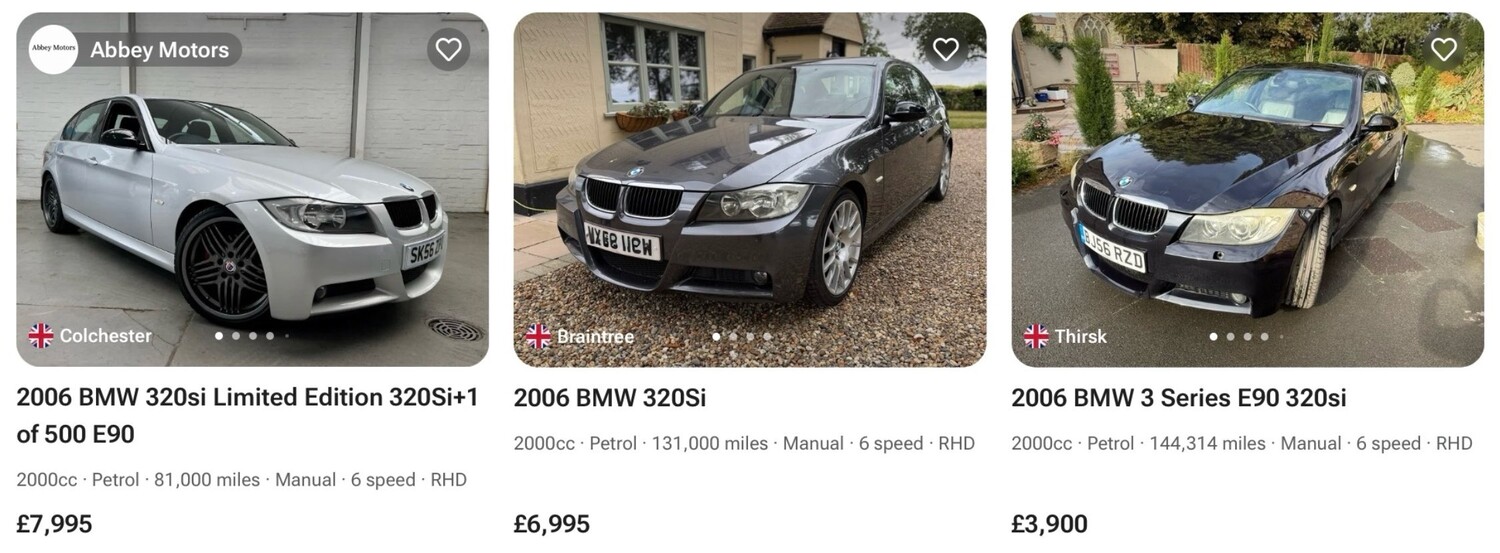
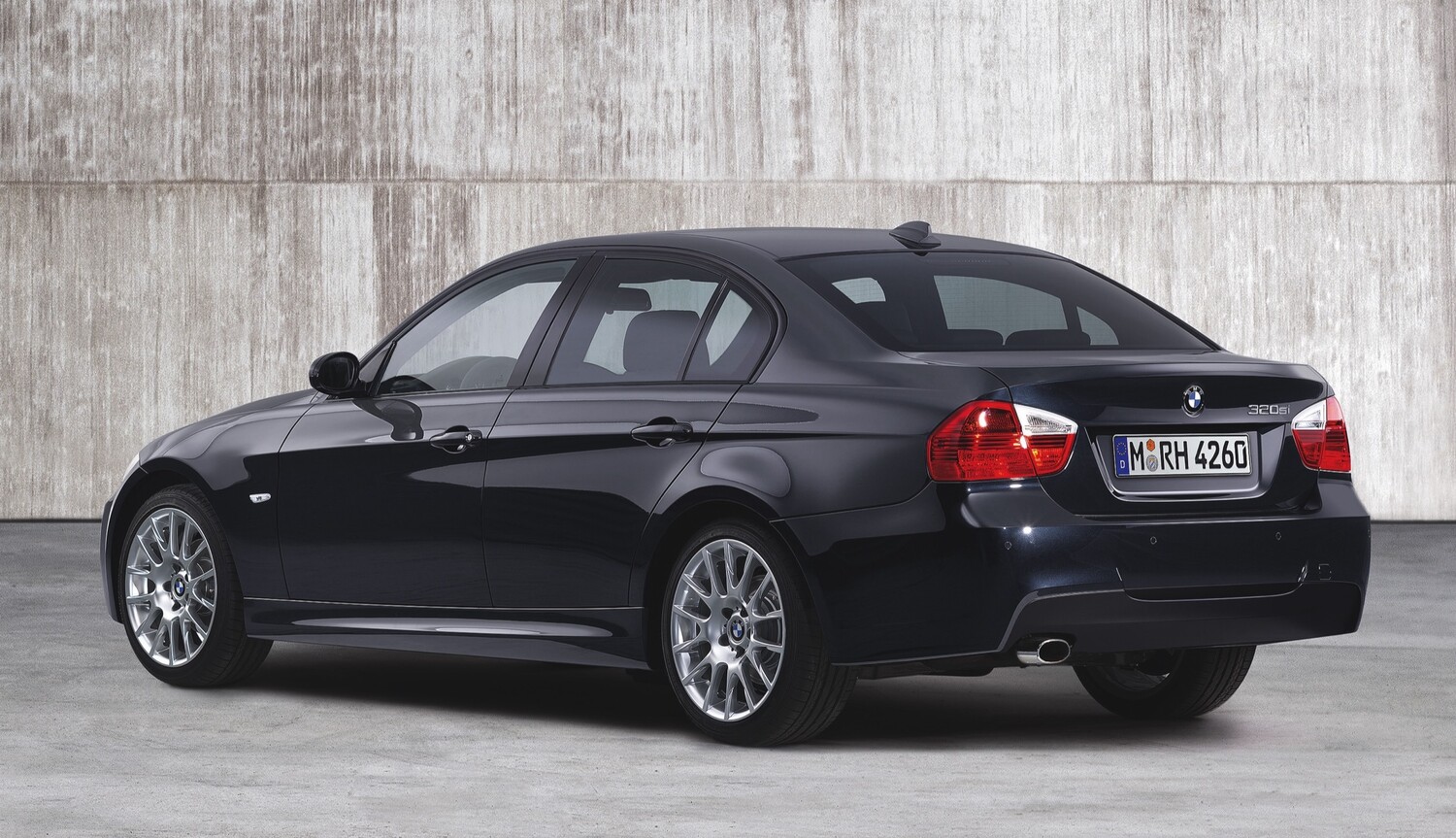
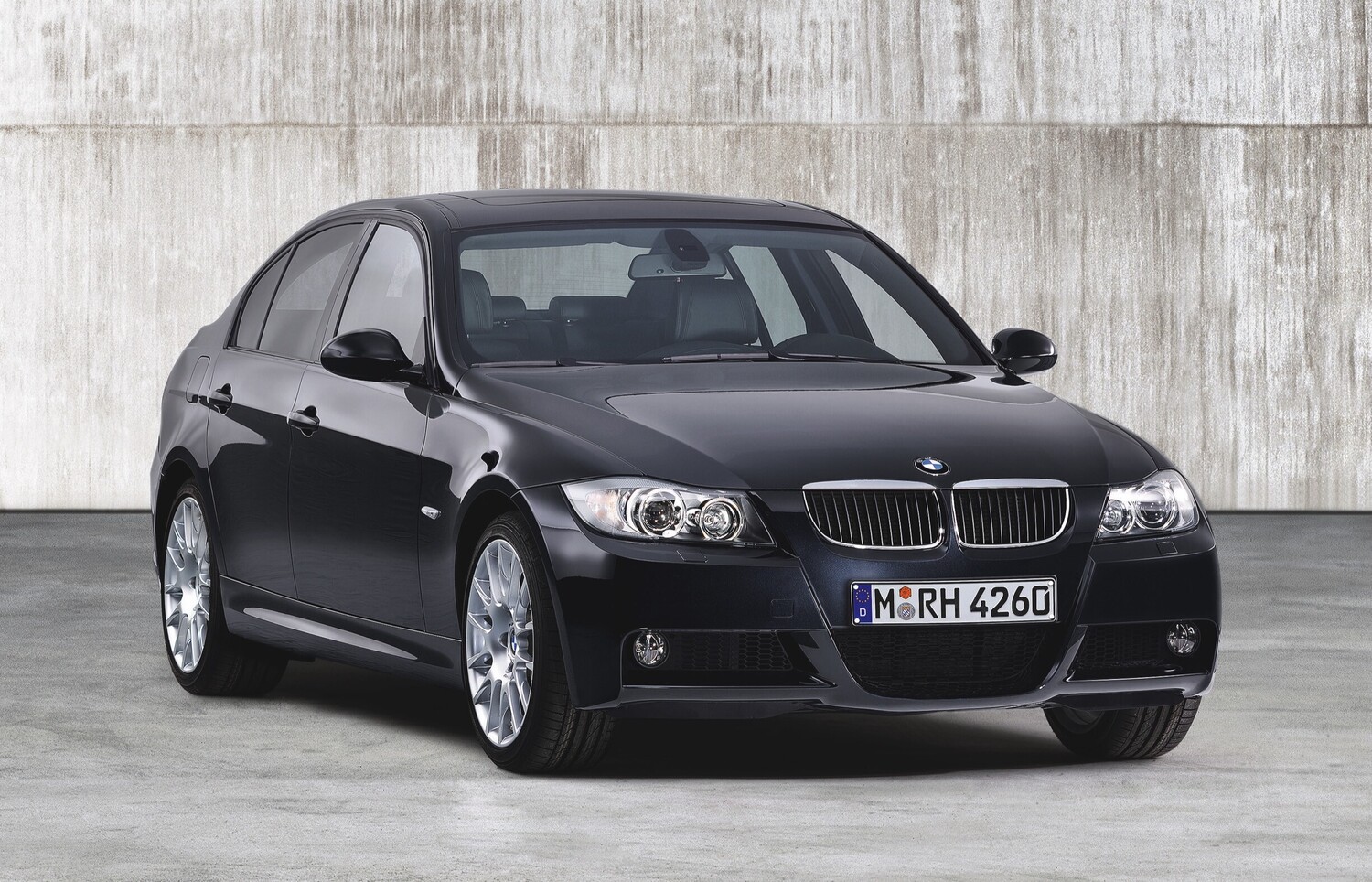
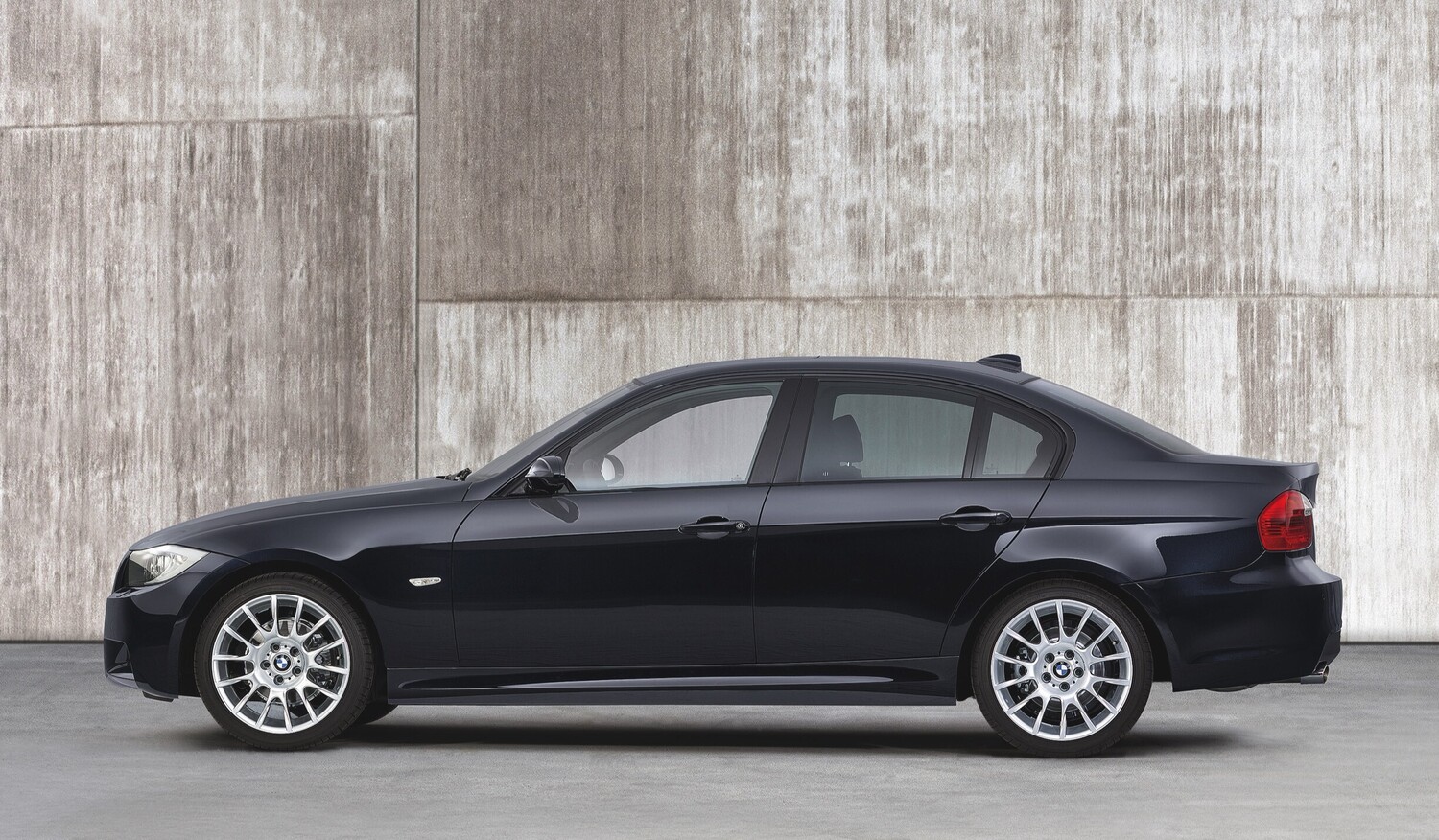
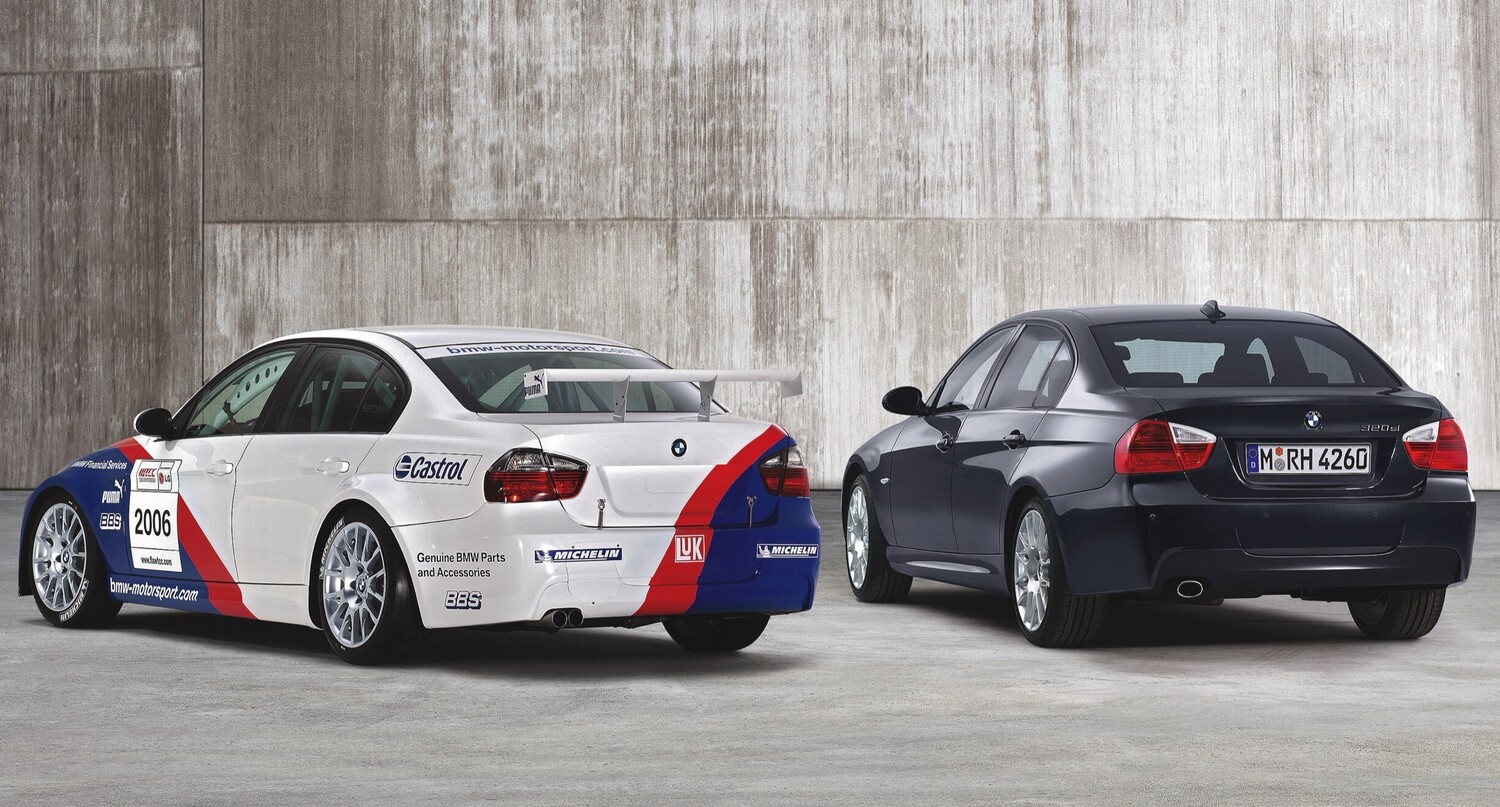
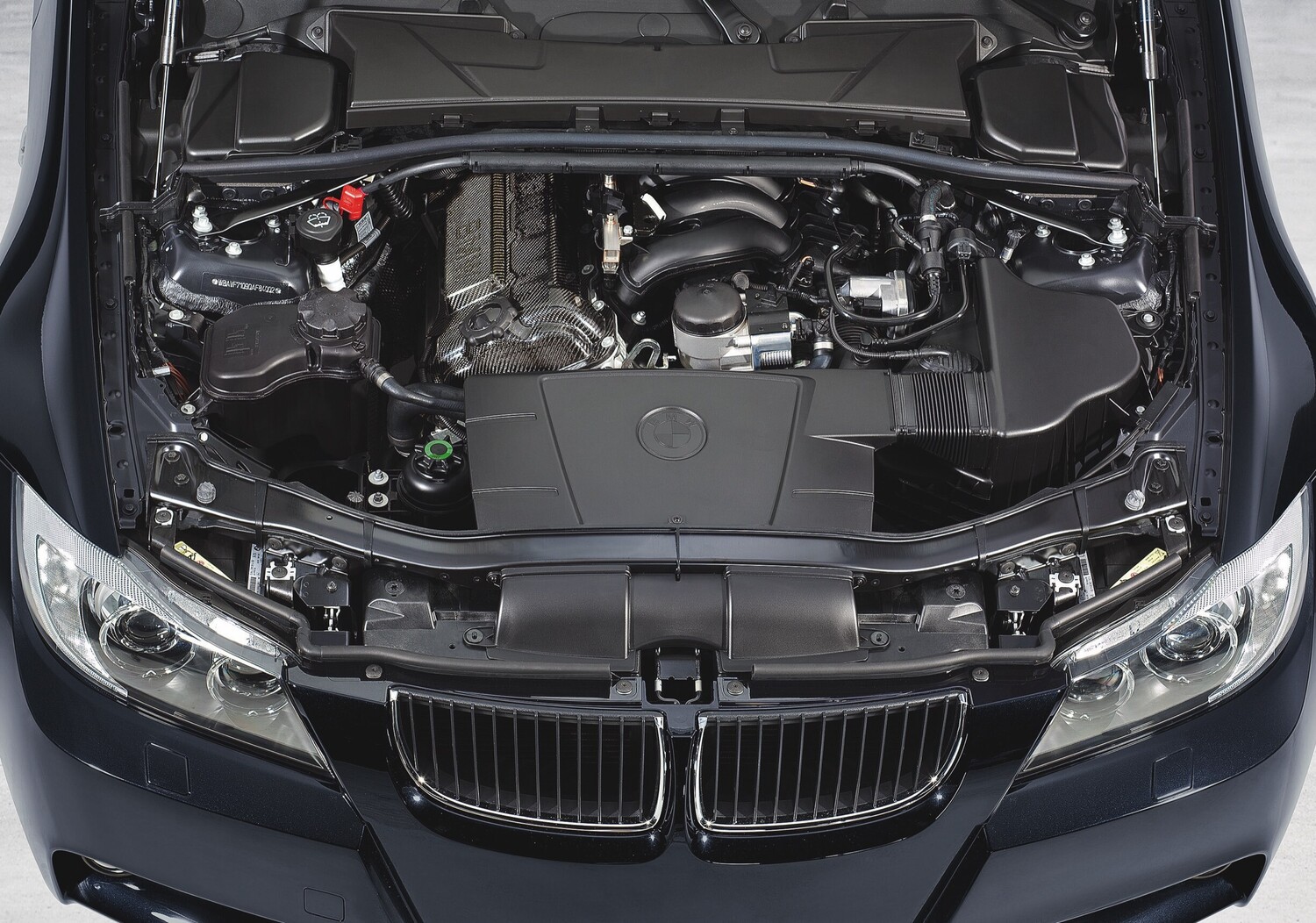
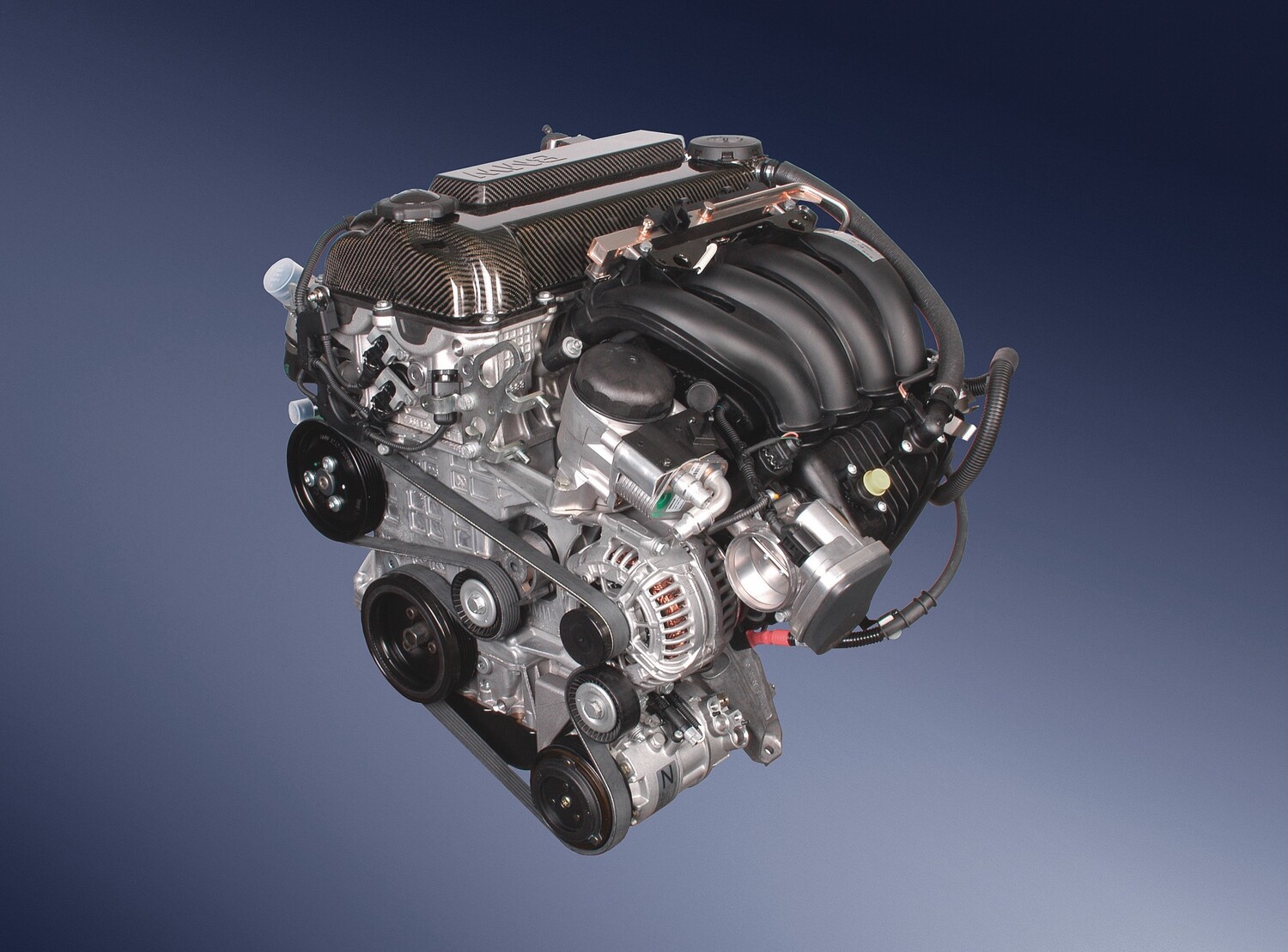
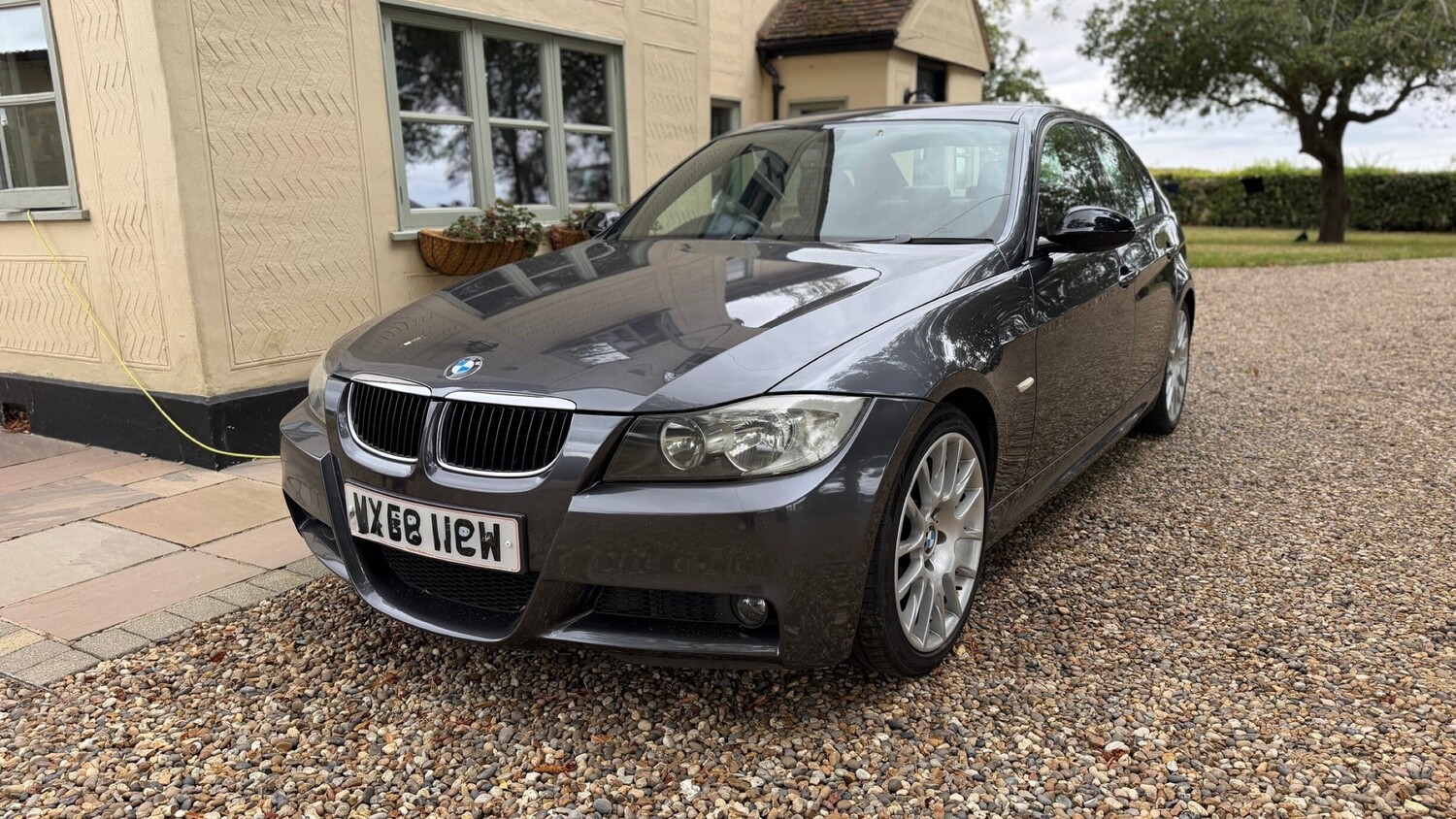
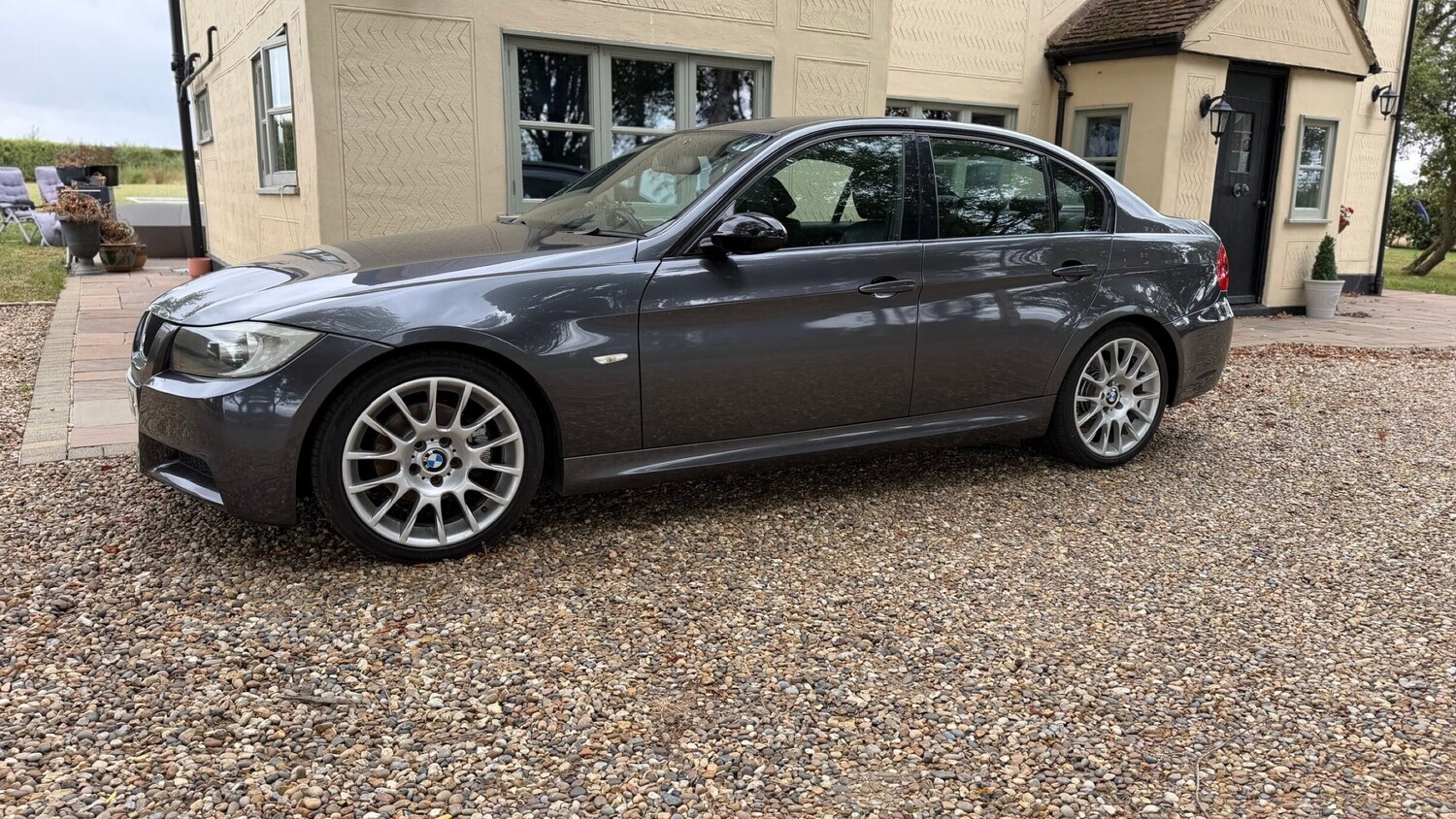
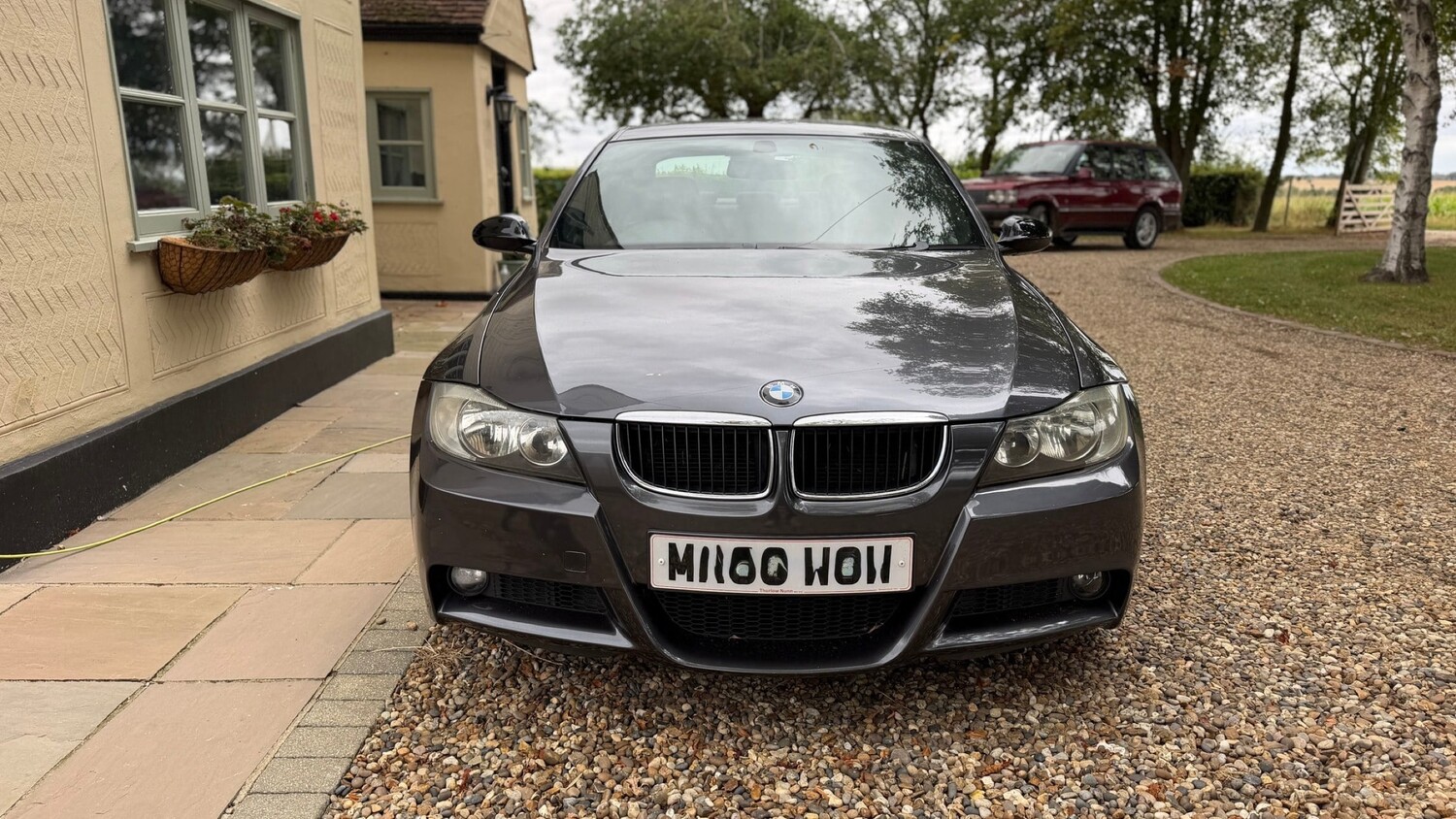
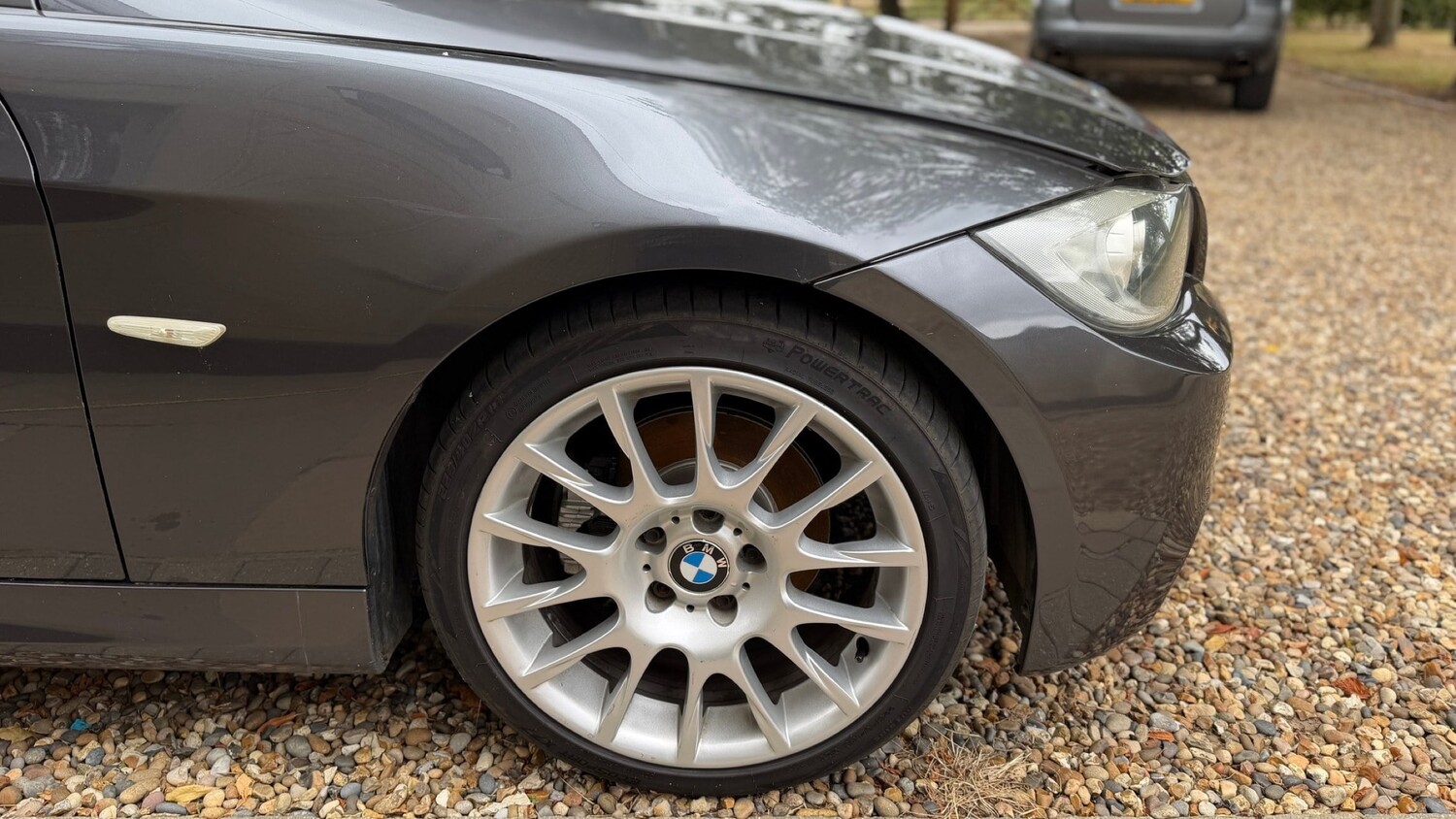
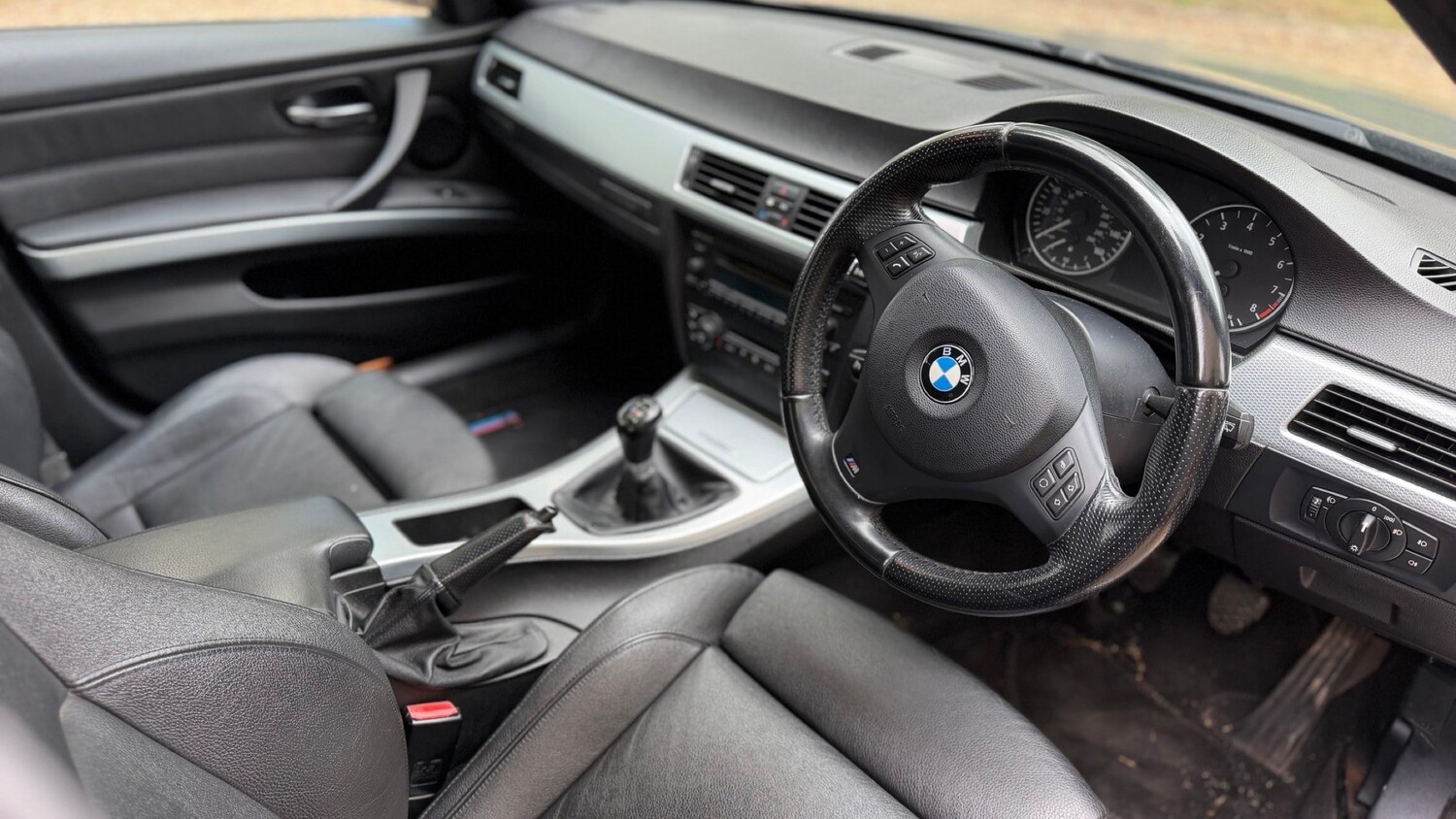
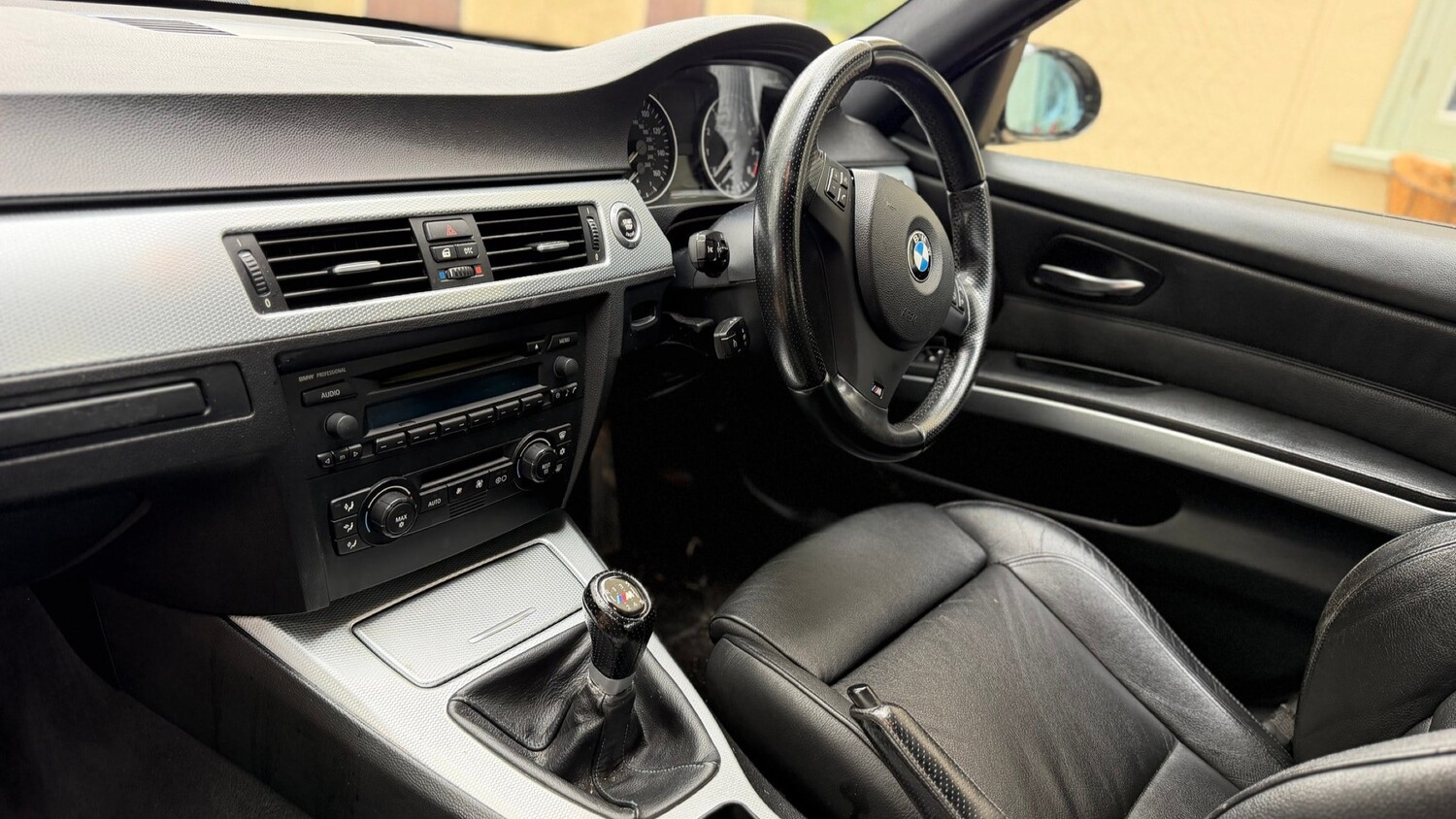
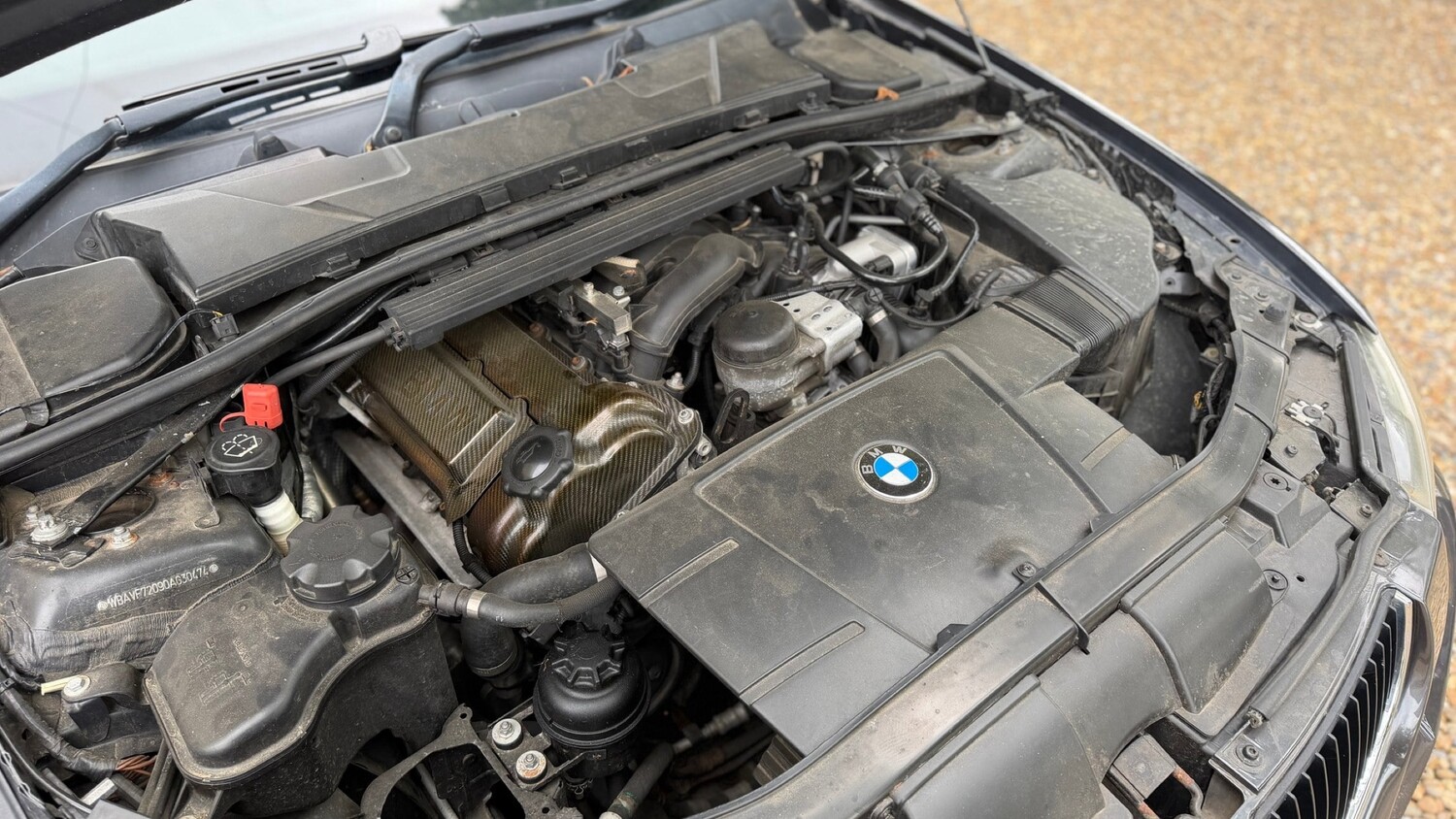
Three rare BMW homologation specials are currently for sale in the UK. The 320Si had a unique engine created to help BMW win on the track. Zero to 62 mph takes 8.1 seconds, but you can bag one for under $10k. Motorsport glory has helped build entire brands, but it’s also given us some epic road cars. Without homologation rules demanding automakers produce tens, hundreds, or thousands of streetable examples to legalize their competition cars, we’d never have seen license plates on a Plymouth Superbird, Audi Quattro, Porsche 911 GT3, or BMW E30 M3. The trouble is, that combination of relative rarity and motorsport pedigree means most homologation specials are now unaffordable for the average enthusiast. That’s not the case with the BMW E90 320Si. Not only did it help BMW win multiple championships, but it’s arguably closer in spirit to the original E30 M3 than any M3 since. And it costs peanuts to buy. Related: Half Of All BMW M2 Buyers In America Are Still Rowing Their Own Gears If you’re reading this outside of the US, where it was never sold, there’s a good chance you’ve never heard of the 320Si. If you’re in Europe, there’s still a big chance you’ve never heard of it. That’s how under the radar the Si is, and one of the reasons you can pick one up for the price of a used hatchback. We’re talking sub-$10k for a low-mileage one. Sub-$6k for one with miles. What the hell is a 320Si, anyway? Back in 2005, BMW had its eye on World Touring Car Championship glory. The E90 M3 was still a couple of years away and wouldn’t be suitable anyway, because WTCC’s Super 2000 rules had a 2.0-liter capacity limit. What BMW needed was something in the vein of the original E30 M3: a light, high-revving four-cylinder car to fend off the threat from Seat and Alfa Romeo. More Revs, Less Weight So it took its stock 1,995 cc four-cylinder N46 from the regular 320i, enlarged the bore from 84 to 85 mm, and shortened the stroke by 2 mm to 88 mm. That increased its appetite for revs, while bigger valves and a compression hike from 10.5 to 11.0:1 boosted the breathing and efficiency. The resulting 1,997 cc engine got a traditional throttle butterfly instead of BMW’s then-new Valvetronic system, and the rev limit was loosened by 800 rpm to 7,300 rpm. BMW cast the cylinder head at the same Landshut factory responsible for its F1 engines. It topped the engine off with a carbon fiber valve cover to save 22 lbs (10 kg), and hint at the raging power lurking within. Is That It? The problem was there was no rage, except maybe from BMW fans when they learned how meek the thing was. It made just 171 hp (173 PS) and 143 lb-ft (194 Nm). That power figure was a big improvement on the regular 320i’s 141 hp (143 PS), but even in 2005 nobody was impressed by those numbers. Nor were they impressed by the 8.1-second zero-to-62 mph (100 kmh) time. Even a 2.0-liter 320d diesel made 161 hp (163 PS) that year. The racecar version, by the way, made 271 hp (275 PS). The visual package was also slightly disappointing. You really had to look hard to spot the Si-specific details. True BMW geeks might notice the motorsport-style 18-inch wheels and wider rubber, bigger brakes, and satin chrome mirrors. However, most people probably assumed it was a bog-standard 3-Series. Snappier Gears And Brakes There were some important changes you’d really struggle to see no matter how hard you looked. Under the skin, it retained the standard M Sport suspension package, but it got a shorter 4.10:1 rear axle ratio, so it hit its 140 mph (225 kmh) top whack in sixth gear. The front brakes were also bigger. FIA regulations required BMW to build 2,500 cars, but it ended up making 2,600. None were shipped to the US, where the WTCC wasn’t a big deal and the weak performance would have probably made the 320Si road car a laughing stock.On the track, it was BMW and driver Andy Priaulx that were laughing. The 320Si racecar took both the drivers’ and manufacturers’ championship in 2006, its first competitive year, and scored the same result in 2007. Road car owners found themselves collecting their own metal souvenirs. The special aluminum cylinder liners would disintegrate. The best fix in 2026 is to sub in steel liners at rebuild time if the engine fails, though it’s not a cheap job, even if the cars themselves are cheap to buy. $10k Buys A Good One We came across three of the 500 UK-supplied cars for sale on Car & Classic, priced between just £3,900-7,995 ($5,200-10,600). That looks like incredible value for money considering the rarity and motorsport pedigree, even if the performance on offer is modest. E30 M3s are $75k these days, and a nice E90 M3 will set you back $35k. I wouldn’t be surprised to see prices jump in the future when people remember how important the Si was. I watched the same thing happen to the E12 M535i, though only after I’d offloaded my two for buttons. Grrr. Hopefully that price jump, if it comes, won’t happen until after 2030, which is when the 320Si becomes eligible for importation to the U.S. under the 25-year rule. BMW, Car & Classic, Abbey Motors