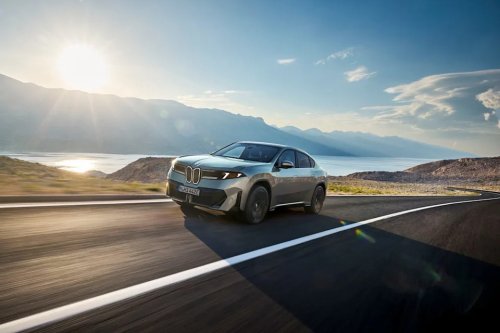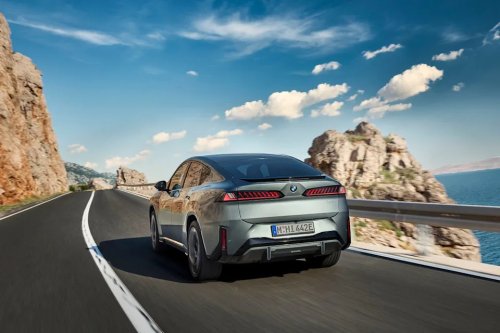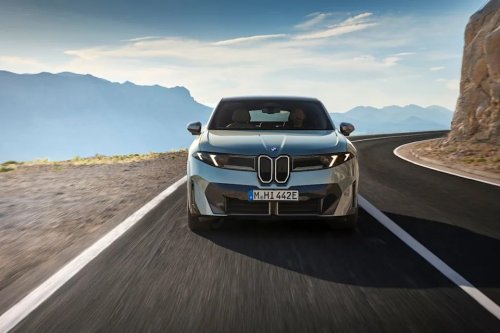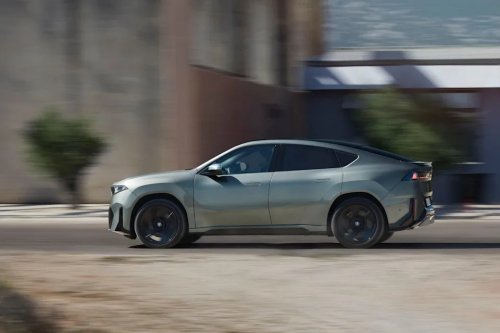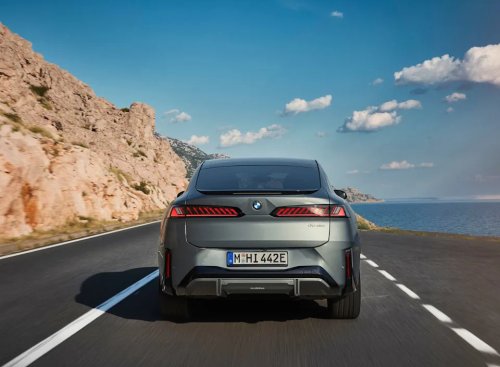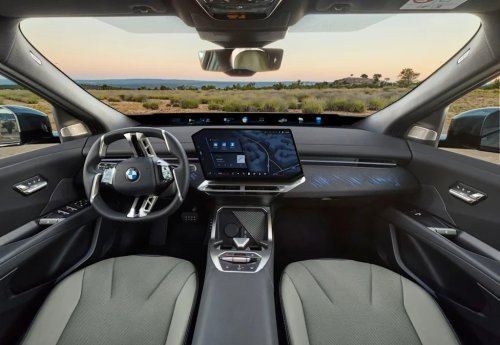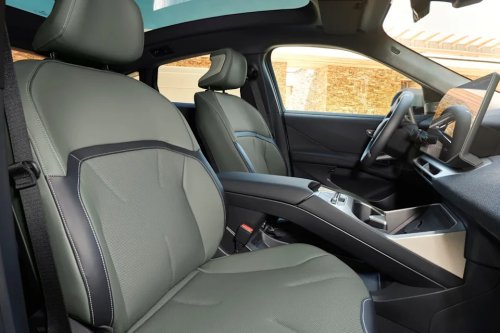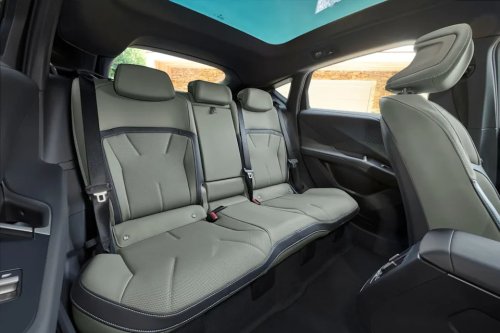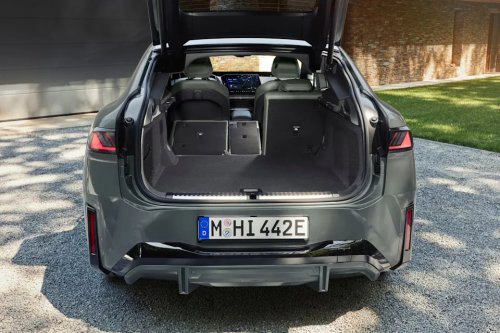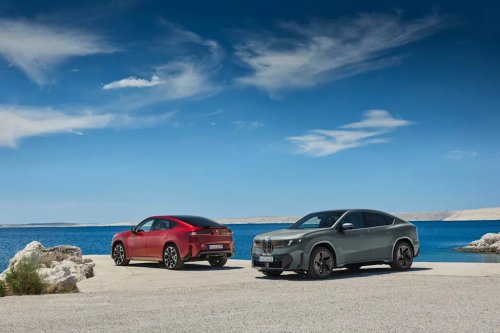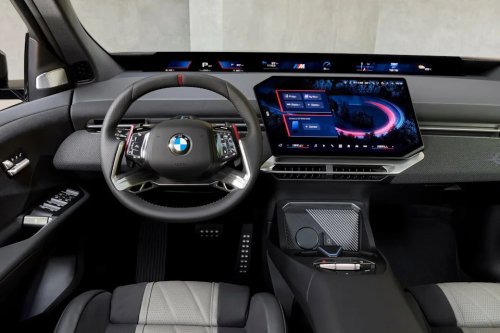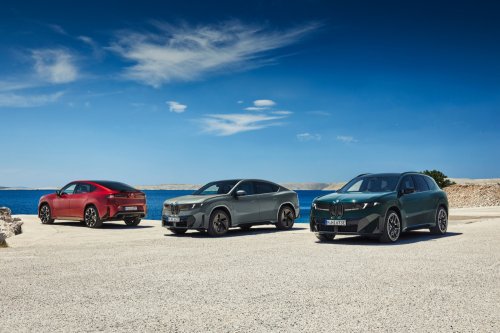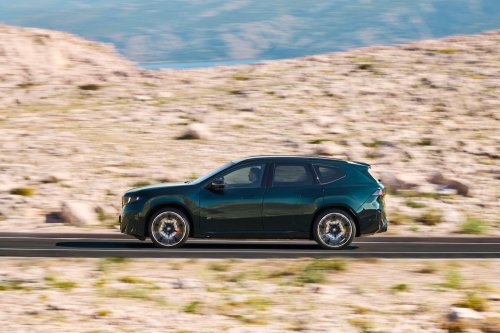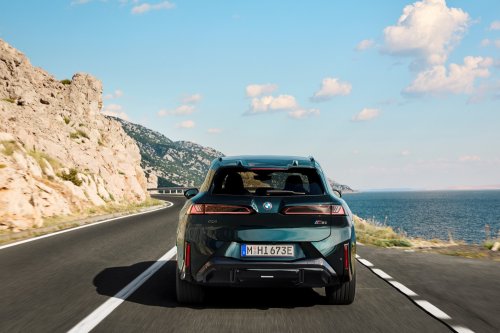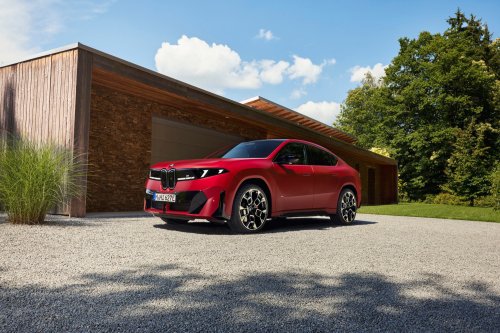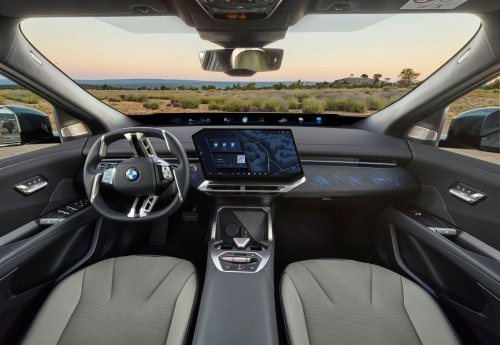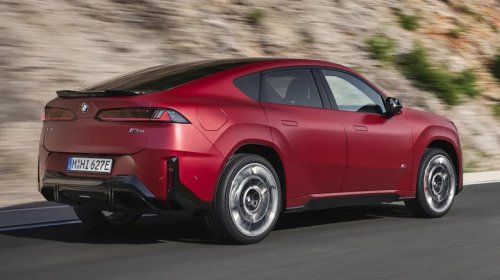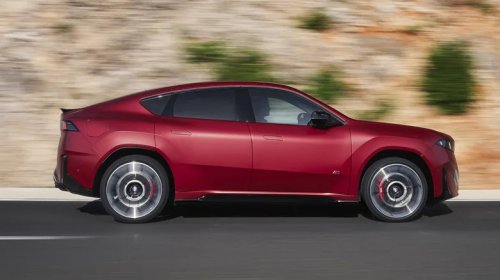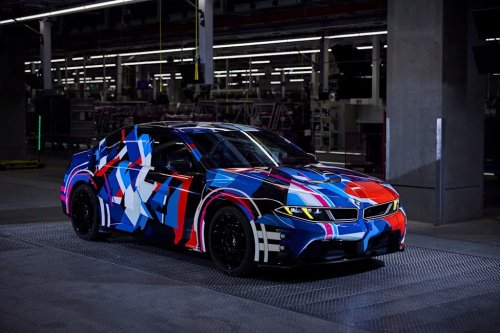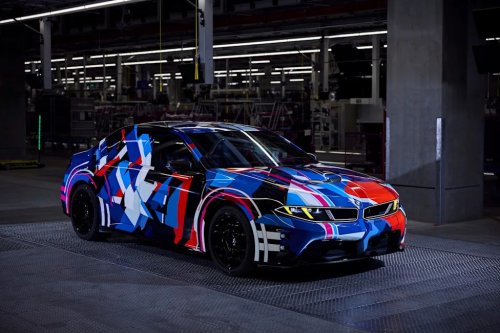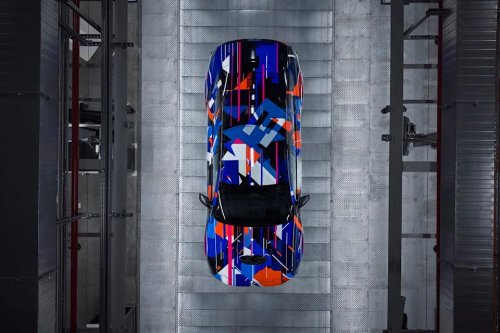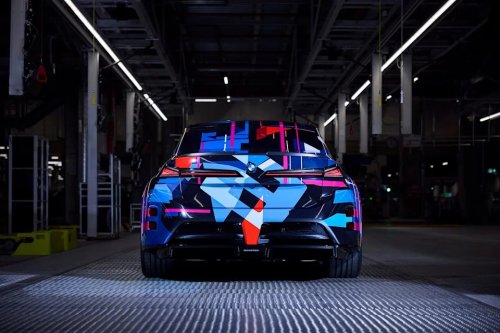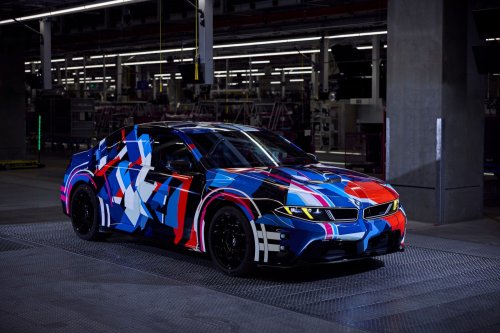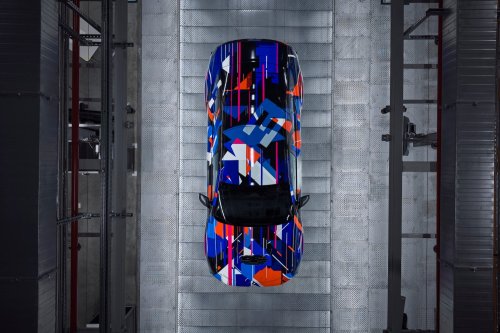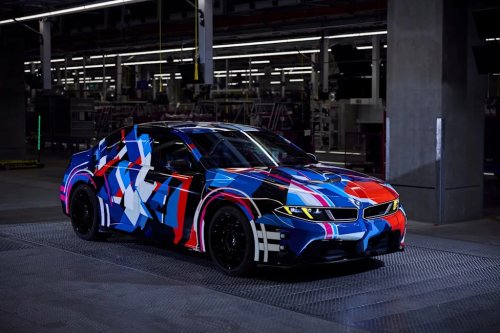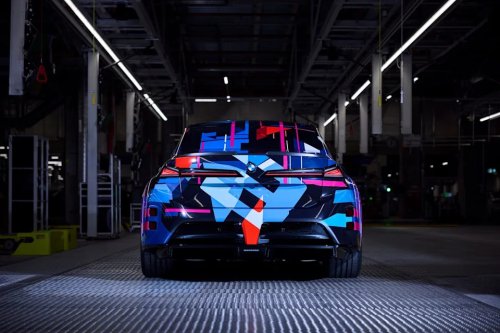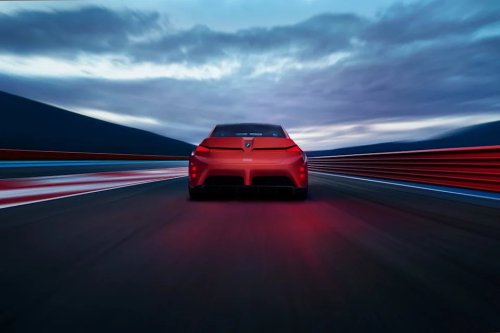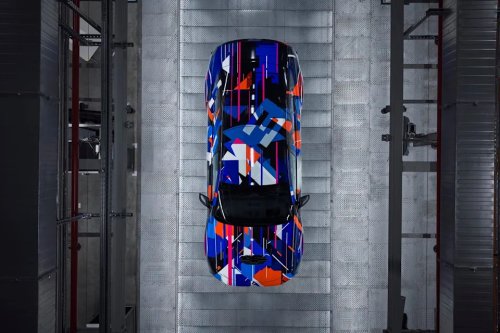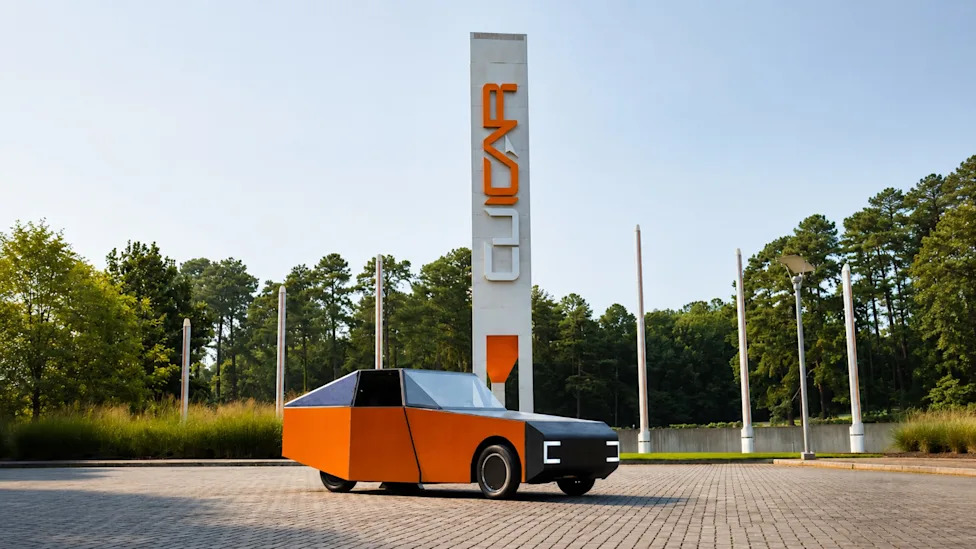



















Image: Clemson UniversitySometime in fall 2024, BMW walked into Clemson University and handed graduate students a brief that read like a physics exam trick question: build a car that produces more energy than it uses during a normal day of driving. Two years later, that car exists. Called Deep Orange 17 — or Luminetta, if you prefer something that sounds less like a paint swatch — the prototype sits at Clemson's International Center for Automotive Research as a 1,212-pound, solar-skinned answer to a question most automakers haven't seriously asked. The energy-positive claim is modeled across commutes in Greenville, Frankfurt, Madrid, and Mumbai. Not dealership-verified. But modeled on real data.How a 1,212-Pound Car Covered in Solar Cells Actually WorksExtreme lightweighting and integrated photovoltaics form a unified efficiency system that conventional EVs can't easily replicate.A typical compact European car tips the scales around 3,500 pounds. Luminetta weighs less than a grand piano. Its multi-material chassis — steel, aluminum, carbon fiber, and 3D-printed metal joints — strips mass so aggressively that every watt from the sun stretches further. A boxfish-inspired aerodynamic shape cuts drag. Less weight, less resistance, less energy burned per mile. That's the whole trick.AdvertisementAdvertisementMore than 1,700 photovoltaic cells, developed with Germany's Fraunhofer Institute for Solar Energy Systems ISE, wrap the entire body. Unlike the token solar panels on vehicles like the discontinued Lightyear One — which generated roughly enough power to fuel optimism but little else — these cells keep producing even when partially shaded, whether the car is parked or rolling. Solar integration spans every surface, not just a sunroof-sized patch.What "Energy-Positive" Actually MeansModeled results show 31 miles of surplus range beyond a 12-mile commute, but the asterisks matter.Forget range anxiety. Clemson's models suggest Luminetta ends a typical 12-mile urban commute with roughly 31 extra miles of charge banked — meaning the car theoretically gains energy like a Duolingo streak: passively, persistently, even when no one's paying attention. But "modeled" is doing heavy lifting here. Four cities were tested. Sunlight availability varied across each location. This is research-grade data, not a consumer guarantee.If you already follow EV tech, regenerative braking and intelligent torque distribution aren't new concepts. What's different is how Luminetta tunes them alongside solar harvesting as one integrated system — think of it less like features bolted on separately and more like a band where every instrument is mixed specifically for the room. BMW project manager Stephan Augustin said watching students "overcome so many technical challenges and constraints" made the collaboration worthwhile. Student project manager Anshul Karn noted that building an end-to-end working prototype is "unusual at the master's level" — most programs hand students a syllabus, not a vision.AdvertisementAdvertisementStudent project manager Anshul Karn noted that being handed a vision and asked to turn it into a working vehicle is "unusual at the master's level" — most programs don't ask students to build end-to-end prototypes.No production plans exist. Luminetta is scheduled to appear at CES 2027 as a research demonstrator, remaining at CU-ICAR in the meantime as an active research platform. This is not a showroom arrival. But a working proof that solar-integrated lightweighting can flip the energy equation — built by graduate students on a university timeline — is worth paying close attention to.From the coolest cars to the must-have gadgets, GadgetReview's daily newsletter keeps you in the know. Subscribe - it's fun, fast, and free.