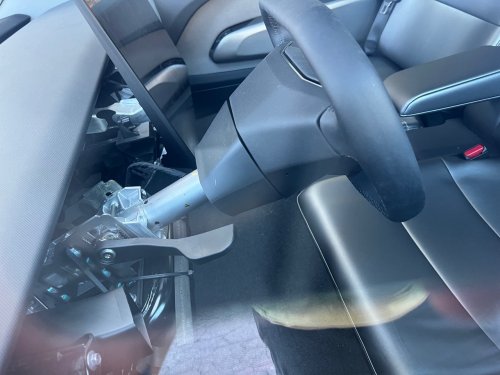
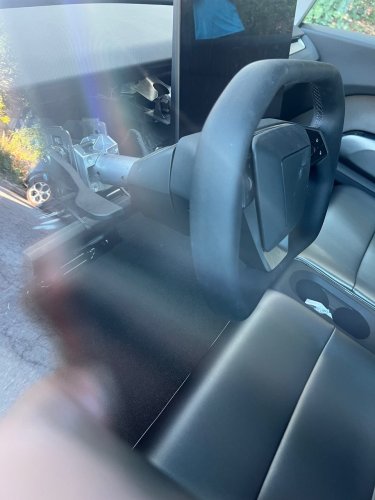
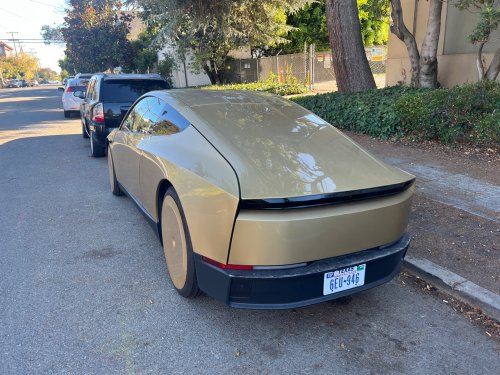
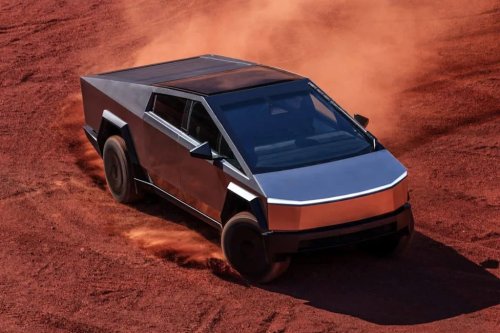
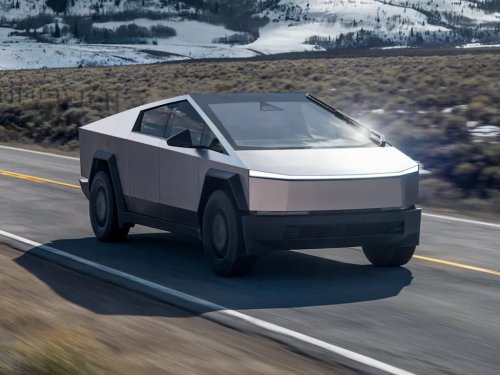
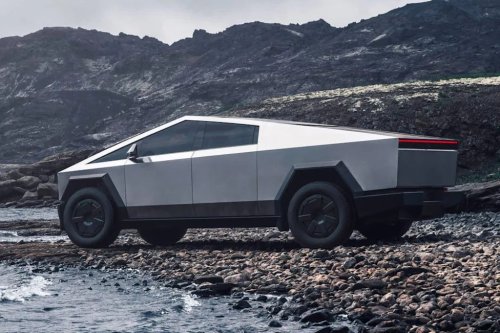
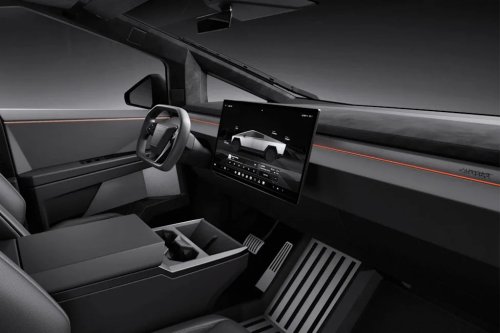
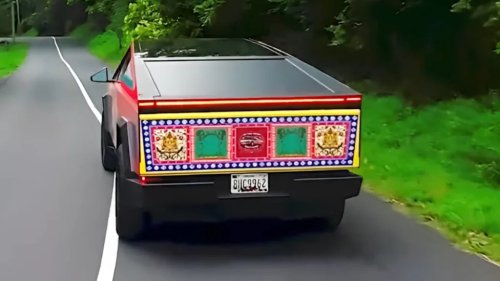
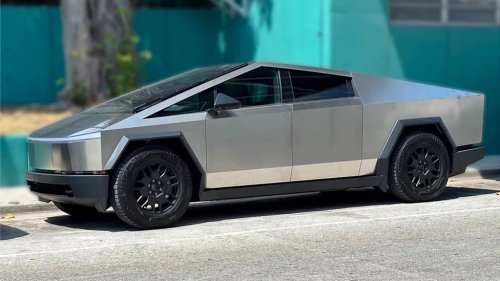
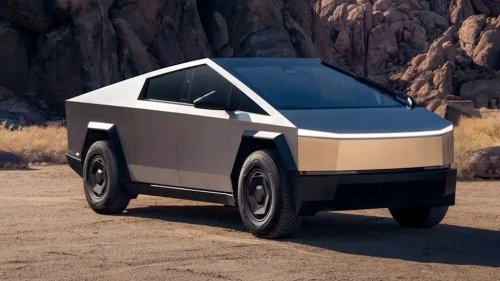
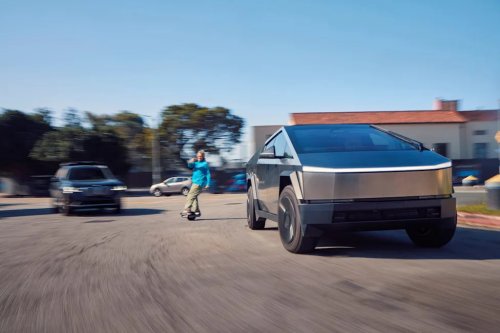
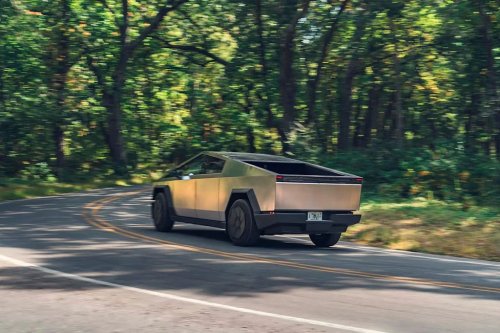
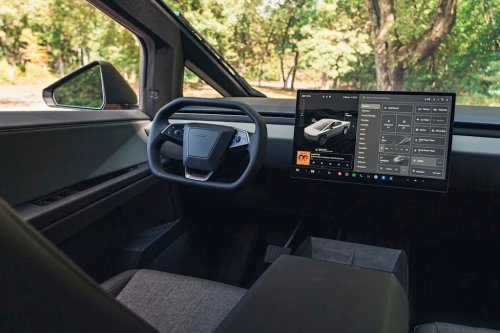
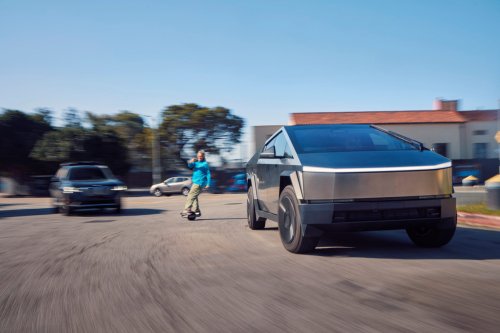
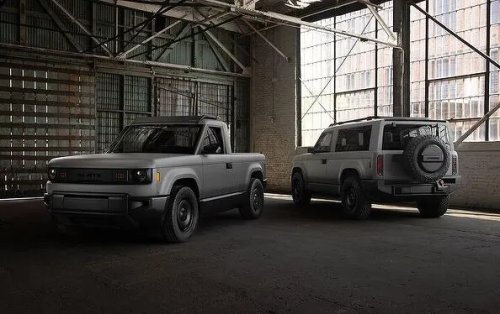
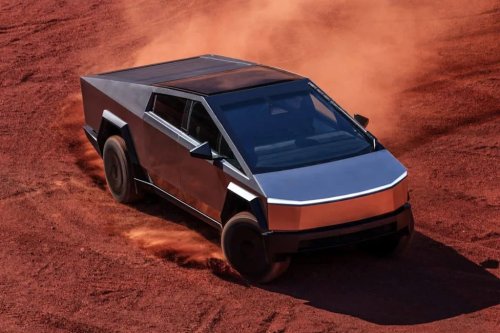
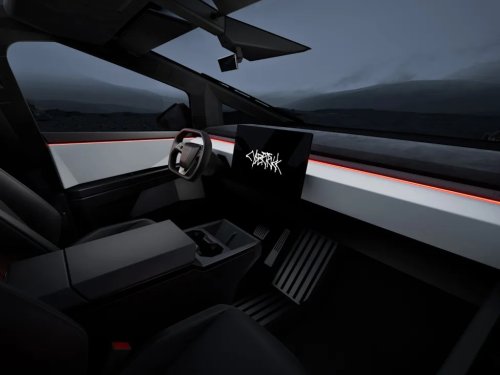
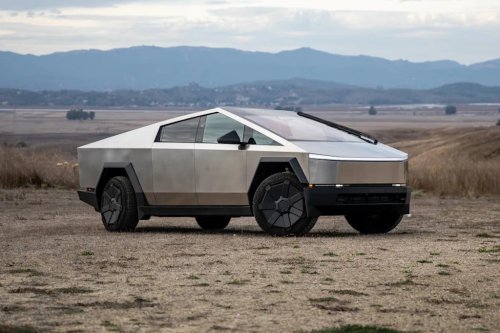
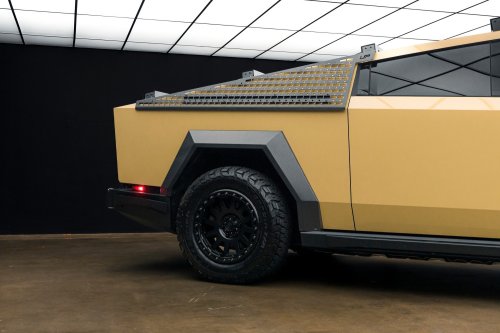
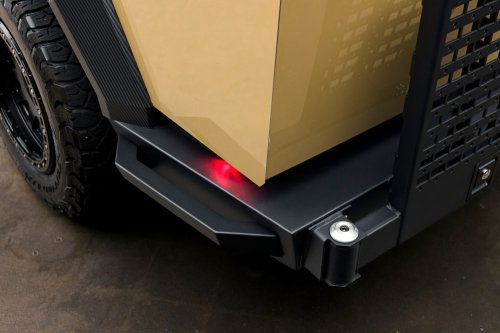
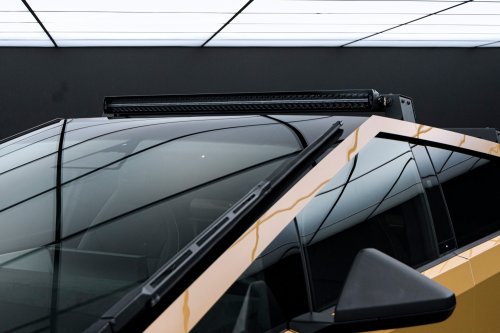
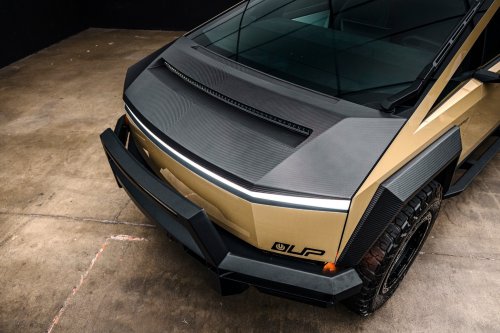
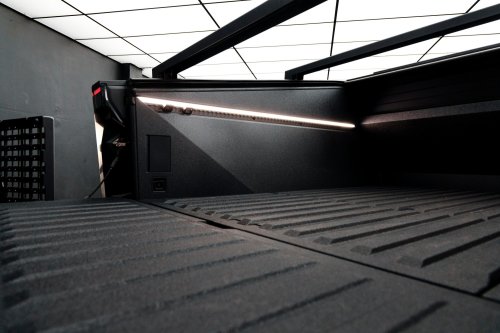
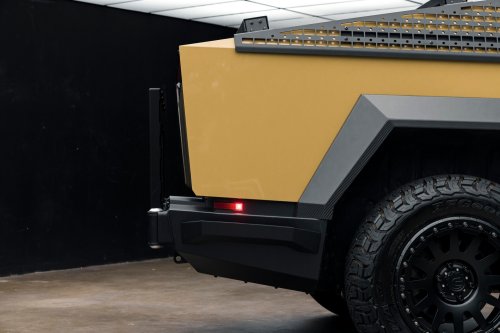
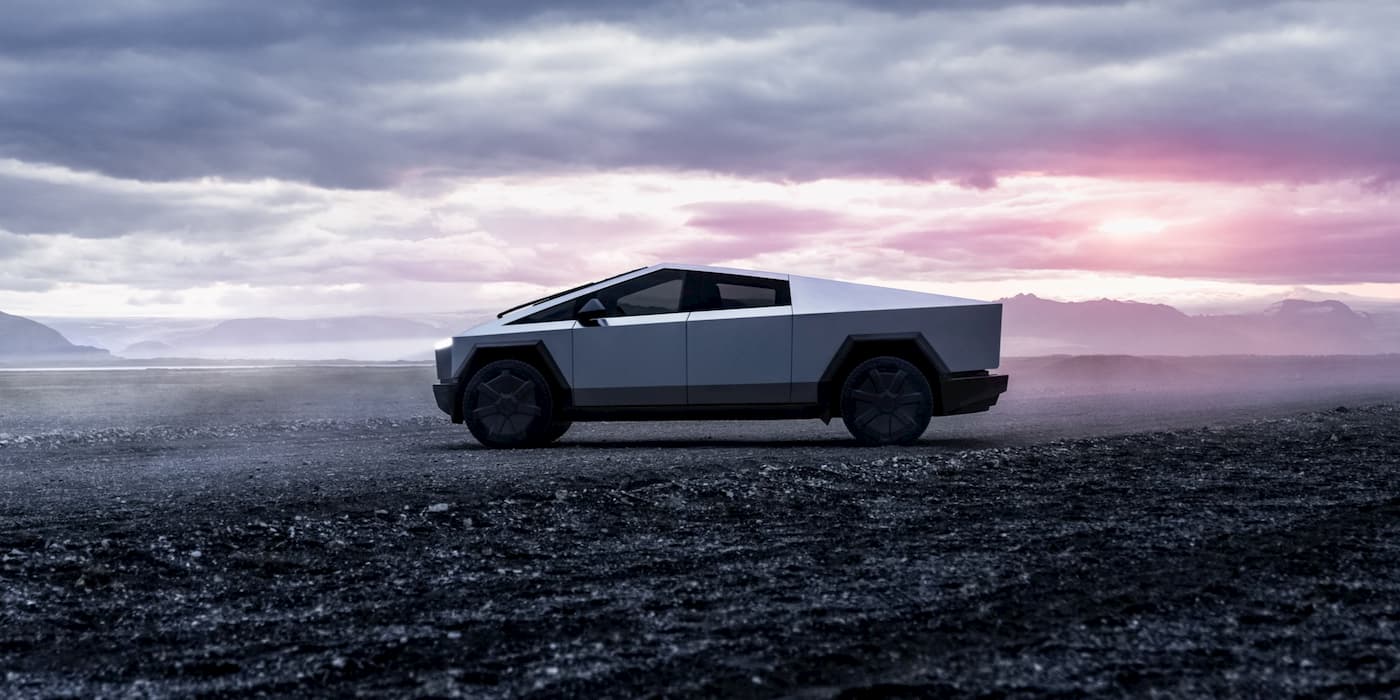
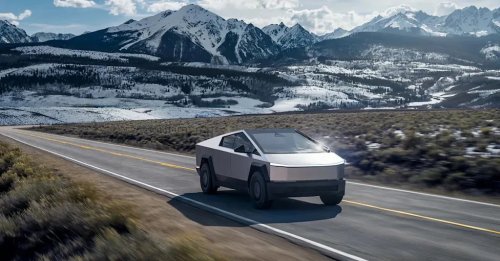
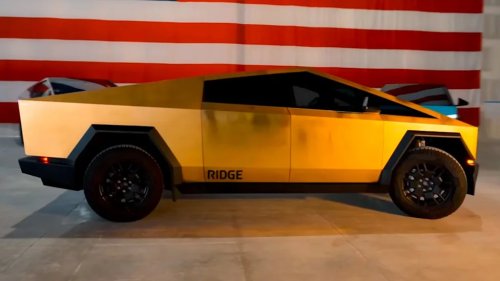
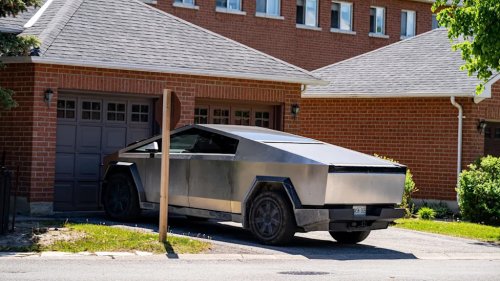
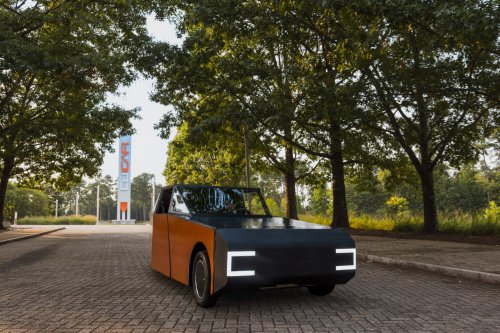
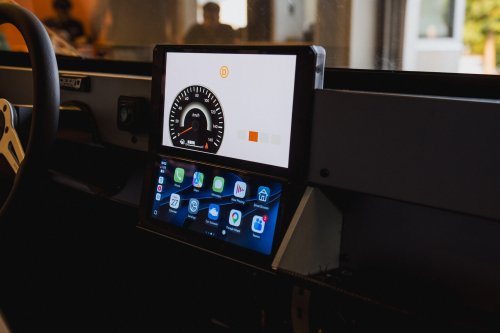
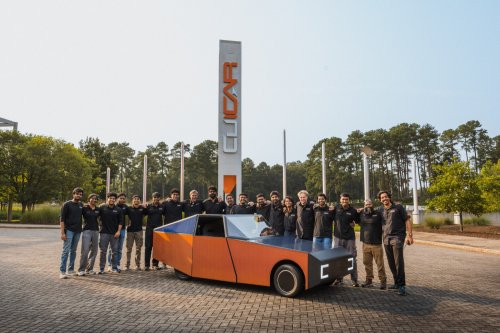
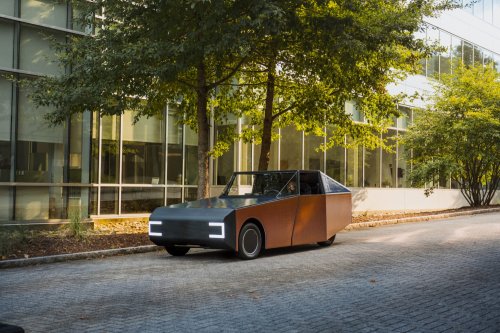
Clemson’s Deep Orange 17 wraps more than 1,700 solar cells around its ultra-light body. The 1,212-pound coupe claims a surplus after a 12-mile daily urban commute. BMW-backed research explores solar power as a part of an EV’s propulsion strategy. Solar panels on an EV are usually the kind of feature that sounds far more useful than it turns out to be. Clemson University’s Deep Orange 17 might actually flip that on its ear. The team there worked with BMW to wrap more than 1,700 photovoltaic cells around a tiny EV coupe that looks like a homemade Cybertruck, and the result, they say, adds more energy than it uses over a normal day of urban driving. Don’t get too stoked yet, though; there’s a lot to break down. Read: VW Fired Its Lawnmowers And Hired 100 Sheep Developed by 16 graduate students alongside BMW’s research and development team, the prototype is called the Luminetta. Clemson says it was designed around a 12-mile (20 km) daily commute. It’s unclear how many folks have just a 12-mile commute but it clearly doesn’t apply to most. That said, the car is designed to soak up sunlight both when parked and when moving. Clemson University / BMW The big issue, of course, is that this is not remotely a normal car. In the metal it’s all flat angles and improvised paneling. Deep Orange 17 weighs just 1,212 pounds (550 kg), or roughly a quarter of the mass of many similarly sized production vehicles. Its multi-material structure combines steel, aluminum, carbon fiber, and 3D-printed metal joints, while regenerative braking, torque distribution, and optimized drivetrain controls all work toward the same goal of using as little energy as possible. Clemson University / BMW Clemson and its Fraunhofer Institute for Solar Energy Systems ISE partners modeled sunlight and environmental conditions in Greenville, South Carolina; Frankfurt, Germany; Madrid, Spain; and Mumbai, India. Across those locations, the university says the solar system could generate enough surplus electricity to add an average of 31 miles (50 km) of driving range per day. That’s groundbreaking regardless of all the other caveats here. Sure, it’ll take a bevy of other innovations to apply this sort of thing to a modern production vehicle. But rather than simply being able to power a car with the sun, this one is proving that it’s technically possible to gain more energy than one would use on a very short… commute. Photos: Clemson University / BMW


















 +47 others