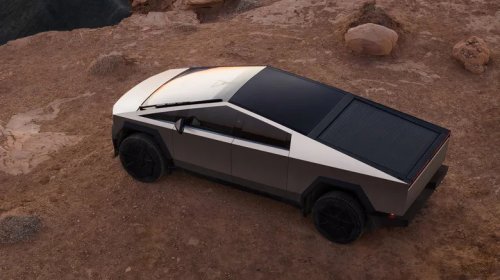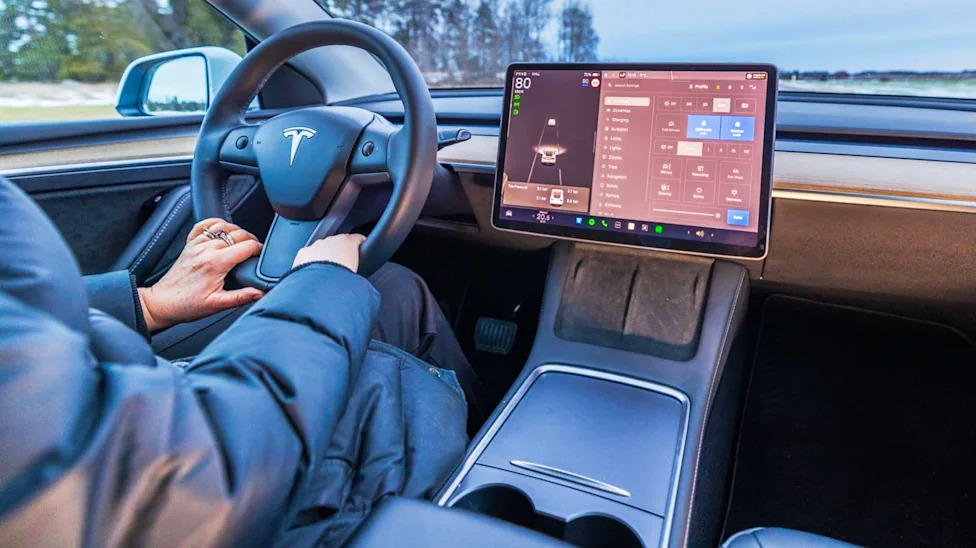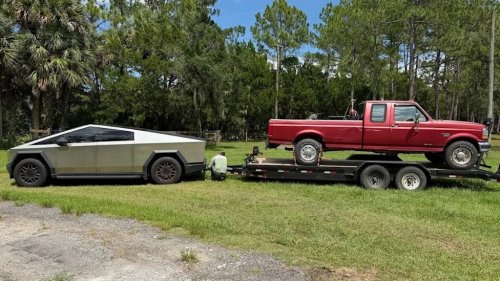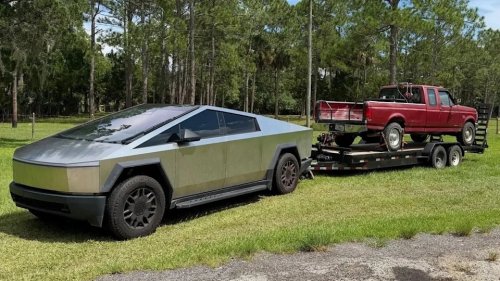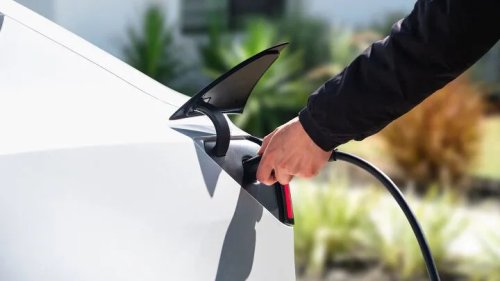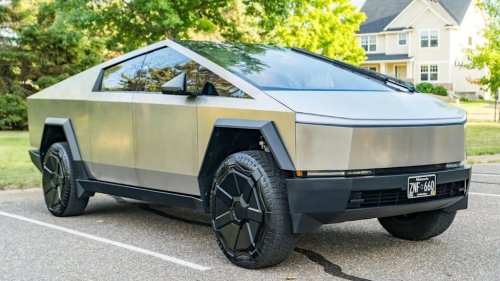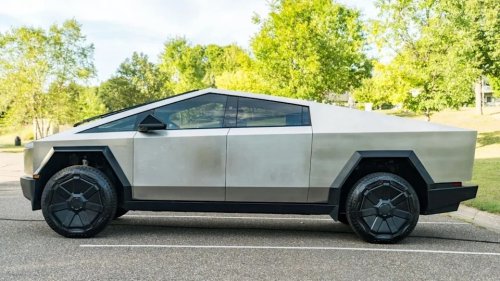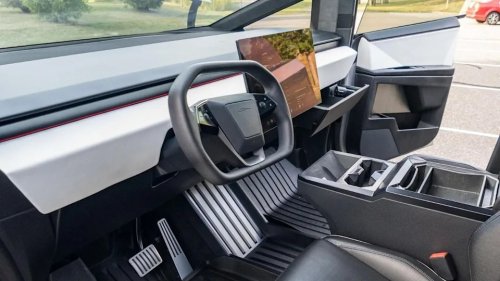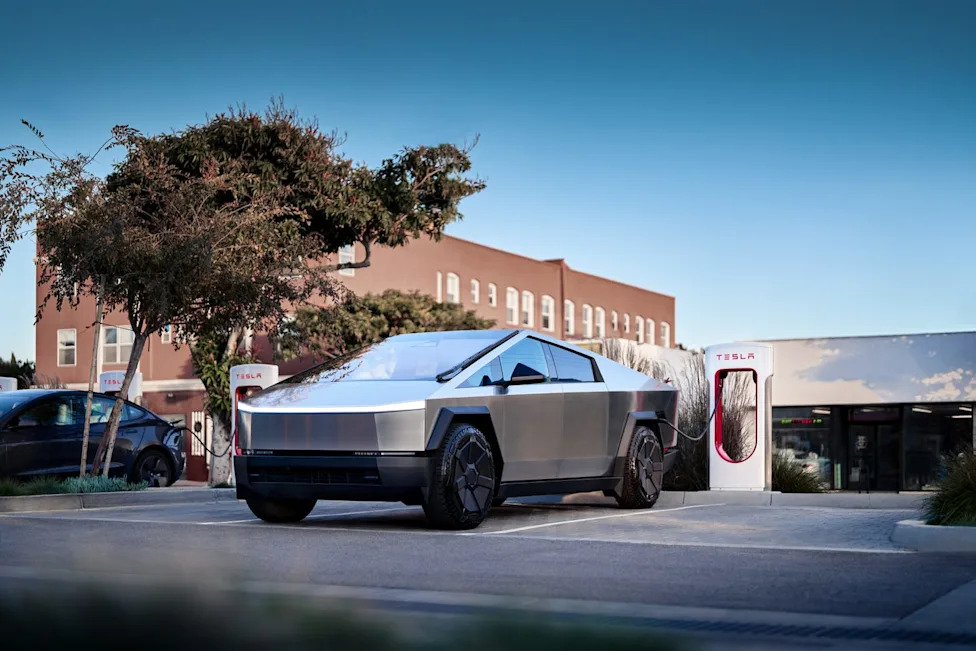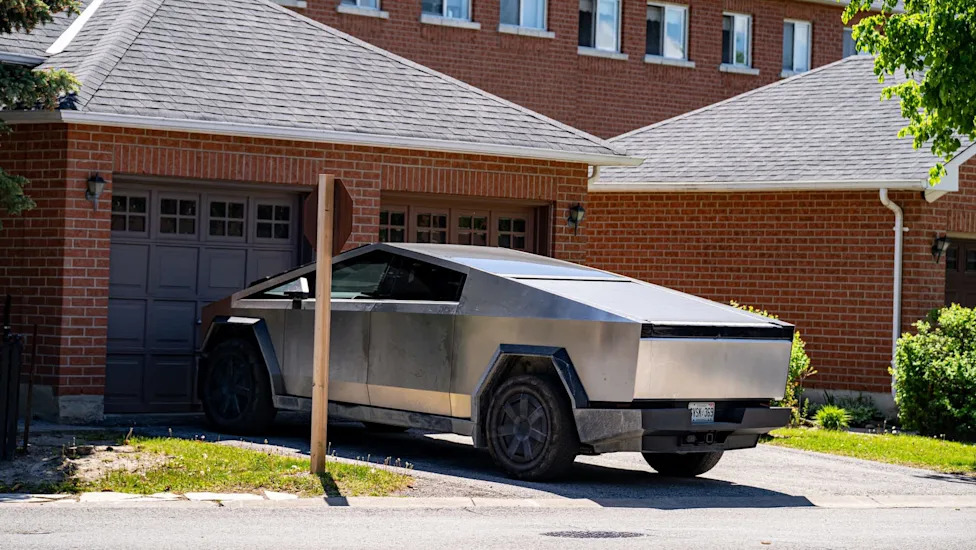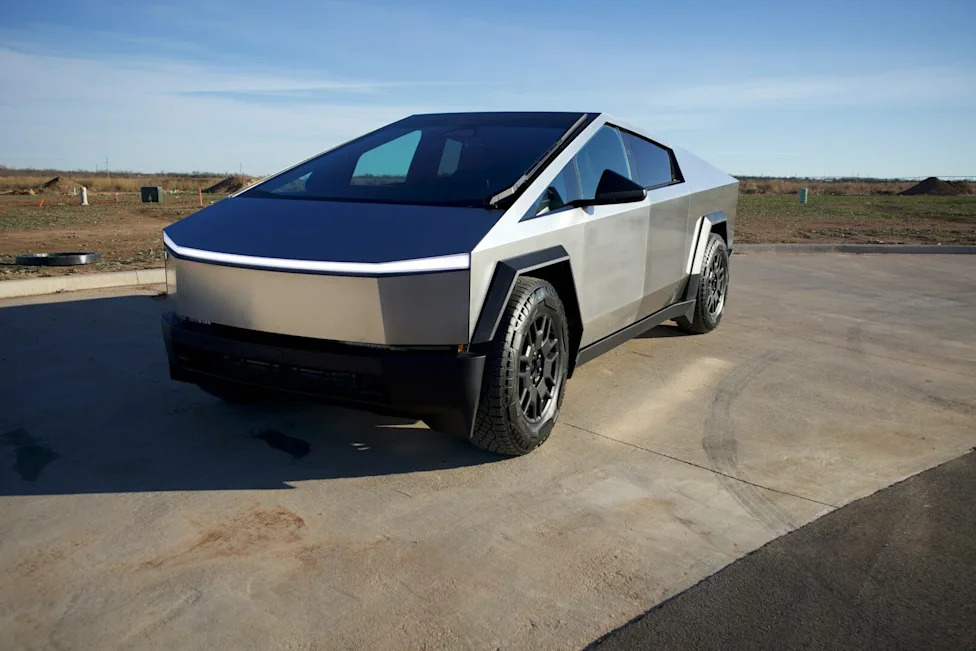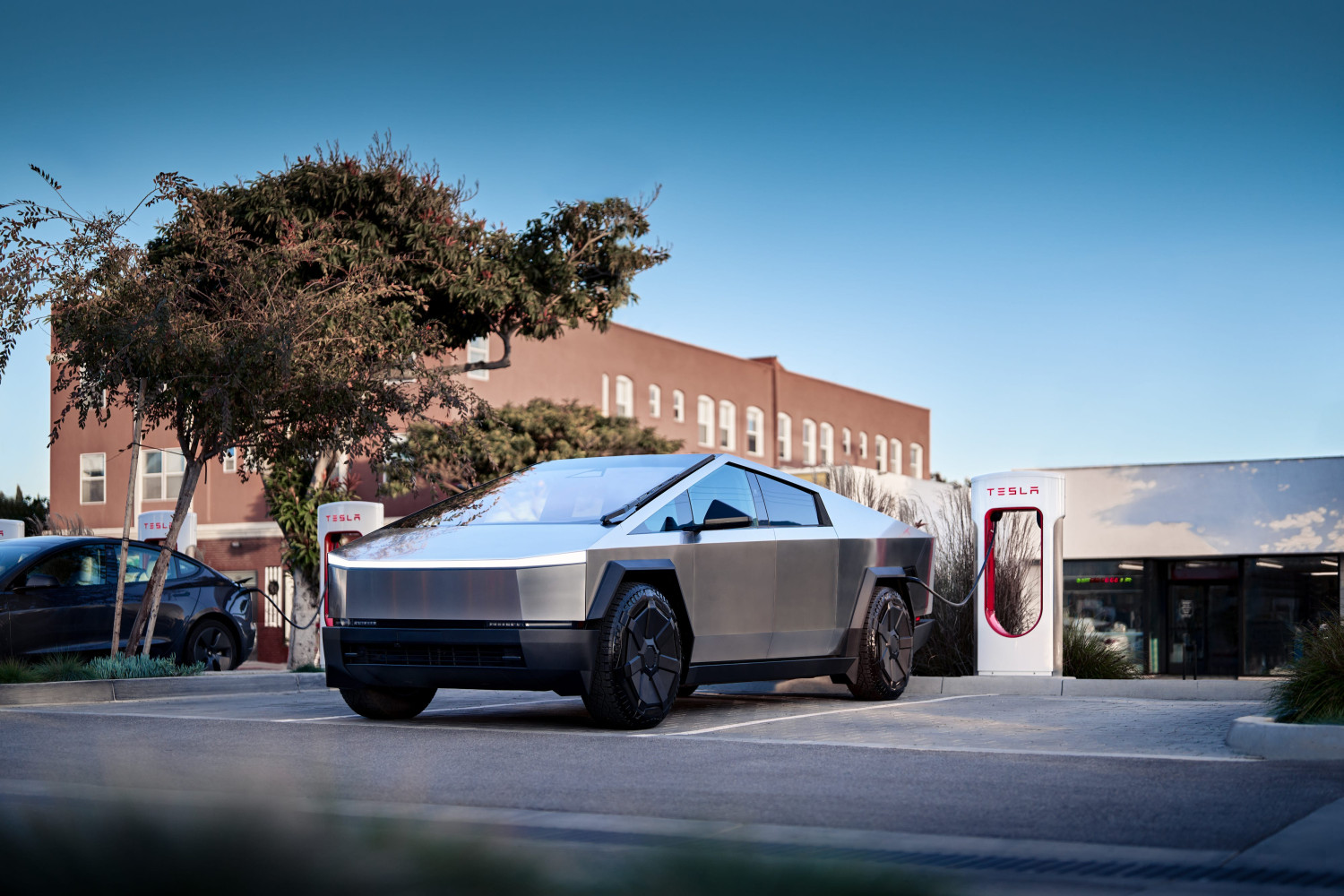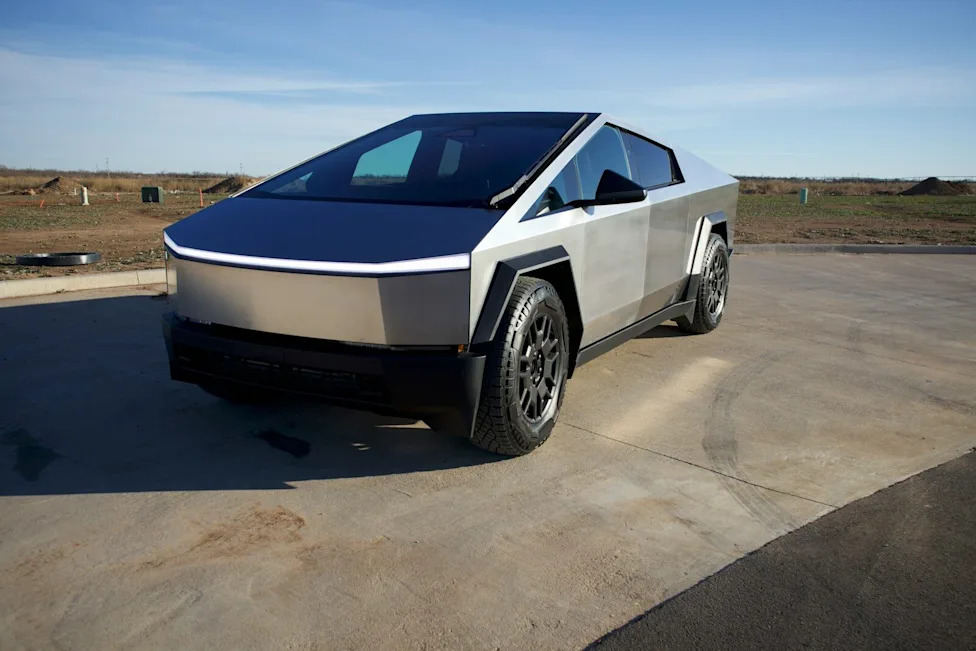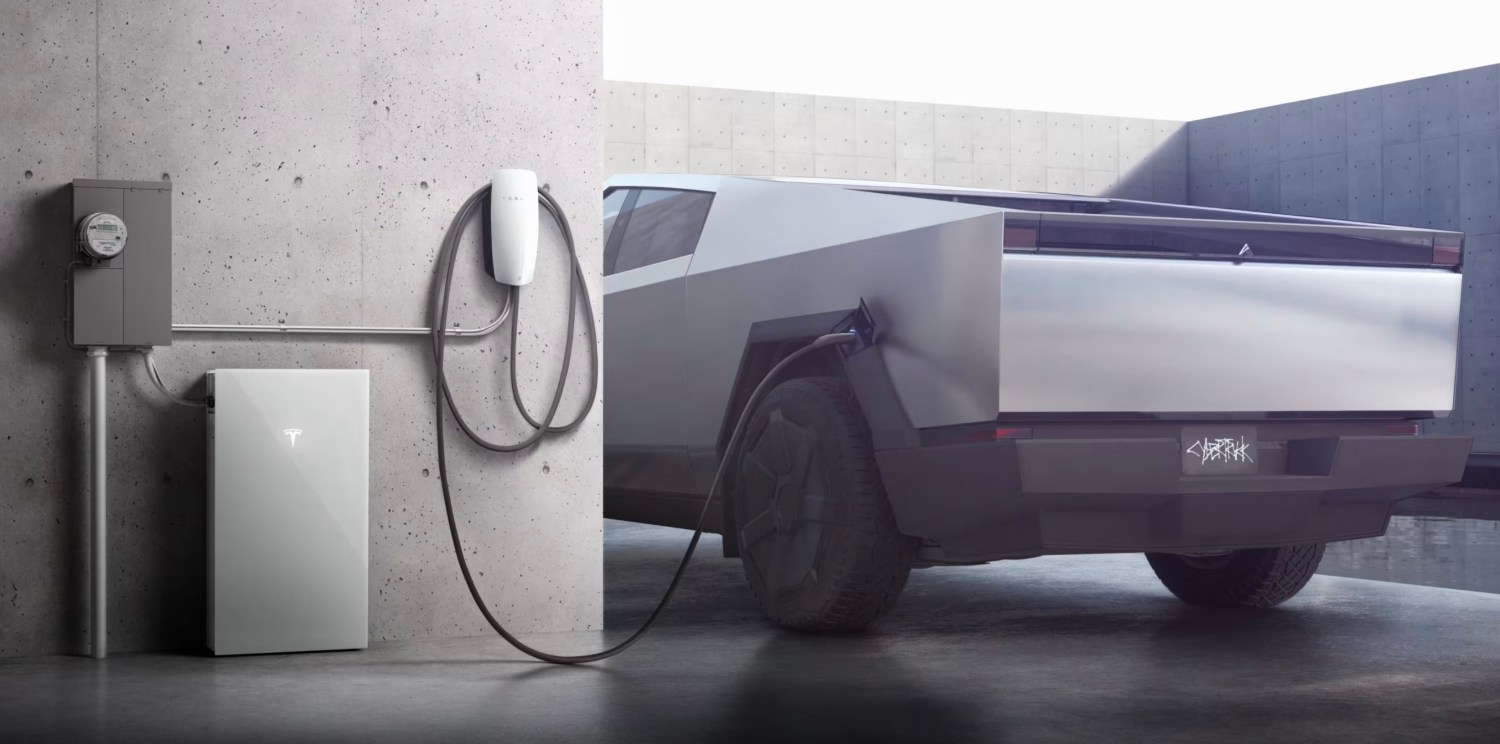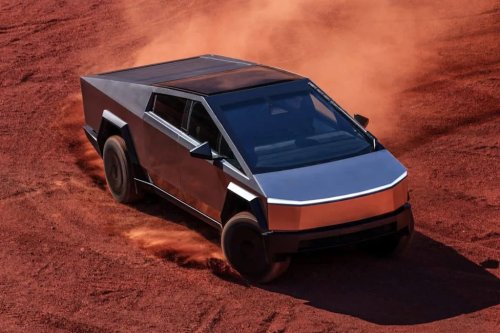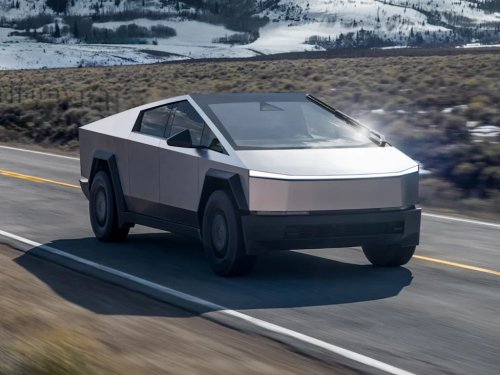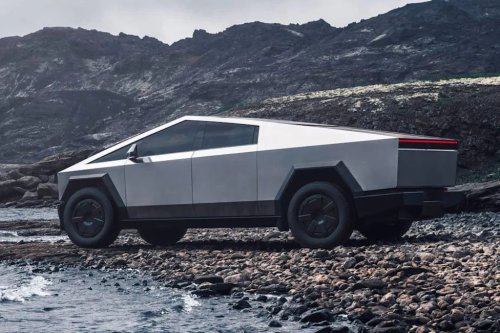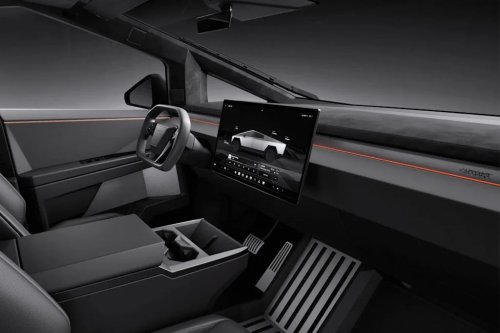



















Photo: Tesla Tesla has officially acknowledged that the power conversion system (PCS) in pre-2026 Cybertrucks is defective, and it’s extending the warranty on those trucks to 8 years or 150,000 miles. The reversal comes after months of owners paying up to $7,200 to replace a part Tesla now admits “does not meet our reliability standards.” The automaker sneakily tried to let the clear manufacturing defect pass warranties. What Tesla is finally doing In a statement posted to its official Cybertruck account, Tesla said it “identified PCS electronics in pre-2026 Cybertrucks that do not meet our reliability standards and have made design changes to address this in newer vehicles.” That’s the admission owners had been waiting for. It came with a list of fixes. Advertisement - scroll for more content Pre-2026 trucks, meaning the 2024 and 2025 Foundation Series and standard builds, get their PCS coverage extended to 8 years or 150,000 miles, which basically means it’s now part of the powertrain warranty rather than the overall warranty. The 2026 Cybertruck, which already ships with a redesigned PCS, carries a shorter 7-year/70,000-mile warranty on the part. Owners who already paid out of pocket will be reimbursed in the coming weeks. And a software update now lets the truck Supercharge even when the PCS has failed, so a dead unit no longer strands the vehicle. Tesla says it’s also covering Supercharging for affected owners until it clears the parts backlog. The warranty math is the whole story We reported in July that the PCS failures were starting to be widespread. A self-selected owner poll showed 91 of 223 Cybertrucks, nearly 41%, had needed a PCS replacement, with new failures logged every week. The part combines the onboard charger and the DC-DC converter, so when it dies, home charging drops from 48 amps to 24 and then quits entirely. Here’s the problem. The 2024 and 2025 trucks shipped with Tesla’s basic 4-year/50,000-mile warranty, and the PCS wasn’t singled out for anything longer. A unit that failed outside that window left the owner with a $5,000 to $7,200 bill. Tesla had quietly been discounting the repair to around $1,000 as a “goodwill” gesture, which, as we said at the time, was the company all but admitting the part was defective. Now it’s saying so out loud, and moving the coverage to 8 years. For a defect hitting 40% of trucks, that’s the difference between a manageable problem and a $7,000 gut punch. Tesla has run this play before. It extended warranties on the eMMC memory failures in its older touchscreens back in 2020, but only after NHTSA opened an investigation. Other automakers do it too. Hyundai and Kia extended warranties over their ICCU failures earlier this year. And Tesla has recalled Cybertrucks before to replace faulty inverters. Electrek’s Take Credit where it’s due: this is the right outcome. An 8-year/150,000-mile warranty, reimbursements for owners who already paid, and a software fix so a failed PCS doesn’t kill charging entirely. That’s what taking responsibility for a manufacturing defect is supposed to look like. But it’s a bummer it took this long, and it took pressure to get here. Owners were eating $7,000 repair bills while Tesla’s first instinct was a quiet $1,000 discount instead of an admission before we reported on the issue. It took the owner forums, our reporting, and other outlets hammering on this for weeks before Tesla put its name to the problem. Doing the right thing only after you’re pushed into it isn’t quite the same as doing the right thing. And that’s the pattern worth watching. There’s a real tendency here to let a clear manufacturing defect run past a short warranty and make the customer eat the cost. A part that fails on 40% of trucks isn’t a fluke. It’s a defect, and Tesla knew it well before this statement. The warranty extension is welcome. The instinct to see how many owners would just pay up first is not. We’ll be watching whether the reimbursements actually land, and whether it takes a failure rate this high, or an NHTSA nudge, to get the same result next time. If you’re charging an EV at home, powering it with your own solar is one of the best ways to cut your fuel costs to nearly zero. With electricity rates up almost 10% last year and expected to keep climbing, going solar is one of the best ways to protect yourself against rising costs. And with lease and PPA options, you can do it with zero upfront cost and start saving immediately. If you want to find the best deal, check out EnergySage. It’s a free service with hundreds of pre-vetted installers competing for your business, so you save 20 to 30% compared to going it alone. No sales calls until you pick an installer. Get your free quotes here. Stay up to date with the latest content by subscribing to Electrek on Google News. You’re reading Electrek— experts who break news about Tesla, electric vehicles, and green energy, day after day. Be sure to check out our homepage for all the latest news, and follow Electrek on Twitter, Facebook, and LinkedIn to stay in the loop. Don’t know where to start? Check out our YouTube channel for the latest reviews.