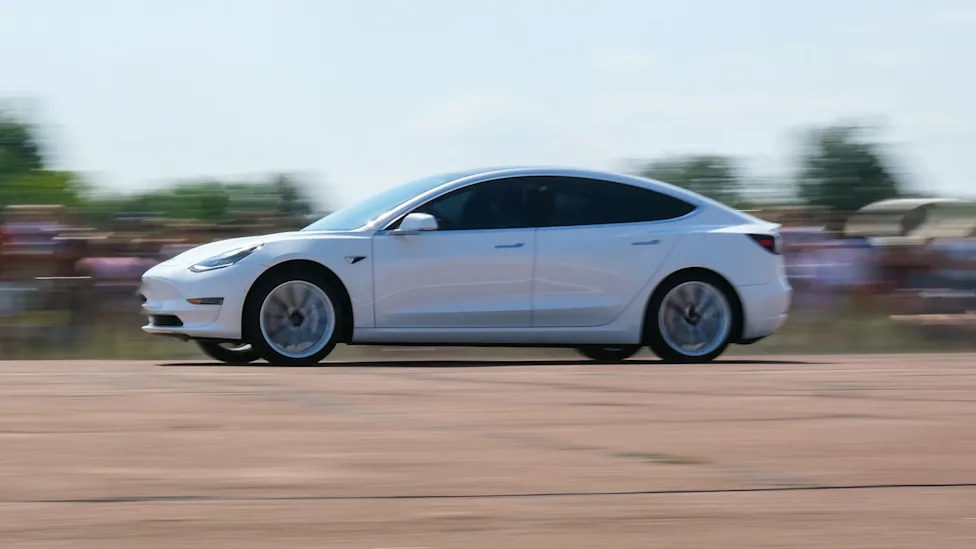
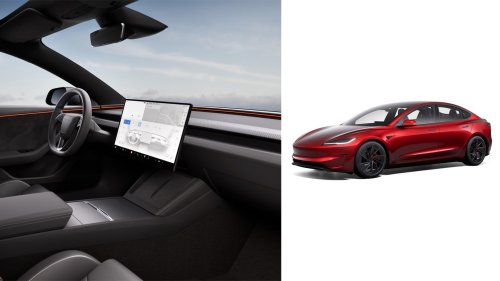
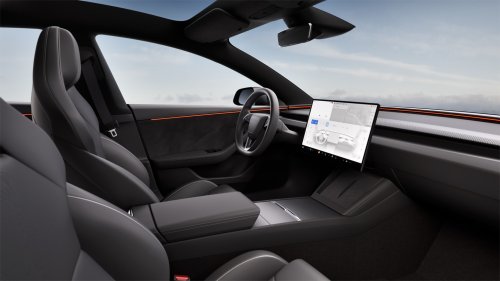
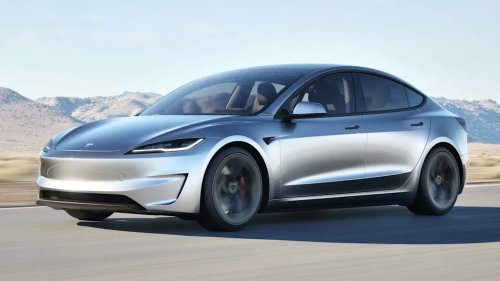
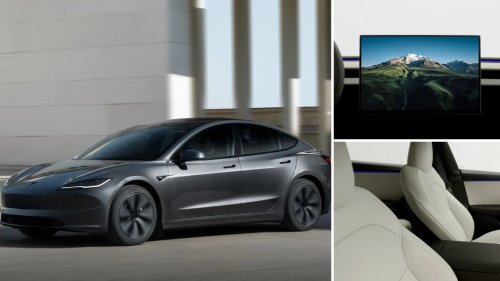
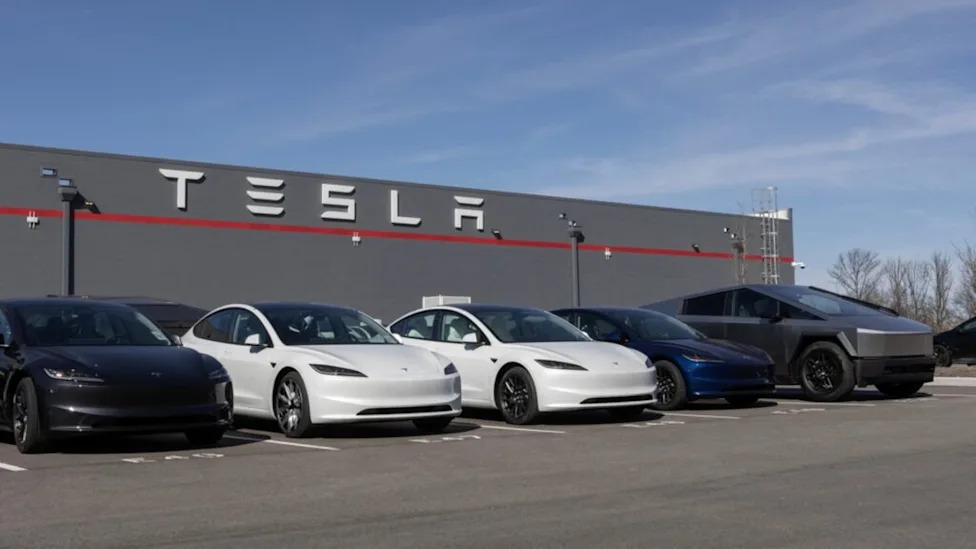
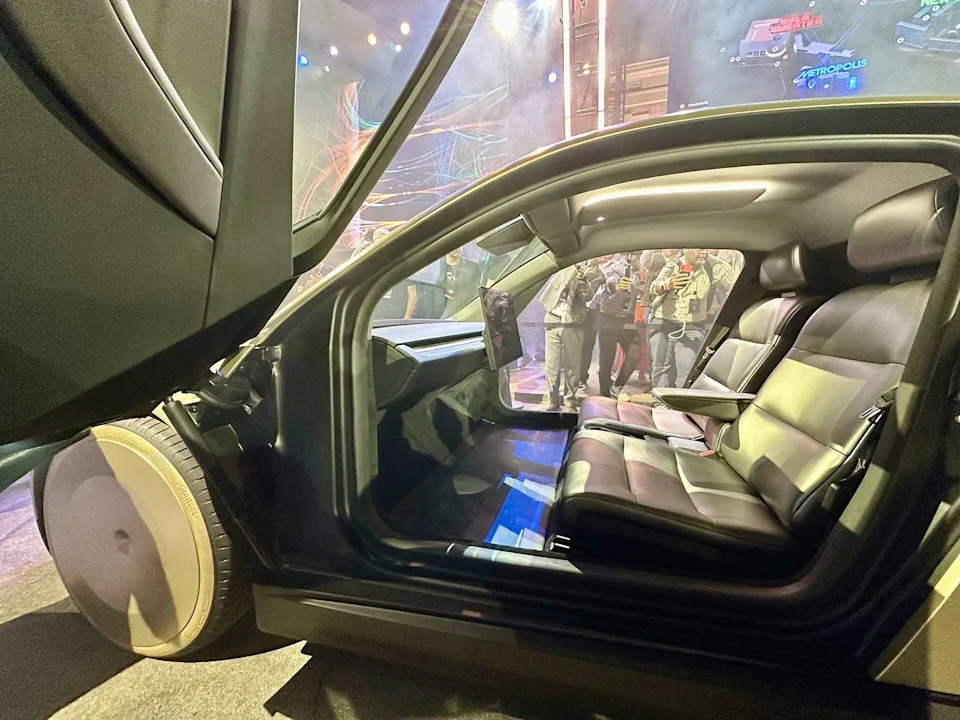
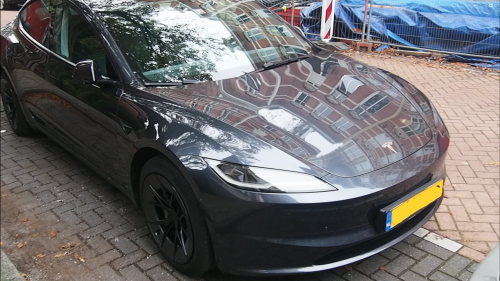
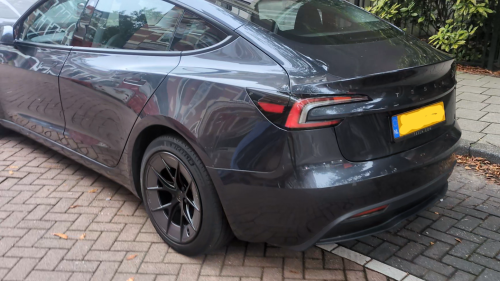
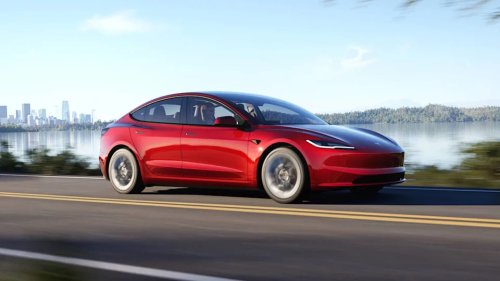
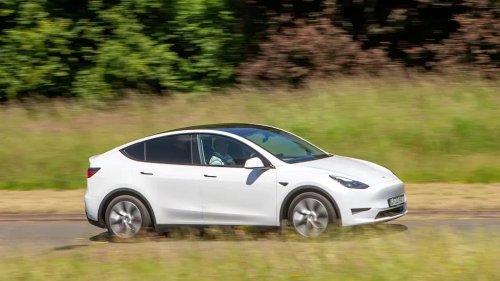
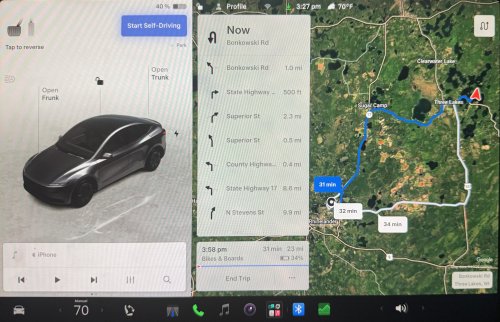
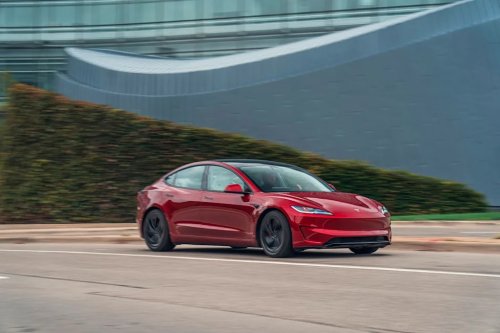
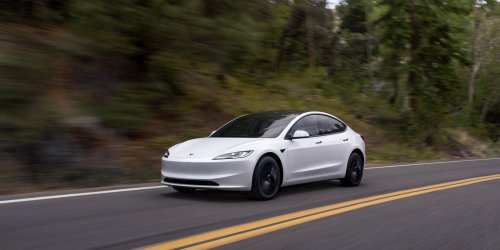
A Different Kind of ConnectionBack in the day, listening to the radio while driving was the go-to for playing music or catching up on news, with some even remembering the dial frequencies of their favorite stations. But advancements in modern in-car technologies have enabled passengers to connect their smartphones instead, so they can listen to the media they specifically want.It has gotten to a point where Tesla is dropping radio altogether, which, in the U.S., became a cost-cutting measure for the affordable Model 3 launched in October 2025. AM is traditionally omitted from some EVs because electrical components can interfere with AM reception. FM, which generally has a shorter range but delivers better audio quality, is still offered in most EVs, except the U.S.-spec Model 3 Standard, which is about $5,500 cheaper than the Premium trim. FM radio is still available in some European-market Teslas, depending on the market and configuration, but according to Drive, the base Model 3 in Australia is now losing it too.TeslaTesla Changes the StationThe Australian-spec Model 3 RWD starts at A$45,900 (about $31,800 at current exchange rates), A$9,000 (approximately $6,250) cheaper than the Model 3 Premium RWD, which keeps FM and DAB+ digital radio. A TuneIn app is still available for internet radio streaming, but it relies on an internet connection rather than conventional radio frequencies.It is just a sign of the times, with radio now apparently fair game for cost-cutting. After all, a 2023 study said addressing AM interference in EVs can add around $50 to $70 per vehicle because of measures such as shielding and filtering needed to prevent electrical components from interfering with radio reception.There is no reported roadmap for where Tesla will remove FM next, but the feature's disappearance from more markets suggests the radio-less Model 3 is gradually expanding its reach.TeslaCheap Is the New RangeIn the U.S., the launch of the Model 3 Standard without FM followed the end of the federal tax credit, which provided eligible EV buyers with up to $7,500. Since then, U.S. EV sales have remained well below year-ago levels, which only highlights the need for affordability. Automakers have different ways to address that, though so far, many center around all-new models with more attainable price tags.Ford came up with a sub-$30,000 electric pickup truck called the Fathom, due in 2027. Slate Auto is also offering a $24,950 EV truck, which would have sounded even sweeter if the old $7,500 federal credit were still available and the truck qualified, potentially making it a sub-$20,000 electric option. But that's just the state of the U.S. EV market right now. There have been some signs of recovery, though hybrids continue to gain ground as buyers look for more affordable and fuel-efficient alternatives.Tesla



















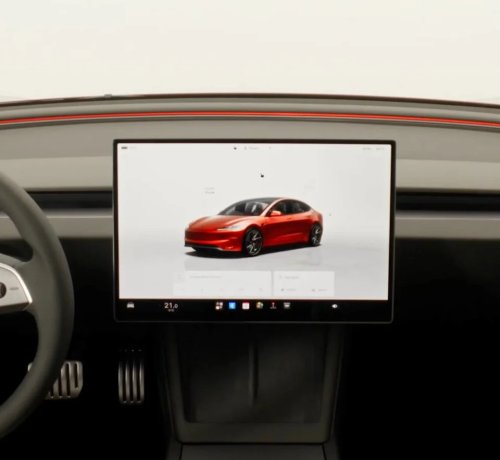
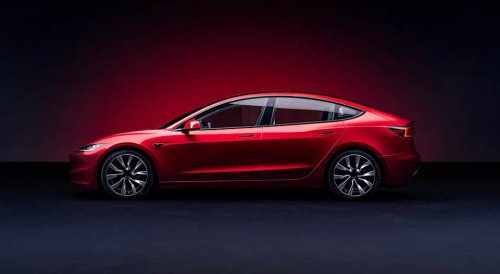
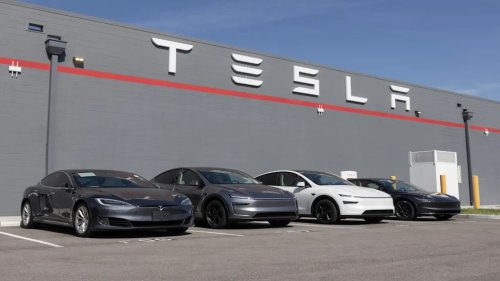
 +31 others