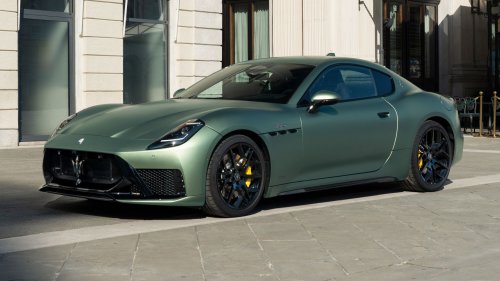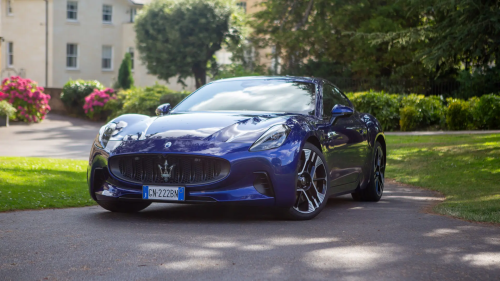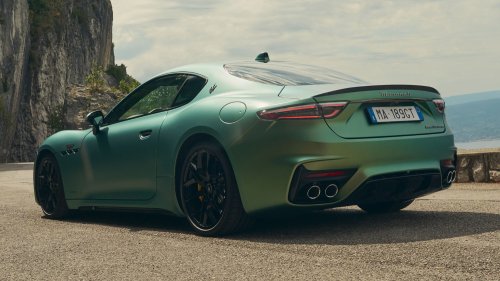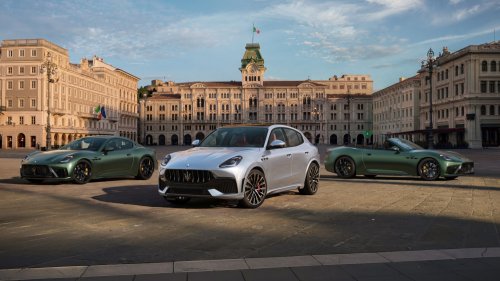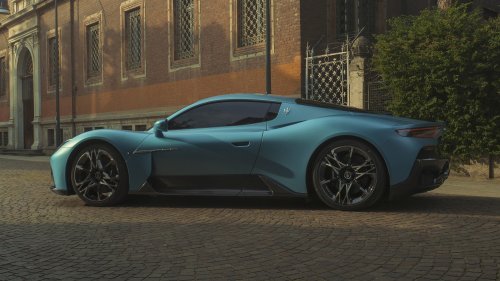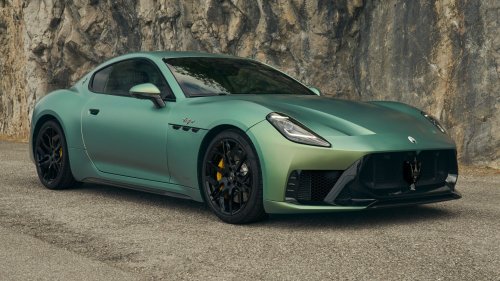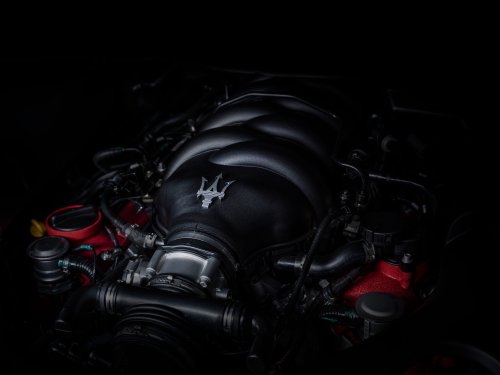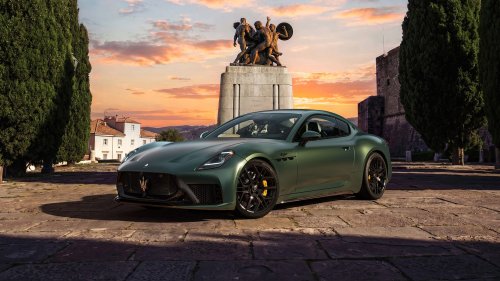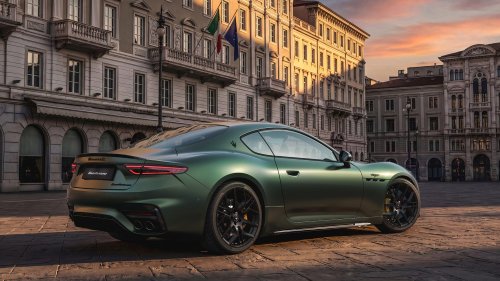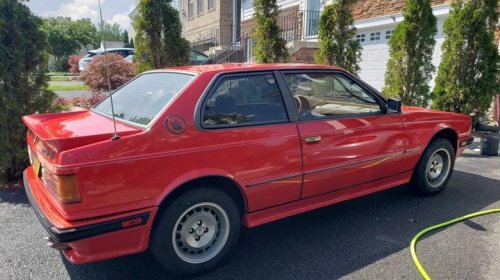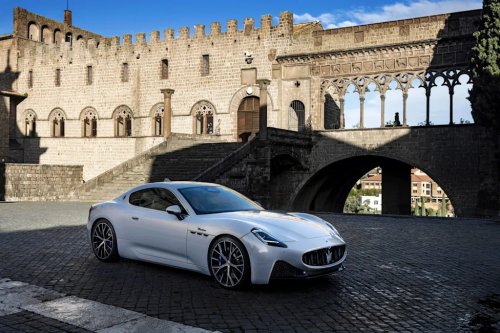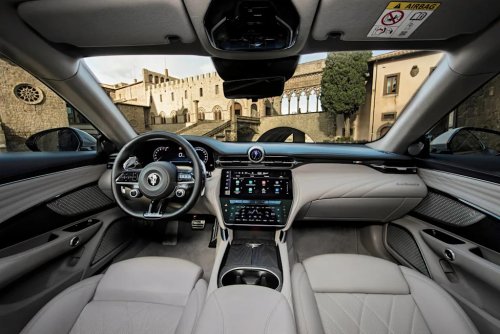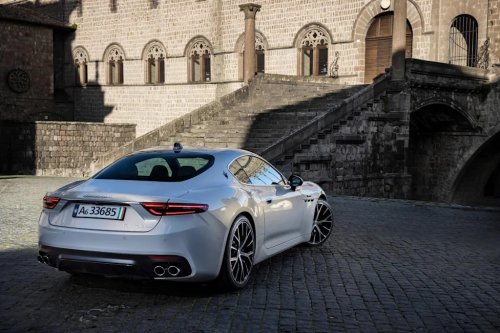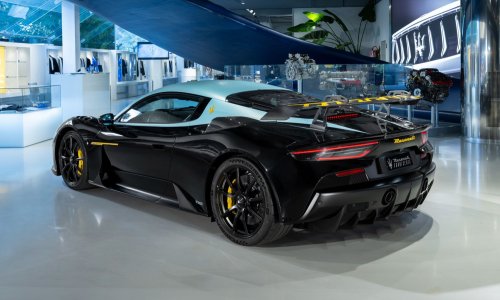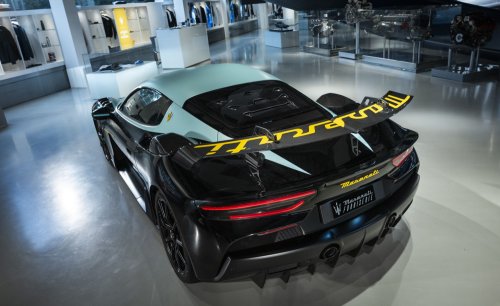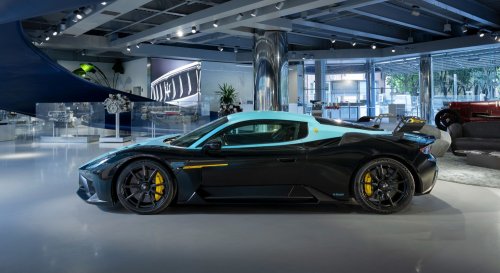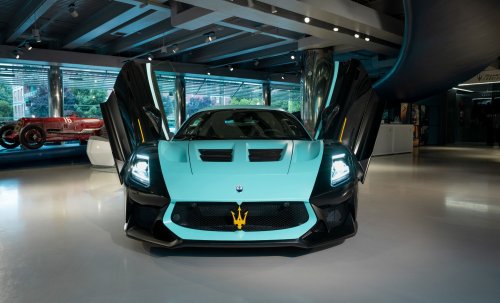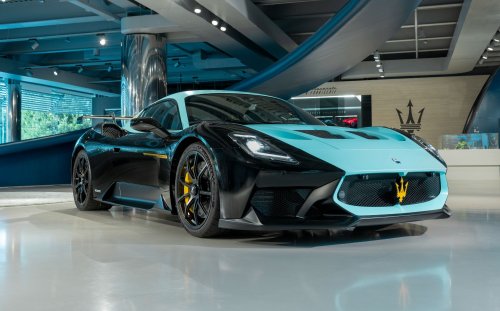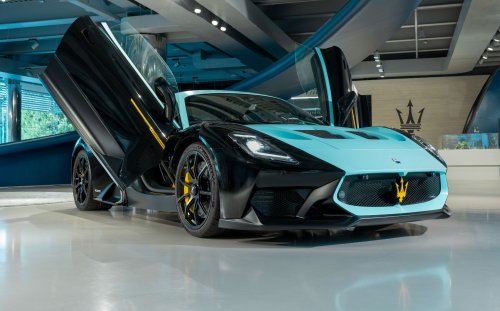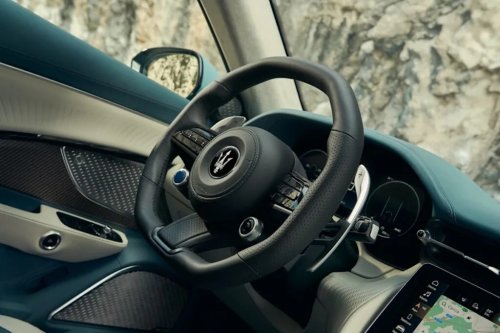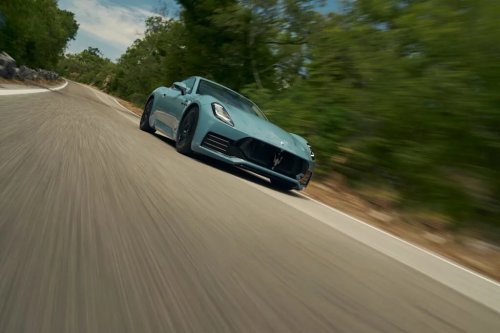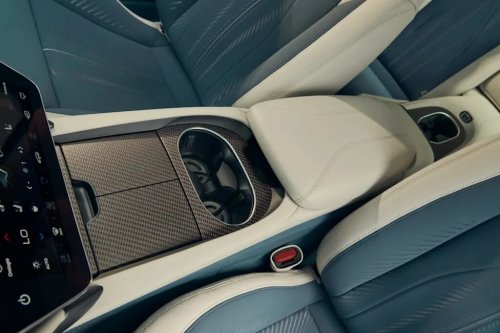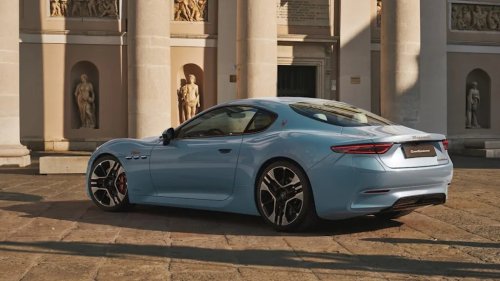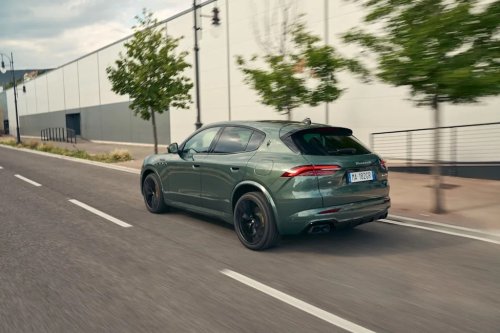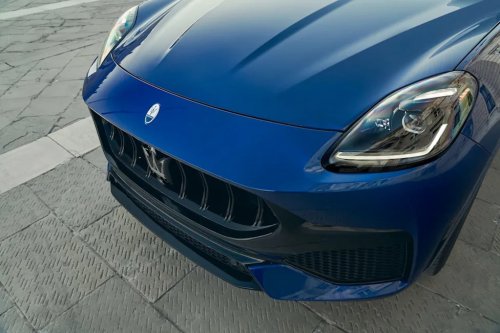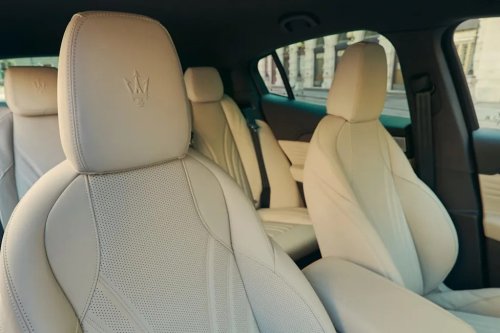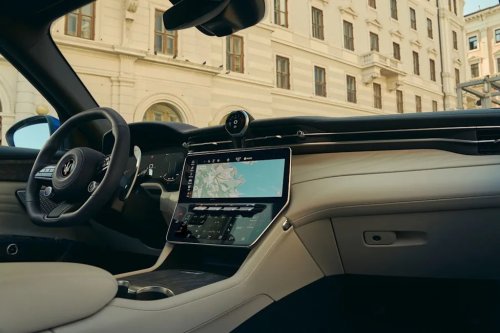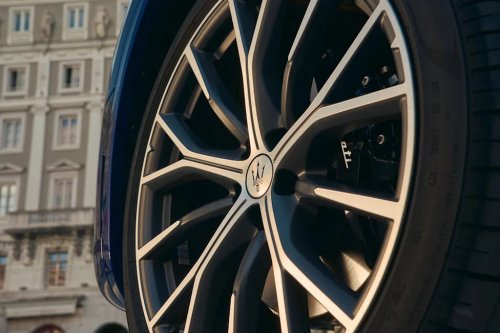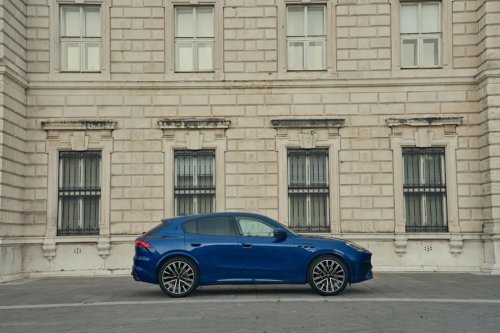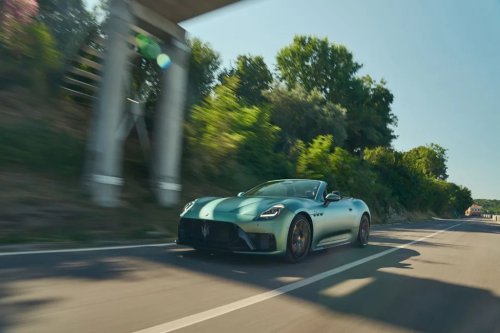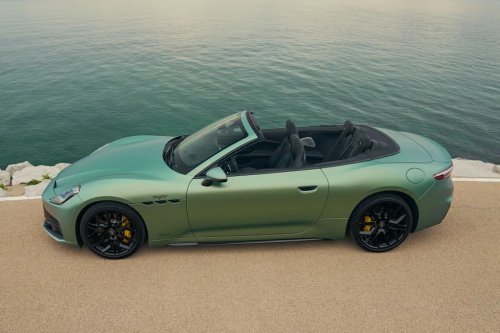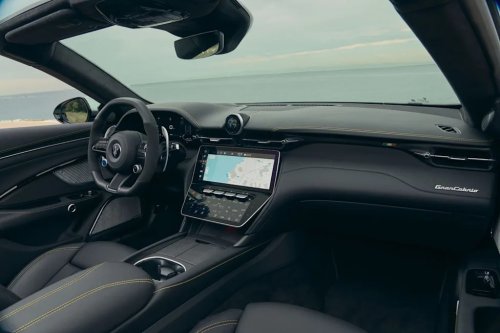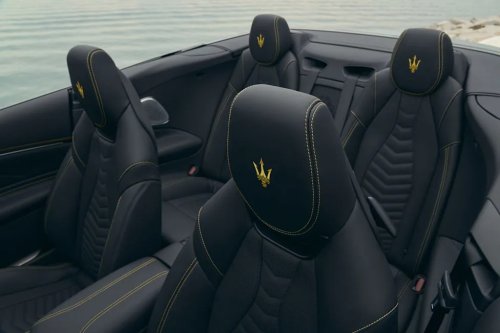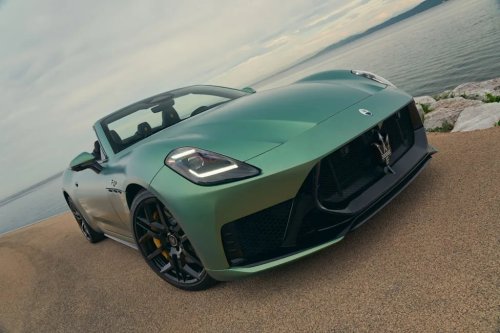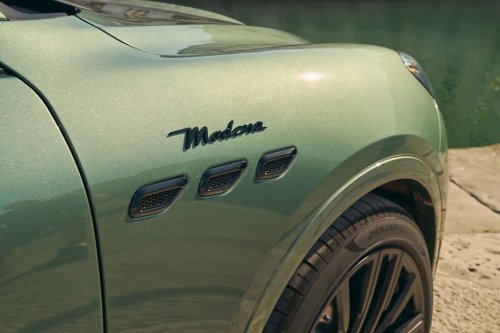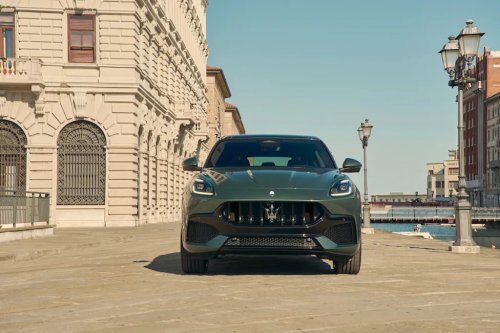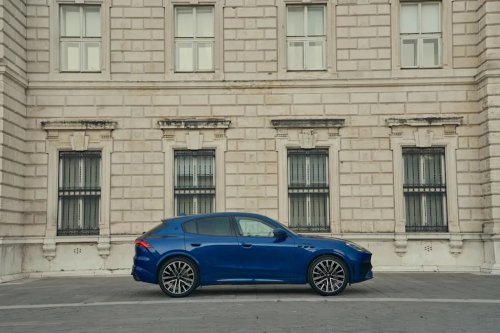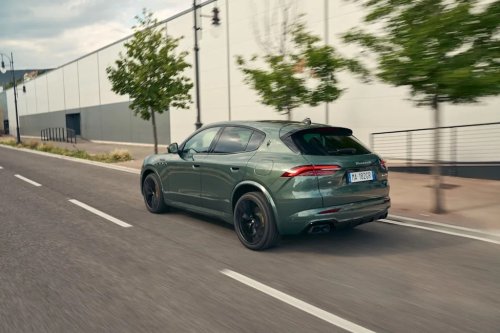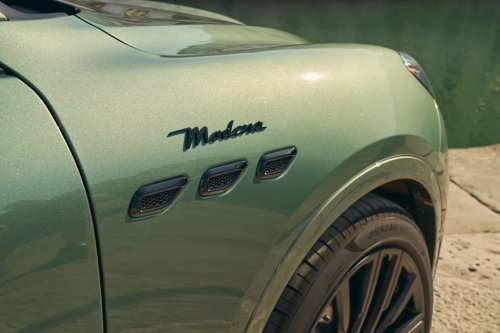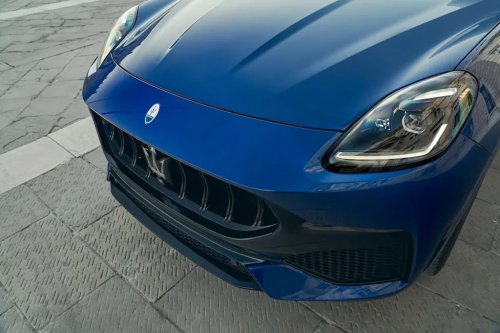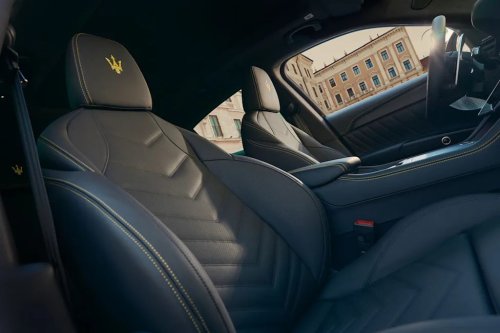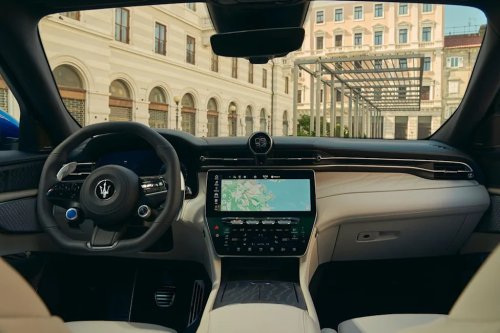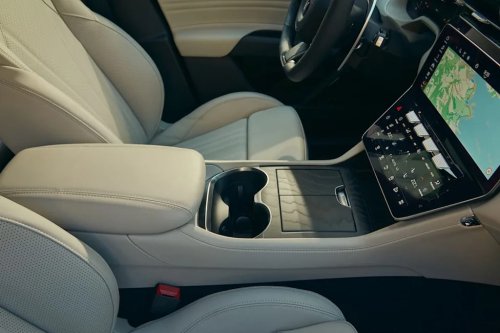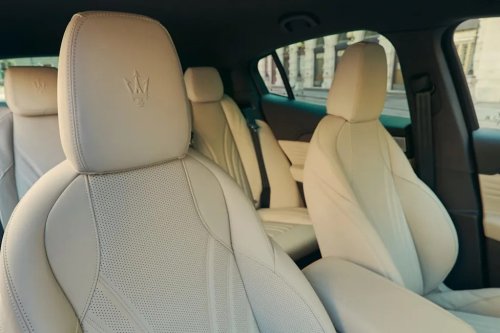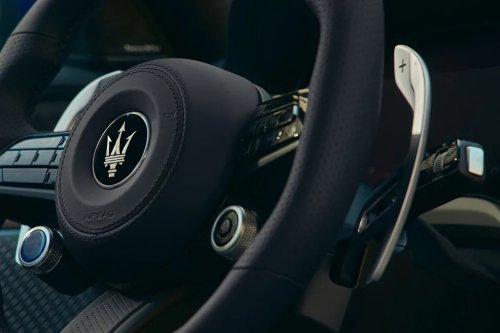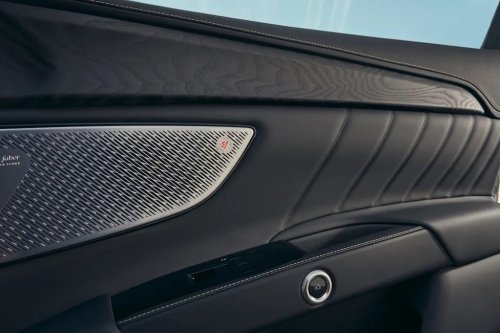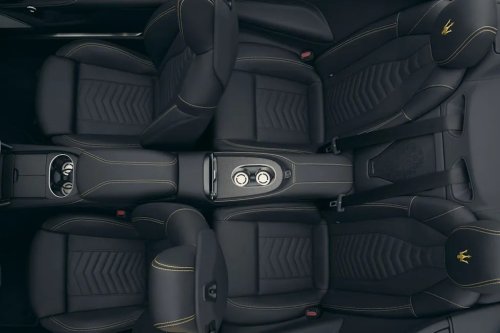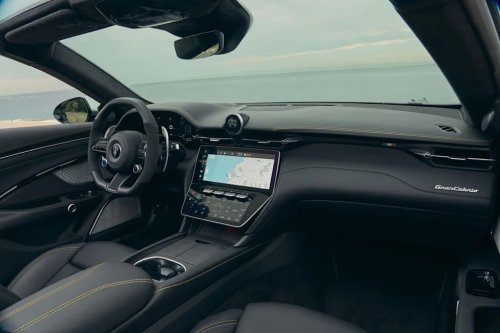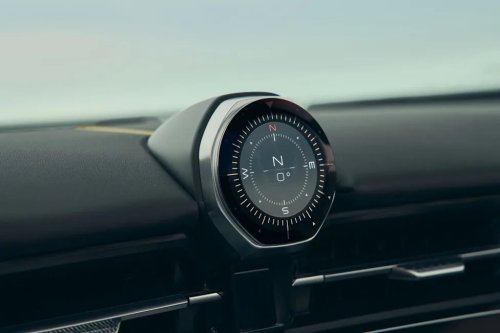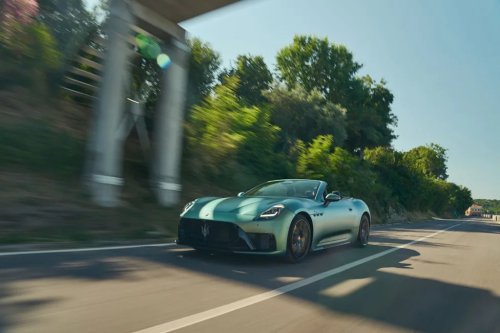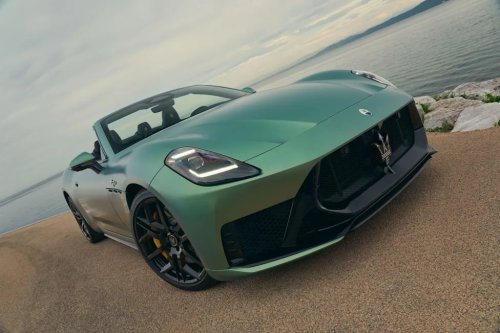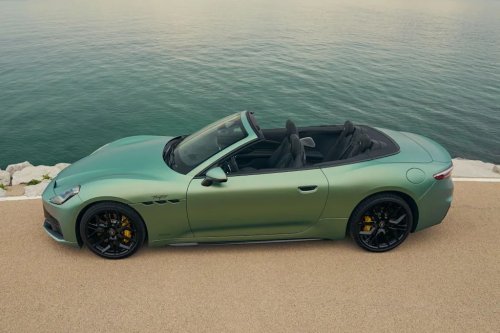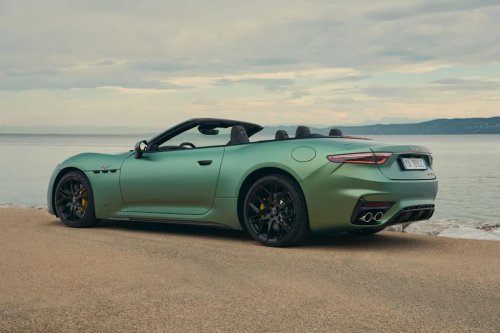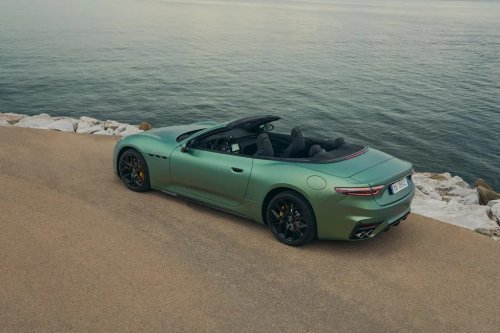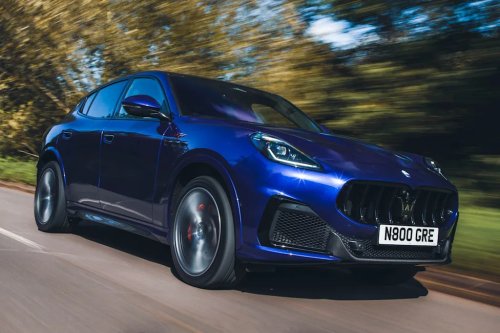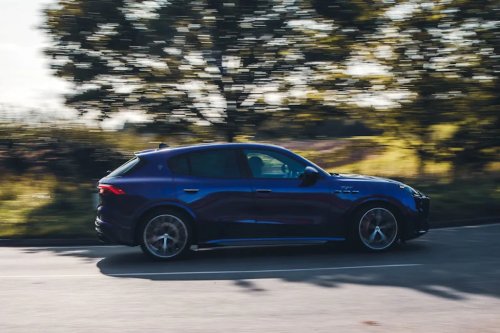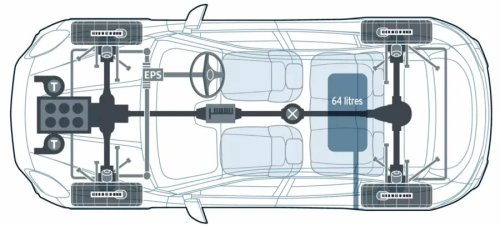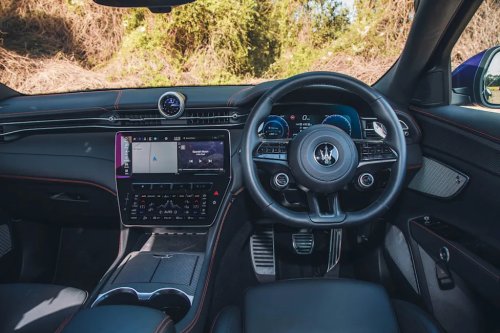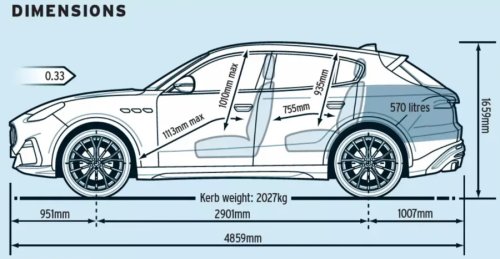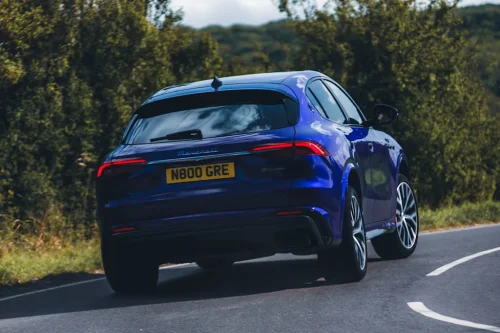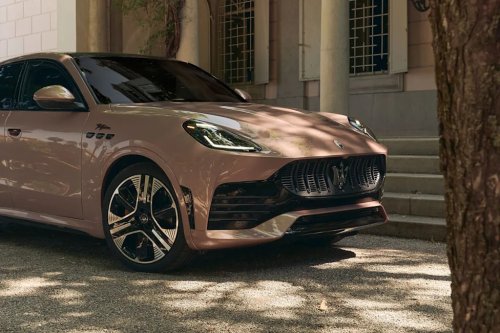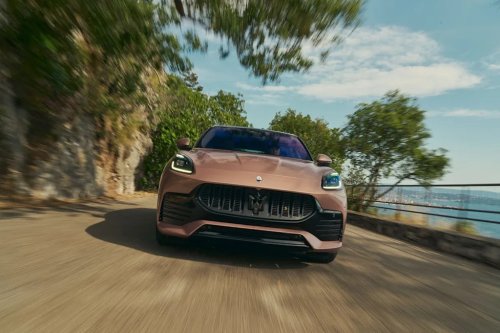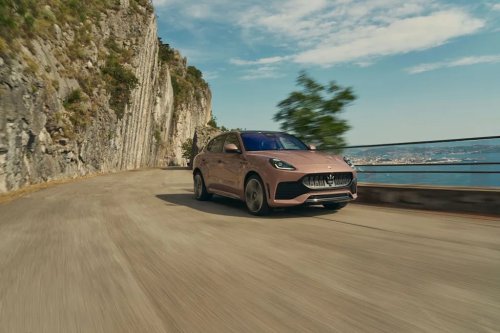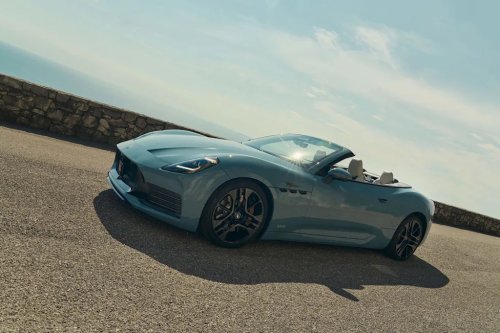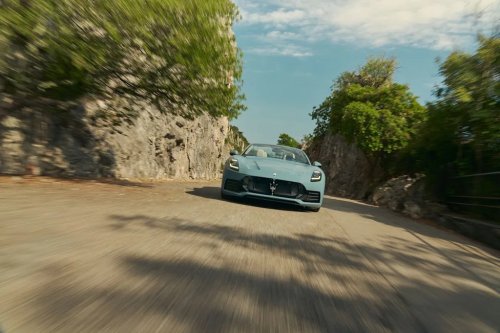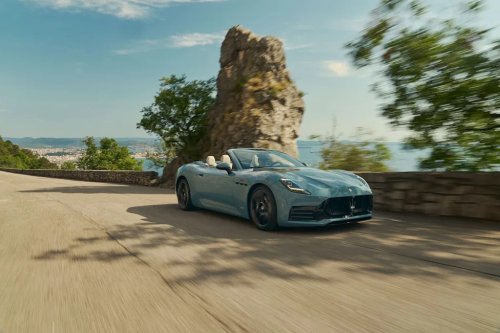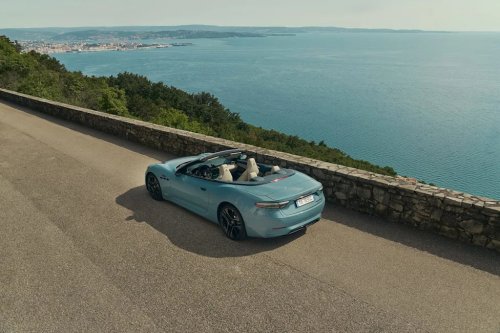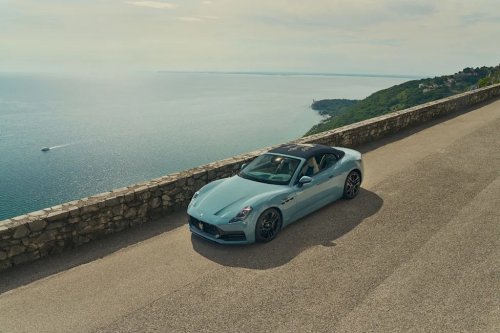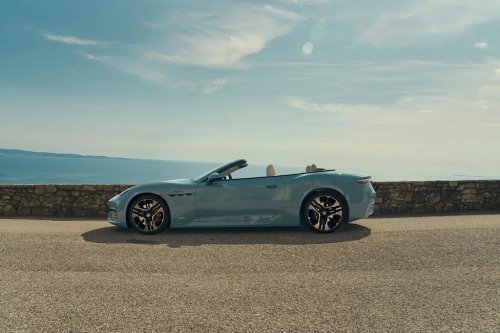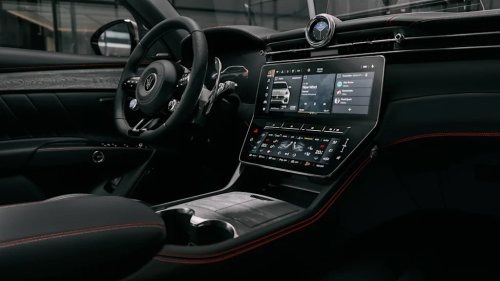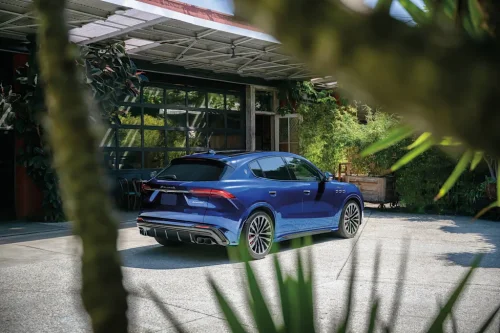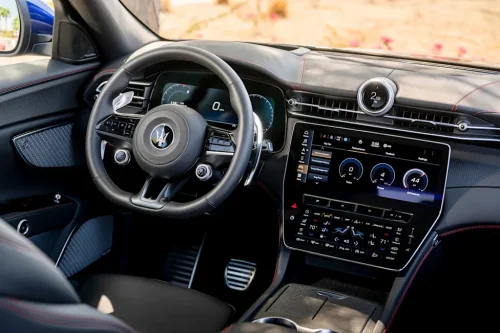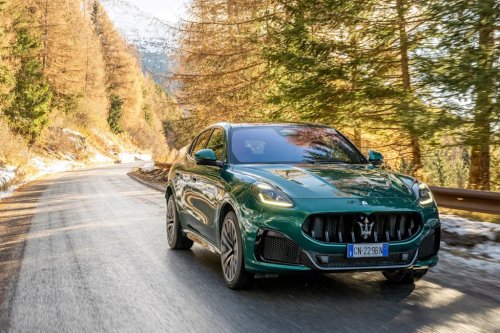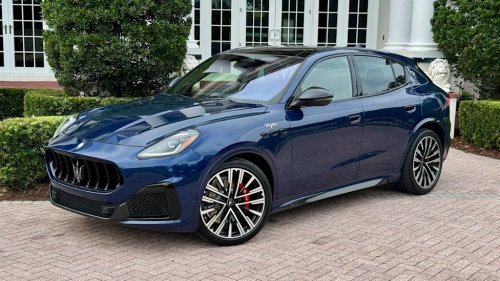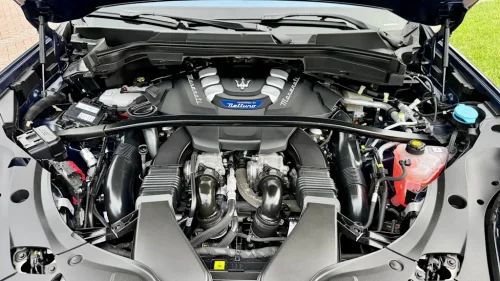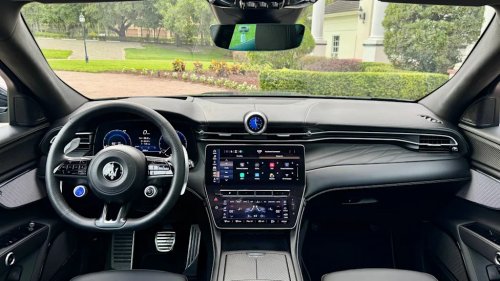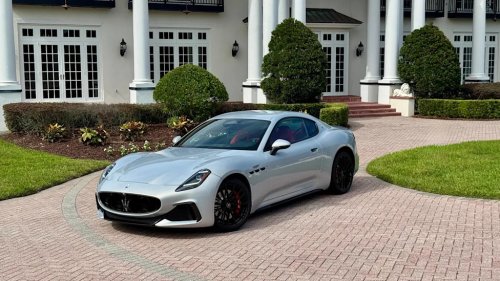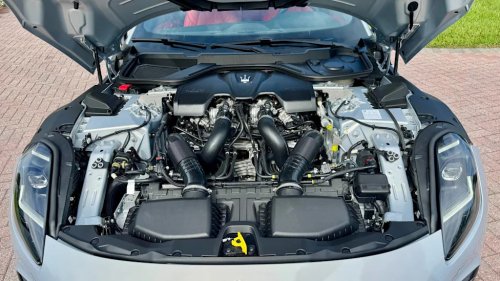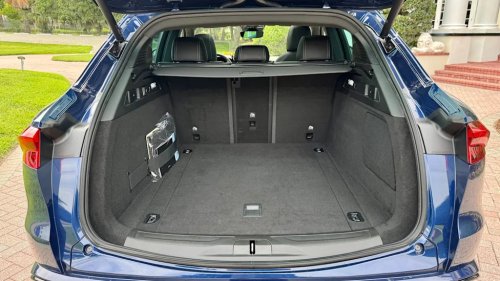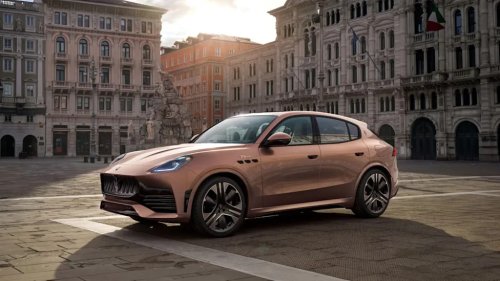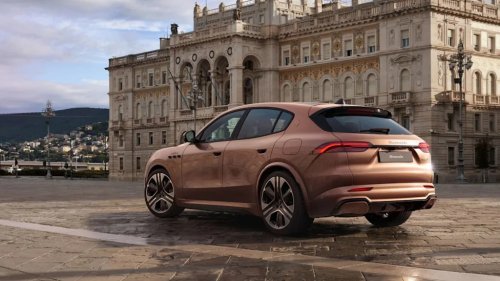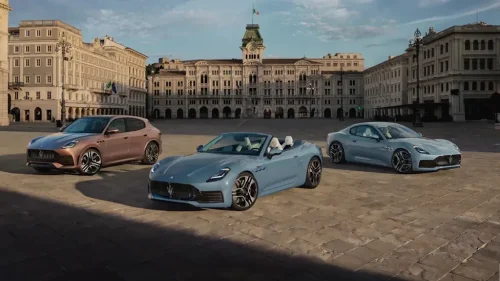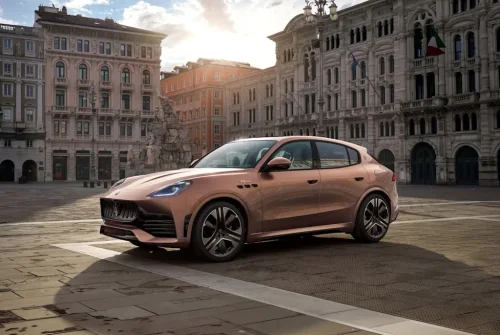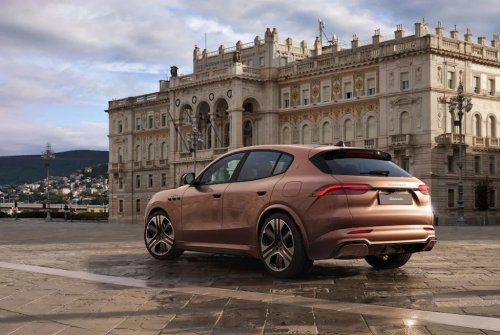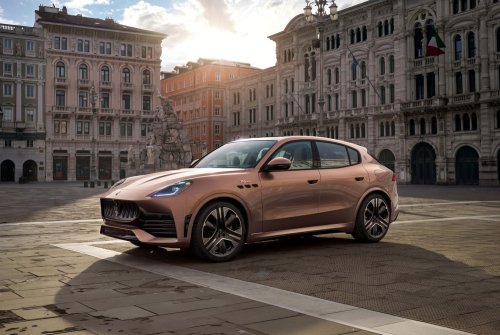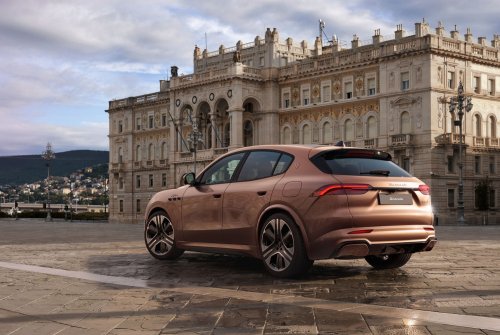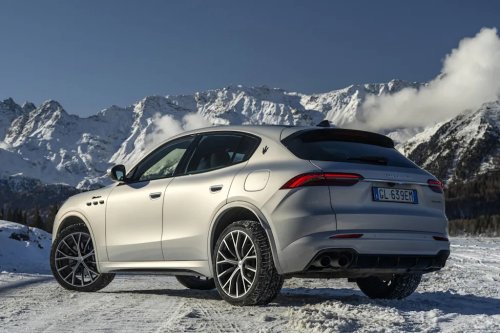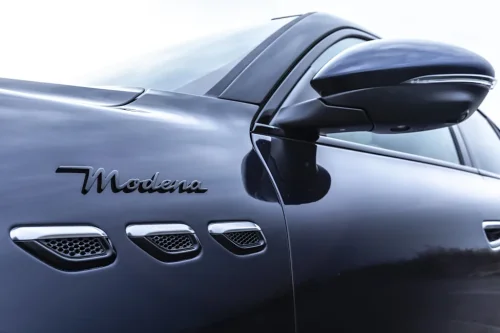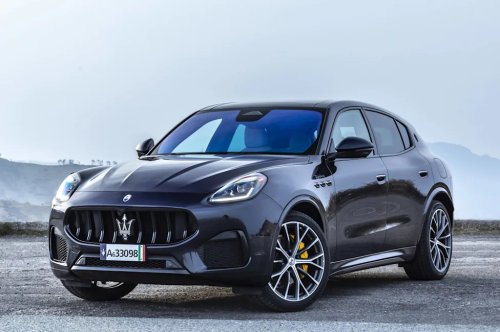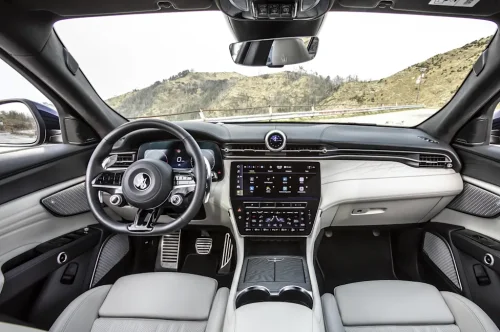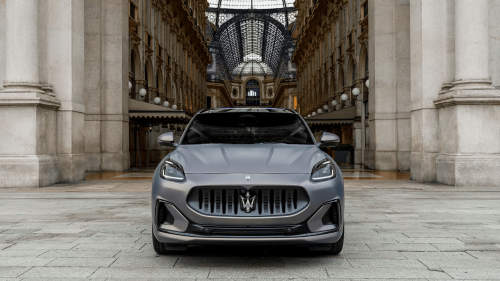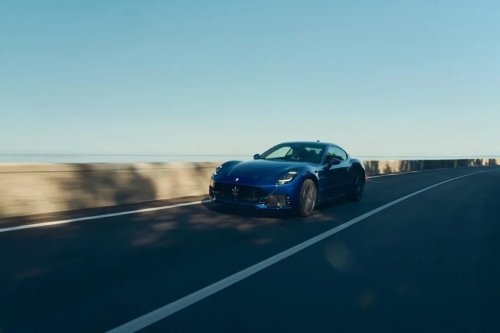
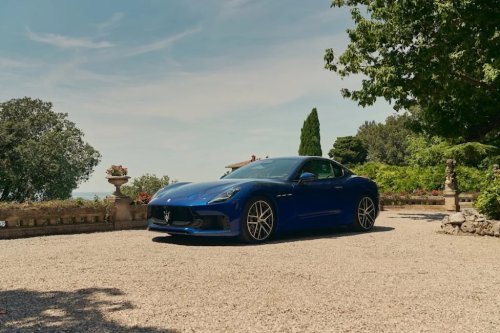
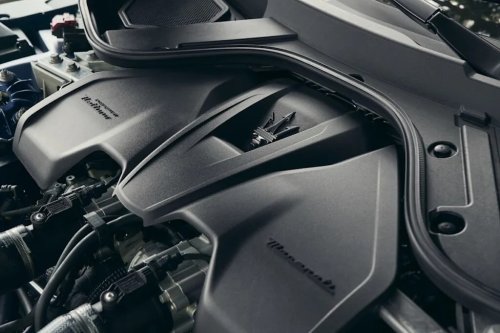
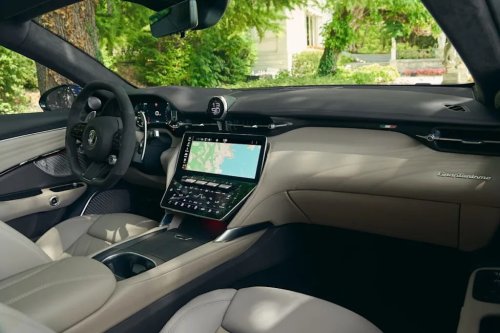
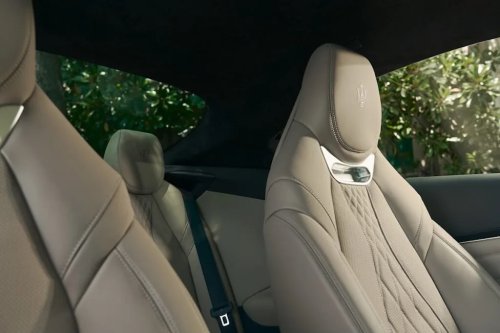







A weekend in Trieste and up into the hills behind it proves the Modena doesn't need to shout to be heardLiked: Chassis that talks back on a mountain road. Interior quality that shames the price tag. Looks that stop traffic, literally.Not so much: Laggy infotainment. A digital clock where an analogue one belongs. Doesn't sing quite like its big brother, the Trofeo.I have never seen so many phones come out for a car that wasn't stationary. Every junction through Trieste's old town produced the same little scene: a moped rider slowing to get his camera up, a waiter stepping out from under an awning, an old man on a bench simply turning his head and following the car all the way round the corner. The Modena's paint, a deep, almost ink blue, seemed to pour off the long bonnet and vanish straight into a sky doing its best impression of the same colour. I hadn't so much driven into Italy as arrived in something the Italians had apparently been expecting.AdvertisementAdvertisementNone of which made the actual business of driving it through the old town especially relaxing. This was a left-hand-drive car, on the right side of the road, threading between parked mopeds and the sort of municipal wheelie bins that always seem to be exactly one door mirror too wide for the gap available. I scythed through as best I could, wincing slightly every time a wing mirror passed a bin lid by what felt like millimetres, and reminding myself that it had been a good while since I'd last had to recalibrate my sense of where the corners of a car actually were.Out of town, though, along the coast road past Miramare towards Duino and Sistiana, with the Gulf of Trieste dropping away over the cliff edge, is where the Modena properly introduces itself.The first thing that struck me, within a few miles of leaving the city behind, was how it dealt with the sort of scruffy, patched, occasionally cratered surfaces that this stretch of coast road serves up. A car with this much presence and this much metal in it, 1,900-odd kilograms of GranTurismo, has no business feeling this composed over a bad edge or a sudden dip. It doesn't crash or thump. It absorbs, settles, and gets on with things, and yet at no point does it feel like it's trading away the sense that there's real heft behind the wheel. That's a difficult balance to strike, controlling that much mass without numbing the car into a barge, and the Modena manages it with a deftness that had me actively hoping for slightly worse tarmac just to keep testing it.Then the road turned inland, climbing into the Collio, the wine hills around Cormòns, and the whole character of the drive changed.This is where the Modena stopped being simply comfortable and started to feel genuinely alive. Through a run of hairpins with the valley dropping away on one side, the chassis began talking back to me. Turn the wheel and there's a moment, just a moment, where you can feel the car considering the question before it commits to an answer, weight shifting through the body, the front end loading up, the whole car leaning into the corner with what felt like enthusiasm rather than mere obedience. It's not a dialogue every car manages. Plenty of grand tourers just do as they're told. The Modena, on a good road, replies.AdvertisementAdvertisementI should say clearly what the Modena is not trying to be, because I don't think it's trying to hide it either. This is not a car pretending it can do a track day on Monday and a concours lawn on Sunday. It isn't chasing lap times. It's a grand tourer in the old-fashioned sense, a gentleman's car, except one wrapped in body panels sharp and modern enough that I suspect it'll pull in buyers a couple of decades younger than the GranTurismo name might suggest. I loved looking at it nearly as much as I loved driving it, which isn't something I get to write terribly often.Underneath that bonnet is Maserati's twin-turbo Nettuno V6, the 3-litre unit borrowed and detuned slightly from the MC20, producing 490PS and 442lb ft of torque in Modena form, enough for a 3.9-second sprint to 62mph and a claimed 188mph flat out. On the motorway stretches linking the coast road to the Collio's hairpins, that was plenty. Put the pedal down and the delivery is linear in a way that recalls a naturally aspirated engine rather than something with two turbos strapped to it, none of the usual turbocharged surge-then-fade, just a clean, building shove all the way to the redline. The eight-speed ZF torque converter gearbox shuffles through its ratios quickly and cleanly enough that you rarely think about it, which for a car expected to be effortless, is rather the point.At idle, there's something almost agricultural about it, a low, dieselly thump as the pistons turn over that you'd never guess belonged to a V6 wearing a trident on the bonnet. Push on, though, and that thump clears its throat into something else entirely different, a gritty tenor thrown out from behind you as the revs climb, not quite matching the theatre of the Trofeo I had for company on part of the drive, but with a character all its own. That restraint felt entirely in keeping with the rest of the car. Gentlemanly, again, is the word that kept coming back to me. It would rather clear its throat and let the performance speak for itself than shout about it from a standstill.What I hadn't expected was quite how much grip and adjustability was hiding underneath that politeness. There's real body roll if you're looking for it in a corner, enough that in photos it probably looks like more lean than it feels from inside, but it rolls onto a wide, planted footprint and simply turns, at a much higher level of commitment than I'd been led to expect from a car built primarily for covering continents in comfort. Keep the revs up through a third-gear hairpin and you can gently provoke the rear axle into rotating, a small, progressive, entirely manageable slide rather than anything approaching drama. This variant doesn't have Corsa mode, that's kept only for the range-topping Trofeo, so I wasn't able to switch off the safety net entirely, and in the sportiest setting available to me the car still kept a firm hand on proceedings. For the quiet, empty roads through the Collio that day, that felt exactly right. I wasn't looking for chaos. I was looking for a conversation, and that's what I got.AdvertisementAdvertisementBack inside, and it's just as considered. The cabin is comfortable and lovely to sit in, with a cascade of screens flowing down the centre console that looks as good as anything from a manufacturer with a fraction of Maserati's badge equity. It isn't faultless. The main media screen has a noticeable beat of hesitation before it responds to an input, the navigation lagged behind my actual position consistently on the Collio's back roads where I needed it most, and I never warmed to the digital clock sitting where a proper analogue dial has sat on GranTurismos for decades. That one felt like a small betrayal of the car's own character, if I'm honest, one gauge too far into the touchscreen era for a car that otherwise wears its heritage so well.Everything you actually touch, though, is exactly as good as it should be at this price. The steering wheel, the metal shift paddles, the various switches and knobs dotted around the cabin, all have a tactility that a lot of rivals still haven't matched. The wheel itself is shaped in a way that makes the whole car feel sportier to hold than it perhaps has any right to, given everything else about the way it drives. There wasn't a single creak or rattle from the structure over some rough sections of European road, and the whole cabin has the sort of solidity that makes you trust the car implicitly, even before you've worked out what it's capable of.It's practical, too, in the way a proper grand tourer should be. Getting in and out never felt like folding myself around the door frame, which given how low and long the car looks from outside was a pleasant surprise. The boot swallowed all of my camera equipment and luggage for the trip with room spare, and there was enough space on the back seats for the overflow. This is still a car you could definitely use to cross a continent, cameras, bags and all.I'll mention the Bentley Continental GT only briefly, because this piece was never meant to be a fight between the two. Where the Bentley leans into outright weight and hushed, wafting authority, the Modena feels lighter on its feet and more eager to respond on its tiptoes through a hairpin, even if it can't match the Bentley's sense of occasion inside. They're aiming at slightly different versions of the same idea, and I think there's room in the world for both.What the Modena ultimately convinced me of, somewhere on the climb up into the Collio's vineyards with gold lashings of sunlight hitting me from above, is that it isn't trying to be all things to all drivers, and that restraint is precisely its appeal. It doesn't want to be a supercar. It doesn't want a Corsa mode shouting at you from the dashboard. It wants to look extraordinary doing normal things, ride beautifully until you ask it not to, and then, when you do ask, answer back with more enthusiasm and precision than you had any right to expect from something this handsome.AdvertisementAdvertisementIn a class increasingly obsessed with proving its track credentials, the Modena's confidence in simply being a brilliant, characterful grand tourer feels like the more grown-up position to take. It might just be the more youthful one, too.By the last hairpin before Cormòns, I realised I'd stopped asking the Modena questions altogether. We'd simply been talking for the past hour, and I hadn't noticed the exact moment it had stopped feeling like an interview.Maserati GranTurismo Modena specsEngineV6, 2992cc, twin-turboPower490PS (483bhp) @ 6500rpmTorque442lb ft (600Nm) @ 3000rpmTransmission8-speed automatic, all-wheel drive0-62mph3.9secTop speed188mphWeightc.1900kgBasic pricefrom £133,120 (2026 figure, UK pricing for MY27 tbc)