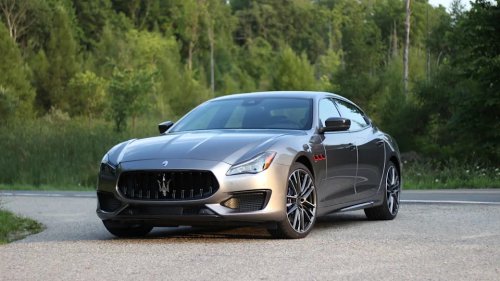
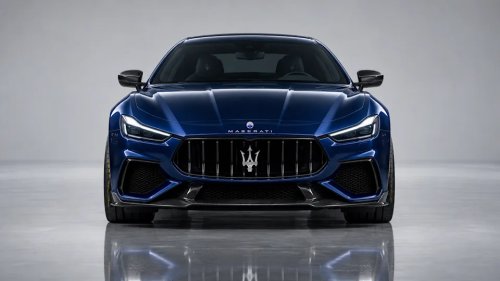
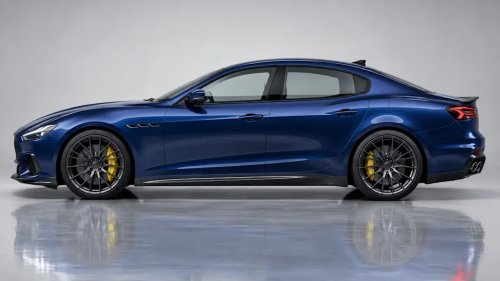
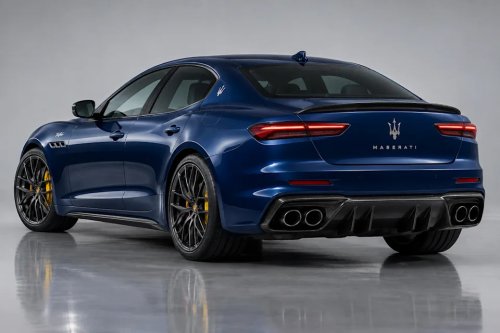
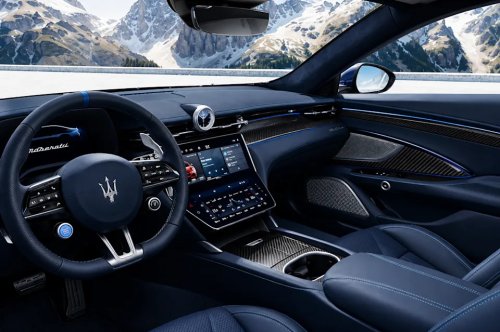
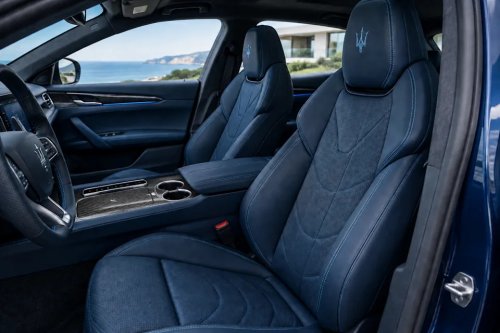
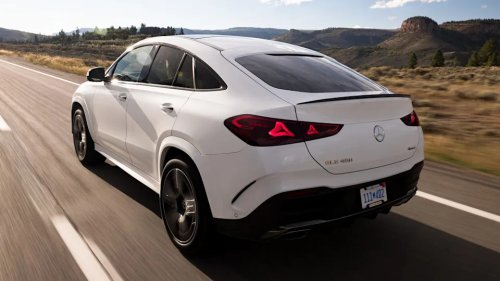
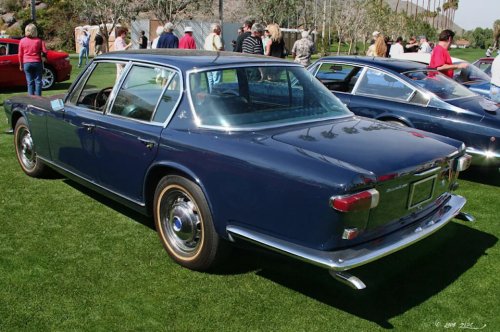
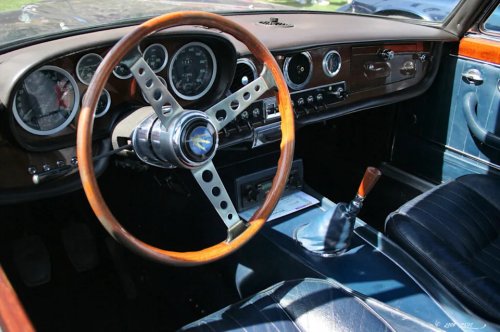
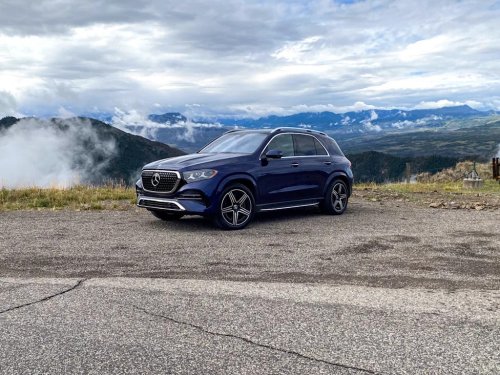
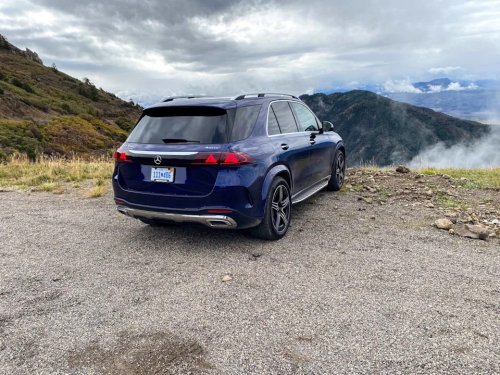
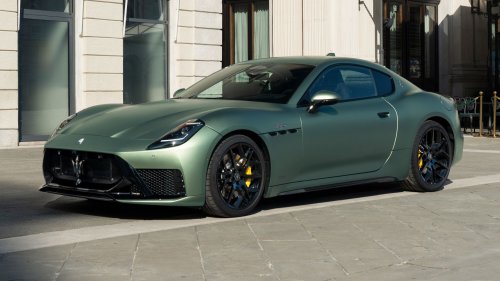
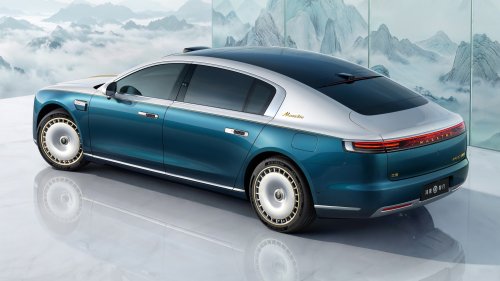
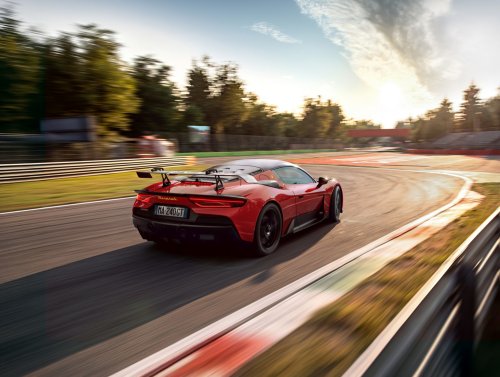
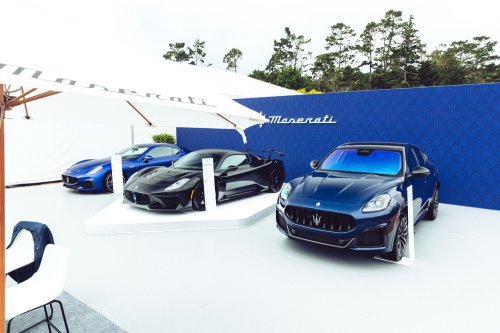
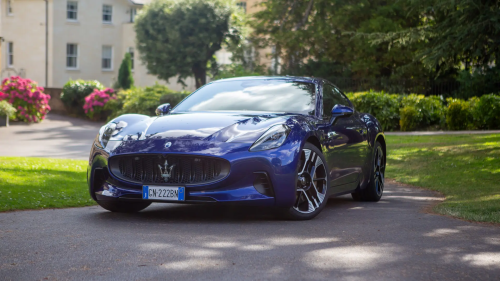
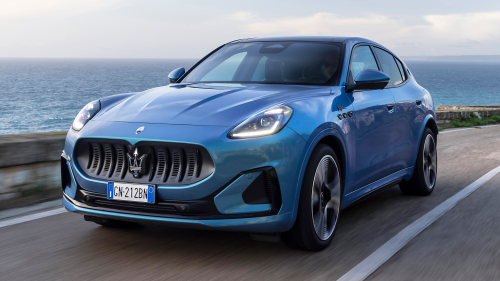
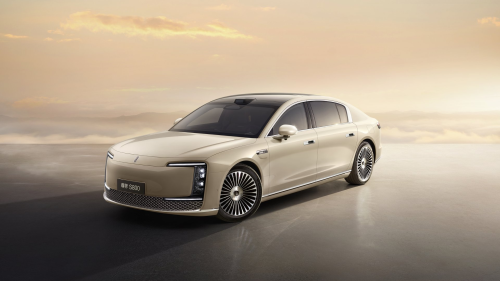
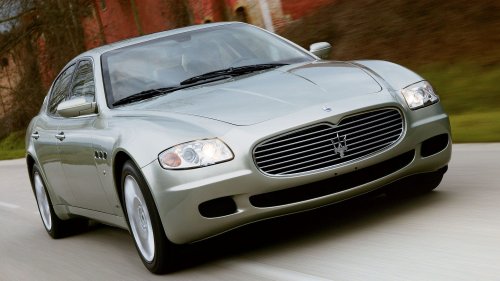
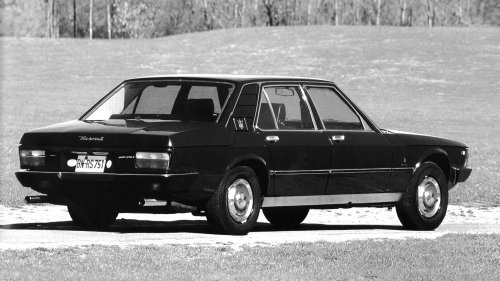
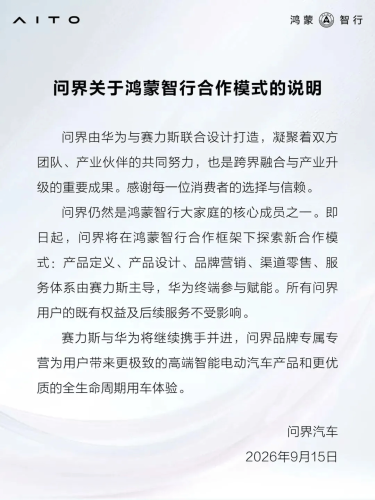
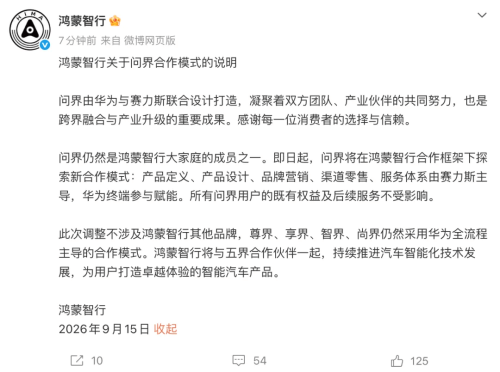
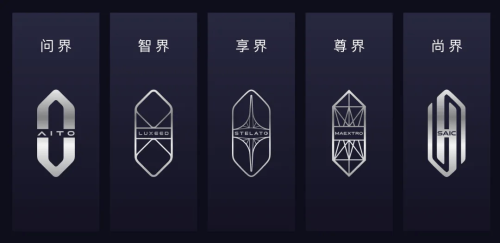
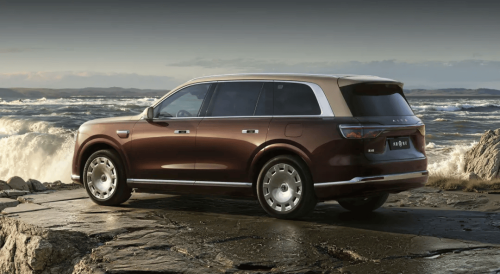
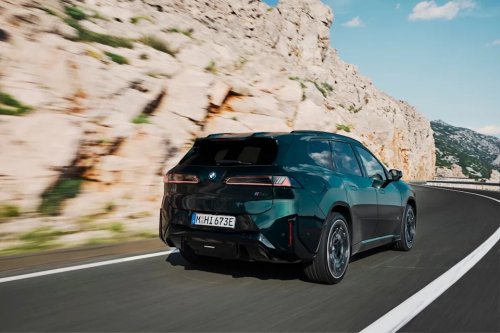
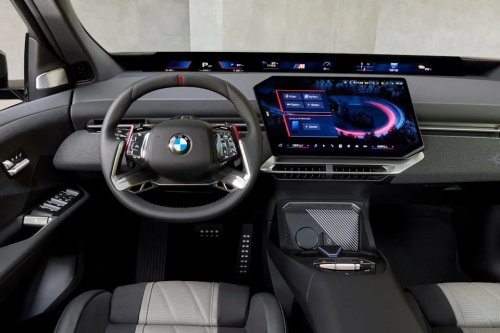
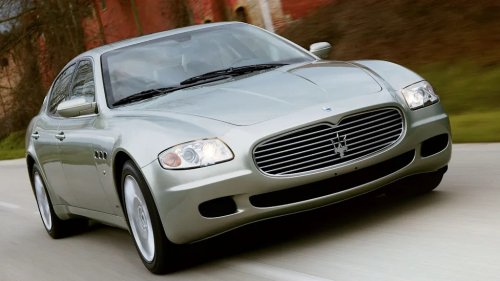
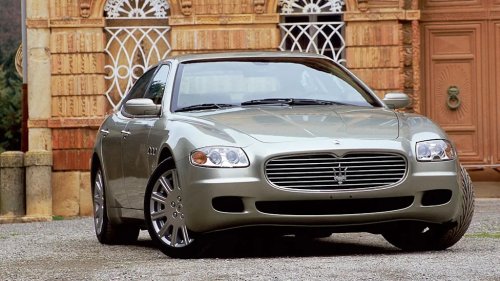
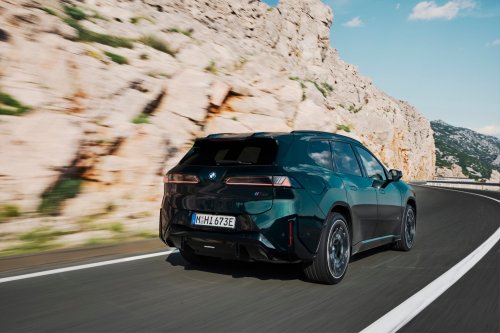
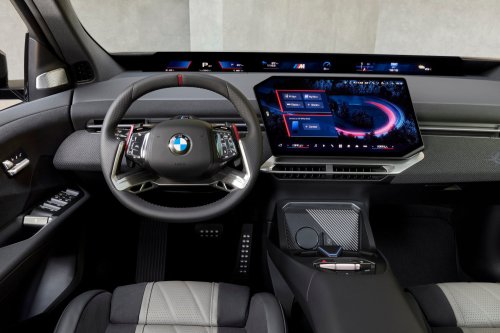
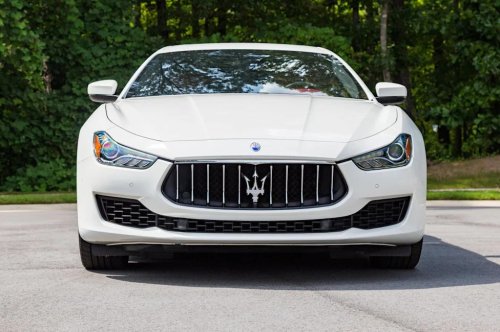
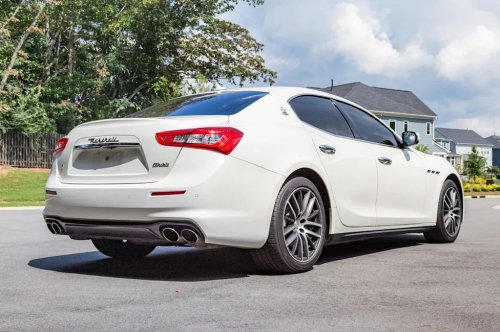
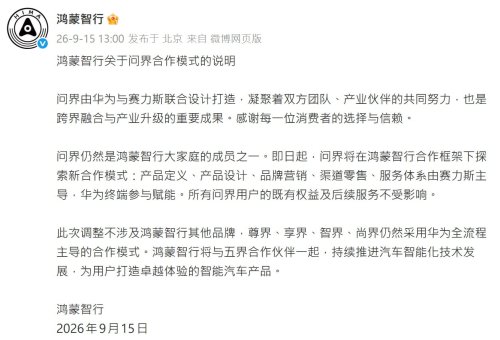
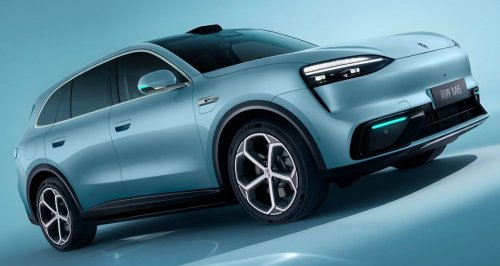
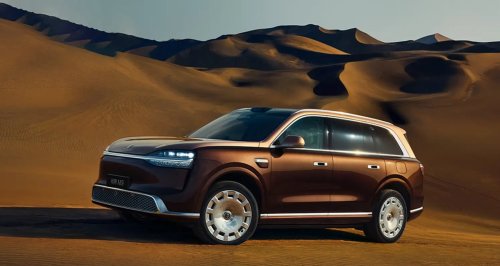
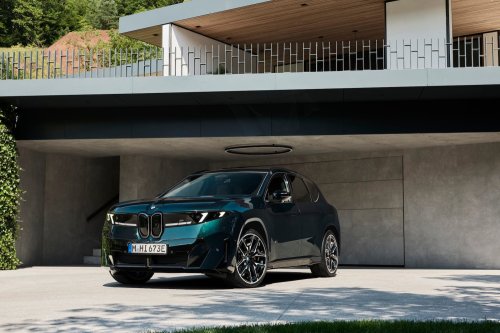
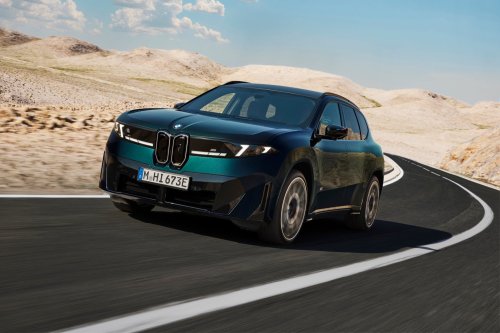
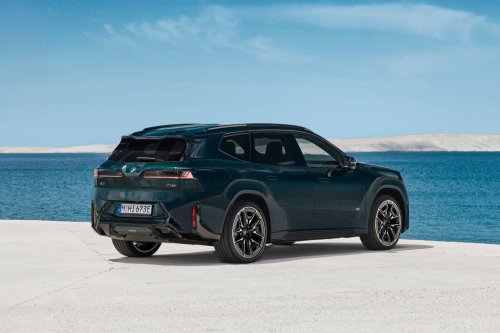
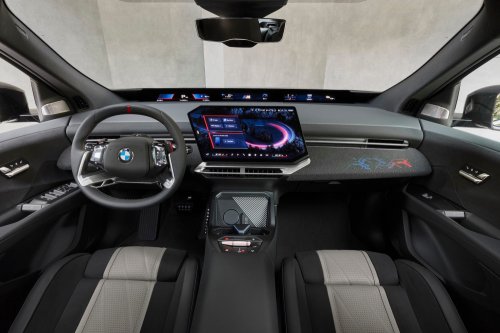
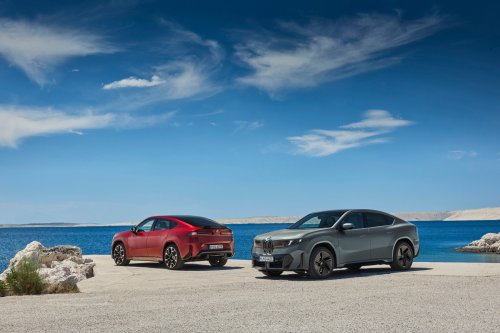
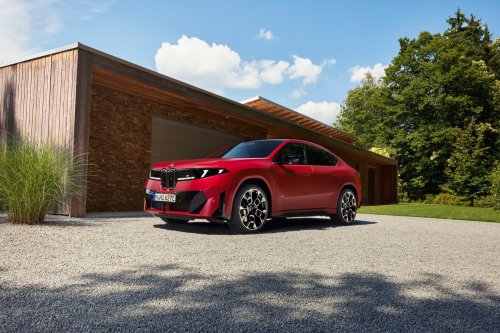
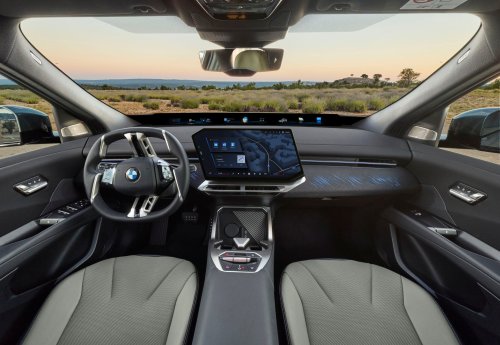
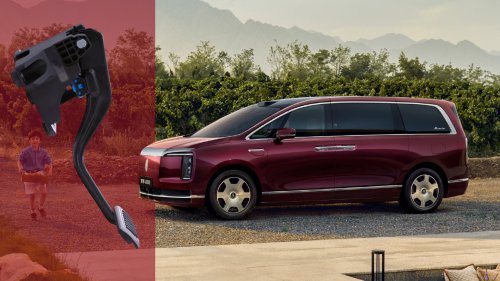
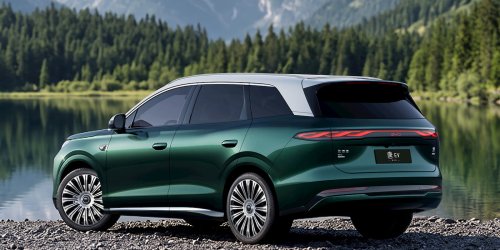
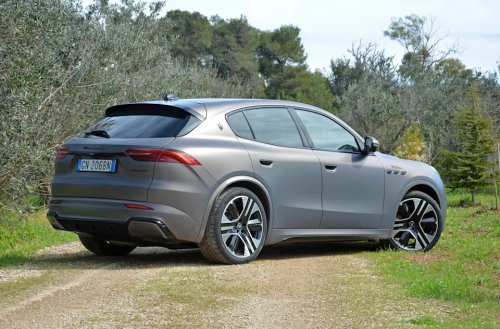
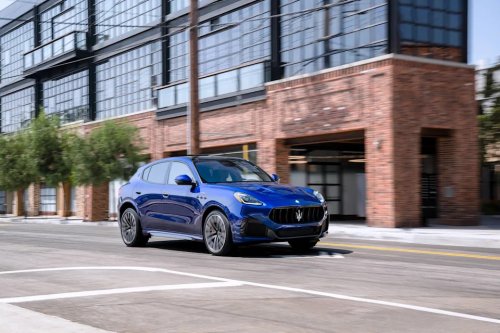
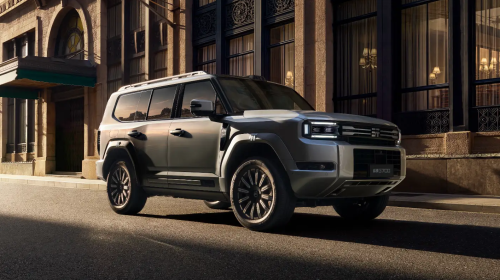
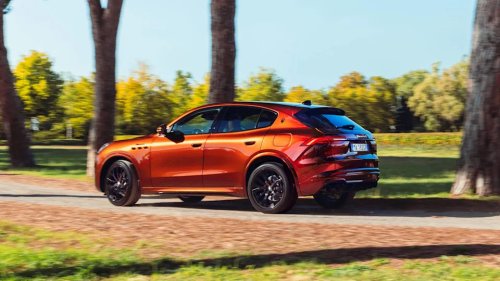
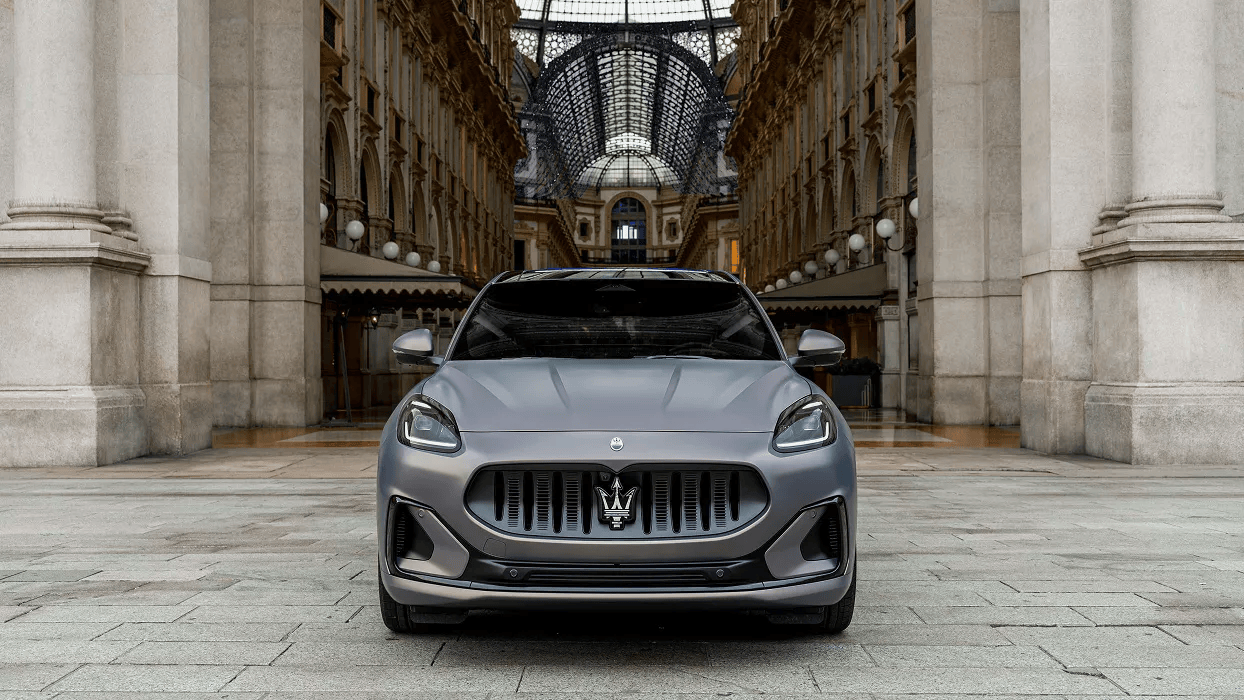
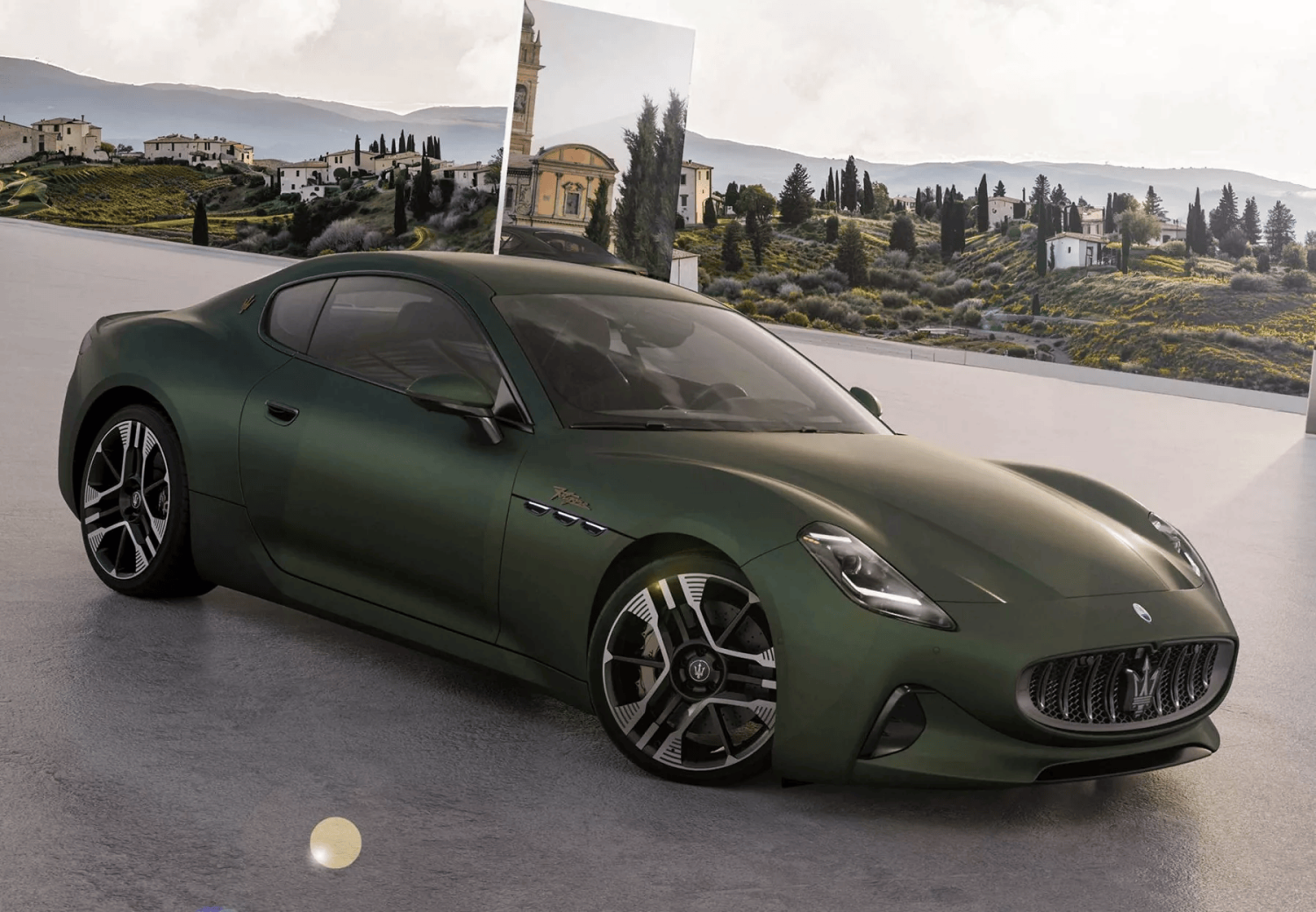
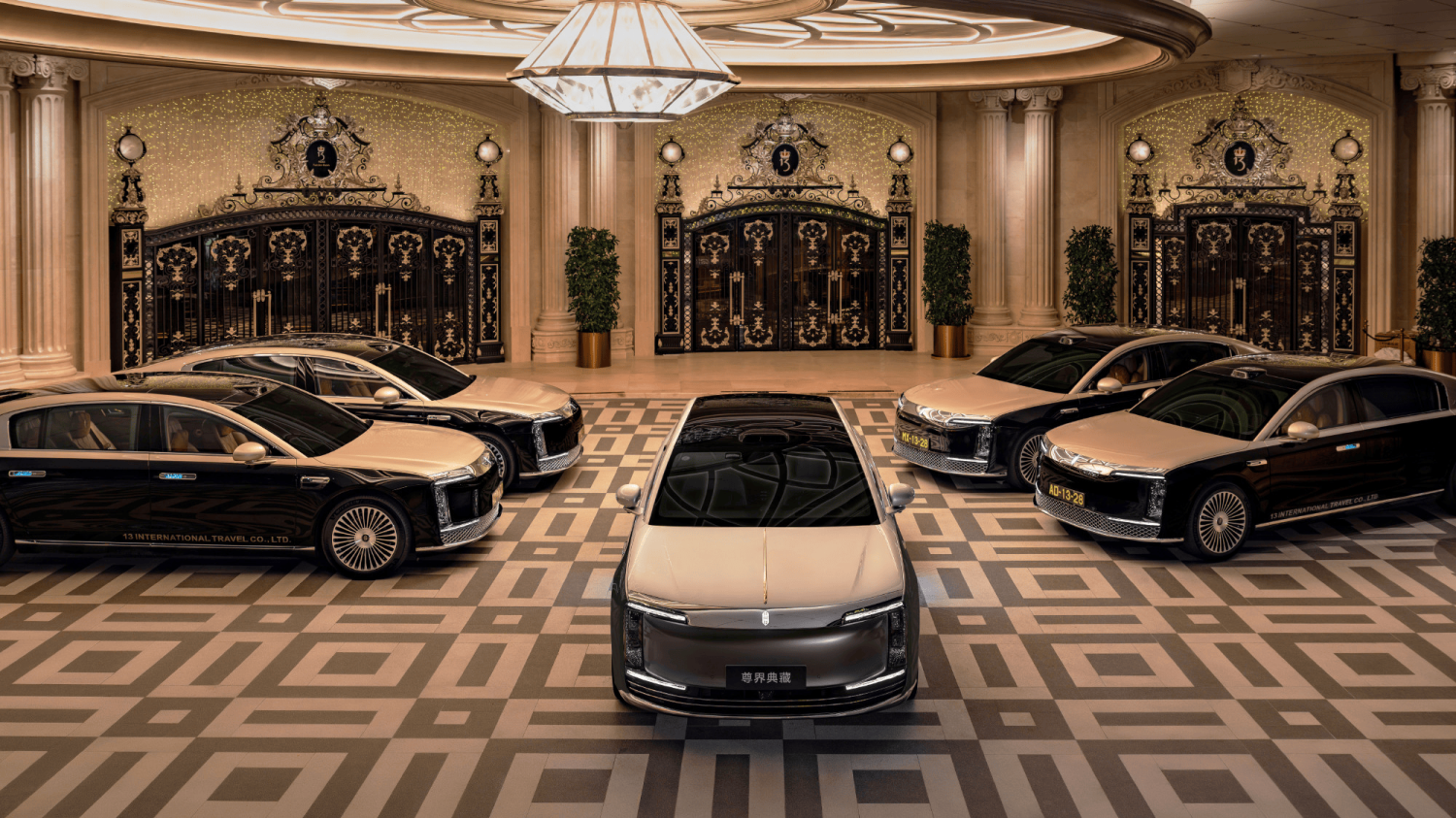
Maserati has confirmed plans to work with Huawei on two new energy vehicles, including a midsize-to-large electric SUV and a full-size electric GT, Chinese media outlet 36Kr reported. Earlier reports from Italian financial newspaper Milano Finanza said Stellantis was pushing Maserati to deepen cooperation with Huawei and JAC to jointly develop premium electric vehicles. Maserati Grecale Folgore Under the partnership framework currently disclosed, each side will take a different role. Huawei will provide technologies from its Harmony Intelligent Mobility Alliance ecosystem, including smart cockpit systems, ADAS and parts of the electric drive technology. JAC will leverage its Maextro Super Factory to handle vehicle engineering and production, while Maserati will contribute brand assets, design expertise and global sales channels. The future models may adopt a dual-brand strategy, with vehicles sold under the Maextro lineup in China while retaining the Maserati badge in overseas markets. The electric SUV is expected to expand Maserati’s EV portfolio after the Grecale Folgore, while the electric GT will take over the role of advancing the brand’s premium positioning after the GranTurismo Folgore. Maserati GranTurismo Folgore Maserati is reportedly placing greater emphasis on the electric GT rather than the SUV. The strategy reflects the brand’s traditional identity, as GT models better represent its focus on performance, driving dynamics and Italian design compared with mainstream luxury SUVs. For luxury brands facing declining brand value, rebuilding a premium image may become more important than simply chasing higher sales volumes. Maserati has faced growing pressure in recent years. Global sales fell below 8,000 units in 2025, down more than 80% from its 2017 peak. Profitability has also deteriorated. Stellantis’ financial report showed Maserati posted an adjusted operating loss of €198 million ($228.5 million) in 2025, with its adjusted operating margin falling to -27.3%. In the EV era, Maserati’s previous electric models were largely based on upgraded versions of existing combustion-engine platforms. The brand has struggled to match Chinese EV makers in areas such as smart cockpits, ADAS and software capabilities. The Maextro S800, co-developed by Huawei and JAC. Developing a dedicated premium EV platform from scratch, however, requires significant investment and time. For Stellantis, which is restructuring its business, partnering with Chinese smart EV companies could provide a faster path forward. The partnership also marks an important step for Huawei. Maserati brings more than a century of brand heritage, an established global dealer network and a strong base of European luxury car customers. If the cooperation succeeds, Huawei could expand further into the global premium market, while Maserati could leverage China’s EV supply chain to accelerate its brand transformation.



















 +20 others