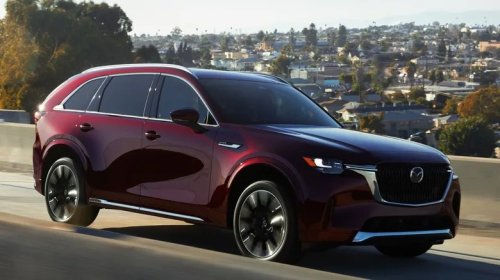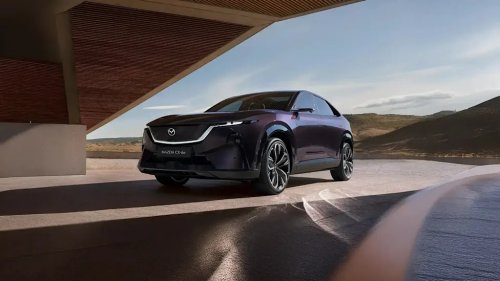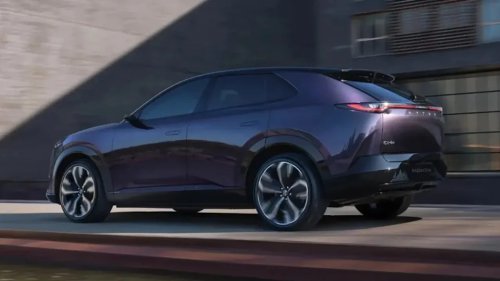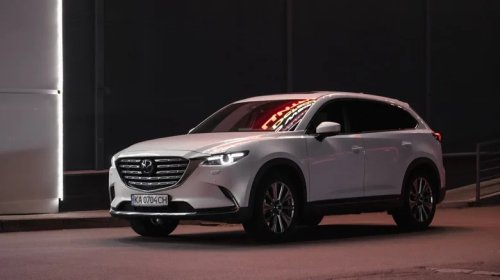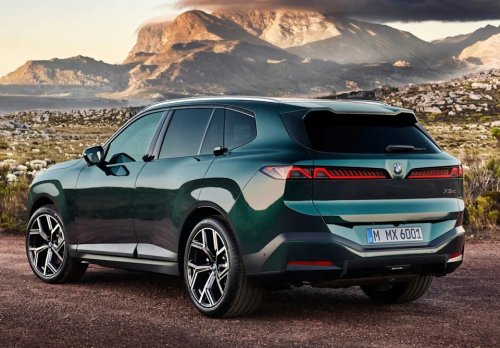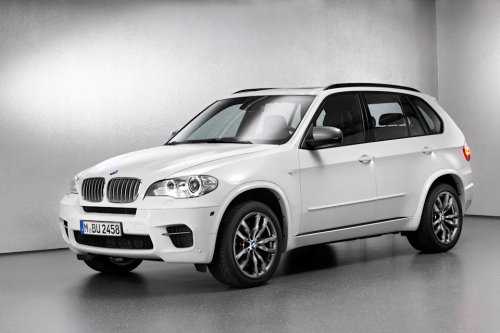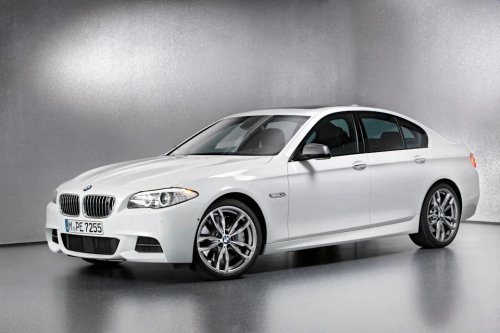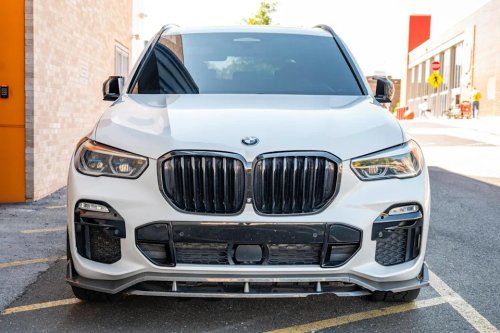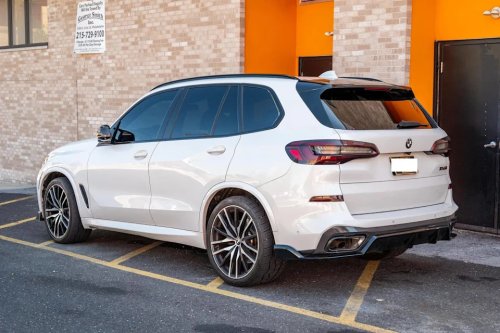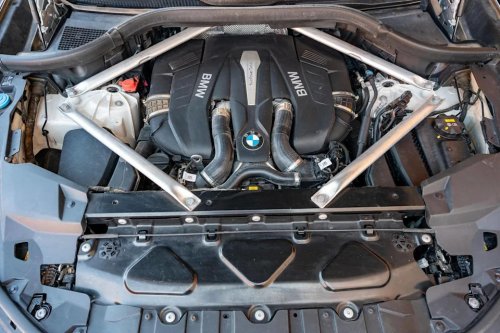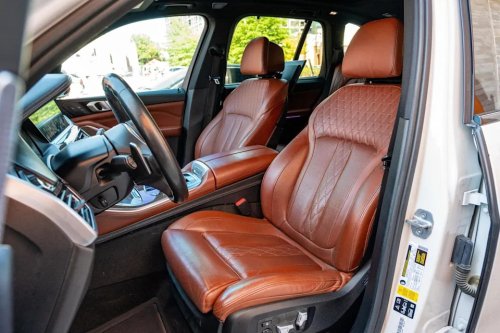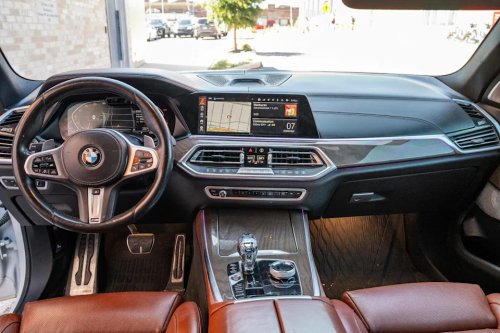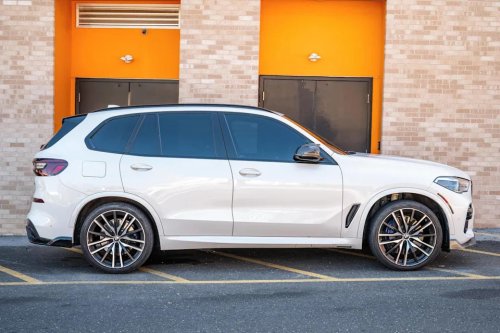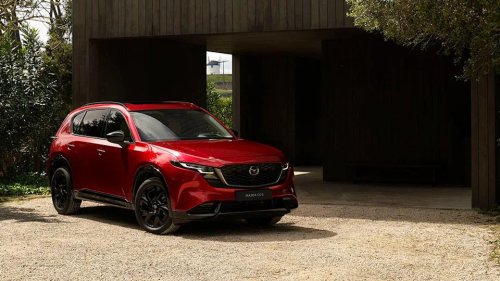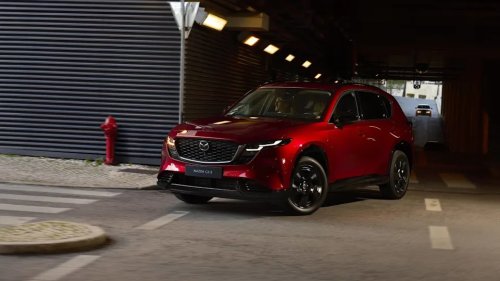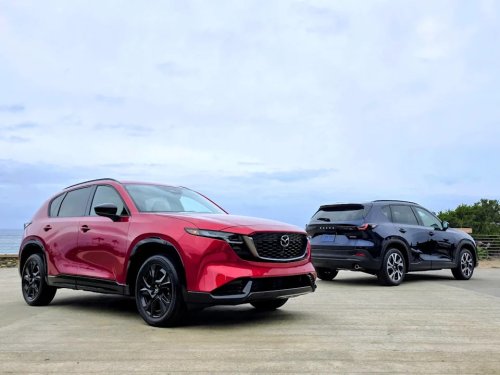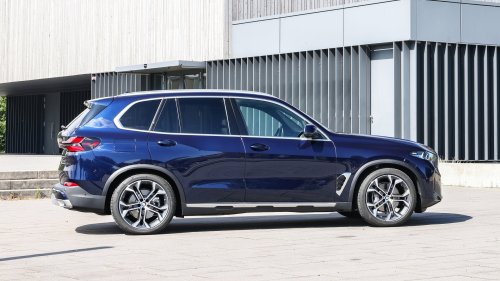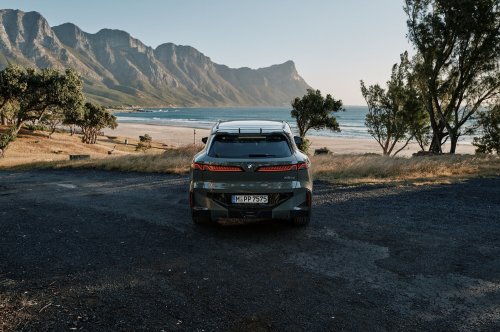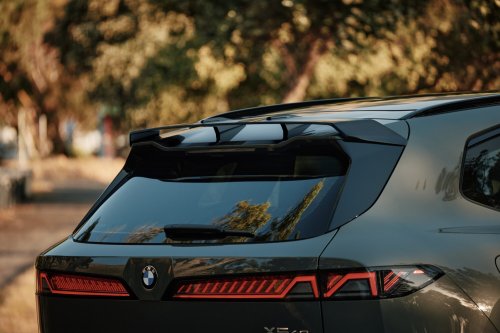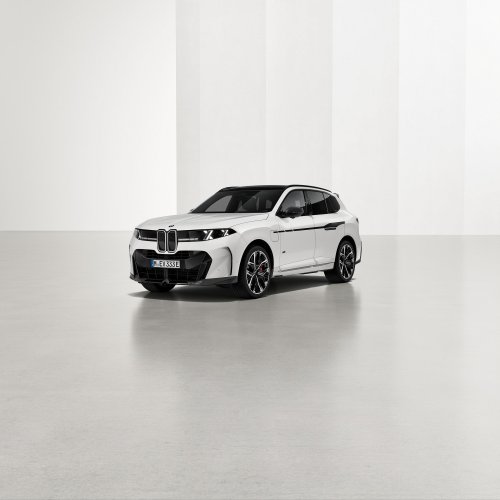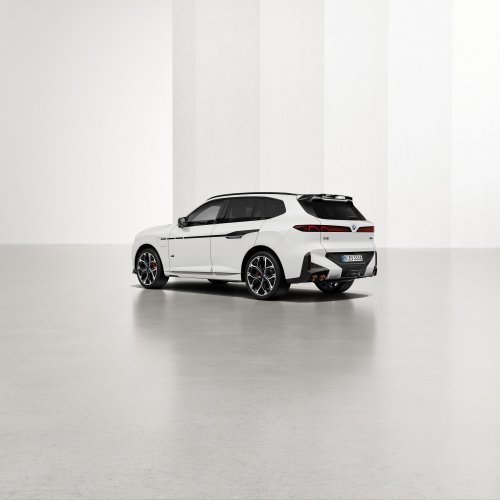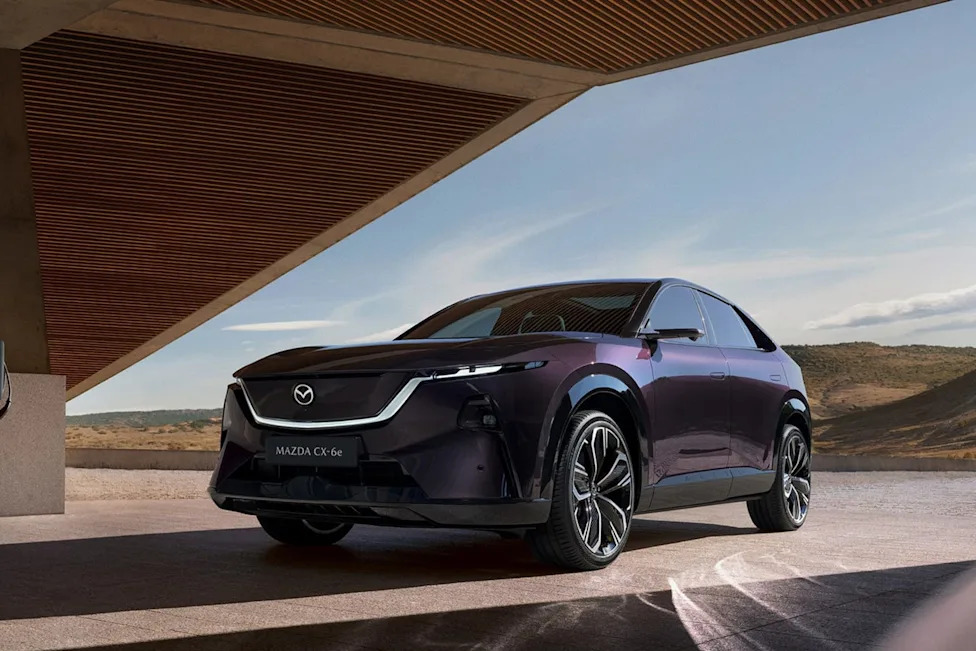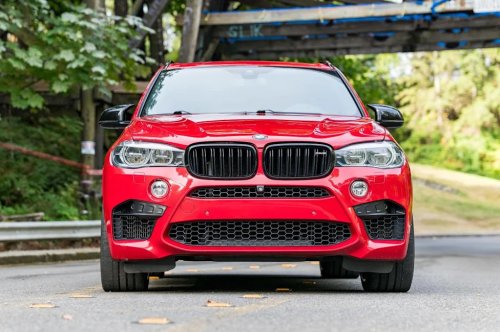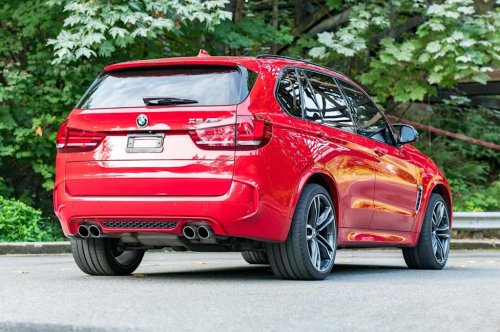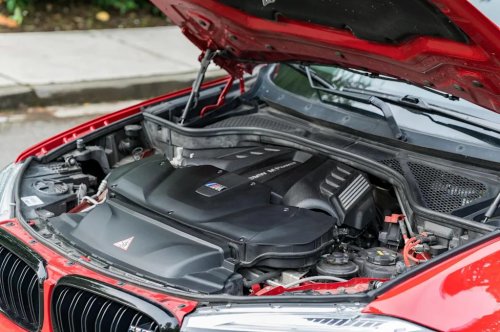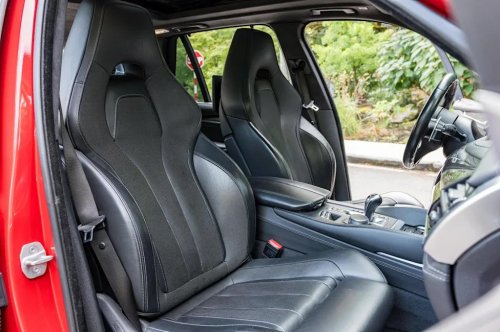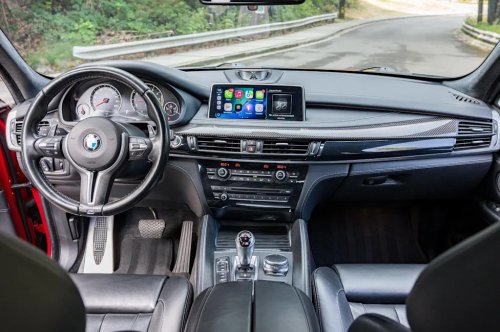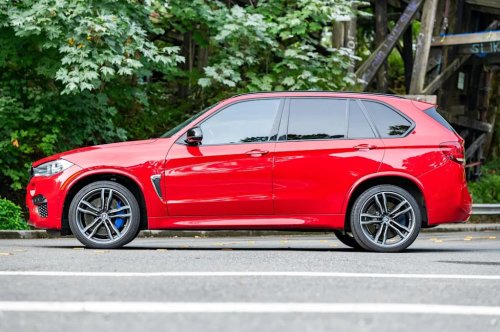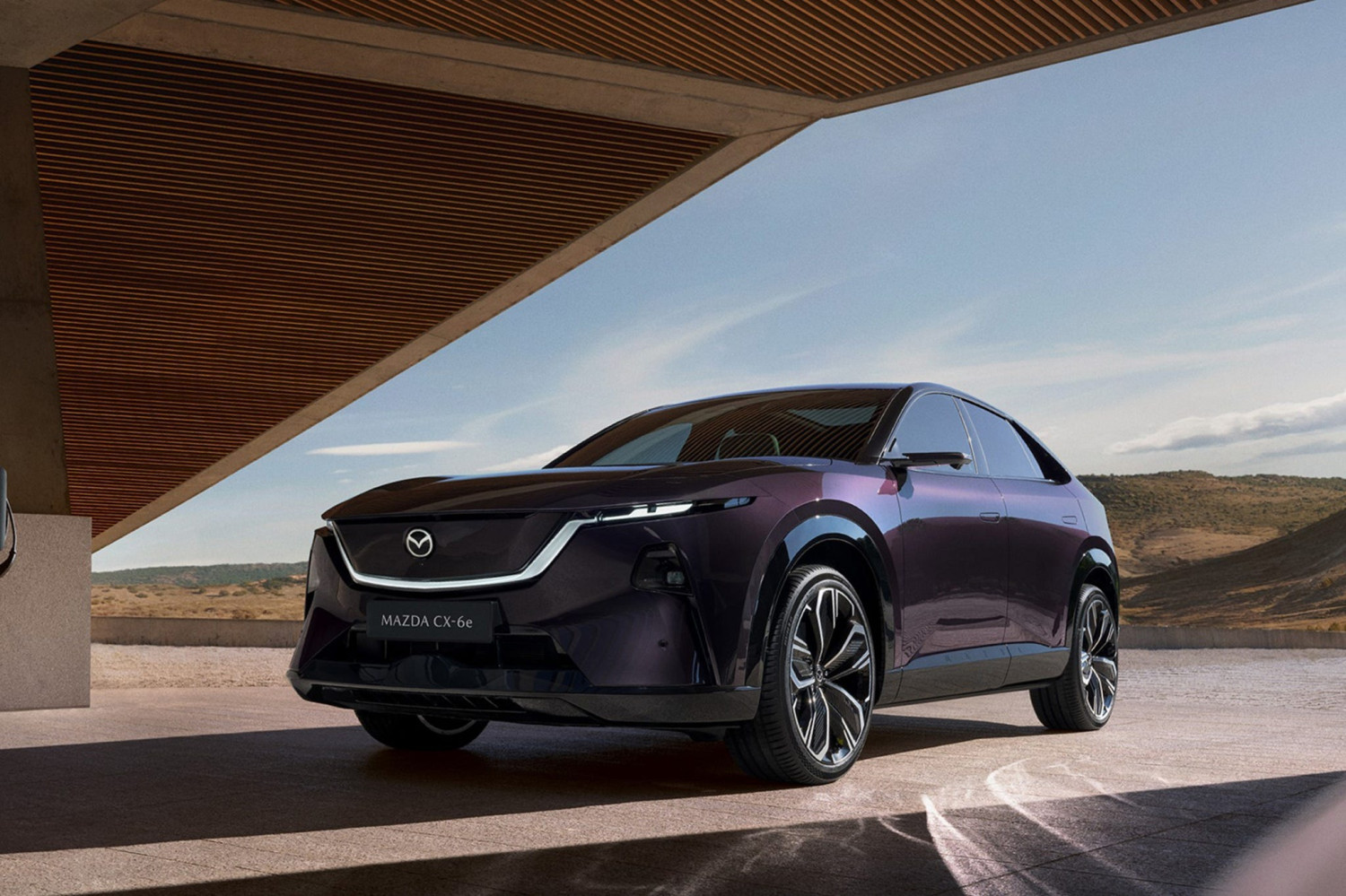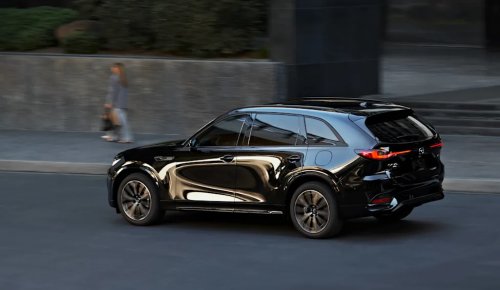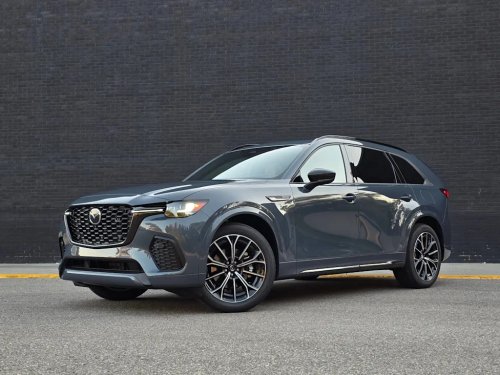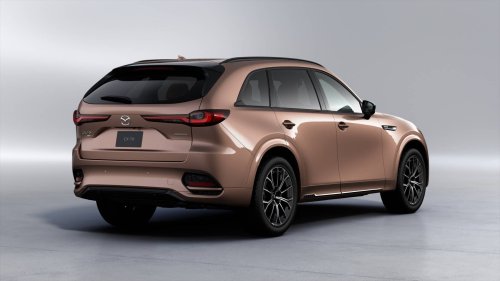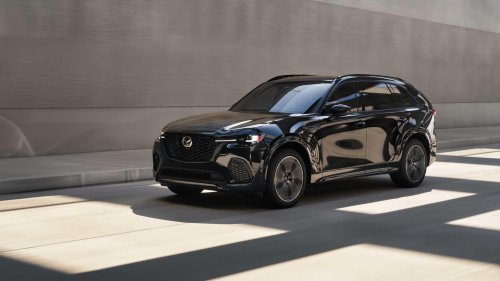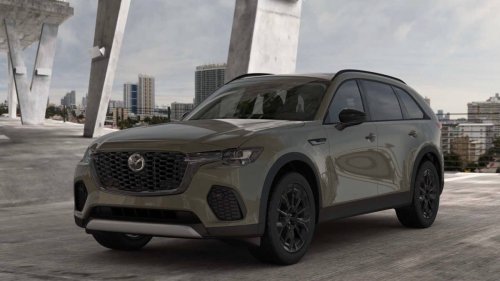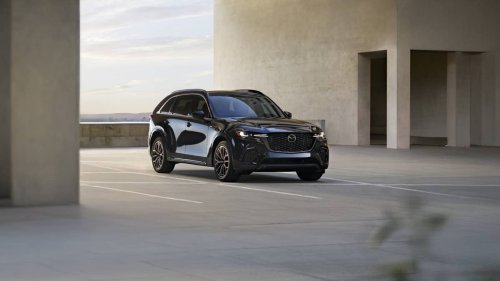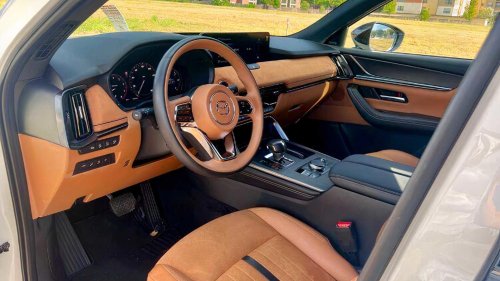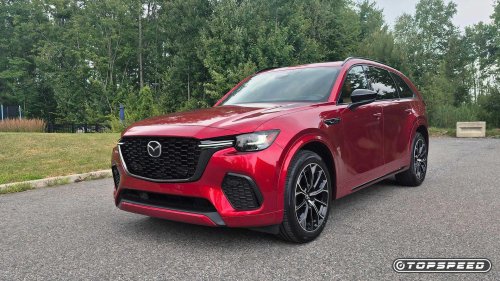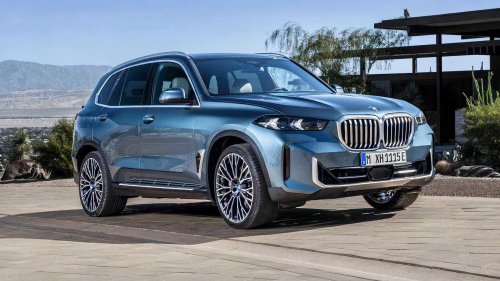
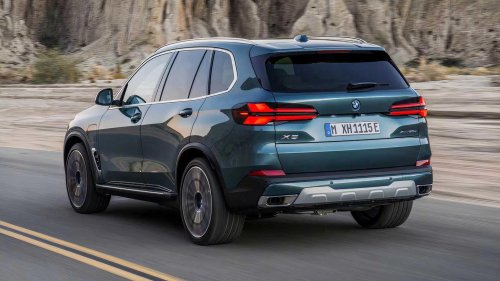
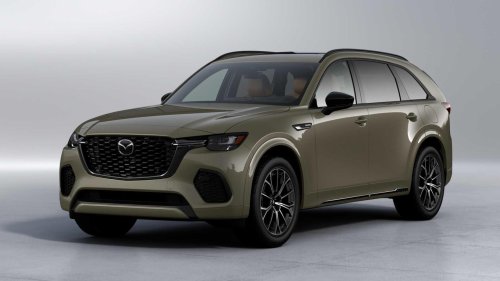
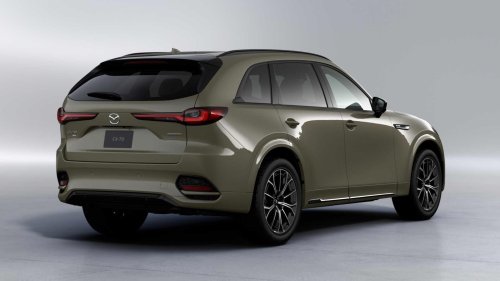
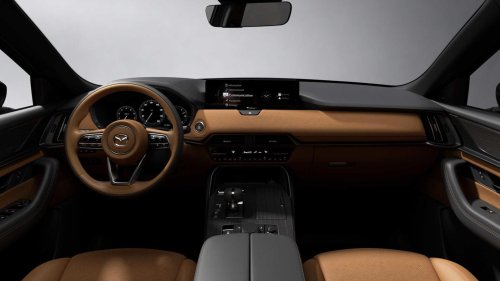
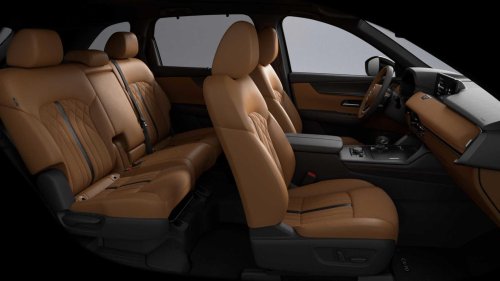
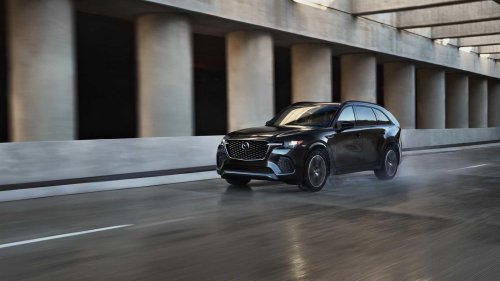
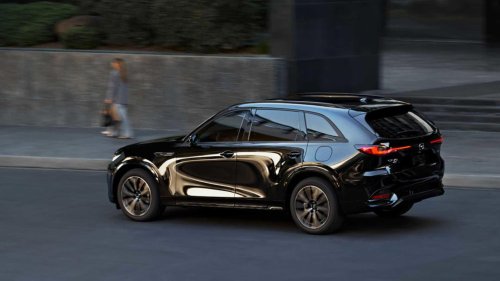
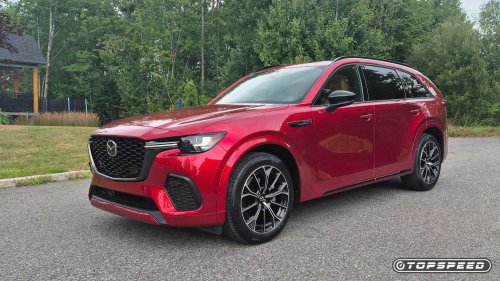
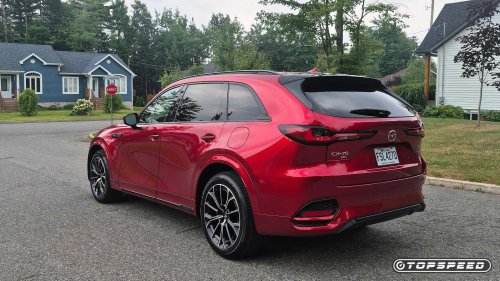
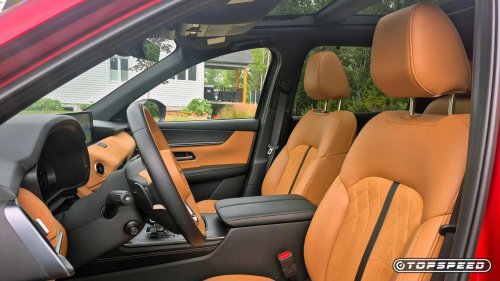



















Luxury SUVs used to follow a predictable formula. If you wanted refinement, status, power, and technology in one package, you bought German. BMW, Mercedes-Benz, and Audi built entire reputations around the idea that true premium engineering came with a premium badge, and an even more premium monthly payment. For years, buyers accepted that equation without question. But something interesting has started happening in the upper-middle segment of the SUV market. Buyers who once walked straight into BMW dealerships are beginning to ask uncomfortable questions. Questions about value. Questions about long-term ownership costs. Questions about whether a badge alone justifies spending another $20,000 to $30,000.On paper, the SUV in question should not be capable of rattling the BMW X5. Mazda is not a traditional luxury brand. It does not carry decades of executive-parking-lot prestige. Yet once you actually get behind the wheel, examine the cabin materials, and experience its rear-biased chassis tuning, something becomes immediately clear. This SUV feels engineered by people who deeply understand why enthusiasts love German luxury vehicles in the first place, yet it's not pretending to be a BMW X5. It simply delivers enough of the same experience that buyers start wondering whether the extra money still makes sense. Why More Luxury SUV Buyers Are Starting To Question What They’re Really Paying For BMWThe luxury SUV market is entering a strange phase. Buyers are spending more money than ever before, yet many are starting to feel less convinced by what they’re getting in return. Prices have climbed dramatically over the last five years, but so has the sense that modern luxury vehicles increasingly prioritize digital spectacle, badge prestige, and option-package complexity over the fundamentals that once defined premium engineering.For decades, the German luxury formula was untouchable. If you wanted the perfect balance of refinement, performance, technology, and status, you bought into brands like BMW, Mercedes-Benz, or Audi without hesitation. The badge itself carried weight because the driving experience consistently justified the premium.BMW But today’s buyers are becoming more analytical. They are noticing that a well-equipped midsize luxury SUV can easily approach six figures once options, dealer markups, and financing are factored in. They are questioning whether enormous curved displays, subscription-based features, and increasingly complicated interfaces genuinely improve daily ownership. And perhaps most importantly, they are beginning to realize that true luxury is often found in subtler qualities like chassis tuning, material integrity, drivetrain refinement, and long-term livability. That shift in perspective is creating space for a different kind of premium SUV. One that focuses less on making a statement and more on delivering an experience that feels expensive every time you drive it. How The Mazda CX-70 Delivers Premium Performance Without The Premium Tax 2026 Mazda CX-70-02 The centerpiece of the 2026 Mazda CX-70’s appeal is its powertrain. Mazda could have easily settled for a turbocharged four-cylinder and called it a day. Instead, the company engineered an entirely new turbocharged 3.3-liter inline-six paired with a rear-biased all-wheel-drive architecture and an eight-speed automatic transmission. That decision matters enormously. Inline-six engines carry a certain emotional and mechanical prestige in the automotive world. BMW built its reputation around silky smooth straight-six powertrains, and Mazda clearly understood the significance of entering that territory.In Turbo S form, the CX-70 produces 340 horsepower and 369 pound-feet of torque on premium fuel. Standard-output versions make 280 horsepower and 332 pound-feet. Either way, the engine delivers the kind of effortless low-end torque and smooth high-speed pull buyers expect from German luxury SUVs. The BMW X5 xDrive40i uses a turbocharged 3.0-liter inline-six producing 375 horsepower and 398 pound-feet of torque. On paper, BMW maintains the advantage. The X5 also reaches 60 mph slightly quicker, with BMW claiming around 5.3 seconds compared to approximately 6.0 seconds for the CX-70 Turbo S.2026 Mazda CX-70-01 But raw acceleration numbers only tell part of the story. What makes the CX-70 impressive is how mature and expensive its power delivery feels in real-world driving. The inline-six offers deep reserves of torque during highway passing maneuvers, and the rear-drive-biased chassis creates a surprisingly athletic personality through corners. That distinction matters because the CX-70 is not competing against mainstream rivals emotionally. It is targeting buyers who care about driving feel. The eight-speed automatic transmission deserves credit as well.And then there is the pricing reality. A fully loaded CX-70 Turbo S Premium Plus lands around $61,000 depending on options. A similarly equipped BMW X5 xDrive40i can easily exceed $85,000. That gap fundamentally changes the conversation. Because once you realize the Mazda delivers perhaps 85 to 90 percent of the BMW experience dynamically, the remaining question becomes: is the badge worth another $25,000? For a growing number of buyers, the answer is no. Inside The CX-70’s Surprisingly Upscale Cabin And Driver-Focused Interior Mazda The Mazda CX-70’s cabin immediately communicates intention. Mazda clearly studied how luxury interiors make occupants feel rather than simply copying luxury design cues. The dashboard layout is clean and horizontal, emphasizing width and simplicity instead of screen dominance. Physical switchgear remains thoughtfully integrated throughout the cabin, and material quality consistently exceeds expectations. The available Nappa leather upholstery feels genuinely premium, with rich textures and supportive seat cushioning that rival far more expensive vehicles. Real wood trim is used tastefully rather than excessively, while soft-touch surfaces cover nearly every major contact point. Even small details stand out. The stitching patterns. The damped switch movements. The thickness of the steering wheel rim. The solidity of the center console controls. None of it feels accidental.The BMW X5 still holds an advantage in outright technology presentation. BMW’s curved digital display and latest-generation iDrive system look undeniably futuristic. Ambient lighting customization, augmented navigation overlays, and digital integration are more advanced than what Mazda offers. But that sophistication comes with a trade-off.Mazda Many buyers increasingly find modern luxury infotainment systems exhausting. Menus become layered. Touchscreen dependence grows intrusive. Simple tasks suddenly require navigating multiple submenus. Certainly not ideal while driving. Mazda intentionally moves in the opposite direction. The CX-70 uses a rotary controller interface paired with a more restrained digital environment. The system is not as flashy as BMW’s iDrive, and publications like The Drive have correctly pointed out that Mazda’s infotainment technology feels behind the German benchmark in some areas. But Mazda’s setup also feels calmer. There is less visual clutter. Fewer distractions. More emphasis on the actual act of driving. For enthusiasts, that becomes a meaningful advantage rather than a compromise.The seating position deserves special mention as well. Mazda continues to engineer some of the best driver ergonomics in the industry. Visibility is excellent, pedal placement feels natural, and the relationship between seat, steering wheel, and dashboard creates an immediate sense of connection. BMW still arguably delivers the more overtly luxurious cabin overall, particularly in upper trims. But the shocking part is how small the perceived gap actually feels once you spend time inside the Mazda. Especially when you remember the pricing difference. Why The CX-70’s Ride Quality, Chassis Tuning, And Powertrain Feel Far More Expensive Mazda What truly separates the CX-70 from mainstream SUVs is the way it drives. Mazda understands something many automakers forgot years ago: genuine premium feel comes from body control, steering tuning, and chassis sophistication. The CX-70 rides on Mazda’s large-vehicle rear-wheel-drive platform, which fundamentally changes the vehicle’s character compared to front-wheel-drive-based competitors. You feel it immediately. The steering has real weight and precision. Turn-in response feels natural rather than artificially sharpened. Mid-corner balance remains remarkably composed for a midsize SUV weighing over two tons.More importantly, the CX-70 avoids the floaty isolation that plagues many luxury crossovers. Instead, it delivers controlled compliance. The suspension absorbs imperfections confidently while maintaining communication with the driver. That balance is incredibly difficult to engineer well, and Mazda deserves enormous credit for achieving it. Car and Driver noted that the CX-70 feels unusually rewarding for enthusiastic drivers, particularly compared to typical midsize crossovers.The X5 still remains the sharper performance SUV overall. BMW’s adaptive dampers, quicker acceleration, and superior athleticism at the limit preserve its reputation as one of the segment’s dynamic benchmarks after the Porsche Cayenne. But the Mazda gets shockingly close considering the price disparity. And in some situations, the CX-70 arguably feels more natural.Mazda Modern BMWs increasingly layer steering feel and throttle calibration through software filters designed to create broad appeal. Mazda’s approach feels more analog and organic. Inputs translate cleanly through the chassis without excessive artificial enhancement. That gives the CX-70 a distinctly old-school German luxury character. Road noise isolation is another area where Mazda overdelivers. Cabin quietness at highway speeds feels genuinely premium, helped by extensive sound deadening and rigid platform engineering.Even long-distance cruising reveals the CX-70’s maturity. The inline-six settles into a smooth, understated rhythm while the chassis maintains impressive stability over uneven pavement. This is not a vehicle desperately trying to appear luxurious. It simply behaves like one. And that authenticity matters more than ever in today’s market. The Real Reason The CX-70 Has Become The Luxury Alternative Buyers Can Actually Live With William Clavey | TopSpeed The biggest reason buyers are gravitating toward the CX-70 is not performance, technology, or even price individually. It is ownership reality. Luxury vehicles have become increasingly difficult to justify once the emotional excitement fades and long-term ownership begins. Repair costs rise dramatically outside warranty coverage. Tire replacements become shockingly expensive. Dealer service experiences often feel transactional despite premium branding. Insurance premiums climb. Depreciation remains brutal on heavily optioned European SUVs. The Mazda changes that equation.Mazda consistently ranks well in long-term reliability studies, and the brand's simpler engineering philosophy tends to age more gracefully than hypercomplex luxury competitors. The CX-70 also includes a competitive warranty package with a 3-year/36,000-mile basic warranty and 5-year/60,000-mile powertrain coverage. More importantly, buyers generally expect lower maintenance and repair costs over time compared to German rivals. That peace of mind carries enormous value. Especially for buyers who plan to keep their vehicles beyond lease cycles.William Clavey | TopSpeed There is also something emotionally satisfying about the CX-70’s positioning. It feels like a vehicle purchased by someone confident enough not to chase validation through logos alone. That may sound superficial, but it matters psychologically. Many affluent buyers are increasingly uncomfortable with overt luxury signaling. They want quality and craftsmanship without appearing desperate to display wealth. The CX-70 nails that balance beautifully. It looks sophisticated without screaming for attention. The design language remains elegant and restrained, avoiding the oversized grilles and hyperaggressive styling cues dominating modern luxury SUVs.Press consensus increasingly reflects this exact sentiment. Motor1 positioned the CX-70 as a genuine BMW X5 alternative rather than merely a mainstream crossover playing dress-up. Reviewers consistently praise its premium feel, engaging dynamics, and upscale execution. And perhaps most importantly, owners genuinely seem to love living with these vehicles. The common theme across reviews and owner discussions is that the CX-70 feels thoughtfully engineered. It feels cohesive. It feels expensive in the ways that actually matter during daily driving. Not perfect, certainly.William Clavey | TopSpeed Because luxury buyers rarely question premium pricing when the experience feels unquestionably superior. The danger begins when a competitor arrives offering most of the same emotional satisfaction, craftsmanship, and driving engagement for dramatically less money. That is exactly what Mazda created here. The CX-70 is not a bargain-bin imitation of a BMW X5. It is something much more disruptive. A genuinely premium SUV engineered for buyers who still care about driving feel, material quality, and long-term ownership value more than social signaling. And once you experience it firsthand, the uncomfortable math becomes impossible to ignore.Sources: Mazda U.S., Car and Driver & Motor1