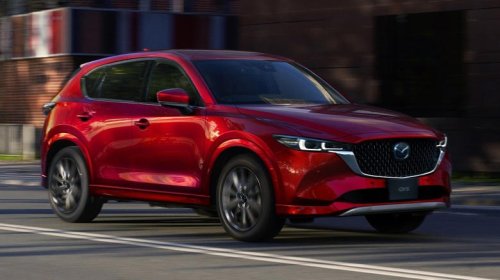
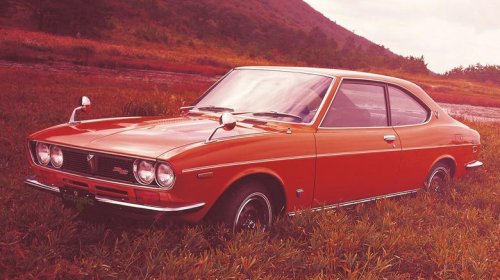
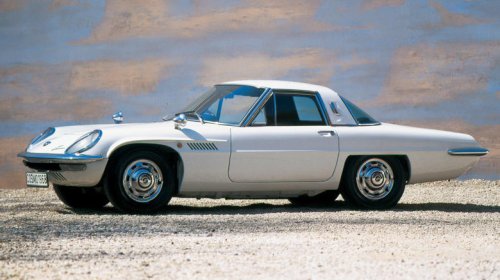
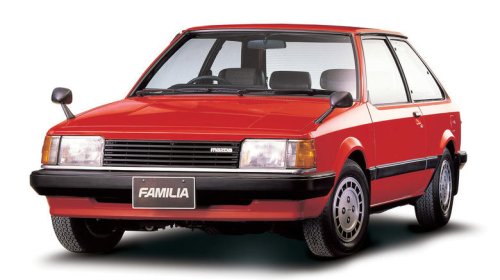
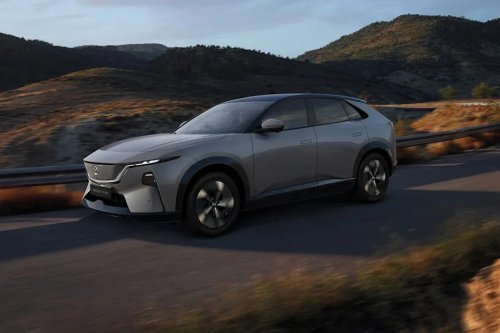
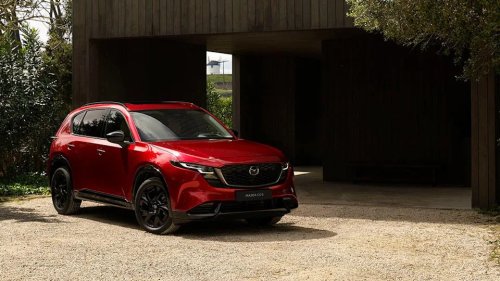
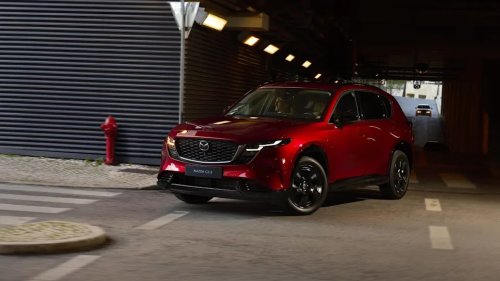
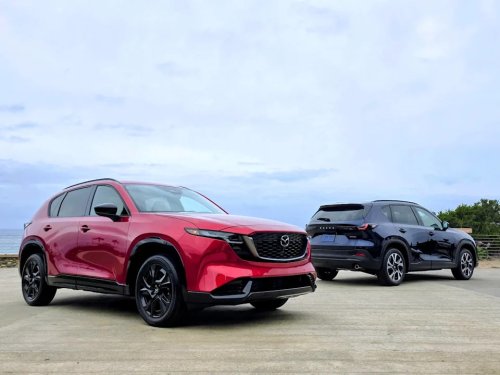
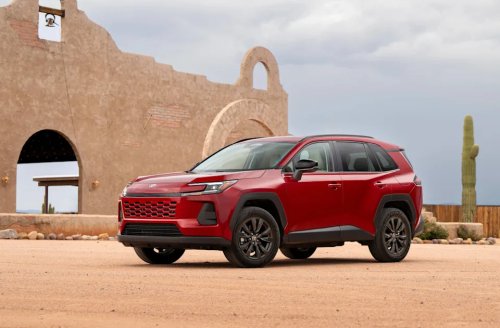
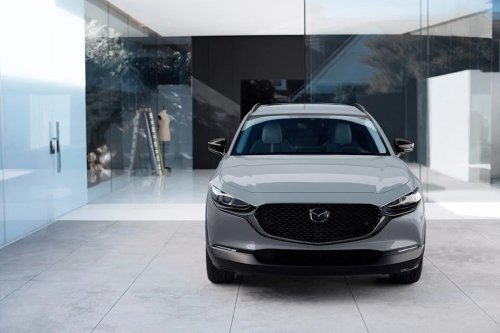
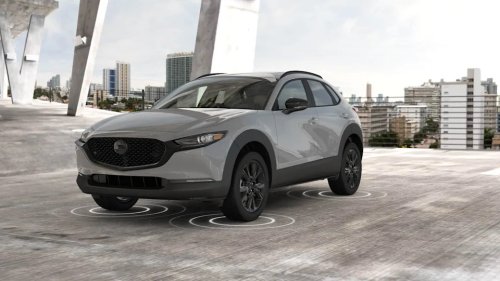
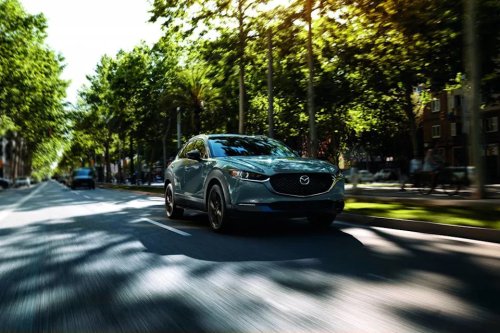
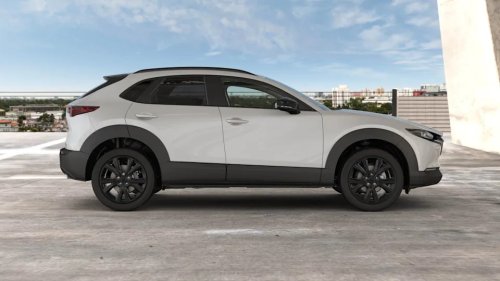
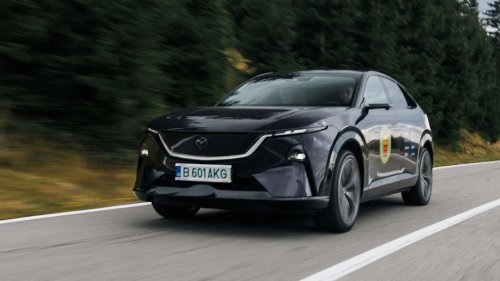
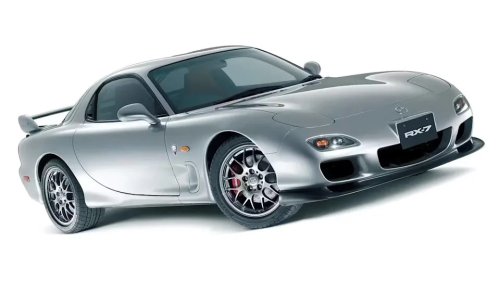
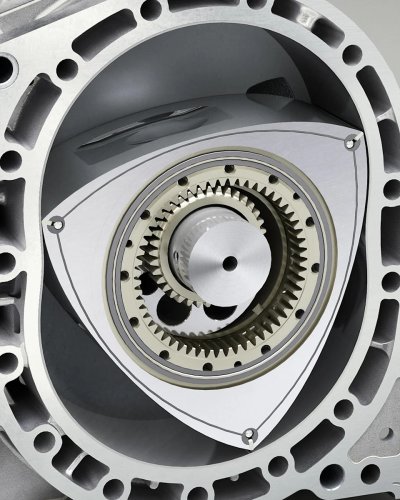
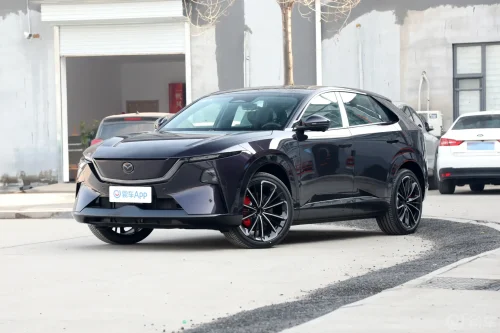
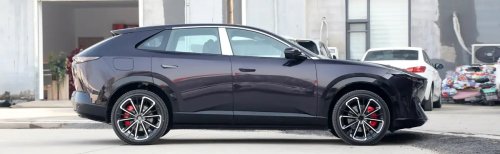
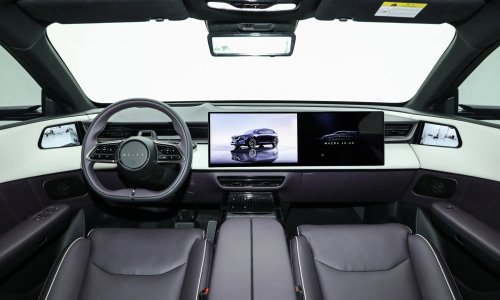
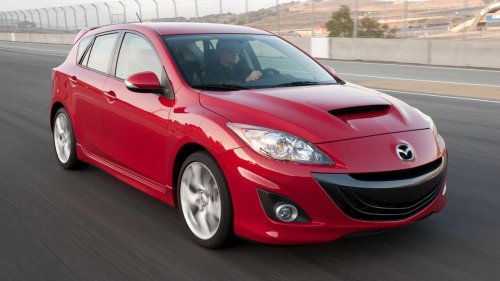
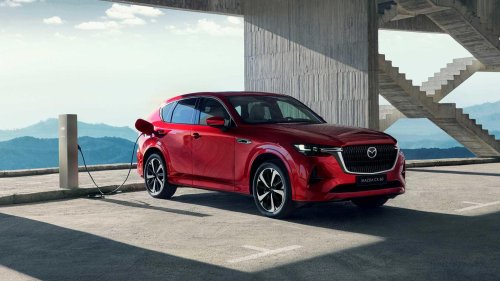
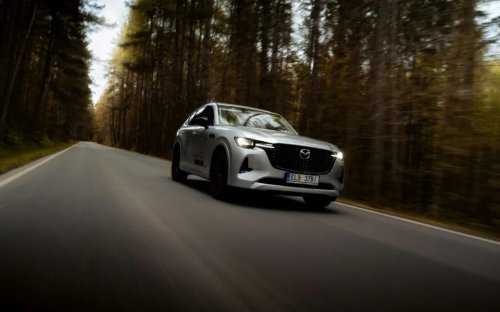
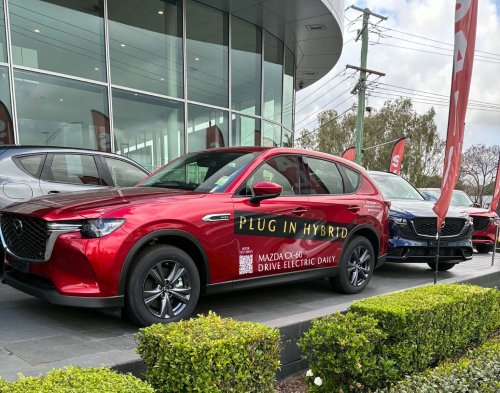
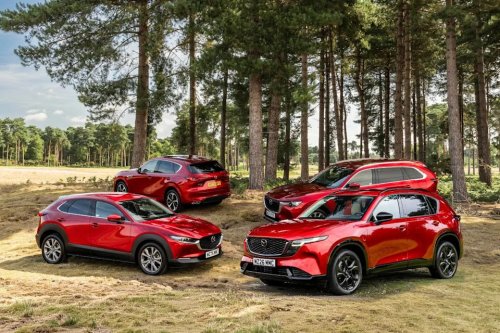
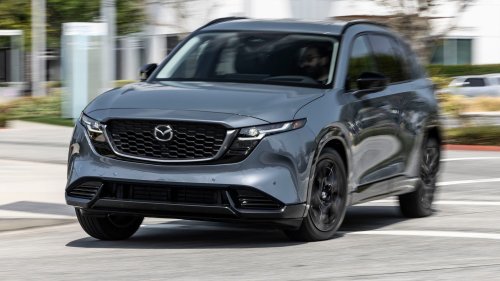
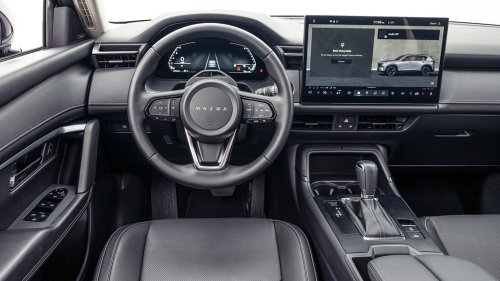
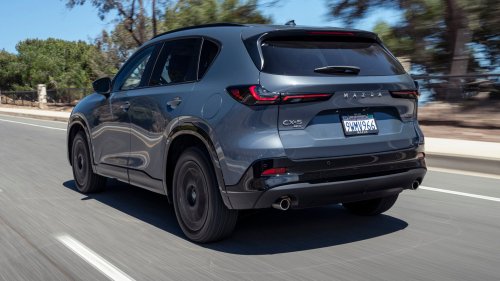
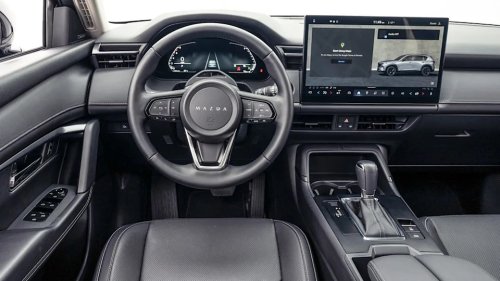
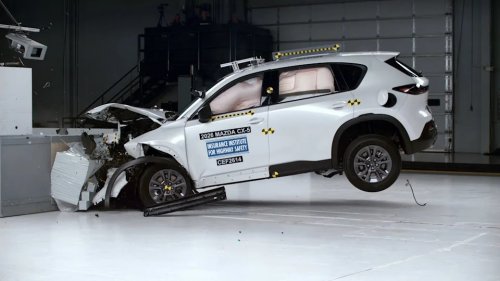
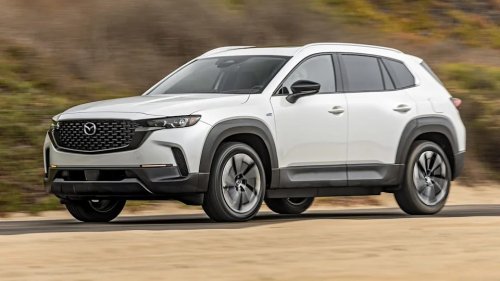
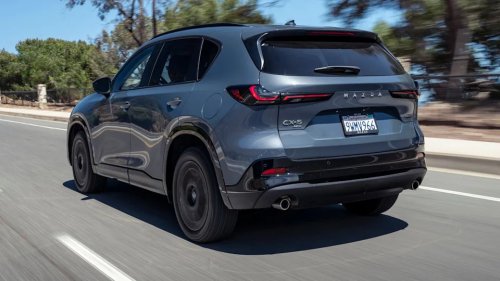
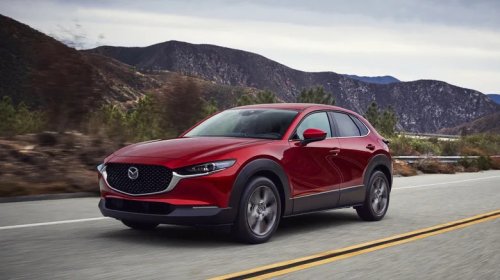
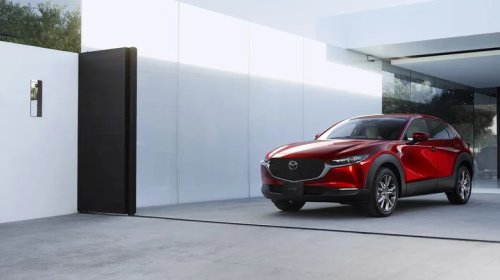
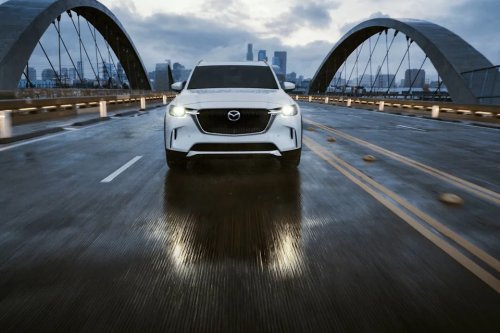
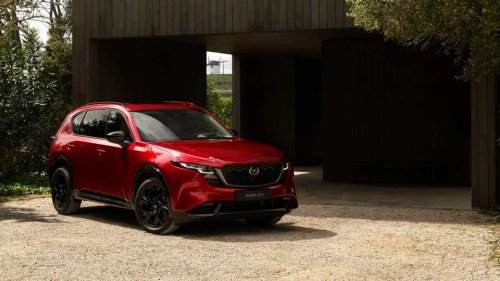
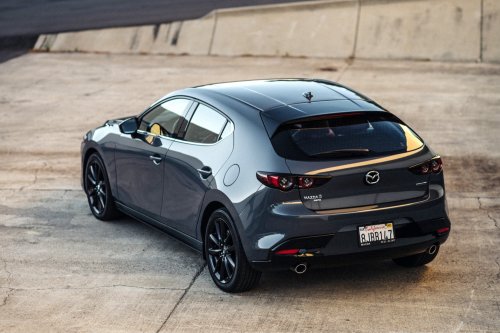
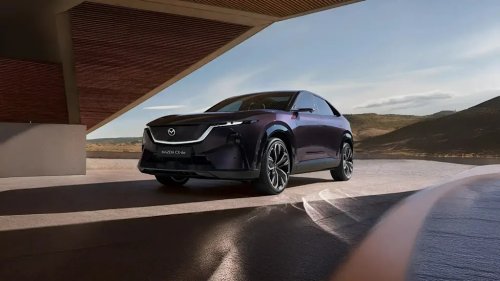
Mazda CX-5 (2012-Present)Modern buyers gravitate towards the practicality and higher ride height of SUVs, and that's helped the CX-5 earn the title of Mazda's best-selling model, with well over three million examples sold since its launch. In the U.S. alone, Mazda sold over 120,000 examples of the CX-5 in 2024. The first generation car launched in 2012 and took styling cues from the Minagi concept car, which Mazda claimed was designed to look like a cheetah pouncing on its prey. The production version looked a lot less dramatic, but it was still one of the better looking SUVs of its era.The lifespan of the first generation was relatively short, with a second generation launching in 2016. It built on the looks of its predecessor, offering styling that was sharper and closer to the original concept. Buyers have continued to purchase the CX-5 in droves, despite the second generation car now having been on sale for almost a decade. However, a facelift in 2022 has kept the car looking fresh, even if its underpinnings are older than many of its rivals.Mazda Capella (1970-2002)The Capella name might not be that familiar to some Mazda enthusiasts outside of Japan, since the car was sold under several other names during its decades-long production run. The original Capella launched in 1970, and put Mazda's pioneering rotary engine into a sporty but attainably expensive car. The rotary version will be better known to many enthusiasts as the RX-2, but a traditional reciprocating engine was also offered. Following generations of the car grew in size with the intention of appealing to a wider range of global markets. Outside of Japan, the car was sometimes sold as the 626.The fourth generation car was launched in 1982, and made the switch from rear-wheel drive to front-wheel drive. It was the most successful generation of the car yet, being particularly popular in Europe and at home in Japan. At the peak of its popularity, Mazda was churning out 300,000 examples of the car annually. It remained popular into the following decade, when it became better known as the 626. Eventually, the 626 name was phased out alongside the Capella, with the car's eventual replacement sold globally as the Mazda6.Mazda Cosmo Sport 110S (1967-1972)It's one of the shortest lived models here, but the impact that the Cosmo Sport 110S had on Mazda's history shouldn't be understated. It was not only the brand's first rotary engined car but also the first mass-produced dual-rotor sports car on the market, and it proved that there was still potential to be unlocked with rotary engine technology. Dissuaded by issues with reliability, most other manufacturers had abandoned their rotary development programs, which meant that the Cosmo Sport 110S had the market all to itself when it debuted in 1967.Mazda ensured that reliability wouldn't be an issue by subjecting the car to vast amounts of testing before the first example was delivered to customers. The prototypes were reportedly put through 435,000 miles of testing, both to refine their handling and prove their endurance. The car remained in production until 1972, by which time a new generation of rotary-powered sports car was in development. That car was also called the Cosmo, but it's considered a separate model to the original Cosmo Sport 110S.Mazda Familia (1963-2003)Called the Familia in Japan and sold under a variety of names in other markets, Mazda's long-running family car first appeared in 1963, just three years after the brand launched its first passenger car. The initial JDM model was called the Familia Van, and it was pitched at families looking for a larger vehicle with plenty of cargo space. Despite its name, its appearance was closer to a station wagon than a typical van. A Familia Sedan was launched in Japan the following year.Over the decades, Mazda consistently adapted the Familia to accommodate changing buyer tastes. It was given a thorough styling overhaul in 1967, then offered with a rotary engine for the first time in 1968. The third and fourth generations arrived during the '70s, with Mazda focusing on efficiency for both as a result of the oil crisis. By 1980, the fifth-generation Familia had launched as a front-wheel drive, front-engined car that could be optioned either as a hatchback or as a sedan. Outside of Japan, it was sold as the 323.It was this generation that cemented the car's legacy outside of Japan, with Mazda selling over a million examples of the fifth-generation Familia/323 in just 27 months. At the time, that made it the fastest car to hit the million sales milestone in history. Production continued over the following two decades, with lifetime Familia/323 sales totalling 10 million by the mid-'90s. In 2003, Mazda replaced the ninth-generation Familia.