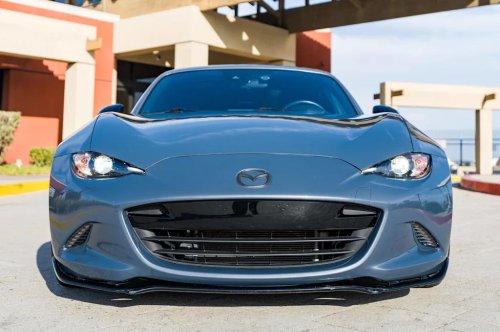
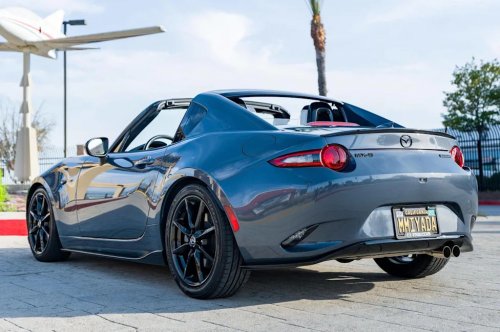
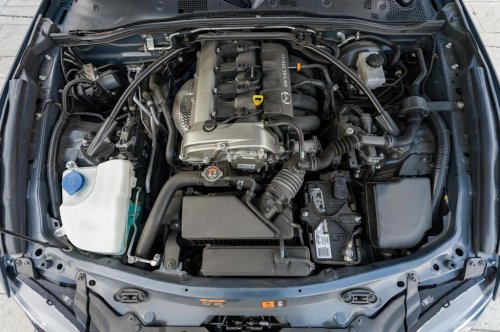
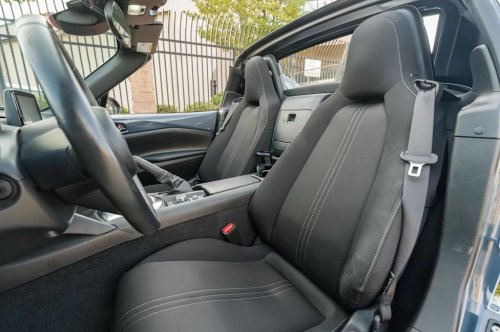
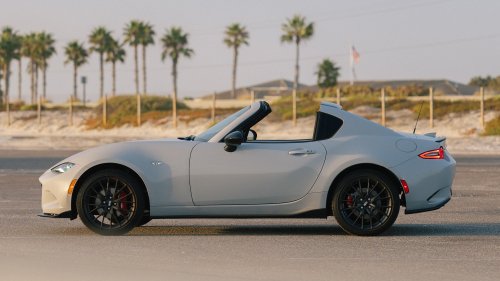
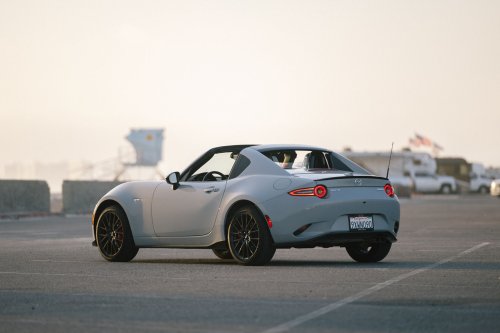
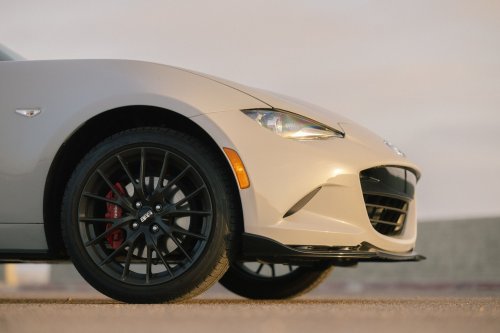
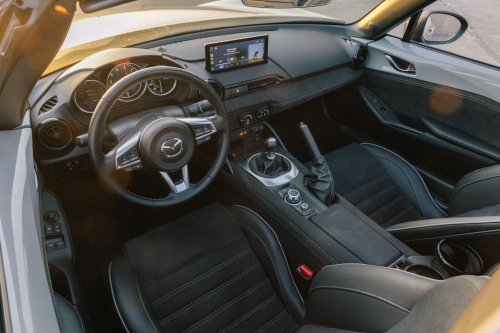
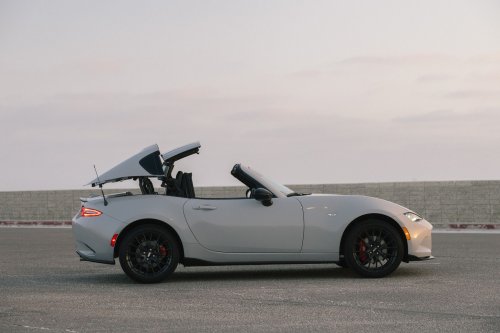
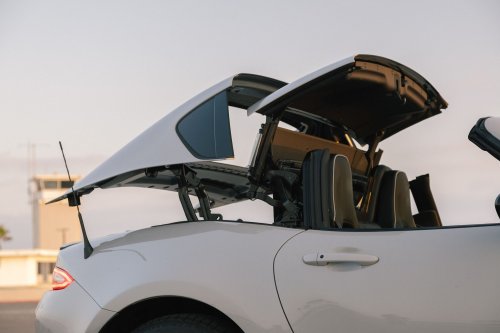
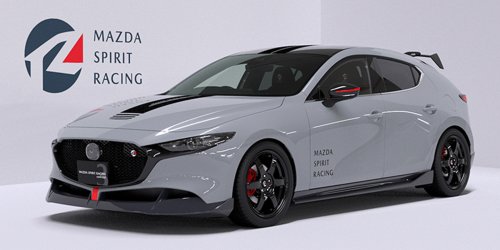
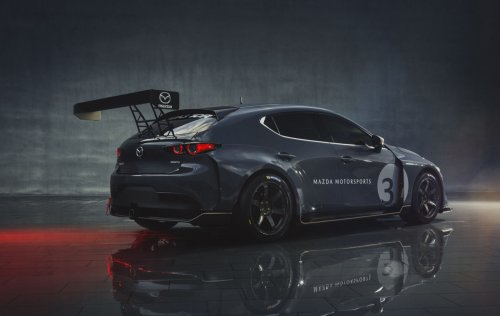
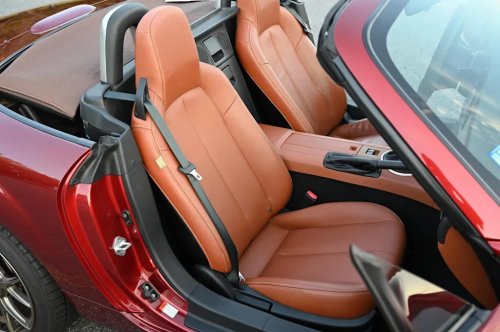
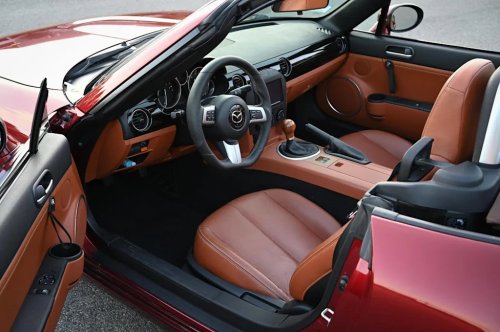
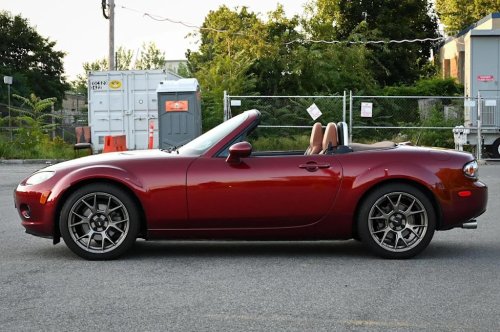
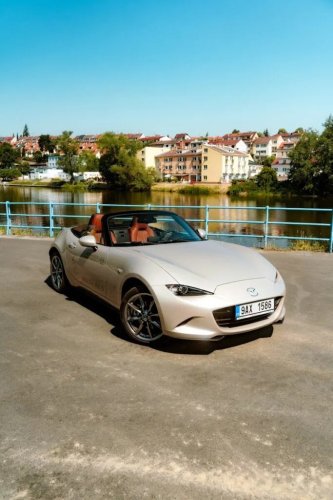
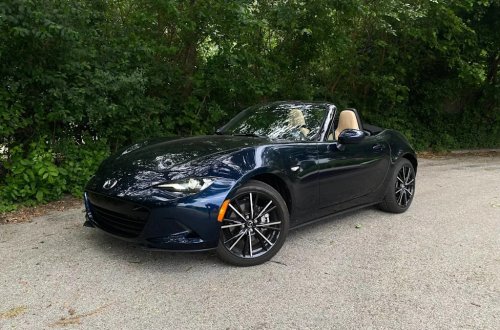
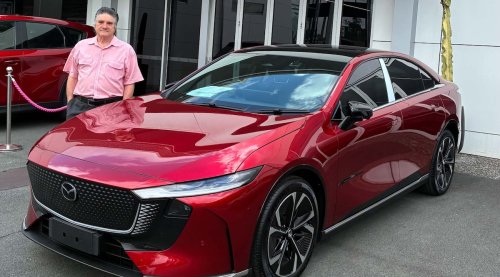
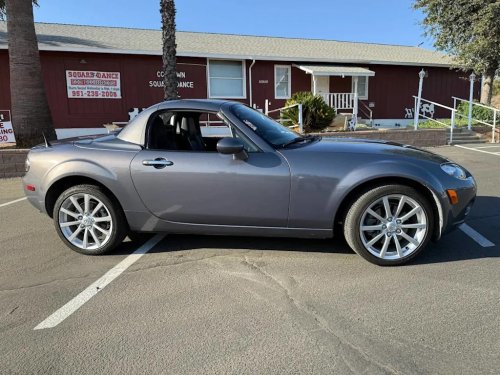
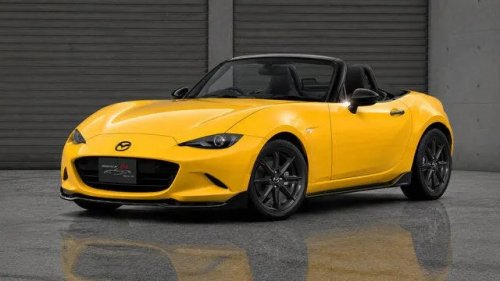
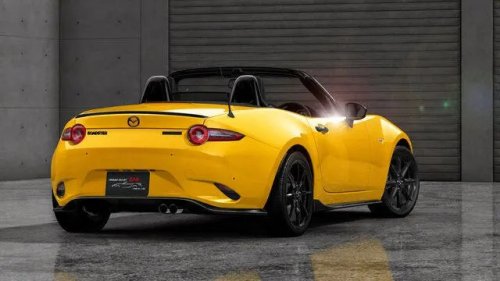
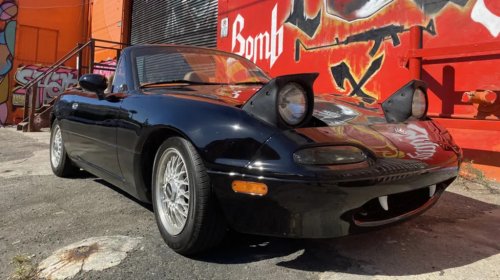
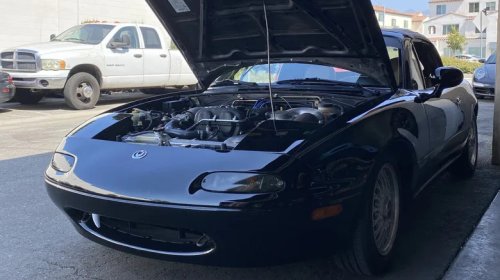
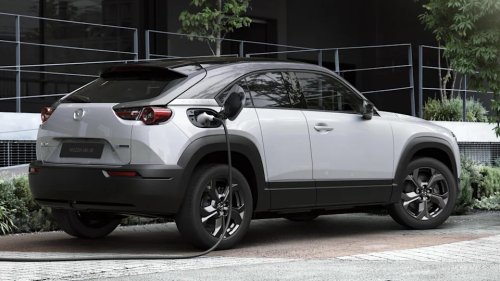
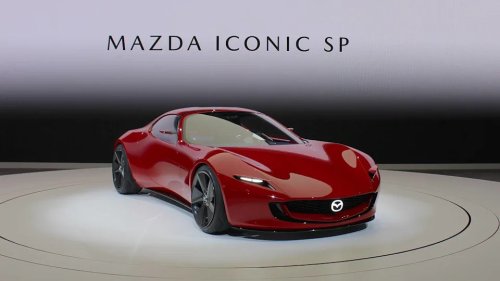
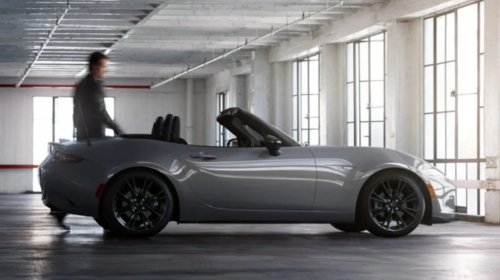
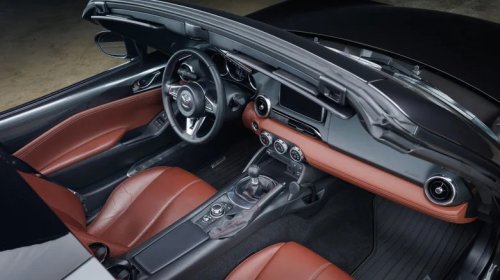
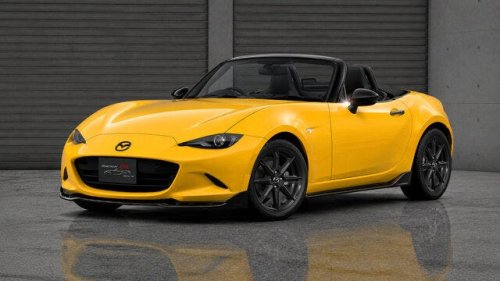
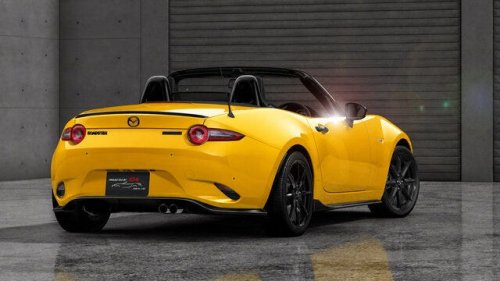
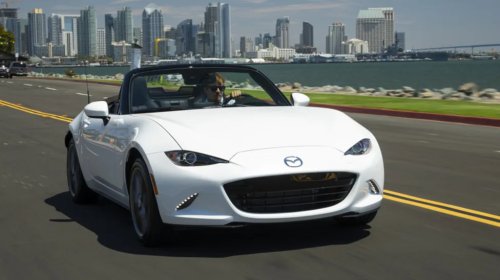
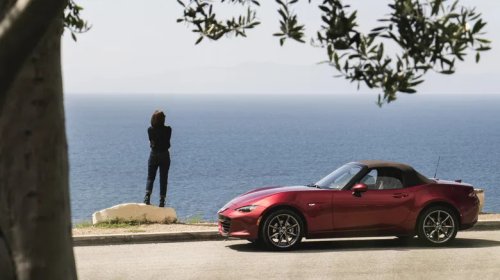
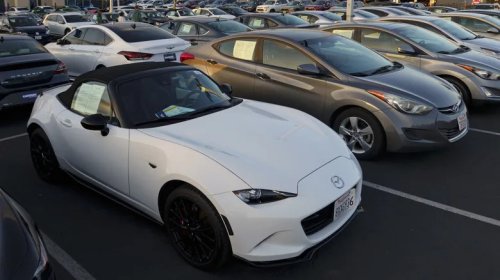
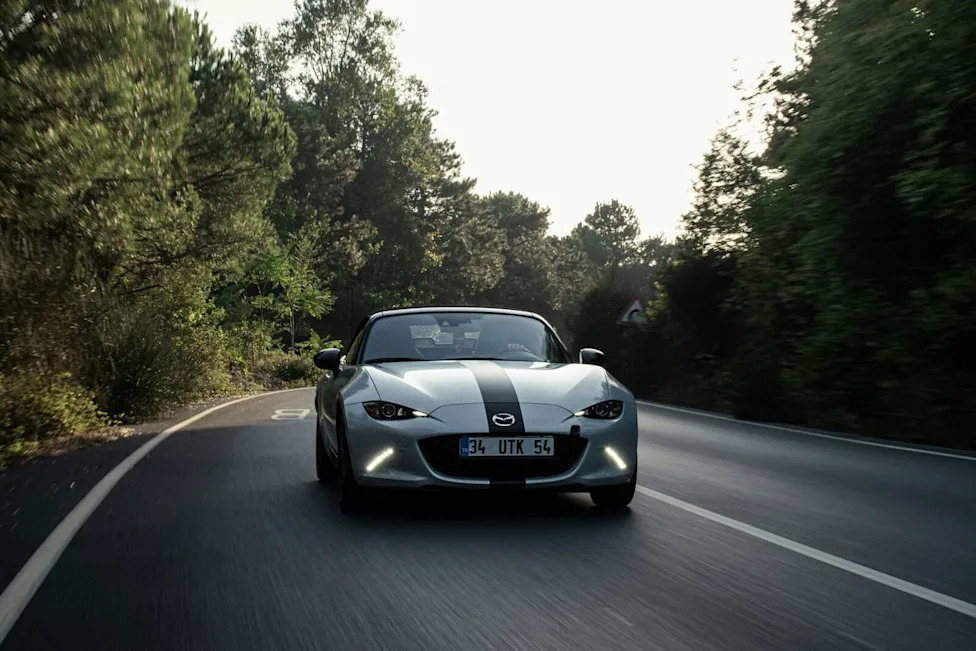
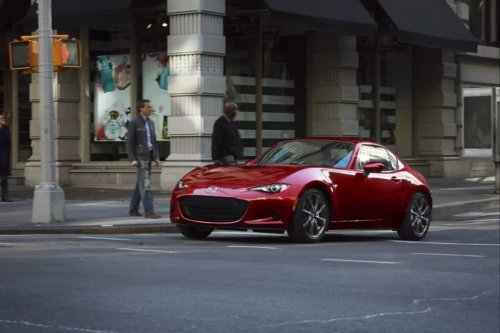
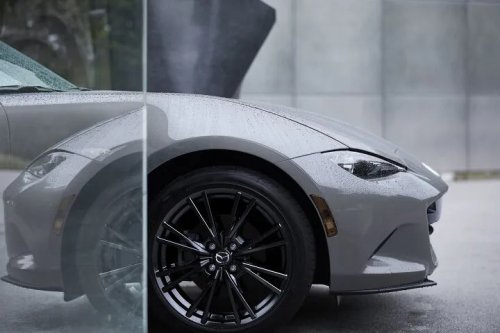
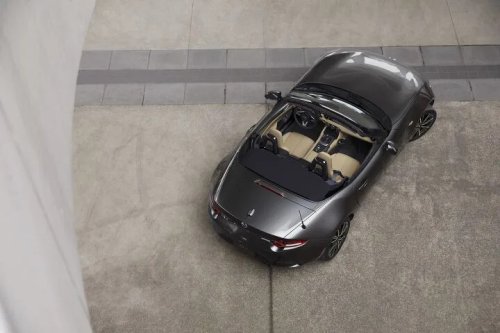
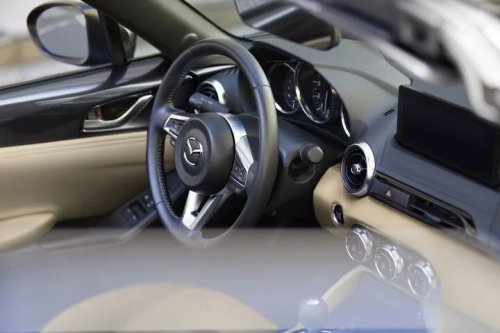
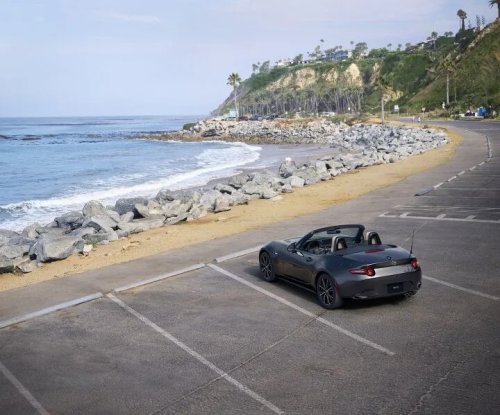
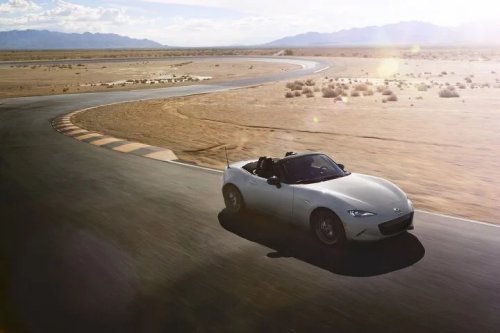
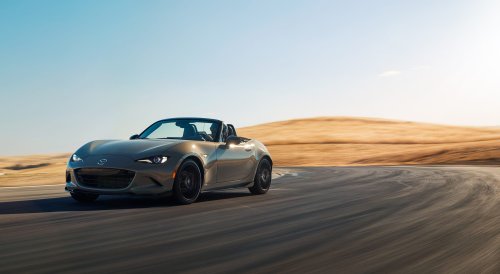
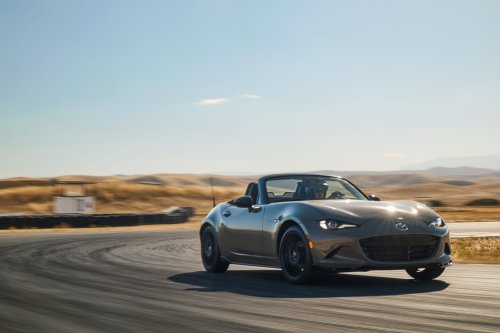
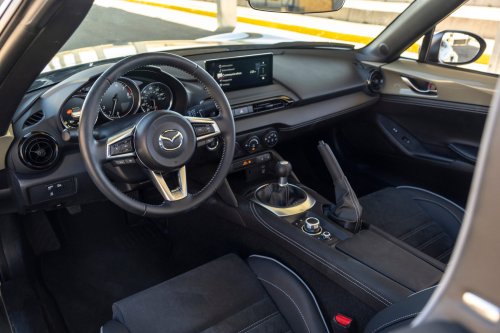
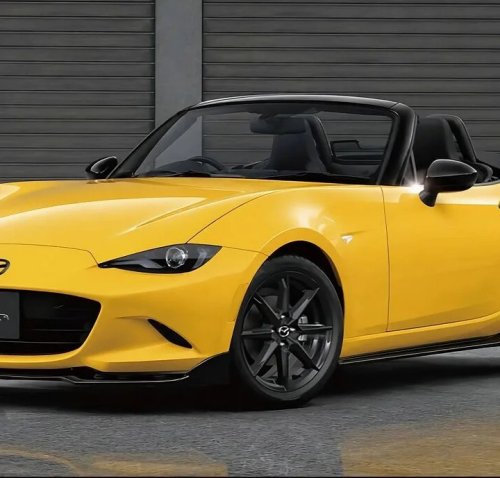
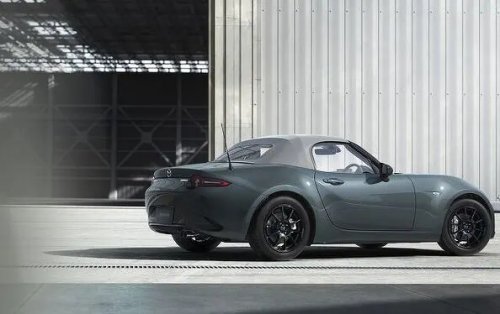
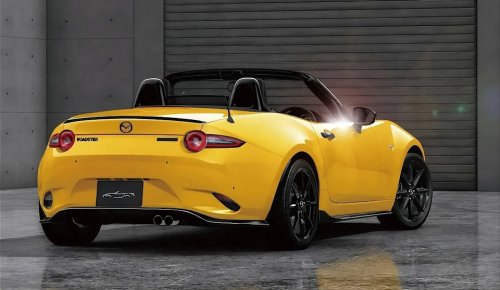
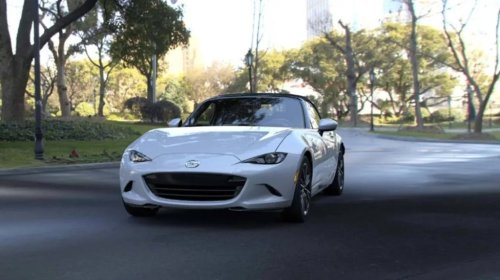
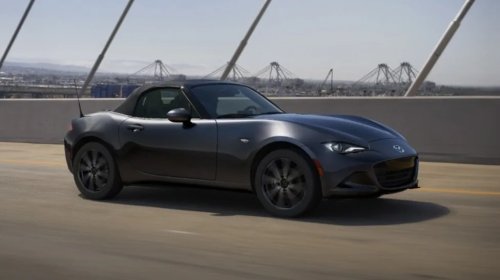
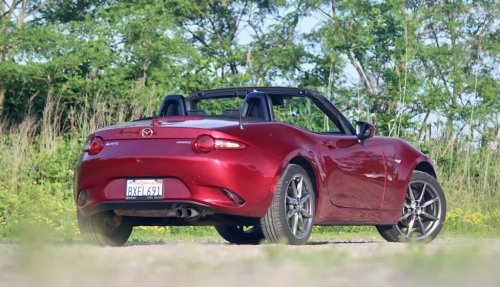
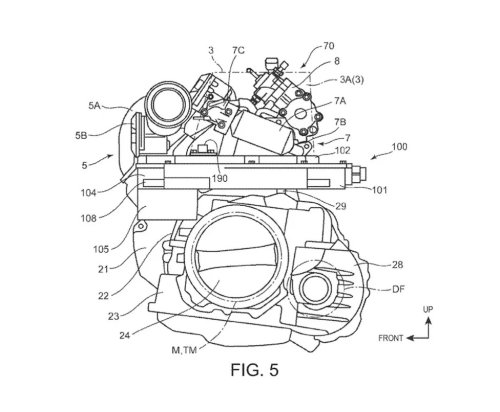
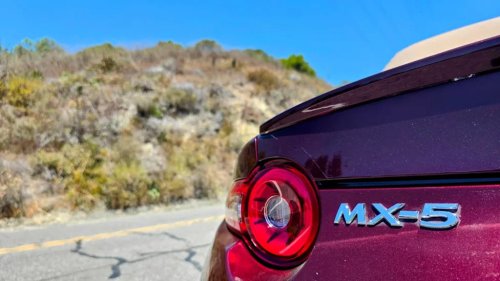
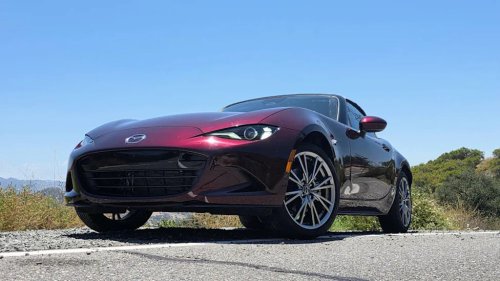
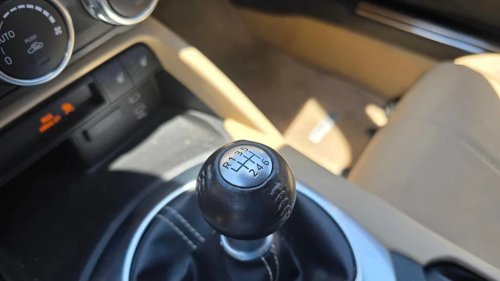
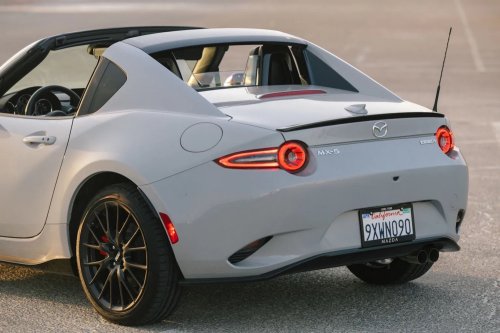
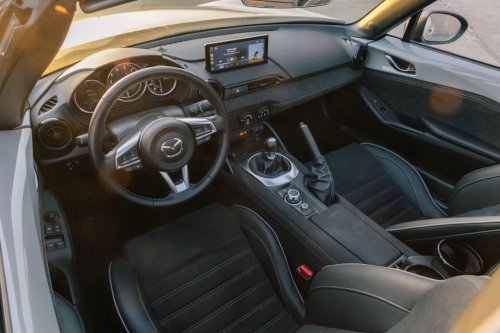
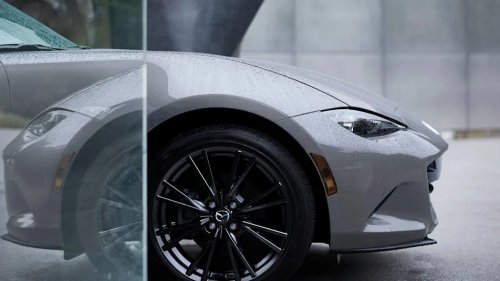
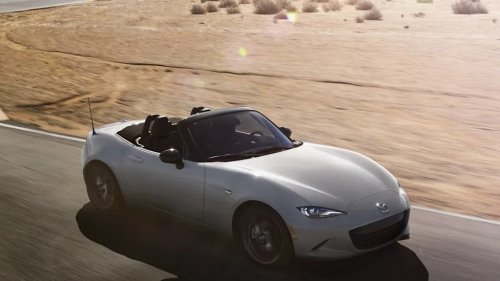
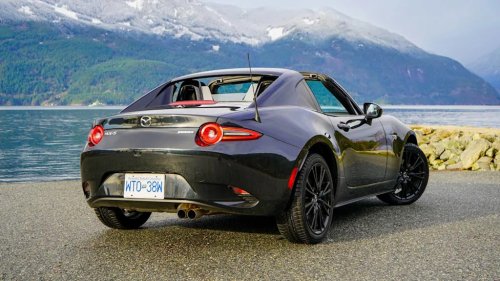
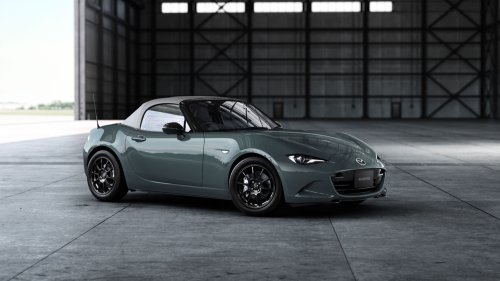
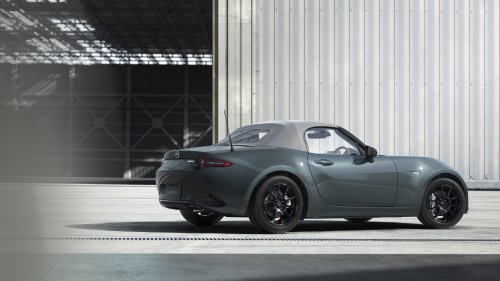
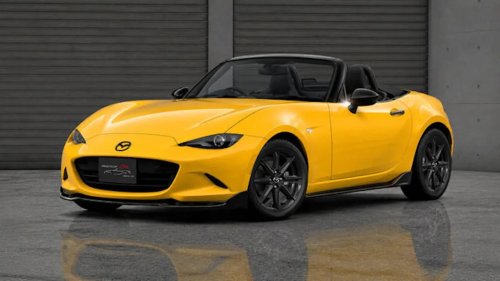
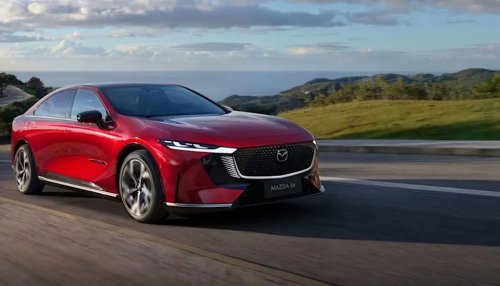
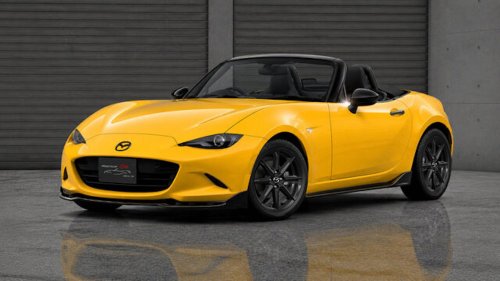
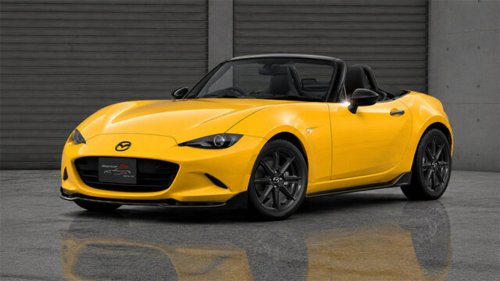
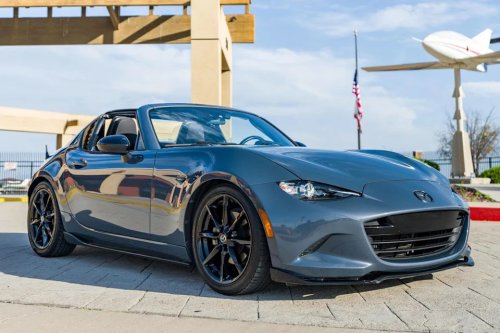
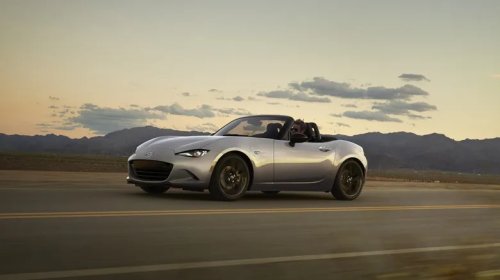
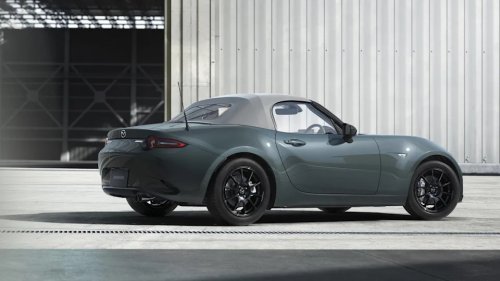
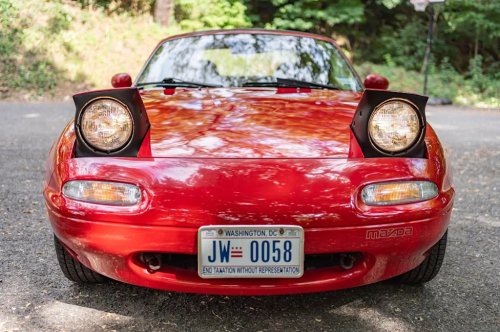
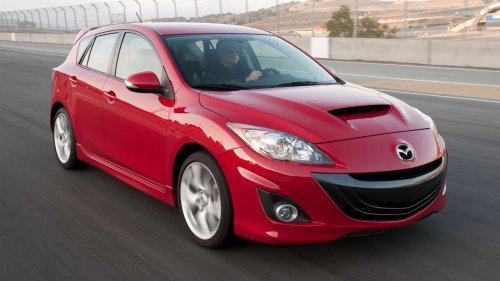
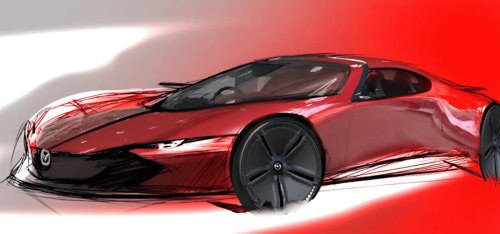
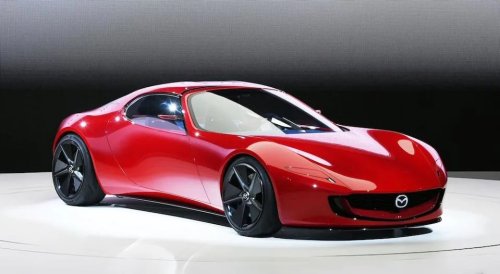
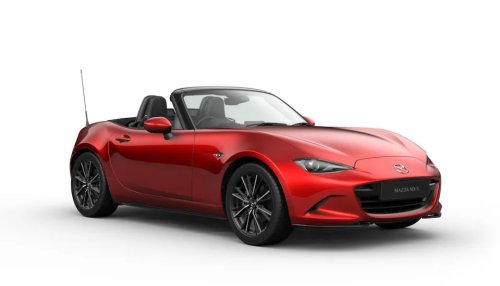
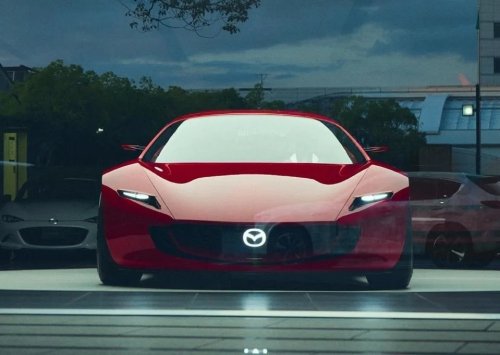
The new MX-5 Miata should incorporate strategic design hints from this Mazda Iconic SP concept.Photo by MazdaIs the next-generation Mazda MX-5 Miata going electric? That's the all-important question every sports car fan is asking about Mazda's most celebrated car.Mazda must be ready for a situation without an ICE powerplantAccording to a recent story from influential German outlet Auto Motor und Sport, Mazda CEO Masahiro Moro has confirmed for the first time that the next generation version of the popular MX-5 roadster is also intended to be offered with an electric powertrain. "The successor must also be ready for a scenario without an internal combustion engine. The challenge for us lies in making the basic structure lighter without using exotic materials like CFRP (better known as carbon fiber)," Moro stated.For more than 36 years, the MX-5 Miata has stood as a delightful contradiction in the automotive world. It has never been the fastest sports car, nor the most powerful or the most technologically advanced. Yet, with more than 1.25 million examples sold worldwide, it is listed in the Guinness Book as the world's best-selling roadster by faithfully adhering to a philosophy that many larger manufacturers abandoned years ago: keep it light, keep it simple and make every drive memorable.AdvertisementAdvertisementIn fact, this unassuming little coupe was the one car that sparked the global roadster boom of the early 1990s, when the MX-5's huge popularity convinced European carmakers to create the Boxster, SLK, TT, Z3, MGF and Barchetta.Now, in the late 2020s however, the 5th generation Miata faces perhaps the greatest challenge in its long history. As governments tighten emissions regulations and buyers increasingly embrace electrification, Mazda reportedly plans to offer the next-generation MX-5 with two very different personalities—a traditional gasoline-powered hybrid version and an all-electric model. If the reports prove accurate, it could represent one of the most significant moments in the roadster's history.The Iconic SP concept from the 2023 Japan Mobility Show. The new MX-5's design could well be a mix of lines from the current MX-5 and proportions from the SP.The current ND-model Miata. The new MX-5's design could well be a mix of lines from the current MX-5 and proportions from the SP.Mazda aiming for lightweight constructionAuto Motor und Sport also says that the company is aiming for a curb weight of between 1,000 to 1,200 kgs or 2,200 for 2,500 lbs. That is light for an EV, by anyone's standards.At first glance, the idea sounds almost contradictory. The Miata's legendary handling has always been rooted in its lightweight construction. Every generation has been engineered around Mazda's "Jinba Ittai" philosophy—the feeling of horse and rider moving as one. That intimate connection between driver and machine has been achieved not through overwhelming horsepower, but through a lightweight construction with careful front-rear weight distribution, responsive steering and a chassis that seems to anticipate every input from behind the wheel.AdvertisementAdvertisementElectric vehicles, by their very nature, present a difficult engineering challenge for such a formula. A combination of batteries, an electric motor and an inverter would be significantly heavier than conventional powertrains, and added weight is traditionally the enemy of an agile sports car. Building an electric SUV is relatively straightforward. Building an electric Miata without compromising its defining character is something altogether different.Yet Mazda has rarely been a company that follows conventional thinking. Throughout its history, it has earned a reputation for pursuing engineering solutions that others considered too risky or unconventional. Starting with the revolutionary Cosmo Sport rotary-powered sports car in 1967, Mazda remained loyal to the rotary engine long after most manufacturers had abandoned unique engine concepts, and even won the Le Mans 24-Hours in 1991 with the 4-rotor rotary-powered 787B race car. It invested heavily in high-compression Skyactiv gasoline engines when competitors focused on smaller turbocharged units. Even today, Mazda continues to prioritize driver engagement in an industry increasingly dominated by software and autonomous technologies.That independent spirit appears to be shaping the next MX-5 as well.Two totally different MX-5 is just what the market wantsRather than forcing enthusiasts into an all-electric future, Mazda seems prepared to let customers decide for themselves. Traditional buyers could continue to enjoy a lightweight gasoline-powered roadster complete with a naturally aspirated engine—and strongly rumored to have a mild hybrid system fitted, a six-speed manual transmission and the familiar soundtrack that has become part of the Miata's appeal. Buyers ready to embrace electrification, meanwhile, could opt for an all-electric version offering silent operation, instant torque and zero tailpipe emissions while still enjoying open-top motoring.The next MX-5 could well inherit proportions from this Iconic SPThe German magazine also mentions the possible powertrains where the gasoline version could get an upgraded 2.0-liter or a 2.5-liter generating at least 220hp, while the electric model, wanting to keep weight down, would get a 50kWh powerplant producing around 250hp. That means of course that range would hover at a conservative 200 miles at most. And yes, with both powertrains, you can expect the brand to retain that tried and proven rear-wheel-drive formula.AdvertisementAdvertisementSome European outlets like the Dutch publication AutoRAI, say that Mazda Motor Europe's Director of Research & Operations, Christian Schultze, say "The moment you go fully electric, you fundamentally change the car's architecture. That means different proportions, a different weight, and a different balance." This does not mean Mazda won't do an EV version. On the contrary, it means that the company will redefine its mercurial MX-5 to be able to carry both wildly different powertrains.It is a remarkably pragmatic solution to an increasingly complicated global market. While Europe continues accelerating toward electrification, other markets remain heavily dependent on internal-combustion engines. Customer preferences differ widely from country to country, and no single powertrain is likely to satisfy every buyer. By offering both options, Mazda is hedging its bets and looking to preserve the Miata's broad global appeal while preparing for a future in which regulations and consumer expectations continue to evolve.The success of such a strategy will ultimately depend on whether Mazda can overcome the greatest obstacle facing any electric sports car: weight. Reports surrounding recent Mazda patents suggest the company has been exploring innovative battery packaging solutions—including solid state batteries—that distribute battery modules throughout the vehicle rather than relying on a single large floor-mounted pack. Such an approach could help preserve the Miata's near-perfect balance and low center of gravity while minimizing the handling compromises typically associated with battery-electric vehicles.As for the new model's design, we can expect to see it incorporate several major styling hints from the drop-dead gorgeous Iconic SP concept that debuted at the 2023 Japan Mobility Show. If designers could integrate even 30% of the Iconic SP's proportions, then the new MX-5 would be vie with some of the best looking coupe out there.AdvertisementAdvertisementIf Mazda succeeds, it will have achieved something few manufacturers have managed—creating an electric sports car that genuinely feels like the icon it replaces rather than simply borrowing its name.The timing could hardly be better. Sports cars are entering a period of unprecedented change. Porsche is carefully balancing gasoline and electric performance cars, Alpine is developing electric sports models, and several Chinese manufacturers are preparing affordable electric roadsters aimed at younger buyers. Tesla has even hinted at one. Rather than resisting change, Mazda appears determined to embrace it without abandoning the very qualities that made the MX-5 famous in the first place.Perhaps that is the real significance of the next Miata. This isn't simply about adding another powertrain to an iconic model. It is about recognizing that the future of driving enthusiasm is unlikely to follow a single path. Some enthusiasts will always treasure the sound and mechanical involvement of a gasoline engine, while others will welcome the instant, gutsier response and refinement of electric propulsion.So, yes, I feel the Miata can retain its soul even if it does go electric. By focusing on lightweight construction, keeping it rear-wheel-drive and as close to a 50:50 front-rear weight balance as possible, the car's soul looks in tact. The EV version's handling will be perkier and a little more challenging with the extra instant torque on tap, but that should add one more intriguing dimension to the car.AdvertisementAdvertisementFor more than three decades, the MX-5 has represented affordable freedom—the freedom to lower the roof, choose the scenic route and rediscover the simple pleasure of driving. If the next-generation model truly arrives with both gasoline and electric power, Mazda may not only preserve one of the automotive world's most beloved sports cars, but also demonstrate that embracing the future doesn't necessarily require abandoning the past. Expect the new model to land in showrooms in 2028.This article was originally published on Forbes.com



















 +24 others