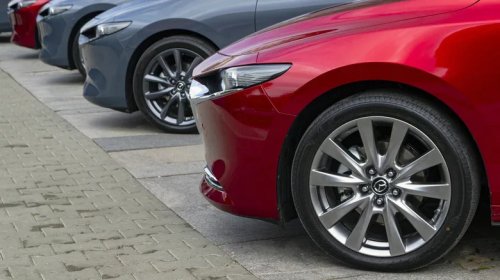
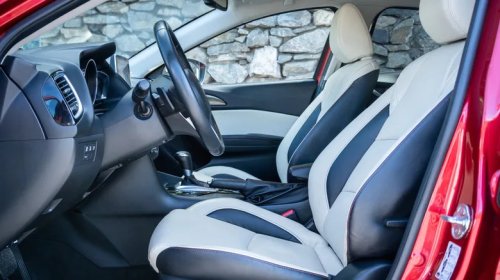
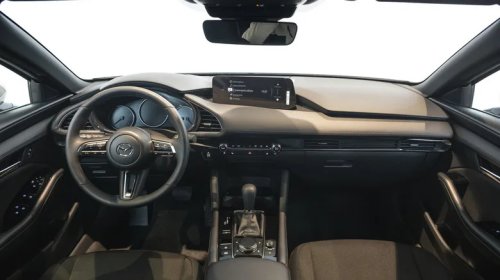
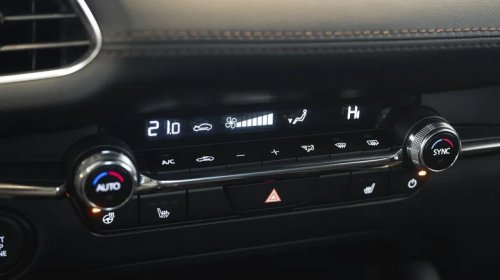
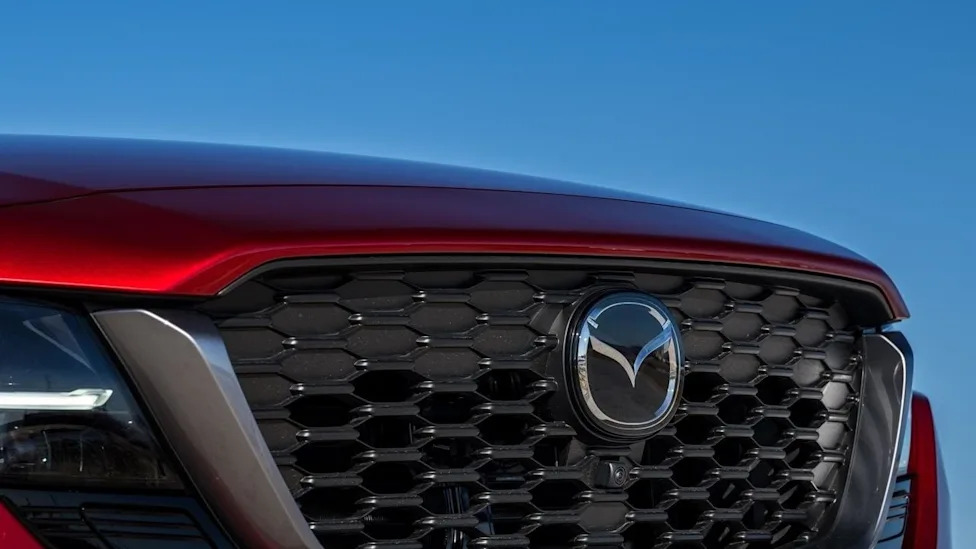
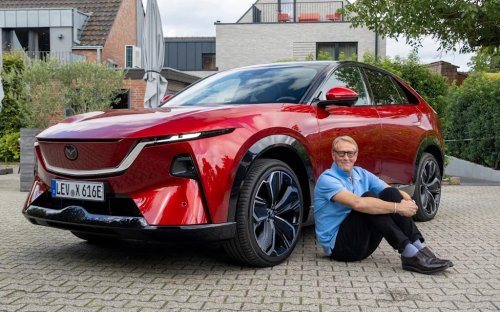
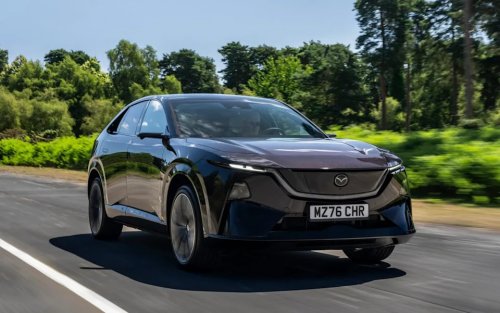
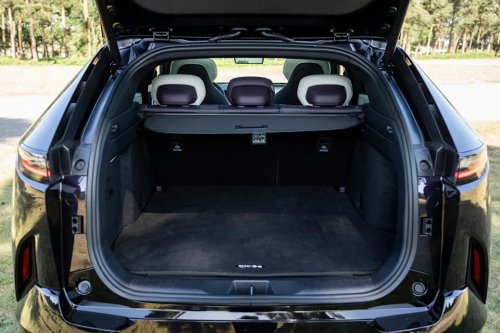
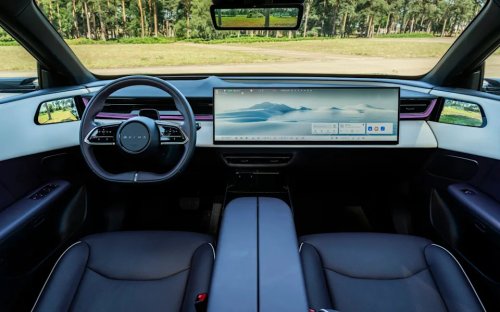
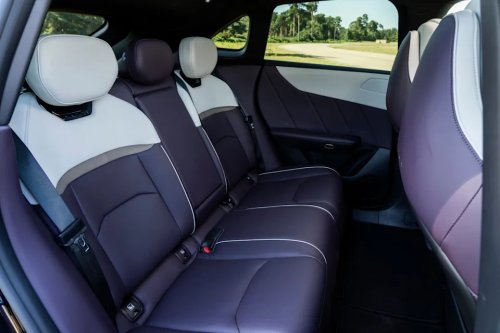
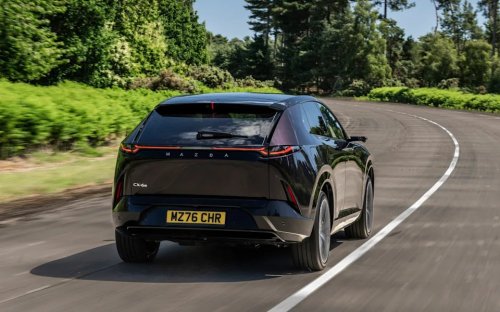
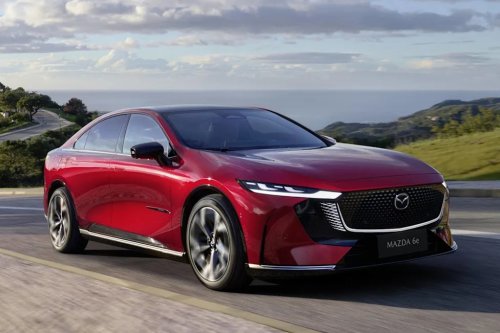
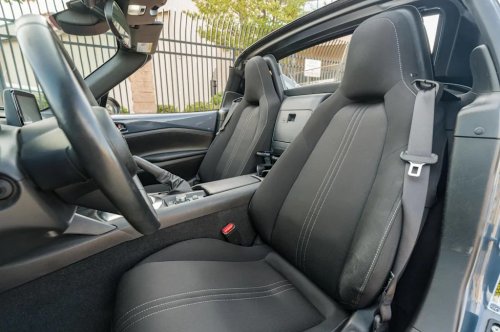
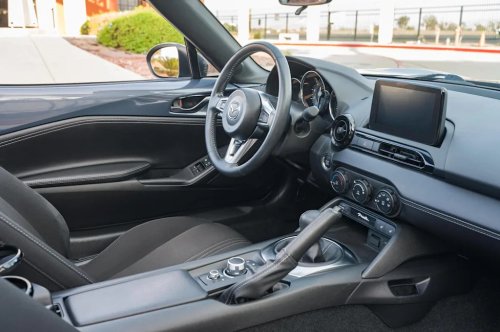
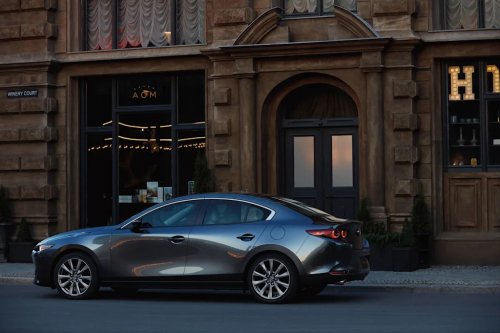
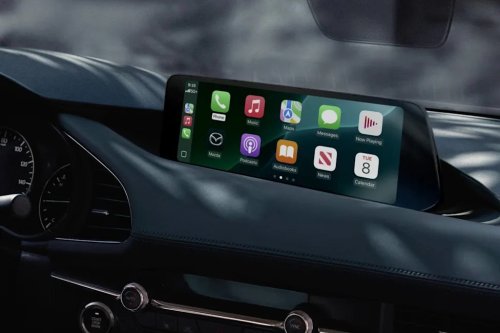
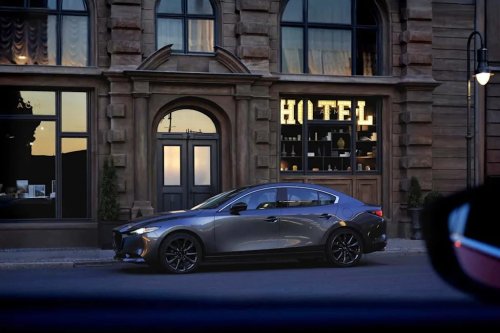
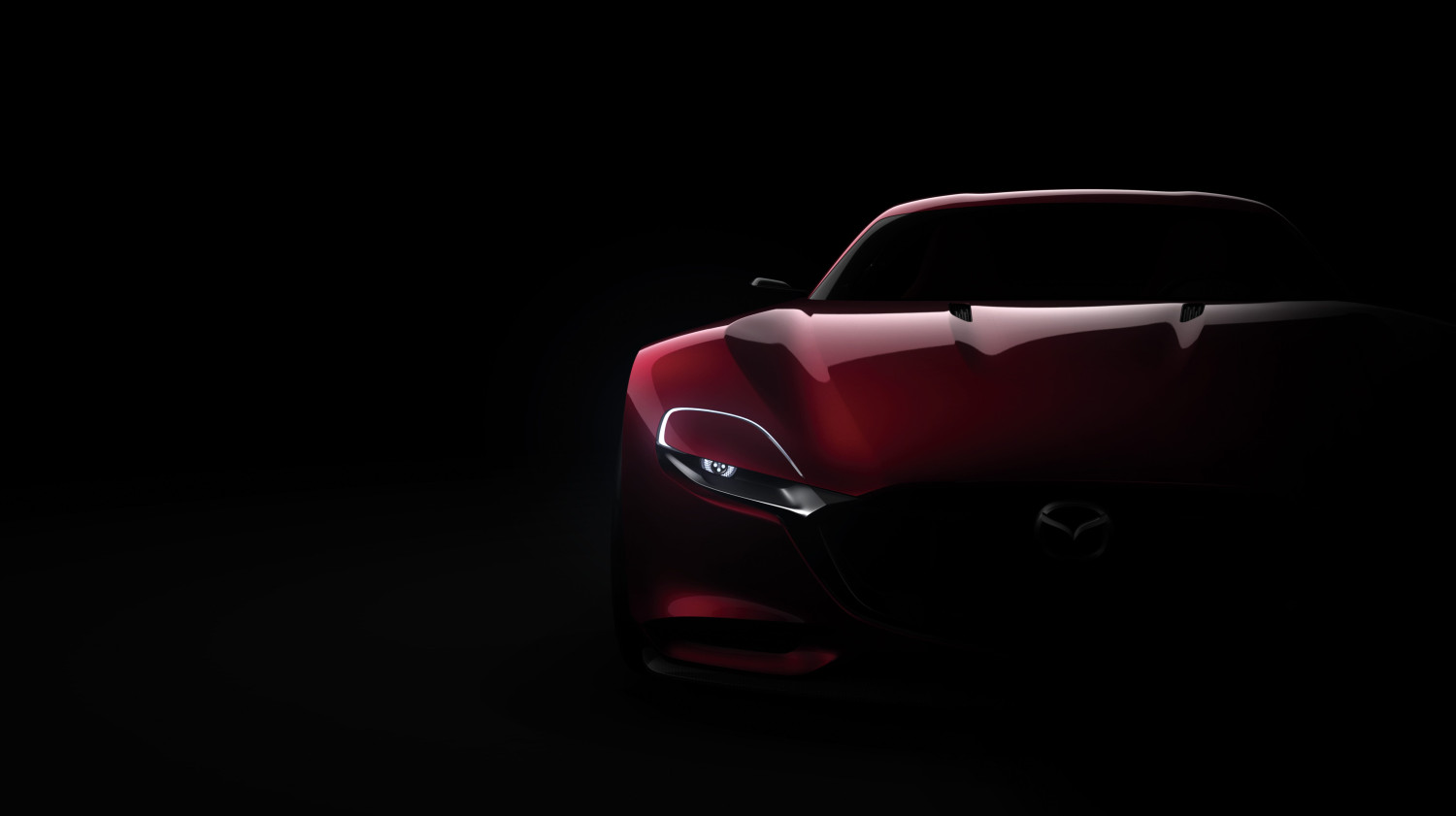
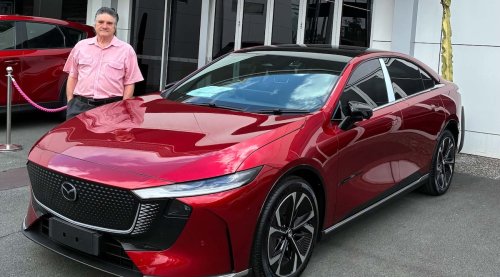
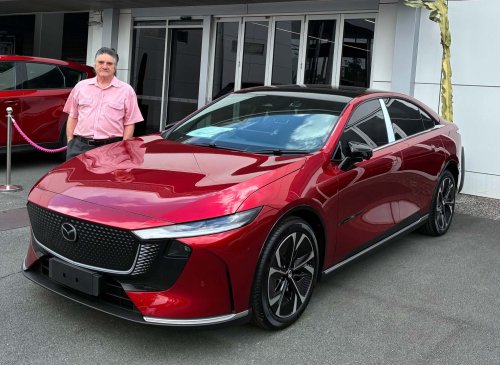
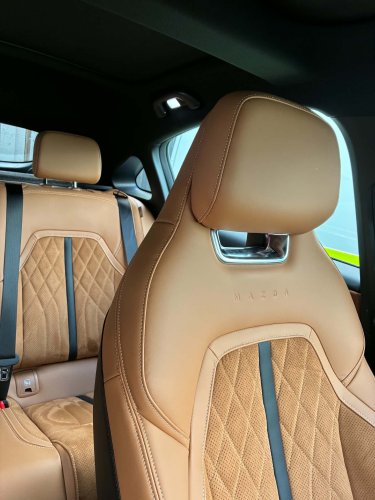
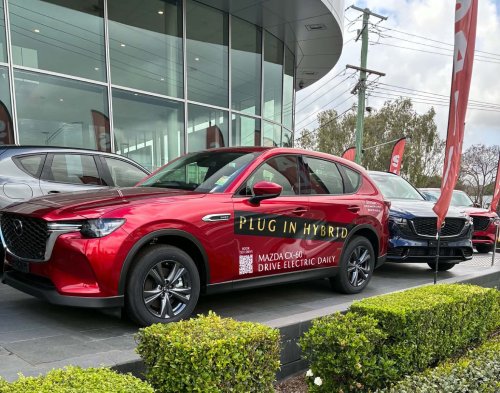
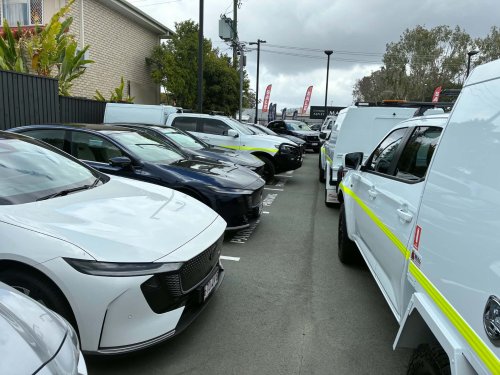
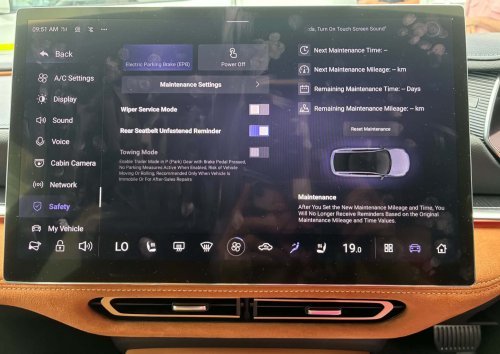
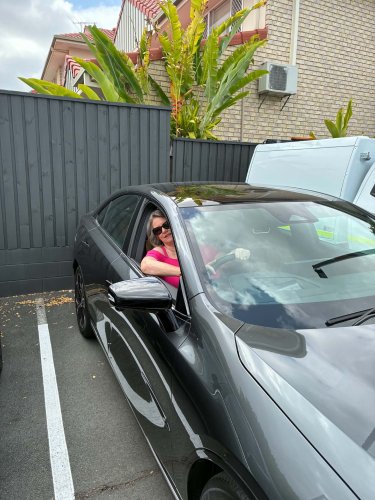
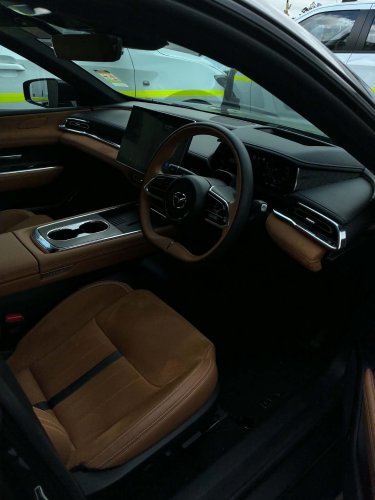
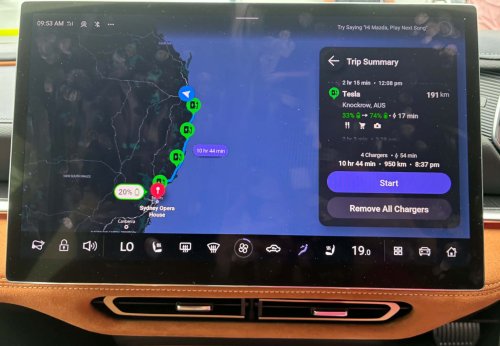
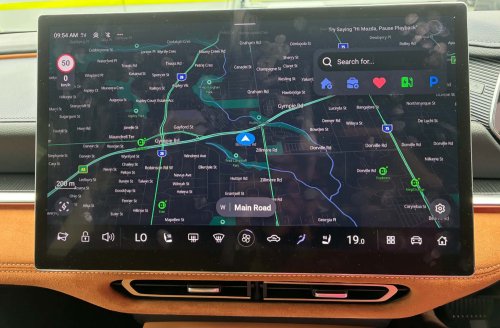
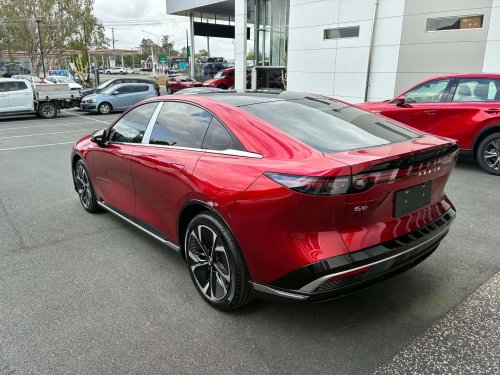
At its launch into the Australian market eight months ago, the Mazda 6e received 2,000 pre-orders. It has delivered 693 of those cars in the last four months. I have long been an admirer of Mazda’s design, so we went to the local dealership to check it out. We were not disappointed. The Mazda 6e won the 2026 World Car of Year design award. In the back of my mind, I thought, perhaps this car might herald a resurgence of Japanese car sales in Australia. Ready for delivery. Photo courtesy of Majella Waterworth. Mazda produces just over 1 million cars per year, so it is not in the same league as Toyota, but it has a loyal niche following. Sales in Australia have been dropping this year, possibly because of model changeovers. Or could it be because of the increase in Chinese car sales? For a bit of context, I checked out the sales figures of Japanese branded electric vehicles. So far in 2026, in the Australian market, Toyota has sold 2,523 EVs; Subaru — 1,277; Nissan — 219; Mazda — 693; and Suzuki — 40. This makes a total of 4,725. That’s similar to what one carmaker has sold with one model — the Tesla Model 3 (4,597). All Japanese EV sales approximately equal the Tesla Model 3’s sales. Japanese brands need to do better. The world needs them to participate meaningfully in the rEVolution. Your thoughts? (Dr Paul Wildman and myself have written extensively about this. See here.) On Wednesday, we went to visit our local Mazda dealer on the north side of Brisbane to check out the latest offering. We met the Mazda 6e — designed by Mazda, built in China by Changan, based on its Deepal sub-brand. As we discovered, the interior design and exterior styling are pure Mazda. The underlying architecture is Deepal. You can read our article about the Deepal S07 here. The sales representative who generously gave us his time and expertise pointed out that even the stitching on the seats mirrored Mazda’s design DNA. Mazda seat stitching. Photo courtesy Majella Waterworth. As we approached the dealership, we were impressed by the advertising for the 6e emblazoned over the entrance. The car on display was the PHEV version. We had to go around the back to see a car sitting ready for delivery, and three more examples. Bizarrely, a delivery of BT 50’s had been placed in front of the new Mazda 6e’s — making them difficult to see, and impossible to take for a test drive. PHEV version greets you on arrival. Photo courtesy Majella Waterworth. Blocked in by diesel utes. Photo courtesy Majella Waterworth. I was impressed by the value-for-money proposition when told the car was selling for only AU$54K. Apparently, this dealership alone is selling over a dozen a month, mainly to returning Mazda owners. The wife of our sales rep was driving the PHEV version. He was quite knowledgeable about his product and said he made it a point to know more about the vehicles he sells than his customers. He was well able to explain the apps needed for charging and the use of the supplied granny charger. An optional wall charger is available for purchase. I did have a bone to pick with him when he kept giving charging times from zero. “You don’t run the battery down to zero,” I told him. However, the car comes with a 70 kWh LFP battery with 560 km of range, so it would be possible. Acceleration is a respectable zero to 100 km per hour in 7.6 seconds. Is that zoom, zoomy enough? The car is expected to be brought in for servicing every 20,000 km or 12 months, with a cost of about half the price of a petrol service. Over-the-air updates are available and can be installed at home. Maintenance schedule. Photo courtesy Majella Waterworth. As he explained the features of the car, I was struck by the fact that what used to be gimmicks or luxury items now come standard. For example: heated and cooled seats; 360-degree camera, accessed from the button steering wheel or voice commands. Also, but I didn’t mention this to him, it included a number of innovations that Tesla has debuted and caught a lot of flak for — the glass roof, the minimal dashboard, the large iPad-like screen, etc. Majella in the driver’s seat. Photo courtesy David Waterworth. Driver’s seat and dashboard. Note the suede wrap around. Photo courtesy Majella Waterworth. As I stood outside the car, chatting to the sales rep, Majella was busy inspecting the interior. The Mazda 6e comes with three different interior trims — beige, black, and tan — all at the same price. She said that it had the feeling of a sport model, with a smaller steering wheel. The Mazda 6e will be easy to spot on the road with its distinctive grille pattern. Navigation shows you where all the chargers are — e.g., Brisbane to the Sydney Opera House. Photo courtesy Majella Waterworth. As well as the main driving screen, there is a small screen behind the steering wheel and a heads-up display. Standard route map with chargers. Photo courtesy Majella Waterworth. Egress is easy — with a clutch handle above the door and a proper silver door handle on the inside. The storage locker between the front seats is opened with a push button. The latest scare tactic designed to stop Australian motorists from buying Chinese electric cars is to claim that they are a security risk. Your car is telling the Chinese Communist Party every time you go to Macca’s. Our helpful sales rep told us the amusing story of one customer who would not buy a Chinese brand because she was worried that it would be a security risk, so she bought a Mazda 6e. “But,” I said, “it’s made in China!” He shrugged his shoulders. I asked Google about Australian government ministers owning and driving Chinese EVs and found out that Tony Burke, the Australian Home Affairs and Cyber Security Minister, personally owns a Chinese made electric vehicle. “Burke’s office stated that he informed his department and security agencies immediately upon appointment and followed security advice on appropriate precautions.” Energy Minister Chris Bowen drives an XPENG G6 and points out that modern connected cars share data regardless of where they were made. Burke and Bowen have insisted that they have followed appropriate risk mitigation strategies, as advised by the Australian Security Intelligence Organisation (ASIO). Cone of silence perhaps? Some security concerns are valid. Both the USA and China have banned some connected vehicles from sensitive areas. Back in 2021, Teslas were banned from Chinese military sites. Is it a car or a surveillance tool? A data collector on wheels? Why aren’t people worried about their TVs, fridges, phones, etc. doing the same thing? I often think that my robot vacuum cleaner is conspiring with the intelligent fridge to take over the house. With over 30 per cent of eligible parliamentary work vehicles being Chinese-built EVs (such as MG and BYD), ASIO has advised MPs and officials to exercise caution. For those who wish to watch a video review of the Mazda 6e, check this out. This reviewer compares the Mazda 6e to the BYD Seal and the Tesla Model 3. Extra features include: V2L; remote controlled rear spoiler which can be set to be speed sensitive; handles present themselves by the use of the key fob. The reviewer describes it as old-world luxury, unlike Toyota’s EV offerings, but not at a luxury price. The electric roof screen (in two parts) can be opened from back controls. Lots of USB ports for all our modern devices. Wireless charging pad for the phone. Ambient lighting. And shortcut buttons on steering wheel. The Mazda 6e even comes with a physical manual in the glovebox, sparking the reviewer to comment: “You can’t expect Japanese brands to be too advanced.” I am sure a lot of drivers would appreciate a physical manual, though. Photo courtesy Majella Waterworth. Looking at the numbers, if Japanese carmakers wish to increase their EV penetration into the Australian market, they will have to massively increase the volume of cars available. The Mazda 6e, though a great value-for-money car, cannot do it alone. Exciting times as Australians get to drive beautifully designed Mazdas into an electric future.













 +62 others