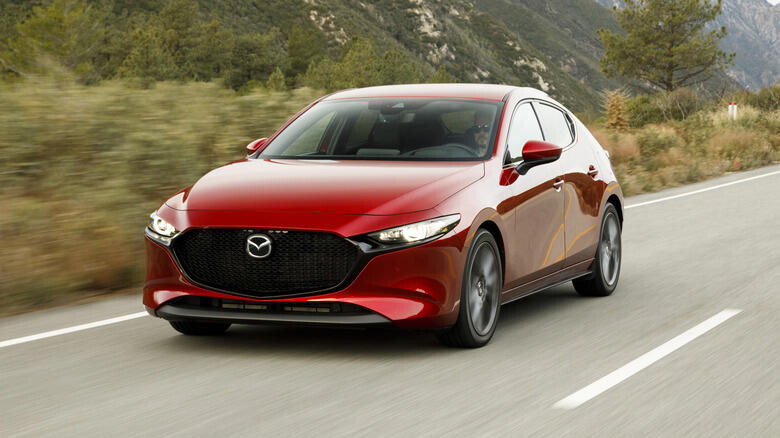
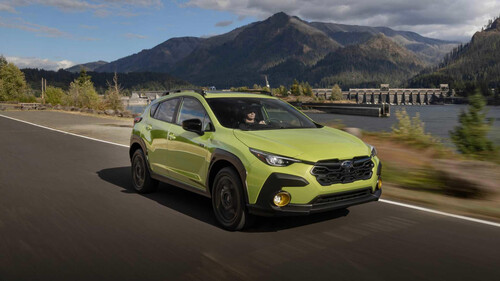
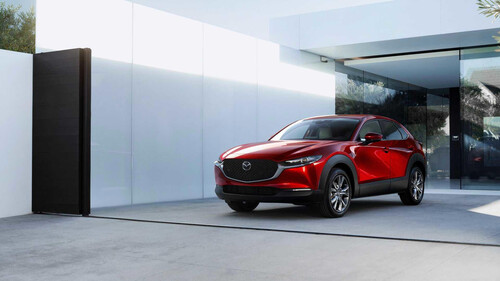
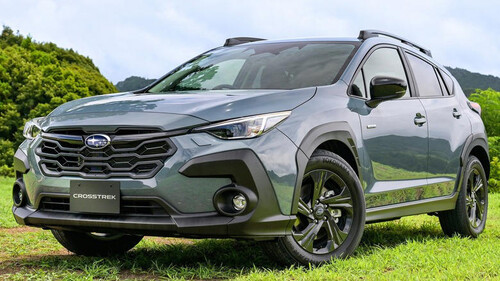
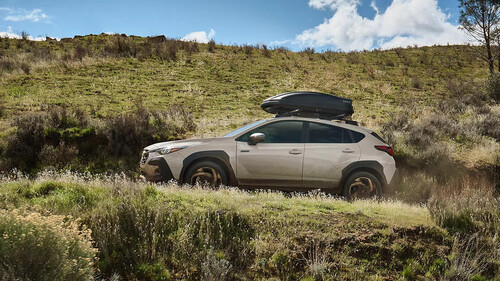
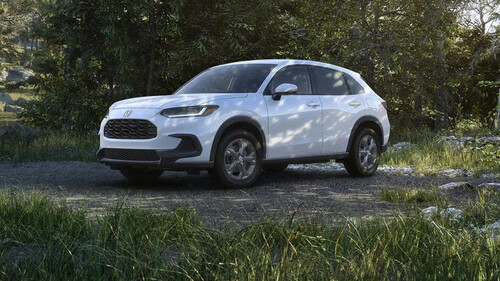
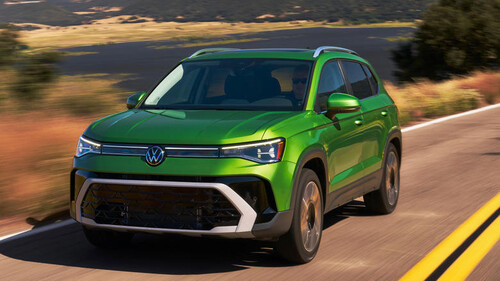
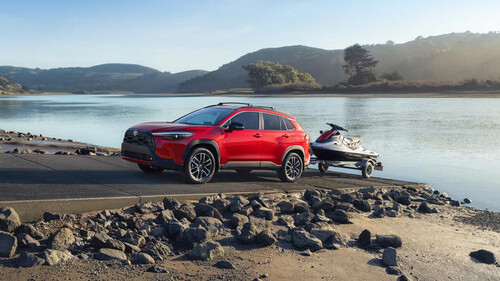
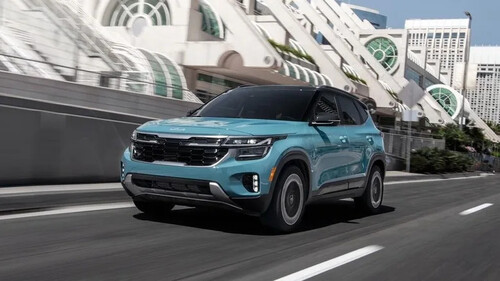
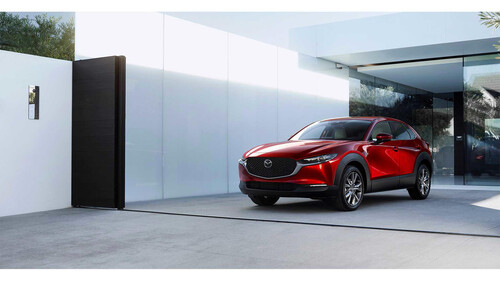
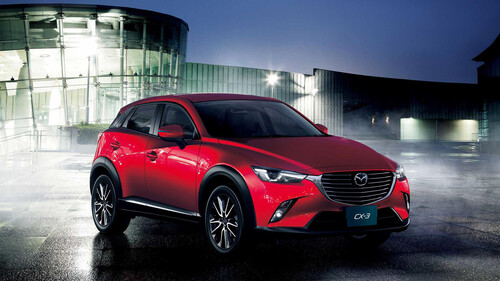
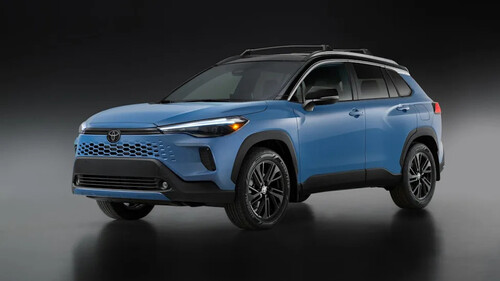
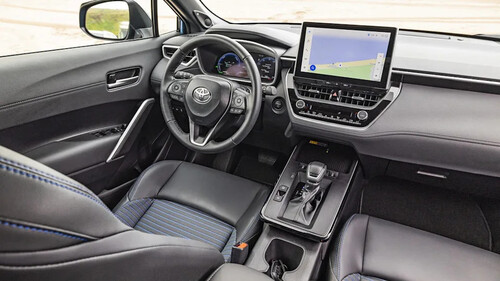
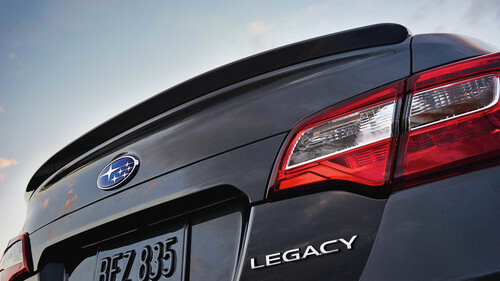
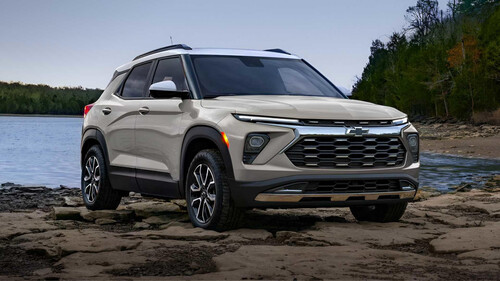
12 Things To Know Before Buying A Mazda CX-30 (Used Or New)SlashGearMark CowleyMon, September 21, 2026 at 10:30 PM UTCAdd us on GoogleMazdaThe subcompact SUV formula is a relatively straightforward one, but it's appealing to a lot of buyers. The segment is geared towards drivers who want the perks of driving an SUV, like a higher ride height and increased ground clearance, but don't necessarily want or need family-hauling spaciousness. To be truly competitive in the segment, a car not only needs to be affordable and capable, but it also needs to offer a unique selling point that makes it stand out from its competitors. In the case of the Mazda CX-30, that unique selling point is its performance and handling.Since its introduction for the 2020 model year, the CX-30 has remained one of Mazda's most affordable cars. At launch, it shared floor space in dealerships with the similar CX-3, but that didn't last long. Mazda discontinued the CX-3 after the 2021 model year, and today the CX-30 is Mazda's only SUV in the subcompact segment.It certainly has plenty of competitors in 2026, and the best of those competitors have it beat in some key areas. Even so, the CX-30's strengths make it well worth considering, whether you're looking for a new or used car. Just make sure you know these 12 key things before you head out to try one out for yourself.AdvertisementAdvertisementRead more: 10 Car Mods That Are Illegal In The USThe 2026 CX-30 starts under $30,000MazdaIn base form, the CX-30 starts at $26,375 (plus destination fee) for the 2026 model year. In Alaska, that destination fee is $1,640, while everywhere else, Mazda charges $1,595. The engine in the base version of the car is the same 2.5-liter four-cylinder engine that can be found in a number of the brand's other current models. In the CX-30, it makes 186 horsepower and 186 lb-ft of torque.From there, Mazda offers five pricier trims with the base engine, with each one adding extra safety and convenience features. The second-cheapest trim, the 2.5 S Select Sport, adds dual-zone climate control and an eight-way power-adjustable driver's seat. It also includes wireless Apple CarPlay and Android Auto, while buyers of the base trim have to make do with a wired connection.Each step up the trim range adds a little extra to the car's asking price, with the costliest base-engined trim being the 2.5 S Premium, which starts from $33,640. The 2.5 Turbo Aire Edition and 2.5 Turbo Premium Plus cost more, starting at $34,410 and $37,900, respectively. Both trims feature a more potent 2.5-liter turbocharged engine with 250 horsepower and 320 lb-ft of torque on tap.It's Mazda's smallest SUVMazdaMazda offers a broad range of affordable models in its current lineup, with the CX-30 being both the smallest and the cheapest of its SUVs. It sits below the CX-5 and CX-50, both of which start from $29,900 (plus destination fees) for the 2026 model year. Both are similar, but there are a few things that differentiate the CX-50 from its similar-sounding lineup sibling. The biggest difference is that the CX-50 is designed to feel at home on a variety of different terrains, while the CX-5 is the roomier, road-focused alternative.AdvertisementAdvertisementIt might be the cheapest Mazda SUV, but the CX-30 isn't Mazda's cheapest new car. The Mazda 3 Sedan is instead the winner in that regard, with a starting price of $24,650 (plus fees). The Mazda 3 Hatchback also starts a few hundred dollars cheaper than a CX-30, and it has a similarly practical cargo hatch to the crossover SUV.The Aire Edition is new for the 2026 model yearMazdaSome Mazda SUVs have been given a thorough overhaul for the 2026 model year, but the CX-30 isn't one of them. The upper-mid range Aire Edition trim is the headline addition, which features various black exterior accents, including a black Mazda logo and black 18-inch wheels.In contrast, the interior of the Aire Edition features a much lighter color palette, with a mix of white and gray upholstery. This new trim is available with both the base and optional turbocharged engines. Also new for 2026 is a 10.25-inch infotainment touchscreen that comes standard in most trims. Only the two cheapest trims, 2.5 S and 2.5 S Select Sport, come with a smaller 8.8-inch display instead.Buyers looking for a lightly used CX-30 will find a few differences between 2025 and 2024 models. New for the 2025 model year was Amazon Alexa integration on certain trims, which allows drivers to control certain vehicle functions like the A/C and media player through voice control. The feature can also be used to remotely control smart home devices.AdvertisementAdvertisementThe 2024 model year was the first to feature the aforementioned 10.25-inch infotainment touchscreen, albeit on a smaller selection of trims than Mazda offers in 2026. The Japanese automaker also launched the 2.5 Carbon Turbo trim that year, the cheapest trim to include the 250-horsepower turbocharged engine. That trim is no longer available in 2026.Even base models aren't short on techMazdaBeing stuck with a wired Apple CarPlay and Android Auto connection might be irritating for buyers of the base-spec 2026 CX-30, since some rivals like the Chevrolet Trax and Kia Seltos come with wireless connectivity as standard. That notable omission aside, the rest of the base Mazda's feature list is competitive.Every new CX-30 gets a suite of safety tech, including blind spot monitoring, lane departure warning, and radar-assisted cruise control. You can connect smartphones through one of two USB-C ports, and a built-in Wi-Fi hotspot is standard, though it costs extra after the initial free trial ends.Some safety tech is only available on higher trims. For example, front and rear parking sensors are available only on the 2.5 S Preferred trim and up, while traffic sign recognition is offered on the 2.5 S Premium trim and higher. The priciest 2.5 Turbo Premium Plus trim adds extras like an automatically dimming driver's door mirror and level 2 assisted driving technology, which allows the car to automatically keep a fixed distance to the vehicle in front in certain driving situations.The CX-30 is well suited to driving in winter conditionsChris Davies/SlashGearUnlike some of its rivals, the CX-30 comes standard with all-wheel drive, even in base form. That makes it more reassuring to drive in all kinds of conditions, including snow and ice. SlashGear's executive editor Chris Davies put the CX-30 to the test in the snow at the start of 2026 and found the small SUV to be a capable companion, noting that the turbocharged engine was the superior choice for all-weather driving fun.AdvertisementAdvertisementThe 2025 CX-30 Turbo left a similarly positive impression, although a common theme across both tests was that the Mazda was less economical than much of its competition. Drivers looking to get the most out of the car's turbocharged engine will also need premium gas, otherwise they'll be down on power. At the time of writing, gas prices look unlikely to climb down from their recent highs for the foreseeable future, so drivers will have to weigh up the benefits of increased performance and all-weather capability against the downside of a higher gas bill than other similarly sized SUVs.The CX-30 likely won't hold its value as well as some of its rivalsMazdaForecasting depreciation values isn't always straightforward. Buyer tastes can change over time, and geopolitical issues — like the ongoing conflict in the Middle East — can also affect buyers' habits. As a result, it's worth approaching depreciation forecasts with caution, but they can still offer valuable insights.Estimates for the CX-30's depreciation differ significantly between sources. According to CarEdge, a new CX-30 should only lose 36% of its value after five years on the road, but KBB says that the same car will be expected to lose around 55% of its sticker price. The latter outlet reports that the car depreciates over 30% in its first year, and scanning auction listings on a leading resale platform confirms that there are indeed plenty of 2025 models available at a similar discount.Buyers looking for a one or two-year-old CX-30 can expect to pay significantly less than the original sticker price, which makes the car a particularly attractive option for used car bargain hunters. For new car buyers looking to minimize their losses on depreciation over the course of their ownership, the Honda HR-V is widely considered to be a better option than the Mazda.Don't expect Toyota-like reliability from the CX-30MazdaJust like depreciation estimates, any estimates of a new car's reliability should be approached with a healthy degree of skepticism. Hidden issues can emerge long after a car hits the road, and previously issue-riddled models can improve significantly over their production lifespan. Even so, some cars are generally regarded as safer bets than others for hassle-free ownership. Sources like J.D. Power and Consumer Reports generally agree that the CX-30's reliability will be about average compared to other new cars, based on the experience of owners of previous model year cars.AdvertisementAdvertisementThere's certainly no shame in being average, but some of the CX-30's rivals edge ahead on forecasted reliability. Both the Subaru Crosstrek and Toyota Corolla Cross score consistently higher than the Mazda for predicted quality and reliability, making them a more reassuring option for drivers planning on covering higher mileage. Meanwhile, views differ on the expected reliability of the Honda HR-V. Some outlets forecast it to be as reliable as the Subaru and Toyota, while others place its expected reliability closer in line with the Mazda.Mazda makes the CX-30 in MexicoMazdaWhile the company itself might be Japanese, Mazda builds some of its cars outside of Japan. The North American CX-30 is built in Mazda's plant in Salamanca, Mexico, alongside the Mazda 3. The plant is also responsible for building some models that American buyers miss out on, like the Mazda 2 subcompact hatchback. Mazda builds the CX-30 for other global markets in its Ujina plant in Japan, as well as at plants in Thailand and Indonesia.Ever-changing tariffs on imported vehicles have cast uncertainty over Mazda's Mexican operations, but for now, there's no indication that CX-30 production will be moved. In late 2025, Mazda confirmed its commitment to the Salamanca plant and reiterated that its plans remained unchanged in 2026.Buyers looking for an American-made Mazda have only one option in the brand's current lineup. The CX-50 is the only Mazda built at the joint Mazda-Toyota plant in Alabama, with the plant's only other model being the Toyota Corolla Cross.The CX-30 is less efficient than the average new carIrene Miller/ShutterstockSince production of the CX-30 commenced for the 2020 model year, gas prices have increased significantly. Between 2020 and 2026, the average fuel economy of new vehicles has also increased, but the CX-30 has not seen a meaningful improvement in its mpg figures. In fact, EPA figures state that the base 2026 CX-30 is marginally less efficient than the previous model year.AdvertisementAdvertisementAccording to the agency, the base 2026 CX-30 achieves 27 mpg combined, while the CX-30 Turbo achieves 25 mpg combined. The turbocharged engine's economy has remained unchanged since the 2020 model year. Strangely, the base 2023-2025 CX-30 is the most efficient, according to EPA figures, averaging 29 mpg. Unlike some competitors, it offers no hybrid option to cut fuel bills.Even the most frugal version of the latest CX-30 is slightly less efficient than the average new car. For now, that's unlikely to be a dealbreaker for most buyers — after all, the CX-30's main appeal is that it's more fun to drive than its competitors, and fun and frugality don't usually go hand in hand.However, buyers holding out for a more fuel-sipping version of the car are likely to have a long wait. Mazda has recently confirmed that the next generation of the CX-30 won't be launched until 2031, blaming cost pressures, including U.S. tariffs, for the delay.The car offers impressive safety ratingsIIHS/YouTubeSmall cars don't always have great safety ratings — in fact, many of the worst-rated new cars for safety are compact or subcompact models. The CX-30 doesn't follow the trend and has earned consistent praise from the IIHS since it was launched. The 2026 model has been selected as an IIHS Top Safety Pick+, having scored consistently highly in all key areas that the institute tested. The 2025, 2024, 2022, and 2021 models all earned the same accolade.AdvertisementAdvertisementOnly two models years to date have not been given the Top Safety Pick+ award. Instead, the 2020 and 2023 model years achieved the still-impressive Top Safety Pick award. In both model years, IIHS identified only minor issues: in 2020, excessive glare in the top-spec car's headlights led to the downgrade, while in 2023, an updated side crash test gave the CX-30 a less-than-perfect score. Even with these small imperfections, the CX-30 remains a very safe car based on IIHS' testing, regardless of model year.CX-30 shoppers shouldn't rule out the Mazda 3MazdaThe CX-30 is an appealing option in its segment, but it's not the only Mazda that offers a blend of power and practicality with an affordable price tag. Used buyers looking for an older vehicle could potentially consider a CX-3, but for anyone who isn't completely set on an SUV, the Mazda 3 is arguably an even better option.The base variants of both the hatchback and sedan are cheaper, and it offers the same powertrain options as the CX-30. In independent testing by Car and Driver, the Mazda 3 also proved to be over half a second quicker from 0-60 mph, despite having an identical power output in turbocharged form. There is one catch: the Mazda 3 isn't available with all-wheel drive as standard, and getting power to all four wheels means opting for a high-spec trim. The CX-30 is the cheaper option for all-wheel drive, but in most other aspects, the Mazda 3 is a worthy alternative.The CX-30 has lots of small SUV competitionTravis Langness/SlashGearMazda might have carved out its own lane for the CX-30, but there are plenty of competitors in the subcompact SUV segment. The Toyota Corolla Cross Hybrid is a less exciting but far more efficient alternative, with our reviewer averaging 39.1 mpg during their time with the car. Buyers looking for more all-terrain capability could also consider the Subaru Crosstrek, available in Wilderness trim with beefy tires and a lifted suspension.AdvertisementAdvertisementMuch like the CX-30, the current generation Honda HR-V has also been on the market for a few years now, but it's still worth considering if interior spaciousness is a priority. For the 2027 model year, Kia has also redesigned the Seltos, and we found it to be both comfortable and well-equipped for its price. However, even among all these rivals, the CX-30 still manages to be unique. It's no Miata, and it has flaws elsewhere, but in terms of power and handling, none of its biggest rivals can top it.Want the latest in tech and auto trends? Subscribe to our free newsletter for the latest headlines, expert guides, and how-to tips, one email at a time. You can also add us as a preferred search source on Google.Read the original article on SlashGear.