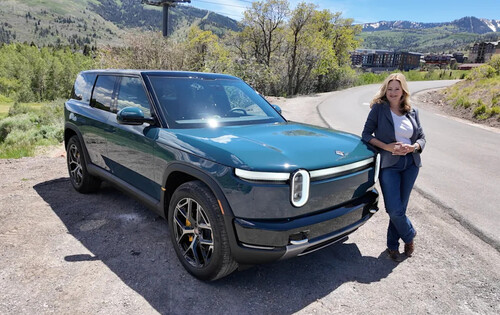
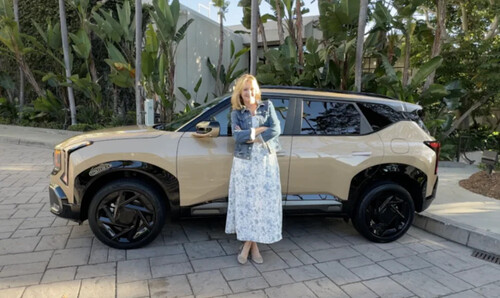
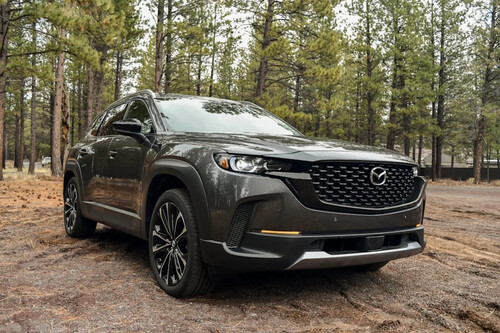
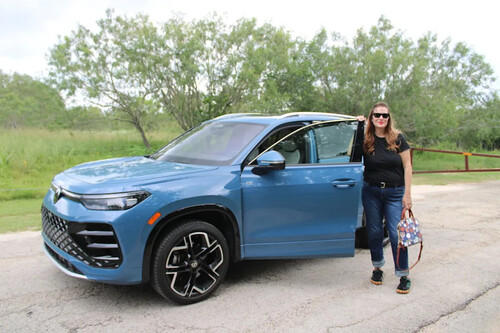
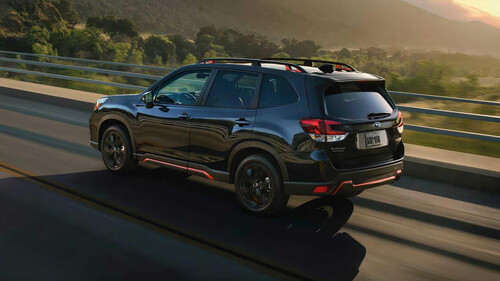
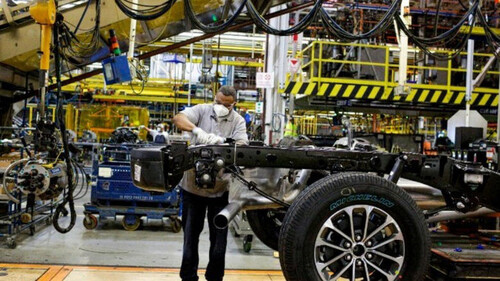
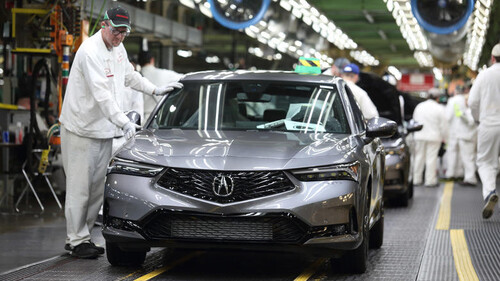
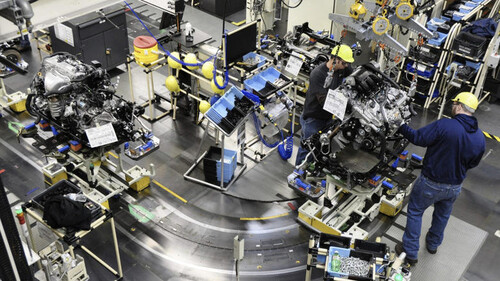
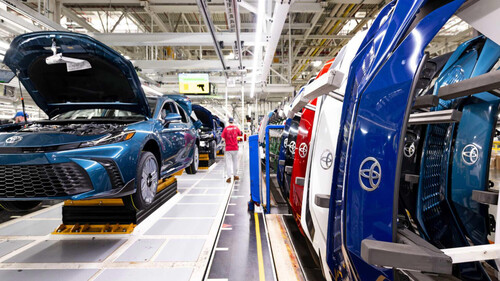
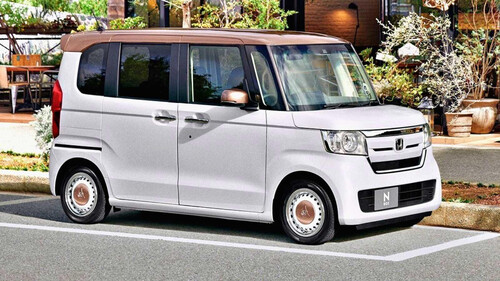
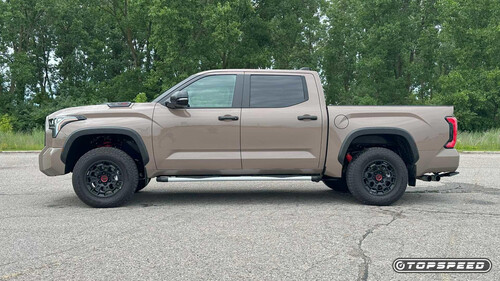
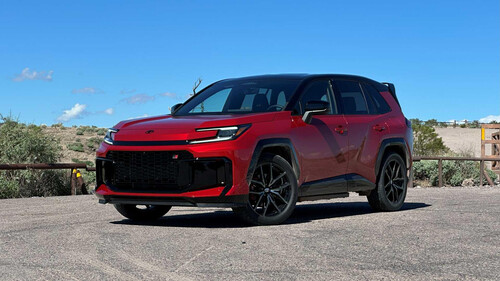
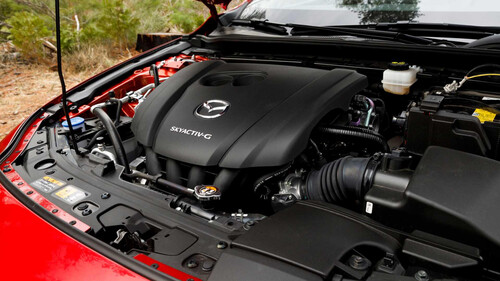
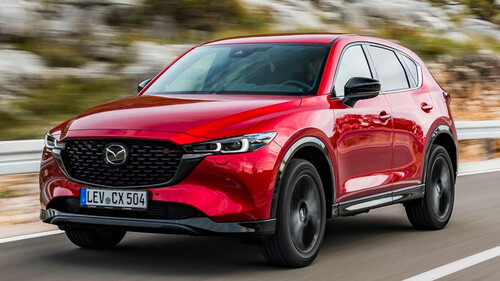
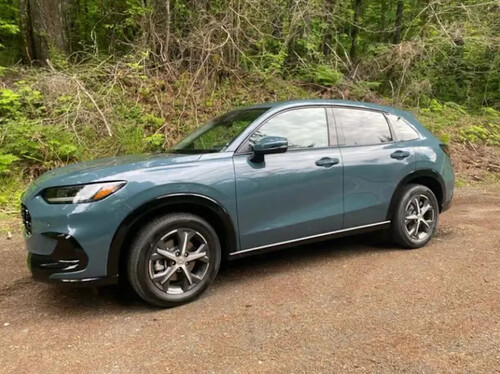
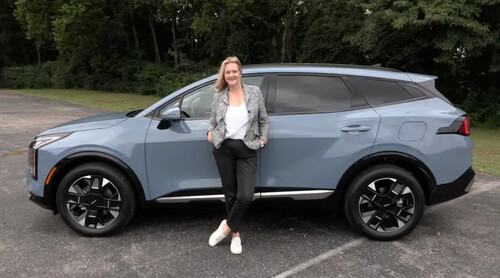
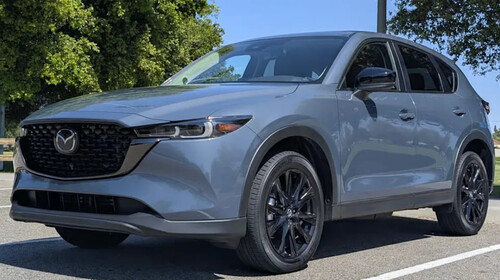
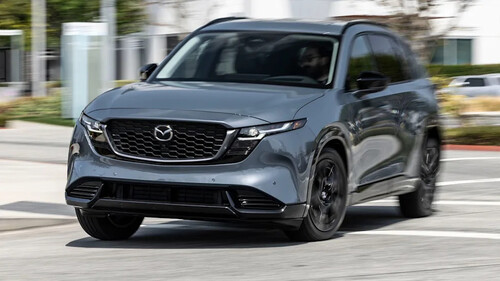
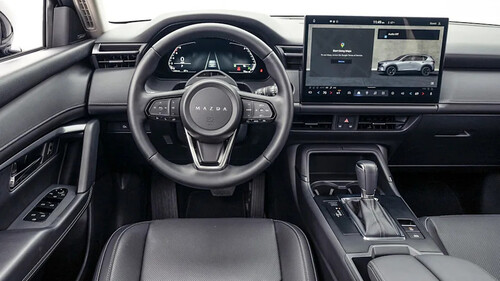
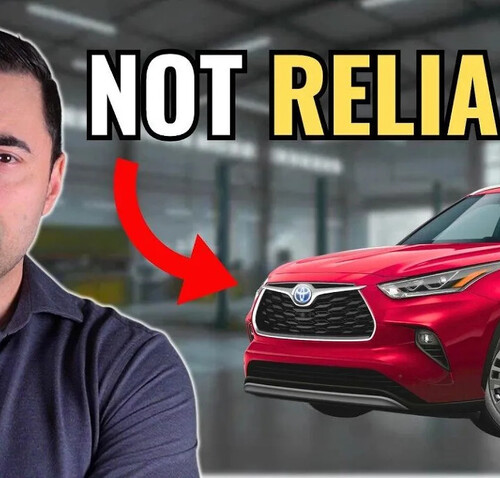
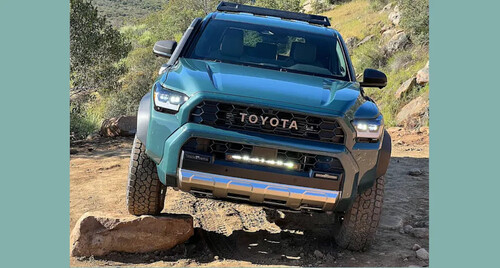
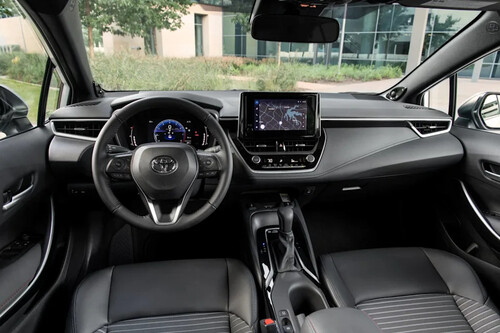
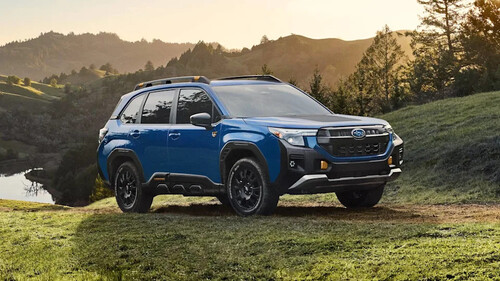
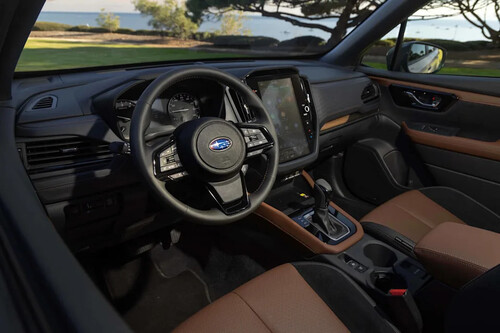
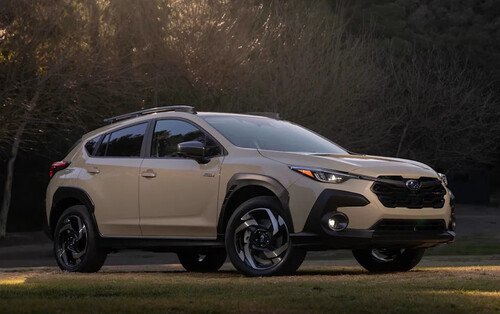
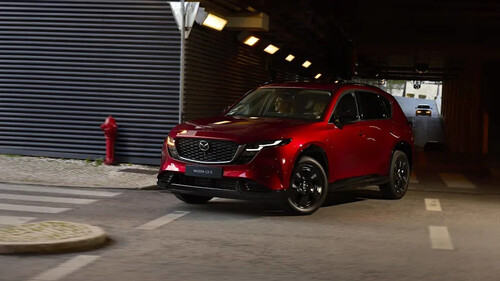
Toyota, Honda, Mazda, And Subaru Reliability Problems Have One Thing In CommonAutoblogYash BajajMon, September 21, 2026 at 7:33 PM UTCAdd us on GoogleAutoblog and Yahoo may earn commission from links in this article.None of this changes the broader picture — Toyota, Honda, Mazda, and Subaru remain among the most dependable brands sold in America. But reputation is earned brand-wide while failures happen at the engine or platform level, and according to YouTube channel Car Help Corner, there are real and well-documented problems worth knowing about before you buy one of these specific cars.Toyota's Tundra Engine Crisis Keeps GrowingToyotaToyota's twin-turbo 3.4-liter V6, which replaced the legendary 5.7-liter V8 in the 2022 Tundra redesign, has been recalled three separate times over machining debris that can damage the crankshaft's main bearing and cause complete engine failure — most recently in May 2026, covering over 43,000 additional 2024 trucks, on top of the roughly 100,000 covered by the original 2024 recall. Toyota's own official explanation is that tighter emissions-driven tolerances leave the new engine unable to tolerate debris the old V8 shrugged off, but independent teardowns have raised real questions about whether debris is the whole story, and Toyota has now issued a fix, revised the fix, and revised it again. The company still hasn't said whether the 2027 model is confirmed clear of the issue.A Transmission Problem Hiding In Plain SightToyotaToyota's 8-speed automatic spans a huge swath of the lineup — RAV4, Highlander, Camry, Tacoma, and several Lexus models — but complaints concentrate heavily on Highlanders from 2017 onward, with owners describing jerky, clunky low-speed shifts and a shudder like driving over rumble strips. It rarely fails outright, but on a $50,000-plus vehicle, that's a legitimate complaint. Toyota markets the transmission fluid as a lifetime fill that never needs changing; mechanics who see these transmissions regularly recommend ignoring that guidance and servicing it on a normal interval anyway. Buyers who want to sidestep the issue entirely can opt for the Highlander Hybrid, which swaps the 8-speed for a far more durable eCVT, allowing Toyota time to figure out the automatic.The Cheapest Part In The Car Is Stranding EV OwnersSubaruAdvertisementAdvertisementToyota's bZ4X and Subaru's Solterra — built on the same shared platform — have been hit with a consolidated class-action lawsuit over 12-volt batteries that drain repeatedly, sometimes within days of being replaced. A Subaru technician's own diagnostic notes, shared by an affected owner, traced the drain to the vehicle's data communication module repeatedly waking to sync with cloud services, pulling current well outside normal spec. Both automakers have moved to dismiss the consolidated case, and no permanent fix has shipped yet — meaning owners are still stuck jump-starting or replacing batteries that keep failing the same way.Honda's Head Gasket Problem Just Got A Real ResponseAcuraHonda's 1.5-liter turbo four, used since 2016 in non-hybrid CR-Vs, Accords, the Civic Si, and Acura's ADX and Integra, has a documented pattern of premature head gasket failure past roughly 60,000 miles, running around $5,000 to repair and drawing class-action suits in both Canada and the US. What's changed recently is that Honda has now extended head gasket warranty coverage to 10 years or 150,000 miles on affected models. A real response, even if it stops short of a formal recall. Failure is far from guaranteed; plenty of these engines run past 200,000 miles with no issues at all, but the failure rate is high enough to weigh seriously against any non-hybrid Honda with this engine.Mazda's Newest SUVs Had A Rough LaunchMazdaThe CX-70 and CX-90 arrived as genuinely all-new vehicles — new platform, new drivetrains, a new hybrid option, all at once — and the risk of launching that much new technology simultaneously showed up fast: jerky 8-speed transmissions, prematurely worn brakes, steering and suspension complaints, PHEV stalling issues, and enough electrical gremlins to trigger multiple recalls and lawsuits. The good news is timing: the overwhelming majority of complaints trace back to 2024 and 2025 model years specifically, meaning a 2026 or 2027 example should be a meaningfully safer bet.The pattern across all five issues is the same one driving nearly every reliability story in the industry right now: smaller turbocharged engines, newer multi-speed transmissions, and new EV or hybrid platforms replacing simpler technology that had already proven itself. None of it erases what these four brands do well — it just means the badge on the hood isn't a substitute for researching the specific powertrain you're actually buying.AdvertisementAdvertisementThis story was originally published by Autoblog on Sep 21, 2026, where it first appeared in the Features section. Add Autoblog as a Preferred Source by clicking here.