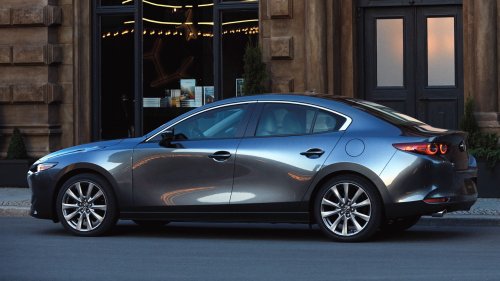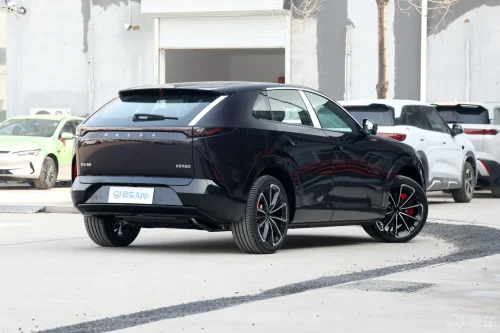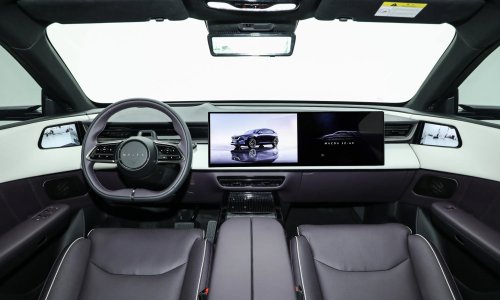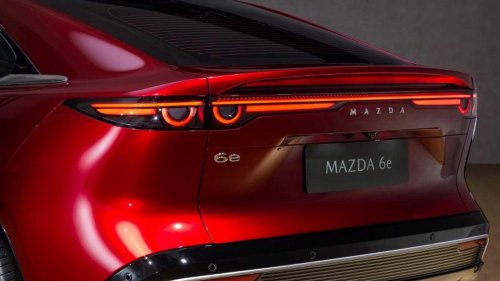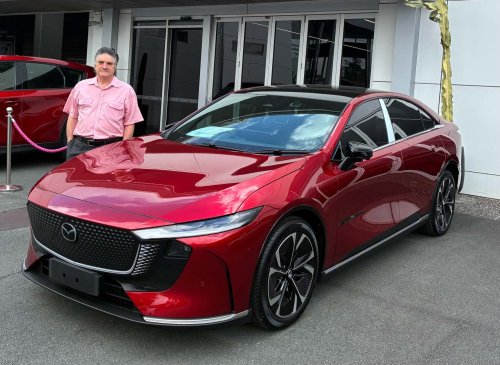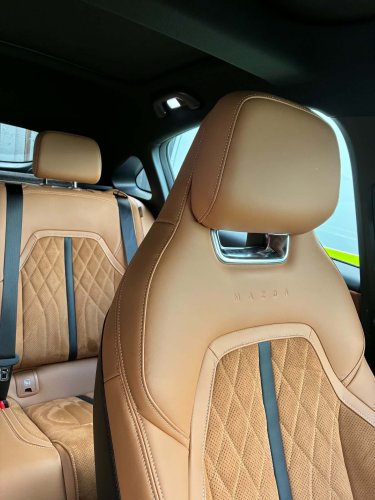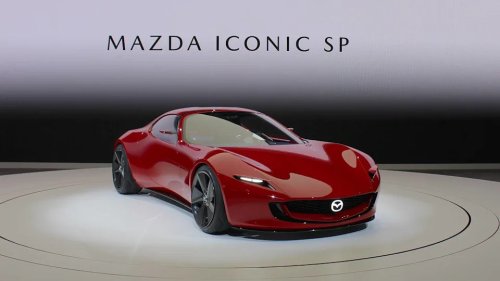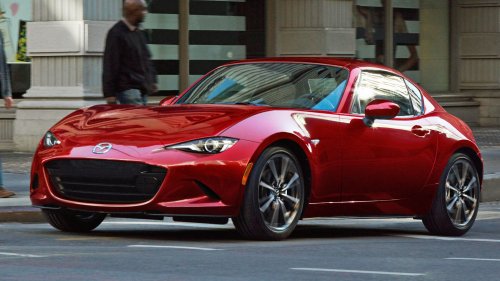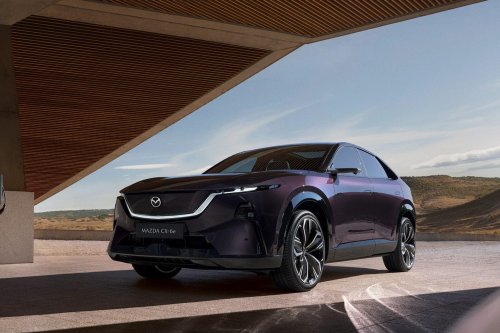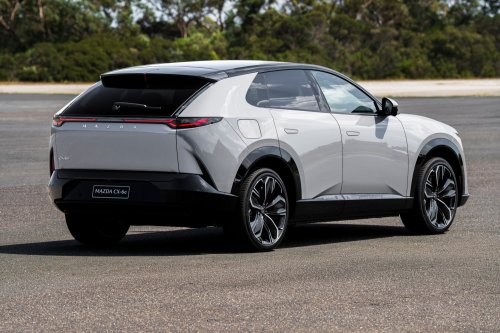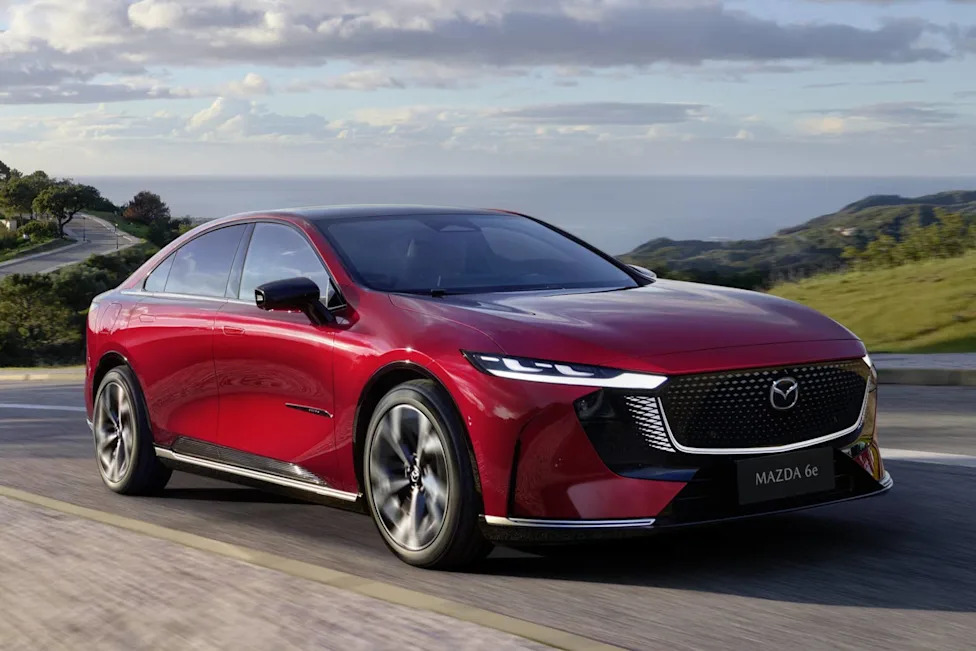



















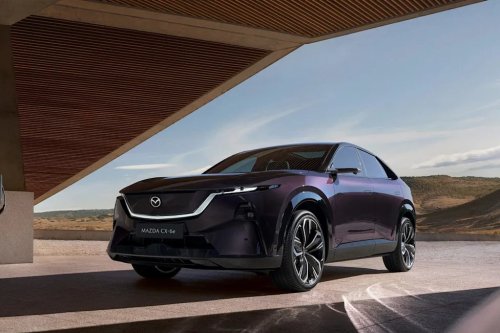
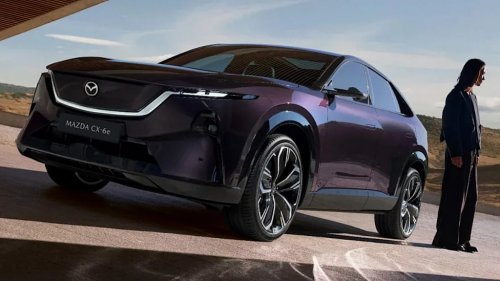
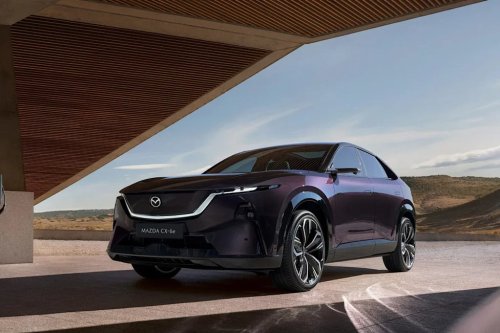
Why Mazda Refuses to Kill Its Old-School Design TraditionAutoblogLeroy MarionSat, September 12, 2026 at 12:45 PM UTCAdd us on GoogleAutoblog and Yahoo may earn commission from links in this article.The auto industry is rapidly trading physical prototypes for pixels. Spatial computing tools are replacing traditional studios as rival automakers scramble to cut development time. Walk into most modern design centers today, and you will see teams wearing VR headsets instead of working with clay.Yet Mazda flatly refuses to join this digital rush. While competitors often rely on algorithms that generate chaotic, overstyled shapes, the Japanese automaker's core philosophy remains mastering visual restraint. Mazda's styling department firmly believes software simply cannot replicate human warmth. Instead, they rely on dirty hands and raw intuition to find the perfect curve, setting up a sharp clash between old-school tradition and modern tech.The Dirty Hands Behind Award-Winning CurvesIn an interview with Design Week, Mazda says physical clay sculpting shapes the emotional core of every vehicle they produce. These master modelers, known as Takumi, literally carve the brand's Kodo design language by hand before any computer gets involved. "Our target is to create a timeless form as much as possible," Mazda's global chief of design, Ikuo Maeda, explains. He notes that he is entirely unmoved by corporate pressure to rush production. "No matter if the company asks us to make it shorter… I don't care." For him, great design means protecting the craft, which means protecting the hours required to create the designs by hand.AdvertisementAdvertisementDesigners universally describe the modeling studio as a deeply sacred space where art supersedes corporate engineering. They often share anecdotes about how natural studio light bounces off physical clay differently than a glowing monitor, exposing harsh shadows that software completely ignores. It is an intensely exhausting process where modelers scrape away millimeters of material until the vehicle looks like a living creature ready to pounce.The Mazda 6e, winning global car design of the year awards, further validates this analog approach on the world stage. By allowing raw human emotion to finalize the vehicle's form, the brand consistently delivers stunning cars that look undeniably premium.Mazda 6e exteriorMazdaFinancial Realities Threatening the Clay DreamWhile this artistic purity is undeniably romantic, it's a massive financial liability in today's cutthroat market. Hand-sculpting full-size cars is time-consuming. When rival companies slash budgets and accelerate launches with virtual reality, pouring millions into massive physical studios feels incredibly risky for an independent, low-volume automaker trying to compete.Plummeting compact sales currently threaten the brand's artistic flexibility as aging vehicle lineups struggle to maintain market momentum. Combined with the crushing weight of new international trade tariffs severely eroding profit margins, the financial outlook is turning grim. If Mazda wants to survive this hostile economic climate, executives might soon be forced to pry those beloved carving tools away from their designers.Chase BierenkovenThis story was originally published by Autoblog on Sep 12, 2026, where it first appeared in the News section. Add Autoblog as a Preferred Source by clicking here.